
Kyoto– tag –
-

Shishigatani Kabocha Powder
Shishigatani Kabocha powder is a raw material made by drying and then finely powdering the Kyoto heirloom vegetable "Shishigatani kabocha." It is intended for uses such as potage bases, dough for baked goods, Japanese-style simmered-dish powders, and baby food bases, spreading the light, delicate flavor and gentle color of Shishigatani kabocha uniformly... -
Horikawa Gobo Powder
Horikawa Gobo powder is a raw material made by drying and then finely powdering Horikawa gobo, a Kyoto heirloom vegetable. It is intended for uses such as Japanese dashi bases, kinpira-style seasoning, soup bases, and flavoring for baking and confectionery, spreading the distinctive fragrance and earthy aroma of Horikawa gobo uniformly. In... -
Dried Shishigatani Kabocha
Dried Shishigatani kabocha is a commercial ingredient made from the Kyoto heirloom vegetable "Shishigatani kabocha." Shishigatani kabocha is a Japanese kabocha of the genus Cucurbita in the gourd family, prized for its distinctive gourd-like shape pinched at top and bottom, and its higher-moisture, light flavor. Agriture... -
Dried Horikawa Gobo
Dried Horikawa gobo is a commercial ingredient made from the Kyoto heirloom vegetable "Horikawa gobo." Horikawa gobo is a large burdock that swells to 6–9 cm thick and around 50 cm long, with a hollow center (su-iri); it has soft flesh and a distinctive fragrance. This thick, hollow shape and the soft... -
Dried Benihoshi Mizuna
Dried Benihoshi mizuna is a commercial ingredient made from "Benihoshi," a mizuna variety that colors red-purple. Unlike ordinary green mizuna, it is characterized by vivid red-purple running from the leaf stalks to the leaf tips; that coloring is locked in through low-temperature drying. Agriture also offers the same Benihoshi mizuna finely powdered... -
Dried kintoki carrot
Dried kintoki carrot is a commercial material made by cutting the Eastern-type carrot "kintoki carrot (Kyoto carrot)" into thin strips. Compared with common Western carrots, it is characterized by a more vivid crimson color and a gentle sweetness, and that color and flavor are sealed in through low-temperature drying. At Agriture, from the same kintoki carrot finely milled... -
Yuzu powder (Kyoto-grown)
Yuzu powder (Kyoto-grown) is a commercial citrus raw material made by low-temperature-drying the peel of yuzu harvested in Ukyo Ward, Kyoto City and the Kyoto area, and processing it consistently through grinding at our own facility in Kyoto Prefecture. Without using glucose, colorants, or antioxidants, it retains the rich fragrance and vivid yellow characteristic of Kyoto-grown yuzu in the powder... -
Lotus root powder
Domestic lotus-root powder is a commercial vegetable raw material made by low-temperature-drying lotus root sourced from domestic contract-cultivation farms, and processing it consistently through grinding at our own facility in Kyoto Prefecture. Without using glucose, colorants, or antioxidants, it retains lotus root's natural flavor and white color in the powder. It has the property of thickening when dissolved in water... -
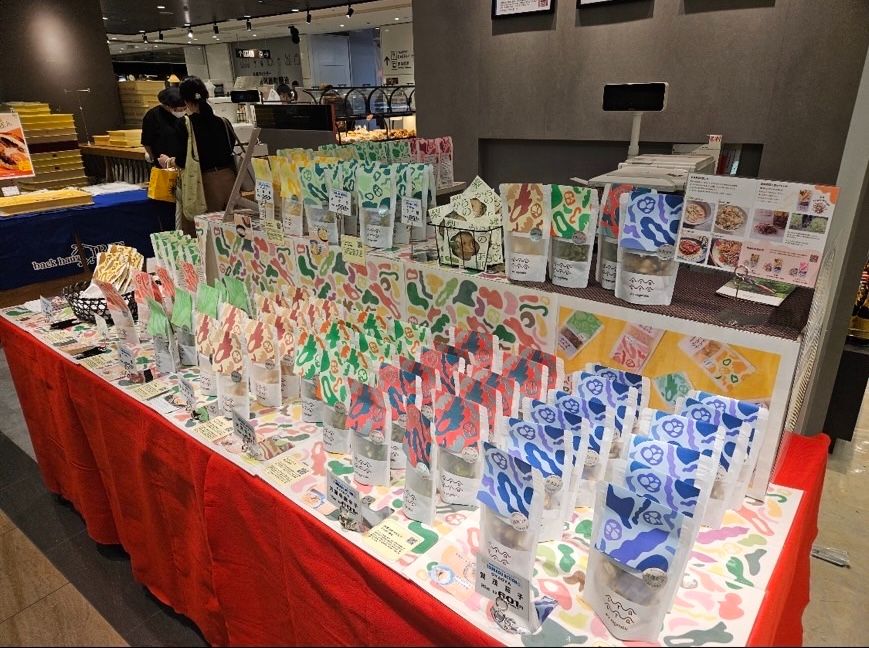
Holding a POP UP SHOP at Kyoto Takashimaya
We will sell at a pop-up during TUNAGU ACTION WEEKS held at Kyoto Takashimaya. ■October 2 (Wed) → 8 (Tue) ■Kyoto Takashimaya B1 POP UP STAGE 05 ※Quantities are limited. Please forgive us if sold out. https://www.instagram.com/p/DAnX07Tv0zA/?img_index=7 -

CEO Kojima appeared on KBS Kyoto's "Taniguchi Ruru"
Producer of "OYAOYA," a brand selling dried vegetables made from carefully grown Kyoto vegetables. Centered on dried vegetables, he works to reduce food loss. Because his grandmother kept a kitchen garden, he was a boy who liked vegetables more than meat or fish from childhood. He went to Ritsumeikan's Faculty of Letters, geography... -
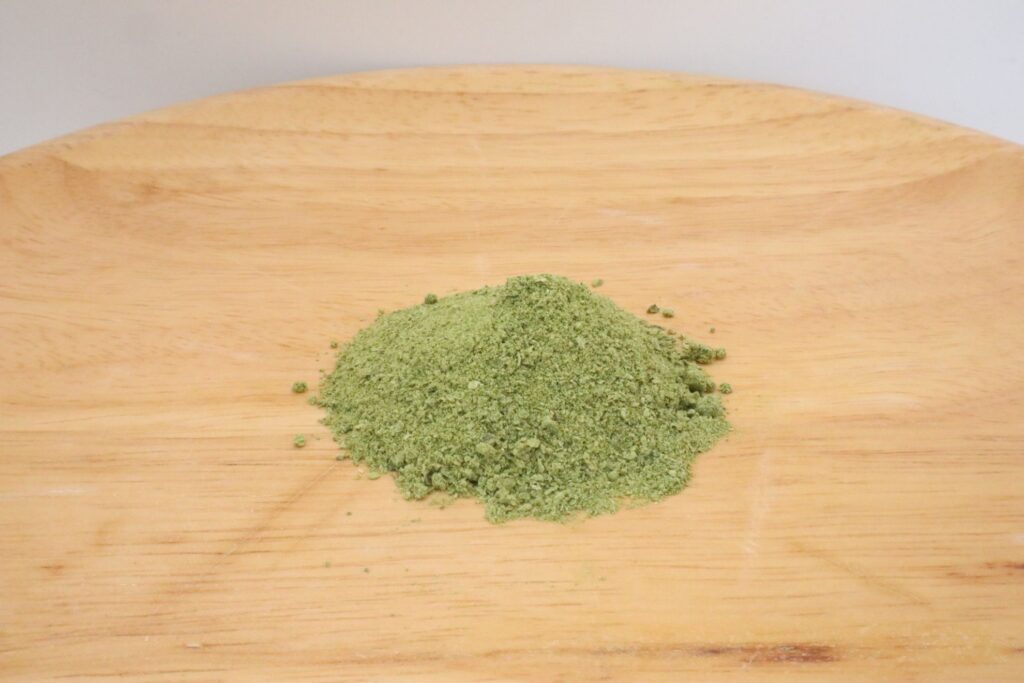
Manganji pepper powder
Manganji chili powder, characterized by sweetness and a moderate heat. Ideal as an accent for dishes, sauces, and seasonings. Commercial supply available. -
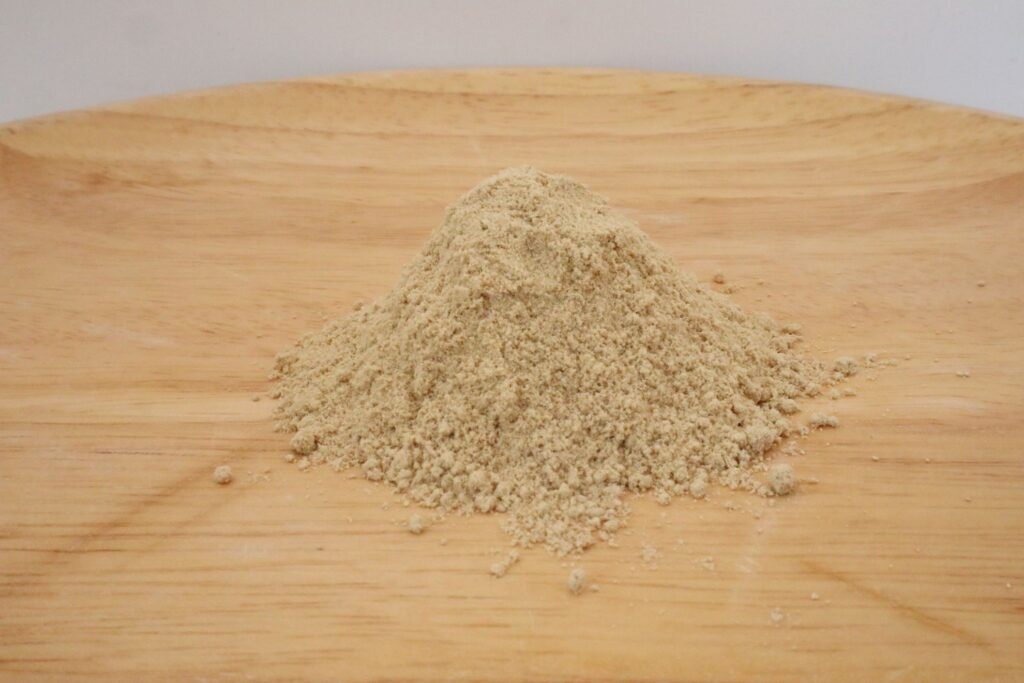
Ginger powder
Ginger powder, characterized by rich fragrance and a crisp heat. Ideal for flavoring beverages and processed foods. Commercial and OEM handling available. -
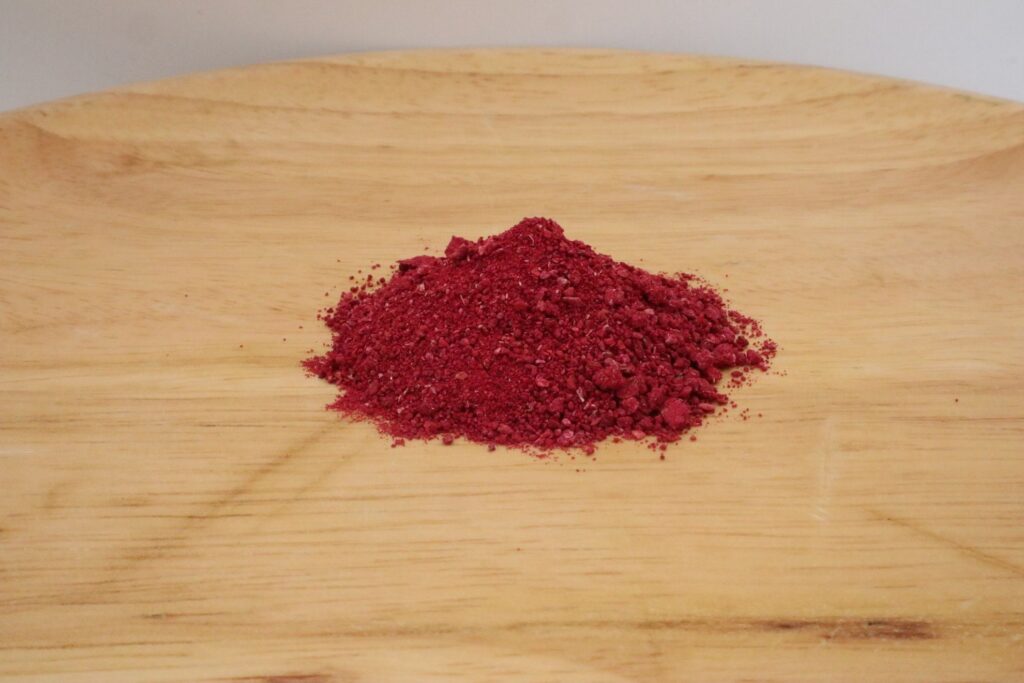
Beet powder
Dried beet powder, characterized by vivid color and natural sweetness. Ideal for drinks, sweets, and processed foods. Commercial and OEM handling available. -
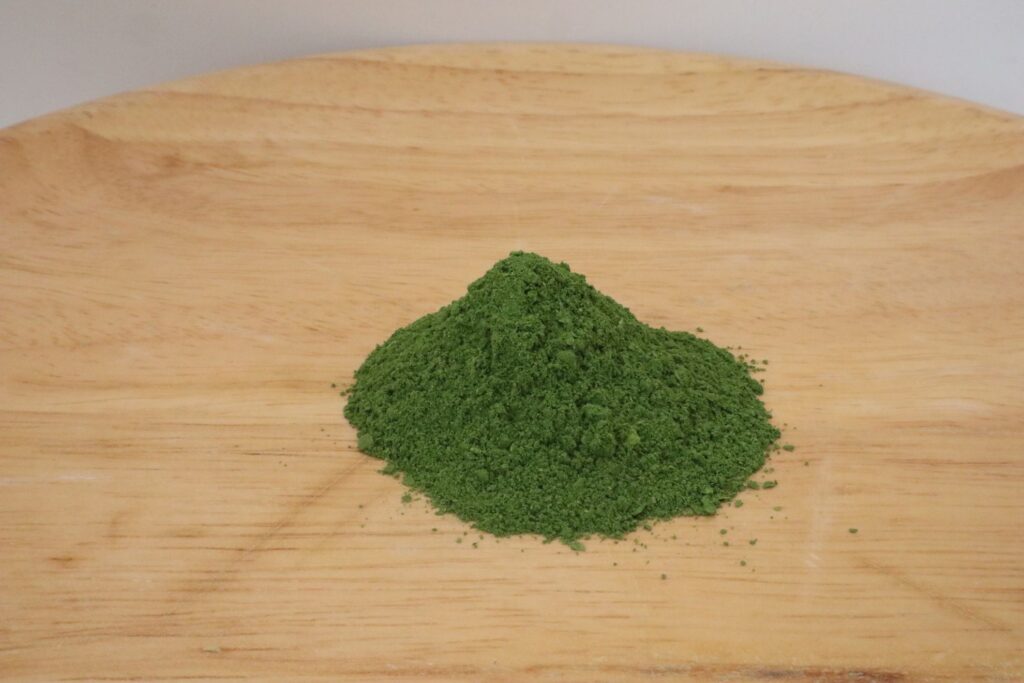
Spinach powder
Nutrient-rich, vividly colored dried spinach powder. Ideal for coloring and nutritional fortification of soups, noodles, and seasonings. Commercial supply available. -
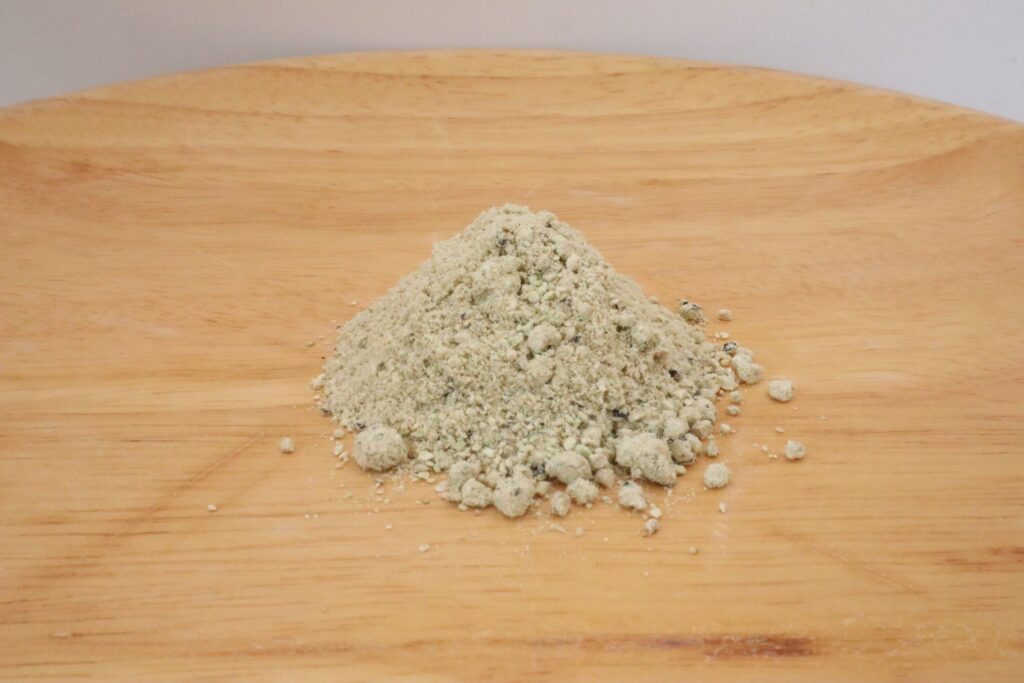
Kamo eggplant powder
Kamo eggplant from Kyoto's Kamo area, dried and processed. Refined sweetness and umami concentrated; a commercial raw material usable in a wide range of Japanese and Western dishes. -
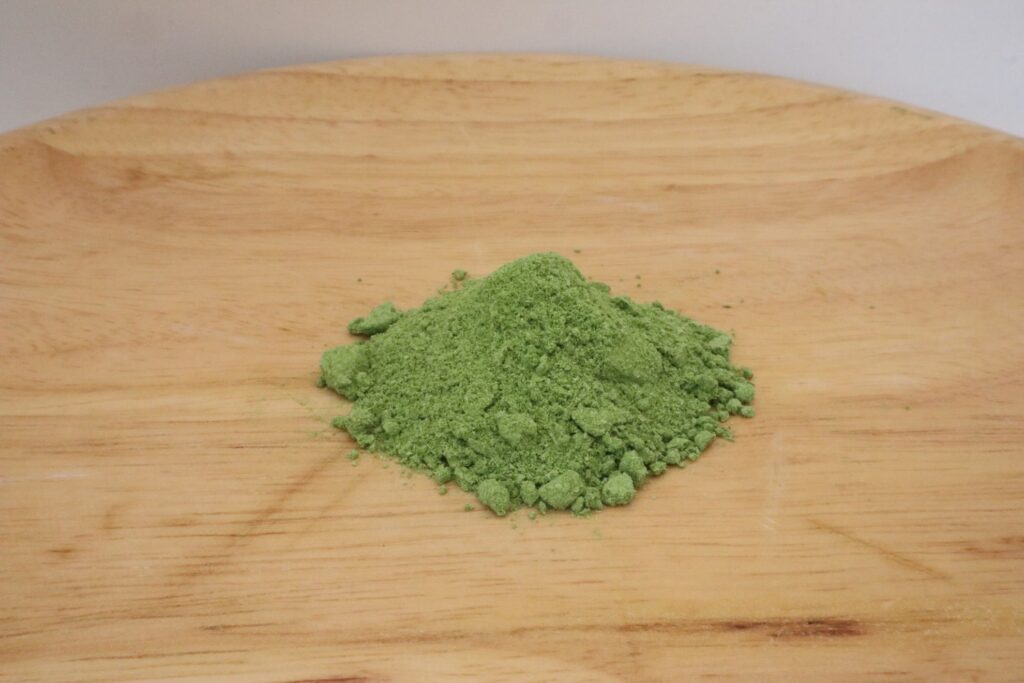
Kujo green onion powder
Kujo negi, a traditional Kyoto vegetable, dried and processed. Distinctive sweetness and mellow fragrance. A commercial raw material ideal for condiments and seasonings. -
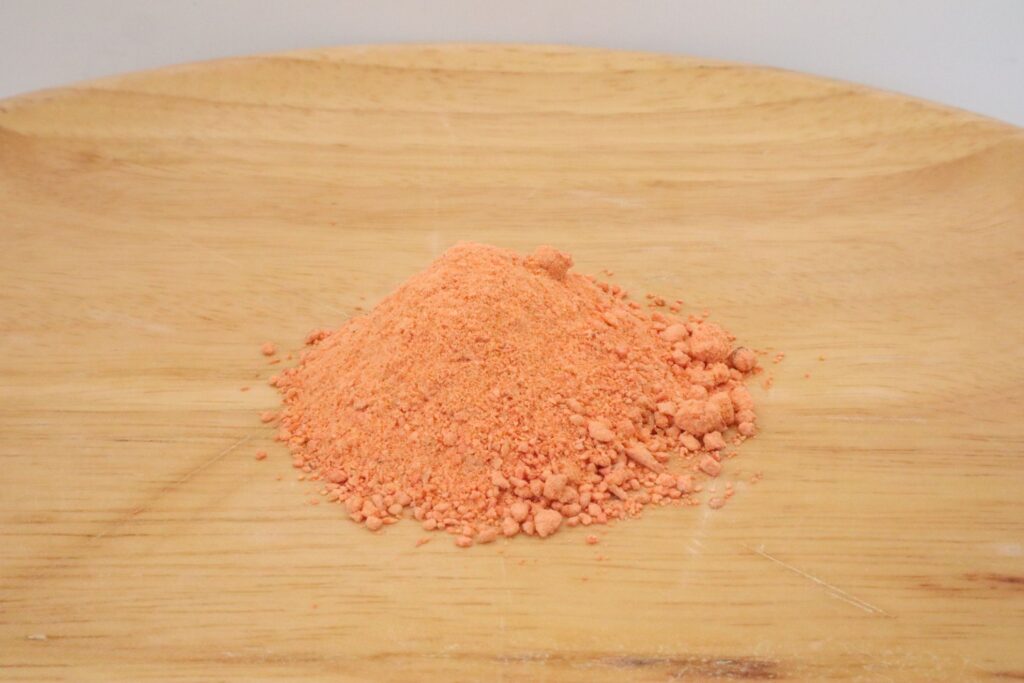
Carrot powder
Vividly colored, richly sweet dried Orange carrot powder. Ideal for natural coloring of soups, baked goods, and seasonings. Commercial supply available. -
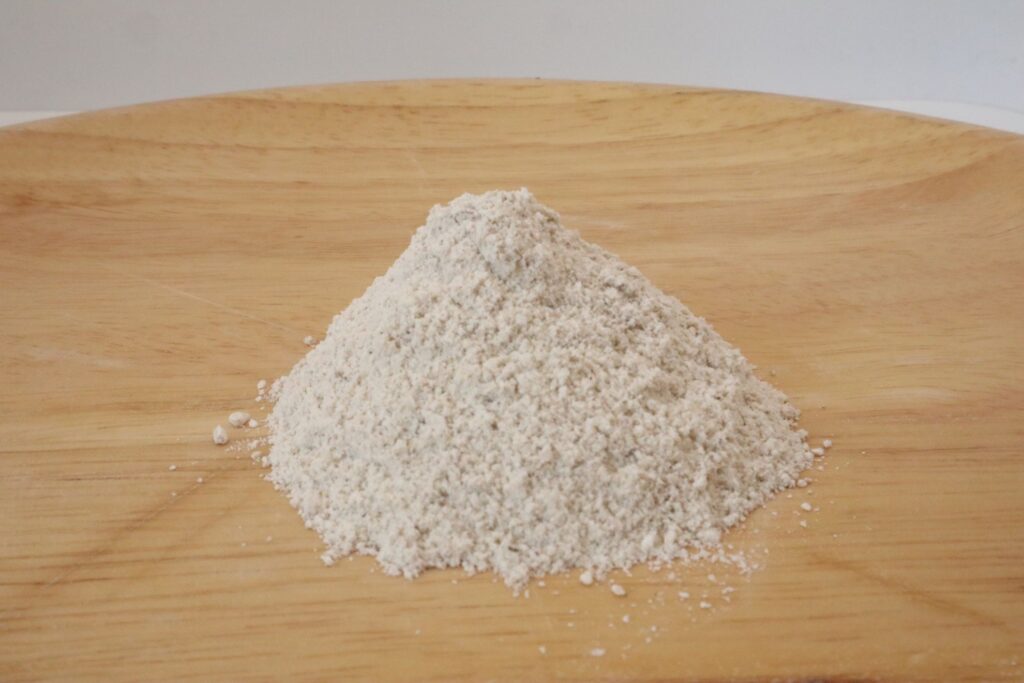
Burdock powder
Dried burdock powder, characterized by a toasty aroma and earthy flavor. Ideal as a raw material for simmered dishes, soups, and health foods. Commercial and OEM handling available. -
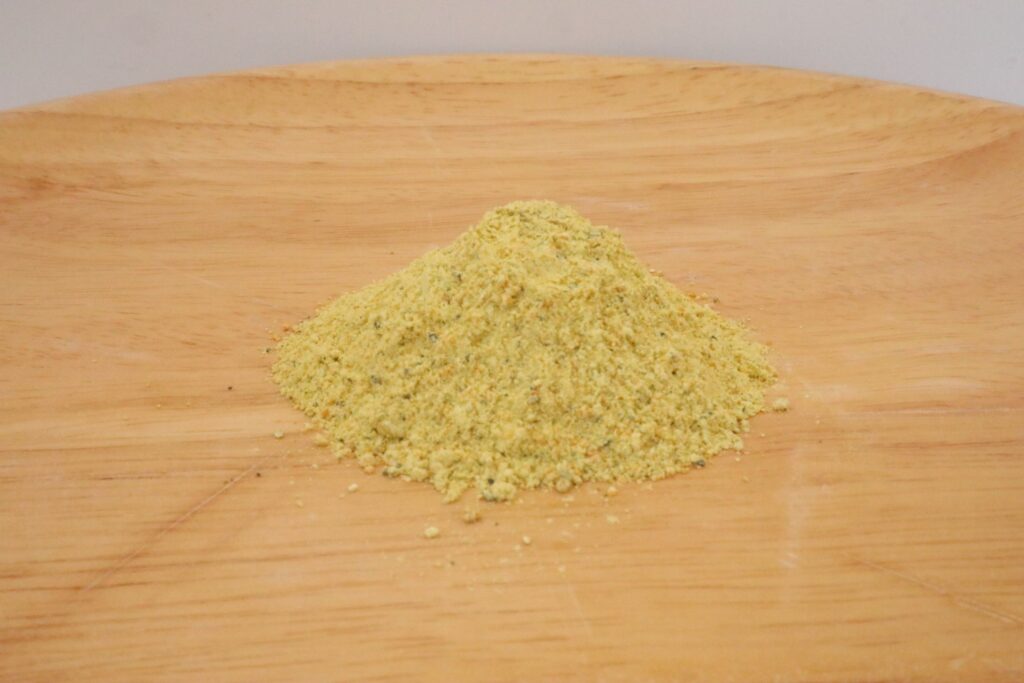
Kabocha squash powder
Dried kabocha powder, characterized by rich sweetness. Ideal for coloring soups, sweets, and bread dough. Commercial and OEM handling available. -
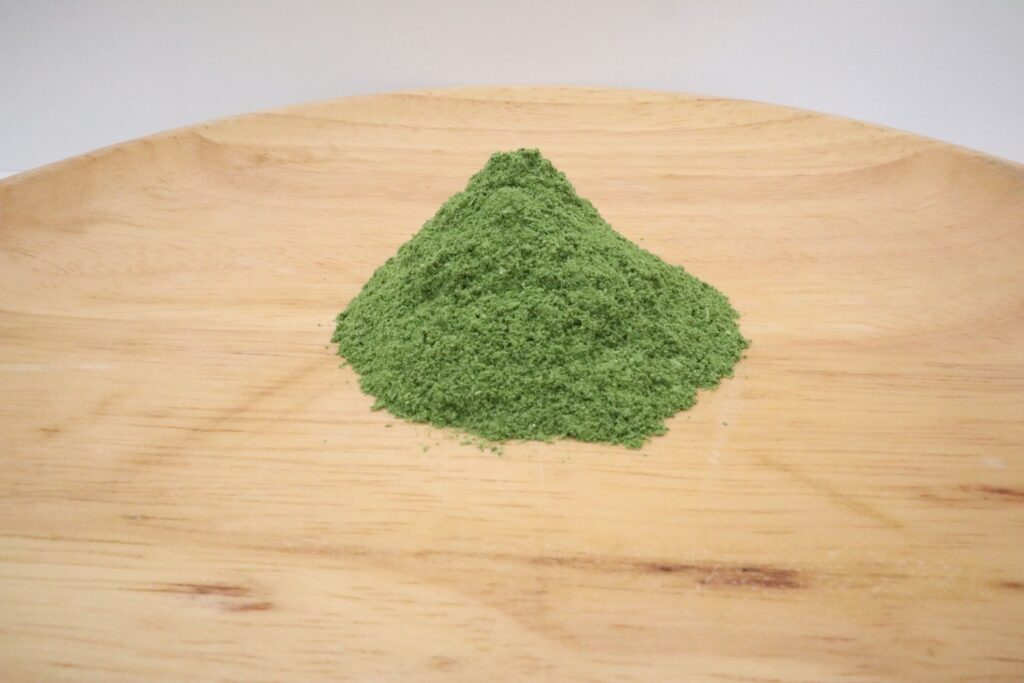
Komatsuna powder
Dried powder made from Kyoto-grown komatsuna. Vivid green color and nutritional value are its hallmarks. A commercial food ideal for smoothies, confectionery, and seasonings. -
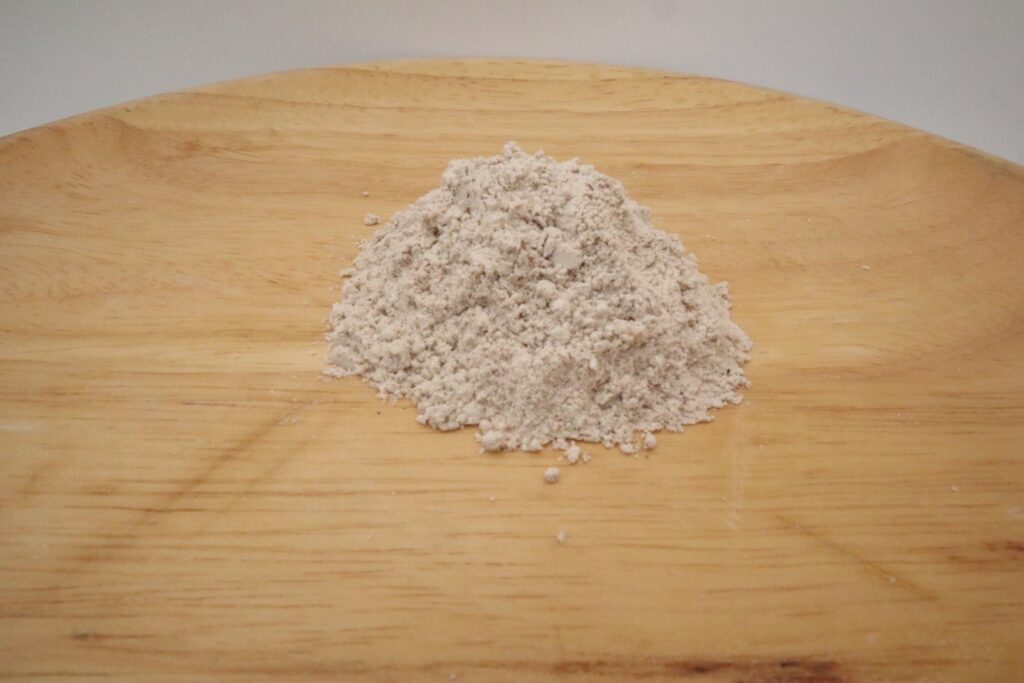
Shiitake powder
Dried shiitake powder made from domestic shiitake. Umami concentrated; ideal as a Japanese-style dashi or seasoning for restaurants and food makers. -

Dried Kujo green onion
A commercial dried vegetable made by slicing and drying at our own factory the Kujo green onion known as a Kyoto heirloom vegetable. The green onion’s original fragrance and sweetness are concentrated, and a crisp texture remains even after rehydrating. It is suited to commercial use, especially for Japanese delicatessen, soups, and to... -
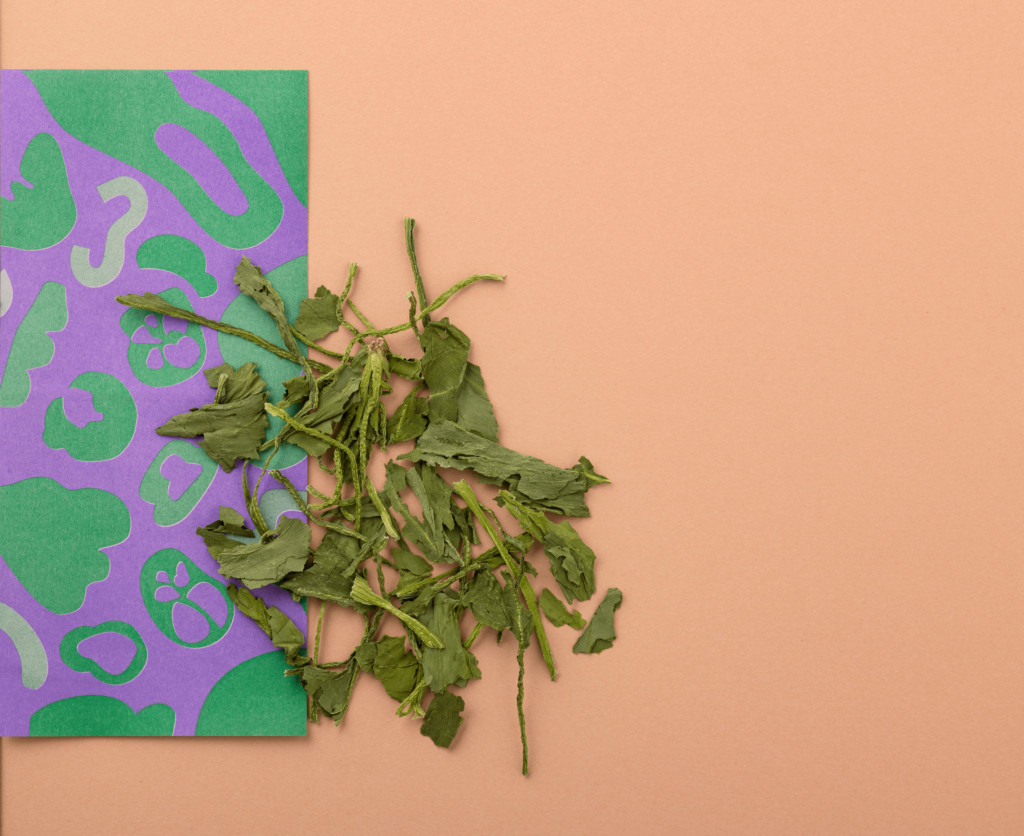
Dried mibuna
"Mibuna," a Kyoto heirloom vegetable also familiar in Kyoto pickles. Among them, mibuna cultivated in Hiyoshi Town—the designated production area for Kyo-mibuna—is a gem reputed to be aromatic, with a tangy heat like a herb. Drying softens the faintly bitter flavor, with the heat elevating the umami for a refined... -

Dried Shogoin daikon
"Shogoin daikon," a Kyoto heirloom vegetable born in the Shogoin area of Kyoto in the late Edo period. Its perfectly round, moisture-rich, soft flesh is resistant to falling apart when simmered and faintly sweet. Drying removes the moisture, producing a springy, bouncy texture and a refined richness and umami within the sweetness... -
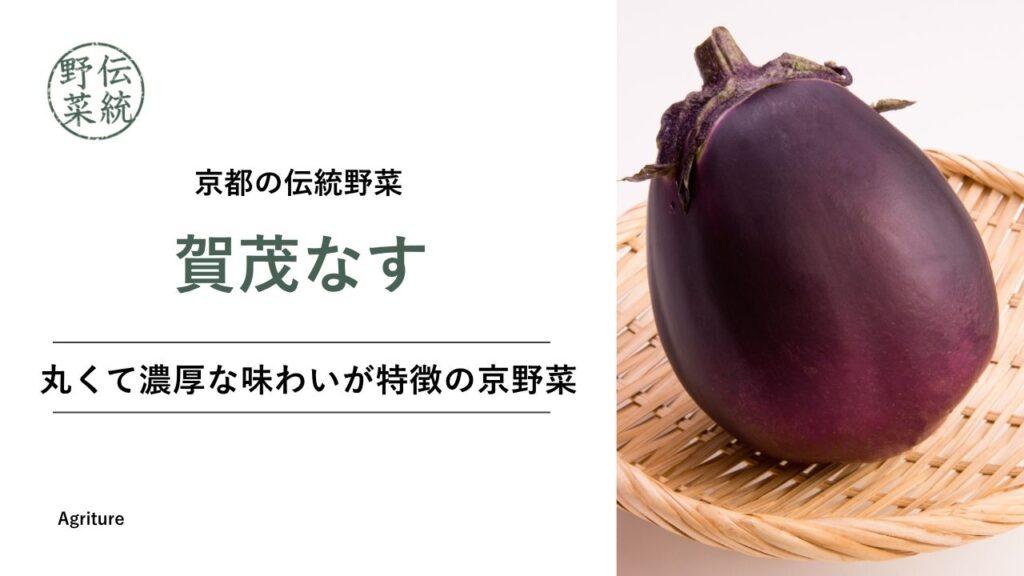
Kamo Eggplant: A Kyoto Vegetable Prized for Its Round Shape and Rich Flavor
Kamo eggplant (kamonasu), also called the "queen of eggplant," is a summer Kyoto vegetable that represents Kyoto. Prized for its round, hefty shape exceeding 10cm in diameter and its densely packed, thick flesh, it has been cultivated centered on the Kamigamo area of Kita Ward, Kyoto City. Dengaku, agedashi, eggplant steak, and... -
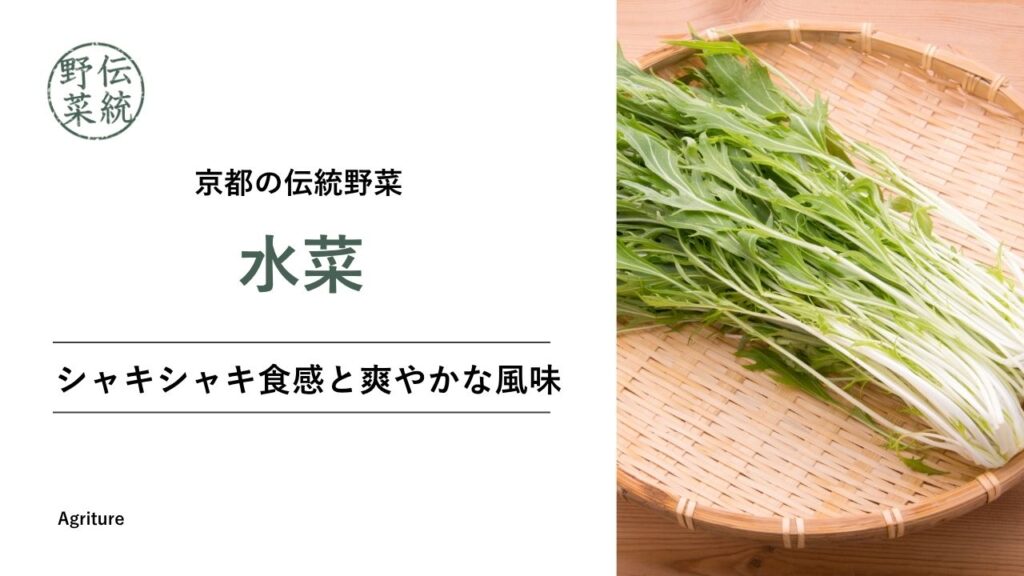
What Is Kyo-Mizuna | A Guide to Its Characteristics, Varieties, and How to Eat It
"Kyo-mizuna," a Kyoto vegetable essential to the winter table. Prized for a crisp flavor and a crunchy bite, it has the depth to elevate both hot pot and salad. It tends to be confused with the fellow Kyoto vegetable mibuna, but the leaf shape and growth are different things. This article covers, from Kyo-mizuna's characteristics and history to varieties... -
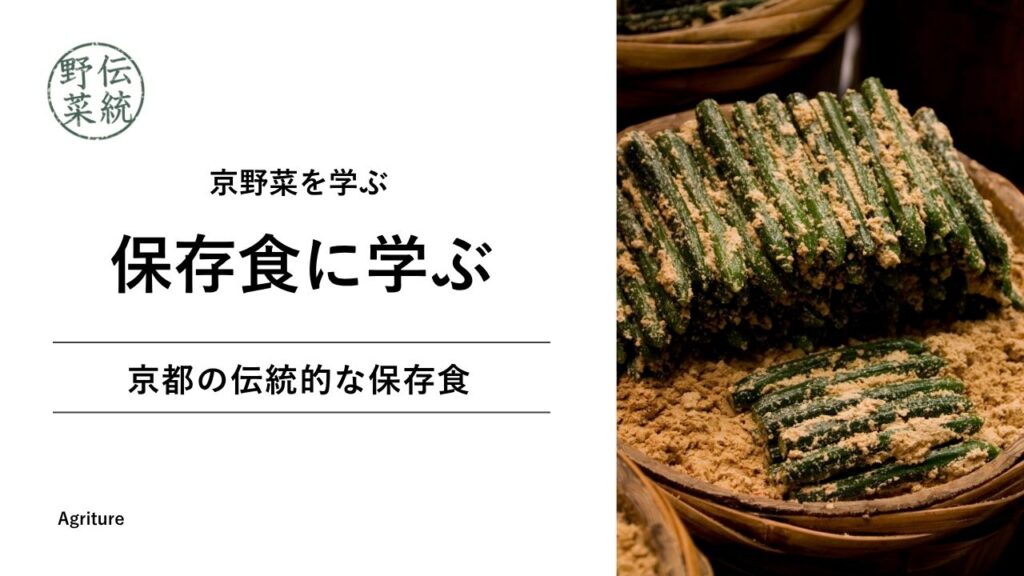
What Are Kyoto's Traditional Preserved Foods? Inherited Wisdom and How to Use It Today
Kyoto, boasting over a thousand years of history, has a diverse array of "traditional preserved foods" born from rich seasons and the wisdom of daily life. In an age without refrigeration, the sun-dried vegetables, pickles, and fermented foods devised to make the most of seasonal ingredients without waste still support the Kyoto table today. This article covers... -
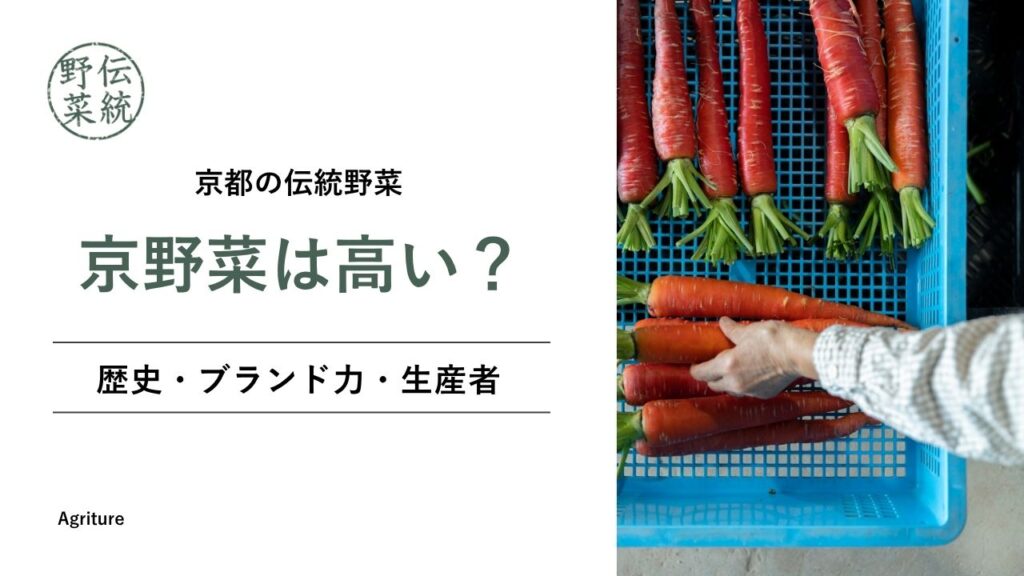
Why Are Kyoto Vegetables Expensive? History, Brand Power, and Producers' Commitment Explained
Kyoto vegetables, which color Kyoto's food culture. Do you dismiss the reason their prices are on the higher side as simply "because it's Kyoto"? In fact, behind Kyoto vegetables' high cost lie a long history and tradition, a unique growing environment, and producers' ceaseless efforts. This article covers why Kyoto vegetables are high... -
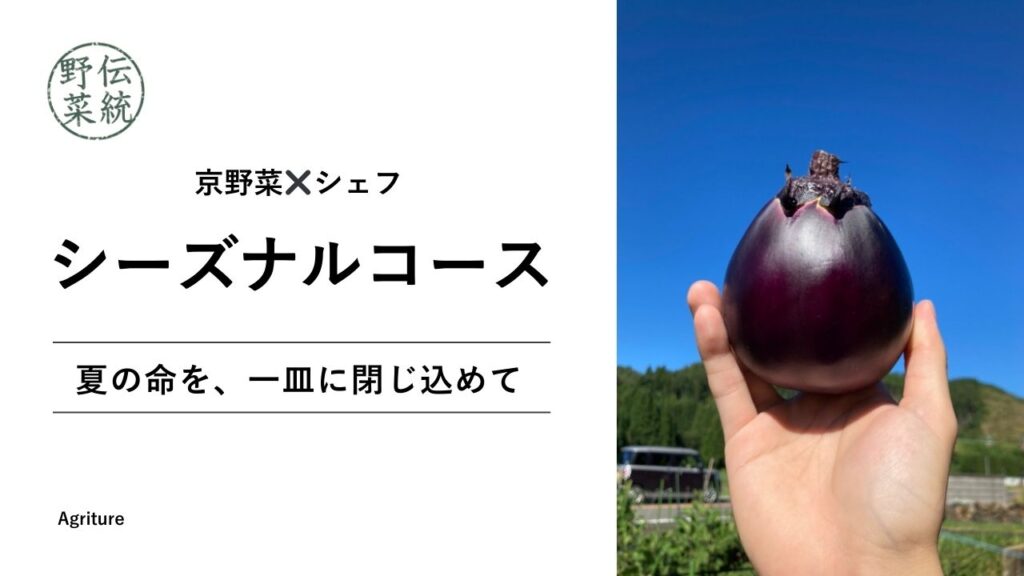
How to Build a Seasonal Course Woven with Kyoto Vegetables
―Capturing Summer's Life, Coolly, in a Single Dish― A column penned by chef Tamotsu Yoneyama, who runs "Potsura Potsura" and "Utsura Utsura" in Shinsen, Tokyo, earning Michelin Bib Gourmand at both restaurants. How to build summer Kyoto vegetables into a course—that thinking and commitment... -
京野菜は何品目あるのか、読み方の一覧と認定の枠組みから確かめる
京野菜を調べはじめると、最初に引っかかるのが名前の読みです。九条ねぎ、鹿ヶ谷かぼちゃ、聖護院大根、柊野ささげ。どれも京都の地名がそのまま品目名になっているため、地名を知らないと読めません。そしてもうひとつ引っかかるのが品目数です。37品目... -
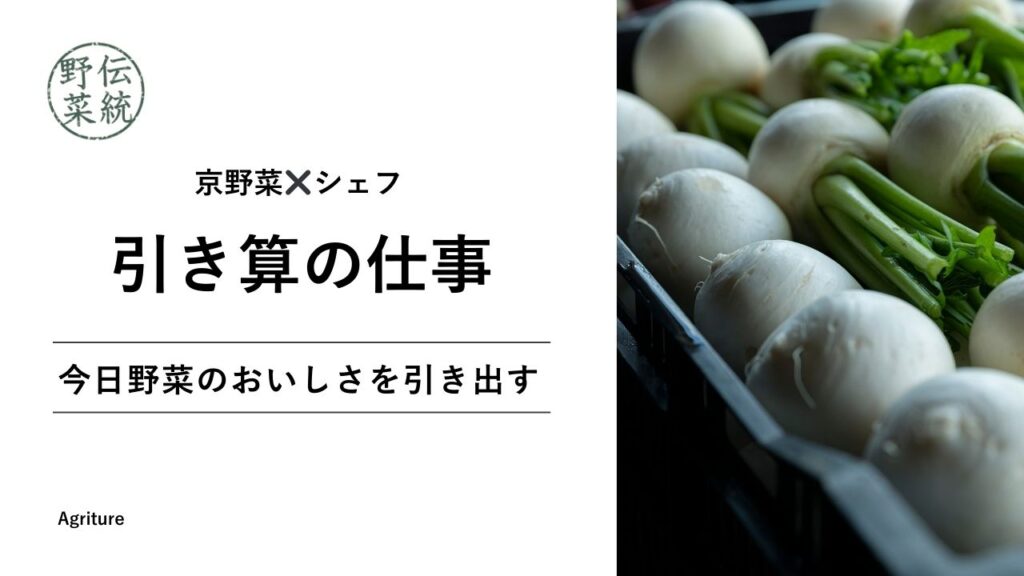
The Work of "Subtraction" That Makes the Most of Kyoto Vegetables
―No Salt or Oil Needed—What the Ingredient Teaches Us― A column penned by chef Tamotsu Yoneyama, who runs "Potsura Potsura" and "Utsura Utsura" in Shinsen, Tokyo, earning Michelin Bib Gourmand at both restaurants. When facing a Kyoto vegetable, the "subtraction" a chef should choose... -
[Kyoto Vegetable Calendar] Seasonal Kyoto Vegetables That Color the Four Seasons and Famous Kyoto Cuisine
The gentle ring of "Kyoto vegetables" is everyday life for Kyoto people, and for those living outside Kyoto it's an object of longing, evoking a certain nostalgia. Tied to seasonal events and dishes, they have nurtured a distinctive food culture. Today, with advances in agricultural technology, more can be enjoyed year-round... -
As If Meeting a Different Vegetable—Manganji Togarashi and the Story of "Season"
A column penned by chef Tamotsu Yoneyama, who runs "Potsura Potsura" and "Utsura Utsura" in Shinsen, Tokyo, earning Michelin Bib Gourmand at both restaurants. Through Manganji togarashi, he speaks of the shifting of "season" and the depth of Kyoto vegetables. The Manganji that changes between early summer and high summer... -
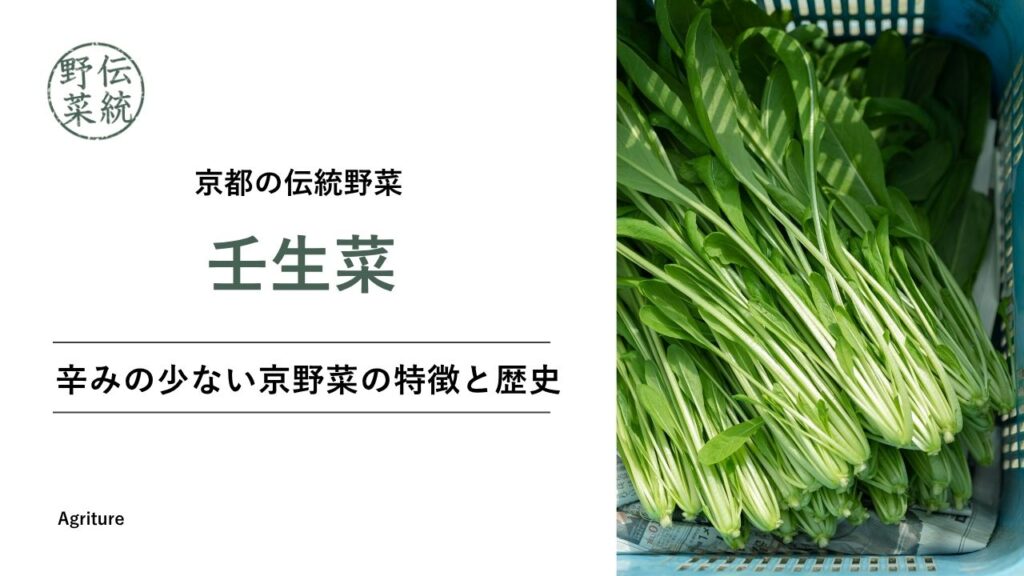
Mibuna: The Characteristics and History of a Kyoto Vegetable with Little Heat
Mibuna is one of Kyoto's traditional Kyoto vegetables, prized for its long, slender leaves and soft texture. It looks similar to mizuna, but its leaves have no serrations and are rounded. Its moderate, crisp heat and delicate flavor shine in a wide range of dishes—pickles, ohitashi, stir-fries, and more... -
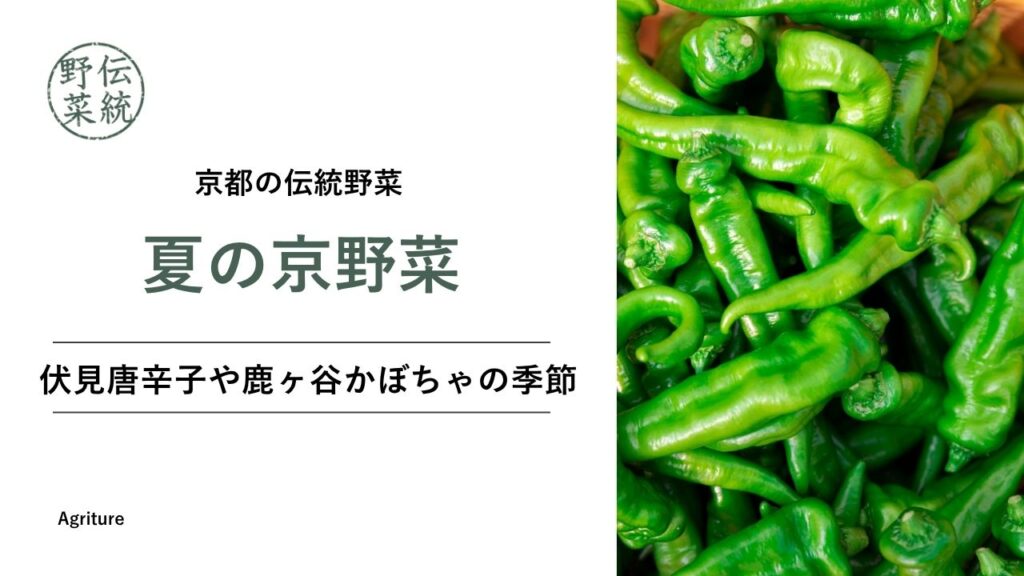
Summer Kyoto Vegetables: The Season of Fushimi Togarashi and Shishigatani Kabocha
Each vegetable has its "season," and tasting it in that period lets you enjoy its character best. Kyoto's heirloom vegetables, the "Kyoto vegetables," also include some that come into season in summer, coloring the summer table with juiciness and robust flavor. Here, Manganji togarashi, Kamo eggplant, Fushimi togarashi... -
Kyoto-style food development | Gift-oriented product development OEM using Kyoto vegetables
Gift food OEM using Kyoto ingredients is a field that lets you add the value of the “Kyoto brand” to products—value that product development in other regions cannot deliver. In addition to Kyoto vegetables such as Kujo green onion, Shogoin daikon, Kamo eggplant, and Manganji pepper, and up to the pickles, tsukudani, Kyoto sweets, and dashi that Kyoto’s food culture has nurtured, ingredients... -
Creating a regional brand with a Kyoto-vegetable OEM | The complete flow from planning to sales
京野菜のパウダー加工は、地域ブランドを原料レベルで商品に落とし込める数少ない選択肢です。九条ねぎ・万願寺とうがらし・聖護院大根・京くれない人参・京都産の柚子など、京都が長く育ててきた伝統野菜は、色・香り・ストーリー性のどれを取っても食品O... -
Kyoto ingredient processing OEM | How to make the most of Kyoto vegetables and quality control
The strength of requesting ingredient-processing OEM in Kyoto lies in access to Kyoto vegetables, heirloom vegetables, and Kyoto-grown ingredients, and in a quality-control system backed by the culture of long-established makers and artisans. By combining processing techniques such as drying, powdering, and extract extraction with Kyoto-grown ingredients, you get something beyond mere OEM manufacturing—a... -
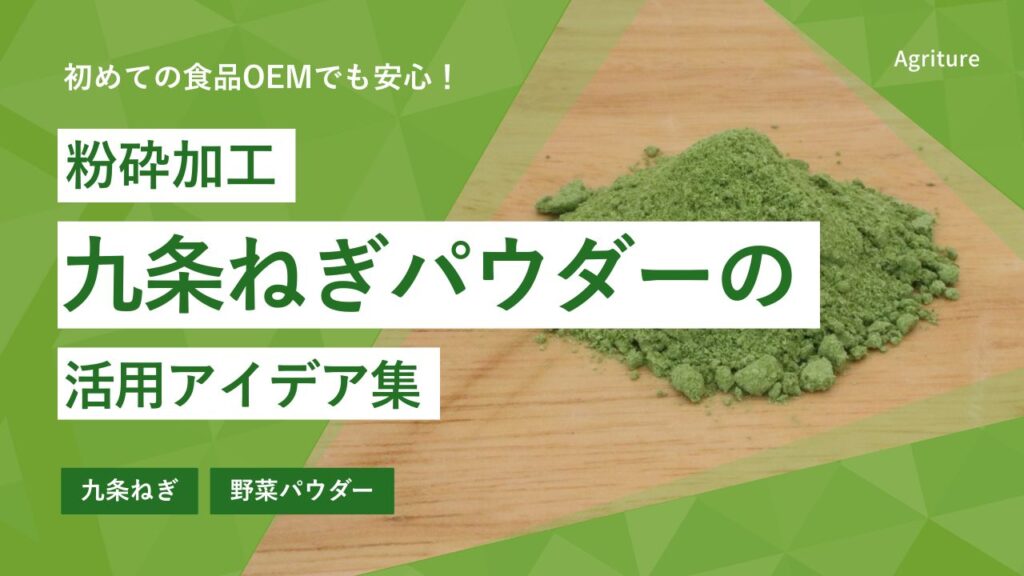
Dried Kujo green onion powder | Usage ideas and how to choose it as a food OEM raw material
Dried Kujo Negi powder is a commercial raw material made by drying and finely powdering the Kyoto heirloom vegetable "Kujo negi." Compared with white negi types, it has a gentler aroma and stronger sweetness, with a vivid green retained all the way to the leaf tips—it is adopted in food OEM for topping instant noodles, furikake, and adding color and aroma to baked-good dough... -
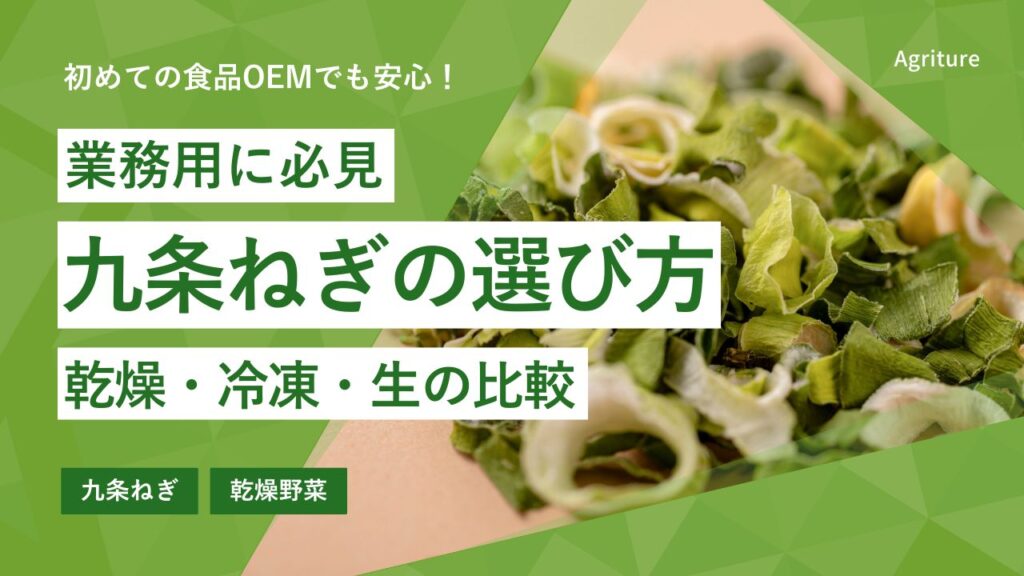
How to Choose Commercial Kujo Negi: Comparing Fresh, Frozen, and Dried
Commercial Kujo negi distributes "Kujo negi," one of the traditional vegetables that represents Kyoto, in three types—fresh, frozen, and dried—as a raw material for ramen shops, food manufacturers, boxed-lunch factories, and the like to use stably. To make the most of its distinctive sweetness and aroma and deep green, the optimal form for each use... -
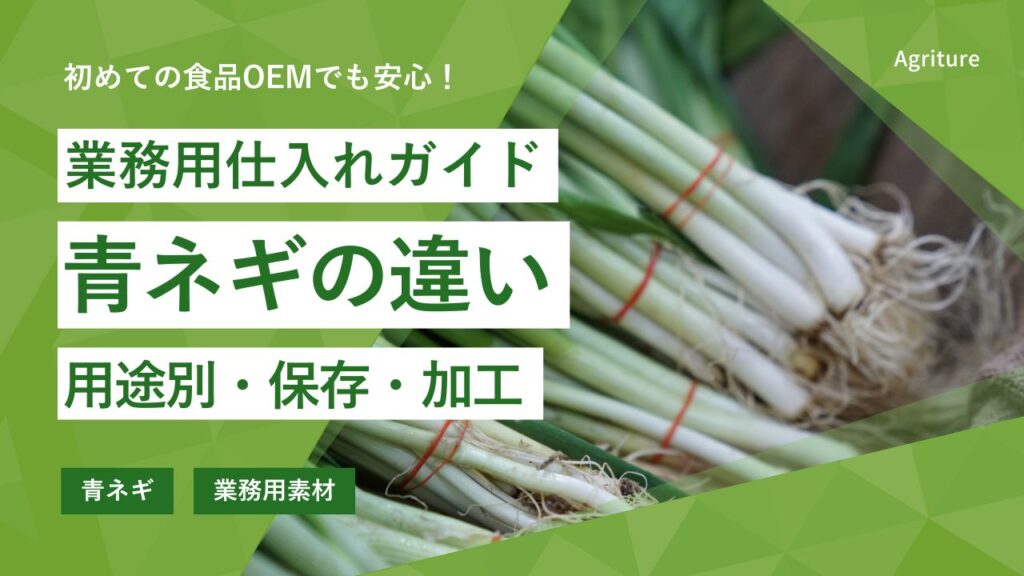
長ねぎと白ねぎは同じもの?ねぎの種類と呼び名を国の資料で確かめる
ねぎの売り場には、長ねぎ、白ねぎ、根深ねぎ、青ねぎ、葉ねぎ、小ねぎ、万能ねぎ、わけぎ、あさつきと、呼び名だけが増えていきます。同じものを指している言葉と、植物としてまったく別の作物を指している言葉が、同じ棚に並んでいるからです。 この記事... -
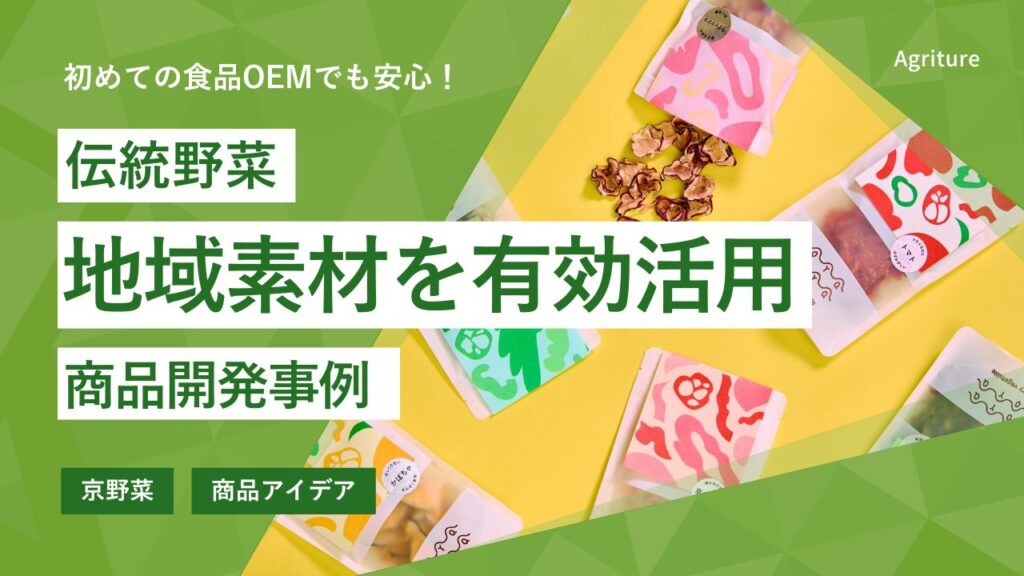
Heirloom vegetable OEM | A commercialization case guide using Kyoto vegetables and local ingredients
Right now, product development that makes use of “regional individuality” is drawing attention. Among these, foods using heirloom vegetables and Kyoto vegetables are strongly supported for the gift market and inbound-oriented products, thanks to their visual beauty and rarity. Especially now, with inbound tourists increasing, region... -

Dried Kyo-kurenai carrot
Product Overview of Dried Kyo-Kurenai Carrot. "Kyo-kurenai carrot," prized for its glossy, vivid red color and rich sweetness, is a Phytorich variety developed by Takii & Co. A Japan-born carrot created by crossing gosun carrot and kintoki carrot, it contains lycopene, the source of its vivid color... -
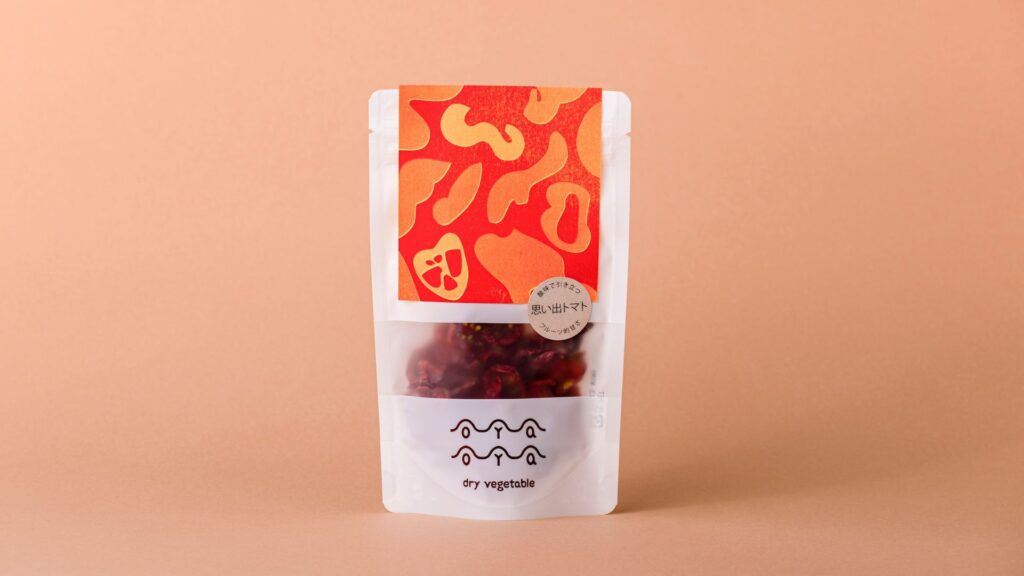
Wada Farm
Commercializing an attention-grabbing fruit tomato from Kyotango. We received the “yarisugi tomato”—grown in Kumihama, Kyotango, in an environment so harsh it is called an “athlete vegetable,” with sweetness and tartness packed densely—from Wada Farm and made it into a product. High-sugar tomatoes are hard to dry... -

Kyotamba radish
A project toward establishing radish as a regional specialty. This is a project started as a means of regional revitalization, initiated by Mr. Nomura, who grows radishes in the Kyotamba area of Kyoto. Agriture CEO Kojima supported the web system construction and the back end including SNS... -
The appeal of Kansai heirloom vegetables | Specialties of Naniwa, Kyoto, and Yamato thoroughly explained
In Kansai, centered on Kyoto, Osaka, and Nara, there are many traditional vegetables handed down since long ago. Each has its own appeal rooted in that land's climate and culture, and they're still beloved on the table and at market. This article covers the characteristics and representative varieties of Kyoto vegetables, Naniwa vegetables, and Yamato vegetables... -
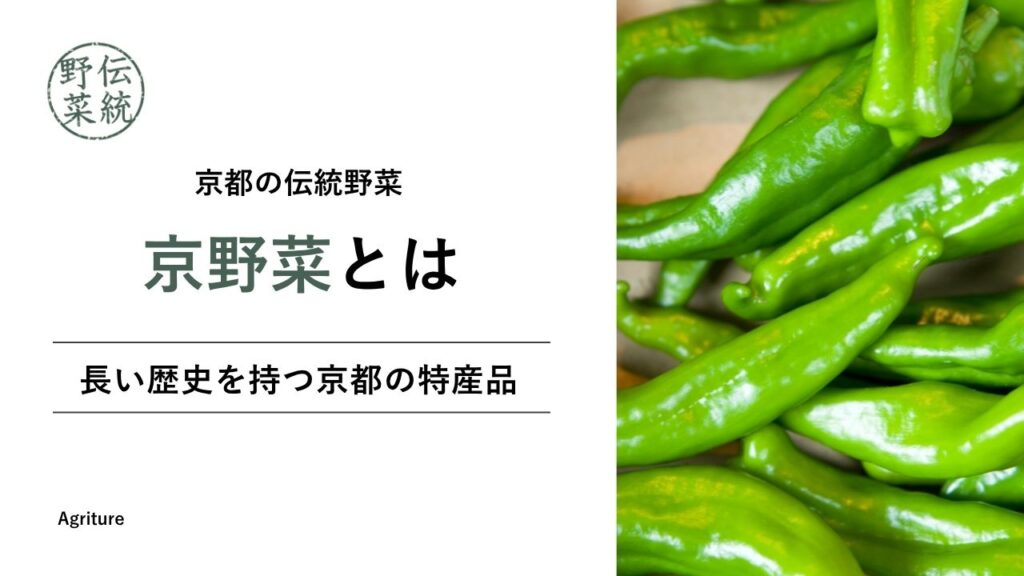
Kyoto heirloom vegetables: Kyoto specialties with a long history
You may have heard the phrase "Kyoto vegetables" at least once. Nurtured through a long history in the ancient capital of Kyoto and developed alongside Kyoto's rich land and culture, Kyoto vegetables are packed with an appeal not found in other vegetables. This article covers the difference between Kyoto heirloom vegetables and brand vegetables... -
Know the heirloom vegetables of Edo Tokyo | The city’s vanishing food culture
In the streets of Tokyo where high-rises stand, rich farmland once spread, and vegetables of each season were grown locally. "Edo Tokyo vegetables"—such as komatsuna, Takinogawa gobo, and Naito togarashi, whose names still remain—are urban traditional vegetables handed down since the Edo period. But the city... -
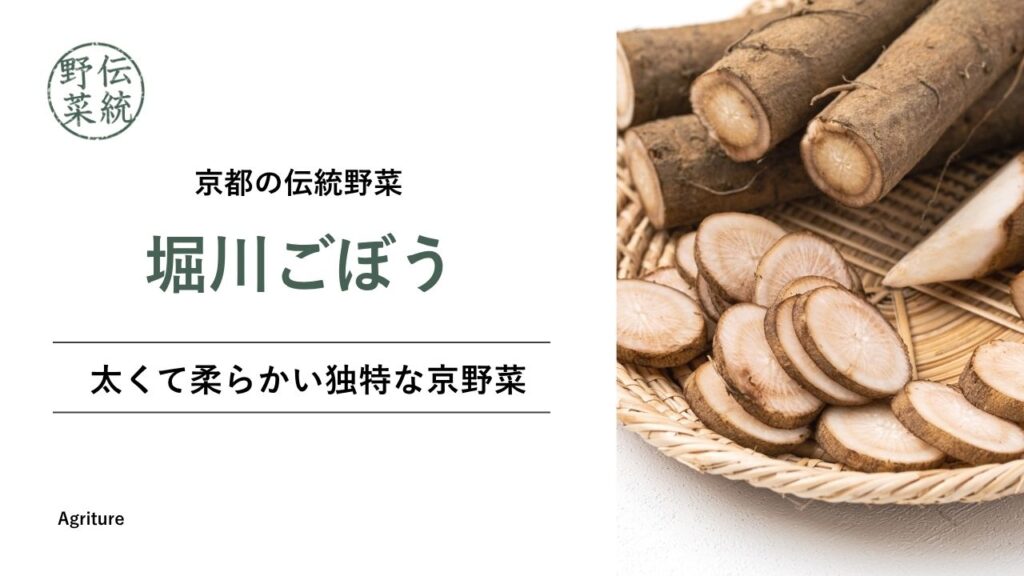
What Is Horikawa Gobo? A Thorough Explanation of Its Characteristics, Cultivation, How to Eat It, and Nutrition
What Is Horikawa Gobo? The Difference from Ordinary Gobo. Horikawa gobo is a Kyoto vegetable cultivated in Kyoto for about 400 years. Certified as both a "Kyoto Heirloom Vegetable" and a "Brand Kyoto Vegetable," it's known as a rare Kyoto vegetable used even at high-end restaurants. General... -
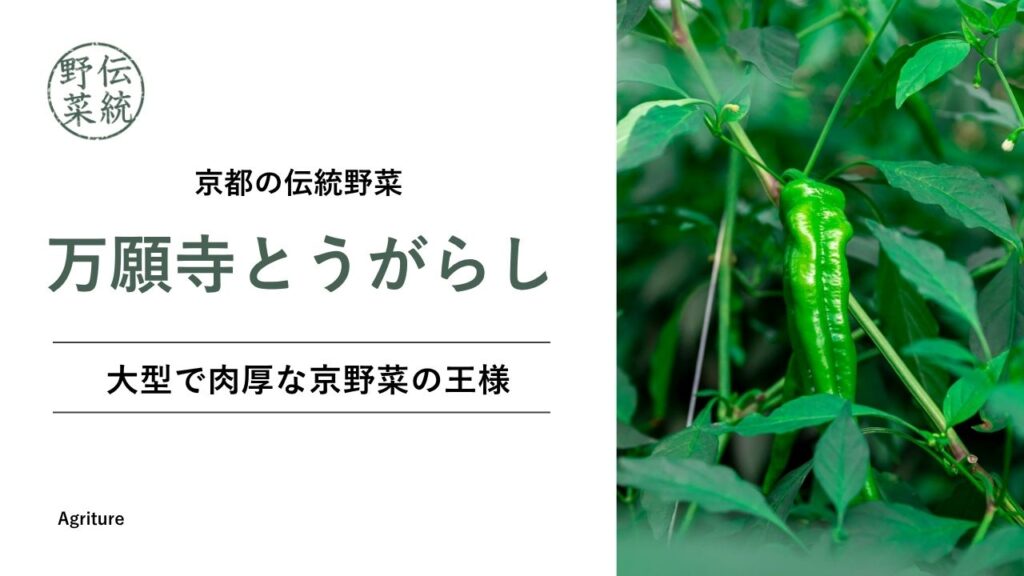
Manganji Togarashi: The Large, Thick-Fleshed King of Kyoto Vegetables
Manganji togarashi is one of the summer Kyoto vegetables that represent Kyoto. Though a member of the chili family, it has almost no heat, and because it's large, thick-fleshed, and sweet, it's also called the "king of chilies." With few seeds and easy to eat, it's used for suyaki and nibitashi...
12