
Dried fruit– category –
-

When Repackaging Imported Dried Fruit in Japan, How Do You Label the Country of Origin and Processor?
You want to divide dried berries purchased from overseas into small bags in Japan and sell them. You have no filling equipment, so you want to hand off just the bagging. We receive inquiries like this about repackaging imported dried fruit. When outsourcing repackaging, the bag label is easy to overlook... -
How to Make Fruit Tea: Types and Blending Tips with Dried Fruit
Simply adding dried fruit to black tea or herbs makes fruit tea instantly more fragrant and colorful. Making it isn't difficult, yet plenty of people stumble with "the fruit doesn't open up," "the aroma is weak" or "the flavor goes flat when iced." What makes the difference is the... -
How to Make Dried Mandarin: Tips for Making It Whole with the Peel, Plus Storage and Recipes
Mandarins are plentiful in winter. If you have some left over that you can't finish, turning them into dried mandarin is a great option. Drying concentrates the sweetness, and if you make them whole with the peel, the cross-section is as beautiful as a flower, adding a lovely touch to tea or yogurt. They turn out plenty sweet even without added sugar... -
How to Use Shikuwasa: Making the Most of the Juice and Peel, Plus a Honey-Marinade Recipe
Shikuwasa is a citrus that represents Okinawa. With its sharp acidity, gently bitter peel, and refreshing aroma, it has many uses beyond simply squeezing it over food, extending to drinks, seasonings, and as an accent in cooking. That said, quite a few people find themselves unsure, wondering "the juice ends up left over" or "how do I use the peel?"... -
How to Make Dried Persimmon: Tips to Prevent Mold, How to Bring Out the White Bloom, and Storage
Dried persimmon is a seasonal tradition from autumn into winter. The way astringent persimmons are reborn sweet through sun and wind can be recreated at home. Still, failures like "mold appeared" or "it didn't turn out sweet" are common, and mastering a few tips is what separates success from failure. In this article, we cover dried persimmon... -
How to Eat and Choose Dried Mango: Using It with Yogurt and Storage Tips
Dried mango is popular for its rich sweetness and tropical aroma. It's delicious on its own, but knowing different ways to eat it—rehydrating it in yogurt or mixing it into sweets and drinks—greatly expands the enjoyment. On the other hand, some find it "too sweet" or "too hard," which comes down to choosing the right type... -
How to Make Dried Kiwi: Microwave, Oven, and Dehydrator Tips to Preserve Color and Tartness
Kiwi is prized for its vivid green and sweet-tart flavor. Drying it mellows the tartness and concentrates the sweetness, making a snack distinctly different from the fresh fruit. The tiny popping texture of the seeds remains too, making it a perfect accent for granola or yogurt. In this article, we cover... -
3 Ways to Make Dried Banana: Foolproof Microwave, Oven, and Dehydrator Tips
Bananas are too ripe to finish, or you want additive-free fruit for your child's snack—that's when dried banana comes in handy. The appeal of the homemade version is that you can concentrate the sweetness of ripe bananas as-is, without sugar or oil. Still, some run into issues like "it's sticky and not fully dried" or "it turned brown"... -
Dried Persimmon
Product Overview of Dried Persimmon Dried persimmon is a commercial dried fruit made by cutting domestically grown sweet persimmons into slices or dice and drying them. Unlike hoshigaki (koro-gaki) finished by hanging under the eaves, thin-slicing and removing the moisture gives the persimmon's own gentle sweetness and a soft yet somewhat chewy texture... -
Dried green lemon
Dried green lemon is a commercial ingredient made by cutting domestically grown lemons—harvested while still green, before ripening yellow—into rounds and slices as raw material. Its aroma is more pronounced than yellow lemon, with a clean, refreshing acidity, and by low...it makes the most of the thin peel and low bitterness that make it easy to use whole with the peel... -
What Is Citrus Powder? Manufacturing Methods, Uses, How to Choose for Commercial Use, and OEM Explained
Citrus powder, made by powdering the peel of yuzu, sudachi, or natsumikan, is a handy ingredient that lets you add aroma and acidity without moisture. In confectionery, beverage, and seasoning development, inquiries such as "I want to use domestic citrus powder in small lots" and "I'm looking for a powder with a pronounced aroma" are increasing. This page... -
柑橘類はどこまでを指す?分類の切り口と代表品種を一覧にしました
みかん、ゆず、すだち、かぼす、レモン。売り場に並ぶ柑橘は名前も形もばらばらで、「これは何の仲間なのか」「すだちとかぼすはどちらが酸っぱいのか」と迷う場面がよくあります。調べてみると、サイトごとに分け方が違っていて、かえって混乱することも... -
かぼすの旬は8月から10月、それでも一年中店頭に並ぶのはなぜ
揚げたての唐揚げに搾る。味噌汁の椀のふちでひとしぼりする。大分では当たり前のその使い方が、県外の食卓にはなかなか届いていません。店頭で見かけるのは年に数か月だけ、という印象を持っている人も多いはずです。 ところが大分県は、露地・貯蔵・ハウ... -
すだちの旬は8〜10月。かぼすとの違いと日持ちさせる保存のコツ
焼きたてのサンマにきゅっと搾る。そうめんに薄い輪切りを浮かべる。すだちは、ひとしぼりで料理の輪郭が変わる小さな柑橘です。ただ、店先に並ぶ時期は思っているより長く、かぼすとの違いも、保存できる日数も、調べるほど情報がばらけます。 このページ... -
Dried Fruit Price Ranges: Types Available at Supermarkets and Online, and How to Choose by Volume
Dried fruit prices vary greatly by where you buy, volume, item, and growing region. From a 30g supermarket pack to a large 500g volume at an online mall to domestically grown dried fruit from a specialty D2C brand, the unit price can differ several times over even for the same item. This article covers the pricing when buying dried fruit... -
7 Criteria for Judging a Commercial Dried Fruit Supplier
When choosing a commercial dried fruit supplier, judging by price alone often leads to regret over "sugar content, additive-free status, lot size, and lead time." Because the optimal drying method for dried fruit changes greatly with the sugar content (Brix value) of the fresh fruit used as raw material, whether the supplier understands the fruit's sugar content... -
A Complete Guide to Choosing Commercial Fruit Powder: Manufacturing Methods, Particle Size, Lot, and Procurement Practice
Commercial fruit powder is a commercial raw material made by powdering fruit, used across a wide range—confectionery, beverages, smoothies, dairy products, snacks, and health foods. Unlike fresh fruit, it can be stored at room temperature, and because it can be added little by little with color, aroma, and nutrition concentrated, it's used from the prototyping stage of product development through mass production... -

The Health Effects of Dried Fruit: A Summary of Benefits, Nutrition, and Cautions on Sugar
Dried fruit, sometimes imagined as a healthy light snack, is characterized by being eatable anytime and providing easy nutrition, thanks to drying fresh fruit to raise its shelf life. Such dried fruit has long been beloved worldwide, used as emergency rations and portable food... -

A Thorough Explanation of the Difference Between Candied Dried Fruit and the Sugar-Free Type
Dried fruit, as a food that concentrates fruit's nutrition such as vitamins and dietary fiber, is spreading in popularity alongside rising health consciousness. But even under the single name "dried fruit," there are broadly two types of manufacturing method: the "candied type" and the "sugar-free..." -
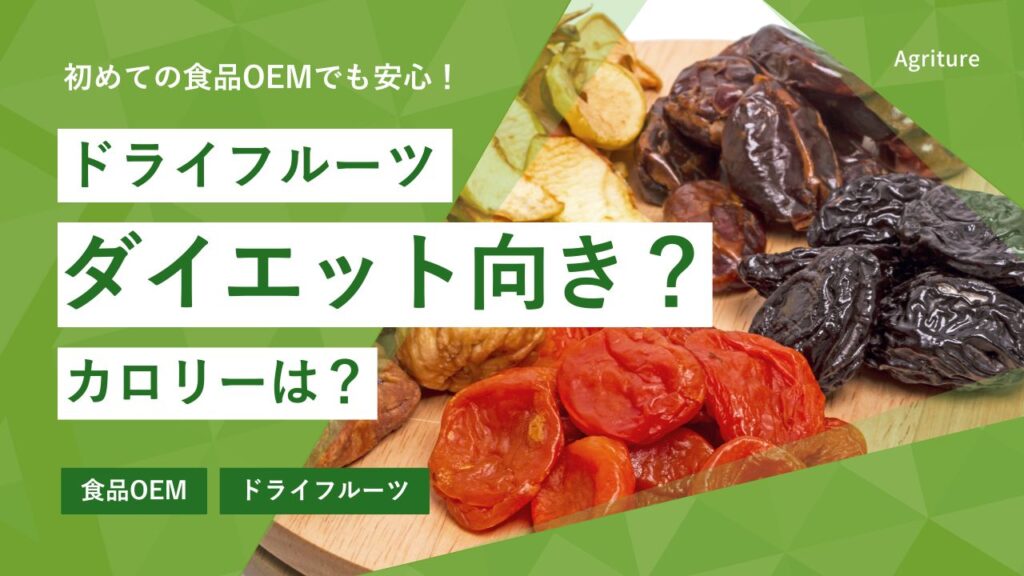
Is Dried Fruit Good for Dieting? A Thorough Explanation of Calories and the Right Way to Eat It
Dried fruit is popular as a "natural snack," but many people may feel anxious about whether it's okay to eat while dieting. Because it's small in appearance but concentrated in nutrition, there are doubts such as "isn't it high in calories?" and "won't eating too much make me gain weight..." -
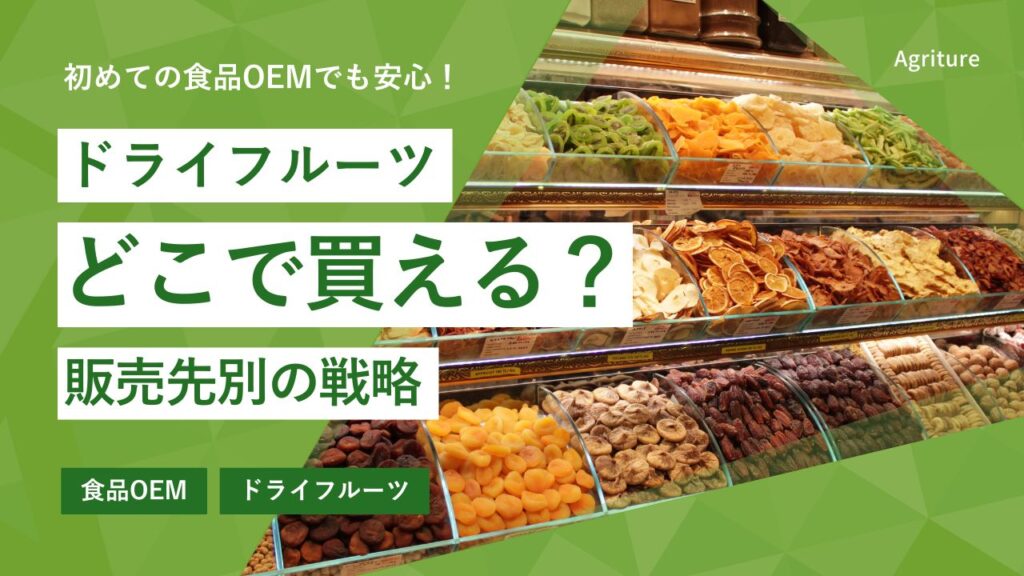
Where Can You Buy Dried Fruit? A Thorough Explanation of the Characteristics of Each Source and How to Choose
Dried fruit is a popular food that concentrates fruit's vitamins and dietary fiber. Demand is expanding as a snack, a cooking ingredient, and even a gift. But when it comes to "where can you actually buy it?", from convenience stores and supermarkets to imported-food shops such as Muji and Kaldi, and further... -
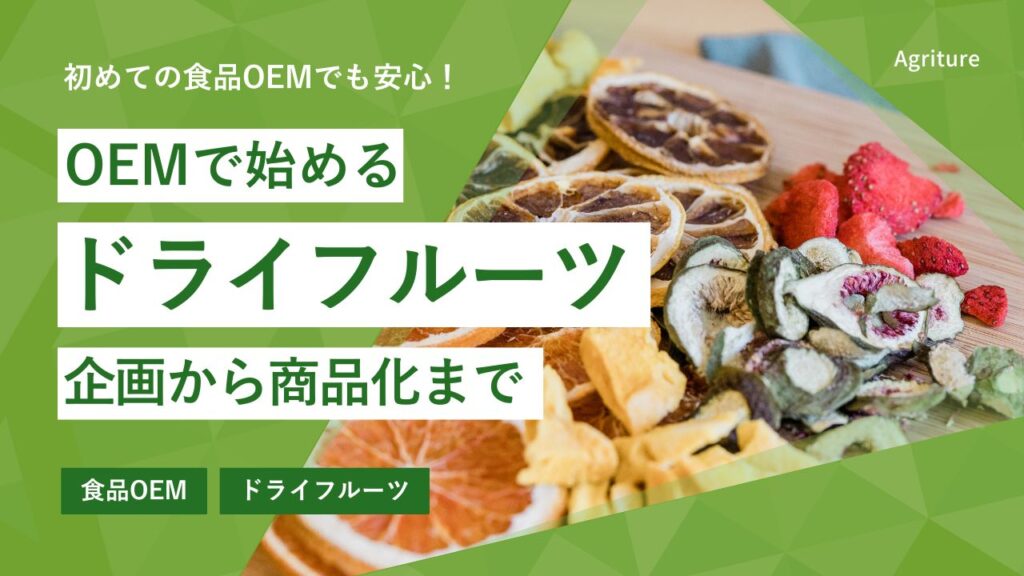
Why choosing sweet varieties for dried fruit OEM leads to failure
Dried fruit OEM means outsourcing everything from drying the fruit to bagging it, then selling the product under your own brand. You can have a product without owning equipment, but costs are determined very differently from dried vegetable or confectionery OEM. The real difference is yield. Fruit is more than 80% water... -
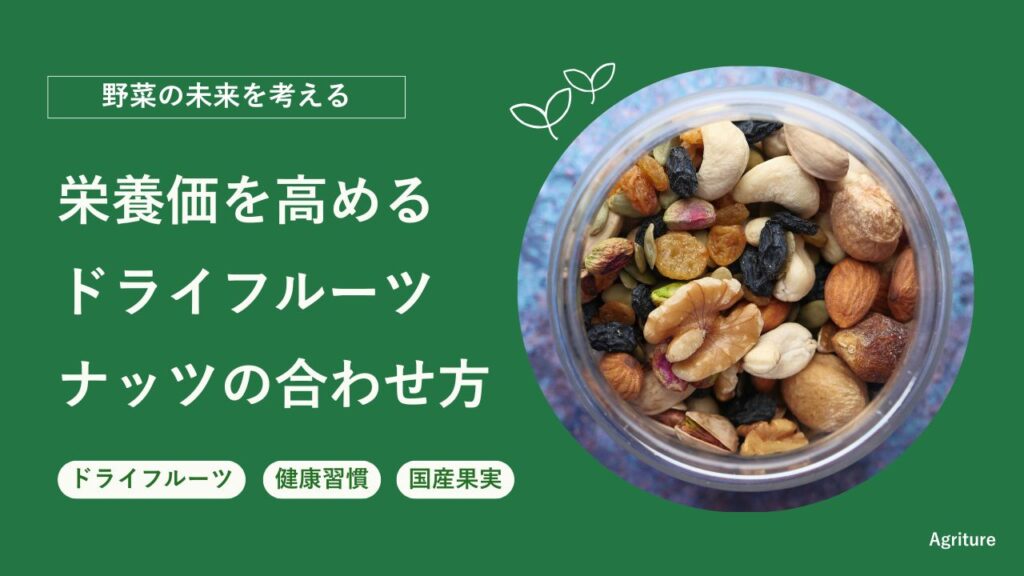
Dried fruit and nut combinations that go well together, and how to store them
Eating dried fruit and nuts together has become a popular snack and trail food. But if you mix your favorites yourself and store them, the nuts can go soft and lose their texture within a few days. The cause is moisture. The moisture left in the dried fruit... -
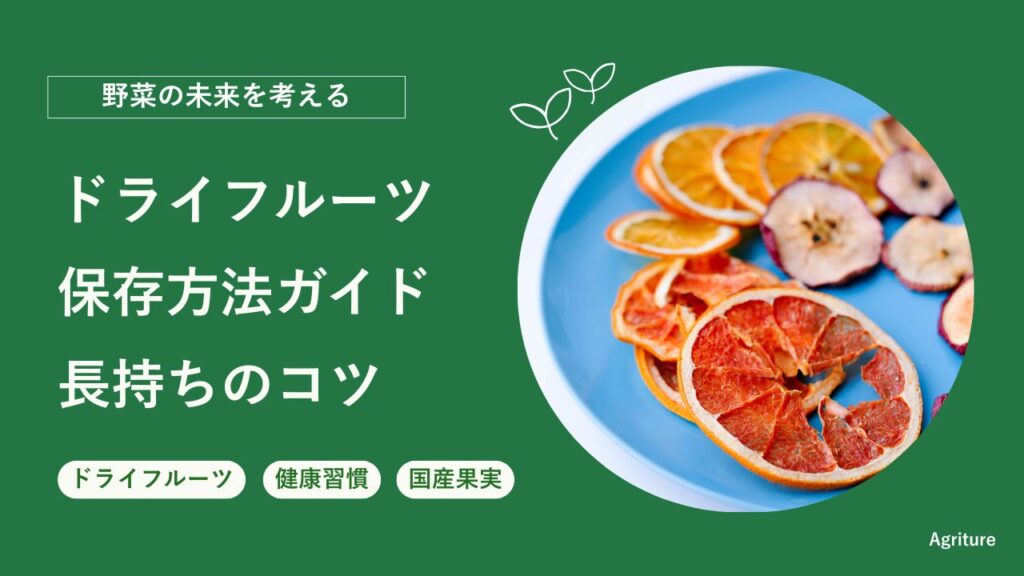
A Complete Guide to Storing Dried Fruit: 10 Tips to Make It Last
You finally bought some dried fruit, and before you knew it, mold had appeared. Have you had this experience? It's easy to assume dried fruit lasts a long time because it's dried, but in fact, storing it incorrectly can cause it to deteriorate far faster than expected. Especially sugar-free or additive-free domestic... -
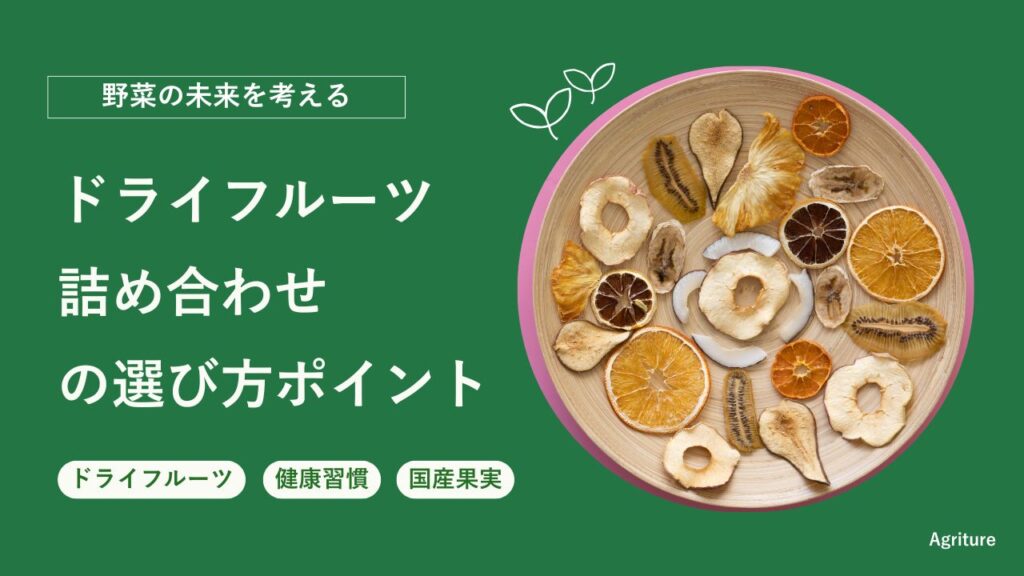
How to tell apart assorted dried fruit for gifts and corporate novelties
You can't judge what's in a dried fruit assortment from the package photo alone. Even among "6-variety sets," some contain costly fruits while others are bulked out with cheap items. The clues are on the back: the order of the ingredient list and the net weight... -
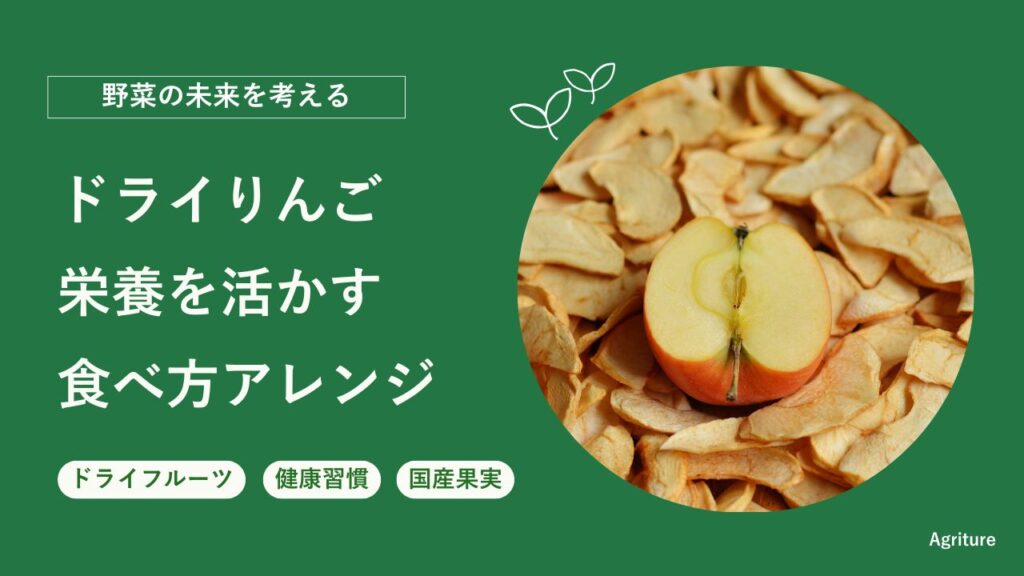
10 Ways to Enjoy Dried Apple: Variations That Make the Most of Its Nutrition
The Basic Way to Enjoy It—Eating It As-Is The simplest way to eat dried apple is to open the bag and snack on it as-is. The water has been removed and the sweetness concentrated, so you can enjoy a richer flavor than fresh apple. That said, even "as-is" varies by texture type and the timing of when you eat it... -
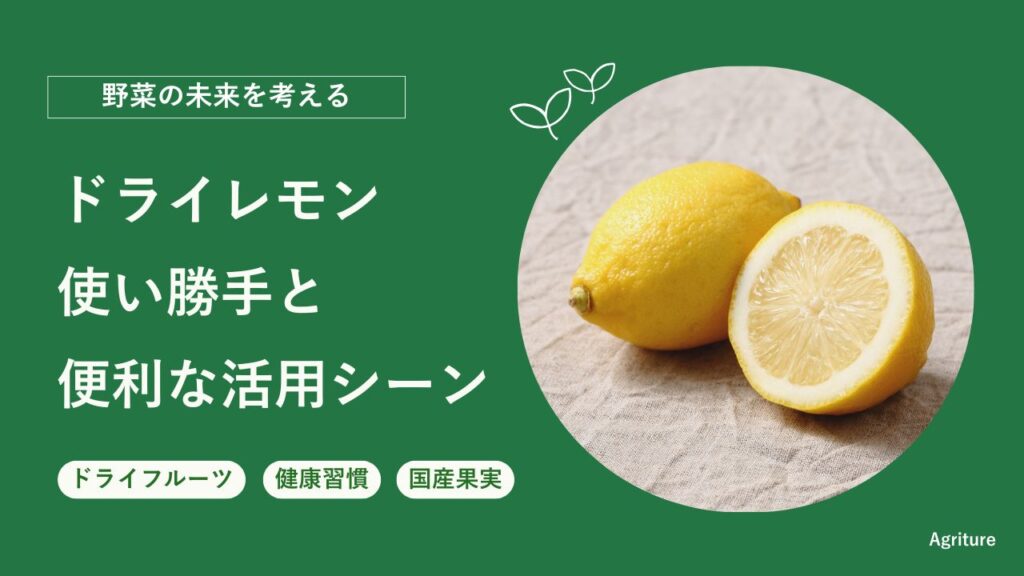
A Thorough Test of Dried Lemon's Usability! Handy Use Scenes and Storage Methods
Dried lemon is a processed food made by slicing and drying fresh lemons. Its biggest difference from fresh lemon is shelf life. Fresh lemon lasts about 2–3 weeks refrigerated at most, but dried lemon keeps about two weeks at room temperature and even longer if refrigerated or frozen. By driving off the moisture... -
Dried papaya
Papaya is a tropical fruit prized for its light sweetness and aroma, and drying concentrates the flavor and brings out its natural sweetness. Dried papaya carefully dries domestically grown produce at low temperature, locking in the flesh's fibrous texture and tropical aroma as-is. Confectionery, granola, drinks... -
Dried green papaya
Green papaya draws attention as a vegetable using the immature fruit, and because it contains a lot of the enzyme papain, its popularity as a health ingredient is rising. Dried green papaya carefully dries domestically grown fruit at low temperature, finishing it without losing flavor or nutritional components. Salads, stir-fries, soups, health... -
Dried mango
Mango is a tropical fruit prized for its rich sweetness and mellow aroma. Dried mango uses fully ripe fruit grown in Miyazaki Prefecture, locking in natural sweetness and aroma by drying slowly at low temperature. The flesh color is beautiful too, for confectionery, granola, smoothies, and drink to... -
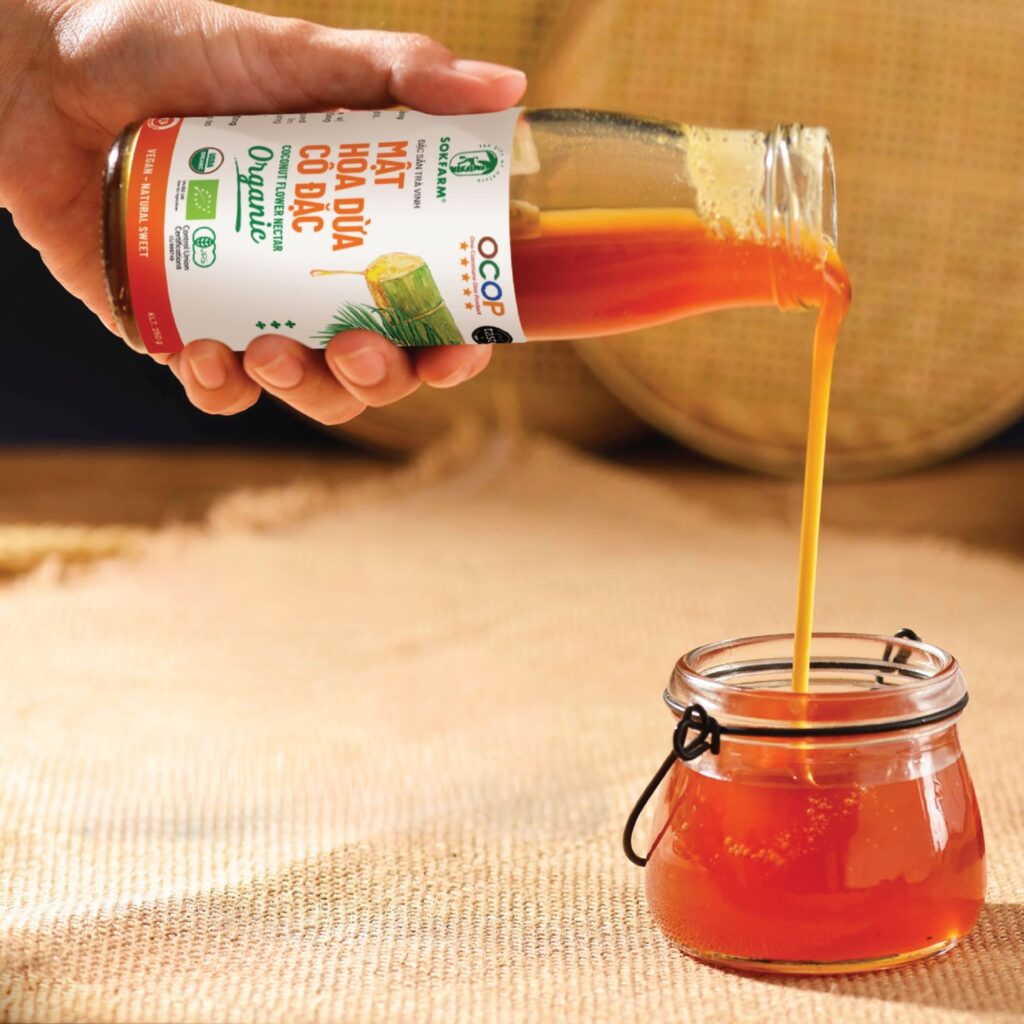
Coconut nectar
Coconut Flower Nectar (Vietnam-Grown) | Commercial Natural Sweetener Wholesale. A natural liquid sweetener made using 100% organic coconut nectar grown in Vietnam's Mekong Delta, processed with vacuum concentration technology (low-temperature concentration at 55–60°C). Containing abundant minerals and electrolytes, with a faint... amid a gentle sweetness... -
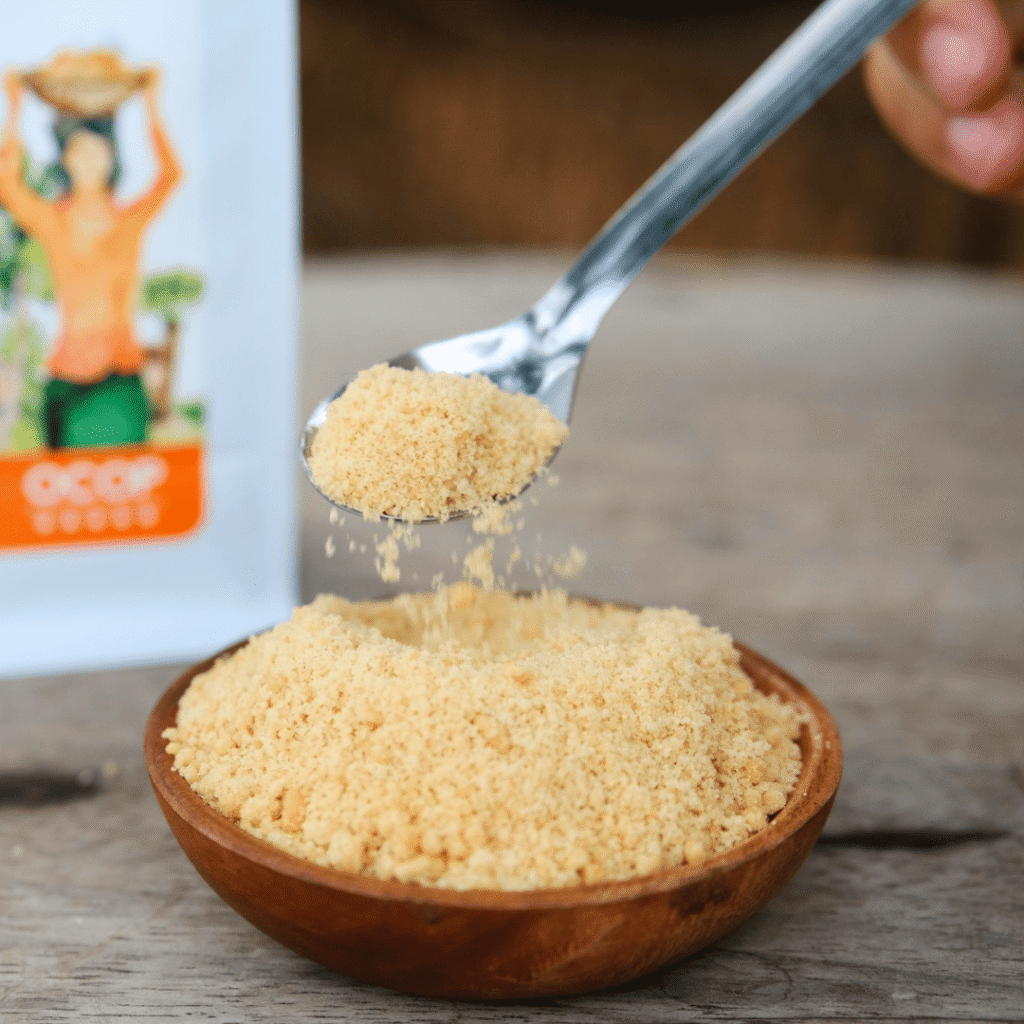
Coconut sugar
Coconut Flower Sugar (Vietnam-Grown) | Commercial Raw Material Wholesale. A natural sweetener using 100% organic coconut nectar grown in Vietnam's Mekong Delta. Containing abundant minerals, amino acids, and polyphenols, it can be used in a wide range of food development as an alternative to refined sugar or honey... -
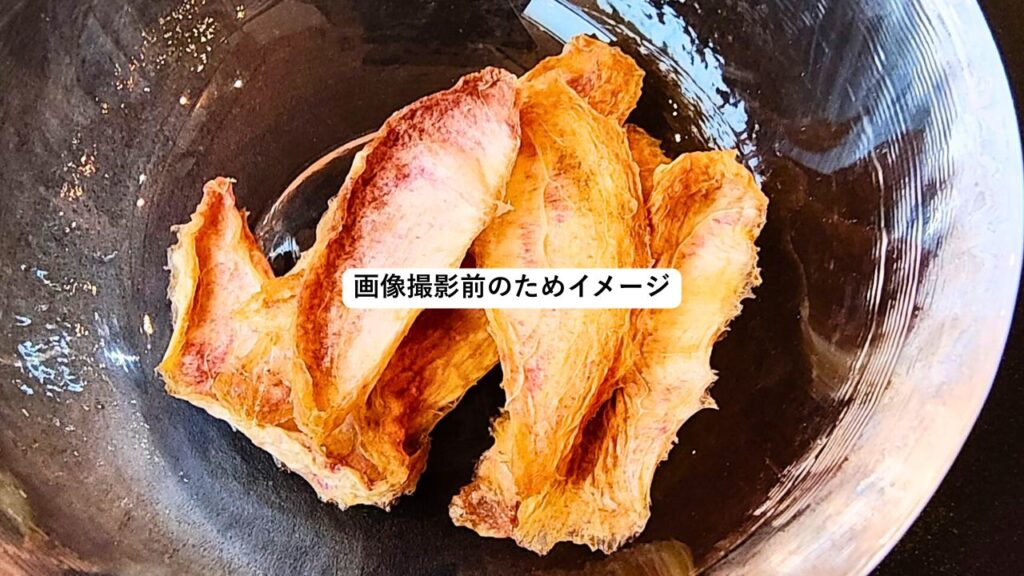
Dried peach
Product Overview of Dried Peach (Nagano-Grown) A dried fruit that slices fully ripe peaches grown by partner farmers in Nagano Prefecture, thoroughly removing the moisture to finish it with a crisp texture. Unlike the common semi-dry type, it has a crisp, light bite and, with each chew, a concentrated flavor spreads... -
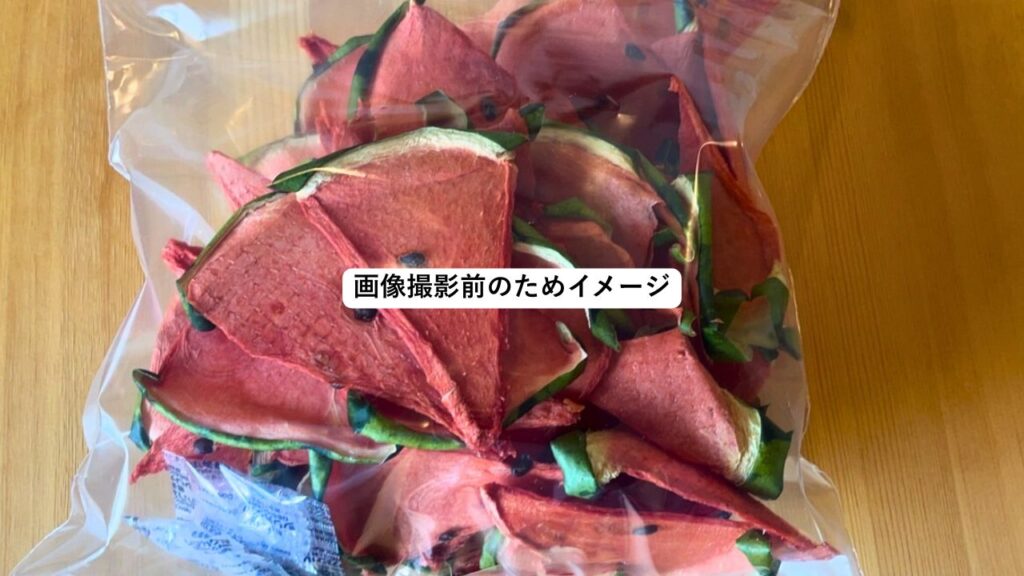
Dried watermelon
Product Overview of Dried Watermelon (Nagano-Grown) Nagano-grown watermelon, nurtured by the temperature swings distinctive of high-altitude regions, is lavishly sliced and dried slowly at low temperature. By carefully finishing this high-moisture fruit, it concentrates watermelon's own juicy sweetness and a faint green aroma... -
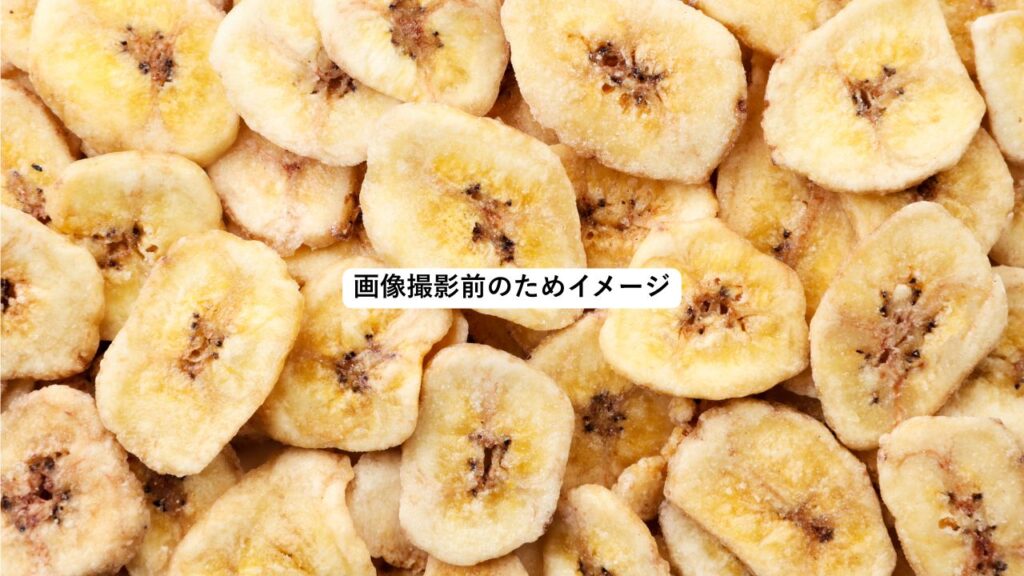
Dried banana
Product Overview of Dried Banana (Okinawa-Grown Island Banana + Overseas-Grown) A dried banana made by using, as appropriate, the rare "island banana" grown by partner farmers in Okinawa and stably supplied overseas-grown bananas. Island banana is small but prized for its rich sweetness and acidity, with an appealing special-feeling flavor. On... -

Dried strawberry
Product Overview of Dried Strawberry (Kyoto-Grown) Fully ripe strawberries carefully grown by partner farmers in Kyoto Prefecture are sliced and dried slowly at low temperature. It concentrates the flesh's juiciness and rich aroma as-is, with a finish where a sweet-tartness spreads the more you chew. Strawberry's distinctive gorgeous aroma stands out, for top... -
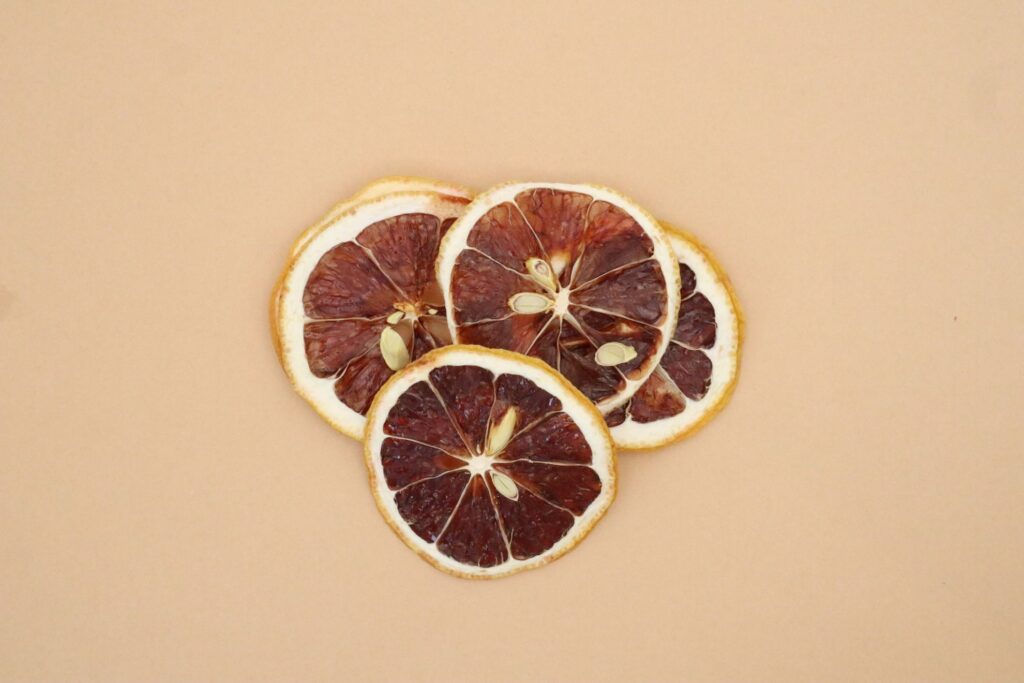
Dried lemon
Product Overview of Dried Lemon A dried lemon using domestically grown lemons (Kyoto-grown, Ehime-grown), concentrating a refreshing acidity and aroma. Through low-temperature drying, it retains vivid color while locking in the peel's fragrance and the flesh's acidity as-is. Its slice shape is easy to use as-is, for top... -
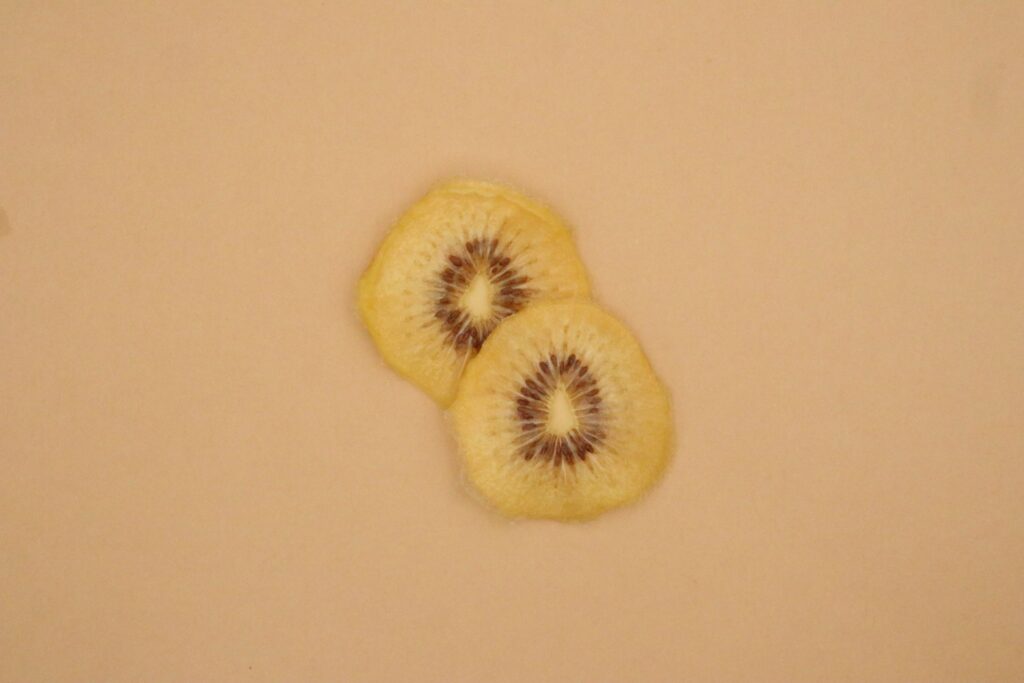
Dried kiwi
Product Overview of Dried Kiwi A dried kiwi using Kyoto-grown kiwifruit, concentrating its sweet-tart flavor as-is. Through low-temperature drying, the vivid green and acidity stand out, with a finish that lets you enjoy natural sweetness. Drying drives off the fruit's distinctive moisture, giving a concentrated flavor... -
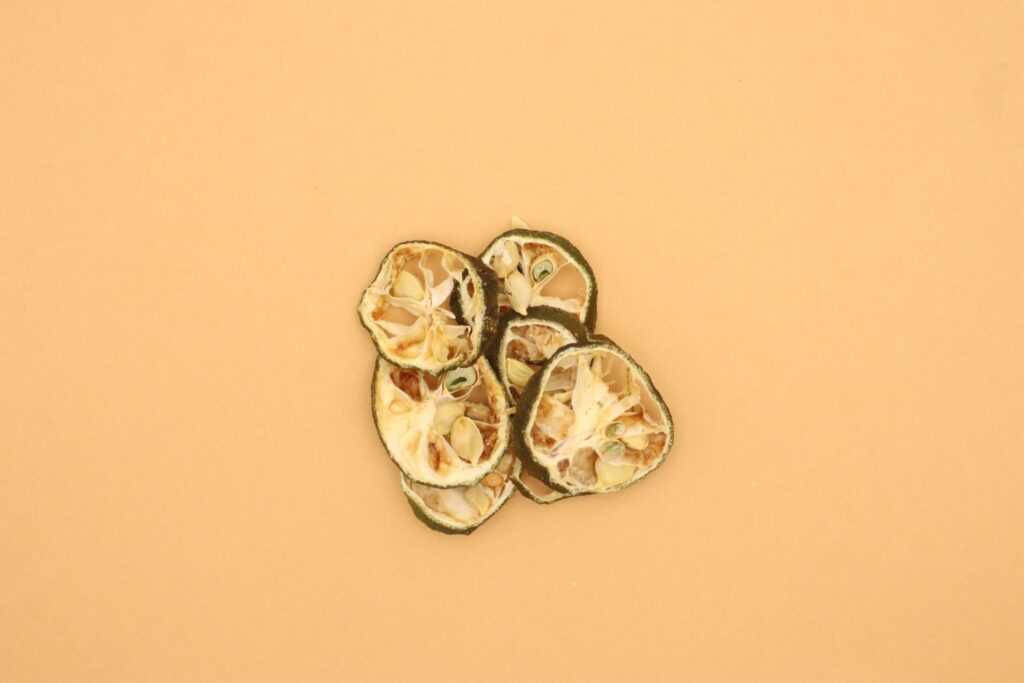
Dried shikuwasa
Product Overview of Dried Shikuwasa Shikuwasa is a citrus specialty of Okinawa, prized for its refreshing acidity and pleasant bitterness. Especially by drying it, the aroma and acidity concentrate, so you can enjoy that flavor even after long-term storage. Because it's sliced and dried with the peel, the fruit's um... -
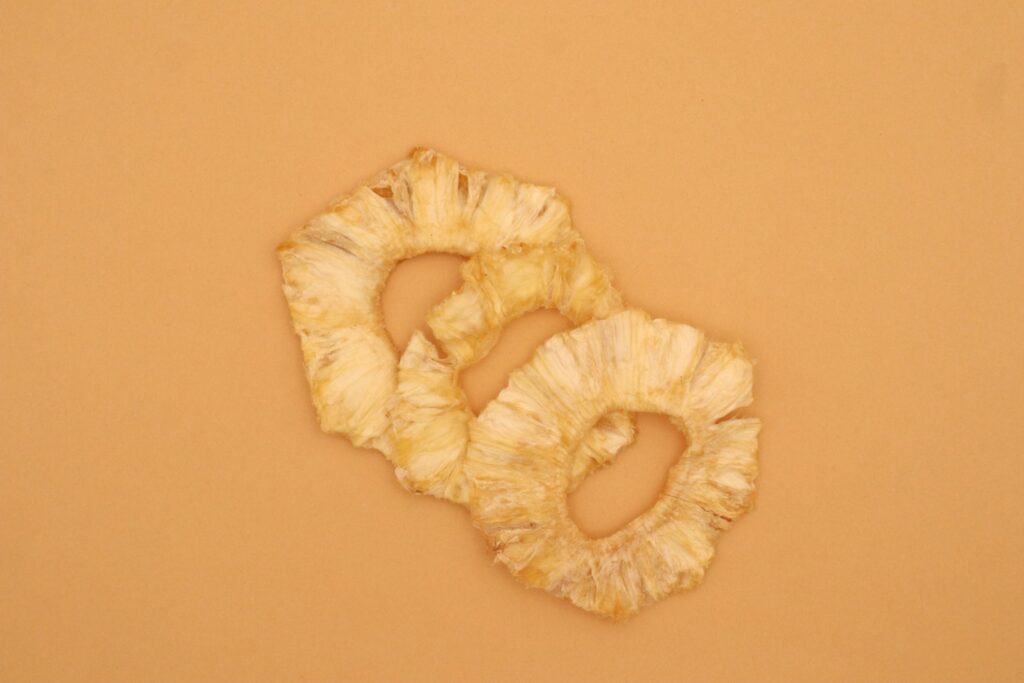
Dried pineapple
Product Overview of Dried Pineapple Pineapple's appeal is the sweet-tart flavor distinctive of tropical fruit. Especially by drying it, the sweetness and acidity concentrate tightly, and the fruity aroma stands out even more. Whether eaten as-is as a snack or as a confectionery ingredient... -
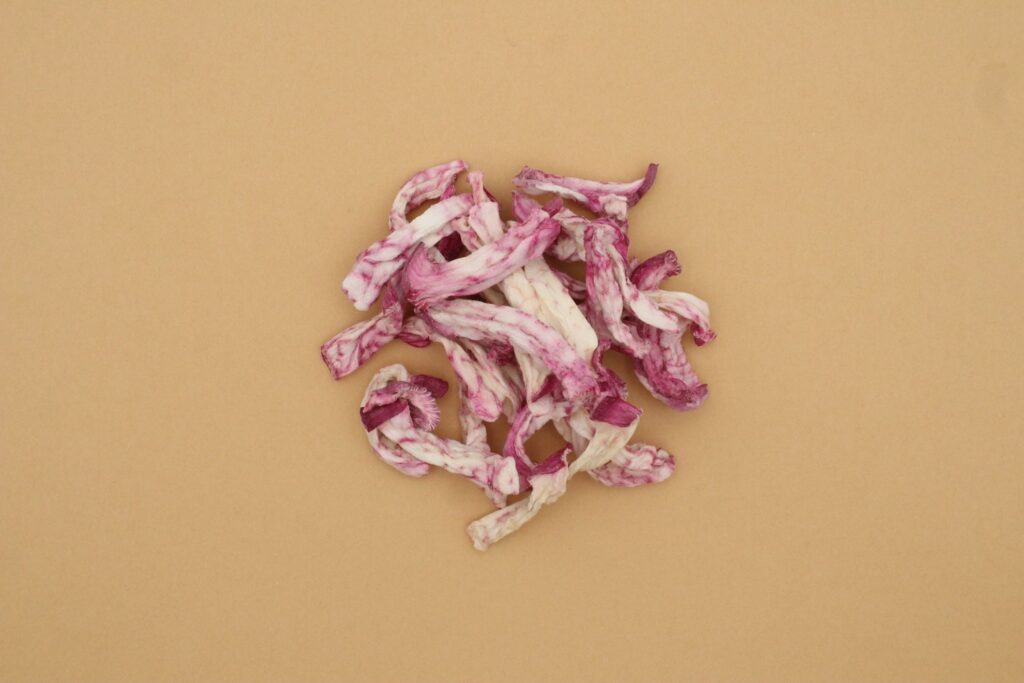
Dried Momonosuke
Product Overview of Dried Momonosuke Momonosuke kabu, as the name suggests, is a turnip prized for a peach-like coloring and a smooth texture. Especially because it uses the sweet Kyotango-grown Momonosuke kabu, it has juiciness and a faint sweetness, used widely from raw eating to heated cooking... -

Why high-priced domestic dried fruit is scarce, and its potential in pet and confectionery development
Dried fruit, whose popularity is rising as a healthy snack and natural ingredient. However, most products distributed in the domestic market are overseas-grown and sugar-added. In fact, “domestic” and “sugar-free” dried fruit is still a limited presence. Why domestic... -
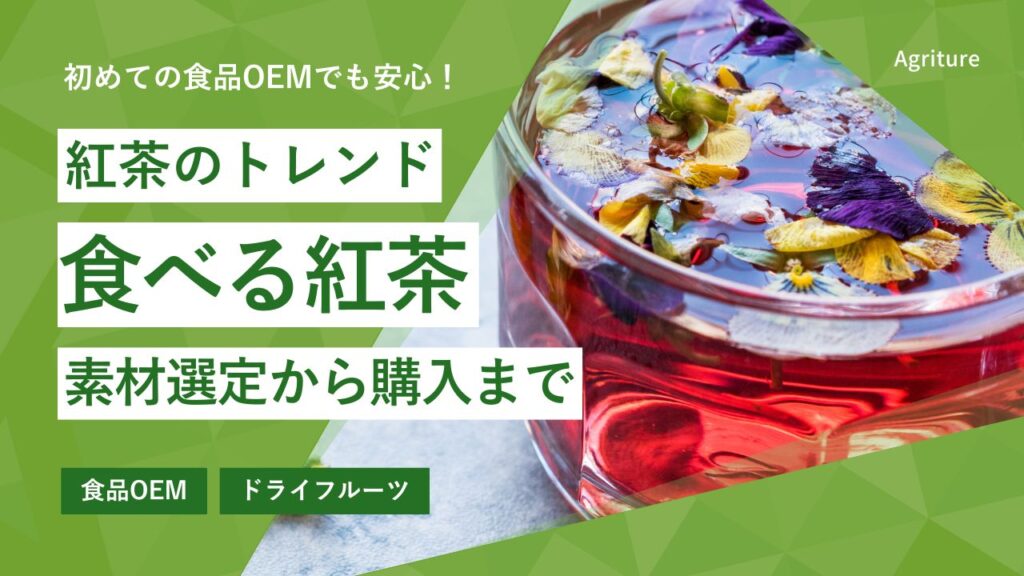
What is edible tea? The appeal of fruit tea, ideal for gifts and novelties
Also searched for as “dried fruit black tea,” “edible tea” is a group of products that pair dried fruit with teas such as black tea, rooibos, and herbal tea; you pour hot water to enjoy the aroma and taste, then eat the fruit itself at the end. Apple, mandarin orange, strawberry... -

How to Use Fruit Powder | Substitution Design for Confectionery and Sweets
Fruit powder is an ingredient made by powdering fruits such as strawberry, mango, blueberry, apple, pear, yuzu, and banana. In confectionery, sweets, drinks, and nutritional foods, for formulations where fresh fruit or flesh is hard to use (dough or cream where you don't want to add moisture, products premised on heating or long-term storage... -

Dried mandarin
Product Overview of Dried Mandarin Dried chips made by drying Aichi-grown mandarins whole with the peel on. Because the outer peel contains many nutrients, it's finished with a specification that lets you take in the nutritional value whole. Peel-on processing readily produces bitterness, but with a commitment to variety selection and temperature management, the peel... -
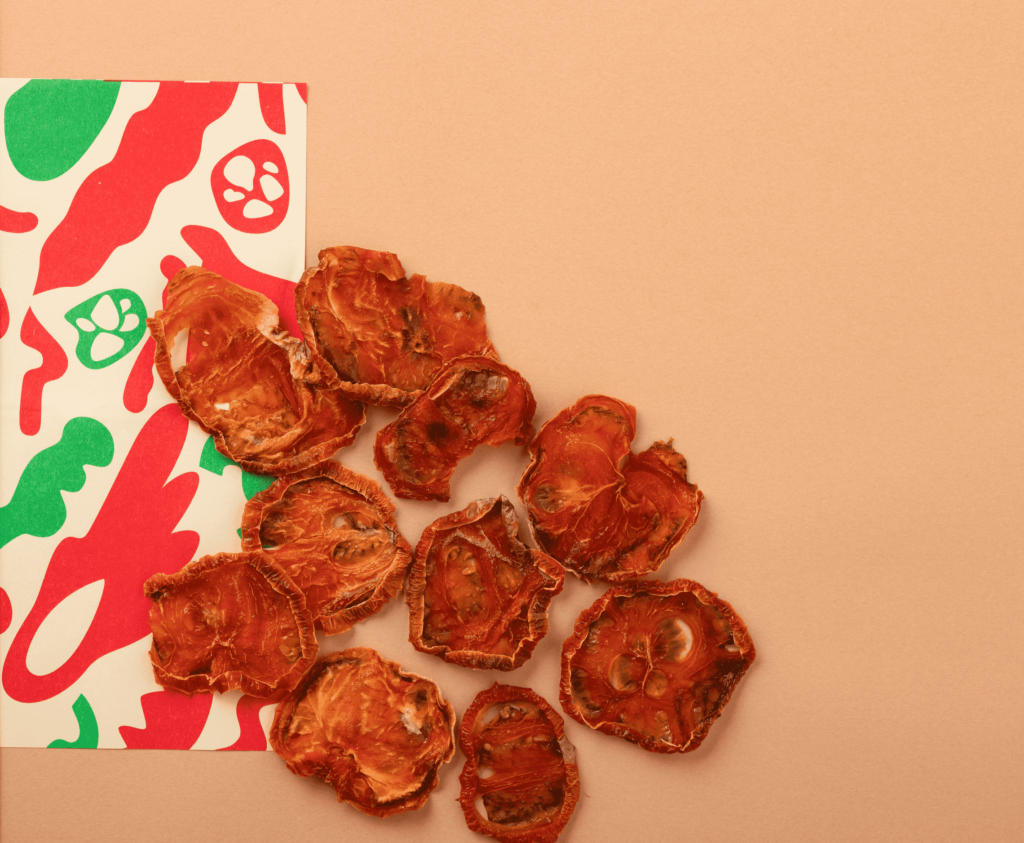
Dried tomato
Product Overview of Dried Tomato A large-fruited tomato harvested after fully ripening is carefully dried at low temperature to retain the flesh's sweetness and juiciness. After rehydrating, a softness and rich sweetness like a fruit tomato spread, so juicy you wouldn't think it's dried... -
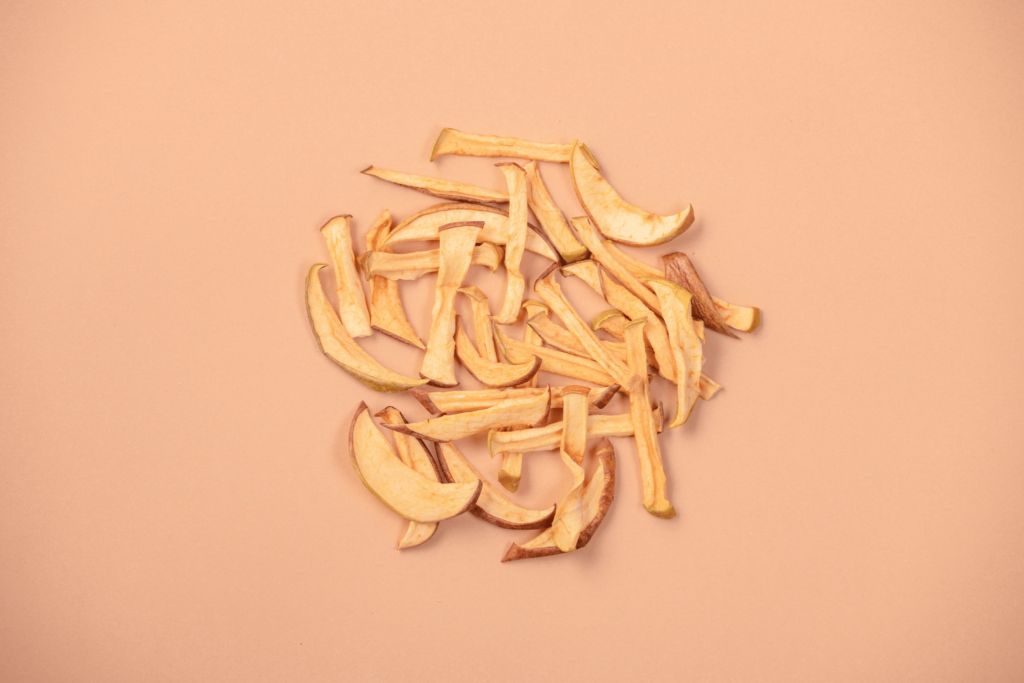
Dried apple
Product Overview of Dried Apple A commercial dried fruit using "leaf-left Shinshu apple," grown naturally as-is. By growing it with the leaves left on, sugar production through photosynthesis is promoted, finishing with the flesh full of honey. This honeyed apple is cut into sticks and dice... -
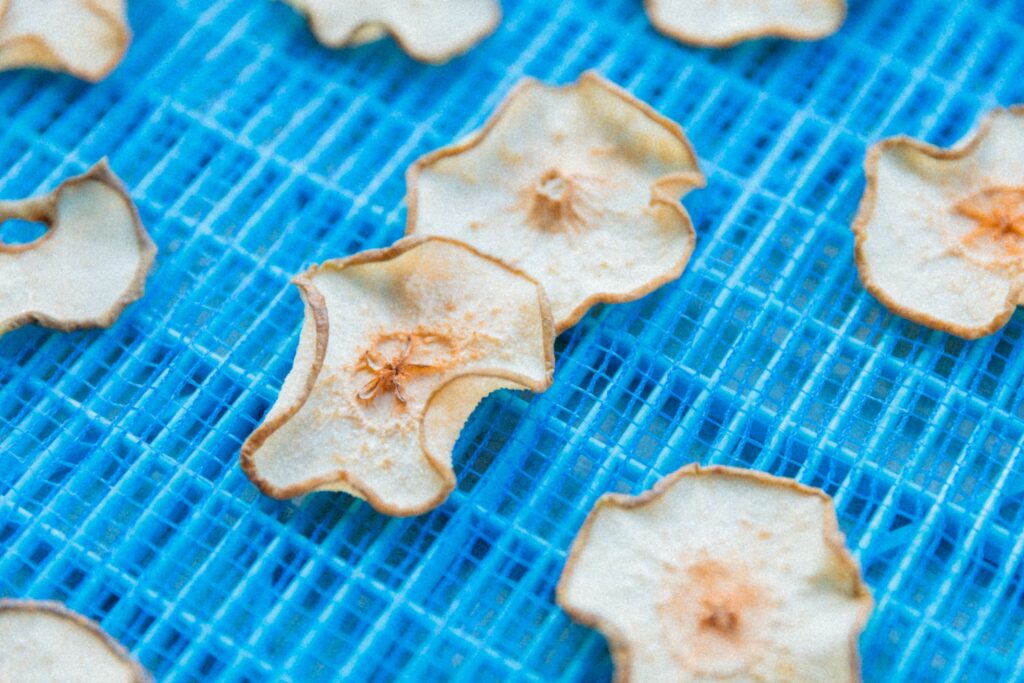
Dried pear
Product Overview of Dried Pear (Nijisseiki Pear) Using the green pear "Gold Nijisseiki," grown at an orchard in northern Kyoto Prefecture. By drying this green pear—prized for a refreshing acidity and restrained sweetness—slowly at low temperature, the sweetness concentrates, with a faintly remaining acidity as an accent for a flavor both new and nostalgic...
1