How to Use Shikuwasa: Making the Most of the Juice and Peel, Plus a Honey-Marinade Recipe

Summary of this article
We introduce how to use shikuwasa juice and peel and popular recipes. We also explain storage and pesticide-free dried shikuwasa produced in Okinawa Prefecture.
Shikuwasa, a citrus representing Okinawa. Characterized by a sharp acidity, a slight bitterness of the peel, and a refreshing aroma, it has abundant uses — not only squeezing and pouring but also drinks, seasonings, and accents in cooking. That said, not a few people wonder "the juice ends up left over" or "how do I use the peel?"
This article organizes and introduces everything from how to use shikuwasa juice and peel to popular recipes such as honey-pickled shikuwasa and dressings, and storage methods. From the perspective of Agriture, which handles the drying of citrus, it also touches on the option of easy-to-use dried shikuwasa.
TOC
What is shikuwasa? Its season and characteristics
Shikuwasa is a small citrus specialty of Okinawa, and its taste changes with the harvest timing. Before learning how to use it, let's grasp the characteristics of its season and flavor.
The season and the difference between green-cut and fully ripe
The "green-cut" harvested from summer to early autumn (around August–September) is green with strong acidity, suited to being squeezed and used for its juice. As autumn deepens it colors yellow and the acidity softens, becoming a fully ripe fruit with sweetness. If you want a crisp acidity, green-cut; if you want to eat it as is, fully ripe — choosing by use avoids failure.
About the size of a golf ball, it is small, and the juice you can squeeze from one is not much. In exchange, the aroma is rich, and it is characterized by changing the impression of a dish or drink with a small amount. At supermarkets it is often sold bottled as "shikuwasa juice," and in regions where fresh fruit is hard to obtain, this may be easier to use.
Characteristics of acidity, bitterness, and aroma
The appeal of shikuwasa lies in the sharp acidity of the juice and the refreshing aroma and slight bitterness of the peel. Because flavor is packed into not only the juice but also the peel, using it peel and all lets you enjoy its citrus character to the full. For the differences from and uses of sudachi, kabosu, and yuzu, see the list of citrus types and differences.
FOR BUSINESS
乾燥シークワーサーを、原料としてお探しですか
国産のシークワーサーを乾燥・粉砕してお出ししています。カット形状や粒度の指定、継続してのお取引もご相談ください。規格は 乾燥シークワーサー に掲載しています。
少量でのご購入は、姉妹ブランドの通販サイト OYAOYA で承っています。
How to use shikuwasa juice
The easiest is making use of the juice. Even a small amount firmly tightens up the flavor of a dish or drink. First, check the representative uses in the quick-reference table below. Note that it is sometimes written "shikuwasa" (with a different kana), but it refers to the same fruit.
| How to use | What to combine | Point |
|---|---|---|
| Drinks | Water, soda, honey, shochu | When the acidity is strong, mellow it with honey |
| Seasoning | Soy sauce, oil, salt | For adding acidity to ponzu or dressing |
| Finishing a dish | Grilled fish, fried food, sashimi | A softer acidity than lemon that cuts through fat crisply |
| Dessert | Jelly, sherbet, yogurt | A refreshing acidity that lightens the aftertaste |
In drinks (honey, soda, hot dilution)
Diluting the juice with water or soda makes a refreshing homemade juice. Adding honey mellows the acidity, and hot shikuwasa diluted with hot water is also recommended in the cold season. Squeezed into shochu or a sour, it can also be enjoyed as an aromatic citrus cocktail.
In seasonings (ponzu, dressing)
Combining the juice with soy sauce and dashi makes homemade ponzu. Mixing olive oil, salt and pepper, and honey makes a refreshing shikuwasa dressing. Just squeezing a little into a store-bought seasoning tightens up your usual flavor a notch.
As an accent in cooking
Squeezed over grilled fish or fried food, its softer acidity than lemon crisply pulls together the fat. Dripping a few drops onto sashimi, hiyayakko, or salad is also recommended. In Okinawa it is used daily as a condiment for awamori and dishes, and it blends into Japanese cuisine without any sense of incongruity.
In desserts and sweets
The juice is also active in dessert-making. Combined with gelatin it makes a refreshing shikuwasa jelly, and frozen it makes a light sherbet. Just pouring it over yogurt or ice cream lightens the aftertaste. Combined with sweet dried fruit such as mango, the balance of acidity and sweetness is struck for good compatibility, so please also refer to how to choose dried fruit as well.
How to use shikuwasa peel
The peel left after squeezing the juice can also be used rather than thrown away. Because aroma is concentrated in the peel, it suits condiments and preserved foods.
Grate it as a condiment
Grating the surface of the peel adds a refreshing aroma just by sprinkling it over a dish. Scattering a small amount over udon, miso soup, or grilled fish makes a refined accent like yuzu peel. Because the white part brings out bitterness, the trick is to use only the colored outer peel.
Dry it for tea
Drying thinly sliced peel or fruit makes a citrus tea whose aroma rises just by pouring hot water. Adding a piece to black or herbal tea also lets you enjoy a refreshing flavor. The advantage is that drying it lets you use it even past the season. Sun-drying takes a few days, and a food dryer takes a few hours at low temperature as a guide; the more thoroughly it is dried, the higher the storability. Besides tea, crushing it fine and mixing it with salt and spices lets you use it as a citrus-flavored seasoning salt.
Popular shikuwasa recipes
We introduce popular make-ahead recipes that make use of the juice and peel. Preparing a batch in season lets you enjoy it for a long time.
Honey-pickled shikuwasa
A simple recipe of just pickling sliced shikuwasa in honey. Left for a few days, the juice and aroma transfer to the honey, and it can be used widely — diluted with soda or poured over yogurt. Pickling it peel and all lets you enjoy the aroma and slight bitterness together.
Shikuwasa ponzu / jam
Combining juice, soy sauce, and mirin and bringing it to a boil completes an aromatic homemade ponzu. Chopping it peel and all and simmering it down with sugar makes a shikuwasa jam with a slight bitterness. Served with bread or yogurt, it makes a refreshing breakfast.
Shikuwasa kosho
A shikuwasa version of yuzu kosho. Making it by combining grated peel, green chili, and salt yields a refreshing condiment that suits sashimi, hot pot, and grilled dishes. It is a distinctive seasoning with the citrus aroma unique to Okinawa.
Shikuwasa syrup
Layering sliced fruit alternately with rock sugar in a jar and leaving it for 1–2 weeks makes a syrup. Diluted with water or soda it becomes juice, and it also works as a sauce for shaved ice or yogurt. Because the pickled fruit can be eaten as is, you can use it up without waste. Pickling it peel and all finishes it into a grown-up flavor with aroma and slight bitterness.
How to store shikuwasa
Shikuwasa, whose season is limited, can be used for a long time by devising storage methods. Choose according to the state.
Fresh, the guide is 1–2 weeks in the refrigerator's vegetable compartment. To prevent drying, store it in a plastic bag. When you can't use it up quickly, squeezing the juice early or moving it to processing preserves the flavor.
Squeezing the juice and freezing it in an ice-cube tray is convenient, letting you use one fruit's worth at a time when needed. Because it can be added to a dish while frozen, it is active as a condiment year-round. Thinly slicing and drying the peel or fruit lets you store it long at room temperature with the aroma retained. In-season fruit you can't use up won't go to waste if you divide it into juice for freezing and peel for drying.
The option of easy-to-use dried shikuwasa
When "fresh shikuwasa is hard to obtain" or "you want to use it throughout the year," there is the option of choosing the dried type. Dried, you can easily enjoy the aroma and acidity regardless of season.
The option of Okinawa-produced, peel-and-all, sugar-free
Agriture's Dried shikuwasa harvests fruit in famous producing areas such as northern Okinawa's main island, slices it whole peel and all, and low-temperature dries it. Because it is an additive-free finish using no sugar or glucose, the fruit's own acidity and slight bitterness remain. Because the citrus aroma rises just by pouring hot water, it can be used as is as a material for tea or carbonated drinks.
The background of specializing in domestically grown dried fruit is A specialist manufacturer of domestically grown dried fruit also introduced on the page.
FOR BUSINESS
乾燥シークワーサーを、原料としてお探しですか
国産のシークワーサーを乾燥・粉砕してお出ししています。カット形状や粒度の指定、継続してのお取引もご相談ください。規格は 乾燥シークワーサー に掲載しています。
少量でのご購入は、姉妹ブランドの通販サイト OYAOYA で承っています。
If you want to use it commercially or for OEM
When you want to use shikuwasa as a raw material for beverages or sweets, you can consult us from a small lot of 100 g. Processed into powder, it can also be used as a seasoning that adds natural acidity. For consultations on product development making use of the Okinawa brand's appeal, see citrus powder OEM.
FAQ
We have compiled frequently asked questions about how to use shikuwasa.
A product catalog that shows around 100 items we handle
Agriture, flexibly handling everything from small lots to large lots
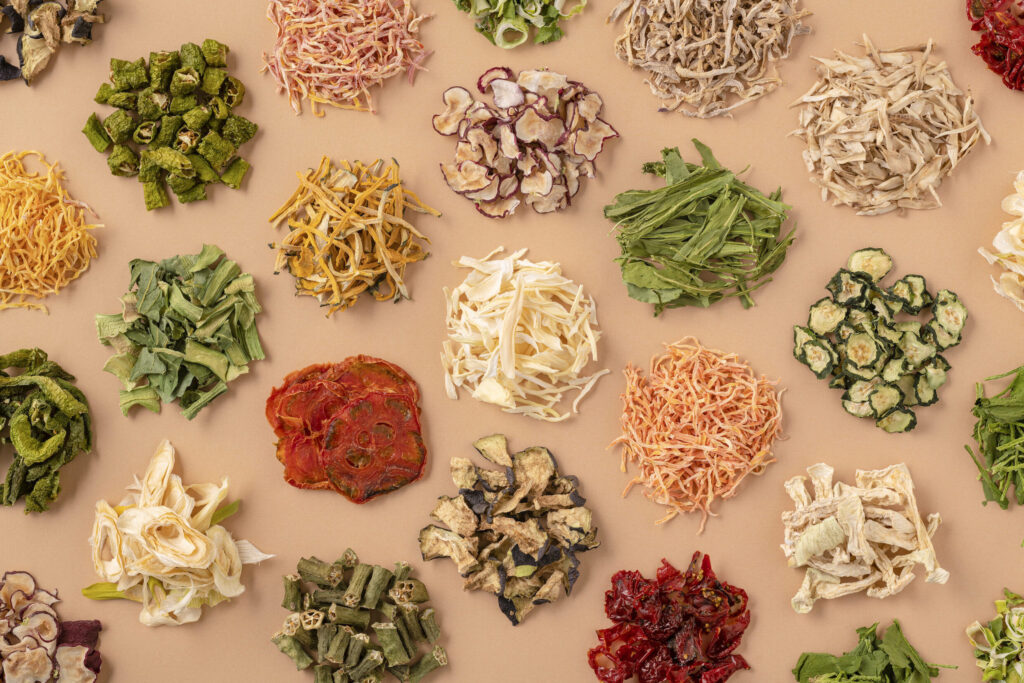
- Available for purchase in small lots from 1 kg
- We handle heirloom vegetables from across Japan
- Dried fruit and herbs also supported
Summary
Shikuwasa is a citrus you can use whole — the juice for drinks and seasonings, the peel for condiments and tea. Turning it into make-ahead recipes such as honey-pickled shikuwasa, ponzu, and shikuwasa kosho lets you enjoy the in-season taste for a long time. Storing the juice frozen and the peel dried, separately, is the trick to using it up.
When fresh is hard to obtain, or when you want to enjoy the aroma throughout the year, Okinawa-produced, sugar-free dried shikuwasa is also convenient. Use both the juice and the peel skillfully and bring the appeal of refreshing citrus into your daily table.