
Recipe– tag –
-

切り干し大根の作り方と戻し方。干す日数と水に浸ける時間
Kiriboshi daikon (dried shredded radish) is essential to simmered dishes. In fact, you can make it easily at home simply by cutting and drying daikon. Homemade versions have a richer sweetness and no additives to worry about. Still, many people hesitate over problems like "it won't dry properly," "I'm worried about mold," or "I don't know how to rehydrate or store it." In this article, we explain... -
How to Make Dried Mandarin: Tips for Making It Whole with the Peel, Plus Storage and Recipes
Mandarins are plentiful in winter. If you have some left over that you can't finish, turning them into dried mandarin is a great option. Drying concentrates the sweetness, and if you make them whole with the peel, the cross-section is as beautiful as a flower, adding a lovely touch to tea or yogurt. They turn out plenty sweet even without added sugar... -
How to Use Shikuwasa: Making the Most of the Juice and Peel, Plus a Honey-Marinade Recipe
Shikuwasa is a citrus that represents Okinawa. With its sharp acidity, gently bitter peel, and refreshing aroma, it has many uses beyond simply squeezing it over food, extending to drinks, seasonings, and as an accent in cooking. That said, quite a few people find themselves unsure, wondering "the juice ends up left over" or "how do I use the peel?"... -
How to Make Dried Persimmon: Tips to Prevent Mold, How to Bring Out the White Bloom, and Storage
Dried persimmon is a seasonal tradition from autumn into winter. The way astringent persimmons are reborn sweet through sun and wind can be recreated at home. Still, failures like "mold appeared" or "it didn't turn out sweet" are common, and mastering a few tips is what separates success from failure. In this article, we cover dried persimmon... -
How to Eat and Choose Dried Mango: Using It with Yogurt and Storage Tips
Dried mango is popular for its rich sweetness and tropical aroma. It's delicious on its own, but knowing different ways to eat it—rehydrating it in yogurt or mixing it into sweets and drinks—greatly expands the enjoyment. On the other hand, some find it "too sweet" or "too hard," which comes down to choosing the right type... -
How to Make Dried Kiwi: Microwave, Oven, and Dehydrator Tips to Preserve Color and Tartness
Kiwi is prized for its vivid green and sweet-tart flavor. Drying it mellows the tartness and concentrates the sweetness, making a snack distinctly different from the fresh fruit. The tiny popping texture of the seeds remains too, making it a perfect accent for granola or yogurt. In this article, we cover... -
3 Ways to Make Dried Banana: Foolproof Microwave, Oven, and Dehydrator Tips
Bananas are too ripe to finish, or you want additive-free fruit for your child's snack—that's when dried banana comes in handy. The appeal of the homemade version is that you can concentrate the sweetness of ripe bananas as-is, without sugar or oil. Still, some run into issues like "it's sticky and not fully dried" or "it turned brown"... -
山椒はうなぎ以外に何に使う?年4回、姿を変えて出回ります
粉山椒の小瓶が、うなぎを食べたとき以外に開かれないまま台所にある。よくある話です。 先に結論を書きます。山椒は年に4回、違う姿で出回る作物です。春の木の芽、4月の花山椒、5月の実山椒、秋の完熟した実。それぞれ向く料理が違います。「山椒=うな... -
Prepping and Removing Bitterness from Green Sansho: Boiling Time, Freezing, and Salt-Curing Tips
Fresh green sansho, which appears in early summer, is prized for its tingly numbness and refreshing aroma. But once you buy it, prepping comes first, and many people are unsure—"what do I do with the stems?", "how long do I boil it to remove the bitterness?", "how do I store it so it keeps for a year?" On this page, we cover prepping green sansho... -
A Guide to Eating and Prepping Tamogitake: Popular Recipes for the Yellow "Phantom Mushroom"
Tamogitake, sometimes called a "phantom mushroom" for its vivid yellow color and pleasant aroma. It's a mushroom long enjoyed in places like Hokkaido, and used in miso soup or takikomi gohan, it offers deep umami and stock flavor. On the other hand, questions come up—"how do I prep it?", "what's a classic way to eat it?", "is dried tamogitake..." -
How to Rehydrate and Use Dried Maitake: Popular Recipes for Takikomi Gohan and Tempura
Dried maitake adds aroma and umami to takikomi gohan and miso soup. It keeps longer than fresh maitake, and even a small amount deepens a dish's flavor considerably. On the other hand, situations often leave people unsure—"should I rehydrate it?", "the soaking liquid turns dark—is that okay?", "can I make tempura with it?"—it's that kind of ingredient... -
干し椎茸の戻し方は5℃の冷水で、こうしん5時間・どんこ10時間
干し椎茸を戻そうとして、袋の裏を見ても「水で戻してお使いください」としか書かれていない。何時間かかるのかが分からないまま、とりあえず水に浸けて出かけることになります。 先に答えを書きます。産地の生産者団体が「5・5・10の法則」という覚え方を... -
A Guide to Using and Rehydrating Dried Mushrooms: Characteristics by Type and Recipes Using Mixes
We explain how to use and rehydrate dried mushrooms, covering the characteristics of each type such as shiitake, maitake, and enoki, when to rehydrate in water versus simmer them directly, uses in miso soup and takikomi gohan, and storage methods. -
きくらげの戻し時間は何分?水5〜6時間とぬるま湯15分で足ります
We explain how to rehydrate and eat dried kikurage (wood ear mushroom), covering rehydration in water or hot water, the tip of always heating it to prevent food poisoning, popular recipes like stir-fries, soups, and harusame, and storage methods. -
How to Make Vegetable Furikake: Easy with Dried Vegetables, a Kid-Pleasing Homemade Recipe, and How to Choose
We explain how to make and choose vegetable furikake, covering an easy homemade recipe using dried vegetables or leftover vegetables, salt-free and additive-free ideas that are easy for children to eat, and how to read the ingredients on store-bought products—tips for a furikake packed with vegetables that tastes good too. -
What Are Edible Flowers? Types, How to Eat Them, and How to Choose, Explained by a Grower
A dried-vegetable manufacturer explains the types and flavors of edible flowers, how they differ from ornamental flowers, how to choose safe ones, and how to eat and store them. We also introduce ways to enjoy them at home and uses for dried edible flowers. -
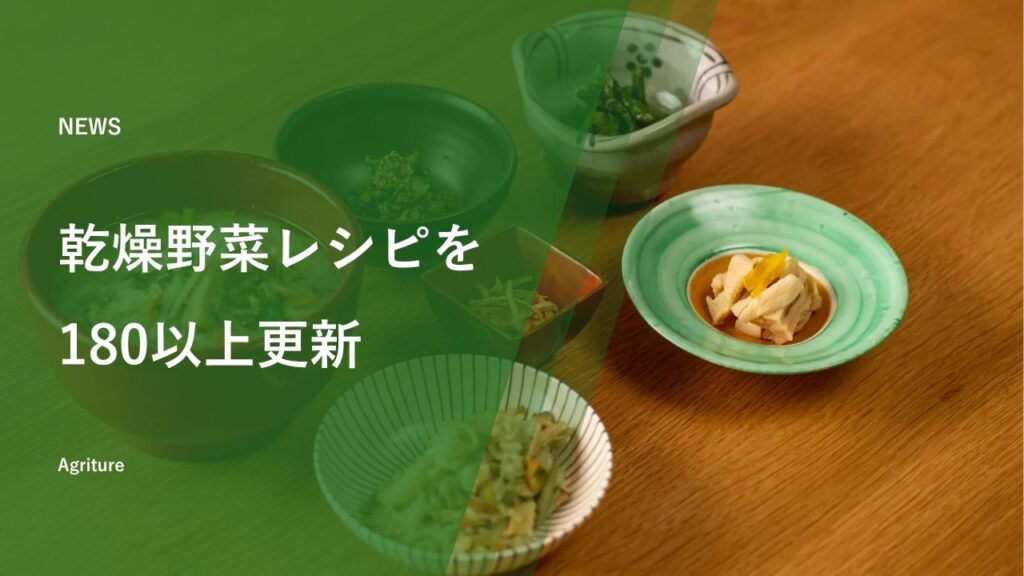
We Updated Over 180 Dried Vegetable Recipes
Recipes Published on OYAOYA. On OYAOYA, the dried vegetable brand we operate, we have published a total of over 180 recipes through user submissions and dedicated recipe creation. We've produced not only ordinary soup recipes but also ones with variations that are only possible because they're dried vegetables... -
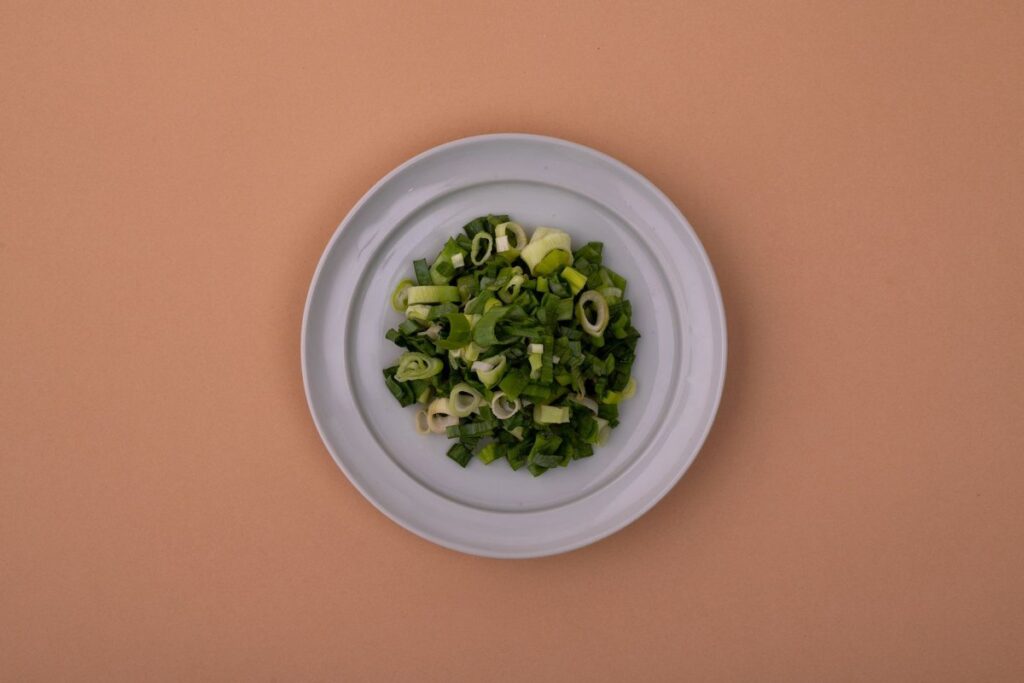
We Published How to Rehydrate Dried Vegetables
We've introduced recipes using dried vegetables until now, but this time we newly published how to rehydrate vegetables in water. Dried vegetables are easy to use—rehydrating in water or adding them directly to a dish—with flavor changes depending on rehydration time. In the case of dried carrot, compared with fresh yellow carrot... -
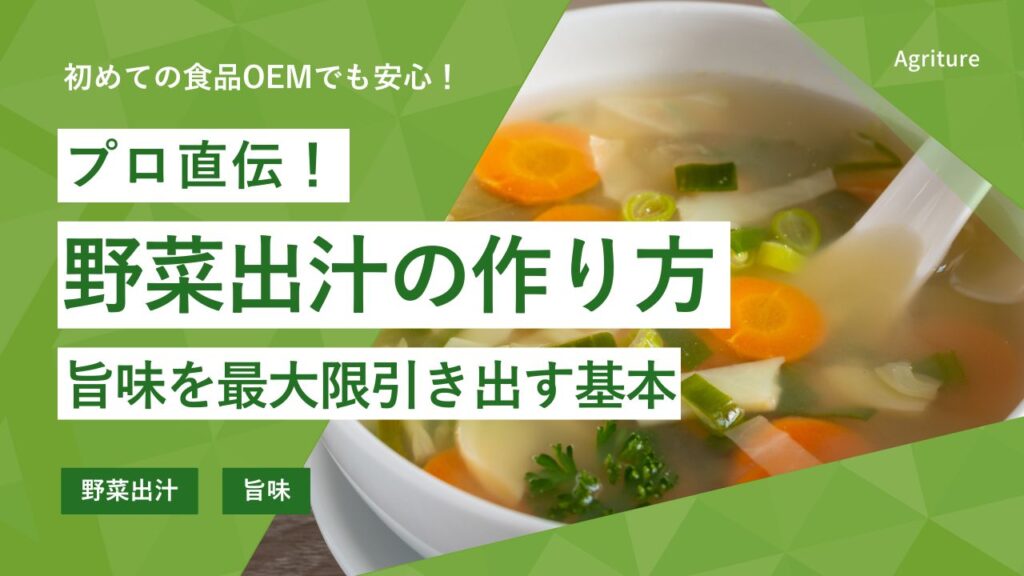
How to Make Vegetable Dashi and Vege-Broth: The Difference and Tips for Using Vegetable Scraps
Vegetable dashi is a stock drawn using only the umami and aroma of vegetables, with no animal ingredients. As the amino acids and sugars of onion, carrot, celery, and mushrooms dissolve out, a gentle sweetness and mild umami emerge. Because it contains no animal ingredients, it suits vegan, vegetarian, and halal...
1