
Product development– category –
-

Commercial and OEM Shiso Powder (Ooba and Red Shiso): Manufacturing Methods, How to Choose, and Small-Lot Production Explained
Shiso powder, made by drying and grinding shiso (ooba, red shiso), is a commercial ingredient that lets you add aroma and color without moisture. It is used widely for flavoring processed foods—furikake, ochazuke mix, Japanese-style snacks, and dough for baking and noodle-making. This article covers shiso powder... -
Cookies from the "Leaves" of Nijisseiki Pears—Tottori University Students Take 2 Years to Commercialize Them as a Measure Against Abandoned Farmland
"Yuri," a student group at Tottori University, spent two years commercializing cookies made from pear leaves. Focusing on abandoned pear orchards that no longer bear fruit, they make use of pesticide-free leaves—we introduce this initiative from Tottori, the home of pears. -
Yakuzen Food OEM and Development: Dashi, Furikake, and Powder in Small Lots
When it comes to yakuzen, many people may picture yakuzen tea, but there are many foods beyond tea that can draw on yakuzen thinking—dashi, soup, furikake, powder, and more. For staff at companies thinking "I want to develop a yakuzen product, but where do I start?", we cover, beyond tea... -
What is sansho powder? Its production method, how to choose commercial grade, and OEM and small-lot production explained
That fragrant powder sprinkled over grilled eel is sansho powder (powdered sansho). Because it lets you easily add a refreshing aroma and a lingering tongue tingle without adding moisture, inquiries such as "I want to use domestic sansho powder in small lots" and "I'm looking for a powder with a pronounced aroma" are increasing... -
What Is Chili Powder? Manufacturing Methods, How to Choose for Commercial Use, and OEM and Small-Lot Production Explained
Chili powder, made by drying and grinding chili peppers, is a handy ingredient that lets you add heat, color, and aroma without moisture. Its uses are wide—flavoring ichimi, kimchi, soup, and snacks—and inquiries such as "I want to use domestic chili powder in small lots" and "I'm looking for a powder with stable heat and color" are... -
How to Make an Original Tea OEM: Points of Differentiation and the Planning Process
An original tea is a unique tea designed to match your brand concept, rather than an off-the-shelf tea leaf. By combining five elements—selecting the base tea leaf, blending ingredients, blend ratios, packaging, and story—you pack a "brand story" into a single cup. Rather than simply... -
Kansai Food OEM: 6 Steps to Making a New Product and Subsidies
The strengths of making a new product with a Kansai food OEM lie in the industrial clusters in each of the six prefectures—Osaka, Kyoto, Hyogo (Kobe), Nara, Wakayama, and Shiga—Kinki's food research institutions, the logistics network of Hanshin, Kintetsu, Kansai Airport, and the Port of Kobe, and the diversity of regional food culture. Prepared dishes, seasonings, health foods, confectionery, beverages, packaging... -
The complete guide to succeeding at PB development with vegetable powder | Small lots supported
Vegetable powder is an ingredient made by drying and powdering vegetables, combining shelf stability with concentrated nutrition. This characteristic is a strong weapon for food manufacturers, retailers, and D2C operators who want to launch private brand (PB) products from small lots. Fresh vegetables have waste loss and purchasing fluctuation... -
How to Develop Vegetable Tea for Business People: Product Planning That Captures Health Demand
For today's business people whose work centers on desk work, maintaining health is a major challenge. As more people struggle with a lack of vegetables and a lack of exercise, demand is rising for functional beverages that let you easily supplement nutrition. In particular, the new category of "vegetable tea" combines the nutrition of conventional tea and vegetables... -
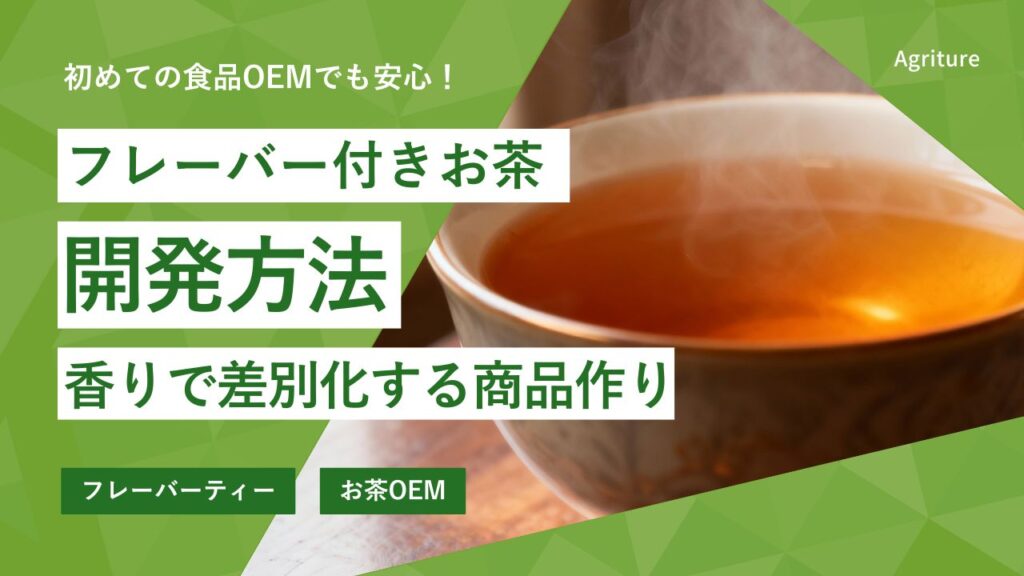
Flavored Tea Development: Differentiating Aroma with 3 Elements × 4 Axes
Flavored tea is a product category that adds the aromas of fruits, herbs, spices, flowers, and the like to a base tea leaf such as black, green, oolong, or white tea. The basic approach is to differentiate through three elements—base tea leaf, flavoring ingredient, and method of imparting aroma—and demand exists for D2C, cafés, gifts, and tourist souvenirs... -
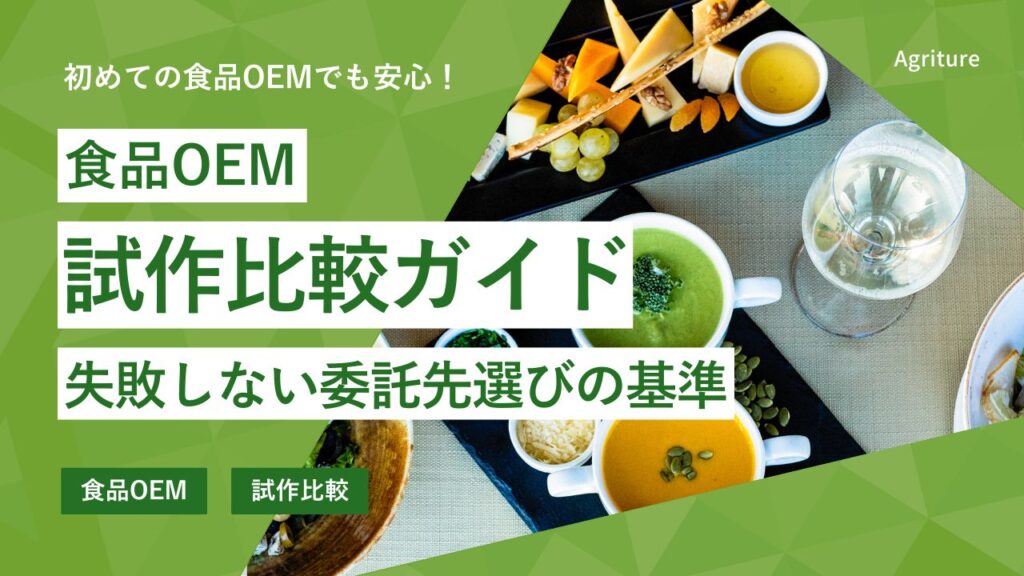
Choosing a Food OEM Prototyping Partner: 8 Criteria and the Practice of On-Site Auditing
Choosing a food OEM partner is the work of discerning, at the prototyping stage, a manufacturer's areas of strength, quality control systems, know-how, production capacity, and inventory handling. A manufacturer that appears often in rankings is not necessarily the right fit for you, and "how they tailor formulation proposals," "bridging from prototype to mass production," and handling trouble... -
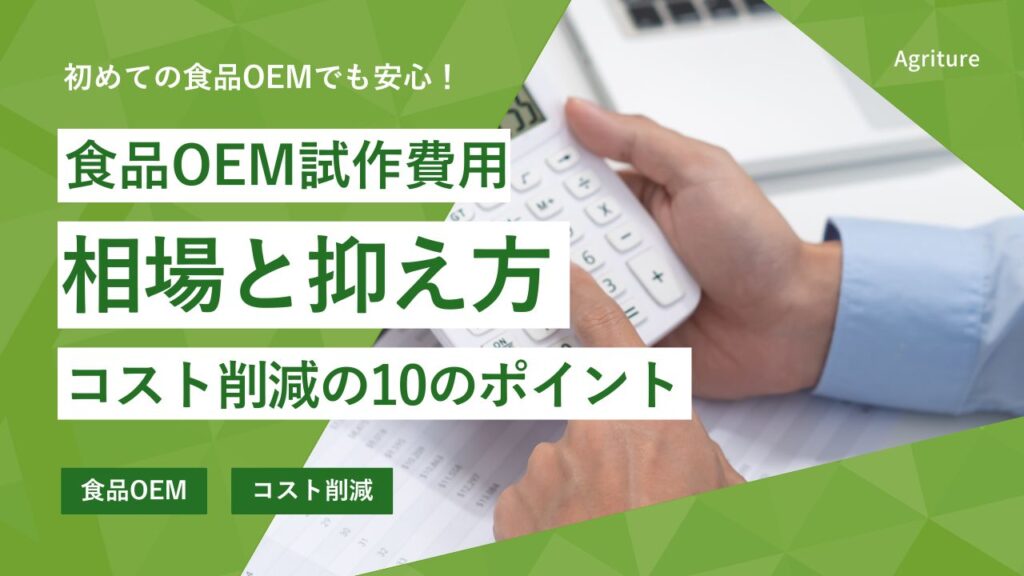
The Going Rate for Food OEM Prototyping Costs and 10 Points for Cutting Costs
Food OEM prototyping costs generally range from 10,000–50,000 yen for powder-based products, 20,000–100,000 yen for beverages and seasonings, and 50,000–200,000 yen for snacks and baked goods. Because prototyping incurs initial costs on the manufacturer's side for equipment operation, raw material procurement, and formulation design, understanding in detail what costs how much before signing a contract... -
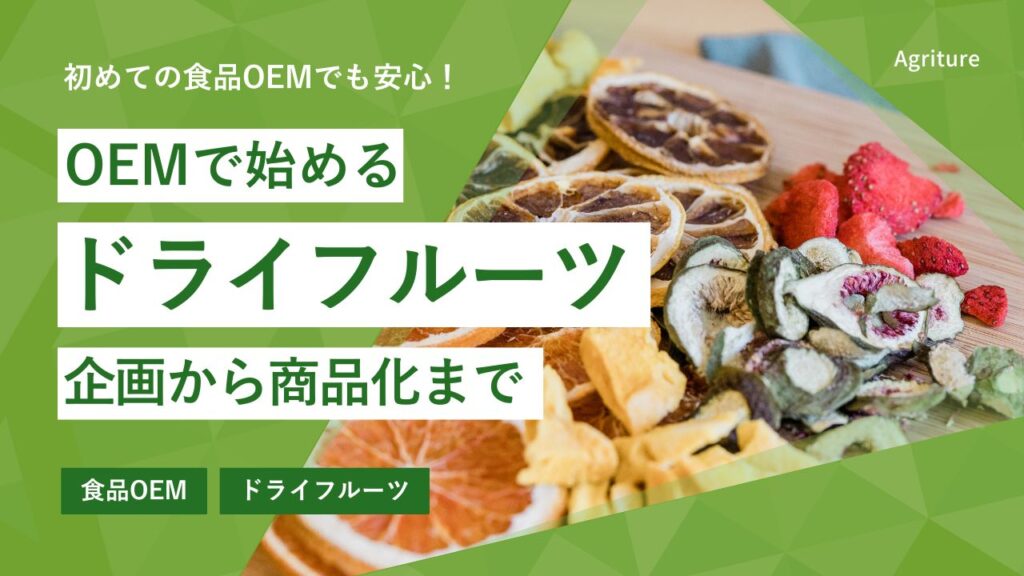
Why choosing sweet varieties for dried fruit OEM leads to failure
Dried fruit OEM means outsourcing everything from drying the fruit to bagging it, then selling the product under your own brand. You can have a product without owning equipment, but costs are determined very differently from dried vegetable or confectionery OEM. The real difference is yield. Fruit is more than 80% water... -
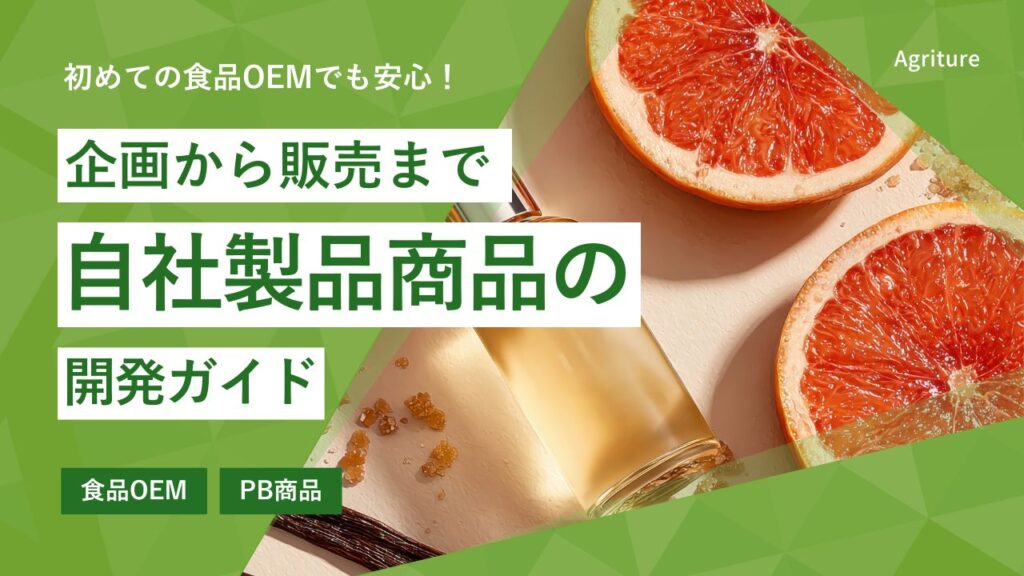
A Complete Guide to Making Original PB Foods: The Steps from Planning to Manufacturing and Sales
Have you ever harbored the wish to make a food under your own brand? Entrants from other industries—retail, restaurants, startups—have become conspicuous. Behind this are the expansion of the food OEM market and an environment where you can now prototype even from small quantities... -
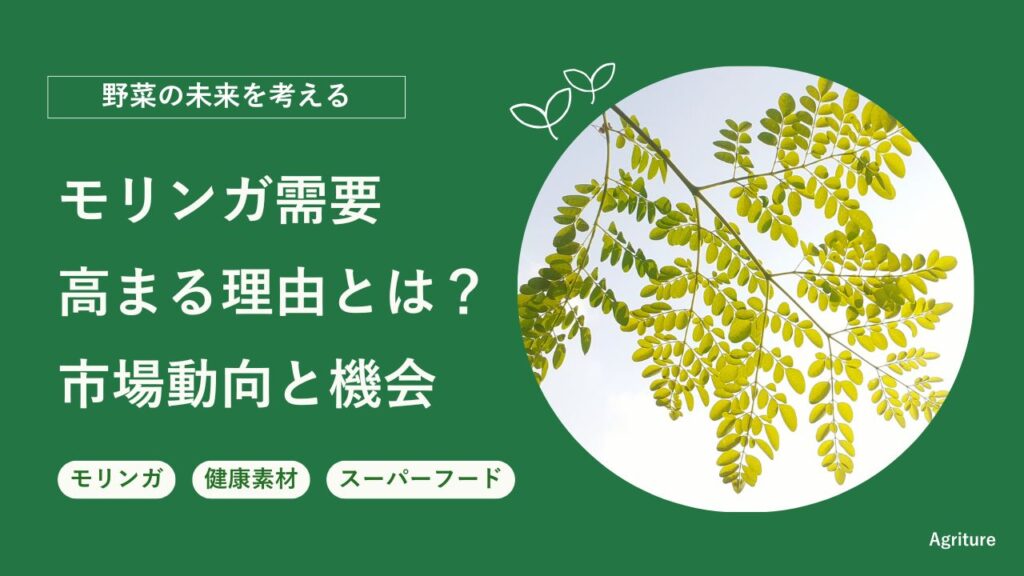
Why Moringa Demand Is Rising: Market Trends and Opportunities in Product Development
Alongside rising health consciousness, interest in superfoods is expanding worldwide. Among them, moringa—called a "nutrient-rich tree"—is drawing attention from both its high nutritional value and sustainability. Moringa is a plant native to northwestern India, containing vitamin A, vitamin... -
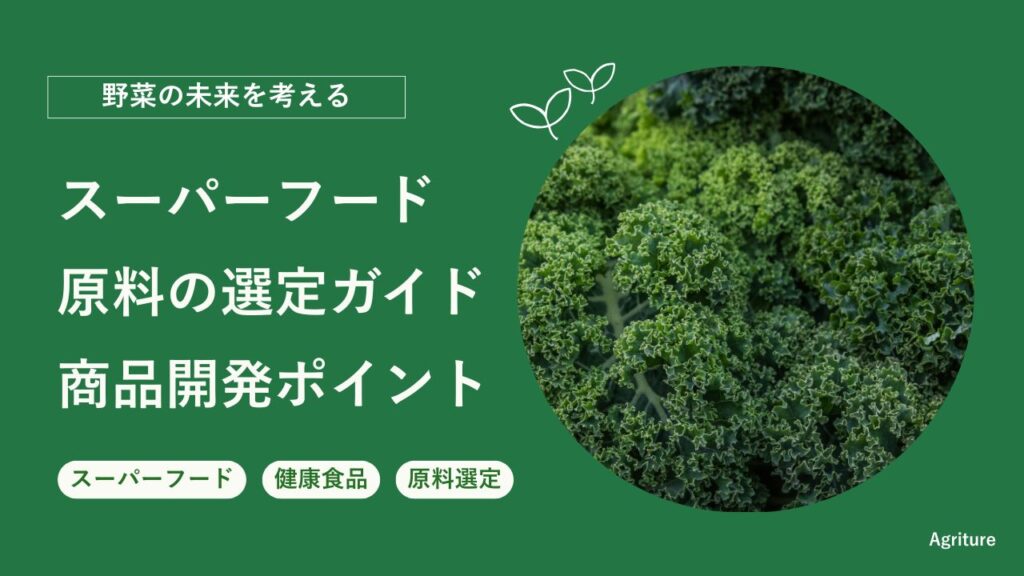
A Guide to Selecting Superfood Raw Materials: Points to Master in Product Development
Alongside rising health consciousness, the functional food market is expanding rapidly. At its core are the nutrient-rich raw materials called "superfoods." A superfood is a food with excellent nutritional balance that contains many kinds of beneficial components, or one in which a particular beneficial component stands out... -
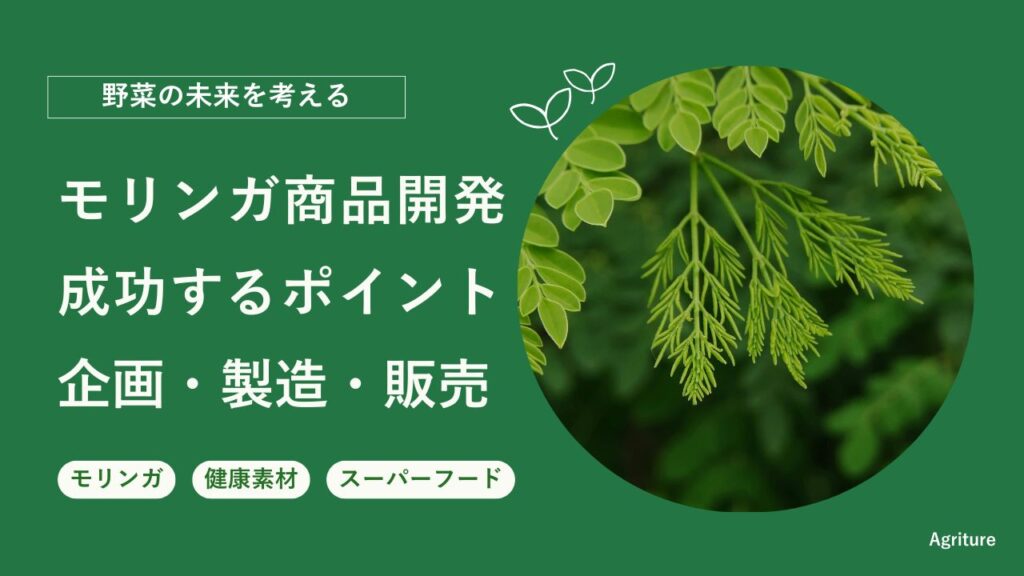
Points for Moringa Product Development: A Winning Strategy for Planning, Manufacturing, and Sales
Alongside rising health consciousness, interest in superfoods is expanding rapidly. Among them, moringa—called a "nutrient-rich tree"—contains a wide range of nutrients such as vitamin A, vitamin C, calcium, iron, and amino acids, and is drawing attention as functional foods, powder products, and green-juice-type... -
Kyoto ingredient processing OEM | How to make the most of Kyoto vegetables and quality control
The strength of requesting ingredient-processing OEM in Kyoto lies in access to Kyoto vegetables, heirloom vegetables, and Kyoto-grown ingredients, and in a quality-control system backed by the culture of long-established makers and artisans. By combining processing techniques such as drying, powdering, and extract extraction with Kyoto-grown ingredients, you get something beyond mere OEM manufacturing—a... -
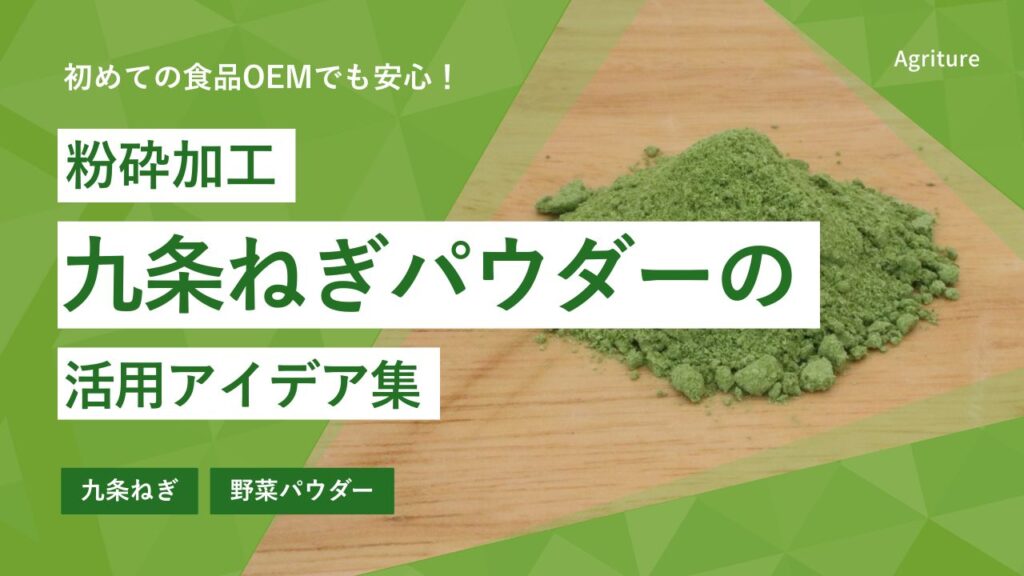
Dried Kujo green onion powder | Usage ideas and how to choose it as a food OEM raw material
Dried Kujo Negi powder is a commercial raw material made by drying and finely powdering the Kyoto heirloom vegetable "Kujo negi." Compared with white negi types, it has a gentler aroma and stronger sweetness, with a vivid green retained all the way to the leaf tips—it is adopted in food OEM for topping instant noodles, furikake, and adding color and aroma to baked-good dough... -
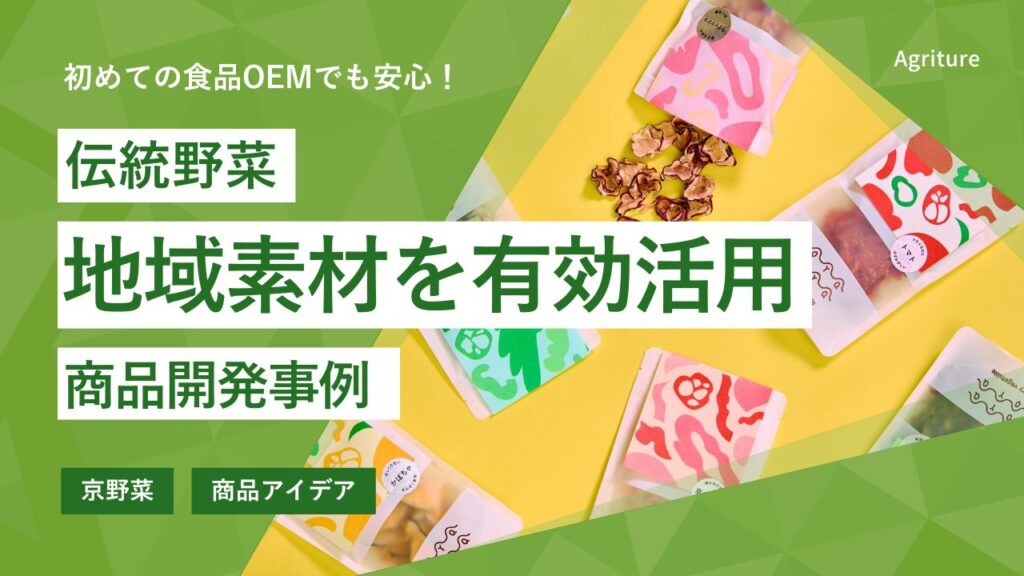
Heirloom vegetable OEM | A commercialization case guide using Kyoto vegetables and local ingredients
Right now, product development that makes use of “regional individuality” is drawing attention. Among these, foods using heirloom vegetables and Kyoto vegetables are strongly supported for the gift market and inbound-oriented products, thanks to their visual beauty and rarity. Especially now, with inbound tourists increasing, region... -
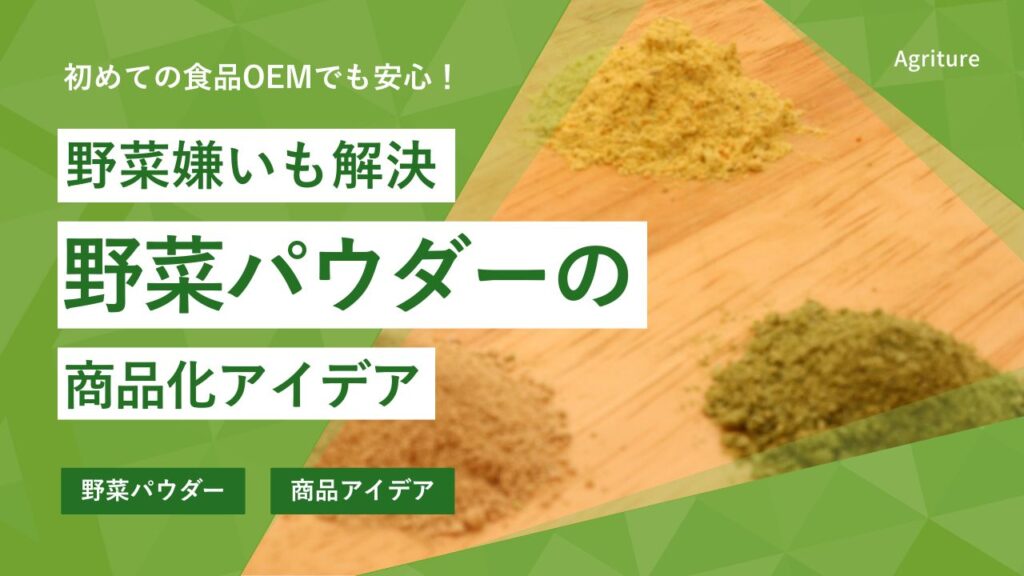
Solve picky eating too! 3 ideas for commercializing vegetable powder you can keep up every day
Getting plenty of vegetables every day is the foundation of health. But in reality, many people can't get enough vegetables for reasons such as "I'm too busy to spend time cooking," "my kids dislike vegetables and won't eat them," or "I just don't like the taste." Against that backdrop... -
Kyoto-style food development | Gift-oriented product development OEM using Kyoto vegetables
Gift food OEM using Kyoto ingredients is a field that lets you add the value of the “Kyoto brand” to products—value that product development in other regions cannot deliver. In addition to Kyoto vegetables such as Kujo green onion, Shogoin daikon, Kamo eggplant, and Manganji pepper, and up to the pickles, tsukudani, Kyoto sweets, and dashi that Kyoto’s food culture has nurtured, ingredients... -
Creating a regional brand with a Kyoto-vegetable OEM | The complete flow from planning to sales
京野菜のパウダー加工は、地域ブランドを原料レベルで商品に落とし込める数少ない選択肢です。九条ねぎ・万願寺とうがらし・聖護院大根・京くれない人参・京都産の柚子など、京都が長く育ててきた伝統野菜は、色・香り・ストーリー性のどれを取っても食品O... -
The success formula for yuzu product development | The process from planning to sales
Do you know the success story of Umaji Village in Kochi Prefecture? A small village with a population of fewer than 1,000 achieved annual sales of 3 billion yen with yuzu processed products. Overcoming the crisis of forestry's decline, it accomplished a miraculous revival through product development that made the most of local resources. Behind this success lay meticulous product planning... -
Nissin Foods Co., Ltd.
A dried vegetable assortment set perfect for “Nissin Raoh.” For Nissin Foods Co., Ltd., to coincide with “Food Loss Reduction Day” on October 30, we had them adopt a “dried vegetable assortment set” perfect for the company’s flagship product “Nissin Raoh.” Adoption details: on Food Loss Reduction Day... -

Kai Corporation
Dried vegetables take the lead! Creating recipes for “dishes you’ll want to eat once a week.” At “Chefon,” an online cooking class operated by Kai Corporation, we created video and recipe content for all 8 “dishes you’ll want to eat once a week” using dried vegetables with concentrated umami, proposed by Michelin one-star “Ichirin” owner Mikizo Hashimoto... -
One’s Daily Co., Ltd.
Selecting safe ingredients for developing a treat that people and pets can eat together. Under the concept of “something people and dogs can eat together every day,” we carefully selected safe ingredients for treat development together with One’s Daily, which makes additive-free treats. Furthermore, so people and pets alike can enjoy... -

Hoshi no Kitchen
Dried vegetables adopted at a topping bar for choosing the future. OYAOYA dried vegetables were adopted at Hoshi no Kitchen inside the “ITOCHU SDGs STUDIO” in Kita-Aoyama, Tokyo. A feature is incorporating sustainable ingredients into classic menus familiar to everyone from children to adults. Dried... -
Preventing Food OEM Failures: Common Failure Cases and Countermeasures for Success
You want to make a food under your own brand. More and more companies are thinking this way. Entrants from other industries—retail, restaurants, startups—are becoming more active, and the food OEM market continues to expand. On the other hand, cases such as "the product didn't turn out as expected" or "costs exceeded expectations"... -
How to find a food OEM | How to efficiently find the best manufacturing partner
More and more companies want to roll out their own brand products in the food industry. Entrants from other industries—retail, restaurants, startups—are becoming more active, and inquiries such as "we want to prototype from small quantities" and "we want to make a product that leverages our strengths" are rapidly increasing... -
What Is the Minimum Lot for a Food OEM? How to Choose a Small-Lot-Capable Food Factory Explained
When considering food OEM, the first question is usually, "I want to make about this many, but how many bags will this factory accept at minimum?" Many people also want to start with a small lot of around 100 bags and proceed by testing in small steps. That instinct... -
Food OEM Market Trends 2026: A Growth Strategy Seen Through Small-Lot and Domestic-Ingredient Needs
The food OEM market is at a turning point. Not only major companies but also retailers, restaurants, and startups—entrants from other industries are surging. Voices saying "we want to make our own brand product" and "we want to try prototyping from small quantities" are rising like never before. Behind this... -
How to Use OEM Matching Sites: Efficiently Finding the Optimal Manufacturing Partner
With a stream of entrants from other industries—retail, restaurants, startups—inquiries saying "we want to make our own brand product" never stop. But what many companies face is the challenge of "how to find a manufacturing partner they can trust." With trade shows and referrals alone... -
How to proceed with hometown-tax product development | OEM techniques that make the most of local ingredients
The market for furusato tax (hometown tax) donations continues to expand year after year. For municipalities, return gifts are an important means of broadcasting a region's appeal nationwide. But quite a few operators struggle with worries like "how do we develop an attractive product" or "we can't put together a manufacturing setup on our own"... -
Black Tea OEM Original Blends: Origin and Flavor Design
Black tea OEM is a contract service for planning and manufacturing original black tea products under your own brand. You outsource everything—selecting tea leaves, blend design, flavoring, and packaging—to a specialist black tea manufacturer, allowing you to roll out black tea products bearing your own name from small lots. D2C, cafés, hotels, food...
1