
Glossary– archive –
-
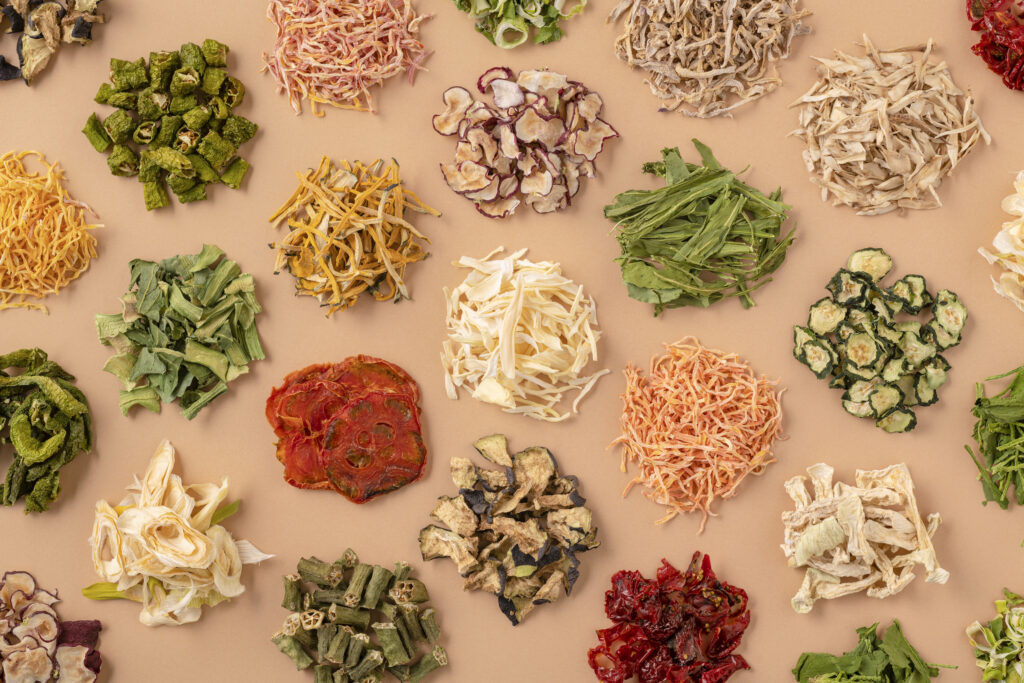
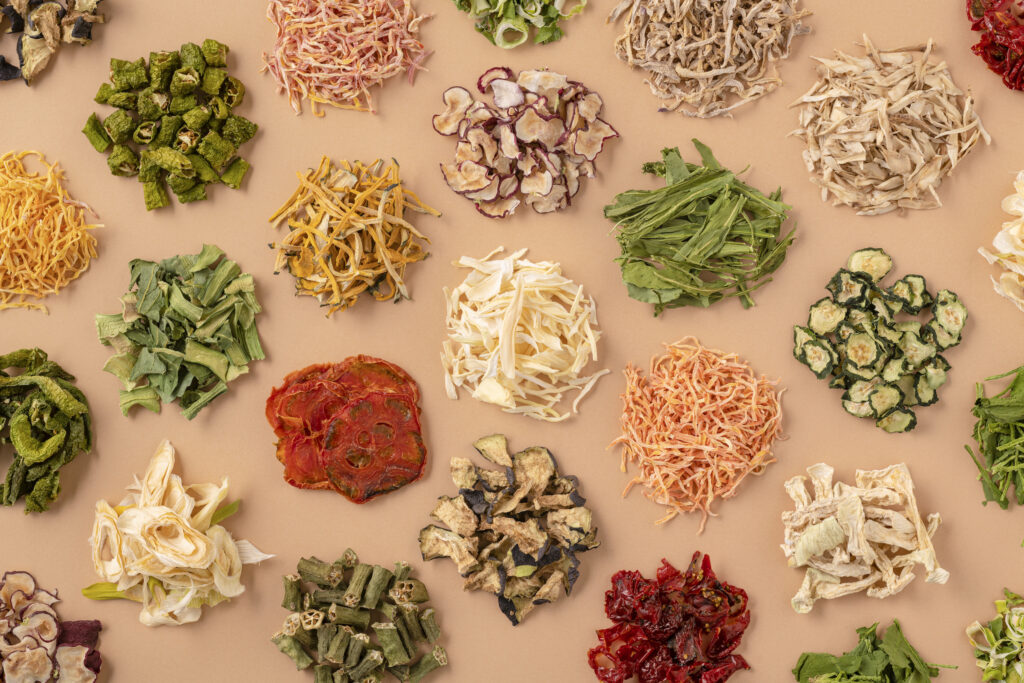
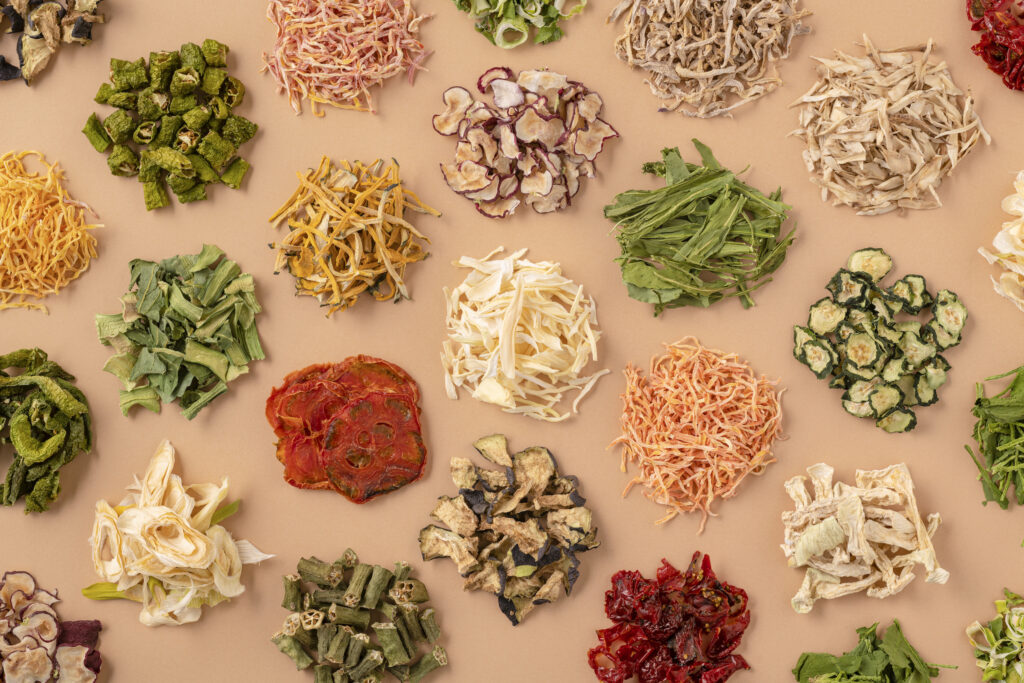
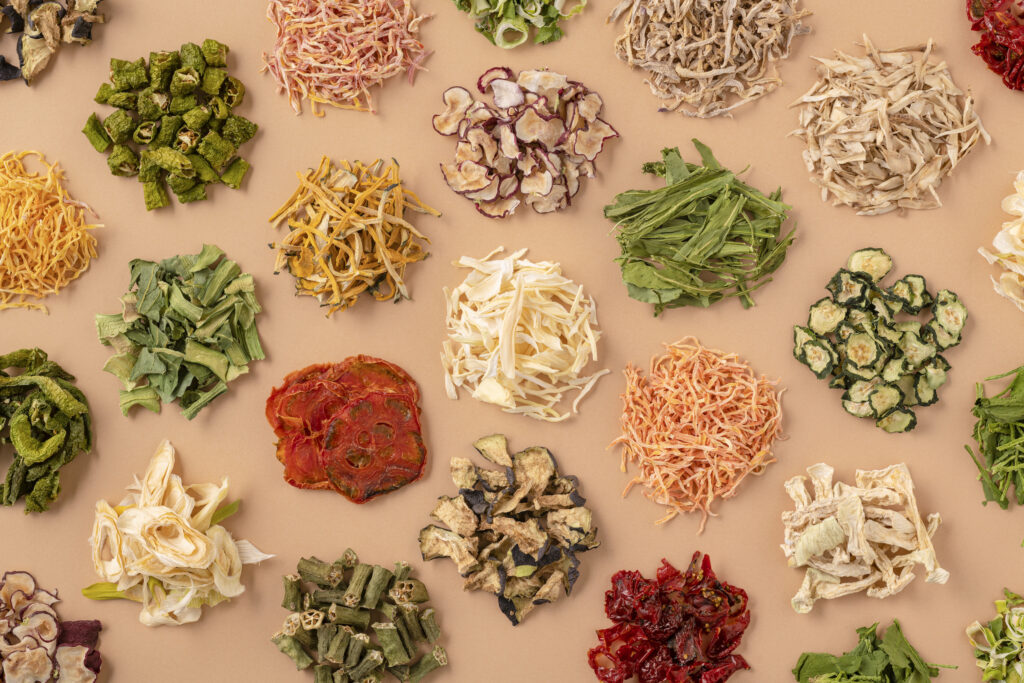
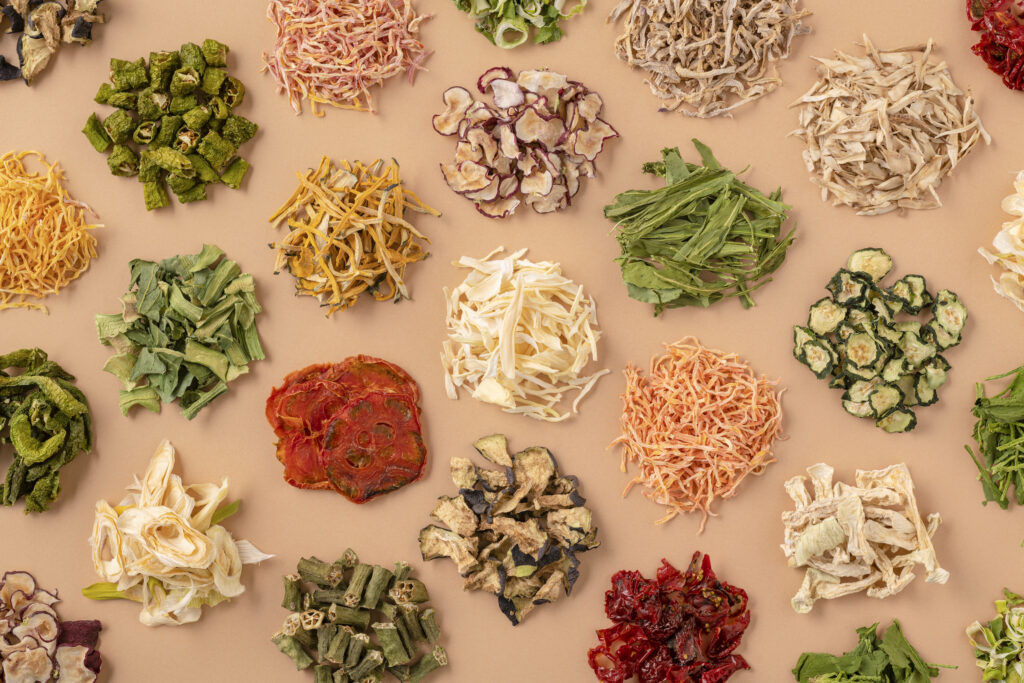
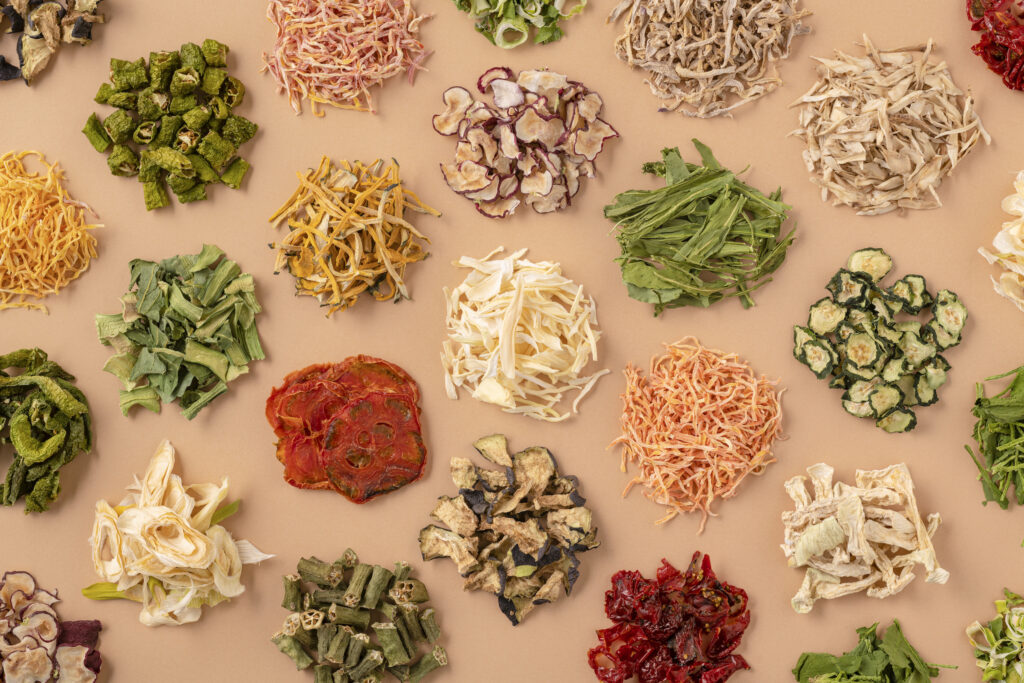
Dried vegetables
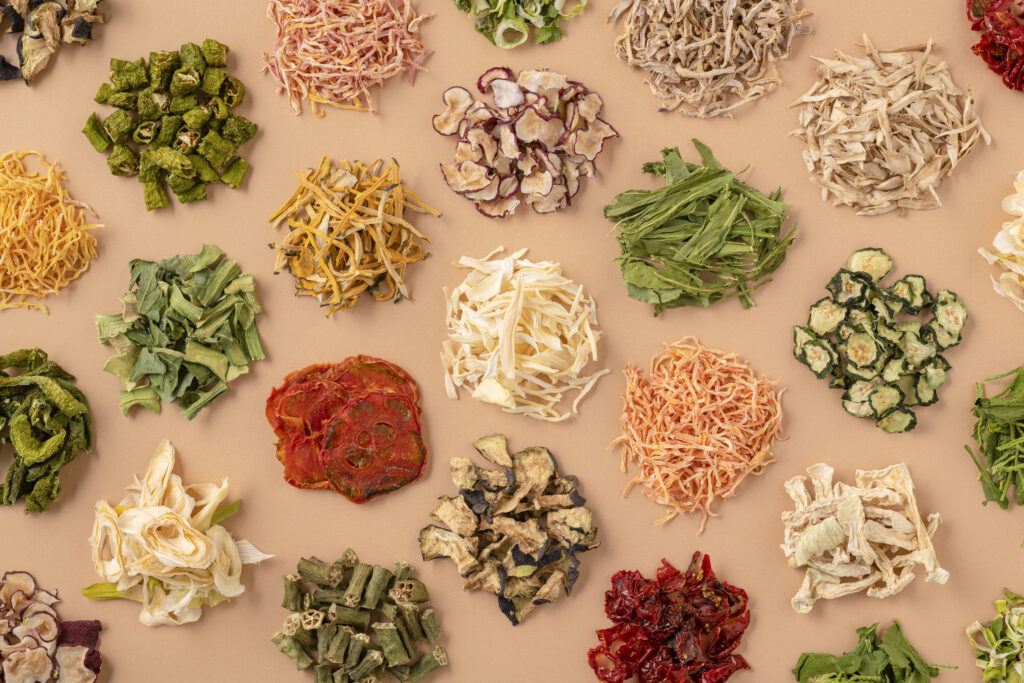
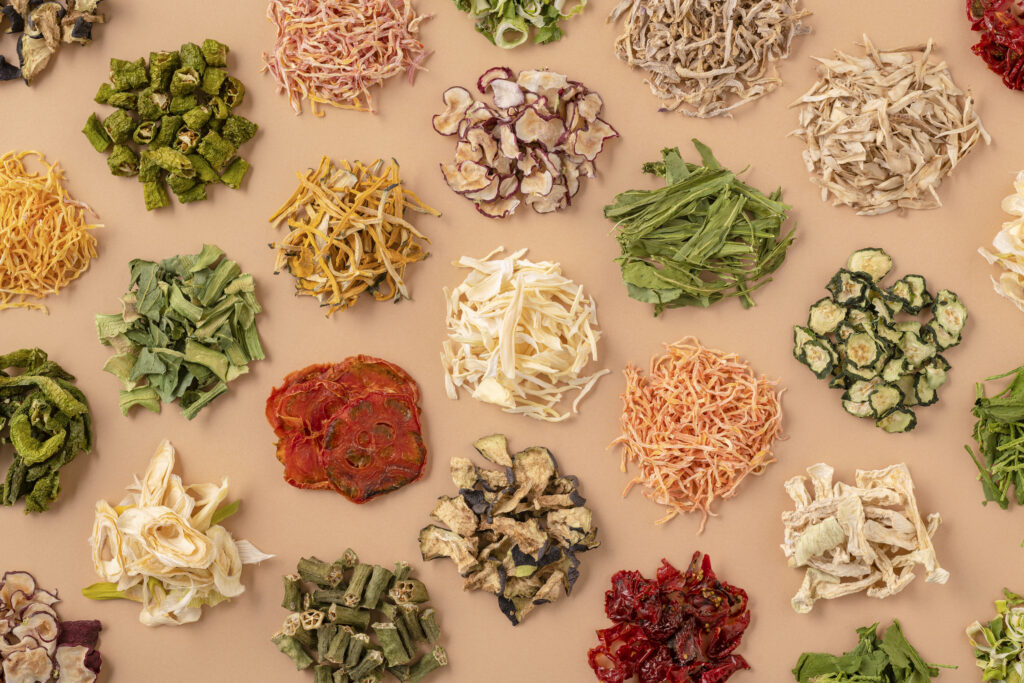
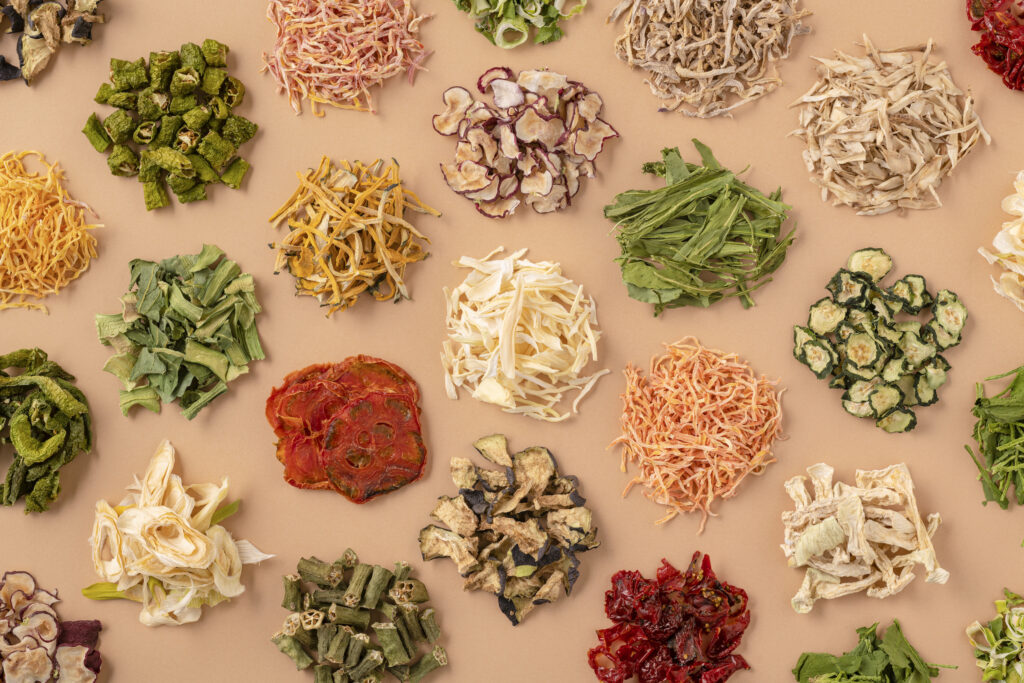
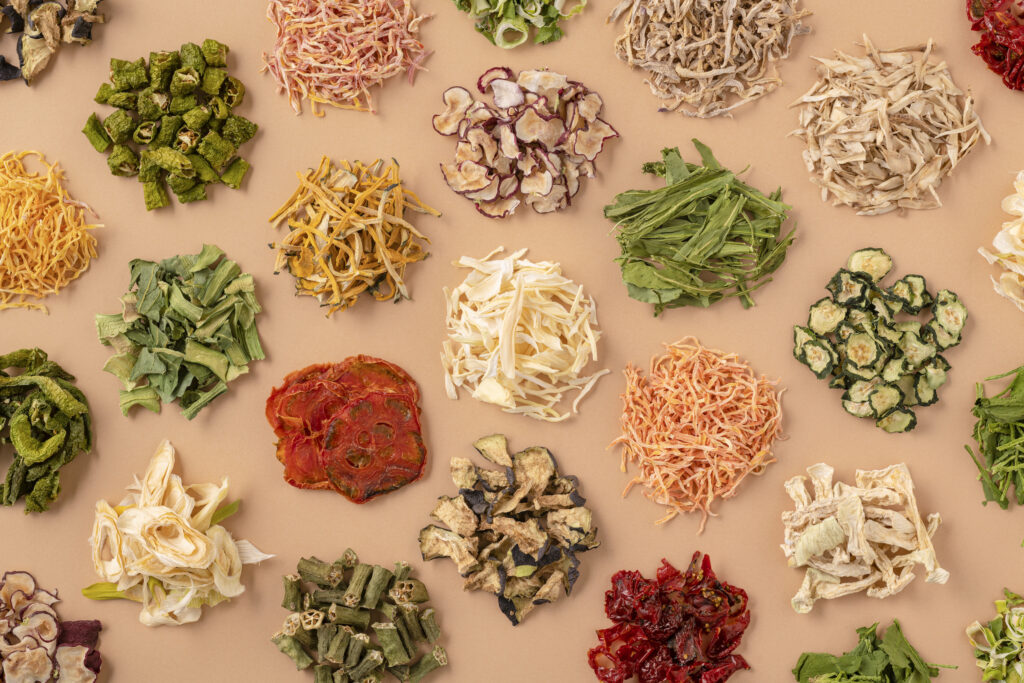
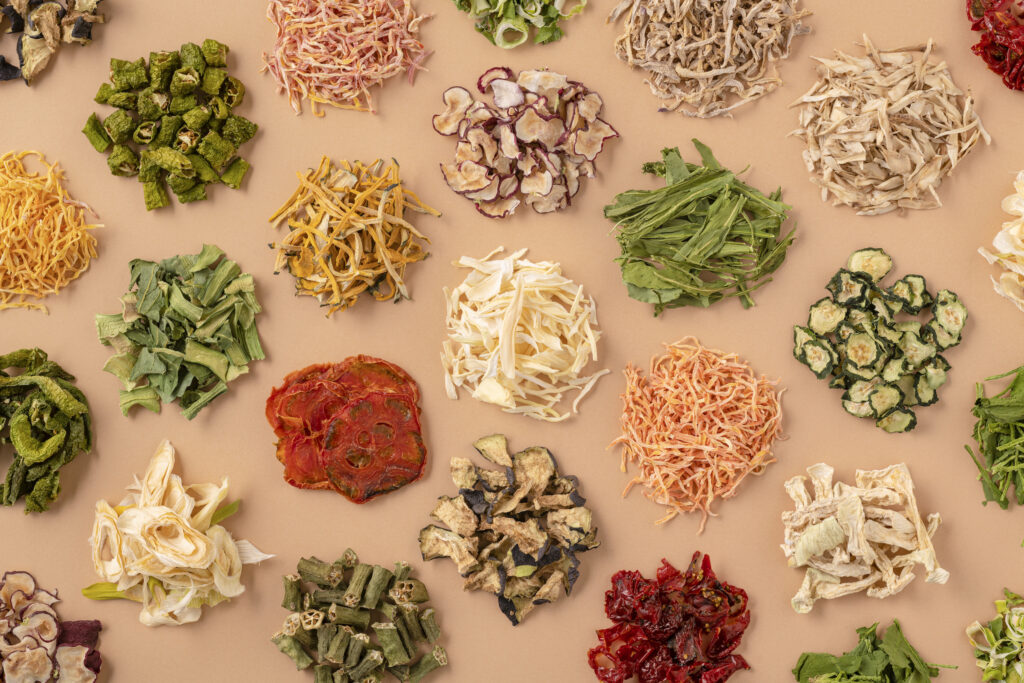
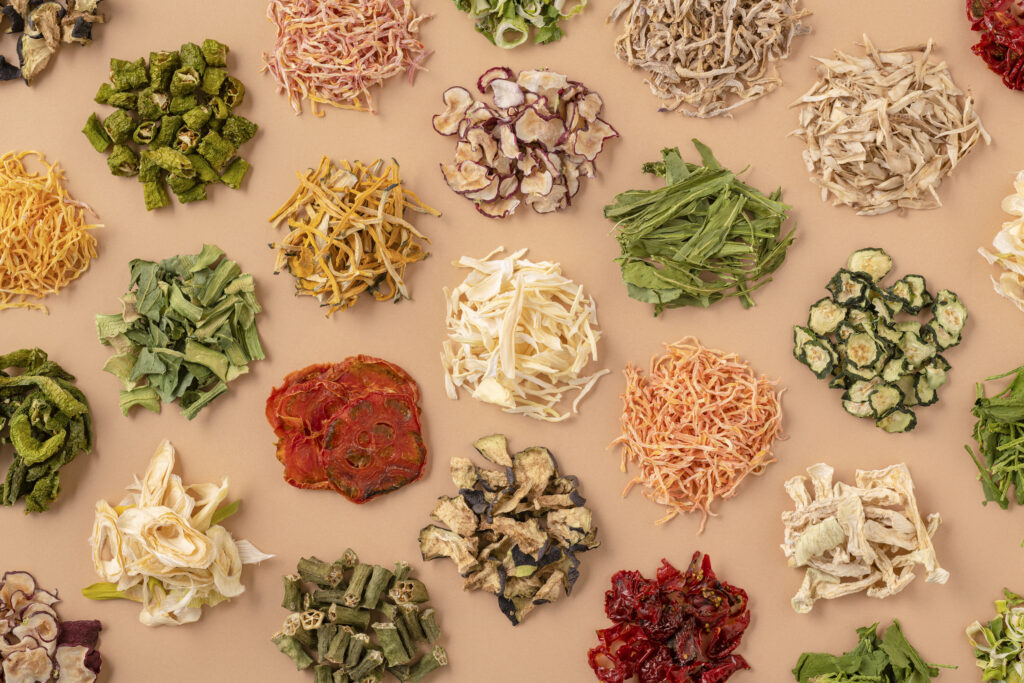
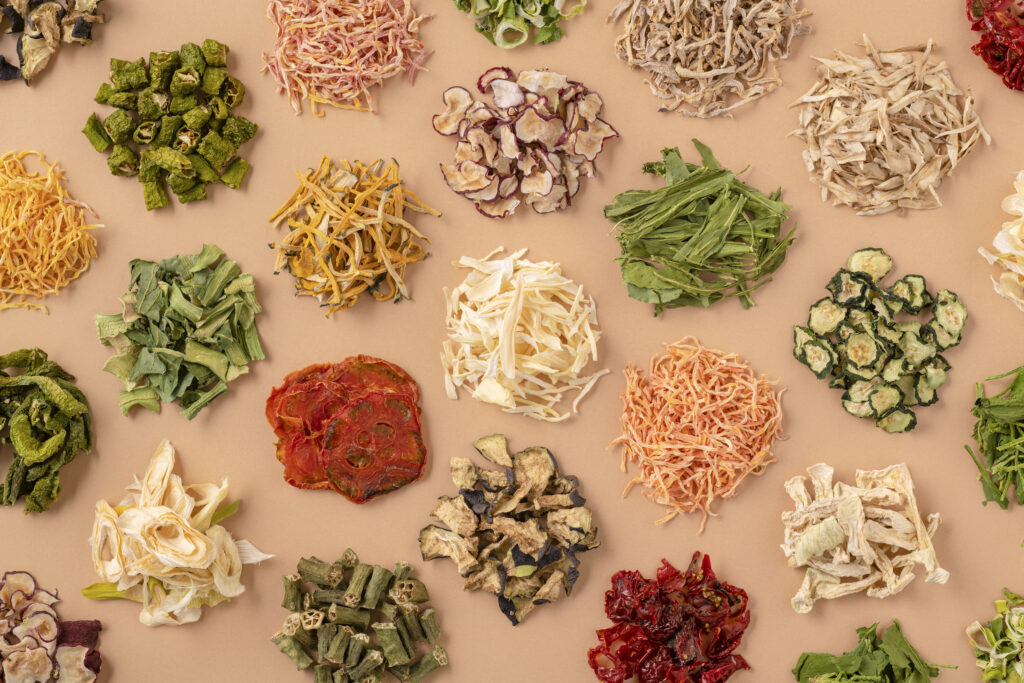
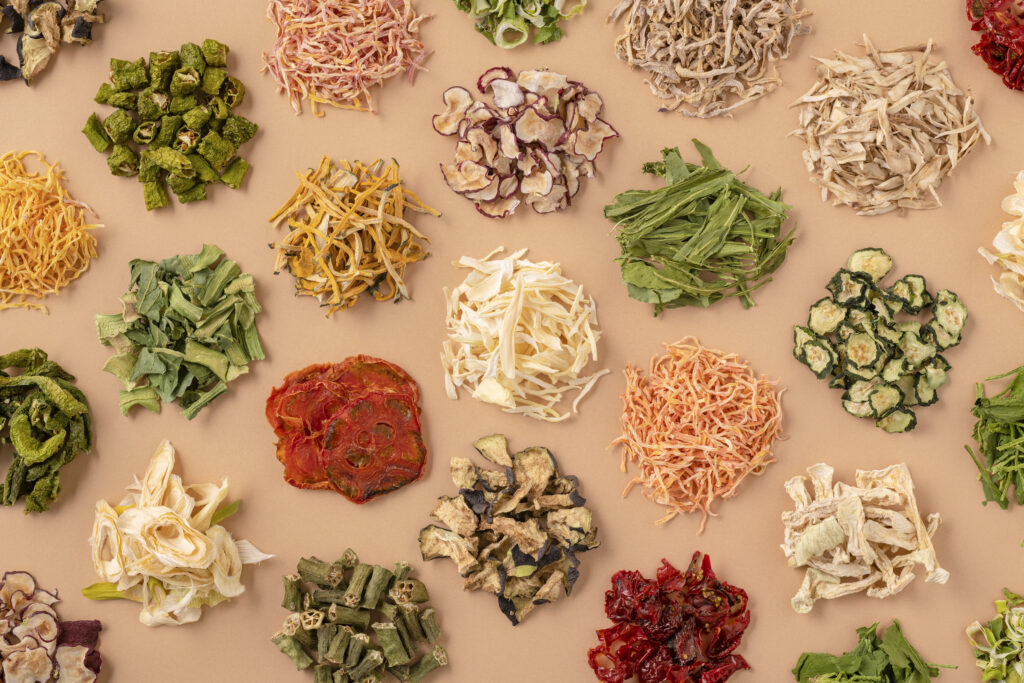
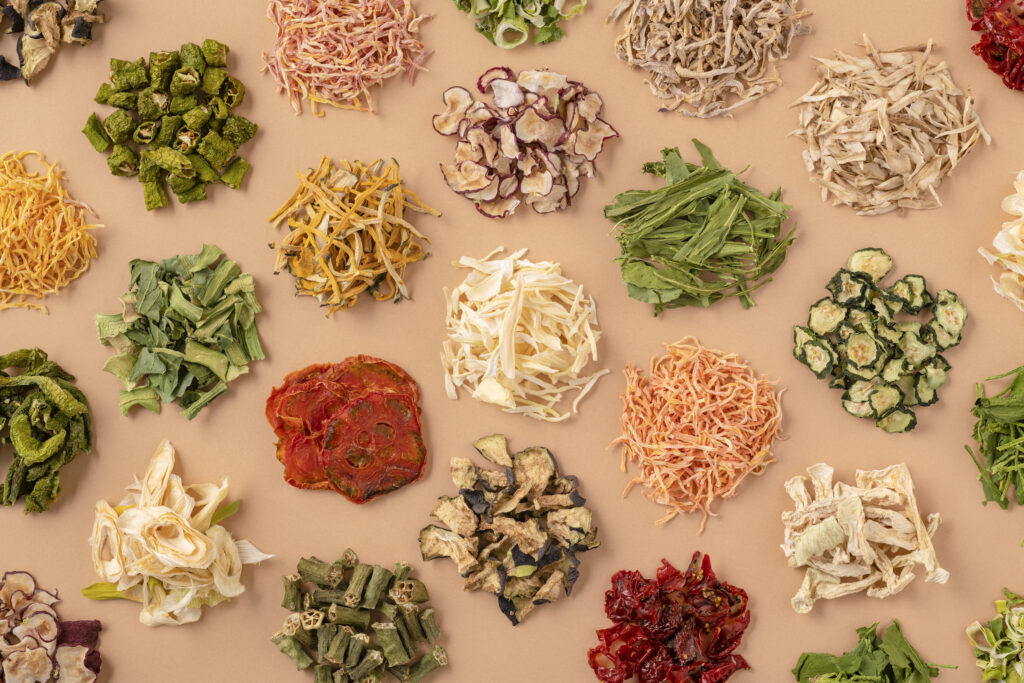
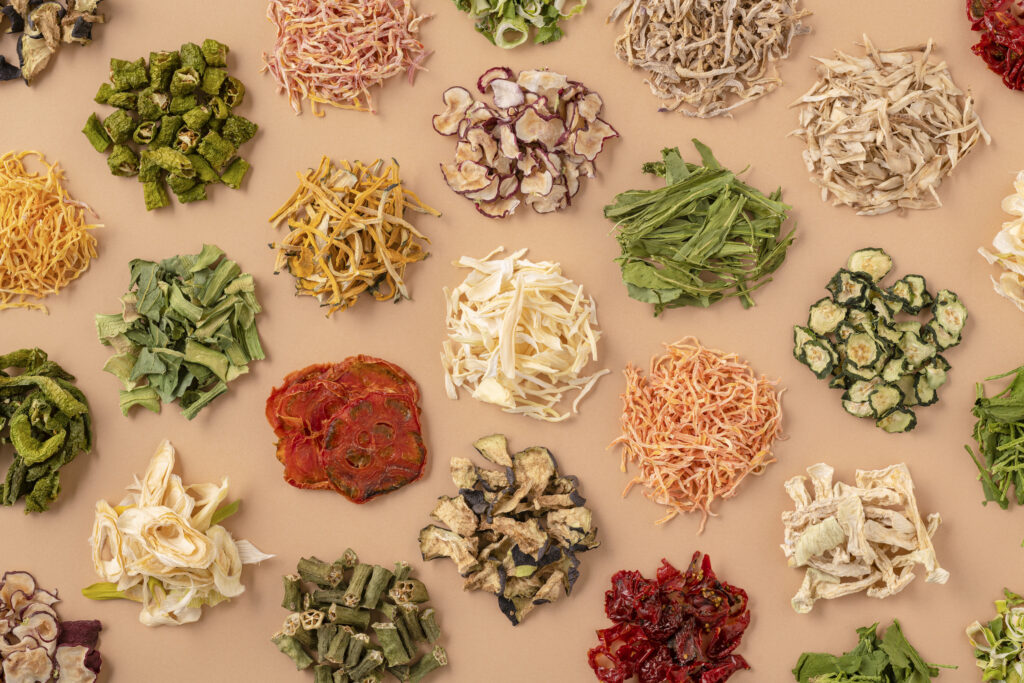
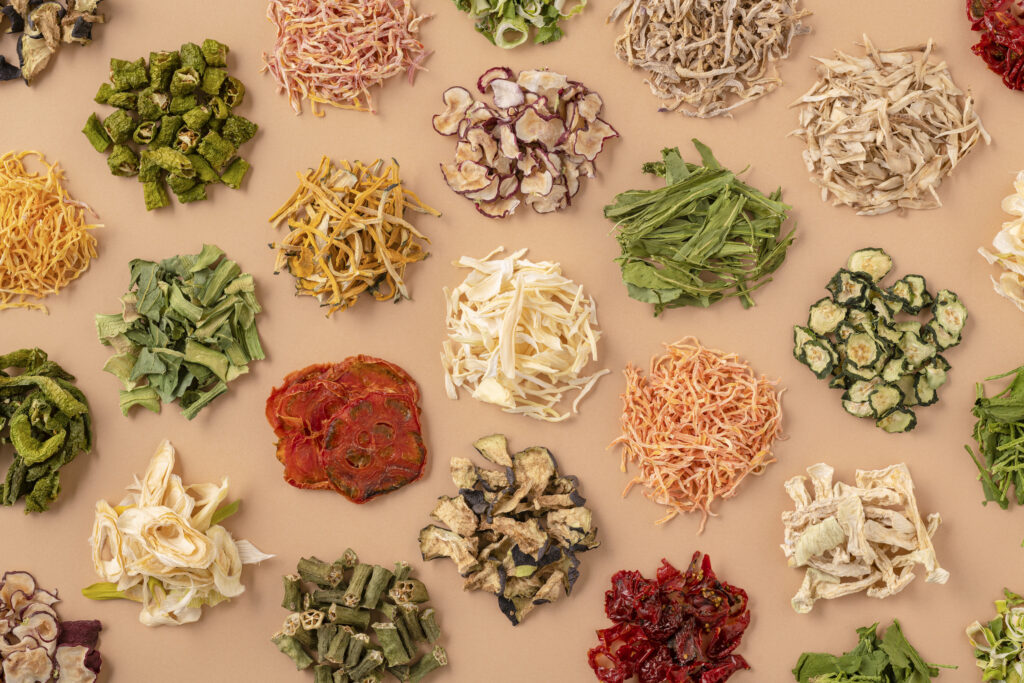
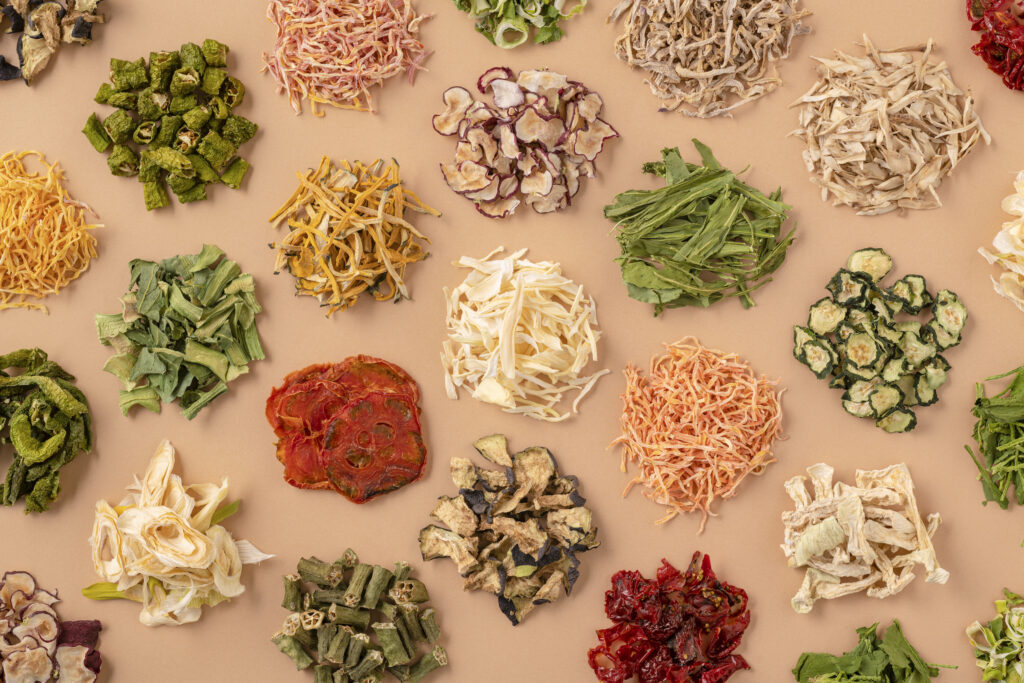
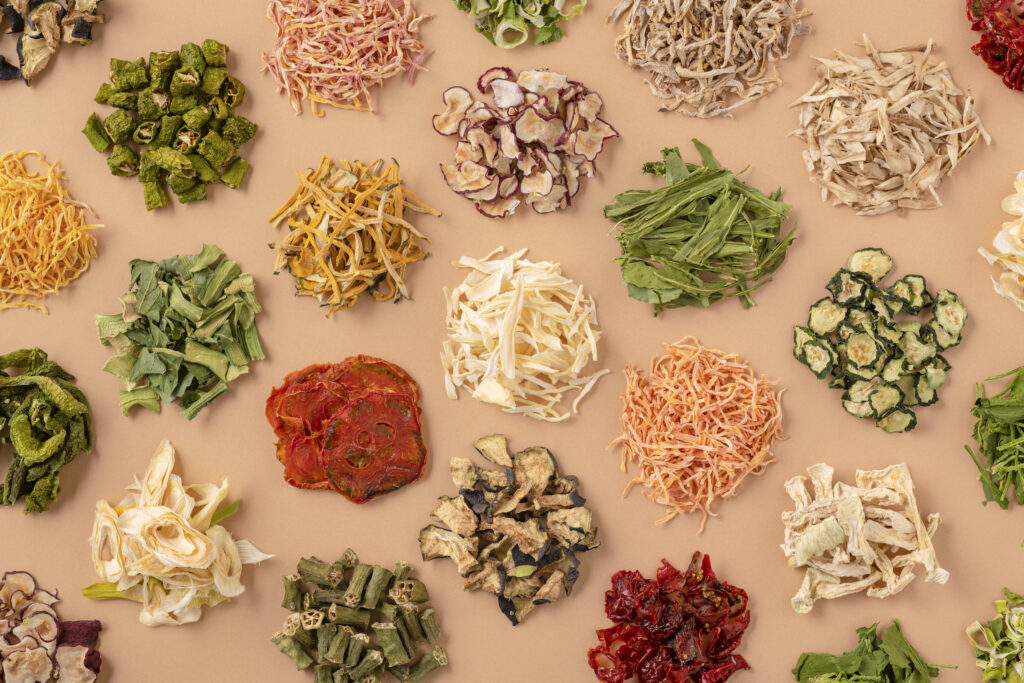
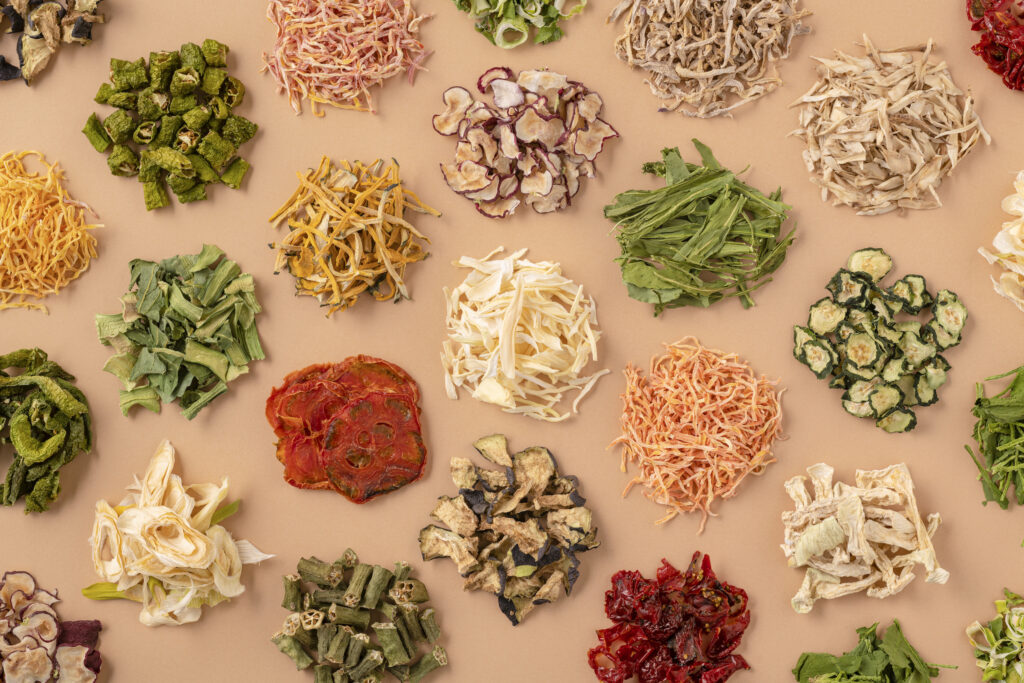
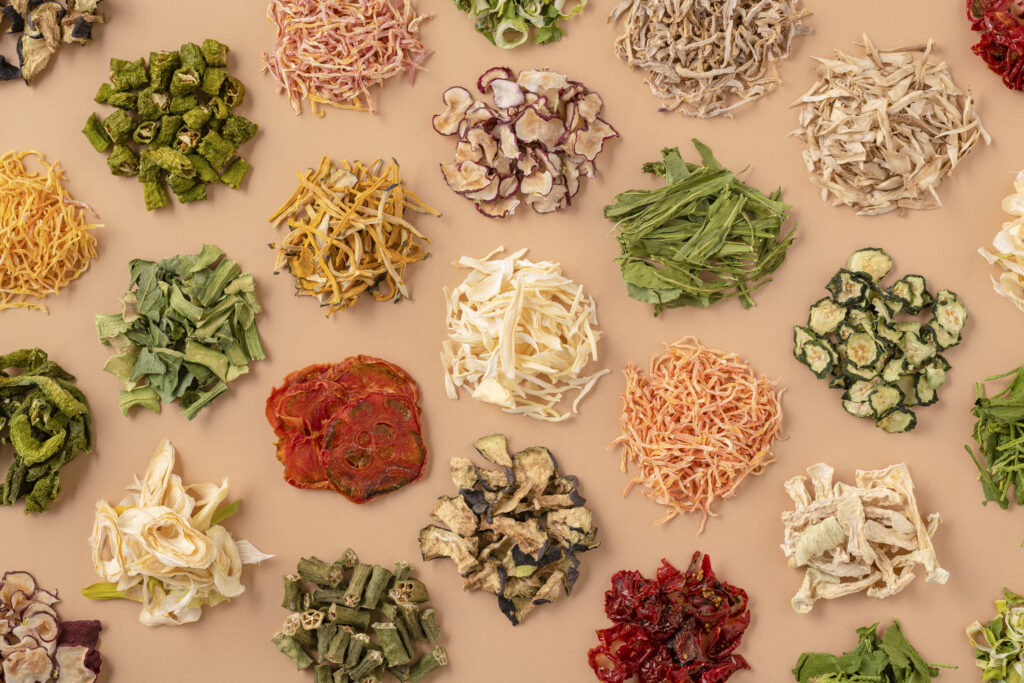
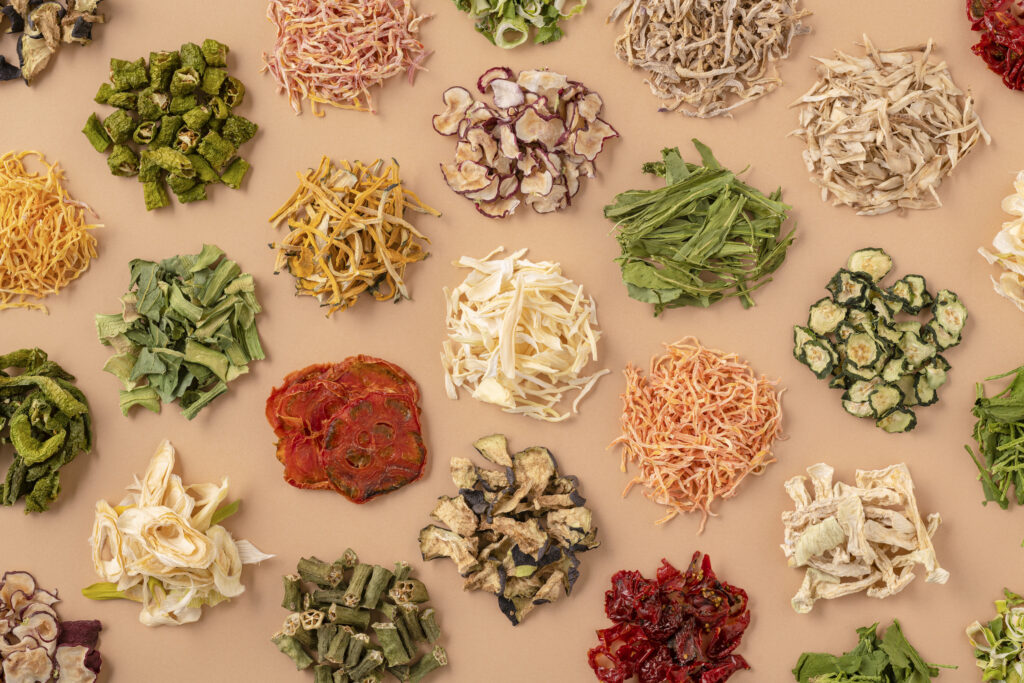
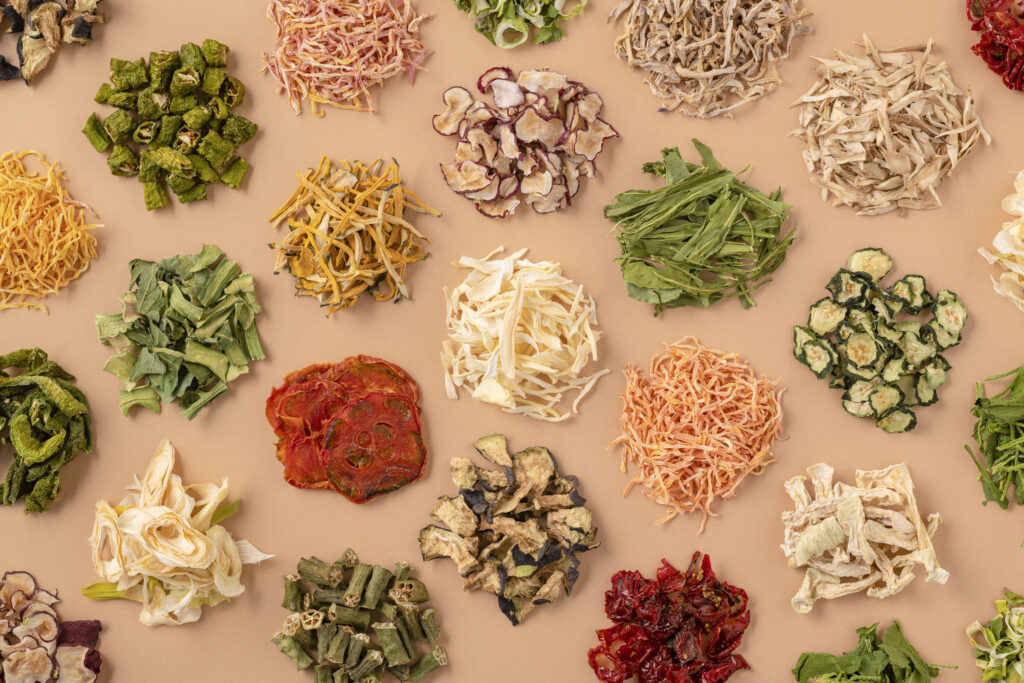
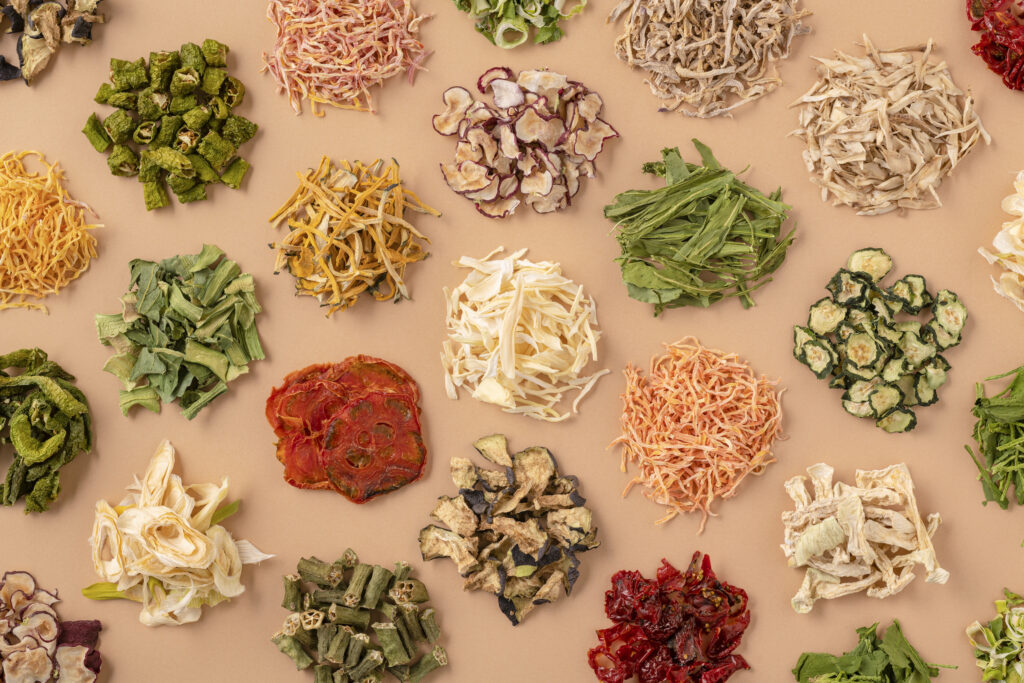
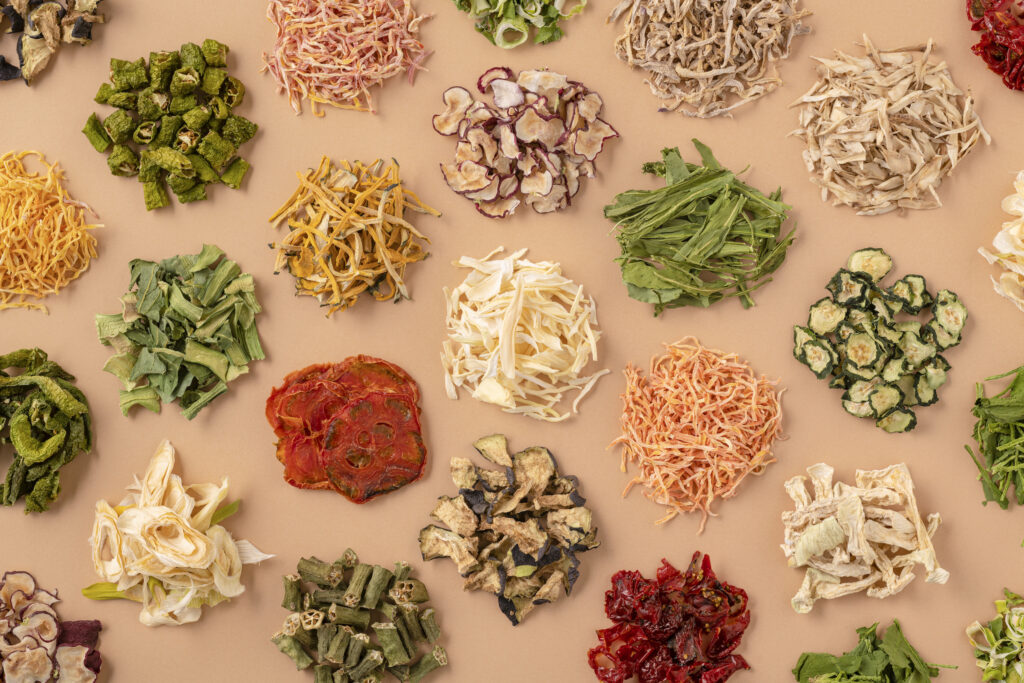
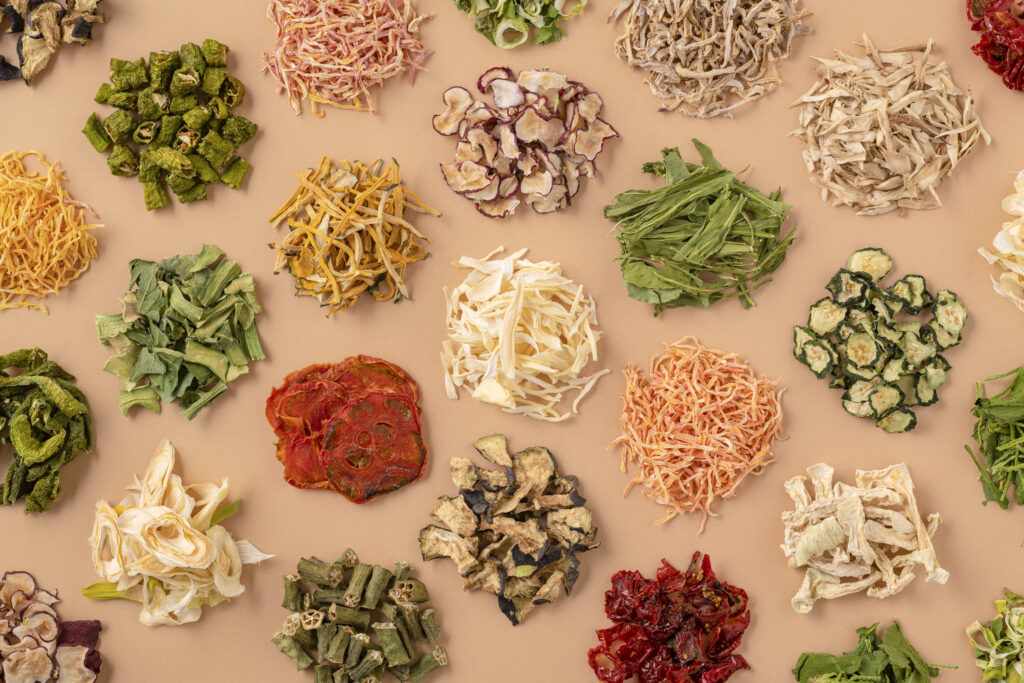
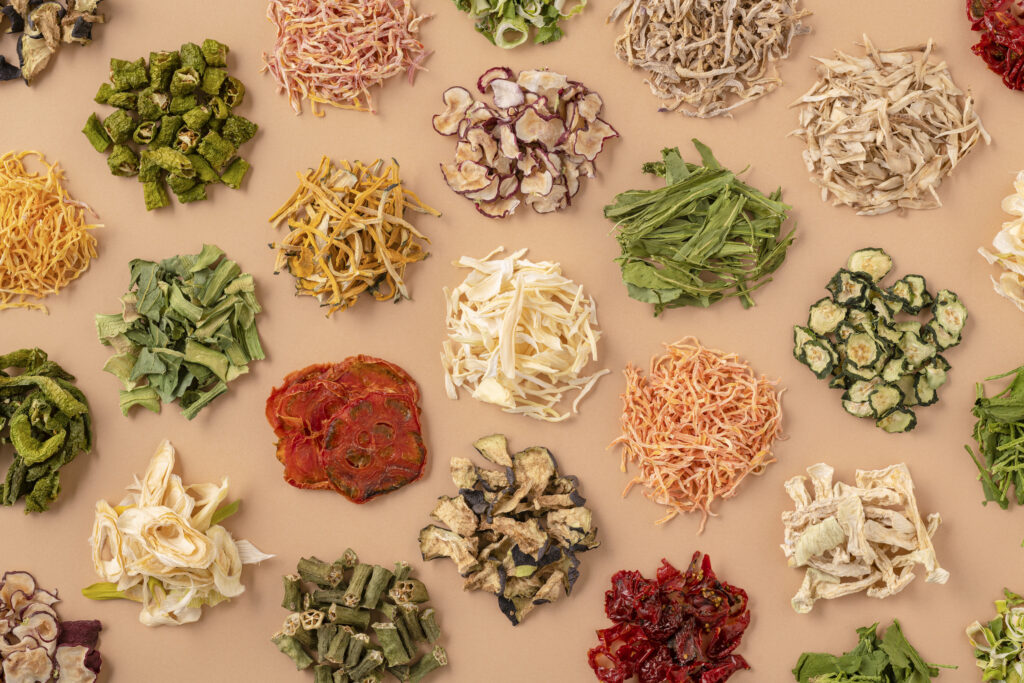
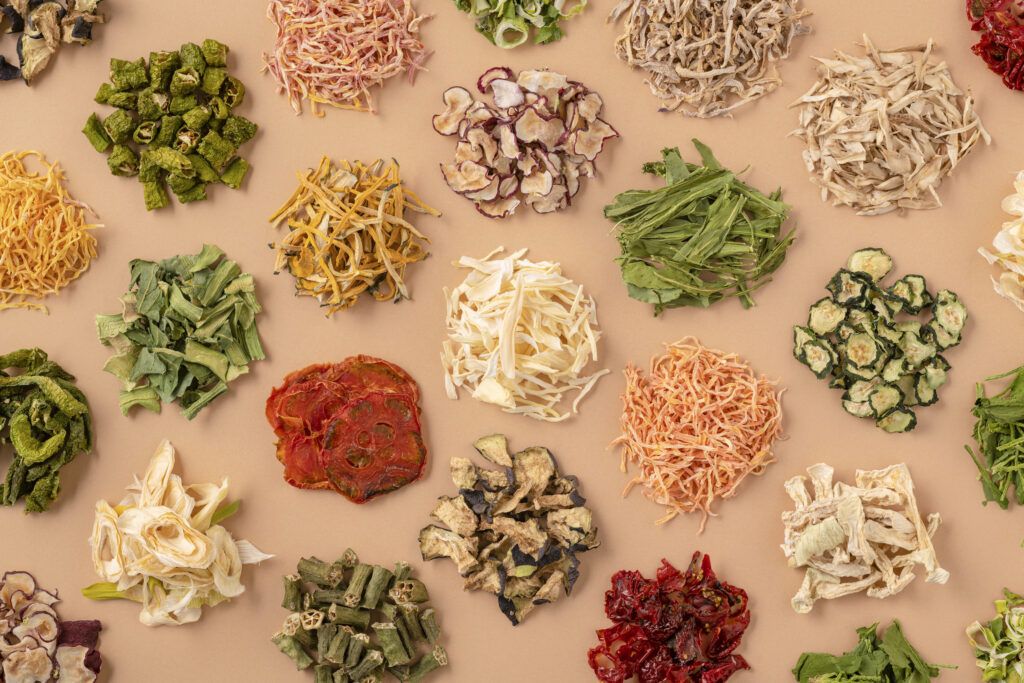
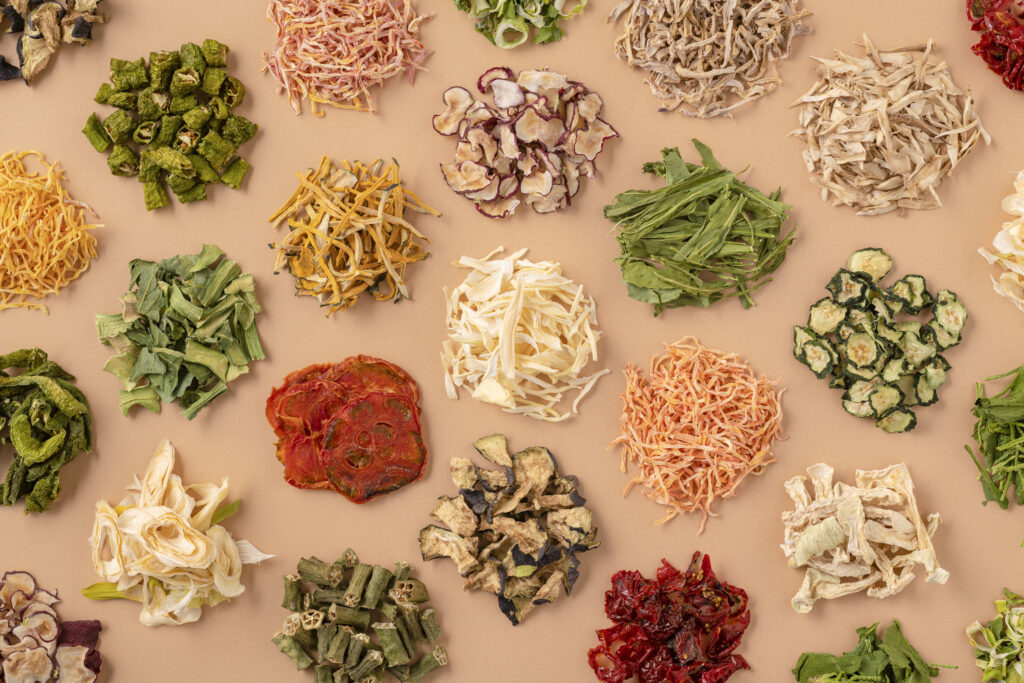
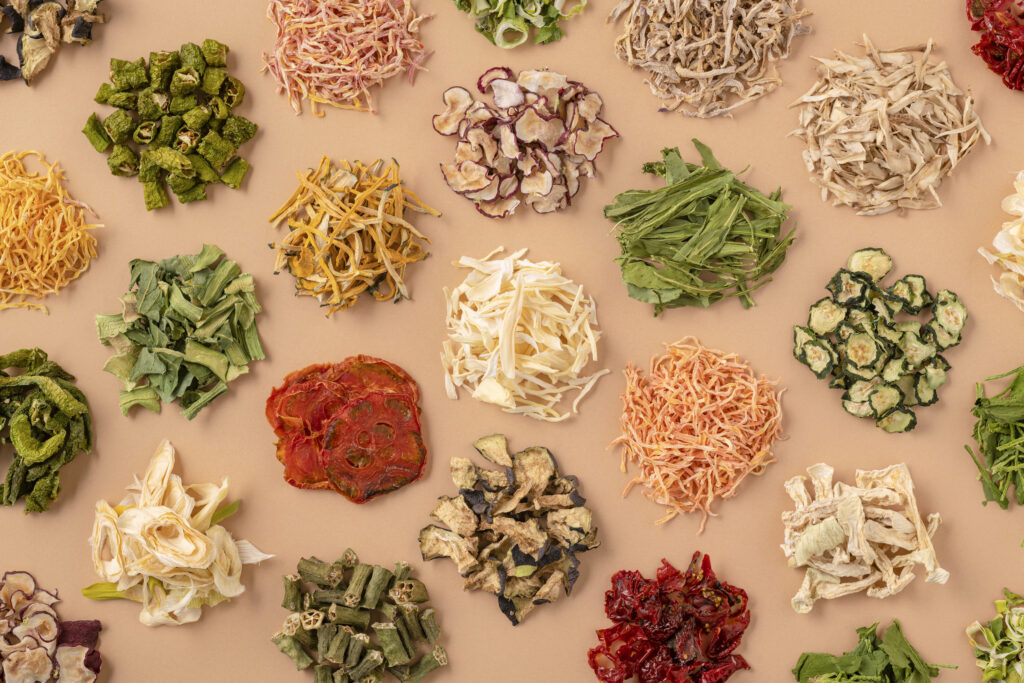
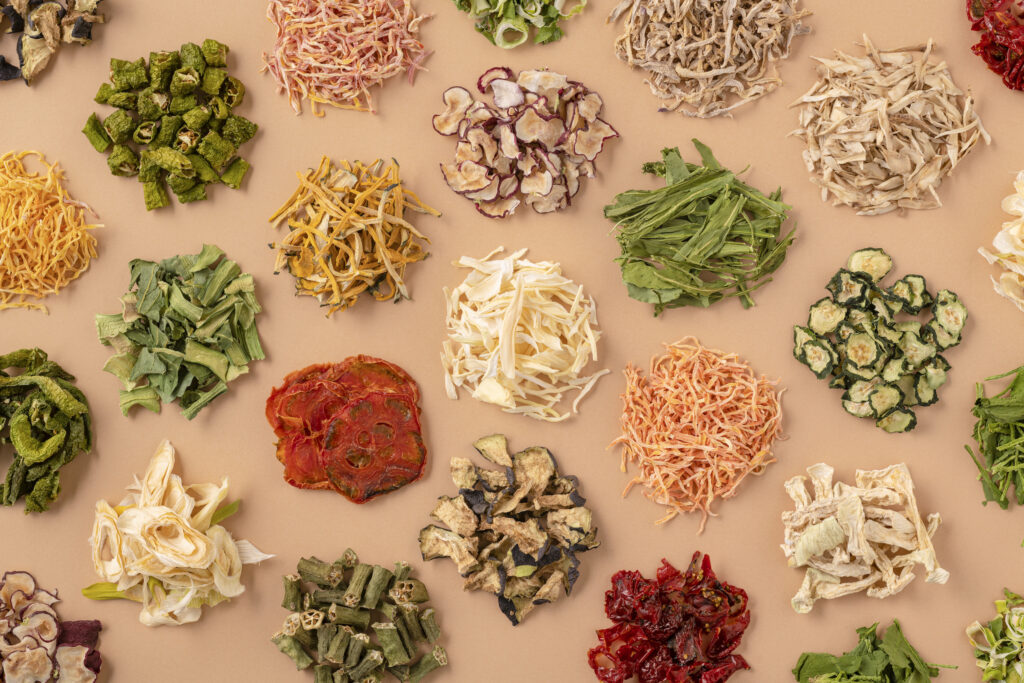
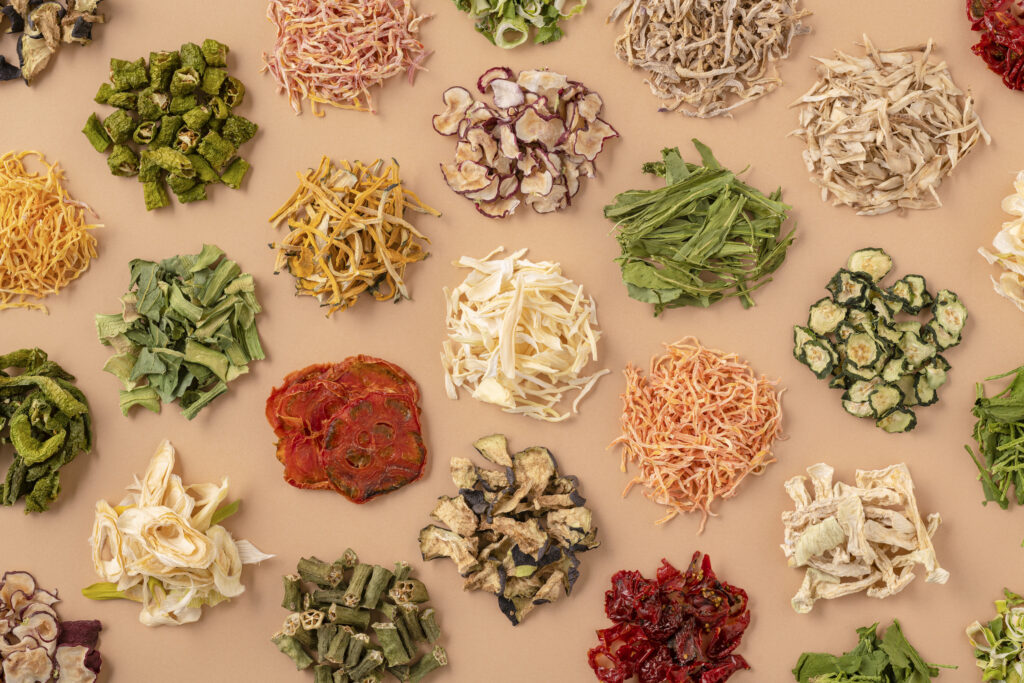
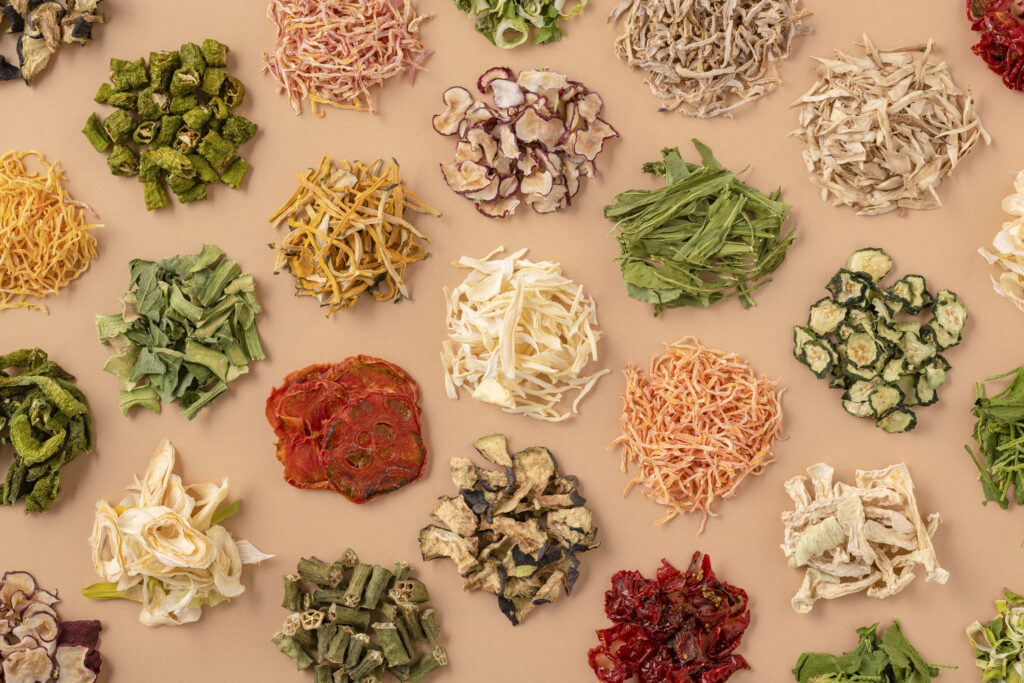
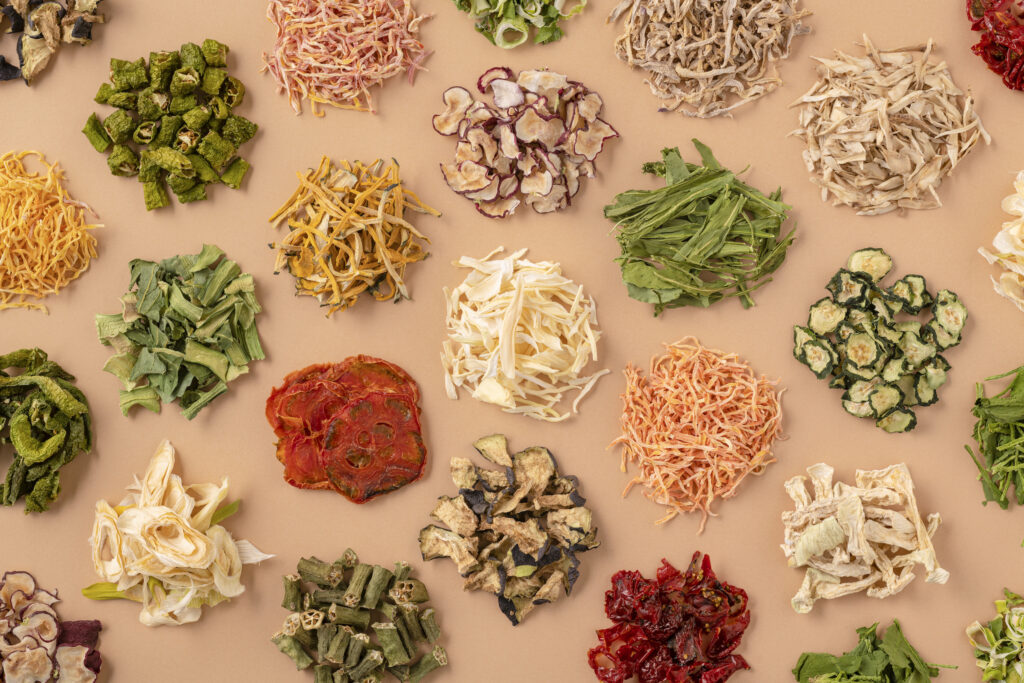
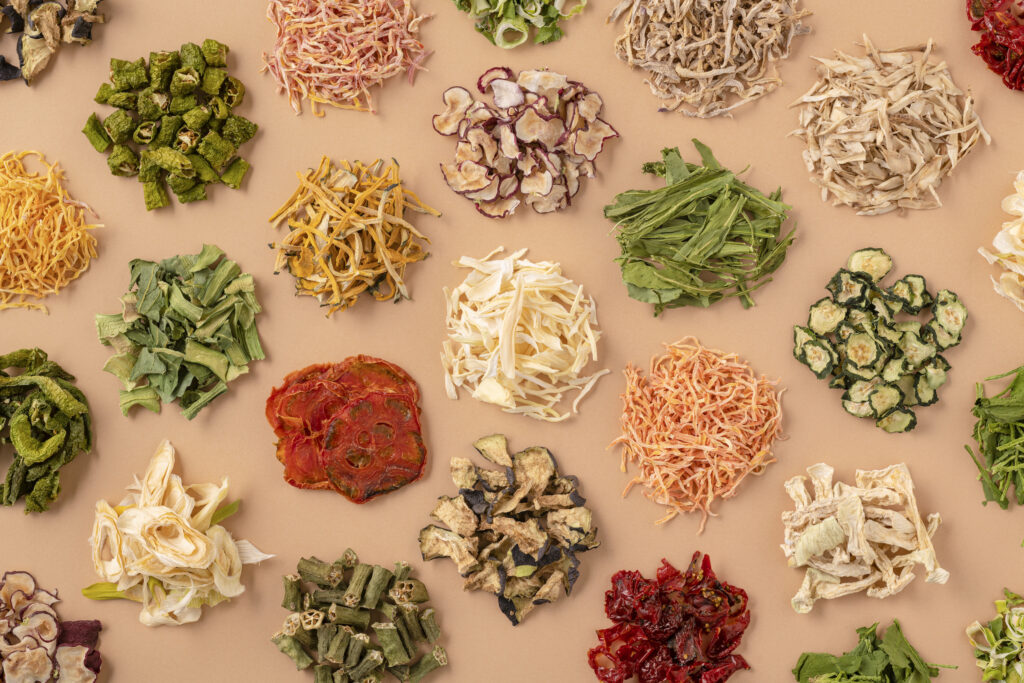
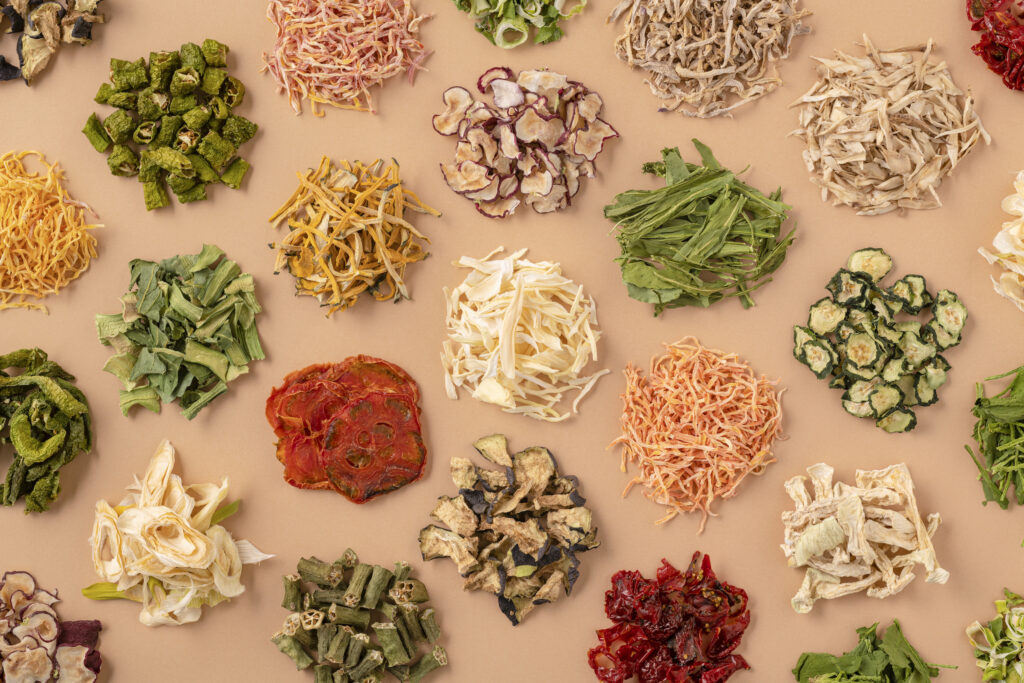
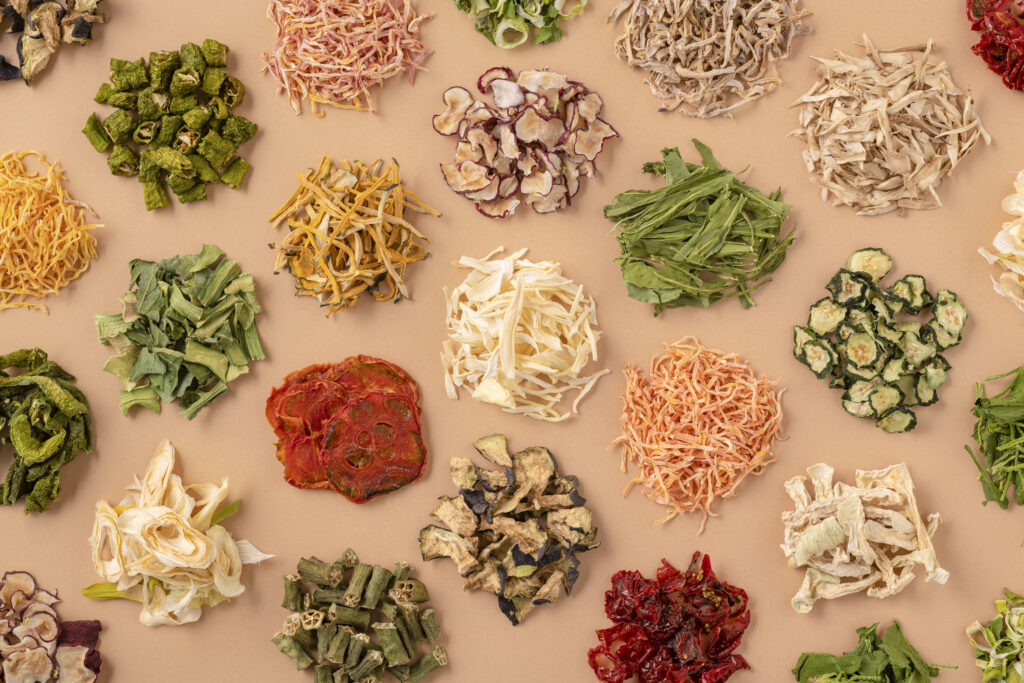
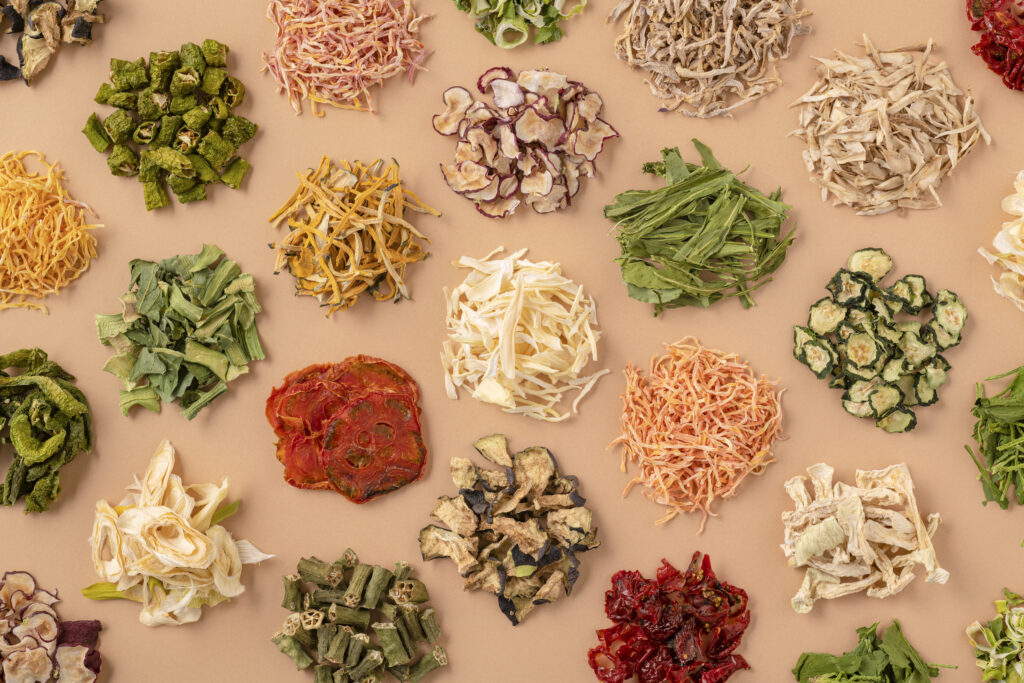
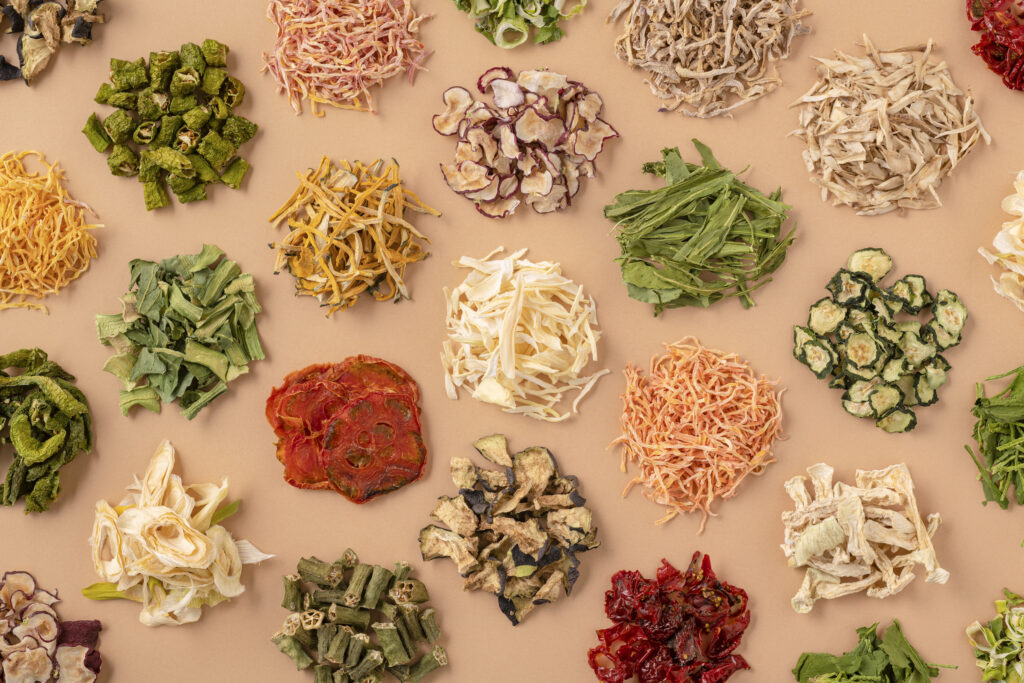
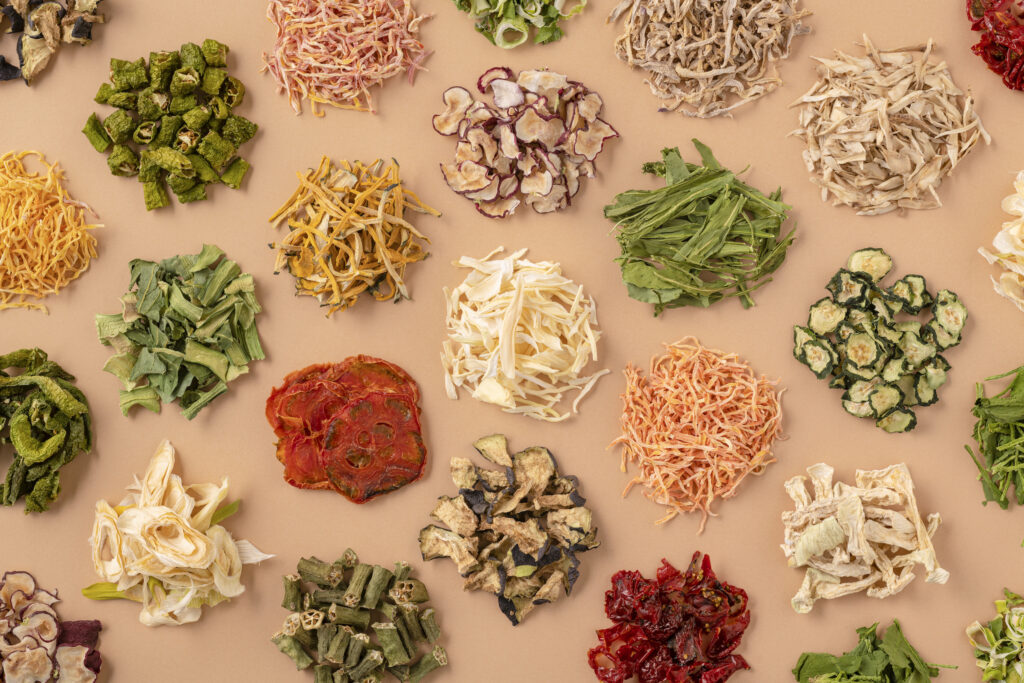
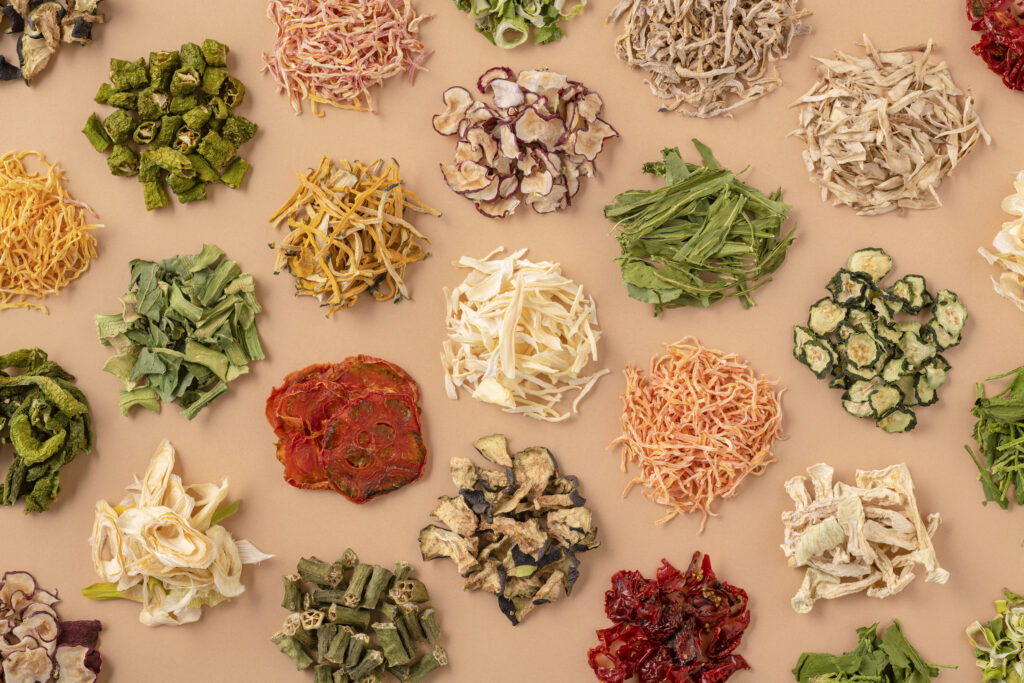
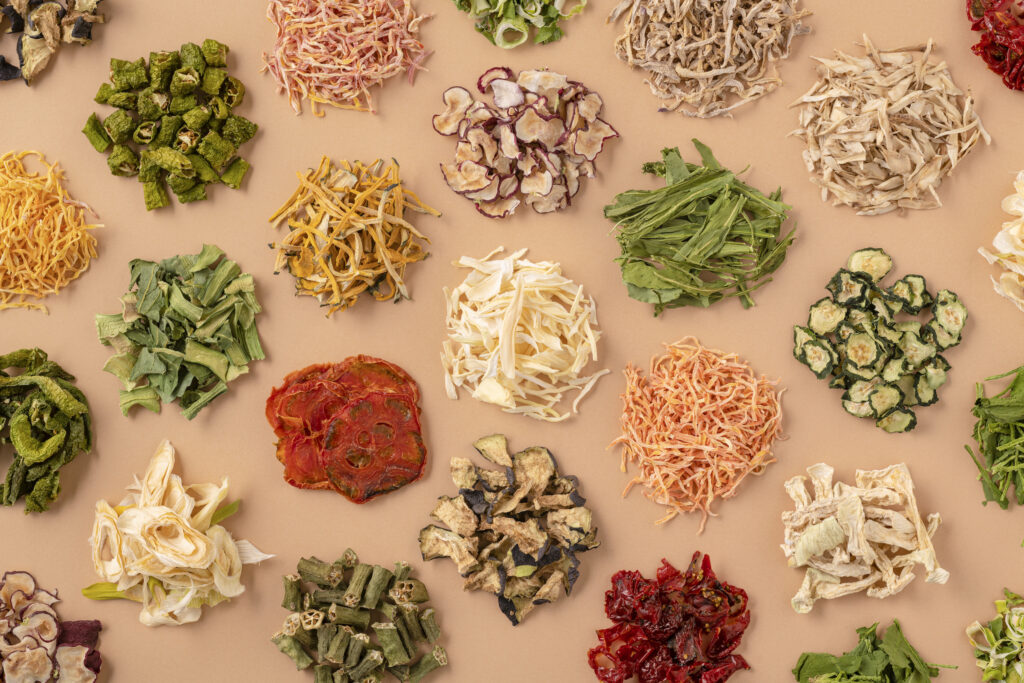
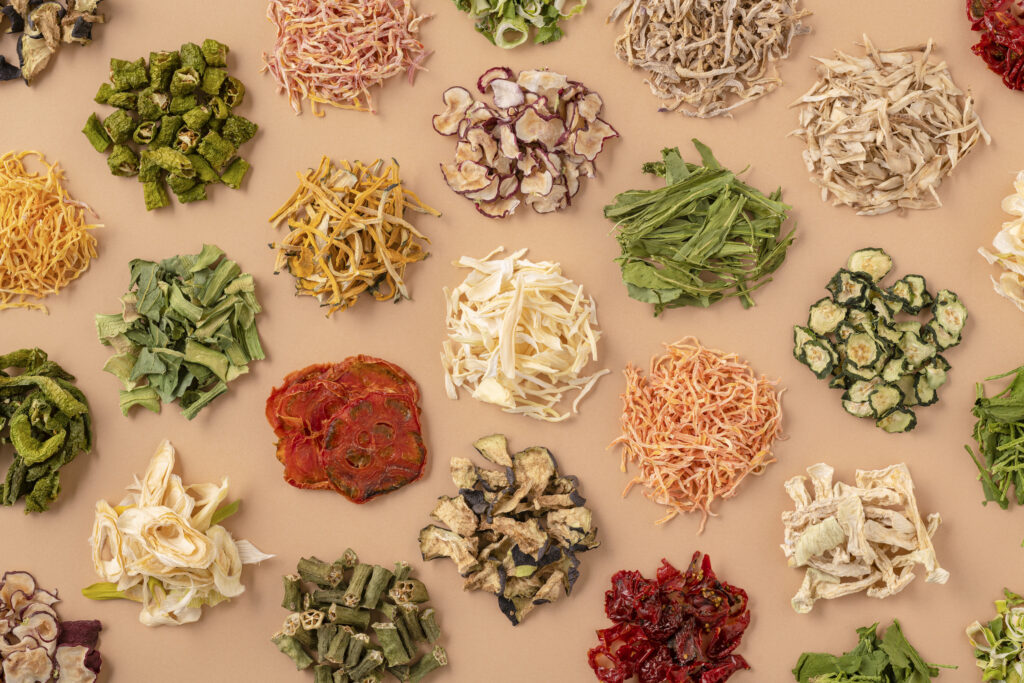
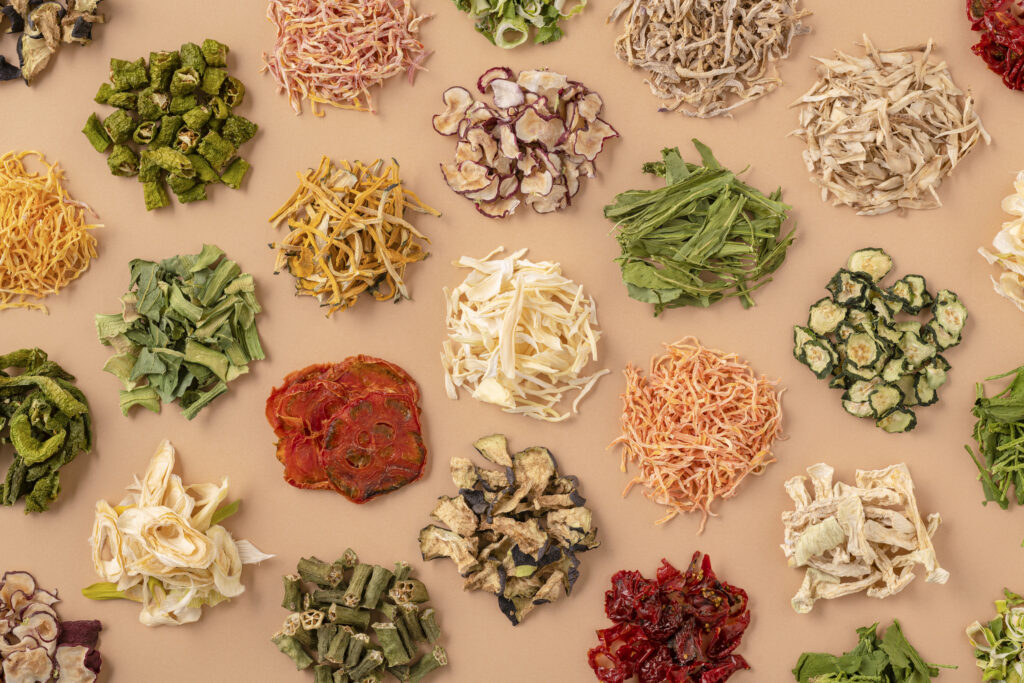
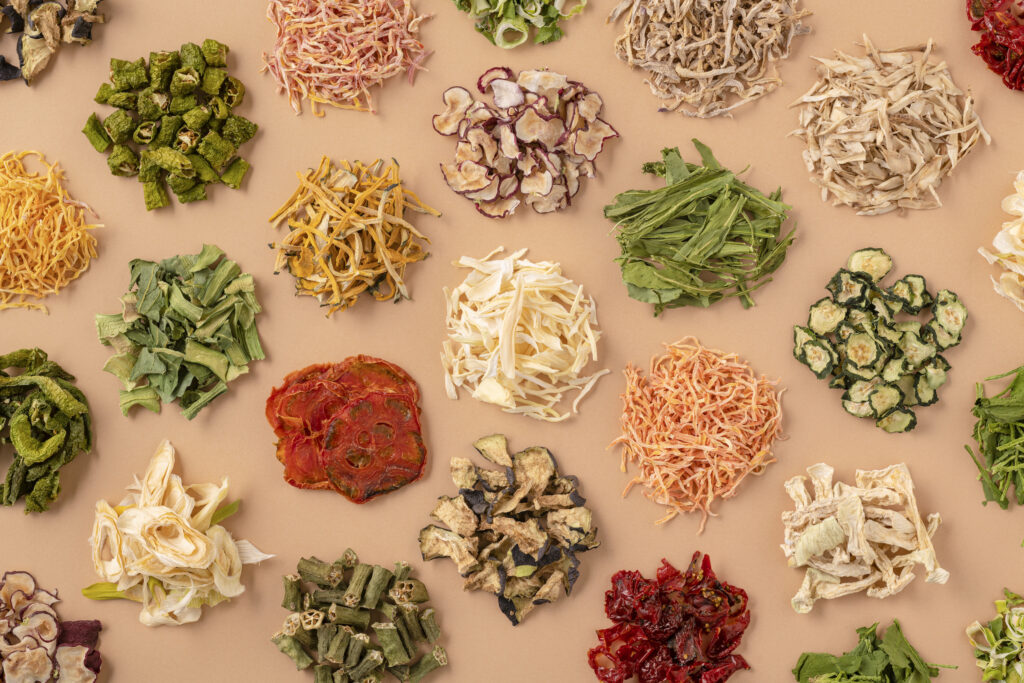
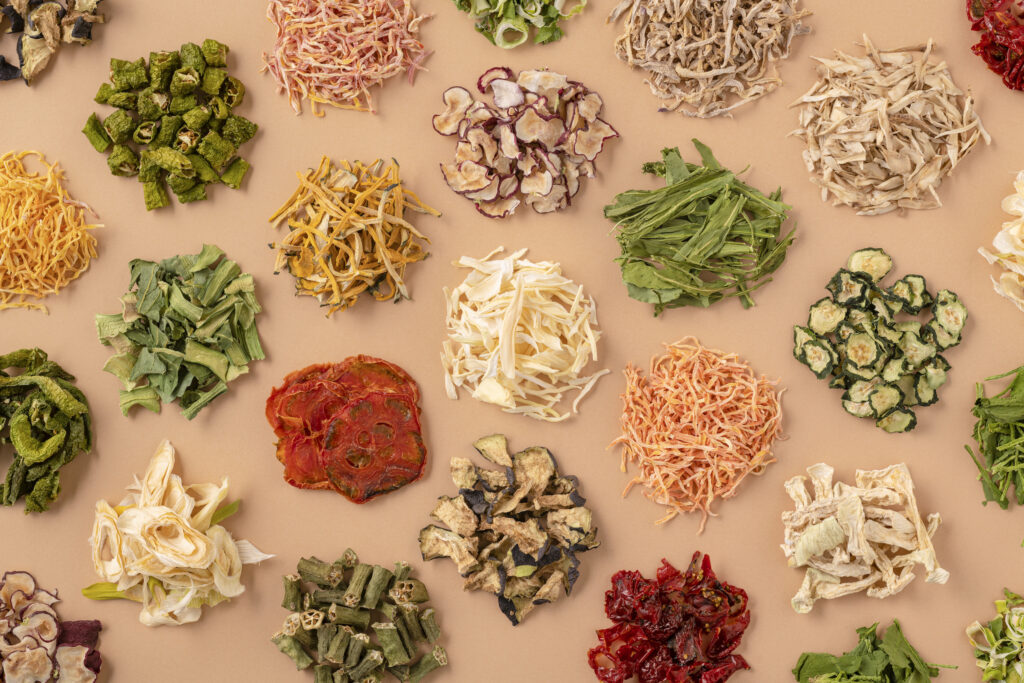
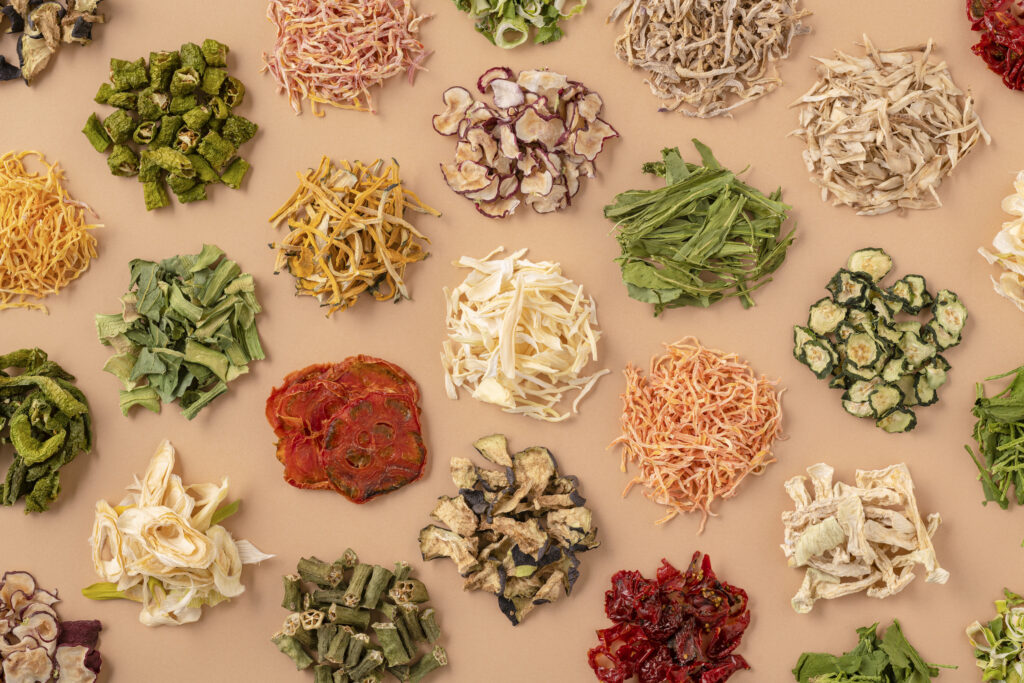
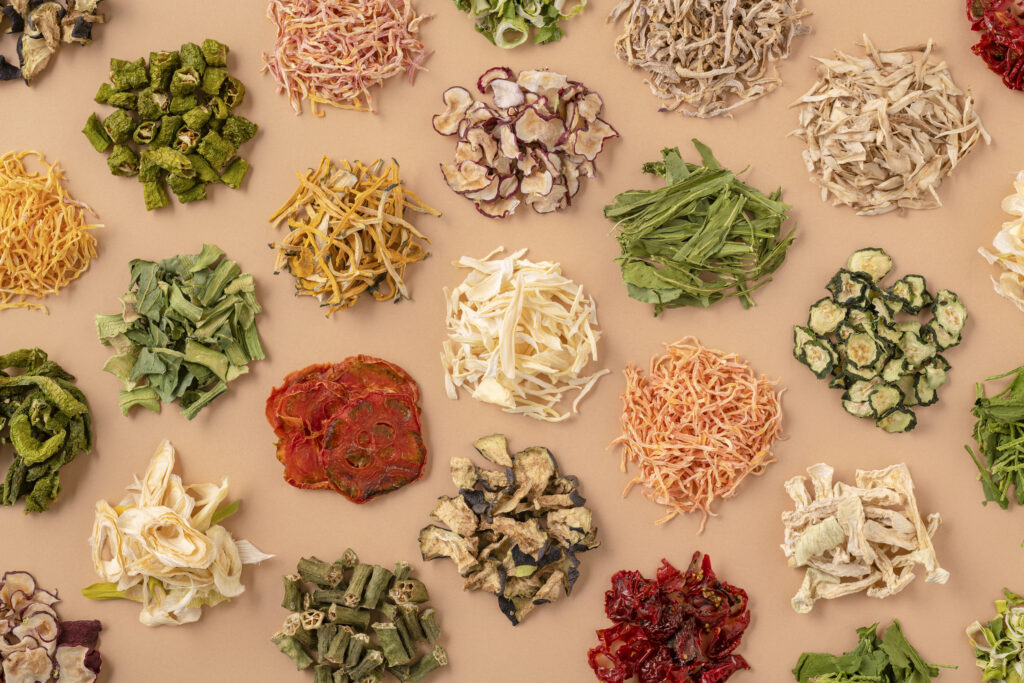
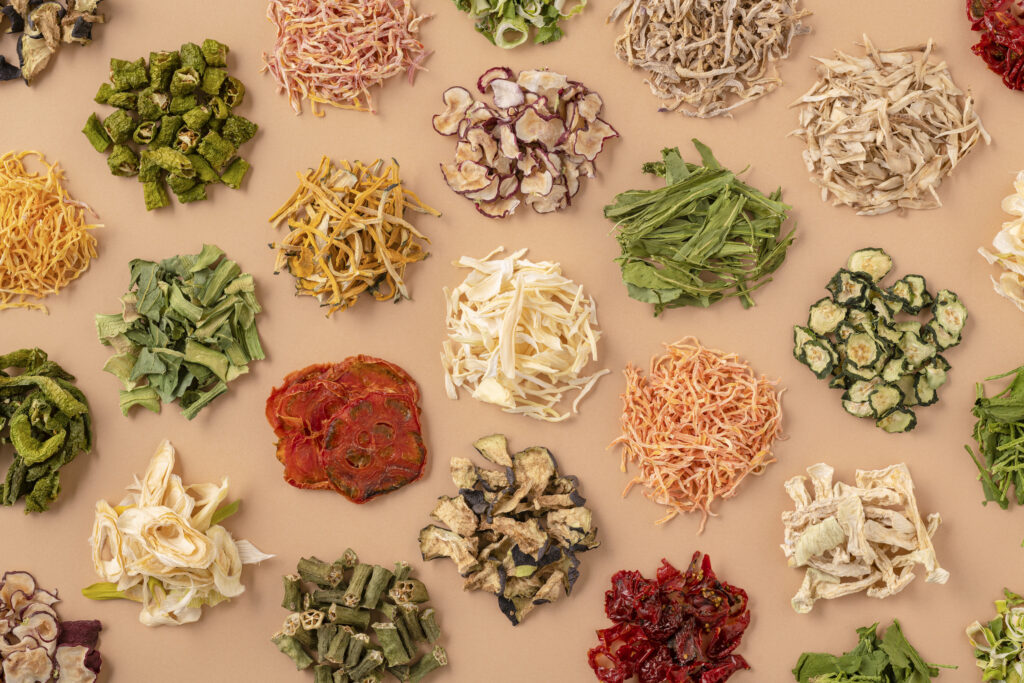
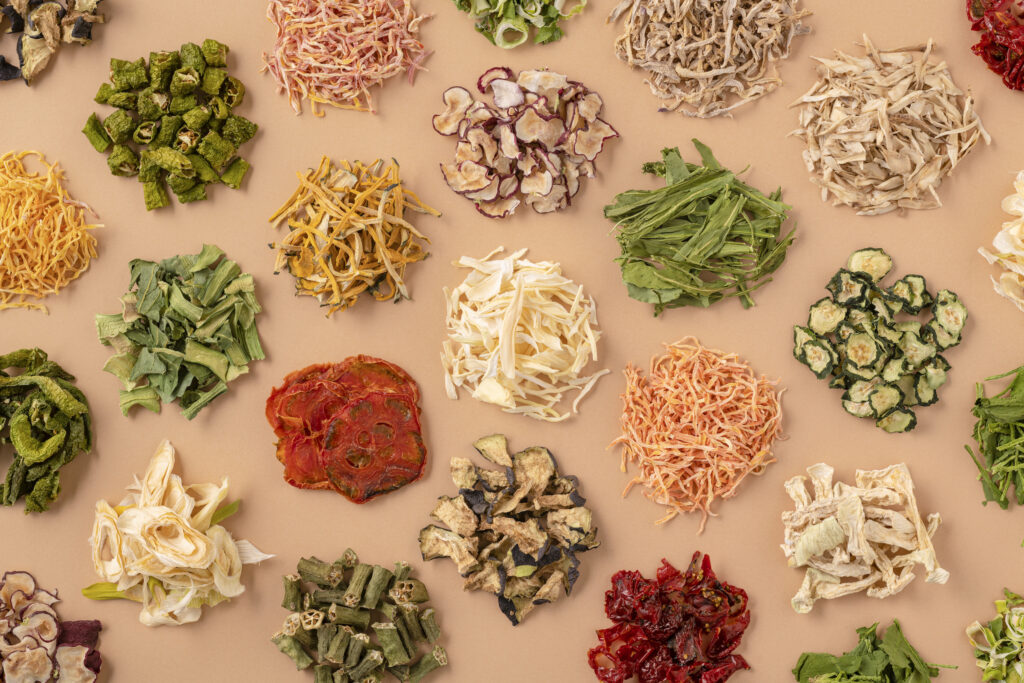
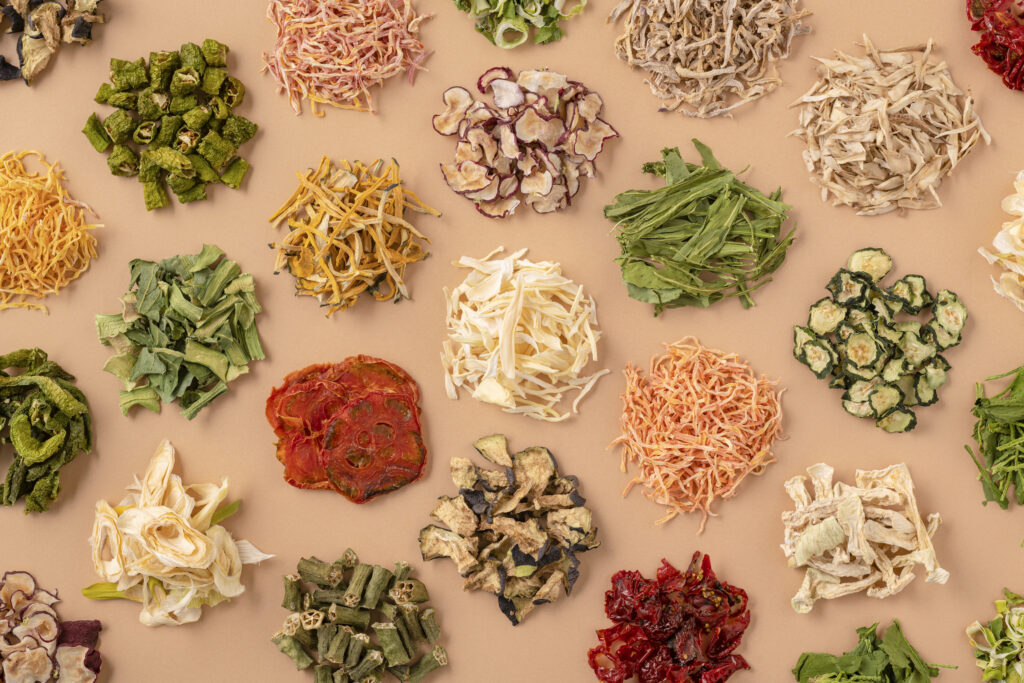
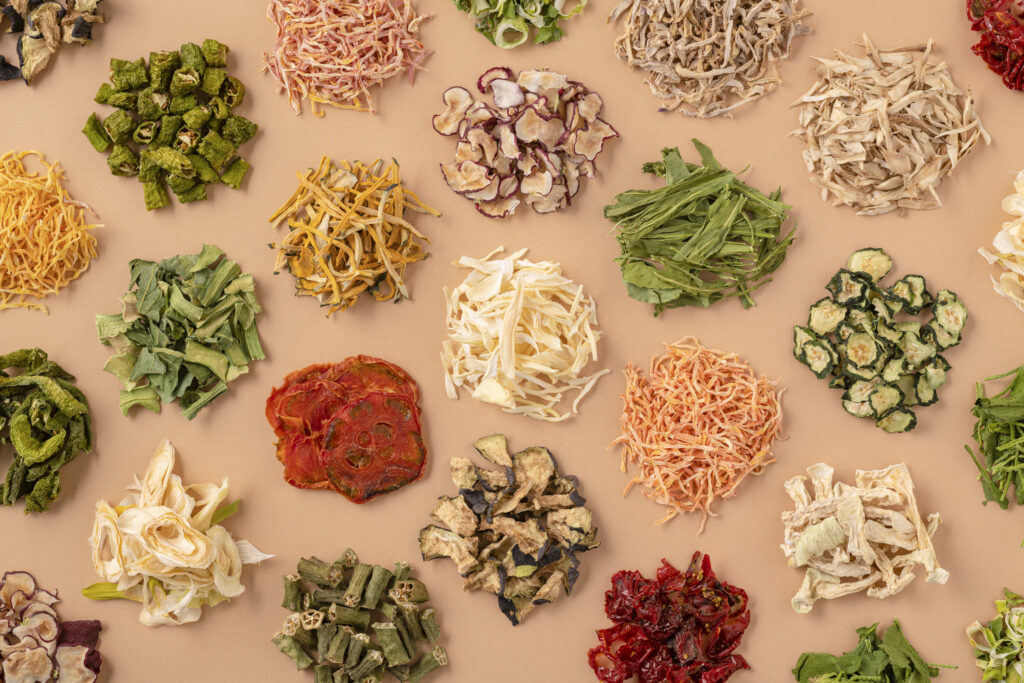
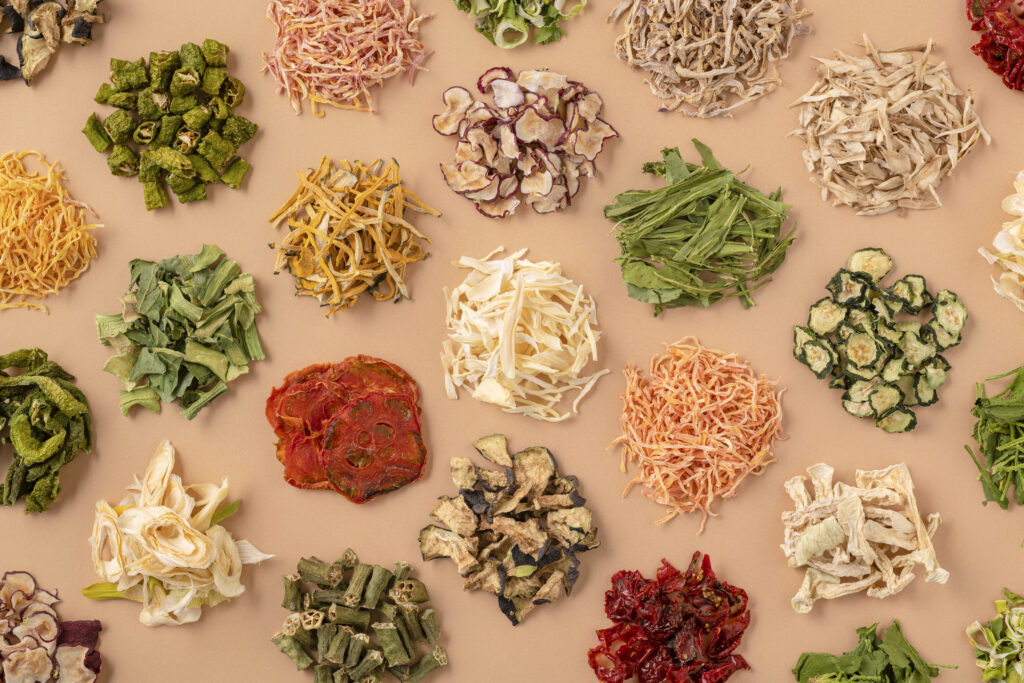
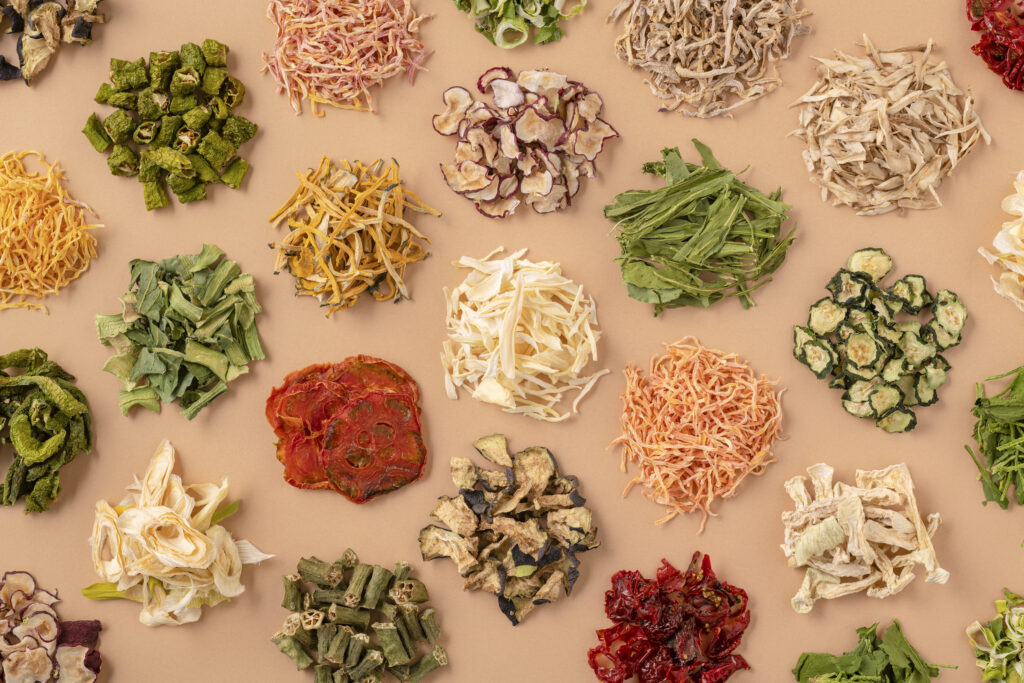
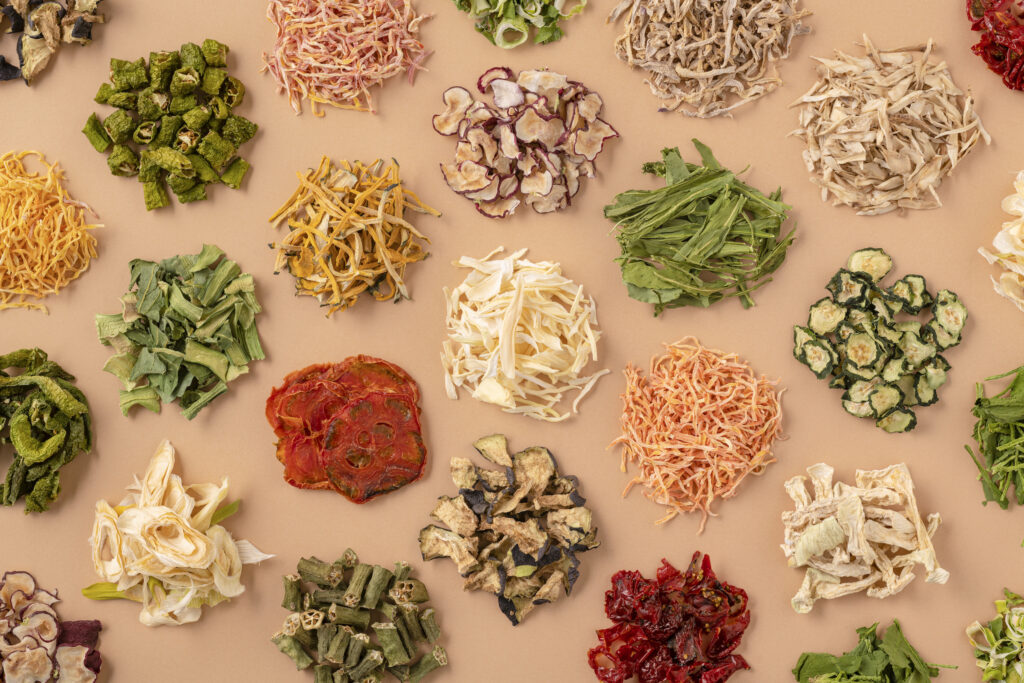
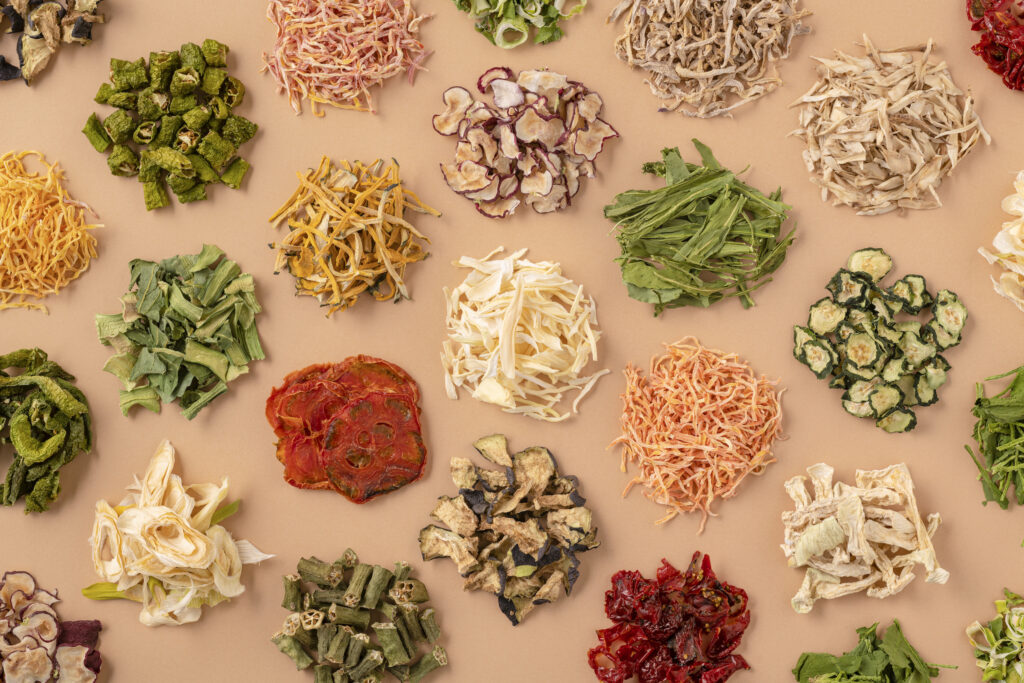
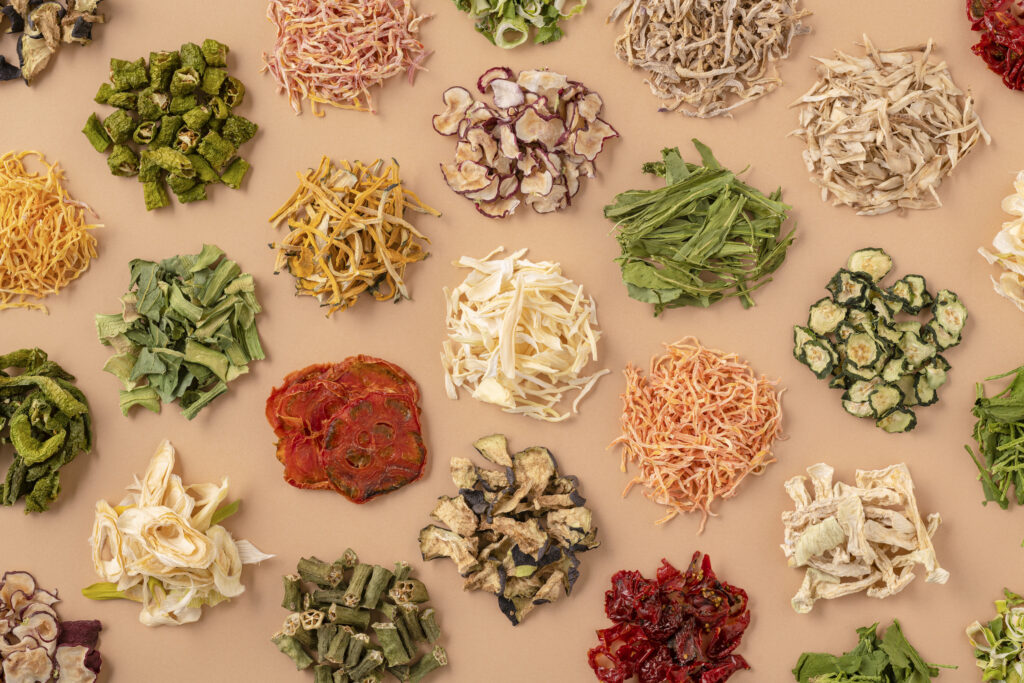
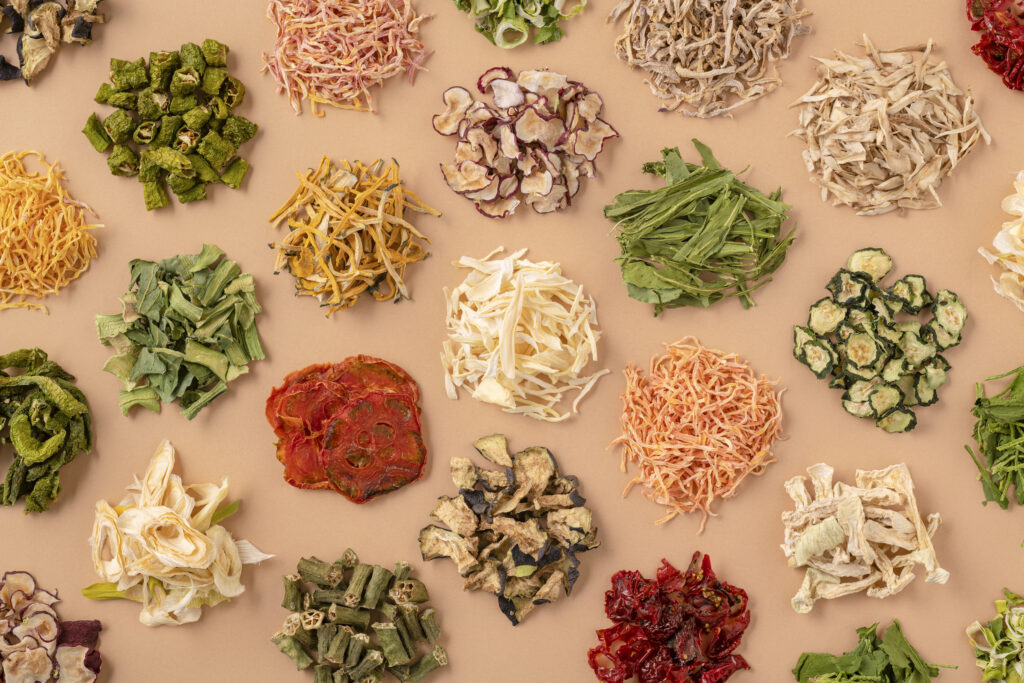
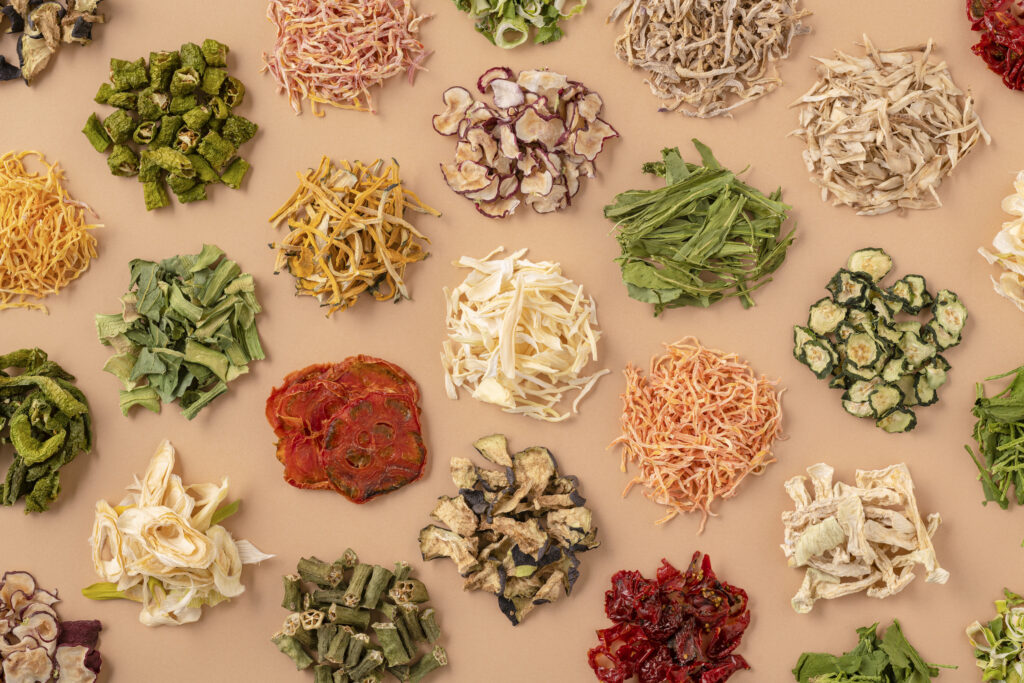
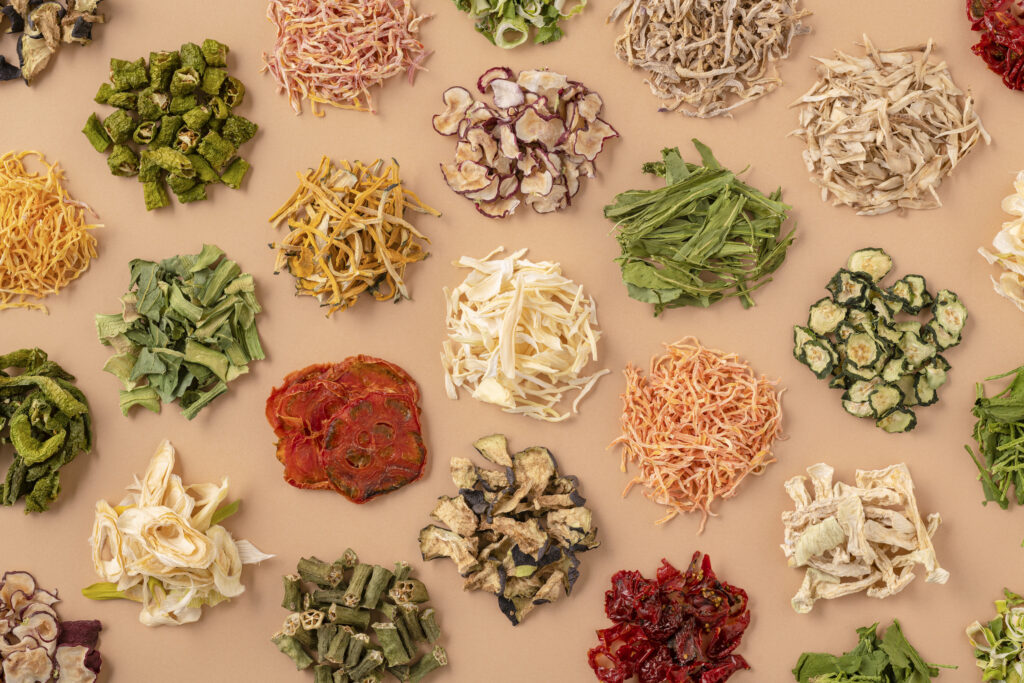
What Are Dried Vegetables? Dried vegetables are a processed food in which the water is removed from fresh vegetables to improve shelf life. They are made by methods such as sun-drying, hot-air drying (spray drying), and vacuum freeze-drying (freeze-drying), and are characterized by long-term storage, reduced weight, and concentrated umami. In the fields of agriculture and food processing... -
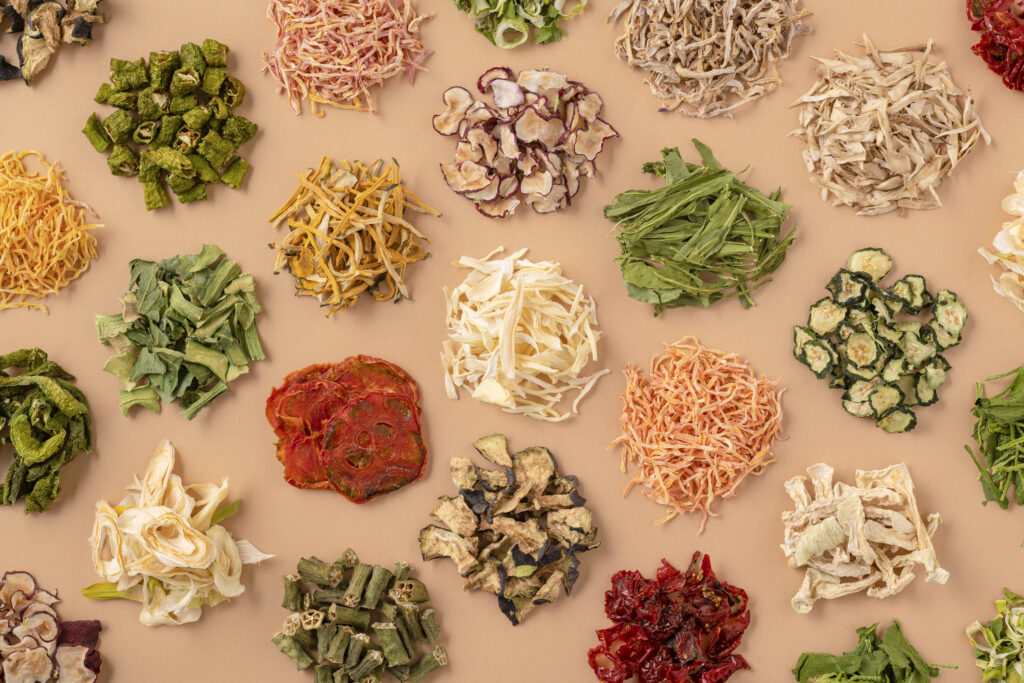
Dried vegetables (hoshi-yasai)
What Are Hoshi-Yasai (Sun-Dried Vegetables)? Hoshi-yasai refers to processed vegetables whose water has been removed by sun-drying to improve shelf life and umami. It is one of the traditional preservation methods from before refrigerators and freezers became common, and drying concentrates sweetness and umami while also changing the texture. In the food industry and agricultural sectors... -
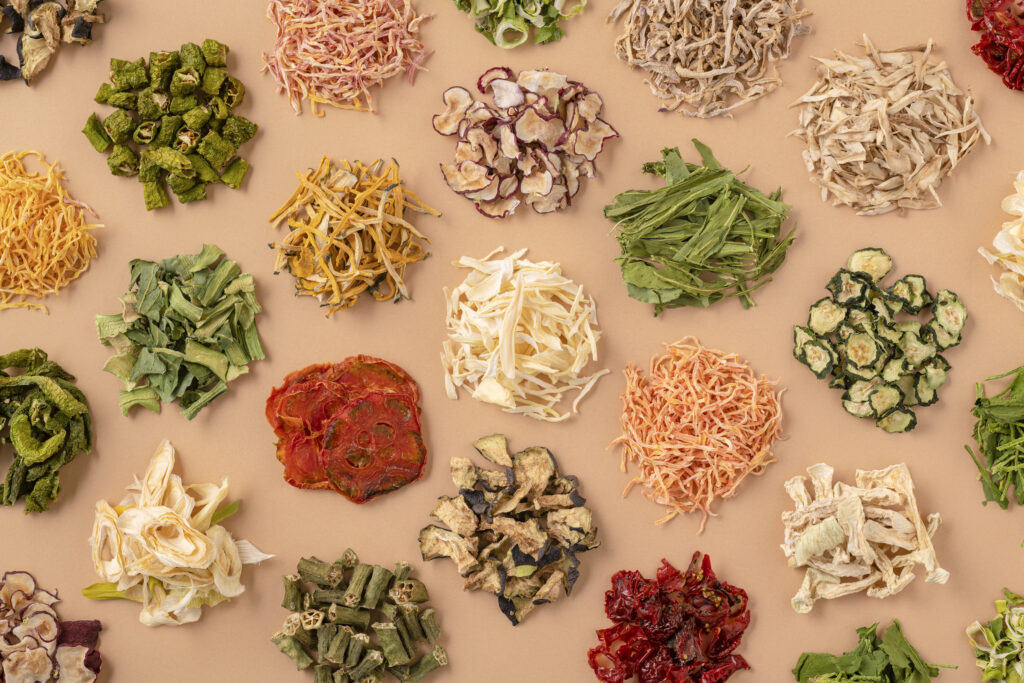
Freeze-dried
What Is Freeze-Drying? Freeze-drying is a preservation processing technology in which food or materials are vacuum-dried in a frozen state, sublimating away only the water. Because it dries without applying heat, its greatest feature is that color, aroma, nutrients, and shape can be retained relatively as-is. In the food industry... -
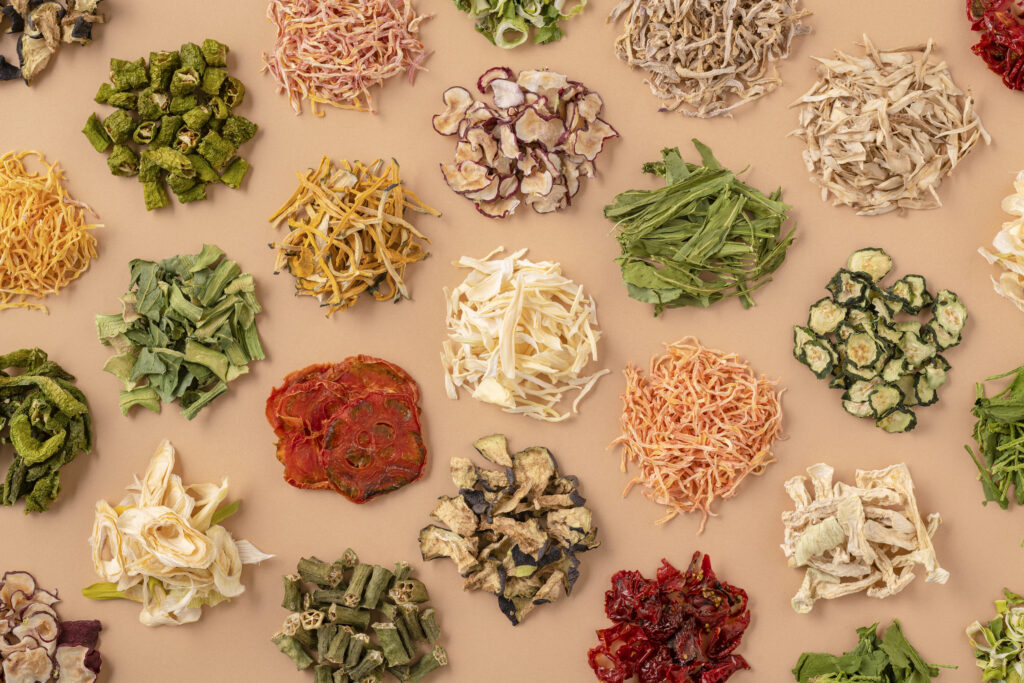
Vegetable dashi
What Is Vegetable Dashi? Vegetable dashi (in English, vegetable dashi) is a plant-based stock made by simmering vegetables such as onion, carrot, celery, cabbage, and Japanese leek. It uses no animal ingredients whatsoever and is characterized by a gentle flavor that draws on the natural sweetness and umami of vegetables... -
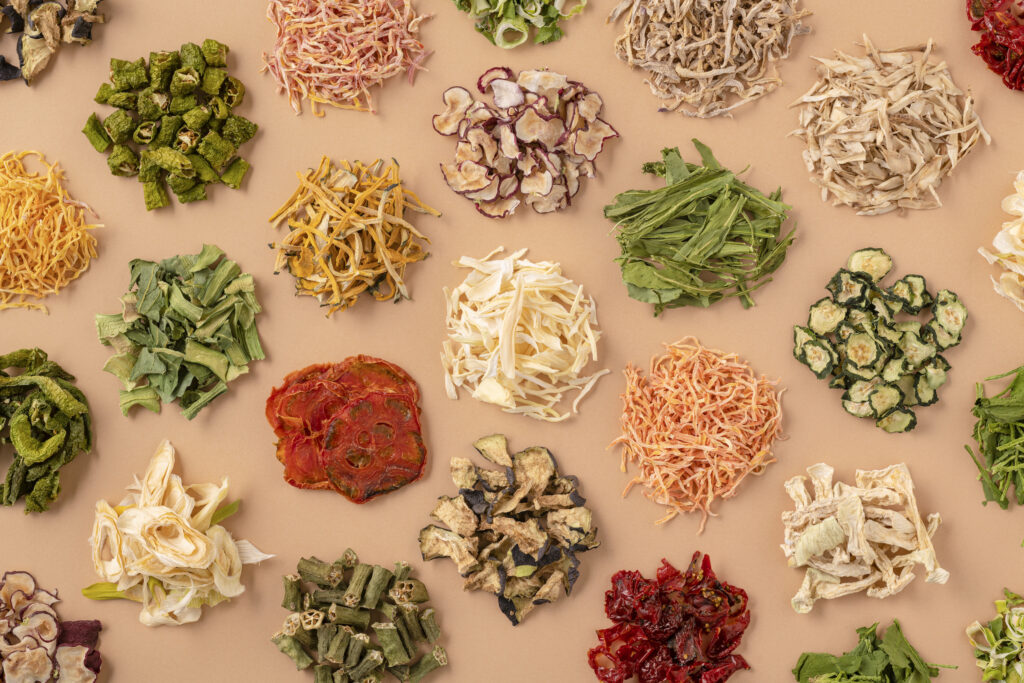
Vegetable powder
What Is Vegetable Powder? Vegetable powder is a food ingredient made by processing fresh or dried vegetables into a fine powder. It is powdered while retaining the vegetables' original flavor, color, and nutrients, and is used in a wide range of applications such as soups, bakery, confectionery, and dietary supplements. In the food and health... -
HACCP
What Is HACCP? HACCP (Hazard Analysis and Critical Control Point) is an international standard of hygiene management for ensuring food safety. It analyzes the hazards that can occur at each step from raw material receiving through processing and shipping, and continuously manages the especially important steps (Critical Cont... -
Heirloom vegetables
What Are Heirloom Vegetables? Heirloom vegetables refer to varieties long cultivated in a particular region and rooted in that land's climate and food culture. Their seeds are passed down through generations, and they are deeply tied to the lives and ceremonial foods of the region's people—a concept that overlaps with "native varieties" and "fixed varieties"... -
Vegetable paste
What Is Vegetable Paste? Vegetable paste is a processed food ingredient made by heating, straining, or grinding vegetables into a paste. It has a smooth, uniform texture and is widely used as a raw material for soups, sauces, baby food, Western confectionery, and seasonings. In the agriculture and food... -
Powder processing
What Is Powder Processing? Powder processing refers to the technology of processing foods such as vegetables, fruits, grains, and herbs into powder form. Generally, it is the process of crushing and finely pulverizing dried raw materials, enabling their use in soups, confectionery, supplements, and more. In the food and agriculture industries... -
Dietary fiber
Related articles: Wholesale and OEM of commercial dried vegetables. What Is Dietary Fiber? Dietary fiber is a collective term for components that human digestive enzymes cannot digest, and it is abundant in vegetables, fruits, beans, grains, and seaweed. It is known as a component that promotes bowel movement, but recently it has also drawn attention for improving the gut environment and for blood sugar... -
Functional vegetables
What Are Functional Vegetables? Functional vegetables are vegetables rich in functional components such as polyphenols and GABA, which are expected to help maintain health. Compared with ordinary vegetables, they have been bred and cultivated to be higher in specific functional components, and are sometimes called "nutrient-function foods"... -
Phytorich
What Is Phytorich? Phytorich is the name of the "delicious healthy vegetable series rich in functional components" developed by Takii & Co., Ltd., referring to vegetables bred to be rich in specific functional components (phytochemicals). Anthocyanins, ly... -
Gluten-Free
What Is Gluten-Free? Gluten-free refers to foods or a way of eating that contain no "gluten," a protein found in wheat, barley, rye, and the like. A diet that avoids gluten is not only for the health management of people with allergies or celiac disease (an autoimmune disorder), but recently... -
Spray drying
What Is Spray Drying? Spray drying refers to a technology that atomizes liquid or paste raw material into a fine mist and dries it instantly with high-temperature hot air, processing it into powder form. In Japanese it is also called "funmu kanso," and in the food industry it is widely used for processing soup powders, vegetable powder, and seasonings... -
6th-Industrialization
Related articles: Wholesale and OEM of commercial dried vegetables. Vegetable powder list. What Is 6th-Industrialization? 6th-industrialization is an initiative in which farming, forestry, and fishery operators carry out not only primary industry (production) but also secondary industry (processing) and tertiary industry (distribution and sales) in an integrated way. The name derives from the multiplication 1×2×3=6, and refers to raising farm... -
Sustainable
What Is Sustainable? "Sustainable" derives from the English word meaning "able to be maintained," referring to systems and actions in which the environment, society, and economy can be maintained over the long term. It is drawing attention especially in the food industry and agriculture as an effort to pass resources on to the next generation while curbing environmental impact... -
Phytochemical
What Is a Phytochemical? A phytochemical is a collective term for chemical components such as pigments, aromas, and bitterness that plants produce to protect themselves, called "plant chemical components" in Japanese. Unlike vitamins and minerals, they are not essential nutrients, but through antioxidant action and immune regulation, they affect the body... -
Plant-based
Related articles: Wholesale and OEM of commercial dried vegetables. Vegetable powder list. What Is Plant-Based? Plant-based refers to a diet or foods centered on plant-derived ingredients. Unlike full veganism, it does not necessarily eliminate all animal products... -
Vegan
What Is Vegan? Vegan refers to a fully plant-based lifestyle that avoids all animal-derived foods, such as meat, fish, dairy, eggs, and honey. The "Vegan Society" was founded in the UK in 1944, establishing it as a form of vegetarianism. More than merely a way of eating... -
Organic JAS Certification
Related articles: Wholesale and OEM of commercial dried vegetables. What Is Organic JAS Certification? Organic JAS certification is a certification system granted to agricultural products and processed foods that can be labeled "organic" based on the Japanese Agricultural Standards (JAS). In principle it does not use pesticides or chemical fertilizers, and is granted to farm... -
FSSC22000
Related articles: Wholesale and OEM of commercial dried vegetables. What Is FSSC22000? FSSC22000 (Food Safety System Certification 22000) is one of the international standards for managing food safety, combining ISO22000 as a base with prerequisite programs (PRP) and additional requirements... -
ISO22000
What Is ISO22000? ISO22000 is an international standard for a food safety management system (FSMS: Food Safety Management System), aimed at consistently ensuring safety from food production through distribution and consumption. Building on the concept of HACCP, it combines it with a management system (PDCA... -
Organic
What Is Organic? Organic refers to foods and agricultural products produced without pesticides or chemical fertilizers, with consideration for the balance of the natural environment and ecosystem. In Japan it is also expressed as "yuki," and only items that have received certification based on law may be labeled "yuki" or "organic"... -
Vegetarian
What Is a Vegetarian? A vegetarian is a person who does not eat animal meat such as meat or fish and lives centered on plant-based foods. The etymology is the Latin "vegetus" (sound, fresh), and it does not necessarily mean strict full veganism; it also includes people who eat dairy and eggs... -
from small lots
Related articles: Wholesale and OEM of commercial dried vegetables. What Is Small-Lot? Small-lot refers to a form in which manufacturing or purchasing is possible in small quantities, unlike ordinary mass production or large-scale ordering. In the context of the food industry and OEM, it is widely used for prototyping new products, limited sales, and production that keeps inventory risk low... -
Novelties
Related articles: Wholesale and OEM of commercial dried vegetables. What Is a Novelty? A novelty is a promotional item that a company or brand distributes for advertising and sales promotion. They range widely—stationery, daily goods, food, eco bags—and adding a company logo or message strengthens the point of contact with customers... -
Food loss
What Is Food Loss? Food loss refers to food that is discarded even though it is still edible. In Japan, food loss occurs on the scale of 5–6 million tons per year, drawing attention as both a social and an environmental issue. Household leftovers and expired dates, and... -
Fair trade
What Is Fair Trade? Fair trade refers to a system that achieves "fair trade" between producers in developing countries and consumers in developed countries. It is an international initiative that supports producers in receiving fair compensation and continuing sustainable livelihoods and production. Coffee and cacao... -
Upcycling
What Is Upcycling? Upcycling refers to an initiative that reuses items or unwanted resources that were destined for disposal, transforming them into products with new value. Unlike simple recycling, its feature is that it raises added value. In the food industry, off-spec vegetables and food processing... -
Rolling stock
What Is Rolling Stock? Rolling stock refers to a disaster-preparedness method of "buying a little extra of your everyday food and circulating your stockpile by consuming it in daily life." Because you can use the same food you always do even in a disaster, it prevents emergency rations from expiring and provides psychological reassurance... -
規格外とは
What Are Off-Spec Vegetables? Off-spec vegetables refer to vegetables that don't enter normal distribution because their shape or size does not meet market standards. There is no problem with their flavor or nutritional value, and while many have been discarded during production, they are drawing attention from the standpoint of reducing food loss and sustainability... -
OEM
Related articles: Wholesale and OEM of commercial dried vegetables. What Is OEM? OEM (Original Equipment Manufacturing/Manufacturer) refers to the system in which one company manufactures, on behalf of another, products that the other sells under its own brand, or to a company that carries out such contract manufacturing. In the food industry... -
Ethical Consumption
What Is Ethical Consumption? Ethical consumption means "ethical consumption," a consumer behavior of choosing products and services with an emphasis on human rights, labor conditions, environmental conservation, and consideration for local communities. Against the backdrop of the spread of SDGs and sustainability, it is drawing attention across a wide range of fields including food, clothing, and daily goods... -
Ethical Food
What Is Ethical Food? Ethical food is a collective term for foods produced and distributed based on "ethical consideration." It is grounded in the idea of evaluating a food's value not only by "taste or price" but by "social significance"—improving labor conditions, fair trade, environmental protection, and contributing to local communities... -
Circular Economy
What Is a Circular Economy? A circular economy refers to an "economic model that reuses waste as a resource and minimizes environmental impact." It is a system that realizes a sustainable society in place of the conventional linear economy of "mass production, mass consumption, mass disposal"... -
Zero Waste
What Is Zero Waste? Zero waste is an effort aimed at "reducing waste to zero," thoroughly practicing reduce, reuse, and recycle to ultimately eliminate waste. It aims to minimize environmental impact and realize a circular society... -
Traceability
Related articles: Wholesale and OEM of commercial dried vegetables. What Is Traceability? Traceability, a word combining "trace" and "ability," refers to a system that allows a product's history to be tracked across the entire supply chain of production, processing, distribution, and sales... -
Local Food
What Is Local Food? Local food refers to ingredients and dishes produced in a region and consumed in that region. It emphasizes local production for local consumption and is drawing global attention as an effort that supports regional food culture and agriculture. In Japan, heirloom vegetables such as Kyoto vegetables and local dishes are representative examples... -
Regional Circulation
What Is Regional Circulation? Regional circulation is the idea of realizing a sustainable economy and society by consuming and reusing within a region the resources, ingredients, and energy produced within that region. It reduces the environmental impact of transportation and draws attention as a system that supports local agriculture and industry; in Japan it is... -
Food Sharing
What Is Food Sharing? Food sharing refers to a system in which food left over at homes, companies, restaurants, and the like is shared with local people or welfare facilities and put to good use. It is spreading as a system that, alongside reducing food loss, realizes community ties and social support, and in Japan too... -
Unused Resources
What Are Unused Resources? Unused resources refer to resources that have not entered the market and were discarded or left unused. In the food industry, representative examples include off-spec vegetables, processing by-products, thinned timber, and agricultural residues (stems and leaves). Putting these to good use reduces food loss and environmental impact... -
Local Production for Local Consumption
What Is Local Production for Local Consumption? Local production for local consumption is an effort meaning "consuming, within a region, the agricultural products and foods produced in that region." It is promoted throughout Japan as a system that contributes to reducing transportation costs, preserving freshness, and revitalizing the local economy. Representative examples include farm stands and roadside stations... -
Agriculture-Welfare Collaboration
What Is Agriculture-Welfare Collaboration? Agriculture-welfare collaboration is an effort that links agriculture and welfare to provide employment opportunities through agriculture to socially vulnerable people such as those with disabilities and the elderly. By connecting agriculture's shortage of workers with the welfare sector's need for places to work and participate in society, it addresses both sectors' challenges... -
Supply Chain
What Is a Supply Chain? A supply chain is the series of flows (supply network) from procuring raw materials through manufacturing, logistics, sales, and reaching the consumer's hands. In the food industry, it is an important system for delivering products efficiently while ensuring "food safety and security," and traceability... -
SDGs
What Are the SDGs? The SDGs (Sustainable Development Goals) are the "Sustainable Development Goals" adopted at the 2015 UN Summit, consisting of 17 goals and 169 targets to be achieved by 2030. Guided by the principle of "leaving no one behind," they cover poverty, education, the environment, gender, and more... -
Vegetable Supplements
DtoC is short for "Direct to Consumer," referring to a business model in which manufacturers and brands sell products directly to consumers through their own e-commerce sites and social media. Because it doesn't go through intermediaries, its feature is that pricing and the brand experience are easier to control. In recent years, digital ma... -
What Are PB (Private Brand) Products? Meaning, Related Keywords, and Examples Explained
Related articles: Wholesale and OEM of commercial dried vegetables. What Are PB Products? PB (private brand) products refer to unique-brand products that retailers or distributors, rather than manufacturers, plan and sell themselves. Manufacturing is often outsourced to OEM or ODM makers, and major... -
Contamination
What Is Contamination? Contamination refers to the unintended introduction of foreign matter, harmful substances, allergens, and the like into food or products. In the food industry it is a serious risk directly tied to quality and safety, and in international standards such as HACCP and ISO22000 as well... -
Health management
What Is Health Management (Kenko Keiei)? Health management is a management approach that positions maintaining and improving employees' health as a management issue and addresses it strategically. Rather than mere employee benefits, it is grounded in the idea that "employees' health is an asset that raises corporate value," and in Japan the Ministry of Economy, Trade and Industry has established a "Certified Health & Productivity Management Outstanding Organizations Recognition Program"... -
Yakuzen
What is yakuzen? Yakuzen is a traditional approach to food based on the theories of traditional Chinese medicine, in which ingredients and herbal medicines are selected and combined according to constitution and season. Rooted in the principle that "food and medicine share the same origin," it aims to maintain health naturally by adjusting meals to one's constitution, the season, and the environment... -
Nature Positive
What Is Nature Positive? Nature Positive refers to the idea of not only curbing negative impacts on the environment but also restoring and improving biodiversity and the natural environment. Against the backdrop of problems such as global warming, deforestation, and marine pollution, internationally there is a growing movement to "by 2030..." -
Superfoods
What Is a Superfood? A superfood is a food rich in vitamins, minerals, dietary fiber, antioxidant components, and the like, allowing efficient nutrient intake even in small amounts. It became a boom in the US and Europe, and in Japan too, chia seeds, quinoa, acai, and spirulina are representative... -
ESG Investing
What Is ESG Investing? ESG investing is a method of evaluating companies and investing by considering three perspectives—Environment, Social, and Governance. By incorporating evaluation based on sustainability and social responsibility in addition to conventional financial indicators, it aims for long-term growth... -
CSR
What Is CSR? CSR (Corporate Social Responsibility) refers to companies carrying out activities that fulfill their responsibilities to society and the environment, not only pursuing profit. It includes legal compliance, environmental conservation, and community contribution, and is regarded as one of the important management strategies that raise a company's trustworthiness and sustainability... -
Allergen-friendly foods
アレルゲン対応食品とは? アレルゲン対応食品とは、食物アレルギーを持つ人でも安心して食べられるように、アレルゲンとなる原材料を除去または代替して製造された食品のことです。 日本では「特定原材料(えび・カシューナッツ・かに・くるみ・小麦・そ... -
ウェルネスとは?意味と、健康・ウェルビーイングとの違い
HR, general affairs, and corporate planning staff increasingly ask, "What is wellness?" and "How does it differ from health management?" Wellness is not merely health promotion but a comprehensive concept that includes physical, mental, and social well-being. This article covers the meaning of wellness, the 8-dimension model... -
ファスティング・断食・絶食の違いと、回復食に何を食べるか
この記事は、国産の野菜を乾燥させている食品メーカーが書いています。医療や栄養の専門家ではないので、やり方や日数の助言はしません。書けるのは、言葉が何を指しているかという整理と、食べ物としての回復食の話です。 先に、この記事で扱う範囲をはっ... -
Food Tech
What Is Food Tech? Food tech refers to efforts that use technology in the food field to solve issues related to food production, processing, distribution, and consumption. By introducing AI, IoT, biotechnology, robotics, and more, it improves food safety... -
Kampo
Related articles: Wholesale and OEM of commercial dried vegetables. What Is Kampo? Kampo is a medical system that originated in traditional Chinese medicine and developed independently in Japan. It combines crude drugs derived from plants, minerals, and animals with the aim of balancing the whole body. Rather than the symptom alone... -
Social Business
What Is Social Business? Social business is a business whose main aim is solving social issues while securing sustainable revenue. Unlike conventional models that depend on charity or donations, by making it viable as a business, it aims for long-term social impact... -
Carbon Neutral
What Is Carbon Neutral? Carbon neutral means balancing the emission and the absorption/reduction of greenhouse gases—especially carbon dioxide (CO2)—so that the net figure becomes effectively zero. Amid a global movement toward a decarbonized society, Japan too has set "2050 carbon neu..." -
Grain-Free
Grain-free refers to foods that use no grains such as wheat, barley, corn, or rice. It is drawing attention especially in the pet food and health-conscious food fields, and is supported by people who want to avoid grain allergies or who are mindful of carbohydrate restriction. It originally started in Western pet... -
FSC-Certified Materials
FSC-certified materials are materials made from appropriately managed forests or recycled resources based on standards set by the Forest Stewardship Council (FSC). They guarantee procurement unconnected to illegal logging or environmental destruction, serving as a system that contributes to realizing a sustainable society... -
DtoC
DtoC is short for "Direct to Consumer," referring to a business model in which manufacturers and brands sell products directly to consumers through their own e-commerce sites and social media. Because it doesn't go through intermediaries, its feature is that pricing and the brand experience are easier to control. Digital marke... -
Vegetable Intake
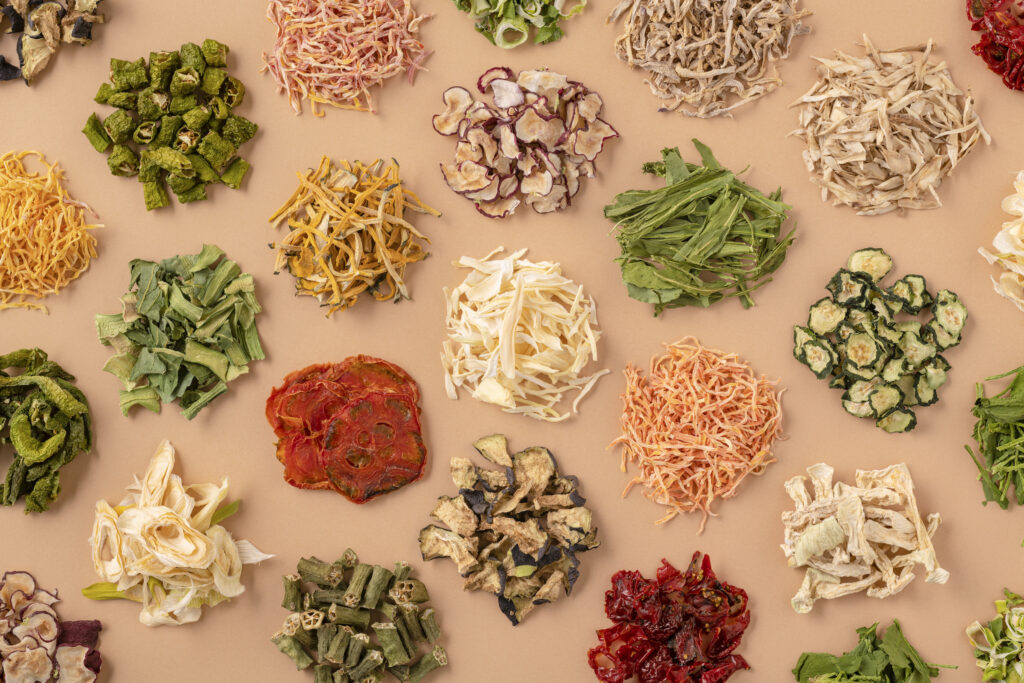
Related articles: Wholesale and OEM of commercial dried vegetables. What Is Vegetable Intake? Vegetable intake refers to the total amount of vegetables consumed from meals in a day. The Ministry of Health, Labour and Welfare recommends adults consume 350g or more of vegetables per day, but the average intake among Japanese people remains at about 280g. This short... -
Health Japan 21
Related reading: Wholesale and OEM of commercial dried vegetables. What is Health Japan 21? Health Japan 21 is a national health promotion movement that aims to improve the lifestyle habits of people in Japan, prevent lifestyle-related diseases, and extend healthy life expectancy. It was launched by the Ministry of Health, Labour and Welfare in 2000, and the third term (fiscal 2024 to fiscal 2035) is currently underway...