規格外とは

TOC
What are non-standard vegetables?
Non-standard vegetables are vegetables that do not enter normal distribution because their appearance—shape or size—does not meet market standards. There is no problem with their taste or nutritional value, and many have been discarded during the production process; but they are now drawing attention from the perspectives of food loss reduction and sustainability.
For farmers there is the loss of produce that cannot be shipped, and for consumers there is the issue of food loss based on appearance—and putting them to use has become a social theme.
Features and background of non-standard vegetables
Causes: bending, blemishes, uneven color, out-of-standard size, and the like
Nutritional value: almost the same as regular vegetables, with no quality problems
Background: arise from distribution standards and a market culture that “emphasizes appearance”
Trend: use is spreading amid rising awareness of sustainability and the SDGs
Where they are used: processed foods, dried vegetables, school lunches, commercial ingredients, exports, and more
Examples of Agriture’s use of non-standard vegetables
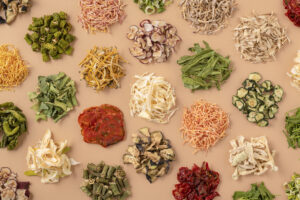
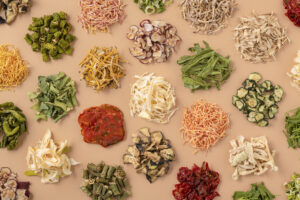
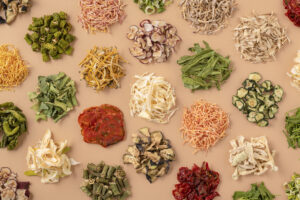
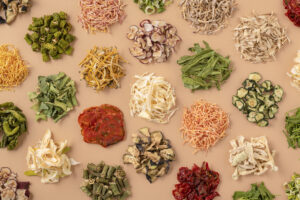
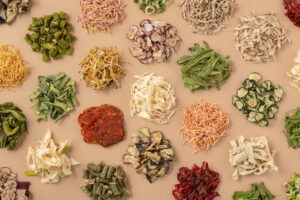
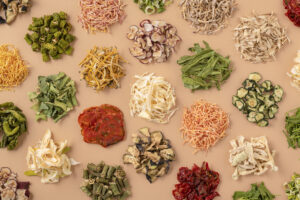
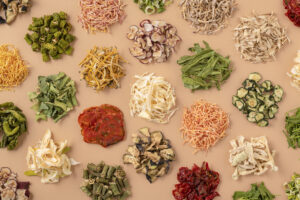
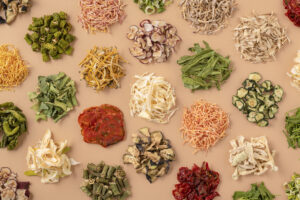
Drying and processing non-standard vegetables to develop them as OEM raw materials and powder products
Developing sustainable novelties that appeal to food loss reduction
non-standard carrots and green onions, proposing gift products and commercial ingredients using them
Cooperating with farmers and local governments to advance upcycling businesses that make use of local resources
Related keywords
Agricultural product standards
Related articles
The relationship between non-standard vegetables and food loss | Solutions and case studies
Saving discarded vegetables! A new approach to food loss reduction
FOR BUSINESS
乾燥野菜を業務用でお探しですか
国産の野菜・果物を乾燥し、必要に応じて粉砕してお出ししています。扱っている品目は100種前後で、規格は 乾燥品の一覧・パウダーの一覧 に掲載しています。
少量でのご購入は、姉妹ブランドの通販サイト OYAOYA で承っています。
FAQ
Q1. Are non-standard vegetables safe to eat?
A. Yes. There are only differences in shape and size; there is no problem with nutrition or safety.
Q2. What is the market size of non-standard vegetables?
A. In Japan, they are estimated to arise on the scale of several million tons per year, making them a major key to food loss reduction.
Q3. How does Agriture use non-standard vegetables?
A. We enhance their added value through drying and powder processing, recirculating them as OEM products, commercial raw materials, and gift products.