
Tea– category –
-

How to Make Elderflower Tea and Cordial, Plus Mixers and Blends
Elderflower is popular for its sweet, floral aroma reminiscent of muscat. Besides drinking it as tea, making it into a syrup (cordial) and mixing it with sparkling water is a widely enjoyed way to use it. The method is simple, but people run into problems like "the aroma is weak," "the cordial turned cloudy" or "it was too sweet"... -
How to Make Lemongrass Tea: Brewing for Aroma, Blends and Other Uses
Lemongrass tea releases a fresh, lemon-like aroma just by pouring hot water. The brewing method is simple, but people sometimes run into problems like "the aroma is weak," "it tastes grassy" or "the flavor becomes flat when iced." What makes the difference is choosing between fresh and dried, and drawing out the aroma... -
How to Make Hibiscus Tea That Makes the Most of Its Tartness and Ruby Color
Hibiscus tea is loved for its vivid ruby-red color and crisp tartness. Although brewing it is simple, people run into problems like "it's too sour to drink," "the color turned dull" or "the aroma is weaker than expected." What makes the difference is water temperature, steeping and balancing the acidity... -
How to Make Ginger Tea and Shogayu That Bring Out Heat and Aroma
Ginger tea can be made simply by pouring boiling water over grated ginger. Even so, people often run into problems like "it was too spicy," "the aroma is weak" or "how is it different from ginger-yu?" What makes the difference is choosing between fresh ginger and dried ginger, and how you draw out the heat and aroma. This article... -
How to Make Fruit Tea: Types and Blending Tips with Dried Fruit
Simply adding dried fruit to black tea or herbs makes fruit tea instantly more fragrant and colorful. Making it isn't difficult, yet plenty of people stumble with "the fruit doesn't open up," "the aroma is weak" or "the flavor goes flat when iced." What makes the difference is the... -
Dried Hibiscus
Dried hibiscus is an edible flower ingredient made by drying the calyx of roselle (scientific name Hibiscus sabdariffa) in the mallow family. It is a different plant from ornamental hibiscus, and the raw material is the red calyx that thickens and swells after flowering. Prized for its vivid red color and clean acidity... -
Dried Calendula
Dried calendula is a commercial ingredient made from the petals of the annual "calendula (scientific name Calendula officinalis)" in the daisy family. It is characterized by vivid orange-to-yellow petals, whose coloring is locked in through low-temperature drying. Also called "pot marigold," it is used for cooking... -
Dried Karaki
Dried karaki is a commercial ingredient made by drying the leaves or bark of the evergreen tree "karaki (a relative of Okinawa cinnamon and Chinese cinnamon)" in the laurel family. Karaki is an aromatic wood in the cinnamon family, with a sweet, soft cinnamon-like aroma, yet not as intensely stimulating as a cinnamon stick... -
Dried Cardamom
Dried cardamom is a commercial spice ingredient made by drying the fruit (pods) and seeds of a plant in the ginger family. Prized for its sweet, refreshing, refined aroma, that aroma is locked inside the pod through low-temperature drying. Agriture also offers cardamom powder made by finely powdering the same cardamom... -
Dried Lavender
Dried lavender is a commercial ingredient made by processing the flower spikes of the herb "lavender" in the mint family through low-temperature drying. Prized for the look of small purple flowers strung in spikes and lavender's distinctive refreshing fragrance, it tends to retain its aroma and purple color even when dried. Agriture also offers the same... -
Dried Chamomile
Dried chamomile is a commercial ingredient made from the flowers of the herb "chamomile" in the daisy family. The contrast between the white petals and yellow center is charming, and it has a sweet, refreshing aroma reminiscent of apple; that coloring and aroma are locked in through low-temperature drying. Agriture also offers the same cha... -
Dried Elderflower
Dried elderflower is a commercial ingredient made from the small flowers that bloom on elder (European elder) in the honeysuckle family. Prized for a sweet, gorgeous aroma reminiscent of muscat, it has long been enjoyed in drinks and sweets in Europe. Agriture also offers the same el... -
Dried Cherry Blossom
Dried cherry blossom is an edible flower and dried flower ingredient made from the flowers of the cherry (genus Prunus) in the rose family. The flowers, salted and then dried, carry cherry blossom's distinctive soft fragrance and pale pink color, arranged into a form that is easy to handle when dried. Agriture also offers cherry-blossom powder made by powdering the flowers... -
Dried Clove
Dried clove is a spice made by drying the unopened flower buds of the clove tree in the myrtle family. Also called "choji," it is characterized by its distinctive nail-like shape and sweet, rich aroma; that aroma and flavor are locked in through low-temperature drying. Agriture also offers the same clove... -
Dried Osmanthus
Dried osmanthus is a commercial ingredient made from the small autumn-blooming flowers "kinmokusei (fragrant orange-colored osmanthus)" of the genus Osmanthus in the olive family, kept as raw material with the flower shape and aroma intact. It is characterized by small orange flowers gathered in clusters that give off a sweet, rich fragrance; that color and aroma are locked in through low-temperature drying. Agriture... -
Dried Lemongrass
Dried lemongrass is a commercial ingredient made by drying the herb "lemongrass" of the genus Cymbopogon in the grass family. Prized for a refreshing aroma reminiscent of lemon, it is finished by low-temperature drying to preserve that aroma as much as possible. Agriture also offers the same lemongrass finely powdered... -
How to Start a Herbal Tea OEM in Small Lots: Ingredients, Formats, and the Ordering Flow
You want to make a herbal tea under your own brand, but ordering a large quantity all at once is worrying—that's when a small-lot-capable herbal tea OEM comes in handy. Because you can prototype and manufacture from small quantities, you can bring an original blend into the world while keeping inventory risk low. This article covers... -
What Is a Tea Bag OEM? How to Choose the Shape, Material, and Contents, and the Small-Lot Ordering Flow
When you want to make a tea under your own brand, making it into tea bags rather than selling loose leaves gives the ease of brewing just by pouring hot water, making it easier to turn into a product for gifts and everyday use. Outsourcing tea bag manufacturing to a specialist manufacturer is a tea bag OEM. The shape, contents... -
How to make mugwort tea | Easy with dried mugwort, explained for teapot, decoction, and homemade
Mugwort tea is a Japanese tea beloved for its young-grass aroma and caffeine-free nature. Using dried mugwort, you can make it simply by decocting it in a teapot or pot. You can also make homemade mugwort tea from fresh mugwort, enjoying it to your taste. In this article, in Kyoto, processing dried vegetables... -
Dried Maca
Dried maca is a commercial ingredient made from the functional plant maca (scientific name: Lepidium meyenii) in the mustard family, in two forms: julienned root/chips and coarsely crushed (cut) leaves. Known as native to the high Andes of Peru, maca cultivation has spread domestically as well, and it is rich in amino acids, iron, zinc, calci... -
Dried Ashitaba
Dried ashitaba is a commercial ingredient made from the leafy vegetable that has drawn attention as a superfood in the carrot family, in two forms: leaf (dried leaves) and coarsely crushed (cut). It locks in ashitaba's distinctive chalcone-type components and the distinctive richness that spreads amid a green freshness, through low-temperature drying. Agriture... -
Dried Moringa
Dried moringa is a commercial raw material made by drying the leaves of moringa (Moringa oleifera) grown in Kagoshima Prefecture. Using drying technology adapted from Chiran tea production, the leaves are processed within a short time after harvest to retain their aroma and color. No glucose, colorings or antioxidants are used. For tea, blended tea... -
Dried Rose (Edible Rose)
Dried rose (edible rose) is a commercial flower ingredient made by low-temperature drying domestically cultivated edible roses, finished at our own processing facility in Kyoto Prefecture. Without using glucose, coloring, or antioxidants, it retains the rose's original fragrance and petal color in the dried product. Containing aromatic compounds of a gorgeous scent, herbal tea... -
Dried Basil
Basil is a herb of the genus Ocimum in the mint family, characterized by a sweet, refreshing aroma with linalool as its main component. Dried basil is made by carefully drying domestically grown sweet basil at low temperature, retaining an aroma close to that of the fresh leaf in dried-leaf form. Pasta sauce, pizza, simmered dishes... -

How to Make an Original Tea OEM: Points of Differentiation and the Planning Process
An original tea is a unique tea designed to match your brand concept, rather than an off-the-shelf tea leaf. By combining five elements—selecting the base tea leaf, blending ingredients, blend ratios, packaging, and story—you pack a "brand story" into a single cup. Rather than simply... -

Tea OEM Price Ranges: 5 Ways to Keep Costs Down and 7 Points for Quotes
Tea OEM price ranges are determined by five factors: product type, lot, ingredient grade, packaging, and certification requirements. Tea bags run from tens to hundreds of yen per unit, and for leaf tea the unit price moves greatly depending on tea-leaf grade, while vegetable tea and foods with function claims add further prototyping and testing costs... -

How to Request Tea OEM Manufacturing: A Complete Guide to the Industry's 5 Types and a Cost Breakdown
You want to launch your own original tea brand. For you who harbor this wish, there is the option of a tea OEM. OEM is short for "Original Equipment Manufacturer," a system for outsourcing the manufacture of your own brand's products to another manufacturer. In the tea industry, from raw material procurement... -
Tea Gift OEM: 10 Points for Making Products That Get Chosen and an Ordering Guide
Tea gift OEM is an approach that lets you plan and sell original tea gift products without owning your own manufacturing equipment. You can design products to match the gift occasion and price range—chugen, seibo, celebratory return gifts, corporate novelties—across a wide range from green tea, black tea, and tea bags to premium blends and vegetable tea... -
How to make an herbal tea blend | Formulation design balanced with bitterness, tartness, and umami
Blending herbal tea is a way of combining several herbs and tea leaves to pack a flavor, aroma, and function into a single cup that you can't get from any one on its own. Herbal tea blends made at home extend to enjoyment such as gathering single ingredients at Kaldi or Muji and carrying them in your own bottle. Herbal... -
How to start a health tea OEM | How to build a brand chosen for functional beverages
With health consciousness rising now, the functional beverage market continues its rapid expansion. Health tea in particular is supported by many consumers as an easily adopted daily health habit, and the 2024 market for foods with function claims is projected to top 600 billion yen. In such a huge market, one's own... -
How to Develop Vegetable Tea for Business People: Product Planning That Captures Health Demand
For today's business people whose work centers on desk work, maintaining health is a major challenge. As more people struggle with a lack of vegetables and a lack of exercise, demand is rising for functional beverages that let you easily supplement nutrition. In particular, the new category of "vegetable tea" combines the nutrition of conventional tea and vegetables... -
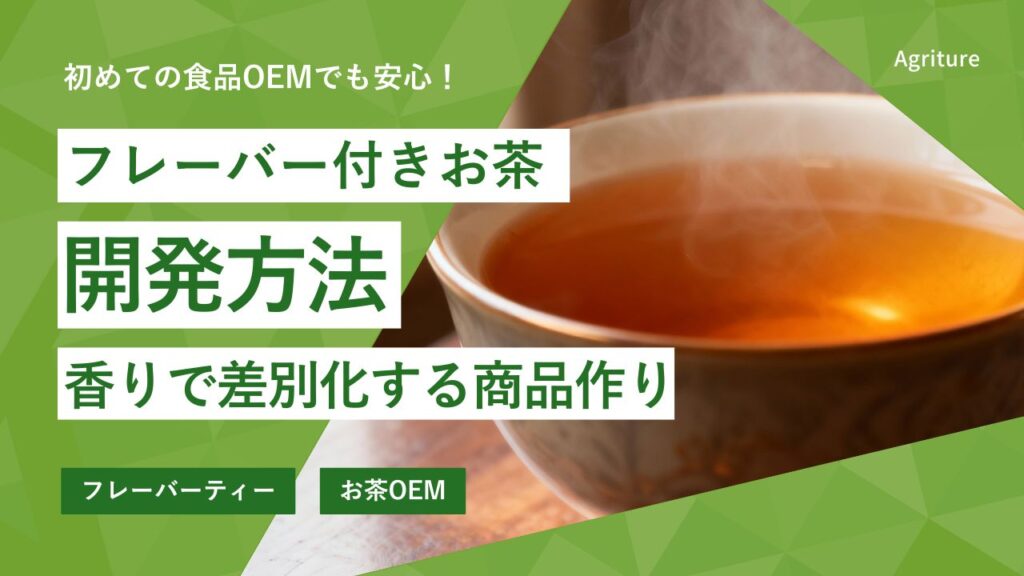
Flavored Tea Development: Differentiating Aroma with 3 Elements × 4 Axes
Flavored tea is a product category that adds the aromas of fruits, herbs, spices, flowers, and the like to a base tea leaf such as black, green, oolong, or white tea. The basic approach is to differentiate through three elements—base tea leaf, flavoring ingredient, and method of imparting aroma—and demand exists for D2C, cafés, gifts, and tourist souvenirs... -
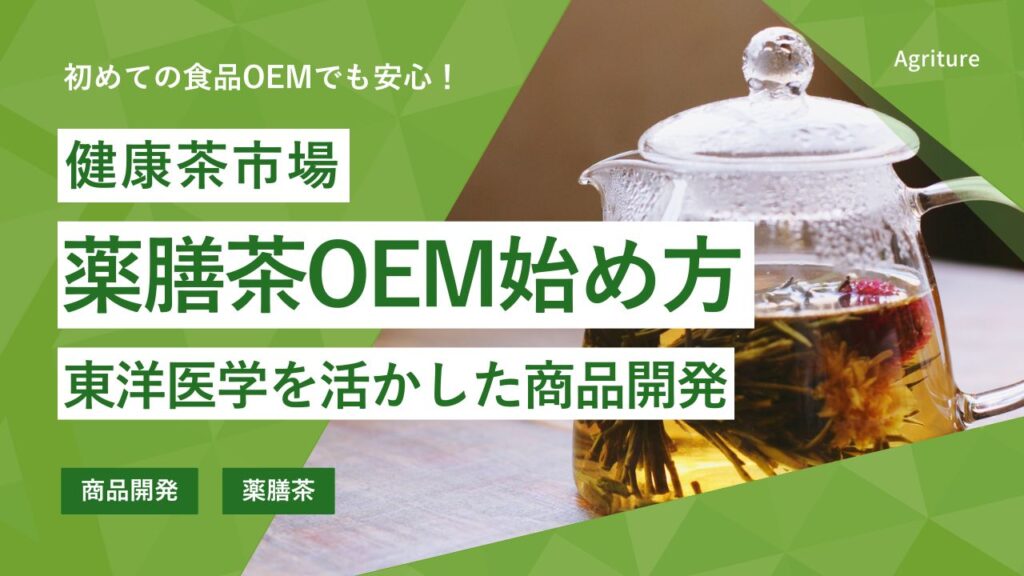
How to start a yakuzen tea OEM | A product development guide that makes use of the wisdom of Eastern medicine
A yakuzen tea OEM is a system that lets you plan and sell an original health tea—blending crude drugs and tea leaves based on the ideas of Eastern medicine—without owning your own manufacturing equipment. Because you can outsource everything to a manufacturer—blend design, raw material procurement, manufacturing, and packaging—you can achieve differentiated health... -
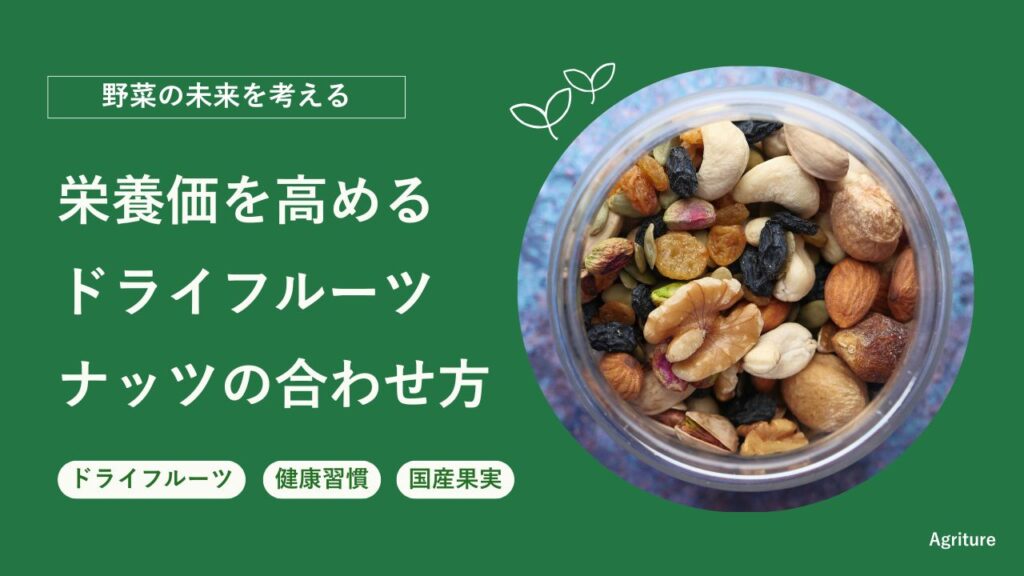
Dried fruit and nut combinations that go well together, and how to store them
Eating dried fruit and nuts together has become a popular snack and trail food. But if you mix your favorites yourself and store them, the nuts can go soft and lose their texture within a few days. The cause is moisture. The moisture left in the dried fruit... -
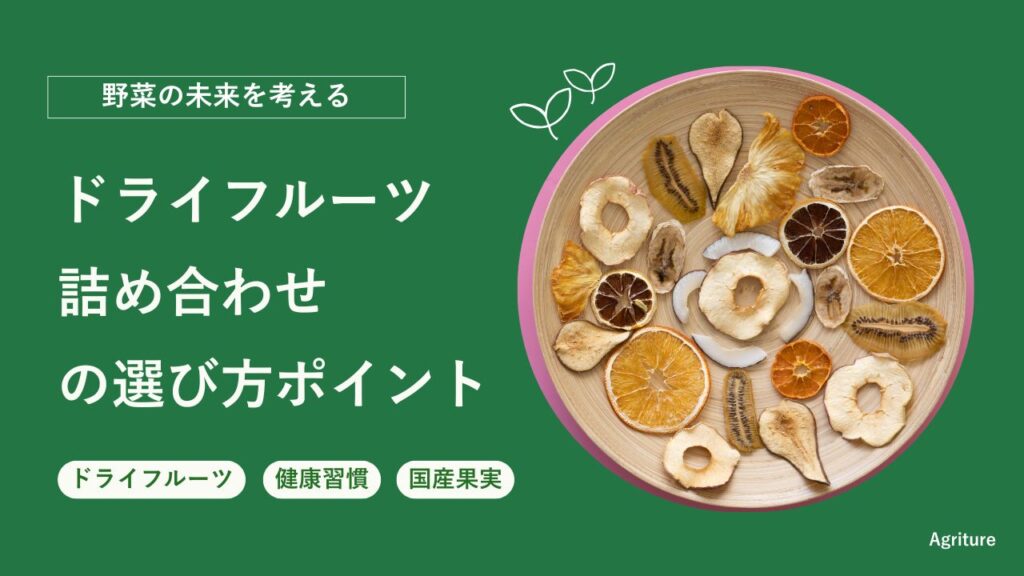
How to tell apart assorted dried fruit for gifts and corporate novelties
You can't judge what's in a dried fruit assortment from the package photo alone. Even among "6-variety sets," some contain costly fruits while others are bulked out with cheap items. The clues are on the back: the order of the ingredient list and the net weight... -
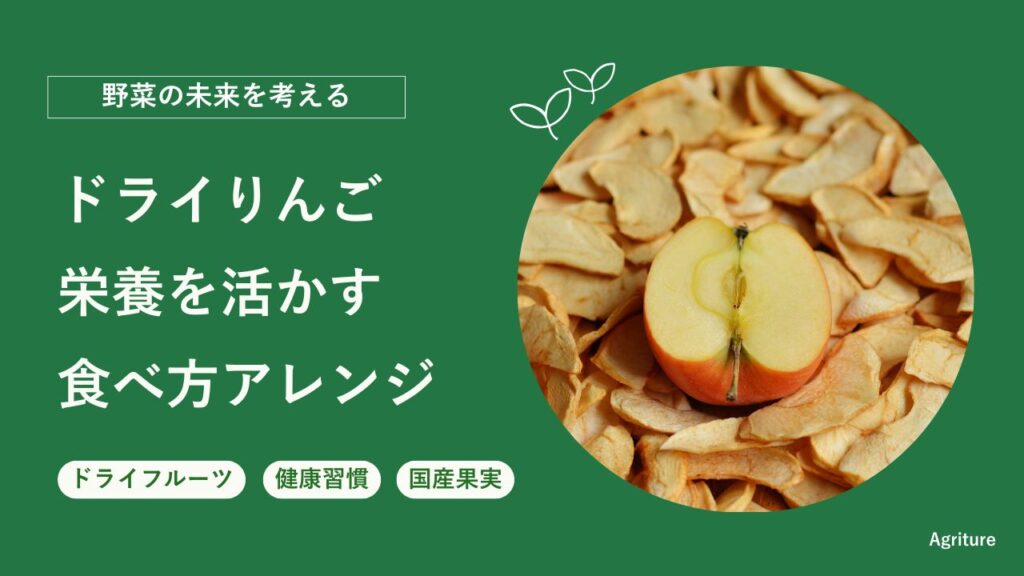
10 Ways to Enjoy Dried Apple: Variations That Make the Most of Its Nutrition
The Basic Way to Enjoy It—Eating It As-Is The simplest way to eat dried apple is to open the bag and snack on it as-is. The water has been removed and the sweetness concentrated, so you can enjoy a richer flavor than fresh apple. That said, even "as-is" varies by texture type and the timing of when you eat it... -
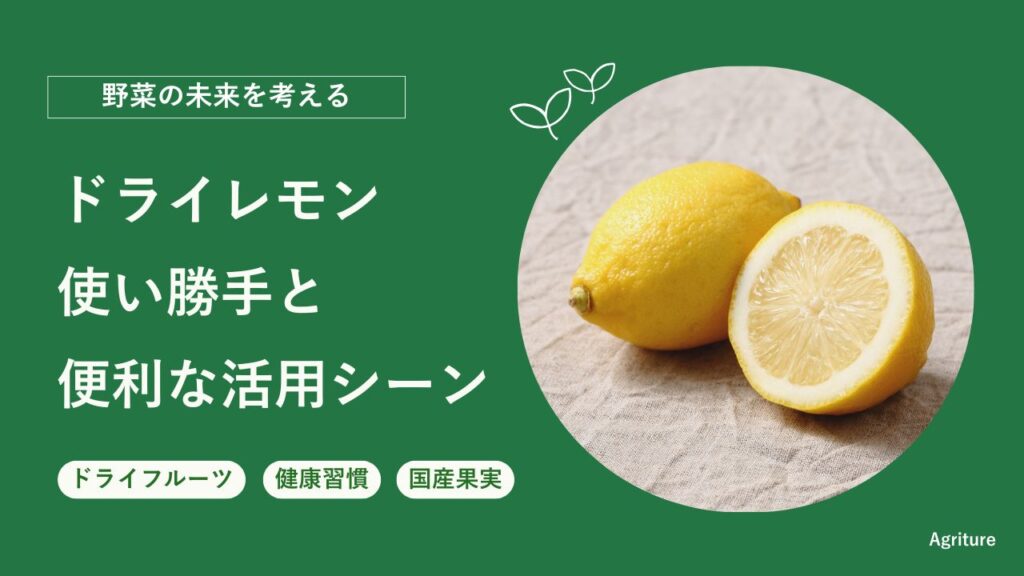
A Thorough Test of Dried Lemon's Usability! Handy Use Scenes and Storage Methods
Dried lemon is a processed food made by slicing and drying fresh lemons. Its biggest difference from fresh lemon is shelf life. Fresh lemon lasts about 2–3 weeks refrigerated at most, but dried lemon keeps about two weeks at room temperature and even longer if refrigerated or frozen. By driving off the moisture... -

Why Moringa Demand Is Rising: Market Trends and Opportunities in Product Development
Alongside rising health consciousness, interest in superfoods is expanding worldwide. Among them, moringa—called a "nutrient-rich tree"—is drawing attention from both its high nutritional value and sustainability. Moringa is a plant native to northwestern India, containing vitamin A, vitamin... -
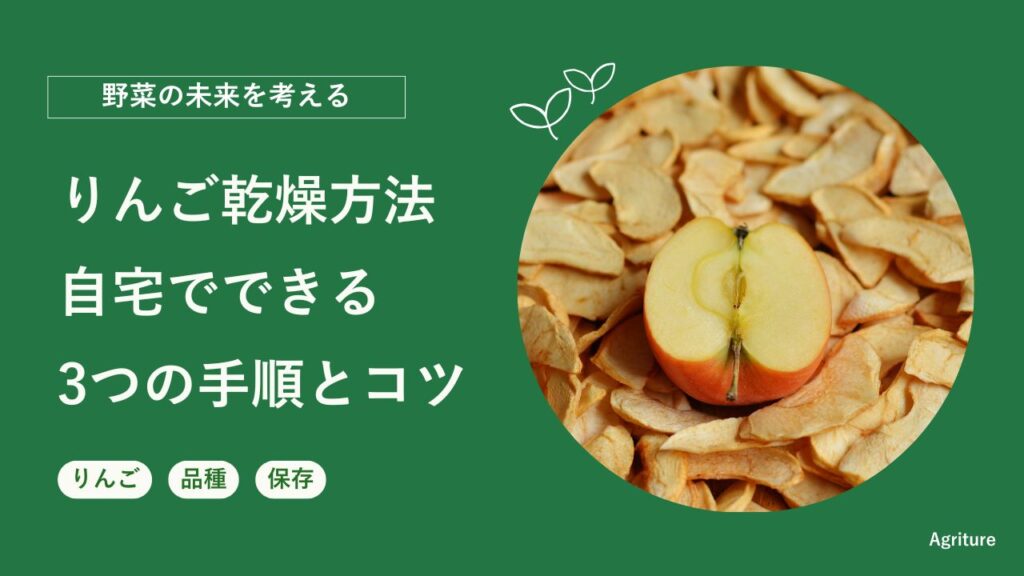
A Thorough Guide to Drying Apples! 3 Steps and Tips You Can Do Easily at Home
Prep Before Drying Determines the Result. Drying apples is 70% decided by the prep before applying heat. Even with the same variety and the same dehydrator, skipping the cut thickness or the small step of preventing discoloration leaves you with a sticky or brown, cloudy result that differs in finish. First, the three prep points... -
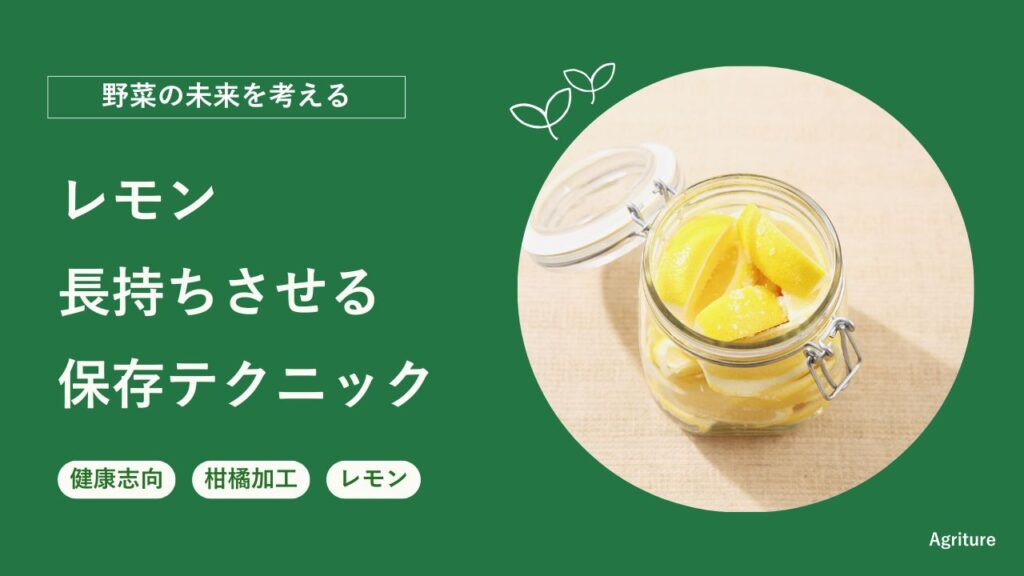
Ways to Improve Lemon's Shelf Life! The Complete Version of Storage Techniques to Make It Last
Hot-air drying of lemons is a processing method that efficiently removes the fruit's moisture using warm air. By placing sliced lemons in a dedicated dryer and circulating constant-temperature hot air, they can be dried uniformly in a short time. At the processing sites for domestically grown lemons including Hiroshima-grown lemons... -
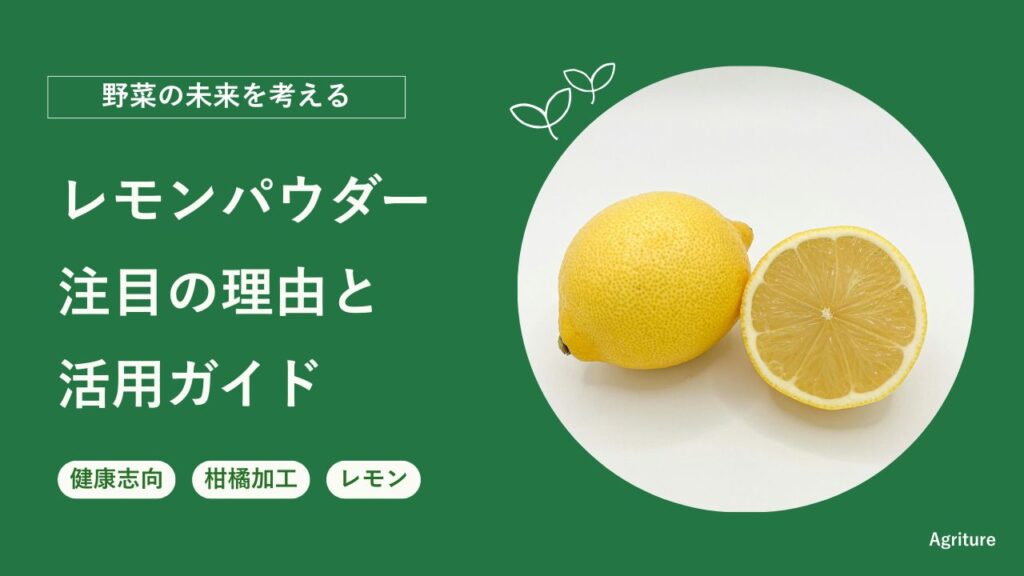
Why Lemon Powder Is Drawing Attention and How to Use It! A Thorough Usage Guide
Lemon powder is drawing attention in the food industry and at home. Fresh lemon, as a citrus with a distinctively vivid acidity and refreshing aroma, has been used across a wide range of industries—food processing, foodservice, confectionery, and beverages. The juice is used to add acidity to drinks and dishes, and the peel for confectionery and dressing... -
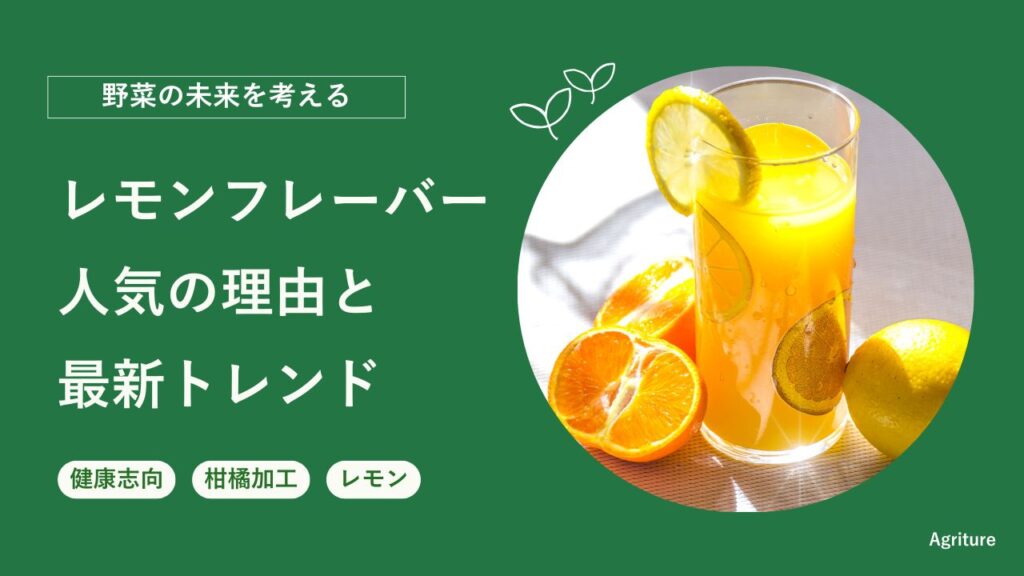
Why the Popularity of Lemon Flavor Persists and How to Use the Latest Trends
From a garnish for fried food to the star of drinks, sweets, and seasonings. Lemon flavor is now the most-watched presence in the food industry. Even after entering the 2020s, the market has continued to expand, staying at the top of citrus flavors ahead of orange and grapefruit. The reason for this popularity... -
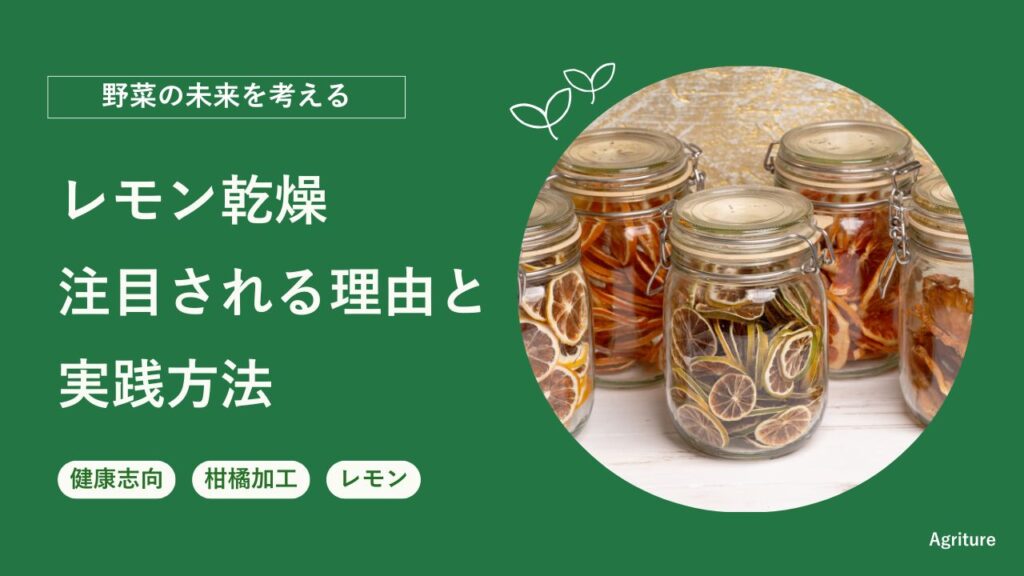
Why Lemon Drying Is Drawing Attention and How to Practice It! A Thorough Look at the Trend
Drying lemons is drawing major attention in the food industry. Alongside rising health consciousness, the market for lemon-based products is trending upward. In particular, fresh lemon faces challenges of temperature control to maintain freshness and a short shelf life, and against this backdrop, "drying" and "pas..." -
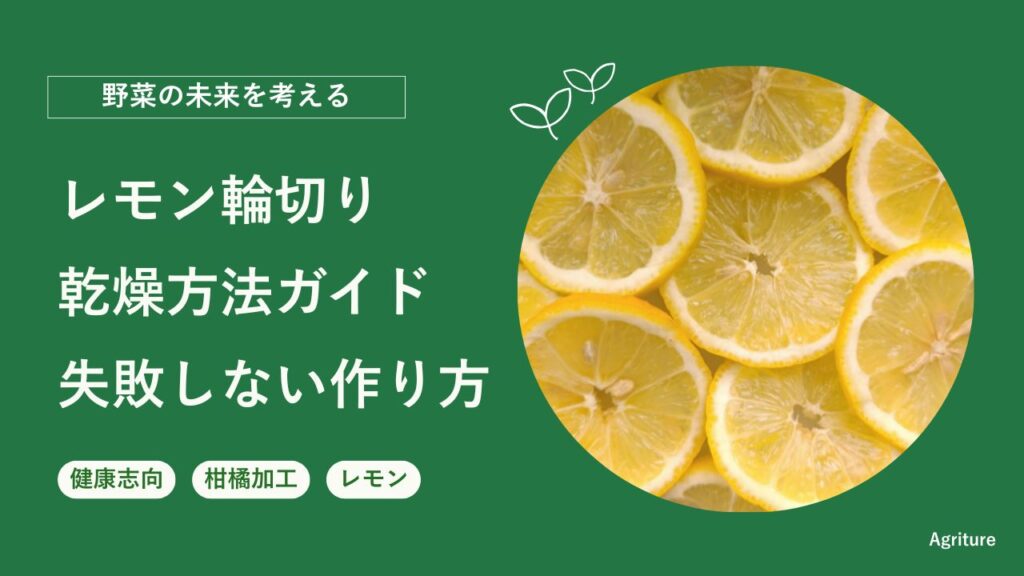
A Complete Guide to Drying Lemon Rounds! A Foolproof Method and Tips
Have you ever wanted to try making dried lemon at home? Store-bought dried fruit makes you worry about additives, and the price is high too. But if you make it yourself, you can get safe, secure dried lemon using pesticide-free lemons. In fact, drying lemon rounds gives you vitami... -

How to Choose Domestic Moringa: Quality Standards and Characteristics by Growing Region Explained
Alongside rising health consciousness, interest in moringa is rapidly spreading. This plant, also called a "nutrient-rich tree," is drawing attention worldwide as a superfood containing over 90 kinds of nutrients, but what points should you watch when choosing domestic moringa... -
The Difference Between Domestic and Imported Lemons: A Thorough Explanation from How to Choose to Uses
When you pick up a lemon at the supermarket, have you ever been unsure? About 90% of the lemons on store shelves are imported. The remaining mere 10%—domestic lemons—come into season mainly from October to March. Hiroshima Prefecture accounts for about 50% of domestic production, with cultivation thriving on the mild climate of the Seto Inland... -

A Thorough Comparison of Green Juice Ingredients: Characteristics and How to Choose Among Kale, Young Barley Grass, and Moringa
When choosing aojiru, do you judge only by words like "good for your health" on the package? In fact, the characteristics of aojiru vary greatly depending on the raw materials used. The main raw materials, kale, barley grass and moringa, each have their own nutritional profile and characteristics, and depending on your purpose... -
How to Store Apples in Winter: 10 Tips to Make Them Last
When you buy apples, the first thing you wonder is "should I store them at room temperature or refrigerated?" To get to the point, apples last longest in the fridge's vegetable compartment (0–5°C). In the cold air of autumn and winter, they last about a month at room temperature, 1–2 months refrigerated (vegetable compartment), and up to 3 months frozen... -
[2025 Latest] 3 Fair Trade Brands and Points for Choosing Them
Have you ever heard the term fair trade? Translated literally it means "fair trade." It is an effort to pay fair compensation to producers in developing countries and support their improved livelihoods and sustainable farming practices. The items covered by fair trade include coffee... -
What Is Fair Trade? From the Mechanism and Certification System to the Latest 2026 Trends Explained
There are more chances to hear the term fair trade. You spot products with a certification mark at supermarkets and cafés, or see it featured in companies' sustainability reports—it is steadily spreading in Japan too. This article covers the basic definition of fair trade...