Dried Elderflower

Dried elderflower is a commercial ingredient made from the small flowers that bloom on the elder (European elder, family Caprifoliaceae). Its signature is a sweet, gorgeous aroma reminiscent of muscat, and it has long been enjoyed in drinks and sweets across Europe. Agriture runs it in parallel with finely milled elderflower powder (made to order), proposing dried elderflower for applications that make use of the flower's shape and its aroma in extraction, and powder for blending into batters and powdered products.
Compared with other floral ingredients such as chamomile and rose, elderflower can be differentiated by its "muscat-like sweet aroma," its status as a staple of cordial (syrup) culture, and the versatility of releasing aroma simply by mixing with soda or water. It is an ingredient with many prototype inquiries as a raw material for cordials, herbal teas, baked goods, jellies, sparkling drinks, and shaved-ice syrup.
TOC
Agriture's dried elderflower, three points of care
1. Low-temperature drying that makes the most of the sweet aroma
The appeal of elderflower is a sweet, gorgeous aroma reminiscent of muscat. Agriture designs the process to hold the drying temperature down and pull moisture out in a short time, keeping as much of the aroma in the finished product as possible. Whether the aroma rises when extracted with hot or cold water is a factor that governs the finish of a cordial, herbal tea, or drink.
2. Preparing the flower into a state that is easy to extract
Elderflower is dried after the small florets are trimmed from the cluster. Because the fine flowers have a large surface area and readily transfer aroma to hot or cold water, they can be used as is for extracting cordials, herbal teas, and syrups. The state, such as chopped or whole, can be adjusted to the application, so you can choose it to match the finished product's appearance and extraction efficiency.
3. Selecting aromatic lots for processing
Agriture judges the flower's state, aroma strength, and color when processing elderflower into a raw material. Because how the aroma comes through changes with the flower's freshness and drying conditions, our basic rule is to select lots where the sweet aroma clearly emerges on extraction. A raw material with visible provenance is easy to design traceability around, one of the reasons it is chosen for prototyping by drink and confectionery manufacturers.
Product catalog showing the items we handle
Flexible support from small lots to large lots
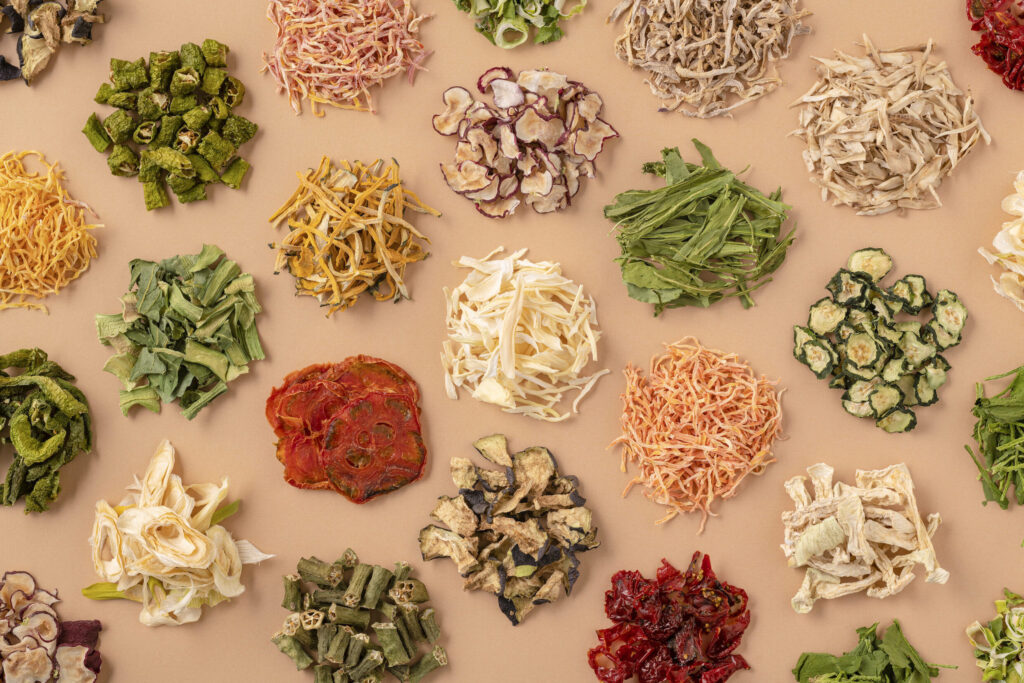
- Sold in small lots from 1 kg
- Handling heirloom vegetables from across Japan
- Dried fruits and herbs also supported
Characteristics of commercial dried elderflower
Even among dried floral ingredients, elderflower holds a distinct position for its sweet aroma, ease of extraction, and presence in drinks. Here are its strengths organized across six points, with extraction and blending in mind.
Muscat-like sweet aroma
Elderflower's signature is a sweet, gorgeous aroma reminiscent of muscat. Because the aroma rises simply by extracting with hot or cold water, it is easy to use for adding aroma to cordials, herbal teas, and drinks.
A flower state that is easy to extract
The small flowers have a large surface area and readily transfer aroma to hot or cold water. They can be used as is for extracting cordials, herbal teas, and syrups, keeping the time needed to draw out the aroma short.
A staple of cordial culture
Elderflower is a floral ingredient that has been used in drinks and sweets across Europe. As a dried product that stores at room temperature, it lets you bring the aroma of cordials and drinks into the finished product regardless of season.
Versatile enough to just mix with water or soda
Because you can enjoy the aroma simply by mixing the extracted syrup with water or soda, it is easy to roll out onto a drink menu. It also pairs well with lemon and citrus, making it suited to summer drink design.
Suitability as a confectionery and aroma ingredient
Making use of its sweet aroma, it can be used as an aroma ingredient for baked goods, jellies, mousses, and creams. It suits being an accent in product designs that foreground floral aroma.
Use in combination with powder
By using it together with finely milled elderflower powder (made to order), you can design recipes that balance aroma in extraction (dried flower) with blending into batters and powdered products (powder).
Product specifications (commercial)
Basic specifications at the prototype stage are as follows. Purchase lot, lead time, and packaging format are worked out through individual consultation.
| Item | Details |
|---|---|
| Product name | Dried Elderflower |
| Raw material | Elderflower |
| Shape | Whole / chopped. State adjusted to the application |
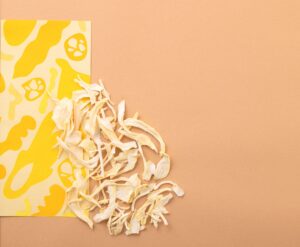
| Appearance | Pale-colored small flowers |
| Aroma | A sweet, gorgeous aroma reminiscent of muscat |
| Net content | Individual quote according to use and lot |
| Best-before date | About 6 months from the shipping date |
| Storage method | Avoid high temperature, high humidity, and direct sunlight; after opening, seal and store in a cool, dark place |
| Minimum prototype lot | Inquire |
Customization support
From the prototype stage, you can consult us on state, packaging, and turning it into a finished product. Because we keep records while refining the recipe, the specifications are unlikely to drift between prototype and mass production.
| Item | Available | Details |
|---|---|---|
| State adjustment | Whole / chopped | State selected to match extraction efficiency and the finished product's appearance |
| Powdering | Fine powder (made to order) | As an aroma ingredient for confectionery, batters, and powder blending |
| Blend design | Combining with other herbs and floral ingredients | Blend-tea design with chamomile, rose, and citrus peel |
| Packaging form | Commercial bulk / small bag / individual wrapping | From drink bulk to packs for tea-bag raw material |
| OEM productization | End-to-end support through the finished product | From planning to production of cordials, herbal teas, and drinks |
For those considering the fine-powder type
For applications where you want to spread elderflower's aroma evenly, such as blending into batters, baked goods, and powdered drinks, the finely milled elderflower powder (made to order) is well suited. Please also see the list of powder raw materials.
Commitments to variety, grower, and growing region
Elderflower is a flower that blooms on the elder (European elder, family Caprifoliaceae), a floral ingredient enjoyed in drinks and sweets across Europe. Agriture makes the flower's state and aroma strength the axes of its raw material design.
BRAND | The positioning of elderflower as a raw material
Elderflower is a flower that has been used to make the most of its sweet aroma in cordials, herbal teas, baked goods, and drinks. Agriture translates this aroma into a commercial raw material and supplies it as an ingredient usable in a wide range of finished products, from drinks and confectionery to tea products.
PRODUCER | Basic policy for sourcing and coordination
We select lots with consistent aroma strength, flower state, and color by aligning directly with suppliers. At the prototype stage we obtain small quantities from multiple suppliers, evaluate how the aroma rises on extraction, and then organize the supply line for mass-production lots.
REGION | Background of the ingredient
Elderflower is a flower enjoyed mainly in Europe as an ingredient for cordials and herbal teas. Agriture does not limit the origin, and processes lots into raw material by judging aroma and flower state suited to extraction.
SELECTION | Harvest state and aroma
Elderflower tends to carry aroma better the more it is picked with the flowers in full bloom. Agriture selects those with good aroma and flower state for processing into raw material.
Low-temperature drying technology and quality control
Prompt drying after picking
Elderflower is a flower whose aroma readily weakens as time passes after picking. By moving promptly from picking to drying, we finish it under conditions that keep the sweet aroma.
Retaining aroma through low-temperature drying
High-temperature drying readily drives off the sweet aroma and dulls the flower's color. By pulling moisture out slowly in a low-temperature range, we finish it so the aroma rises on extraction. As a raw material for cordials and herbal teas, we aim for a material where the character of elderflower comes through in its aroma. For cordials, extract the aroma with hot water and then combine with sugar and lemon to make a syrup that keeps the aroma. For herbal tea, pour hot water and steep for 2 to 3 minutes and the sweet aroma rises.
Use cases
Here are the applications for which we receive prototype inquiries at Agriture, organized into six categories. All are examples of recipe design that make use of elderflower's sweet aroma and ease of extraction.
1. Cordials and syrups
It can be used as a raw material for elderflower cordial (syrup). Extract the aroma with hot water and combine with sugar and lemon to finish it into a sweetly aromatic syrup. It suits aroma-forward product design, whether mixed with water or soda into a drink or rolled out as a sauce for shaved ice or desserts.
2. Herbal teas and blend teas
It can be used as a raw material for herbal teas and blend teas. Because the sweet aroma rises simply by pouring hot water and steeping, it can be developed as a standalone tea or as a blend tea with chamomile, rose, or citrus peel. There is also strong demand for it as a tea-bag raw material.
3. Sparkling and soft drinks
It can be used to add aroma to sparkling drinks, lemonade, and mocktails. Because the aroma rises simply by mixing the extracted syrup with soda or water, it is an ingredient easy to roll out onto cafe menus and summer seasonal drinks. Combined with citrus or mint, it finishes into a refreshingly aromatic drink.
4. Confectionery and bakery
It can be used to add aroma to baked goods, jellies, mousses, and creams. Making use of its sweet aroma, it can be developed into confectionery and bakery products that foreground floral aroma, such as elderflower-flavored cakes, macarons, and jellies. Working the syrup into batters and creams is also well suited.
5. Jellies, desserts, and frozen sweets
It can be incorporated to add aroma to jellies, bavarois, shaved-ice syrup, and ice cream. It can be securely kept as room-temperature stock, and using the extracted syrup or extract as a base, you can design aroma-forward frozen sweets and desserts. Its pale color and sweet aroma suit a refined finish.
6. Gifts and seasonal products
It can be used as an ingredient for gifts that combine cordials, teas, and baked goods, and for seasonal limited-edition products. Because elderflower carries a sweet aroma and a gorgeous image, it suits being an accent in gift items and seasonal fair products. Combined with the powder, you can also design products where drinks and confectionery share the same aroma.
Commercial usage and rehydration
Extraction basics
- For herbal tea: 1 teaspoon of dried flower per 200 ml of hot water, steeped for 2 to 3 minutes
- For cordials: extract the aroma with hot water, then combine with sugar and lemon to make a syrup
- For drinks: mix the extracted syrup with water or soda. Combining with citrus makes the aroma rise
- Remove the spent flowers after extraction. Steeping too long shifts the balance of aroma and flavor
Blending guide
- Herbal tea: extract using about 2 to 3 g of dried flower per 200 ml of hot water
- Cordial: extract using about 10 to 15 g of dried flower per 500 ml of water and combine with sugar
- Sparkling drink: mix the extracted syrup with soda or water at about a 1:4 ratio
- Confectionery: work it into batters and creams as a syrup or extract to add aroma
How to store
- Before opening: store in a cool, dark place at room temperature, away from heat, humidity, and direct sunlight
- After opening: transfer to a zip bag or airtight container and use up within 1 to 2 months
- Best-before date is about 6 months from the shipping date. Note that light and moisture absorption weaken the aroma
- Refrigerated storage is possible. Because condensation forms right after taking it out, return it to room temperature before opening
Related cases and articles
- Dried edible rose – floral raw material
- Dried moringa – herbal ingredient
- Dried mugwort – Japanese herb raw material
- List of dried raw materials
- Consult us on food OEM and raw material supply
Product catalog showing the items we handle
Flexible support from small lots to large lots
- Sold in small lots from 1 kg
- Handling heirloom vegetables from across Japan
- Dried fruits and herbs also supported
Frequently asked questions
What kind of ingredient is elderflower?
Elderflower is the small flower that blooms on the elder (European elder, family Caprifoliaceae). It is characterized by a sweet, gorgeous aroma reminiscent of muscat, and has long been enjoyed in Europe as an ingredient for cordials (syrups), herbal teas, and sweets. Drying it allows room-temperature storage and makes it usable as a commercial aroma ingredient.
What does it smell like?
Its signature is a sweet, gorgeous aroma reminiscent of muscat. Because the aroma rises when extracted with hot or cold water, it is easy to use for adding aroma to cordials, herbal teas, and sparkling drinks. Combined with citrus or mint, it finishes into a refreshingly impressioned aroma.
Can it be used in cordials and drinks?
This is one of our most common inquiries. Extract the aroma with hot water and then combine with sugar and lemon to make elderflower cordial (syrup). It can be used widely for aroma-forward product design, whether mixed with water or soda into a drink or rolled out as a sauce for shaved ice or desserts.
How does it differ from elderflower powder?
Dried elderflower is for "applications that make use of the aroma in extraction and the flower's appearance," while powder is for "blending into batters and powdered products or adding aroma evenly." Cordials and herbal teas suit the dried flower, while blending into baked-good batters and powdered drinks suits the powder. Using them together makes it possible to design recipes that balance the aroma of extraction with ease of blending.
What is the minimum prototype lot?
Prototype lots are accepted on inquiry. You can prototype multiple conditions in parallel, such as a whole-versus-chopped state comparison or a tea-use-versus-cordial-use specification comparison. You can consult us through to OEM finished-product production. After hearing the intended finished-product specifications, lot, and schedule, we propose a quote and lead time individually.
Please tell me the best-before date and how to store it.
The best-before date is about 6 months from the shipping date. Before opening, store in a cool, dark place at room temperature, away from heat, humidity, and direct sunlight. Because elderflower readily loses aroma to light and moisture absorption, after opening transfer it to a zip bag or airtight container and we recommend using it up within 1 to 2 months. Refrigerated storage is also possible, but take care with condensation right after taking it out, and return it to room temperature before opening.
Recommended reading
- Dried edible rose – floral ingredient
- Dried moringa – herbal ingredient
- Dried mugwort – Japanese herb
- List of dried ingredients
- List of powders
Download the product catalog
We will send the materials to your email address based on the information you provide.