
Recipes & uses– category –
-

How to Make Elderflower Tea and Cordial, Plus Mixers and Blends
Elderflower is popular for its sweet, floral aroma reminiscent of muscat. Besides drinking it as tea, making it into a syrup (cordial) and mixing it with sparkling water is a widely enjoyed way to use it. The method is simple, but people run into problems like "the aroma is weak," "the cordial turned cloudy" or "it was too sweet"... -
How to Make Lemongrass Tea: Brewing for Aroma, Blends and Other Uses
Lemongrass tea releases a fresh, lemon-like aroma just by pouring hot water. The brewing method is simple, but people sometimes run into problems like "the aroma is weak," "it tastes grassy" or "the flavor becomes flat when iced." What makes the difference is choosing between fresh and dried, and drawing out the aroma... -
How to Make Hibiscus Tea That Makes the Most of Its Tartness and Ruby Color
Hibiscus tea is loved for its vivid ruby-red color and crisp tartness. Although brewing it is simple, people run into problems like "it's too sour to drink," "the color turned dull" or "the aroma is weaker than expected." What makes the difference is water temperature, steeping and balancing the acidity... -
How to Make Ginger Tea and Shogayu That Bring Out Heat and Aroma
Ginger tea can be made simply by pouring boiling water over grated ginger. Even so, people often run into problems like "it was too spicy," "the aroma is weak" or "how is it different from ginger-yu?" What makes the difference is choosing between fresh ginger and dried ginger, and how you draw out the heat and aroma. This article... -
How to Make Fruit Tea: Types and Blending Tips with Dried Fruit
Simply adding dried fruit to black tea or herbs makes fruit tea instantly more fragrant and colorful. Making it isn't difficult, yet plenty of people stumble with "the fruit doesn't open up," "the aroma is weak" or "the flavor goes flat when iced." What makes the difference is the... -
切り干し大根の作り方と戻し方。干す日数と水に浸ける時間
Kiriboshi daikon (dried shredded radish) is essential to simmered dishes. In fact, you can make it easily at home simply by cutting and drying daikon. Homemade versions have a richer sweetness and no additives to worry about. Still, many people hesitate over problems like "it won't dry properly," "I'm worried about mold," or "I don't know how to rehydrate or store it." In this article, we explain... -
How to Make Dried Mandarin: Tips for Making It Whole with the Peel, Plus Storage and Recipes
Mandarins are plentiful in winter. If you have some left over that you can't finish, turning them into dried mandarin is a great option. Drying concentrates the sweetness, and if you make them whole with the peel, the cross-section is as beautiful as a flower, adding a lovely touch to tea or yogurt. They turn out plenty sweet even without added sugar... -
How to Use Shikuwasa: Making the Most of the Juice and Peel, Plus a Honey-Marinade Recipe
Shikuwasa is a citrus that represents Okinawa. With its sharp acidity, gently bitter peel, and refreshing aroma, it has many uses beyond simply squeezing it over food, extending to drinks, seasonings, and as an accent in cooking. That said, quite a few people find themselves unsure, wondering "the juice ends up left over" or "how do I use the peel?"... -
How to Make Dried Persimmon: Tips to Prevent Mold, How to Bring Out the White Bloom, and Storage
Dried persimmon is a seasonal tradition from autumn into winter. The way astringent persimmons are reborn sweet through sun and wind can be recreated at home. Still, failures like "mold appeared" or "it didn't turn out sweet" are common, and mastering a few tips is what separates success from failure. In this article, we cover dried persimmon... -
How to Eat and Choose Dried Mango: Using It with Yogurt and Storage Tips
Dried mango is popular for its rich sweetness and tropical aroma. It's delicious on its own, but knowing different ways to eat it—rehydrating it in yogurt or mixing it into sweets and drinks—greatly expands the enjoyment. On the other hand, some find it "too sweet" or "too hard," which comes down to choosing the right type... -
How to Make Dried Kiwi: Microwave, Oven, and Dehydrator Tips to Preserve Color and Tartness
Kiwi is prized for its vivid green and sweet-tart flavor. Drying it mellows the tartness and concentrates the sweetness, making a snack distinctly different from the fresh fruit. The tiny popping texture of the seeds remains too, making it a perfect accent for granola or yogurt. In this article, we cover... -
3 Ways to Make Dried Banana: Foolproof Microwave, Oven, and Dehydrator Tips
Bananas are too ripe to finish, or you want additive-free fruit for your child's snack—that's when dried banana comes in handy. The appeal of the homemade version is that you can concentrate the sweetness of ripe bananas as-is, without sugar or oil. Still, some run into issues like "it's sticky and not fully dried" or "it turned brown"... -
How to Use Shiso Powder: Ooba and Red Shiso Powder Recipes, Selection, and Storage
Shiso powder, made by grinding ooba (green shiso) or red shiso into powder, is a handy seasoning that lets you add shiso's aroma and color to dishes without the chopping and food waste. But many people can't tell "what dishes to use it in" or "how it differs from fresh shiso," and end up leaving it unused... -
Red Shiso Recipes and Uses: A Thorough Guide from Juice, Yukari, and Syrup to Storage and Variations
Red shiso left over from making umeboshi, or a huge harvest from your home garden—are you unsure how to use it? Red shiso can be used in a wide range of ways, not only for juice and yukari but also in salads, pasta, and preserved foods. In this article, we cover everything from prepping red shiso to the classic red shiso juice and syrup... -
Are Ooba and Green Shiso Different? Actually the Same? Explaining the Difference from Red Shiso, Types, and Uses
Have you ever been unsure which to buy when "ooba" and "green shiso" are sold separately at the supermarket? To get straight to the point, ooba and green shiso are leaves of the same plant. On the other hand, the red shiso used for umeboshi is in the same shiso family but differs in both color and use. This article... -
Before Your Ooba Turns Black: Storage Methods and Uses for Refrigerating, Freezing, and Drying to Keep It Fresh
You put the ooba (green shiso) you bought in the fridge, only to find it turned black within a few days—many people have had this experience. Strongly aromatic ooba is vulnerable to both drying out and excess moisture, and if stored without any care, its original flavor fades almost instantly. In this article, we cover refrigerating, freezing... -
What's the Difference Between Yakuzen and Kampo? A Gentle Look at Food vs. Crude Drugs, Purpose, and Philosophy
Have you ever thought, "Yakuzen and Kampo seem similar, but where do they differ?" Because both are rooted in Eastern medicine, they're easily confused, yet they are distinct things with clearly different roles. On this page, we organize the difference between yakuzen and Kampo through the lens of "food" and "medicine"... -
What is yakuzen? Its meaning, the difference from kampo, and the basics of starting with familiar ingredients explained
Many people feel that "yakuzen seems good for you, but doesn't it require special ingredients or crude drugs?" In fact, yakuzen is a style of eating based on the ideas of Eastern medicine that you can start with everyday vegetables from the supermarket. On this page, we explain what yakuzen is... -
山椒はうなぎ以外に何に使う?年4回、姿を変えて出回ります
粉山椒の小瓶が、うなぎを食べたとき以外に開かれないまま台所にある。よくある話です。 先に結論を書きます。山椒は年に4回、違う姿で出回る作物です。春の木の芽、4月の花山椒、5月の実山椒、秋の完熟した実。それぞれ向く料理が違います。「山椒=うな... -
花椒とは?ホワジャオ・ホアジャオと山椒の違いを整理しました
麻婆豆腐のレシピに「花椒」と書いてあって、家にあるのは粉山椒。代用していいのか迷う。あるいは「ホアジャオ」「ホワジャオ」と表記がばらばらで、同じものを指しているのかどうかが分からない。 先に結論を書きます。山椒と花椒は、同じ属の別の植物で... -
Prepping and Removing Bitterness from Green Sansho: Boiling Time, Freezing, and Salt-Curing Tips
Fresh green sansho, which appears in early summer, is prized for its tingly numbness and refreshing aroma. But once you buy it, prepping comes first, and many people are unsure—"what do I do with the stems?", "how long do I boil it to remove the bitterness?", "how do I store it so it keeps for a year?" On this page, we cover prepping green sansho... -
A Guide to Drying Mushrooms: Making Dried Mushrooms in the Sun or Oven and Preventing Mold
You bought a lot of mushrooms while they were cheap, or you can't use up mushrooms you were given—that's when "drying" comes in handy. Drying mushrooms makes them keep longer and deepens their umami and stock flavor. On the other hand, questions like "sun or oven, which is better?", "I'm worried about mold," and "how long until they're fully dried?"... -
山椒の種類は?実山椒・粉山椒・青山椒の違いを一覧で
Sansho is essential to eel, mapo tofu, and chirimen sansho. But even under the single name "sansho," it comes in various forms—green sansho, powdered sansho, and kinome—and people often wonder "what's the difference between green sansho and powdered sansho?" or "is it different from huajiao?" It's a spice that represents Japan, defined by its aroma and numbing tingle... -
A Guide to Eating and Prepping Tamogitake: Popular Recipes for the Yellow "Phantom Mushroom"
Tamogitake, sometimes called a "phantom mushroom" for its vivid yellow color and pleasant aroma. It's a mushroom long enjoyed in places like Hokkaido, and used in miso soup or takikomi gohan, it offers deep umami and stock flavor. On the other hand, questions come up—"how do I prep it?", "what's a classic way to eat it?", "is dried tamogitake..." -
How to Rehydrate and Use Dried Maitake: Popular Recipes for Takikomi Gohan and Tempura
Dried maitake adds aroma and umami to takikomi gohan and miso soup. It keeps longer than fresh maitake, and even a small amount deepens a dish's flavor considerably. On the other hand, situations often leave people unsure—"should I rehydrate it?", "the soaking liquid turns dark—is that okay?", "can I make tempura with it?"—it's that kind of ingredient... -
What Is Ichimi Togarashi? The Difference from Shichimi, Ingredients, Uses, and How to Choose
Ichimi togarashi, sprinkled over udon and soups. When it comes time to choose, people often wonder "what's the difference between ichimi and shichimi?" and "which should I use?" They look and are used similarly, but there's a clear difference in their ingredients and roles. On this page, we cover what ichimi togarashi is... -
干し椎茸の戻し方は5℃の冷水で、こうしん5時間・どんこ10時間
干し椎茸を戻そうとして、袋の裏を見ても「水で戻してお使いください」としか書かれていない。何時間かかるのかが分からないまま、とりあえず水に浸けて出かけることになります。 先に答えを書きます。産地の生産者団体が「5・5・10の法則」という覚え方を... -
唐辛子の乾燥方法は?干し方の日数とカビを出さない保存のしかた
家庭菜園の唐辛子が真っ赤になって、ざるに広げて軒下に置いた。1週間ほどでカラカラになったので瓶に入れた。ひと月後にふたを開けたら、白い綿のようなものがついていた。これは珍しい話ではありません。 先に結論を書きます。天日に干しただけでは、乾... -
A Guide to Using and Rehydrating Dried Mushrooms: Characteristics by Type and Recipes Using Mixes
We explain how to use and rehydrate dried mushrooms, covering the characteristics of each type such as shiitake, maitake, and enoki, when to rehydrate in water versus simmer them directly, uses in miso soup and takikomi gohan, and storage methods. -
きくらげの戻し時間は何分?水5〜6時間とぬるま湯15分で足ります
We explain how to rehydrate and eat dried kikurage (wood ear mushroom), covering rehydration in water or hot water, the tip of always heating it to prevent food poisoning, popular recipes like stir-fries, soups, and harusame, and storage methods. -
唐辛子と鷹の爪とししとうの違いを、国の作物区分から確かめた
スーパーの袋に「鷹の爪」と書いてあり、別の棚には「唐辛子」と書いてある。青果コーナーには「ししとう」と「青唐辛子」が隣り合って並び、東北の道の駅では同じものが「なんばん」と呼ばれている。名前が四つも五つもあって、どれが品種名でどれが総称... -
柚子七味の作り方と使い方を、老舗の配合表と原材料表示から確かめた
東京・浅草のやげん堀、京都・清水の七味家本舗、信州・善光寺の八幡屋礒五郎。三軒が公開している七味の素材を並べてみると、三軒すべてに入っているのは唐辛子と山椒の二つだけです。胡麻は三軒とも使っていますが、白か黒かで分かれます。陳皮を使う店... -
柚子胡椒は何につける?料理別の使い方と量の目安をまとめました
冷蔵庫に柚子胡椒はあるけれど、鍋以外に何につければいいのか分からない。そんな状態で瓶を眠らせている方は少なくありません。柚子胡椒は少しの量で辛みと香りが立つ調味料なので、つける相手と量さえ決まれば、鍋の季節が終わっても毎日使えます。 この... -
柑橘類はどこまでを指す?分類の切り口と代表品種を一覧にしました
みかん、ゆず、すだち、かぼす、レモン。売り場に並ぶ柑橘は名前も形もばらばらで、「これは何の仲間なのか」「すだちとかぼすはどちらが酸っぱいのか」と迷う場面がよくあります。調べてみると、サイトごとに分け方が違っていて、かえって混乱することも... -
かぼすの旬は8月から10月、それでも一年中店頭に並ぶのはなぜ
揚げたての唐揚げに搾る。味噌汁の椀のふちでひとしぼりする。大分では当たり前のその使い方が、県外の食卓にはなかなか届いていません。店頭で見かけるのは年に数か月だけ、という印象を持っている人も多いはずです。 ところが大分県は、露地・貯蔵・ハウ... -
How to Make Vegetable Furikake: Easy with Dried Vegetables, a Kid-Pleasing Homemade Recipe, and How to Choose
We explain how to make and choose vegetable furikake, covering an easy homemade recipe using dried vegetables or leftover vegetables, salt-free and additive-free ideas that are easy for children to eat, and how to read the ingredients on store-bought products—tips for a furikake packed with vegetables that tastes good too. -
すだちの旬は8〜10月。かぼすとの違いと日持ちさせる保存のコツ
焼きたてのサンマにきゅっと搾る。そうめんに薄い輪切りを浮かべる。すだちは、ひとしぼりで料理の輪郭が変わる小さな柑橘です。ただ、店先に並ぶ時期は思っているより長く、かぼすとの違いも、保存できる日数も、調べるほど情報がばらけます。 このページ... -
What Are Edible Flowers? Types, How to Eat Them, and How to Choose, Explained by a Grower
A dried-vegetable manufacturer explains the types and flavors of edible flowers, how they differ from ornamental flowers, how to choose safe ones, and how to eat and store them. We also introduce ways to enjoy them at home and uses for dried edible flowers. -
How to make mugwort tea | Easy with dried mugwort, explained for teapot, decoction, and homemade
Mugwort tea is a Japanese tea beloved for its young-grass aroma and caffeine-free nature. Using dried mugwort, you can make it simply by decocting it in a teapot or pot. You can also make homemade mugwort tea from fresh mugwort, enjoying it to your taste. In this article, in Kyoto, processing dried vegetables... -
How to make yomogi mochi with dried mugwort | Ingredients, amounts, and foolproof tips explained
Yomogi mochi (kusa mochi), a classic spring Japanese sweet. Fresh mugwort is in season only in spring, but with dried mugwort you can make yomogi mochi easily any time of year. Since it’s pre-treated and the harshness has been removed, you just rehydrate it and mix it into the dough. In this article, in Kyoto, handling the processing of dried vegetables... -
Complete guide to using dried mugwort | From rehydrating to popular recipes and storage tips
We explain how to use dried mugwort—from rehydrating and amounts, to popular recipes such as kusa mochi and yomogi dumplings, mugwort tea and mugwort baths, storage methods and best-before dates, and how to choose without going wrong. A Kyoto dried vegetable manufacturer summarizes tips for using up domestic, low-temperature-dried mugwort without waste, at home or commercially. -
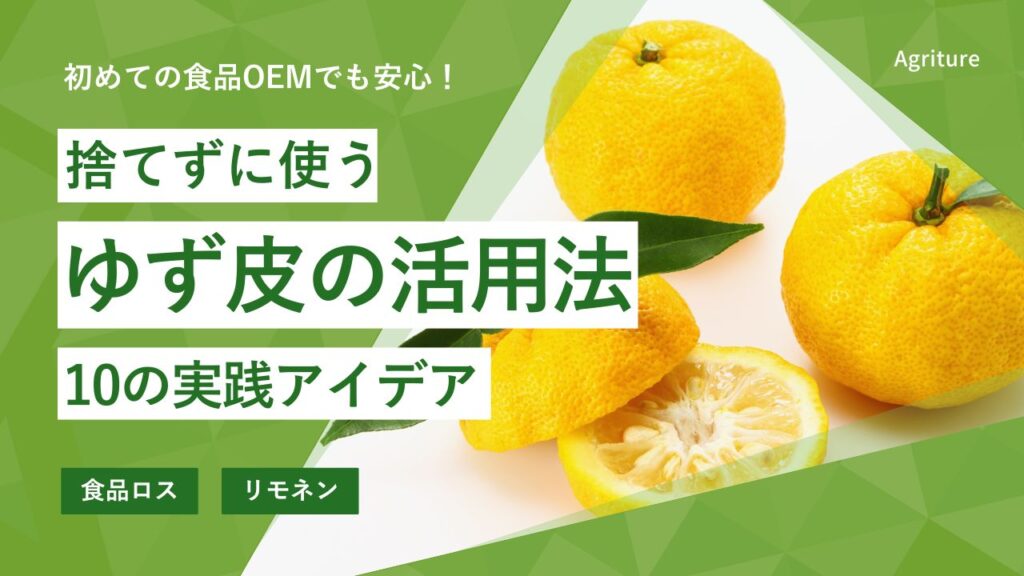
柚子の皮の使い道は干すと広がる、果汁と種まで使い切る手順
鍋の仕上げに皮を少し削いだら、あとは黄色い実がひとつ残る。果汁を搾ったら、今度は皮とワタと種が残る。ゆずは、どこかを使うたびに別のどこかが余る果物です。 農林水産省の令和5年産特産果樹生産動態等調査では、ゆずの全国の出荷量26,734トンのうち... -

How to Make Dried Tomatoes: Drying Tips, and How Cherry and Large Tomatoes Turn Out Differently
Dried tomatoes are made by drying fully ripe tomatoes. This processed food is prized for a deep richness and aroma quite unlike fresh tomatoes. Tomatoes are about 90% water, and removing that water through drying concentrates their umami. At Agriture, tomatoes for stock specialized in vegetable dashi... -
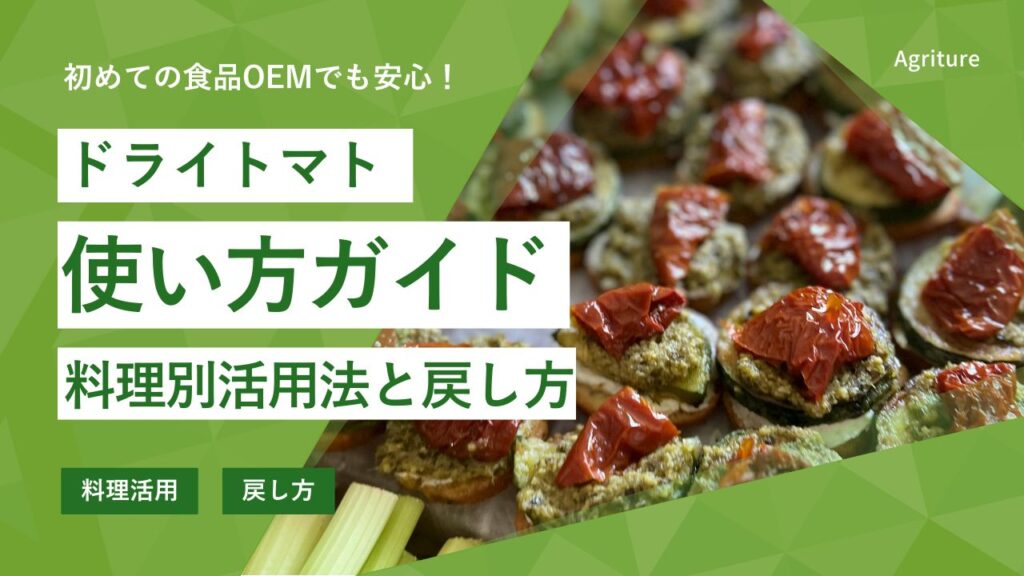
How to Use Dried Tomatoes: Rehydrating, Popular Recipes, and Uses by Variety
There are three basic ways to use dried tomatoes: "rehydrate before cooking," "eat as-is," and "keep them on hand marinated in oil." Because drying tomatoes concentrates their umami compounds, adding even a small amount to pasta or soup adds depth of flavor. This article covers how to rehydrate them... -
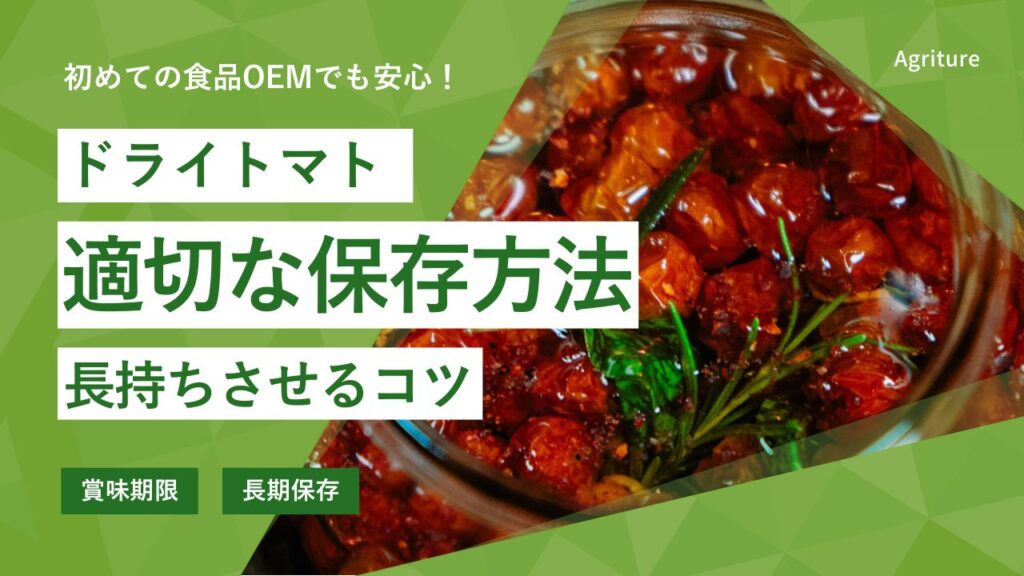
How to Store Dried Tomatoes: Tips for Room Temperature, Refrigeration, and Freezing, Plus Best-Before Dates
The basic approach to storing dried tomatoes is to use room temperature, refrigeration, and freezing as appropriate. Unopened, fully dried types can be kept at room temperature for six months or more, but once opened they absorb moisture and change in quality, so the rule is to put them in an airtight container and move them to the fridge. Frozen, they keep for 3–4 months... -
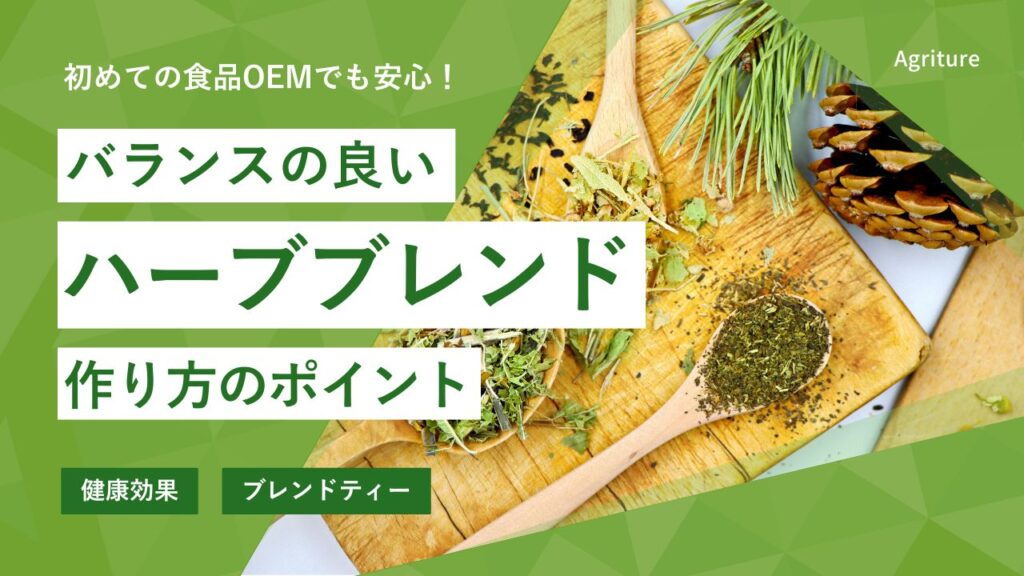
How to make an herbal tea blend | Formulation design balanced with bitterness, tartness, and umami
Blending herbal tea is a way of combining several herbs and tea leaves to pack a flavor, aroma, and function into a single cup that you can't get from any one on its own. Herbal tea blends made at home extend to enjoyment such as gathering single ingredients at Kaldi or Muji and carrying them in your own bottle. Herbal... -
Vegetable sweets OEM | The complete guide to designing color, flavor, and nutrition with vegetable powder
Using vegetable powder in sweets lets you add the natural color and flavor of kabocha, purple sweet potato, beet, spinach, carrot, and more without artificial colorings or food dye. Just mix it with cake flour, milk, and eggs to give homemade cookies, cakes, bread, macarons, and ice cream a "with vegetables" touch... -
Make Baby Food Easy with Vegetable Powder: Safe Uses and Recipes by Age
Vegetable powder is a handy ingredient that both saves time and boosts nutrition when making baby food. Choosing a domestically grown, additive-free powder lets you incorporate vegetables such as kabocha, spinach, carrot, and lotus root little by little to match your baby's age, while being mindful of powderiness and allergy risk... -
The Secret to Vegetable Dashi Is Dried Vegetables! Tips for Drawing Out Umami
Combining vegetable dashi with dried vegetables is a use that makes it easier to achieve both umami density and time savings compared with drawing dashi from fresh vegetables. Because their water has been removed, dried vegetables have relatively concentrated flavor compounds such as glutamic acid and aspartic acid, which dissolve directly into the soaking liquid. Agriture's... -
Plant-Based Vegetable Dashi: An Introduction to Umami Compounds and Uses
Vegetable dashi as a plant-based stock is a dashi drawn from the umami and aroma of vegetables, using no animal ingredients whatsoever. The amino acids (glutamic acid, aspartic acid) contained in onion, carrot, celery, mushrooms, and kombu, along with the nucleotide guanylic acid and vegetable-derived sugars, dissolve out...