柚子七味の作り方と使い方を、老舗の配合表と原材料表示から確かめた

Summary of this article
柚子七味の中身を、老舗三軒の公表素材と市販品の原材料表示から確かめました。七味の中身に公的な定義はなく、三軒で共通するのは唐辛子と山椒だけです。家で作るときの配合比率、挽き方、料理ごとの目安量と振るタイミング、柚子胡椒との違いまでまとめています。
東京・浅草のやげん堀、京都・清水の七味家本舗、信州・善光寺の八幡屋礒五郎。三軒が公開している七味の素材を並べてみると、三軒すべてに入っているのは唐辛子と山椒の二つだけです。胡麻は三軒とも使っていますが、白か黒かで分かれます。陳皮を使う店もあれば、代わりに青のりと青紫蘇を入れる店もあります。
柚子七味も同じで、「柚子七味とはこういうもの」と決めた公的な基準はありません。柚子の量が唐辛子より多い商品もあれば、柚子が入った代わりに別の素材が抜けている商品もあります。だから作り方を調べても、レシピごとに材料も比率もばらつきます。
このページでは、専門店が公表している素材と原材料表示から中身の実態を確かめたうえで、家で作るときの配合の比率、挽き方、料理ごとの量と振るタイミング、柚子胡椒との使い分け、市販品の選び方と開封後の置き場所までを並べます。乾燥野菜と乾燥果実の受託加工をしている立場から、柚子の粉を使って乾かす工程を飛ばす方法も書き添えました。皮を干す手順そのものはゆず皮の使い道と干し方にまとめてあるので、そちらを見てください。
TOC
柚子七味と普通の七味は、中身の何が違うのか
柚子七味は「七味に柚子を足したもの」と説明されることが多いのですが、実際の商品を見ると足し算だけでは済んでいません。まず七味そのものの中身がどこまで決まっているのかを確かめてから、柚子が入ると何が変わるのかを見ていきます。
七味の中身を決めた公的な基準は見当たらない
農林水産省が公開しているJAS規格の一覧を、飲食料品から農産物、取扱方法、試験方法まで通して見ても、香辛料・唐辛子・七味という品目は出てきません。国が中身を定めた規格は、少なくとも現行のJASにはないということです。
作っている側もそう書いています。八幡屋礒五郎は自社サイトの歴史のページで「七味唐辛子を構成する素材には厳密な定義がありません」と明記していて、七味家本舗が公開している三大七味の共同企画のページにも同じ一文が載っています。三軒が連名で出したパンフレットの内容ですから、業界の中で共有された認識だと読めます。
つまり「七味の七種はこれ」と言い切れる正解はありません。よく見かける七種の並びは、どこかの店の配合が広まったものか、複数の店の素材を足し合わせて代表的なものを選んだものです。このページでも、確かめられるのは「この店はこの素材を使っている」というところまでで、そこから先は書き手の推測になります。
三大七味で重なっているのは唐辛子と山椒だけ
三軒が公開している素材を表にすると、重なり方と外れ方がはっきりします。やげん堀は唐辛子を二種類使い、七味家本舗は唐辛子以外をすべて香りのある素材で固め、八幡屋礒五郎は生姜を入れています。
| 店(創業) | 公表している七種 | 組み立て方 |
|---|---|---|
| やげん堀 東京・浅草 1625年 | 唐辛子、焼唐辛子、 黒胡麻、山椒、陳皮、 けしの実、麻の実 | 唐辛子を生と焼きの 二種類に分けて、 辛さに幅を持たせる |
| 七味家本舗 京都・清水 1655年 | 唐辛子、山椒、 麻の実、白胡麻、 黒胡麻、青のり、 青紫蘇 | 唐辛子以外は すべて香りの素材。 陳皮も生姜も入れない |
| 八幡屋礒五郎 信州・善光寺 元文元年 | 唐辛子、陳皮、胡麻、 麻種、紫蘇、 山椒、生姜 | 生姜が入るのは 三軒でここだけ。 辛さと香りを半々に |
三軒とも入っているのは唐辛子と山椒、それに胡麻(白か黒かは分かれます)。陳皮は二軒、麻の実は三軒、けしの実と青のりと生姜はそれぞれ一軒だけです。柚子はこの七種のどこにも入っていません。柚子七味は定番の七味とは別の商品として、あとから組まれたものだと考えたほうが実態に合います。
柚子は足すのではなく、何かと入れ替わっている
八幡屋礒五郎は、定番の七味唐からしとゆず七味の両方の原材料を商品ページに出しています。定番は唐辛子・陳皮・胡麻・麻種・紫蘇・山椒・生姜の七つ。ゆず七味は唐辛子・柚子・陳皮・黒胡麻・白胡麻・紫蘇・山椒・生姜です。
並べると、柚子が入った代わりに麻種が抜けています。そして胡麻が黒と白の二種類に分かれています。定番に柚子を一つ足しただけではなく、配合そのものを組み直している。粒の食感を担っていた麻種を外し、胡麻を二種類にして香ばしさの幅を広げた、という読み方ができます。
家で作るときにも同じことが起きます。基本の七味に柚子の粉を足すと、柚子のぶんだけ全体の量が増えて、唐辛子も山椒も薄まります。柚子を効かせたいなら、何かを減らすか、最初から柚子を前提に組み直すほうが早いです。
柚子がいちばん多い柚子七味もある
京都の七味専門店おちゃのこさいさいが出している「京の柚子七味」の原材料名は、柚子、本鷹唐辛子、胡麻、青のり、山椒、芥子の実、紫蘇、麻の実の順に書かれています。加工食品の原材料名は重量の多い順に表示する決まりですから、この商品は柚子が唐辛子より多いことになります。陳皮は入っていません。
柚子が二番目の商品と、柚子が一番目の商品。同じ「柚子七味」という名前でも、口に入ったときの印象はかなり違います。売り場で迷ったら、まず原材料名の何番目に柚子が来ているかを見ると、香り寄りか辛さ寄りかの見当がつきます。
ちなみに、この商品もラベルの名称欄は「七味唐辛子」です。素材が八つあっても名称は七味唐辛子のまま。数を数えて名乗っているわけではない、ということがここからも分かります。
柚子七味を作るとき、何をどれだけ混ぜるか
手作りの柚子七味でいちばん迷うのが比率です。レシピを見ても「お好みで」で終わっていることが多く、最初の一杯を決められません。ここでは小さじを単位にした出発点を置いて、そこから香り寄り・辛さ寄りにどう振るかを示します。
小さじを単位にすると、一回分が作れる
柚子七味は香りが抜けていく薬味なので、瓶いっぱいに作るより、小さじ数杯ぶんを作って使い切るほうが合っています。下の表は合計で小さじ8杯前後、市販の缶一つぶんにあたる量です。すり鉢と小さじがあれば量れます。
| Ingredient | Standard (小さじ) | 香り寄り | 辛さ寄り | 担当している役割 |
|---|---|---|---|---|
| Chili pepper (一味・粉) | 2 | 1 | 3 | 辛さと赤い色。 量が味を決める |
| 柚子皮 (乾燥・粉) | 1.5 | 3 | 1 | 明るい香り。 柚子七味の看板 |
| 陳皮 (みかんの皮) | 1 | 1 | 0.5 | ほろ苦さと 落ち着いた香り |
| Sansho | 1 | 1.5 | 1 | しびれる刺激と 青い香り |
| 黒胡麻・白胡麻 | 1 | 1 | 1 | 香ばしさと 粒の食感 |
| 麻の実・ けしの実 | 1 | 1 | 1 | 噛んだときの ぱちっとした歯触り |
| 青のり | 1 | 1 | 0.5 | 緑の色と 磯の香り |
柚子と唐辛子の比だけを取り出すと、標準が3対4、香り寄りが3対1、辛さ寄りが1対3です。市販の柚子七味で柚子が原材料名の一番目に来ている商品は、香り寄りの列に近い組み立てになっています。
香りを立てたいときに増やすのは柚子と山椒
香り寄りの列では、柚子皮を標準の倍にして、山椒も少し増やしています。柚子だけを増やすと、柑橘の香りが一本調子になって、振った直後は華やかでも食べ進むうちに飽きます。山椒を足すと鼻に抜ける方向が変わるので、最後まで香りが立ち続けます。
柚子を増やすぶん、唐辛子は減らして構いません。辛さが弱いと物足りないと感じるなら、唐辛子ではなく青のりと胡麻を少し増やしてみてください。味の輪郭は濃くなるのに、辛さは上がりません。辛いものが得意ではない人と食卓を共有する場合、この方向で作ると一つの瓶で済みます。
京都の専門店が柚子を原材料名の一番目に置いているのも、同じ考え方だと思われます。唐辛子の辛さで引っ張るのではなく、香りの素材を厚くして、たっぷり振れる薬味にする。うどんや湯豆腐のように、薬味を少量しか載せない料理ほど、この差が効いてきます。
辛さを足すなら唐辛子を先に、少しずつ
辛さ寄りの列は唐辛子を標準の1.5倍にしています。ただ、唐辛子は種類によって辛さの幅が大きく、同じ小さじ1でも別物になります。手持ちの一味唐辛子を舐めて確かめてから量を決めるほうが確実です。自分で乾燥唐辛子から挽く場合は、種を残すかどうかでも変わります。
自家製の七味を作った人の記録を読むと、市販の七味のつもりで唐辛子を入れたら唇がひりつくほど辛くなった、という話が出てきます。混ぜてしまってからでは減らせないので、少なめから始めて、味見しながら足すほうが戻せます。
味見は、粉のまま舐めるより、味噌汁か豚汁に振って確かめるほうが当たります。汁物の湯気で香りが立ったときの印象が、実際に使うときの印象に近いからです。粉のままだと辛さばかりが立って、香りの過不足が分かりません。
陳皮を入れるか抜くかで、別の薬味になる
陳皮はみかんの皮を乾かしたもので、やげん堀と八幡屋礒五郎は定番の七味に入れていますが、七味家本舗は入れていません。柚子七味でも、陳皮入りと陳皮なしの両方が売られています。
柑橘の皮を二種類入れると、柚子の明るい香りの下に、ほろ苦い層が一枚できます。柚子だけのほうが香りは分かりやすく、陳皮が入ったほうが後に残るものがあります。手作りの七味を記録している人も、七味らしい香りの正体は陳皮にあった、と書いています。柚子七味というより七味に近づけたいなら、陳皮を減らさないほうがいいということです。
陳皮の代わりに夏みかんの皮を使う手もあります。温州みかんの皮より苦みと酸の印象が強く出るので、同じ量を入れると陳皮より前に出てきます。入れ替えるときは、まず半量から試してください。
材料をどう挽くと、香りが残るのか
材料がそろっても、挽き方で仕上がりは変わります。乾かし方はゆず皮の使い道と干し方にまとめたので、ここでは乾いたあとの工程だけを見ていきます。
唐辛子は炒って種を外してから挽く
乾燥唐辛子をそのまま挽くより、フライパンで軽く乾煎りしてから粗熱を取り、種を除いて挽くと香ばしさが出ます。やげん堀が生の唐辛子と焼き唐辛子を分けて使っているのも、焼いたほうの香りを別に立てるためです。家庭でも、全量の半分だけ炒って混ぜると、辛さの出方に段差ができます。
すり鉢で挽くときは、手袋とマスクを着けてください。細かくなった唐辛子の粉が舞うと、目と鼻にきます。量が多いときはミルを使ったほうが安全です。挽いたあとのミルやすり鉢は、次に胡麻を挽く前に必ず拭いておきます。
胡麻と麻の実は挽きすぎると油が出る
胡麻は挽きすぎると油がにじんで、粉がだまになります。胡麻和えを作るときよりも粗く止めて、粒が半分残っているくらいで手を離すのがちょうどいいところです。麻の実とけしの実は、噛んだときのぱちっとした感触が役目なので、挽かずにそのまま混ぜても構いません。
混ぜる順番も油と関係します。唐辛子・柚子皮・陳皮・山椒を先に合わせておいて、胡麻と麻の実、けしの実、青のりは最後に加えて軽く混ぜる。この順にすると、粒の素材が潰れずに残ります。山椒は挽いた直後がいちばん香るので、混ぜる直前に挽いてください。
粗挽きと細挽きは、使う料理で決める
粗挽きは、振ったときに粒が見えて、噛んだところで香りが出ます。焼き鳥や唐揚げのように、口に入る密度が高い料理に向きます。細挽きは汁の表面に散って均一に混ざるので、うどんや吸い物のような汁物に向きます。一つの瓶で両方をまかなうなら、粗めに作っておいて、汁物に使う直前にすり鉢で少し潰すと調整できます。
乾きが甘い柚子皮は、いくら挽いても粉になりません。フードプロセッサーで一時間かけても細かくならなかった、という記録もあります。折ったときにぱきっと割れるまで乾いていないと、刃が滑るだけです。粉にしたいなら、乾かす段階で止めどきを見誤らないことが先になります。
挽き加減は、あとから細かくはできても粗くは戻せません。迷ったら粗めで止めて、細かくしたいぶんだけそのつどすり鉢に移すほうが失敗しません。すり鉢で三十秒も回せば、汁物に向く細かさになります。一度に全部を細かくしてしまうと、揚げ物に振ったときに粉っぽさだけが口に残ります。
柚子パウダーから作ると、どこまで短縮できるか
柚子の皮を自分で干すと、天日で数日から一週間はかかります。粉になっている柚子を使えば、その工程がまるごと要りません。何がどこまで短くなるのかを整理します。
干す工程がまるごと消える
生の柚子から作る場合、洗う、皮を薄く削ぐ、白いワタを落とす、千切りにする、干す、折って乾きを確かめる、挽く、という手順を踏みます。粉から始めると、残るのは混ぜる工程だけです。柚子が出回らない季節でも作れるので、鍋の季節が終わったあとに切らして困ることもありません。
陳皮の位置には、夏みかんの皮のパウダーのような柑橘の皮の粉を当てられます。温州みかんの陳皮そのものではありませんが、柑橘の皮のほろ苦さという役割は引き受けてくれます。唐辛子と山椒は市販の粉を使えば、すり鉢を出さずに済みます。
粒度を選べるぶん、挽き加減を決めに行ける
家で挽くと、粒度は道具の性能で決まってしまいます。粉を買う場合は、細かい粉と、皮ごと粗挽きにしたものを選べます。汁物に使う細挽きと、揚げ物に使う粗挽きを、混ぜる段階で作り分けられるということです。
柚子七味を二種類作っておくと、使い分けが楽になります。細挽きを台所の卓上に、粗挽きを食卓に。どちらも中身は同じ材料で、挽き加減だけが違います。yuzu powderのように粒度の違う品がそろっているものを使うと、この作り分けがそのままできます。
つくり手として見ている乾燥ゆずの状態
私たちは国産の野菜と果物を温風で乾燥させて粉砕する加工をしています。柚子でいうと、皮を乾かして、100メッシュ相当までの粉にするところまでです。唐辛子や山椒といった香辛料そのものは扱っていないので、七味を作っているわけではありません。柚子の粉や、他の粉、塩や茶葉と事前に混ぜたものをお出しするところまでが範囲です。
家庭の天日干しと違って、温風乾燥は温度と時間を決めて回すので、仕上がりの水分がそろいます。粉にしたときにだまができにくいのは、そのためです。乾燥品の賞味期限は出荷日から六か月程度で設定しています。半年という数字は、腐るまでの時間ではなく、香りが立っている状態をどこまで見込むかという線引きです。手作りの柚子七味を少量ずつ作ったほうがいいと言われるのも、同じ理由です。
小袋に分けて詰めるのは10g以上から承っています。振って使う薬味は、開けたあとの時間が味を決めるので、大きな袋を一つ持つより、小さい袋をいくつか持つほうが最後までおいしく使えます。八幡屋礒五郎も、迷っている客には小袋を勧めると書いています。
FOR BUSINESS
乾燥ゆずを、原料としてお探しですか
国産のゆずを乾燥・粉砕してお出ししています。カット形状や粒度の指定、継続してのお取引もご相談ください。規格は Dried yuzu・yuzu powder に掲載しています。
少量でのご購入は、姉妹ブランドの通販サイト OYAOYA で承っています。徳島県産の柚子パウダー(細かめ)と、皮ごと粗挽きにした粗目タイプの2種類があります。
柚子七味は何に、どれくらい振るのか
柚子七味は、振る量よりも振るタイミングで結果が変わります。加熱の途中に入れると柑橘の香りが飛んでしまうので、基本は火を止めてから、あるいは器に取ってからです。料理ごとの目安を表にまとめました。
| Dish | ひと皿の目安 | 入れるところ | 振り方のこつ |
|---|---|---|---|
| かけうどん・ そば | ふた振り | 器に盛って 食べる直前 | 汁の上に散らす。 混ぜずに食べ進む |
| 鍋・湯豆腐 | ひと振り | 取り皿のつゆ | 鍋に直接入れず、 自分の皿だけに |
| 吸い物・ Miso soup | ひと振り | 火を止めて 椀によそってから | 細挽きのほうが 表面に散りやすい |
| 豚汁・ けんちん汁 | ふた振り | 椀によそってから | 具が多い汁は 多めでも負けない |
| 唐揚げ・ フライ | 塩と同じ量 | 揚げたてに直接 | 塩の代わりに。 粗挽きが合う |
| 焼き鳥・ つくね | ひと振り | 焼き上がりに のせる | たれより塩に。 少量で足りる |
| 焼き魚 | ひと振り | 焼き上がりに 添える | 皮目ではなく 身のほうへ |
| 浅漬け・ 塩もみ | 小さじ4分の1 | 塩と一緒に 揉み込む | 揉んでから 十分ほど置く |
| サラダ・ 冷奴 | ひと振り | ドレッシングや 醤油の上に | 油のあるほうが 香りが広がる |
| 和風パスタ | ふた振り | 火を止めて 和えてから | 炒め油には 入れない |
| 卵かけごはん・ Natto | ひと振り未満 | 醤油を回した あと | 入れすぎると 柚子だけが残る |
| 炒飯 | ひと振り | 皿に盛ってから | 鍋の中では 焦げて苦くなる |
麺と汁物は、器に取ってから振る
かけうどんや温かいそばは、汁の熱で香りが上がるので、食べる直前にふた振りで足ります。混ぜてしまうと一口目で香りを使い切るので、表面に散らしたまま食べ進むほうが最後まで残ります。
鍋と湯豆腐は、鍋そのものに入れないでください。全員のぶんが辛くなりますし、煮立っている時間が長いほど柚子の香りは抜けます。取り皿のつゆに落として、そこで溶くか、豆腐の上に直接のせます。味噌汁と吸い物も、火を止めて椀によそってからです。
揚げ物には塩の代わりに多めでいい
唐揚げやフライ、とんかつには、塩を振るのと同じ感覚で多めに振れます。柚子七味には塩が入っていないので、塩の代わりにするなら少し塩も足してください。塩と柚子七味を1対1で混ぜた薬味塩を作っておくと、揚げ物のたびに量を迷わずに済みます。
揚げ物に添える千切りキャベツに振るのも、油を切るのに効きます。京都の専門店が出している使い方にも、揚げ物の付け合わせの生野菜に振る例が出ています。皿の上で揚げ物と野菜を行き来しながら食べると、口の中がいったん整います。
焼き魚と焼き鳥は焼き上がりにのせる
焼く前に振ると、直火に当たった部分が焦げて苦くなります。焼き上がってから、身のほうにひと振りするだけで足ります。焼き鳥はたれより塩のほうが柚子の香りが立ちます。たれに使うなら、甘さに負けないよう粗挽きを選んでください。
ぶりやさわらのように脂のある魚は、柚子七味を多めにしても崩れません。逆に白身の淡い魚は、ひと振りで十分です。魚の脂の量に合わせて量を変えると、魚の味が七味に隠れません。
浅漬けとサラダは、混ぜて少し置く
八幡屋礒五郎がゆず七味の使い方として最初に挙げているのは、春キャベツの浅漬けと豆腐とアボカドのサラダです。熱い汁物より先に、冷たい料理が来ているのが面白いところです。
浅漬けの場合は、塩と一緒に揉み込んで十分ほど置きます。冷たい料理は湯気がないぶん香りが立ちにくいので、置く時間で野菜に移します。サラダや冷奴は、ドレッシングや醤油の上から振ってください。油や水分があると、粉が散らずに一か所に留まります。
長く煮込む料理では香りが残らない
カレー、シチュー、煮込みうどん、おでんのように、火にかけている時間が長い料理に途中から入れても、柚子の香りは残りません。辛さと色は残るので、辛くしたいだけなら一味唐辛子のほうが目的に合っています。柚子七味は、器によそったあとに振ってください。
同じ理由で、炒め物の油に最初から入れるのも向きません。粉が油の中で焦げて、苦味だけが出ます。パスタもチャーハンも、火を止めてから、あるいは皿に盛ってからです。「加熱に使わない薬味」と決めてしまうと、迷いどころが減ります。
出汁の細い椀物では柚子が勝つ
昆布とかつおだけで引いた澄まし汁や、素材の香りを立てた椀物では、柚子七味を入れると柚子が前に出てしまいます。こういう椀には、生の柚子皮をごく薄く削いで一片だけ浮かべるほうが合います。乾かして粉にしたものは、香りの出方が一気で、量の調整が効きにくいからです。
同じことは刺身にも言えます。白身の刺身に柚子七味を振ると、魚の香りが消えます。刺身に柑橘と辛みを合わせたいなら、粉ではなくyuzu koshoのほうが量を加減しやすいです。
柚子胡椒と柚子七味は、どう使い分けるか
どちらも柚子の皮と唐辛子を使いますが、別の調味料です。取り違えると、味が決まらないか、塩が二重になります。違いを四つの軸で並べます。
| 比べる軸 | yuzu kosho | how to make yuzu kosho |
|---|---|---|
| Form | Paste | 乾いた粉 |
| 柚子の状態 | 生の皮をすりおろす | 乾かした皮を挽く |
| Chili pepper | 生の青唐辛子 または赤唐辛子 | 乾燥唐辛子の粉 |
| Salt | 入っている | 入っていない |
| 他の素材 | 基本は柚子皮・ 唐辛子・塩の三つ | 山椒や胡麻など 香りの素材が複数 |
| 溶かす先 | つゆ、油、 マヨネーズ | 溶かさずに 表面へ散らす |
| Well-suited dishes | 刺身、冷奴、 鍋、肉の下味 | 麺、汁物、揚げ物、 焼き物、浅漬け |
| 下味の扱い | 塩のぶん 下味を減らす | 塩は別に足す |
ペーストと粉で、溶ける先が違う
柚子胡椒はペーストなので、つゆや油に溶けます。溶かしてから和えれば、料理全体に行き渡ります。柚子七味は粉なので、汁に落としても溶けずに表面に浮きます。表面に留まるからこそ、一口ごとに香りが来る。行き渡らせたいのか、当たりをつくりたいのかで選び分けられます。
ドレッシングやマヨネーズに混ぜるなら柚子胡椒、揚げたてに振るなら柚子七味、と覚えておくと外しません。柚子胡椒の使い分けそのものは柚子胡椒は何につける?料理別の使い方に詳しく書いています。
塩が入っているかどうかで下味が変わる
柚子胡椒には塩が入っています。肉の下味に混ぜるときは、そのぶん塩を減らさないとしょっぱくなります。柚子七味には塩が入っていないので、塩の代わりにはなりません。揚げ物に振るときに物足りなく感じるのは、辛さや香りではなく塩が足りていないからです。
この差があるので、同じ料理に両方を使うときは順番を決めておきます。先に柚子胡椒で下味を取り、仕上げに柚子七味を振る。逆にすると塩加減が読めなくなります。
唐辛子が生か乾燥かで、辛さの出方が変わる
柚子胡椒は生の唐辛子を使うので、口に入れた瞬間に辛さが来て、あとを引きます。柚子七味の辛さは乾燥唐辛子の粉なので、立ち上がりがゆるやかです。少しずつ足して調整したいときは柚子七味、少量で効かせたいときは柚子胡椒のほうが向きます。
柚子の香りも同じで、生の皮をすりおろす柚子胡椒のほうが、香りは直接的です。乾かした皮の香りは、加熱や湯気で立ち上がってから届きます。温かい料理で柚子七味が生きるのは、この立ち上がりを湯気が助けるからです。
「柚子胡椒七味」は柚子胡椒入りとは限らない
売り場には「柚子胡椒七味唐辛子」という名前の商品もあります。柚子胡椒を七味に練り込んだものだと思って買うと、中身は違うことがあります。ある市販品の原材料表示を確かめると、唐辛子、陳皮、黒ごま、アオサ、けしの実、麻の実、山椒、ゆず、ブラックペッパー、食塩という並びで、柚子胡椒そのものは入っていませんでした。
柚子と黒こしょうと食塩を七味に足した商品だった、ということです。「胡椒」の字が、柚子胡椒の胡椒ではなく、こしょうの意味で使われている。ちなみに柚子胡椒のほうの「胡椒」は、九州の方言で唐辛子を指す言葉から来ています。同じ二文字が三通りに使われているので、名前だけで判断せず原材料表示を見てください。
市販の柚子七味はどこを見て選ぶか
柚子七味は商品ごとに中身が違うので、パッケージの表示から読み取れることがあります。三つだけ見れば、だいたいの見当はつきます。
| What to check | 何が分かるか | 選ぶときの目安 |
|---|---|---|
| 原材料名の 並び順 | 重量の多い順。 柚子が何番目か | 柚子が一番目なら 香り寄り。 三番目以降は辛さ寄り |
| 陳皮の有無 | 柑橘が一種類か 二種類か | 陳皮入りは 後に苦みが残る。 柚子だけは軽い |
| 山椒の位置 | しびれの強さ | 前のほうにあるほど 山椒が立つ |
| Net content | 使い切るまでの Time | 10g前後の缶か 小袋。 大容量は避ける |
| 容器の形 | 湿気の入り方 | 缶や瓶は振り口が 閉まる。 袋は密閉容器へ移す |
| 柚子の産地 | 国産か輸入か | 表示があれば 国産と書いてある |
原材料の並び順で柚子の量が読める
加工食品の原材料名は重量の多い順に書きます。柚子七味なら、柚子が何番目に来ているかで、柚子をどれだけ使った商品かが分かります。柚子が一番目に来ている商品は、柚子の量が唐辛子より多いということです。三番目以降なら、唐辛子と他の香辛料のほうが多い、辛さ寄りの組み立てになります。
同時に、陳皮が入っているかどうかも見てください。柑橘が柚子だけの商品は、香りが明るく、後に残るものが少なめです。陳皮が入っていると、ほろ苦さの層が一枚増えます。どちらが好みかは、家にあるみかんの皮を少し乾かして舐めてみると、見当がつきます。
容量は小さいほうが最後までおいしい
八幡屋礒五郎は、七味は開封して空気に触れた瞬間から風味が落ちていくものだから、少しずつ買って早めに使い切ってほしい、と書いています。迷っている客には小袋を勧めるとも。作っている側が大容量を勧めていないという事実は、選ぶときの判断材料になります。
一人か二人の食卓なら、10g前後の缶で足ります。大きい容器は単価は下がりますが、半分残ったところで香りが落ちていれば、安く買った意味がありません。家族が多い、あるいは毎食使うという場合だけ、大きい容量を選んでください。
缶・瓶・袋で、湿気の入り方が違う
缶や瓶は振り口に蓋が付いていて、使うたびに閉められます。袋は開けたあとに口を折るだけなので、湿気が入りやすい。袋で買ったら、缶や瓶、あるいは密閉できる小瓶に移してください。0.2g程度の使い切り小袋になっている商品もあり、持ち歩きや弁当に向きます。
詰め替えるときは、容器を完全に乾かしてから入れます。洗ったばかりの瓶に入れると、残った水気で粉が固まります。柚子七味は湿気ると振り口で固まって出てこなくなるので、容器の乾きは意外と効いてきます。
柚子の産地が書いてあるかどうかも見てください。柚子は日本で広く作られている一方、唐辛子は輸入原料を使っている商品も多く、原材料名の横に産地が添えられていることがあります。国産の柚子を使っている商品は、そのことをパッケージの表か原材料名の横に書いているのがふつうです。書いていない場合は、産地を表示する義務がない範囲だったということなので、それだけで質を判断する材料にはなりません。
開けたあとの柚子七味をどこに置くか
開けたあとに何が起きるのかを知っておくと、置き場所も使い切るまでの期間も決めやすくなります。
湿気は振るたびに入ってくる
柚子七味が固まる原因の多くは、使うときに入る湿気です。鍋の真上で振ると、立ち上る湯気が振り口から入ります。椀を鍋から離して、湯気の当たらないところで振ってください。スプーンで取り分けるなら、乾いたスプーンを使います。
置き場所は、直射日光と熱の当たらないところです。コンロの脇は手が届いて便利ですが、調理中は熱と蒸気が行き来しています。使うときだけ持ってきて、戻す場所は別にしておくほうが長く持ちます。
冷蔵と冷凍で迷ったときの決め方
ひと月で使い切るなら常温で構いません。それより長く置くなら冷蔵、季節をまたぐなら冷凍という順で考えます。冷蔵と冷凍のどちらも、取り出したときに容器が結露するので、冷えたまま開けないでください。室温に戻してから開ける、あるいは小分けにして、使うぶんだけ出す形にします。
柚子の季節に大量に作って冷凍しておき、少しずつ室温に出すという使い方もできます。手作りの場合は、最初から小さい容器に分けて仕込んでおくと、この出し入れが楽になります。
香りが抜けた柚子七味の使い道
香りが薄くなった柚子七味は、捨てる前に火を使う料理に回せます。仕上げに振る用途には向かなくなっていますが、きんぴらや炒め物、味噌に混ぜる用途なら、辛さと色は残っています。香りを当てにしない使い方なら、まだ働きます。
柚子の粉を少し足して立て直す手もあります。全体の一割ほど柚子皮の粉を混ぜると、香りが戻ります。ただし何度も足していると、柚子ばかりが増えて辛さがなくなるので、二回までにしておくほうが無難です。
FOR BUSINESS
乾燥ゆずを、原料としてお探しですか
国産のゆずを乾燥・粉砕してお出ししています。カット形状や粒度の指定、継続してのお取引もご相談ください。規格は Dried yuzu・yuzu powder に掲載しています。
少量でのご購入は、姉妹ブランドの通販サイト OYAOYA で承っています。徳島県産の柚子パウダー(細かめ)と、皮ごと粗挽きにした粗目タイプの2種類があります。
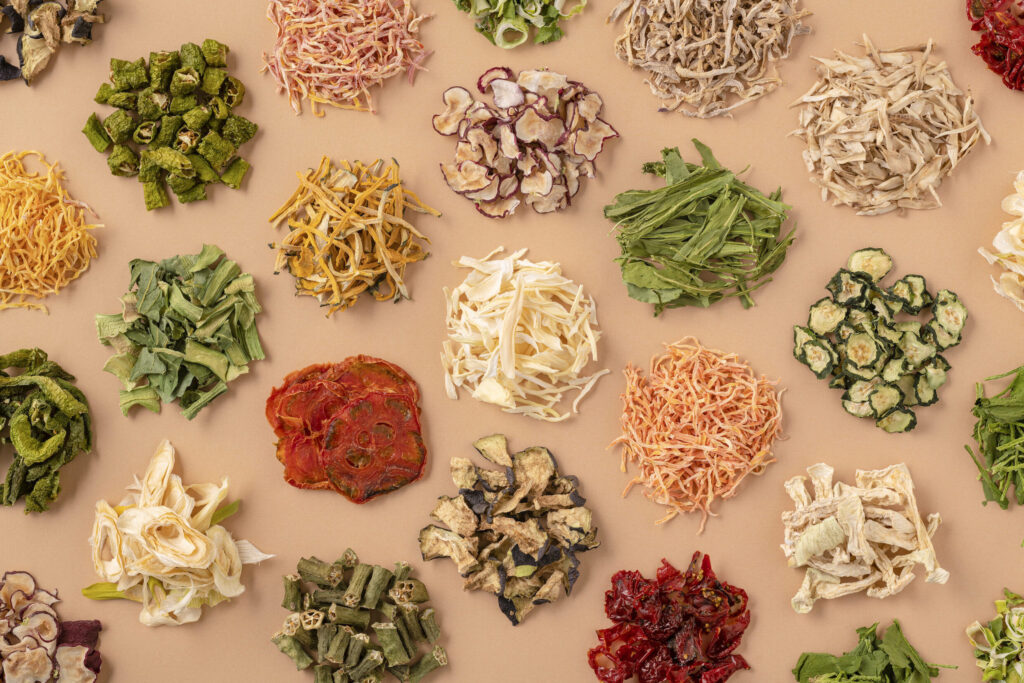
A product catalog that shows around 100 items we handle
Agriture, flexibly handling everything from small lots to large lots
- Available for purchase in small lots from 1 kg
- We handle heirloom vegetables from across Japan
- Dried fruit and herbs also supported
FAQ
Summary
七味の中身を決めた公的な基準はなく、老舗三軒が公開している素材でも重なるのは唐辛子と山椒だけです。柚子七味もその延長にあって、柚子が原材料名の一番目に来る商品もあれば、柚子が入った代わりに麻種が抜けている商品もあります。「柚子七味とはこういうもの」と一つに決められないところから始めたほうが、選ぶときも作るときも迷いません。
家で作るなら、小さじを単位にして合計8杯ぶんほどを作り、味噌汁で味見しながら唐辛子の量を決めてください。香りを立てたいときに増やすのは柚子と山椒、辛さは唐辛子。陳皮を入れるか抜くかで、同じ材料でも別の薬味になります。干す手間を省きたいなら、柚子の粉から始めれば混ぜる工程だけで済みます。
使うときは、加熱の途中ではなく器に取ってから。うどんと汁物はふた振り、揚げ物は塩の代わりに多めに、浅漬けは塩と一緒に揉んで十分置く。長く煮込む料理と炒め油には入れません。柚子胡椒とは形も塩の有無も違うので、下味に使うか仕上げに使うかで選び分けてください。
Download the product catalog
We will send the materials to your email address based on the information you provide.