What is eating vegetables first? Eating order and how to practice it

Summary of this article
Eating vegetables first ("vegetables first") offers five effects: suppressing sharp rises in blood sugar, increasing feelings of fullness, improving the gut environment, suppressing fat absorption, and naturally increasing vegetable intake. We explain how to eat 1 to 2 fist-sized portions of vegetables at every meal in the right order, and which vegetables are effective, such as broccoli, burdock root, and okra.
Many services offer trial sets and first-time discounts, so if a service catches your eye, trying it first is recommended. Actually using it and checking whether it fits your lifestyle is the surest method.
Eating vegetables first is said to offer several benefits, such as a greater sense of satisfaction after meals and a chance to rethink eating habits.
The effects of eating vegetables first (veggie-first) are five: curbing sharp blood-sugar spikes, increasing fullness, improving the gut environment, curbing fat absorption, and a natural increase in vegetable intake. Research at Osaka Prefecture University also found post-meal blood sugar came out 100–150 mg/dL lower. We explain how to eat a fist or two of vegetables in the right order at every meal, and effective vegetables such as broccoli, burdock, and okra.
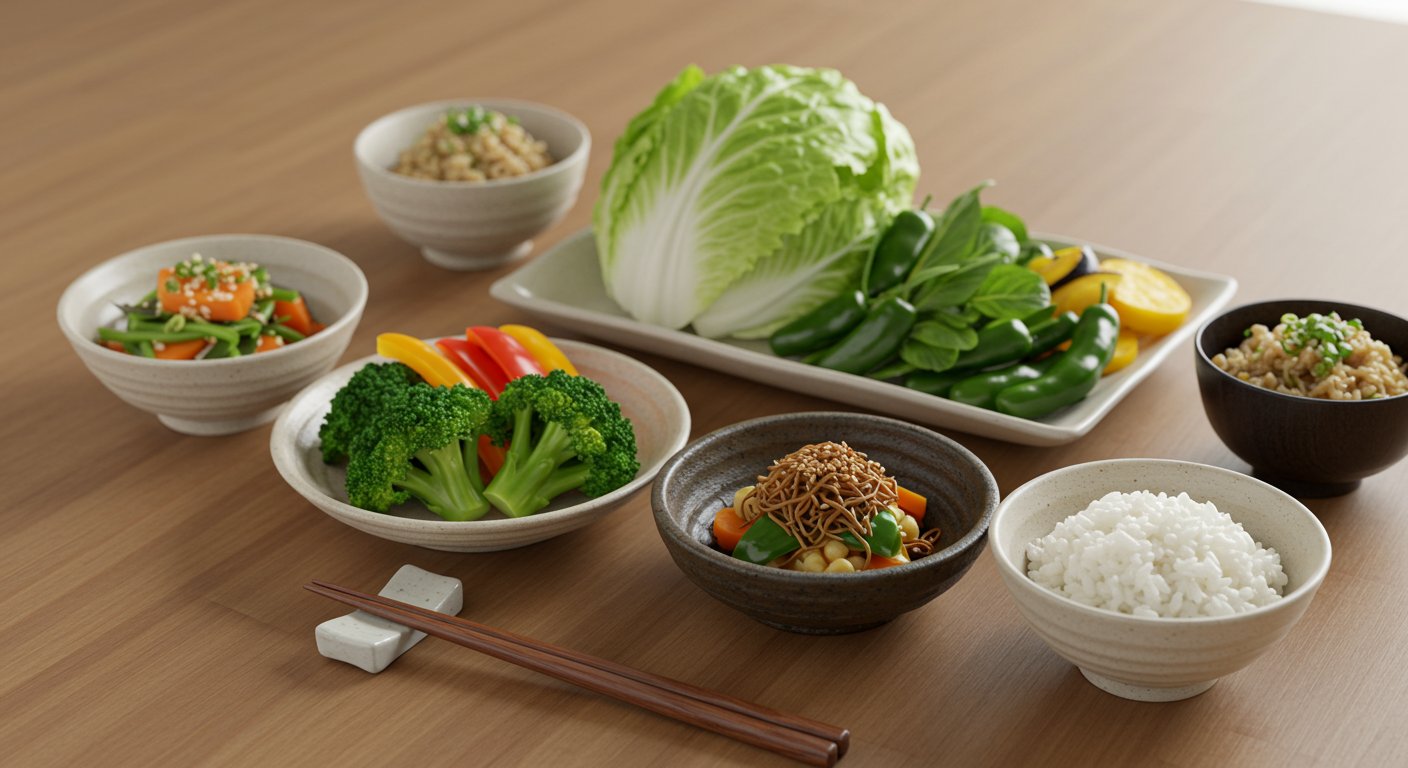
This article explains the key points of eating vegetables first and how to put it into practice effectively. We hope it offers tips for building healthy eating habits that even busy people can keep up without strain.
TOC
Key points of eating vegetables first
The daily vegetable intake recommended by the Ministry of Health, Labour and Welfare is 350 g, but the Japanese average intake stands at only about 280 g. Against a backdrop where many people can't get the vegetables they need, eating vegetables first is also drawing attention as an efficient way to get vegetables.
1. Easier to feel satisfied after meals
When you eat vegetables first, dietary fiber, especially soluble fiber, moves slowly through the digestive tract.
Starting a meal with vegetables also makes it easier to feel satisfied after eating.
Paying attention to eating order is gaining attention as a way to improve eating habits.
Blood sugar rises when you eat, but if that rise is sharp or blood sugar stays high for a long time, the inner walls of blood vessels are more easily damaged, raising the future risk of lifestyle-related diseases such as diabetes.
Research at Osaka Prefecture University
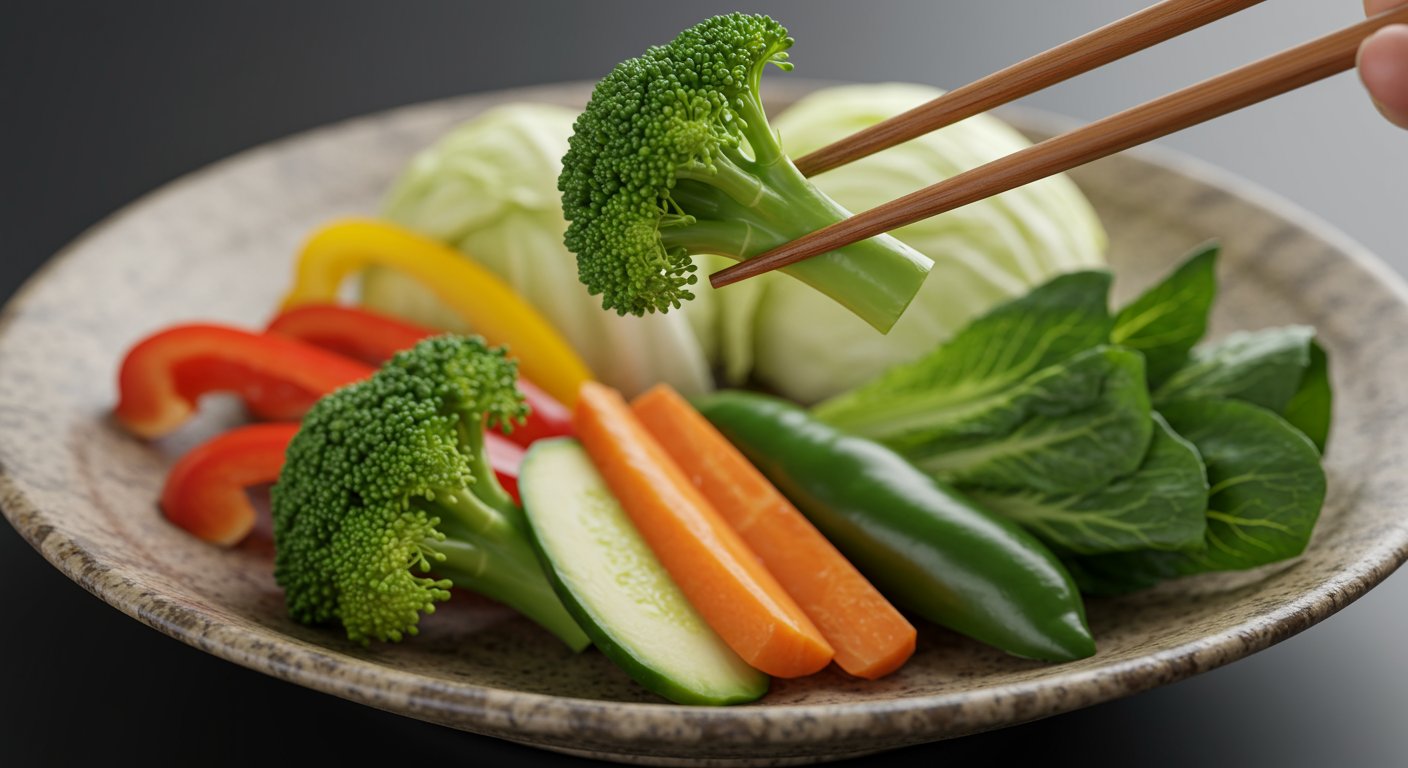
found that with the same meal, eating vegetables first made the post-meal blood-sugar rise 100–150 mg/dL lower. This is a highly important effect in preventing and managing diabetes.
2. Easier to feel full
Vegetables are rich in dietary fiber and can't be swallowed without chewing well. As your number of chews naturally increases, the brain's satiety center is stimulated and appetite is curbed. Since you feel satisfied even with a smaller amount of staple food, cutting back on rice for health or beauty feels less painful.
This isn't just a one-meal effect. Over the long term, it leads to reduced total calorie intake and helps with weight management too.
4. Getting plenty of dietary fiber
The dietary fiber in vegetables also contributes to a sense of satisfaction after meals. Eating fiber-rich vegetables first is a well-known approach.
Furthermore, since about 70% of the body's immune cells are in the gut, regulating the gut environment can be expected to support overall physical condition too. Building the habit of eating vegetables first at every meal naturally increases your daily dietary-fiber intake.
4. Curbs fat absorption
The dietary fiber in vegetables also works to slow fat absorption. For younger people in particular, eating fiber-rich vegetables first slows the absorption of fat along with carbohydrates. This curbs the sharp post-meal rise in triglycerides and supports building a body less prone to putting on fat.

5. A natural increase in vegetable intake
Simple as it is, building the habit of eating vegetables first naturally increases your vegetable intake. For people who don't usually eat many vegetables, it becomes a sure way to increase vegetable intake.
You can also expect an effect of preventing overeating of staple foods. Research too found that the group practicing veggie-first eating increased their vegetable intake and decreased their intake of rice and fruit compared with the group that didn't.
How to practice eating vegetables first effectively
Eating vegetables first is easy to start — just change the order in which you eat. But there are a few points for heightening the effect. The correct eating order
The most effective eating order is as follows. Vegetables first
: Eat fiber-rich vegetables, mushrooms, and seaweed Protein next
: Take in protein such as meat, fish, and soy products
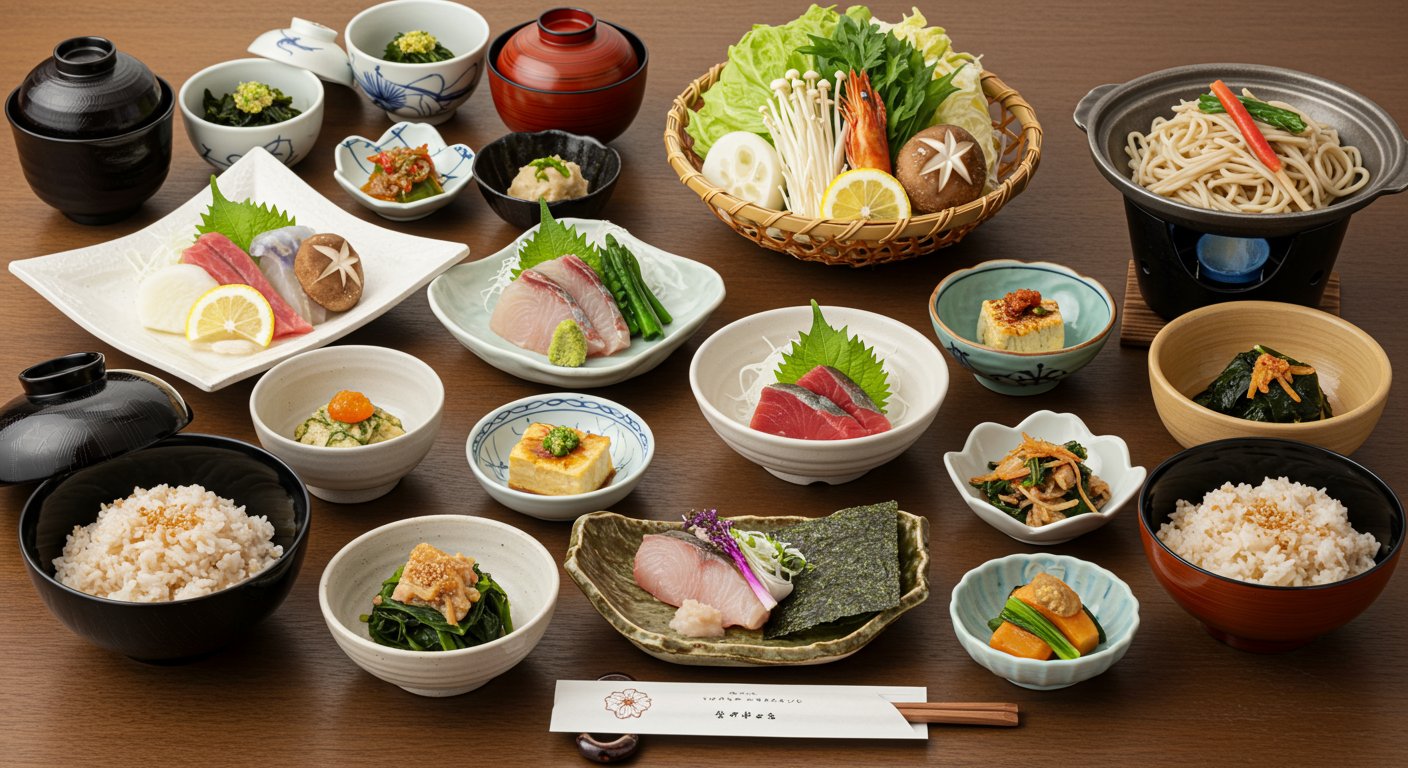
Carbohydrates last
: Eat carbohydrates like rice, bread, and noodles
Vegetables can be not only raw but also boiled or steamed, or heated by simmering or stir-frying. Eat seaweed and mushrooms first too, just like vegetables, chewing slowly and well.
However, not all vegetables are the same. Take care with vegetables relatively high in carbohydrates, such as potatoes, kabocha squash, and corn — even eaten first, they don't deliver as much effect as you'd expect.
Vegetables high in dietary fiber, such as broccoli, burdock, spinach and okra, are recommended.
Burdock (about 5.7 g of dietary fiber per 100 g) Spinach (about 2.8 g of dietary fiber per 100 g)
Okra (about 5.0 g of dietary fiber per 100 g)
Soluble fiber is also said to be highly effective at curbing blood-sugar rises. Actively working in seaweed (kombu, wakame) and mushrooms is a good idea too.
If you can't eat all this at once, working in dried vegetables is recommended too!
Cautions when practicing it
There are a few cautions when practicing eating vegetables first.
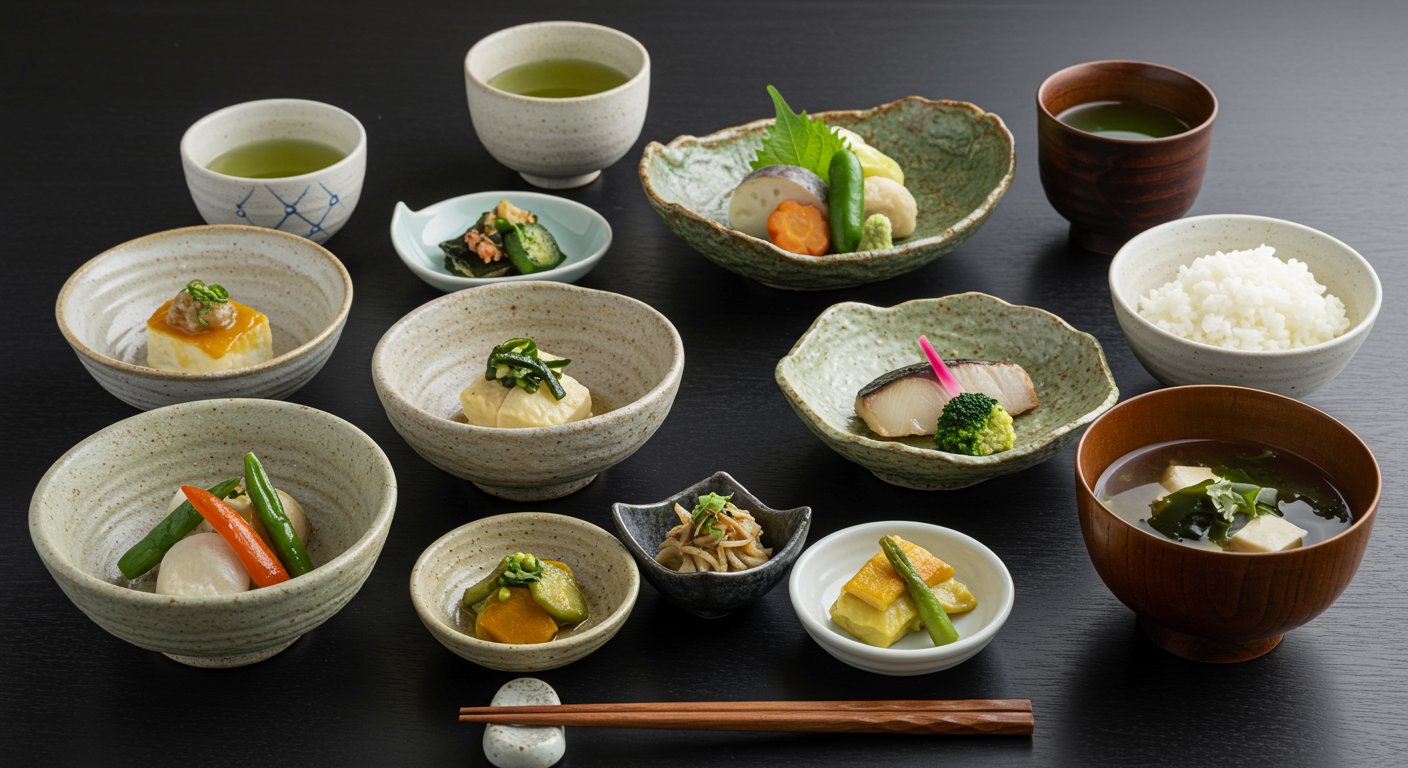
First, vegetable juice contains almost no dietary fiber, so the veggie-first effect can't be expected. Also, store-bought vegetable juice sometimes has added fructose or oligosaccharides.
Potato salad, kabocha salad, corn salad, and the like are also high in carbohydrates, so the effect is limited even eaten first.
Also, beyond being mindful of the eating order, eating slowly and chewing well is essential. There's research showing that eating fast makes you more prone to gaining weight. Aim for 30 chews per mouthful and chew thoroughly.
Tips for working eating vegetables first into daily life
Eating vegetables first is simple in theory, but keeping it up long-term takes a few tweaks. Here we introduce tips for working it into daily life without strain. There will be times when the ideal way of eating is hard, such as eating out or busy mornings. In those cases, the trick to lasting is not aiming for perfection but practicing it to the extent you can.
How to practice it at home
At home, be mindful of serving a vegetable side dish or salad first at meals. For Japanese meals, putting ohitashi, sunomono, or salad on the table first is recommended.
Also, packing miso soup with plenty of vegetables and eating just the ingredients first is effective. For simmered and stir-fried dishes too, be mindful of eating the vegetables first. On busy mornings, prepping — like cutting vegetables the day before — is handy. Using pre-cut vegetables is another option.
How to practice it when eating out or at the office
When eating out, be mindful of ordering a salad first, or eating the vegetables first once the main dish arrives.
The same goes for lunchtime at the office. If you bring a bento, packing the vegetable dishes on top and other order-conscious tweaks are a good idea.
Eating vegetables first is an easy method that only requires changing the order you eat. It is said to help in several ways, such as feeling full and building eating habits.
How about it? Eating vegetables first isn't difficult, is it?
Easier to feel satisfied after meals
Eating vegetables first — as simple as changing the eating order — is a way of eating from which you can expect many health benefits, such as curbing sharp blood-sugar spikes, increasing fullness, and improving the gut environment.
To sum up the effects, they are the following five:
Getting plenty of dietary fiber
Easier to feel full
Regulates the gut environment
Against the Ministry of Health, Labour and Welfare's recommended intake of 350g of vegetables per day, the average Japanese intake stays at about 280g. Make eating vegetables first a habit and naturally increase your vegetable intake. Why not try it with just one meal starting today?
Vegetable powder cost-performance comparison! 7 points on how to choose and use
Change the Start of Your Day! The Relationship Between Dried Vegetables and Dietary Fiber