
Sustainability– category –
-

切り干し大根の作り方と戻し方。干す日数と水に浸ける時間
Kiriboshi daikon (dried shredded radish) is essential to simmered dishes. In fact, you can make it easily at home simply by cutting and drying daikon. Homemade versions have a richer sweetness and no additives to worry about. Still, many people hesitate over problems like "it won't dry properly," "I'm worried about mold," or "I don't know how to rehydrate or store it." In this article, we explain... -
How to Make Dried Mandarin: Tips for Making It Whole with the Peel, Plus Storage and Recipes
Mandarins are plentiful in winter. If you have some left over that you can't finish, turning them into dried mandarin is a great option. Drying concentrates the sweetness, and if you make them whole with the peel, the cross-section is as beautiful as a flower, adding a lovely touch to tea or yogurt. They turn out plenty sweet even without added sugar... -
How to Use Shikuwasa: Making the Most of the Juice and Peel, Plus a Honey-Marinade Recipe
Shikuwasa is a citrus that represents Okinawa. With its sharp acidity, gently bitter peel, and refreshing aroma, it has many uses beyond simply squeezing it over food, extending to drinks, seasonings, and as an accent in cooking. That said, quite a few people find themselves unsure, wondering "the juice ends up left over" or "how do I use the peel?"... -
How to Make Dried Persimmon: Tips to Prevent Mold, How to Bring Out the White Bloom, and Storage
Dried persimmon is a seasonal tradition from autumn into winter. The way astringent persimmons are reborn sweet through sun and wind can be recreated at home. Still, failures like "mold appeared" or "it didn't turn out sweet" are common, and mastering a few tips is what separates success from failure. In this article, we cover dried persimmon... -
How to Eat and Choose Dried Mango: Using It with Yogurt and Storage Tips
Dried mango is popular for its rich sweetness and tropical aroma. It's delicious on its own, but knowing different ways to eat it—rehydrating it in yogurt or mixing it into sweets and drinks—greatly expands the enjoyment. On the other hand, some find it "too sweet" or "too hard," which comes down to choosing the right type... -
How to Make Dried Kiwi: Microwave, Oven, and Dehydrator Tips to Preserve Color and Tartness
Kiwi is prized for its vivid green and sweet-tart flavor. Drying it mellows the tartness and concentrates the sweetness, making a snack distinctly different from the fresh fruit. The tiny popping texture of the seeds remains too, making it a perfect accent for granola or yogurt. In this article, we cover... -
3 Ways to Make Dried Banana: Foolproof Microwave, Oven, and Dehydrator Tips
Bananas are too ripe to finish, or you want additive-free fruit for your child's snack—that's when dried banana comes in handy. The appeal of the homemade version is that you can concentrate the sweetness of ripe bananas as-is, without sugar or oil. Still, some run into issues like "it's sticky and not fully dried" or "it turned brown"... -
A Salad Vending Machine Where AI Sets the Price Appears at JR Kyobashi Station—KOMPEITO's "Office de Yasai" Implements Waste Reduction Inside the Station
KOMPEITO installed the salad vending machine "SALAD STAND," which changes prices with AI, at JR Kyobashi Station on May 13. It calculates the optimal price from foot traffic and expiration dates, implementing food-loss reduction inside the station. -
An IT Company Provides Off-Spec Vegetable Delivery Free to All Employees—One of the First 333 Companies Certified by MAFF as "Outstanding Food Education Practice Corporations"
System developer Nihon Knowledge Space was newly certified as a MAFF "Outstanding Food Education Practice Corporation 2026" for initiatives such as providing the off-spec vegetable delivery service "LossHeru" to all employees at company expense. It joined the list as one of the 333 companies in the first year. -
Tokushima's "Fully Ripe Sudachi" Becomes an Upcycled Beverage—The Rescue of Yellow-Ripened Discarded Citrus Becomes the Prefecture's 8th Case
Two upcycled beverages using fully ripe sudachi grown in Tokushima Prefecture were commercialized by Fuji and Mitsubishi Foods. As a rescue of citrus that wasn't shipped while green and was discarded after ripening yellow, it becomes the prefecture's 8th upcycling case. -
Cookies from the "Leaves" of Nijisseiki Pears—Tottori University Students Take 2 Years to Commercialize Them as a Measure Against Abandoned Farmland
"Yuri," a student group at Tottori University, spent two years commercializing cookies made from pear leaves. Focusing on abandoned pear orchards that no longer bear fruit, they make use of pesticide-free leaves—we introduce this initiative from Tottori, the home of pears. -
Non-standard vegetable snack “Blue blossom” exhibits at a welfare event—an angle of “not making welfare something special”
"Blue blossom," a snack brand upcycling off-spec vegetables grown in Hokkaido, exhibited at the welfare event WellFes 2026. We introduce its management philosophy of "not making welfare something special" and its efforts to reduce food loss. -
Seven Adopts Off-Spec Toyama-Grown Komatsuna—Reducing Food Loss with Onigiri Using Overgrown Vegetables
Seven-Eleven adopted Toyama-grown komatsuna, which tends to be discarded for overgrowing, in its "Red Salmon Barley-Rice Onigiri." We explain this food-loss-reduction effort, sold at about 340 Hokuriku stores from June 2, in partnership with JA Zen-Noh Toyama. -
KOMPEITO Turns Off-Spec Miura-Grown Watermelon into Konjac Jelly—A New Health-Cafeteria Menu Delivered to 25,000 Offices Nationwide
KOMPEITO teamed with JA Zen-Noh Kanagawa to process Miura-grown watermelon that can't reach the market due to blemishes or shape into konjac jelly. It began an effort to deliver it to over 25,000 offices nationwide via the placed-type health cafeteria "Office de Yasai." -
Assembling domestically grown yakuzen ingredients: the difference between familiar vegetables and imported crude drugs
When people hear "yakuzen ingredients," many may picture imported dried goods bought at a Chinese-ingredient store, such as jujube and goji berries. Yet many yakuzen ingredients can in fact be assembled from familiar domestically grown vegetables and dried goods. The image that "you cannot start without ordering something special" is... -
What's the Difference Between Yakuzen and Kampo? A Gentle Look at Food vs. Crude Drugs, Purpose, and Philosophy
Have you ever thought, "Yakuzen and Kampo seem similar, but where do they differ?" Because both are rooted in Eastern medicine, they're easily confused, yet they are distinct things with clearly different roles. On this page, we organize the difference between yakuzen and Kampo through the lens of "food" and "medicine"... -
What is yakuzen? Its meaning, the difference from kampo, and the basics of starting with familiar ingredients explained
Many people feel that "yakuzen seems good for you, but doesn't it require special ingredients or crude drugs?" In fact, yakuzen is a style of eating based on the ideas of Eastern medicine that you can start with everyday vegetables from the supermarket. On this page, we explain what yakuzen is... -
山椒はうなぎ以外に何に使う?年4回、姿を変えて出回ります
粉山椒の小瓶が、うなぎを食べたとき以外に開かれないまま台所にある。よくある話です。 先に結論を書きます。山椒は年に4回、違う姿で出回る作物です。春の木の芽、4月の花山椒、5月の実山椒、秋の完熟した実。それぞれ向く料理が違います。「山椒=うな... -
花椒とは?ホワジャオ・ホアジャオと山椒の違いを整理しました
麻婆豆腐のレシピに「花椒」と書いてあって、家にあるのは粉山椒。代用していいのか迷う。あるいは「ホアジャオ」「ホワジャオ」と表記がばらばらで、同じものを指しているのかどうかが分からない。 先に結論を書きます。山椒と花椒は、同じ属の別の植物で... -
Prepping and Removing Bitterness from Green Sansho: Boiling Time, Freezing, and Salt-Curing Tips
Fresh green sansho, which appears in early summer, is prized for its tingly numbness and refreshing aroma. But once you buy it, prepping comes first, and many people are unsure—"what do I do with the stems?", "how long do I boil it to remove the bitterness?", "how do I store it so it keeps for a year?" On this page, we cover prepping green sansho... -
山椒の種類は?実山椒・粉山椒・青山椒の違いを一覧で
Sansho is essential to eel, mapo tofu, and chirimen sansho. But even under the single name "sansho," it comes in various forms—green sansho, powdered sansho, and kinome—and people often wonder "what's the difference between green sansho and powdered sansho?" or "is it different from huajiao?" It's a spice that represents Japan, defined by its aroma and numbing tingle... -
What Is Ichimi Togarashi? The Difference from Shichimi, Ingredients, Uses, and How to Choose
Ichimi togarashi, sprinkled over udon and soups. When it comes time to choose, people often wonder "what's the difference between ichimi and shichimi?" and "which should I use?" They look and are used similarly, but there's a clear difference in their ingredients and roles. On this page, we cover what ichimi togarashi is... -
唐辛子の乾燥方法は?干し方の日数とカビを出さない保存のしかた
家庭菜園の唐辛子が真っ赤になって、ざるに広げて軒下に置いた。1週間ほどでカラカラになったので瓶に入れた。ひと月後にふたを開けたら、白い綿のようなものがついていた。これは珍しい話ではありません。 先に結論を書きます。天日に干しただけでは、乾... -
唐辛子と鷹の爪とししとうの違いを、国の作物区分から確かめた
スーパーの袋に「鷹の爪」と書いてあり、別の棚には「唐辛子」と書いてある。青果コーナーには「ししとう」と「青唐辛子」が隣り合って並び、東北の道の駅では同じものが「なんばん」と呼ばれている。名前が四つも五つもあって、どれが品種名でどれが総称... -
Kagome Completes "Orange Juice Without Oranges" After 40 Prototypes—New Brand KAGOME Beyond Goes on Sale Nationwide
Kagome released nationwide a 100% juice that reproduces the taste of orange without using orange juice, as the first product of its new brand "KAGOME Beyond." We explain the details of the alternative beverage completed over about 2 years and 40 prototypes, and the background of the global orange supply crisis. -
The Day Discarded Whey Met the Peach | The Challenge of Yamanashi's KEIPE and Kiyosato Milk
Yamanashi's KEIPE and the Kiyosato Milk Plant will release a new gelato "Noryo Jealousy," combining whey produced in cheese-making with off-spec fruit, on April 28, 2026. We summarize the background of the release and where to buy it. -
22 Companies Including Kagome Launch the "Vegetable-Shortage Solution Idea Contest 2026 for Those in Their 20s"—The Reality of 218g for Men and 210g for Women in Their 20s, Recruiting University-Born Solutions with 500,000 Yen in Total Prizes
22 companies led by Kagome launched an idea contest 2026 for students on March 2. Against intake of 218g for men and 210g for women in their 20s, it invites measures to close the gap to the 350g target. Realistic solutions such as keeping dried vegetables stocked in the office are also welcome. -
Vietnam's Agriculture, Forestry, and Fishery Exports Reach 16.69 Billion Dollars in Q1 2026—Sharp Price Drops in Coffee and Rice, but Fisheries Up 13% Provide Support
According to the Q1 (January–March) 2026 export statistics for agriculture, forestry, and fishery products announced by Vietnam's Ministry of Agriculture and Rural Development, total exports reached 16.69 billion US dollars (up 5.9% year-on-year). It was achieved amid the headwind of a sharp drop in international prices for staple crops such as coffee and rice, and the resilience of the fisheries sector in particular... -

How to Put Off-Spec Vegetables to Use in Business | Clearly Explained with Upcycling Cases
"This tomato can't be shipped—its calyx is a bit cracked." With harvested vegetables before them, such words are exchanged among production sites not infrequently. Vegetables that fall out of distribution based solely on "shape" or "size," even though the flavor, aroma, and the effort of growing them should be the same... -
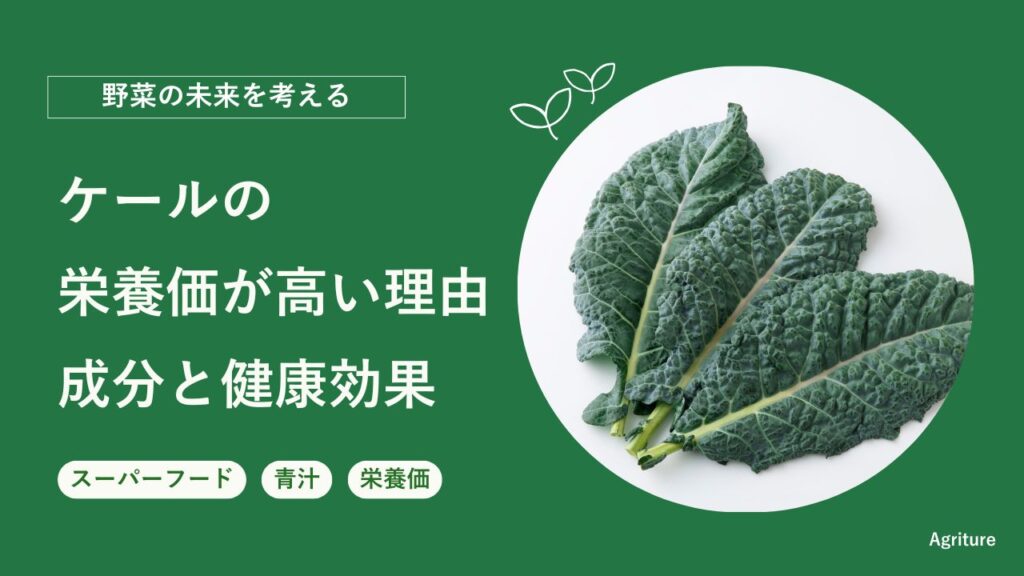
Why kale is so nutritious: its components and characteristics
Kale, known as an ingredient in aojiru green juice. This vegetable, in fact, is nicknamed the "king of vegetables" for its high nutritional value. A member of the Brassicaceae family alongside cabbage and broccoli, and positioned as the ancestor of these vegetables, kale is thought to originate along the Mediterranean coast in the region of Greece, and has been cultivated since before... -
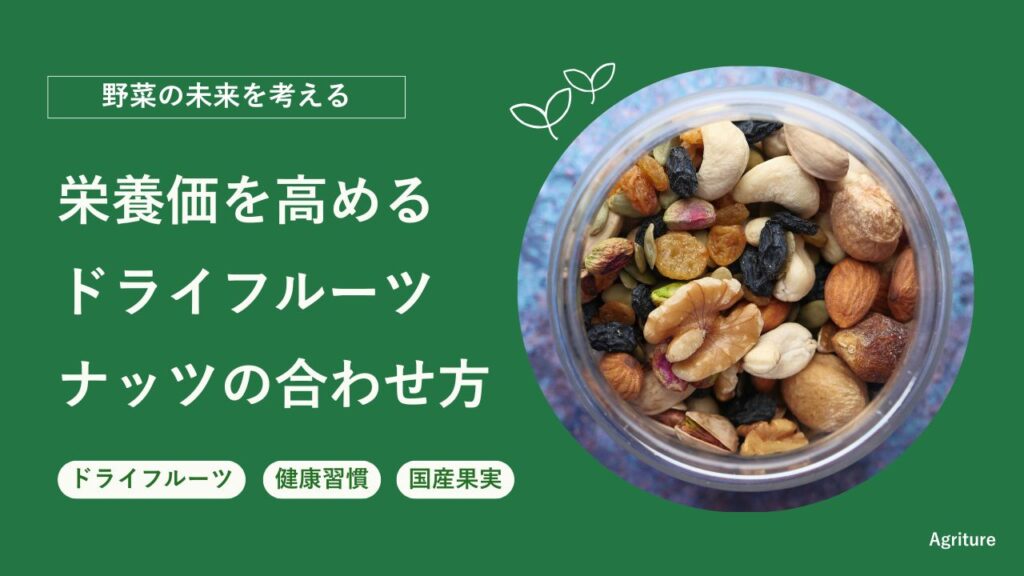
Dried fruit and nut combinations that go well together, and how to store them
Eating dried fruit and nuts together has become a popular snack and trail food. But if you mix your favorites yourself and store them, the nuts can go soft and lose their texture within a few days. The cause is moisture. The moisture left in the dried fruit... -
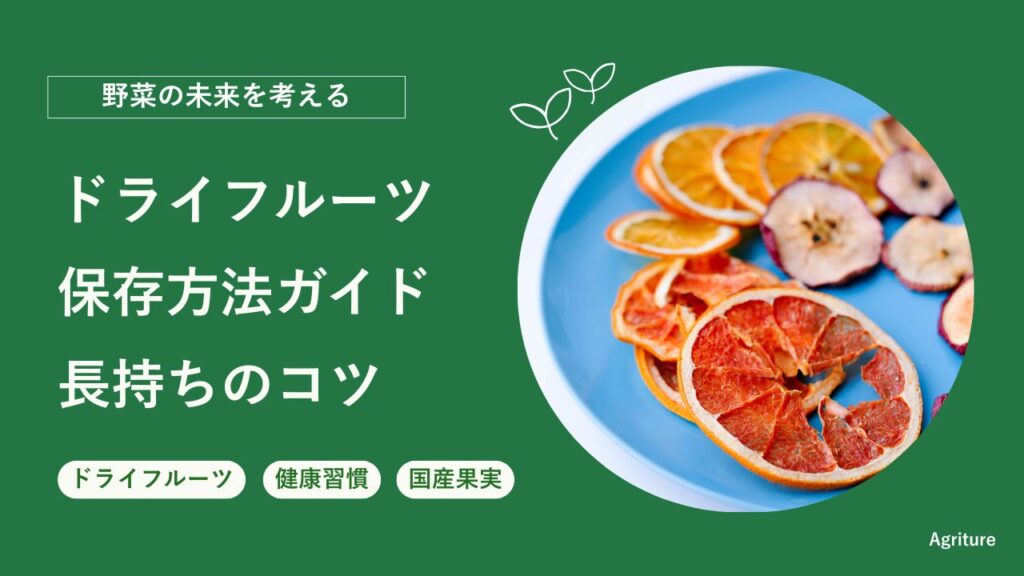
A Complete Guide to Storing Dried Fruit: 10 Tips to Make It Last
You finally bought some dried fruit, and before you knew it, mold had appeared. Have you had this experience? It's easy to assume dried fruit lasts a long time because it's dried, but in fact, storing it incorrectly can cause it to deteriorate far faster than expected. Especially sugar-free or additive-free domestic... -
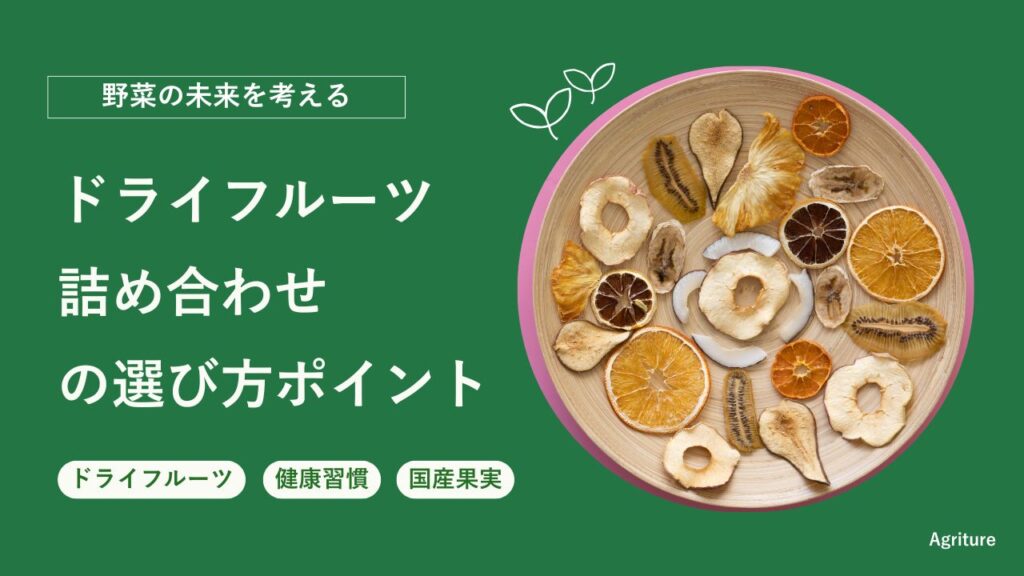
How to tell apart assorted dried fruit for gifts and corporate novelties
You can't judge what's in a dried fruit assortment from the package photo alone. Even among "6-variety sets," some contain costly fruits while others are bulked out with cheap items. The clues are on the back: the order of the ingredient list and the net weight... -
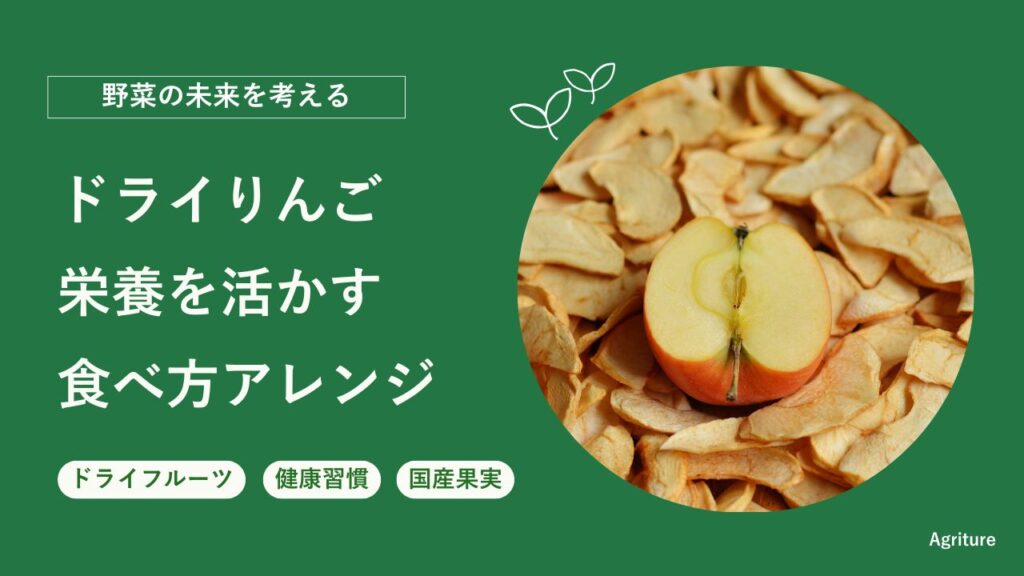
10 Ways to Enjoy Dried Apple: Variations That Make the Most of Its Nutrition
The Basic Way to Enjoy It—Eating It As-Is The simplest way to eat dried apple is to open the bag and snack on it as-is. The water has been removed and the sweetness concentrated, so you can enjoy a richer flavor than fresh apple. That said, even "as-is" varies by texture type and the timing of when you eat it... -
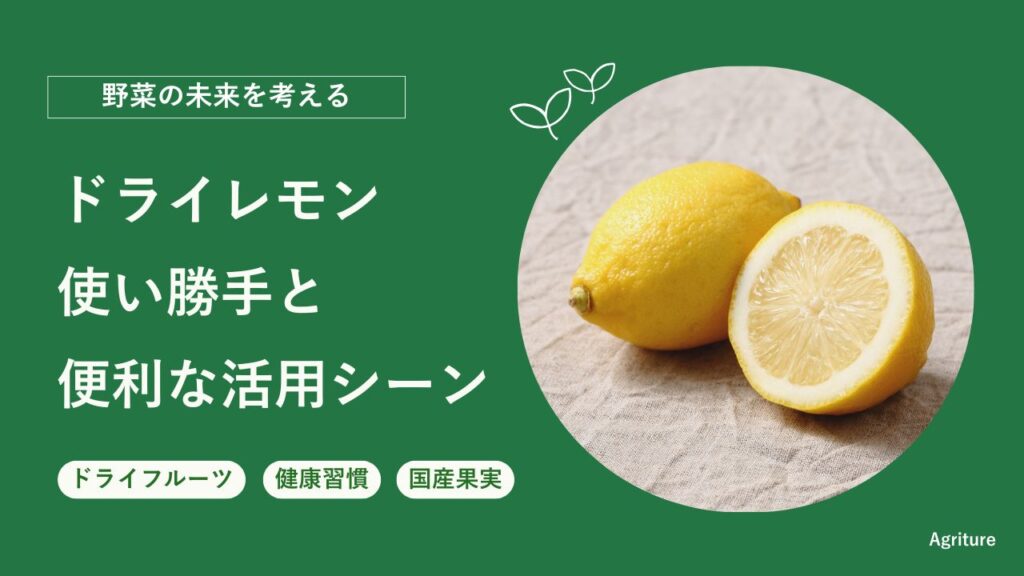
A Thorough Test of Dried Lemon's Usability! Handy Use Scenes and Storage Methods
Dried lemon is a processed food made by slicing and drying fresh lemons. Its biggest difference from fresh lemon is shelf life. Fresh lemon lasts about 2–3 weeks refrigerated at most, but dried lemon keeps about two weeks at room temperature and even longer if refrigerated or frozen. By driving off the moisture... -
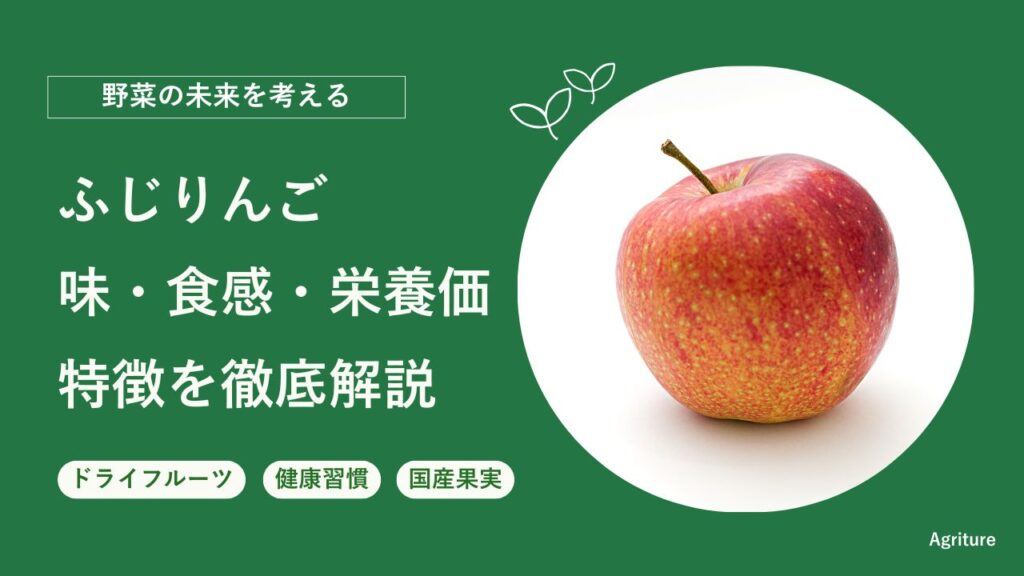
What are the features of Fuji apples? A thorough explanation of taste, texture, and nutritional value
"Fuji," seen year-round in the fruit aisle, is the most widely grown apple in Japan. With a balance of sweetness and acidity, a firm bite, and good keeping quality, it is used for everything from gifts to everyday snacks. That said, even one word, "Fuji,"... -
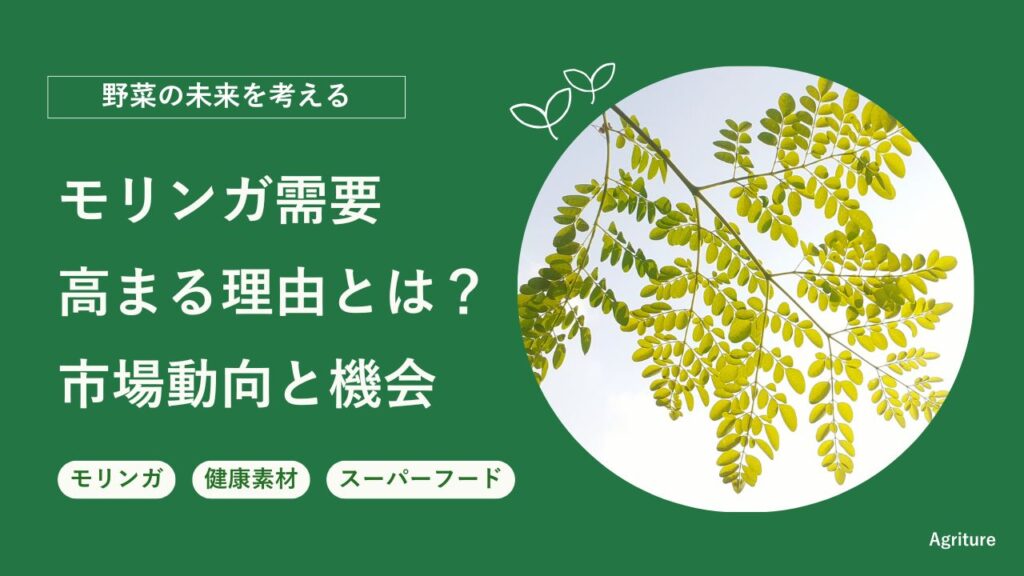
Why Moringa Demand Is Rising: Market Trends and Opportunities in Product Development
Alongside rising health consciousness, interest in superfoods is expanding worldwide. Among them, moringa—called a "nutrient-rich tree"—is drawing attention from both its high nutritional value and sustainability. Moringa is a plant native to northwestern India, containing vitamin A, vitamin... -
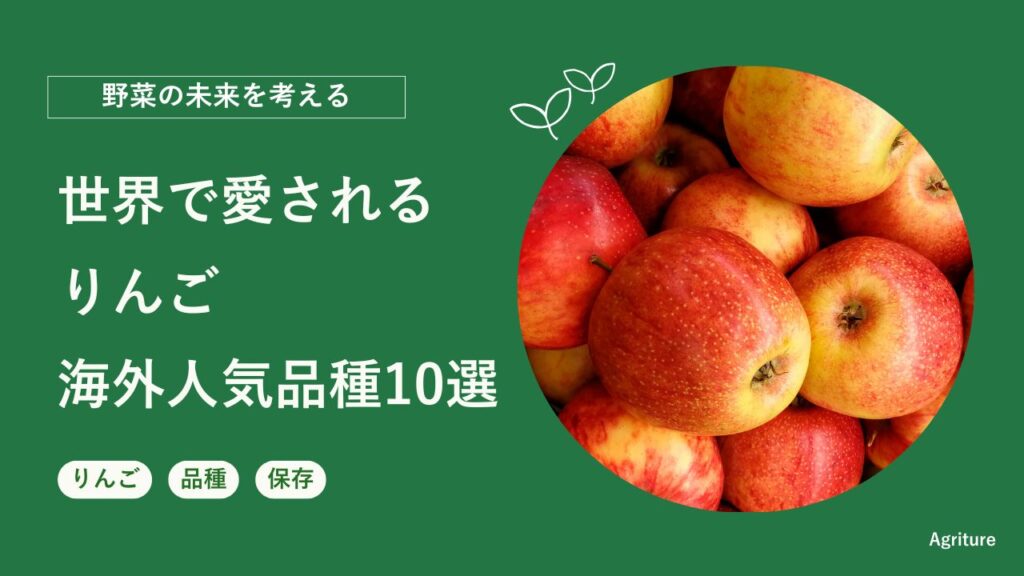
世界のりんごは半分が中国産、日本に入る輸入品は1万3千トンだけ
スーパーの果物売り場で「外国産りんご」の値札を見かけることは、日本ではめったにありません。輸入バナナは当たり前に並ぶのに、りんごだけは国産ばかり。理由は好みでも価格でもなく、植物検疫の制度にあります。 この記事は、世界のりんごの生産量を国... -
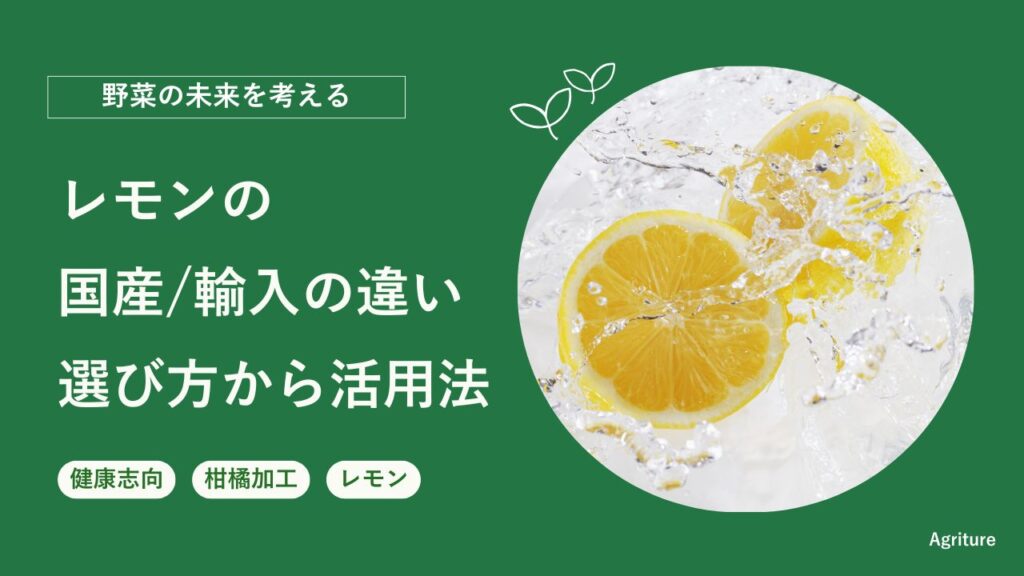
The Difference Between Domestic and Imported Lemons: A Thorough Explanation from How to Choose to Uses
When you pick up a lemon at the supermarket, have you ever been unsure? About 90% of the lemons on store shelves are imported. The remaining mere 10%—domestic lemons—come into season mainly from October to March. Hiroshima Prefecture accounts for about 50% of domestic production, with cultivation thriving on the mild climate of the Seto Inland... -
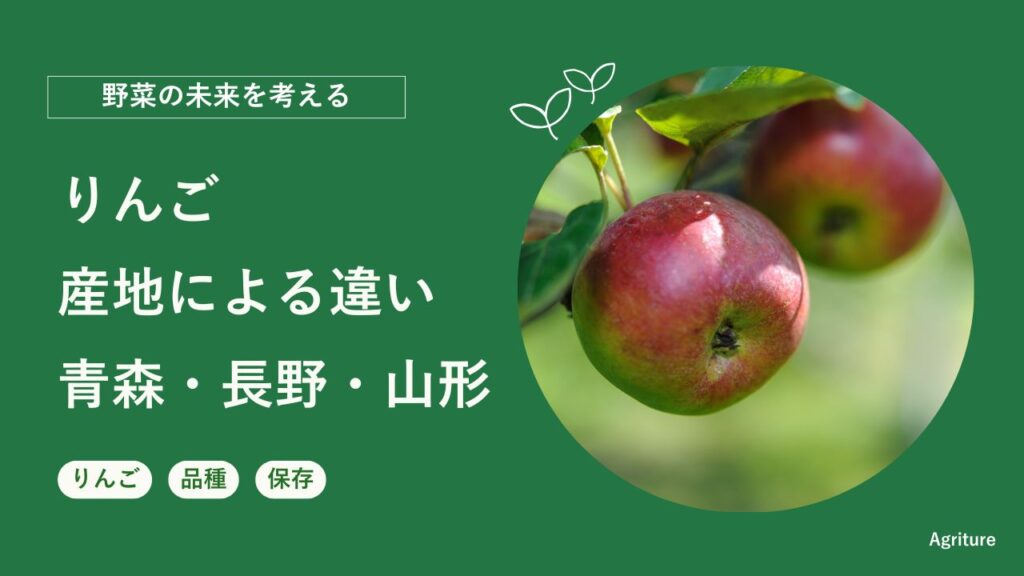
Differences among apple growing regions? Comparing Aomori, Nagano, and Yamagata
Even the same "Fuji" gives a different taste impression between Aomori-grown and Nagano-grown. Many who've compared origin labels at supermarkets or farm-direct stands have wondered why the price and texture differ. Apple flavor isn't decided by cultivar alone—the land's climate, altitude, and day-night temperature swing greatly... -
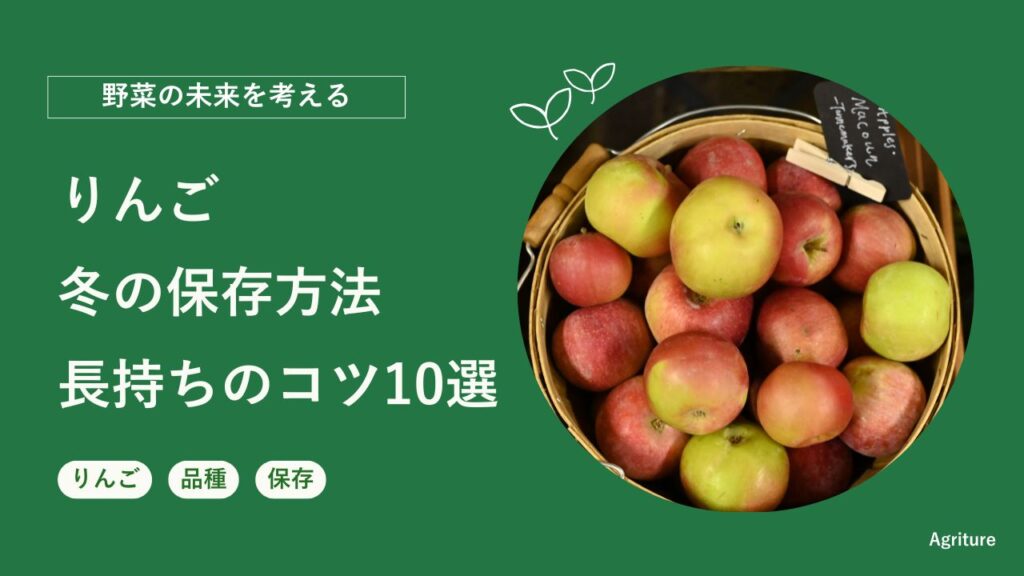
How to Store Apples in Winter: 10 Tips to Make Them Last
When you buy apples, the first thing you wonder is "should I store them at room temperature or refrigerated?" To get to the point, apples last longest in the fridge's vegetable compartment (0–5°C). In the cold air of autumn and winter, they last about a month at room temperature, 1–2 months refrigerated (vegetable compartment), and up to 3 months frozen... -
りんご1個は何グラム?ふじは350グラム、紅玉は240グラムです
レシピに「りんご1個」と書いてあって、はかりの前で止まった。あるいは通販で「Lサイズ」と書かれていて、それが何グラムなのか分からない。どちらもよくある場面です。 先に答えを書きます。りんご1個の重さは品種で決まっていて、240グラムから500グラ... -
A Thorough Guide to Drying Apples! 3 Steps and Tips You Can Do Easily at Home
Prep Before Drying Determines the Result. Drying apples is 70% decided by the prep before applying heat. Even with the same variety and the same dehydrator, skipping the cut thickness or the small step of preventing discoloration leaves you with a sticky or brown, cloudy result that differs in finish. First, the three prep points... -
A Thorough Comparison of Green Juice Ingredients: Characteristics and How to Choose Among Kale, Young Barley Grass, and Moringa
When choosing aojiru, do you judge only by words like "good for your health" on the package? In fact, the characteristics of aojiru vary greatly depending on the raw materials used. The main raw materials, kale, barley grass and moringa, each have their own nutritional profile and characteristics, and depending on your purpose... -
What are the challenges of apple farming? A thorough explanation of the current state and solutions
The big picture of the challenges apple farming now faces. Apples are a familiar sight at the table, but their cultivation sites face a stack of overlapping structural problems: a shrinking farming workforce, changing growing conditions, labor concentrated in the harvest season, and ever-rising costs. It's not any one cause alone, but several... -
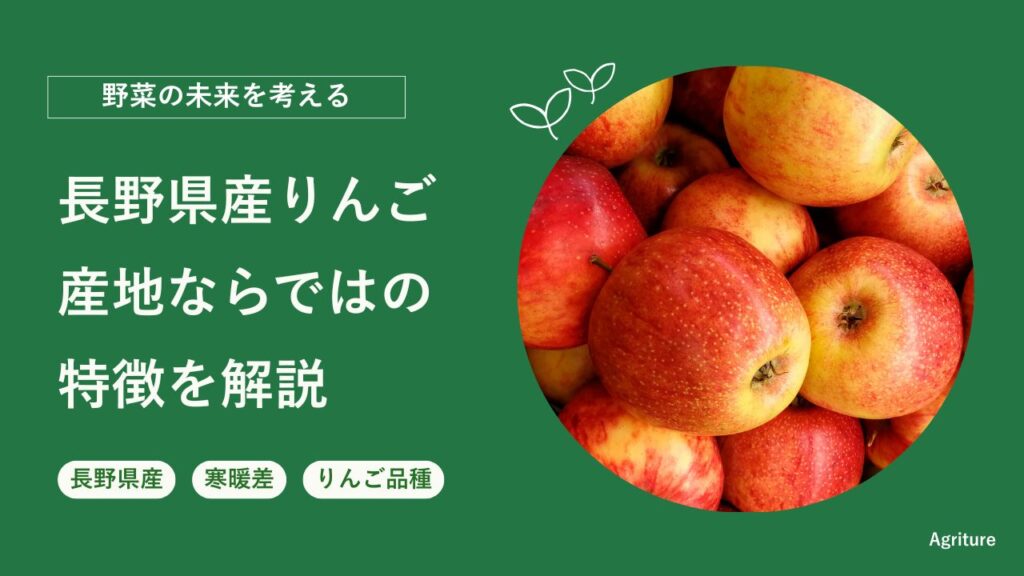
What are the characteristics of Nagano-grown apples? Explaining the appeal unique to the production area
Why Nagano Prefecture is suited to apple growing. Nagano is known as one of Japan's leading apple-producing areas alongside Aomori, and Shinshu-brand apples are highly rated in markets nationwide. Why is Nagano's land suited to apple-making? The answer lies in a terrain of connected inland basins and altitude... -
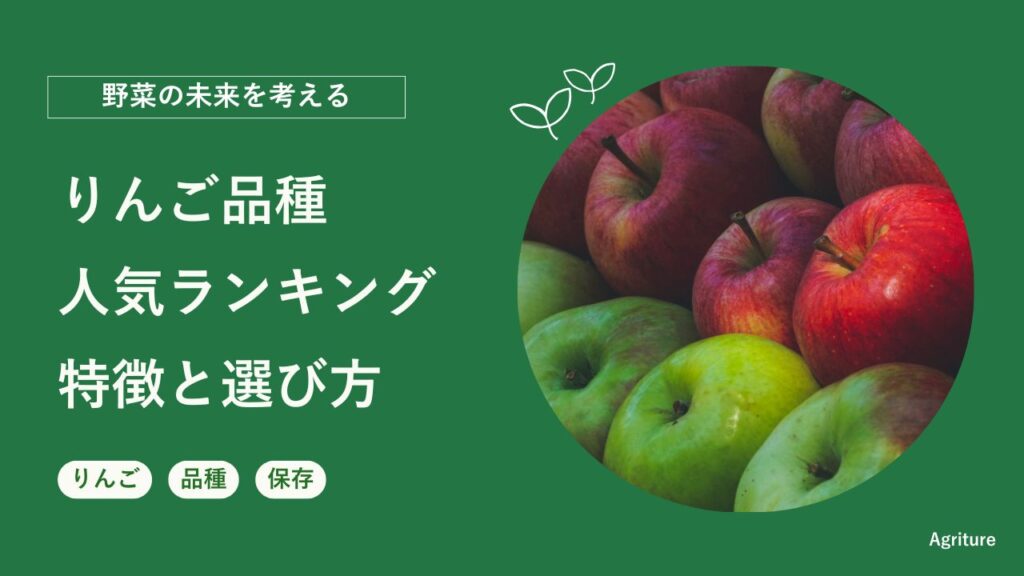
りんご品種ランキングを栽培面積で並べ直すと順位はこう変わる
スーパーの棚に「ふじ」「シナノゴールド」「王林」が並び、値札には品種名だけが書いてある。どれが甘いのか、どれが今いちばんおいしい時期なのかは、名前からは読み取れません。 りんごは、品種の出どころを公的な資料で最後まで追える数少ない果物です... -
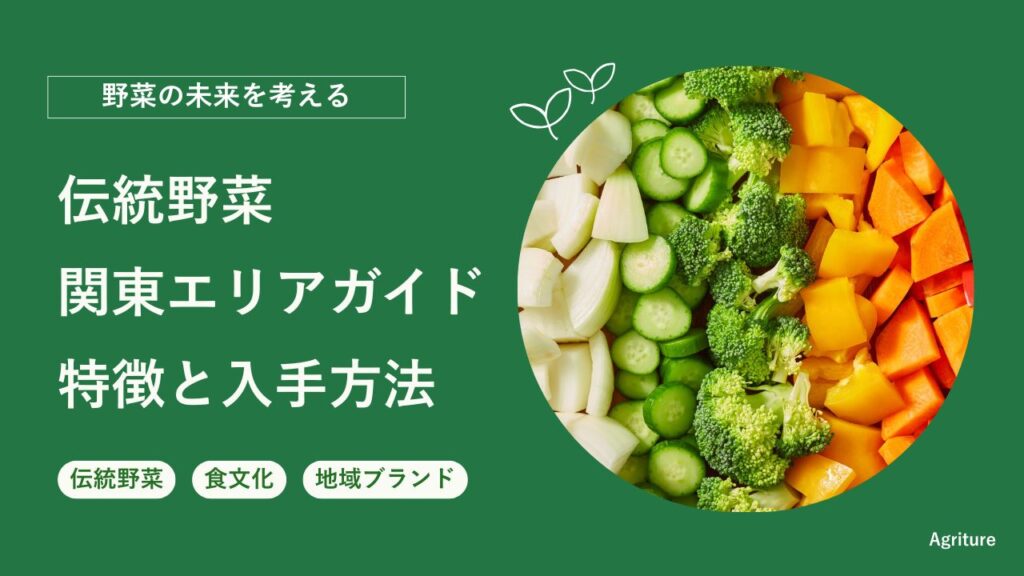
Heirloom vegetables of the Kanto area: complete guide! Features and how to obtain them explained
Have you ever felt that the vegetables lined up in supermarkets all look similar in shape? In fact, in the Kanto region there exist many “heirloom vegetables” handed down over many generations in that land. Miura daikon, norabo-na, Edo Tokyo vegetables, and more—each region’s climate and soil... -
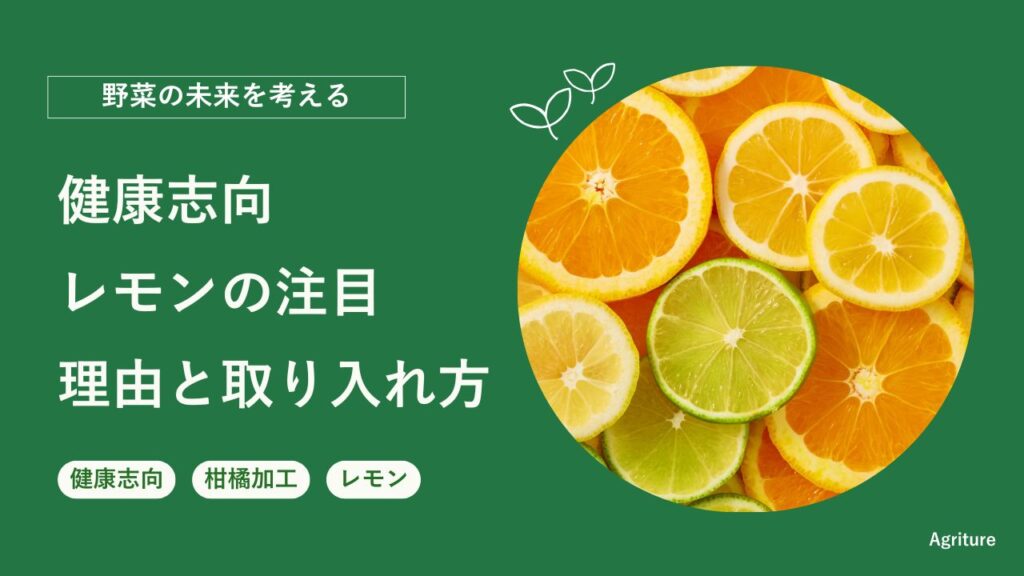
レモンの国産は年1万トンに届かない。皮まで使うなら何を見るか
はじめに、この記事で書けないことを先に書きます。 当社は栄養素の数値を記事に載せない方針をとっています。ビタミンが何ミリグラムといった値や、ほかの食品との倍率比較は書きません。健康上の効果についても、食品メーカーの立場で断定することはしま... -
What are the benefits of hot-air drying lemon? Explaining the difference from other drying methods
Lemon is a citrus fruit classified in the genus Citrus of the Rutaceae family. Its vivid yellow, distinctive acidity, and refreshing aroma make it beloved worldwide. Its place of origin is said to be northern India, and it came to Japan in the Meiji era. Now domestic lemon is grown in Hiroshima, Ehime, Wakayama, and other prefectures...