世界のりんごは半分が中国産、日本に入る輸入品は1万3千トンだけ

Summary of this article
世界のりんご生産量はFAOの2024年データで9,788万トン、中国が52.4%を占めます。日本は生鮮りんごをほとんど輸入しておらず、令和7年の実績は1万3,252トンで全量がニュージーランド産でした。検疫で条件付き解禁されている4産地の条件と、ピンクレディーやジャズが品種名ではなく商標であることを、一次資料で整理しています。
スーパーの果物売り場で「外国産りんご」の値札を見かけることは、日本ではめったにありません。輸入バナナは当たり前に並ぶのに、りんごだけは国産ばかり。理由は好みでも価格でもなく、植物検疫の制度にあります。
この記事は、世界のりんごの生産量を国連食糧農業機関(FAO)の統計データベースから取り出し、日本への輸入量を農林水産省植物防疫所の植物検疫統計で確認し、海外品種の育成国・育成年・交配親を各国の植物特許と国立の果樹コレクションの記録で突き合わせたものです。
途中で出てくる「ピンクレディー」「ジャズ」「エンビー」は、どれも品種名ではありません。商標であり、栽培と販売がライセンスで管理された品種です。国内の品種と栽培の広がりはりんごの品種ごとの特徴をまとめた記事で扱っているので、ここでは海外と輸入に絞ります。
TOC
世界のりんごは年間9,788万トン、その半分が中国から出ている
FAOの統計データベース(FAOSTAT)に収録されている2024年のりんご生産量は、世界計で9,788万76トンでした。収穫面積は468万5,316ヘクタール、1ヘクタール当たりの収量は20.89トン。生産量を報告している国・地域は94あります。
国別の生産量と世界シェア(2024年)
生産量の多い順に上位15か国を並べ、参考として日本を加えました。シェアは世界計に対する割合、単収は生産量を収穫面積で割った値です。
| Rank | 国 | Production volume (t) | 世界 シェア | 収穫面積 (ha) | 単収 (t/ha) |
|---|---|---|---|---|---|
| 1 | China | 51,286,350 | 52.4% | 2,089,744 | 24.5 |
| 2 | United States 合衆国 | 4,922,840 | 5.0% | 121,205 | 40.6 |
| 3 | トルコ | 4,420,185 | 4.5% | 165,319 | 26.7 |
| 4 | ポーランド | 3,384,500 | 3.5% | 148,000 | 22.9 |
| 5 | India | 2,625,899 | 2.7% | 304,130 | 8.6 |
| 6 | イタリア | 2,398,540 | 2.5% | 53,380 | 44.9 |
| 7 | イラン | 2,346,929 | 2.4% | 120,514 | 19.5 |
| 8 | ロシア | 2,014,406 | 2.1% | 189,893 | 10.6 |
| 9 | フランス | 1,964,030 | 2.0% | 52,760 | 37.2 |
| 10 | ウズベキ スタン | 1,482,332 | 1.5% | 123,847 | 12.0 |
| 11 | 南アフリカ | 1,327,545 | 1.4% | 31,099 | 42.7 |
| 12 | チリ | 1,299,064 | 1.3% | 24,994 | 52.0 |
| 13 | ウクライナ | 1,150,900 | 1.2% | 76,300 | 15.1 |
| 14 | Brazil | 997,470 | 1.0% | 33,054 | 30.2 |
| 15 | エジプト | 959,101 | 1.0% | 35,632 | 26.9 |
| 21 | Japan | 658,377 | 0.7% | 33,403 | 19.7 |
| - | 世界計 | 97,880,076 | 100% | 4,685,316 | 20.9 |
上位3か国で6割、上位10か国で8割に届く
中国・アメリカ・トルコの3か国で6,062万9,375トン、世界の61.9パーセントになります。ポーランドとインドを加えた上位5か国で68.1パーセント、ウズベキスタンまでの上位10か国で78.5パーセントです。
94の国・地域が生産を報告しているのに、8割が10か国に集まっている。りんごは冬に一定の低温が必要な果樹で、栽培できる緯度と標高の帯が限られます。熱帯のバナナや亜熱帯のかんきつとは産地の分布がまったく違う果実です。
30年で世界の生産量は2倍、増えた分の多くは中国
同じFAOのデータで1994年の世界のりんご生産量は4,646万8,250トンでした。2024年の9,788万76トンはその2.1倍です。中国のシェアは2014年時点で48.0パーセント、生産量は4,092万4,707トン。10年で1,036万トン積み増して52.4パーセントまで来ています。
1ヘクタールから取れる量は国によって6倍違う
表を横に読むと、面積と生産量が比例していないことがわかります。チリは収穫面積2万4,994ヘクタールで129万9,064トン、1ヘクタール当たり52.0トン。インドは30万4,130ヘクタールで262万5,899トン、8.6トンです。面積はインドが12倍広いのに生産量は2倍にしかなりません。
単収が40トンを超えるのはチリ、イタリア、南アフリカ、アメリカ合衆国で、いずれも輸出前提に矮化台木と密植、灌水設備を組み合わせた園地が主体の国です。日本は作物統計調査で令和6年産の10アール当たり収量が1,810キログラム、1ヘクタール当たり18.1トンと、世界平均の20.9トンを下回ります。産地ごとの栽培の違いは青森・長野・山形のりんご産地を比べた記事for more.
日本は世界21位、そしてりんごをほとんど輸入しない国
FAOのデータで日本は21位、生産量65万8,377トン、世界シェア0.7パーセントでした。ただしこの数値はFAOの推計値で、日本自身の統計とは食い違っています。
令和7年産の国内収穫量は57万7,400トン
農林水産省の作物統計調査によると、令和7年産のりんごは栽培面積3万3,700ヘクタール、結果樹面積3万2,500ヘクタール、10アール当たり収量1,780キログラム、収穫量57万7,400トン、出荷量52万9,700トンでした。前年産に比べて収穫量は3万1,800トン、5パーセントの減少です。
前年の令和6年産は収穫量60万9,200トン。都道府県別では青森県37万500トン、長野県10万6,400トン、岩手県3万6,700トン、山形県3万2,700トンの順です。栽培面積は前年産より1,300ヘクタール減っており、園地が縮む局面で収量が気象で振れています。
FAOの日本の数字と国内統計は5万トンずれる
FAOの2024年の日本の値65万8,377トンには、推計値を示すフラグ「I」がついています。一方、作物統計調査による令和6年産の収穫量は60万9,200トン。差は4万9,177トン、約8パーセントです。
2023年はFAOの値が60万4,000トンでフラグは公式値の「A」、作物統計調査の令和5年産も60万4,000トンで一致します。国内の公表が間に合った年は一致し、間に合わない年はFAOが推計で埋める。世界の順位比較にはFAO、日本の生産量には作物統計調査という使い分けが必要です。
輸入生鮮果実173万トンのうちりんごは1パーセントに届かない
農林水産省「果樹をめぐる情勢」(令和8年8月)によると、令和7年の生鮮果実の輸入量は173万トン、加工品は74万トンでした。生鮮の内訳はバナナ61パーセント、パイナップル10パーセント、キウイフルーツ7パーセント、オレンジ5パーセント、アボカド3パーセント、レモン2パーセントで、この6品目で約9割を占めます。
りんごは残る「その他生鮮品」12パーセントの中です。後述する令和7年の生鮮りんご輸入検査量1万3,252トンは、生鮮果実輸入量173万トンの0.77パーセントにあたります。同じ資料では令和5年推計で国内の果実需要のうち国産が37パーセント、輸入が63パーセント。果実全体では輸入が多いのに、りんごだけは国産で埋まっています。
生鮮りんごの輸入が認められているのは4つの産地だけ
りんごの輸入自由化は昭和46年(1971年)に行われました。関税の面では50年以上前に開いています。それでも生鮮りんごが入ってこないのは、植物防疫法の輸入禁止規定が別に働いているからです。
止めているのは火傷病とコドリンガ
植物防疫法施行規則(昭和25年農林省令第73号)の別表2には、日本に侵入させてはならない検疫有害動植物と、その寄主植物、対象地域が並びます。りんごの輸入を止めているのは、この別表2の第16項です。
第16項の有害植物は Erwinia amylovora、和名で火傷病菌。寄主植物として「りんご属植物」の生植物が挙げられ、括弧の中に「種子を除き、生果実、花及び花粉を含む」と明記されています。対象地域は大韓民国、中華人民共和国、アメリカ合衆国、カナダ、フランス、ニュージーランドなど50を超える国・地域。りんごの主要生産国がほぼそのまま並びます。
もうひとつが Cydia pomonella、コドリンガです。日本に分布していない蛾で、幼虫が果実の内部に食い入るため外から見て発見しにくい。この2つが、りんごを「輸入時の検査では見つけられない病害虫の寄主植物」に位置づけています。
条件付きで解禁されている4つの産地と、その根拠
別表2には「付表」という例外リストがあり、輸出国側で完全な殺虫殺菌技術が確立されたと日本との間で技術的に確認された場合に、農林水産大臣が基準を定めて輸入を解禁します。りんごの生果実については付表第24・第25・第31・第34の4件だけです。
| Growing region | 規則上の 根拠 | 実施細則の 通達日 | Audience Variety | 主な検疫条件 |
|---|---|---|---|---|
| ニュー ジーランド | 別表2 付表第24 | 平成5年 6月1日 | 限定 None | 指定されたくん蒸施設 または低温処理施設で 消毒。低温処理施設は 部屋ごとに±0.6度で 所定温度を保持 |
| United States 合衆国 | 別表2 付表第25 | 平成6年 8月22日 | 限定 None | 施設はワシントン州・ オレゴン州・カリフォ ルニア州内に限る。 低温処理または臭化 メチルくん蒸 |
| フランス | 別表2 付表第31 | 平成9年 9月10日 | ゴールデン デリシャス 種のみ | 火傷病の非発生地域と して指定された地区で 生産。保護地域外では 幅500m以上の緩衝 地区が必要 |
| オーストラ リア(タス マニアのみ) | 別表2 付表第34 | 平成10年 12月25日 | ふじ種 only | 指定されたくん蒸施設 で臭化メチルくん蒸。 こん包場所はくん蒸 施設に接続した専用 |
フランスはゴールデンデリシャス種、タスマニアはふじ種に限られます。品種名まで指定された輸入枠が制度として存在している点は、りんごの特殊さをよく示しています。
アメリカ産は果実の芯を2.2度以下で55日間保つ
アメリカ合衆国産りんご生果実の実施細則を開くと、消毒の条件が細かく書かれています。低温処理の場合、まず予備冷蔵で積荷の4か所以上の果実中心部を摂氏2.2度以下まで下げ、そこから55日間連続して2.2度以下を保つこと。自動温度記録装置は4時間ごとに摂氏0.1度単位で記録でき、較正後2か月以上は摂氏プラスマイナス0.1度の精度を保つことが求められます。
くん蒸施設は、内容積1立方メートル当たり臭化メチル10グラムで空くん蒸を行い、48時間後のガス濃度の平均が投薬直後の70パーセント以上であることを確認する気密性の検査を通ります。こん包に通気孔を設ける場合は、孔の直径1.6ミリメートル以下の網を張ります。
こん包場所は、ワシントン州とオレゴン州では11月1日から3月31日まで、カリフォルニア州では10月11日から2月末日までを除き、開口部に同じ網を張る必要があります。55日という数字も1.6ミリメートルという数字も、コドリンガ1種を通さないために引かれた線です。
FOR BUSINESS
乾燥りんごを、原料としてお探しですか
国産のりんごを乾燥・粉砕してお出ししています。カット形状や粒度の指定、継続してのお取引もご相談ください。規格は 乾燥りんご に掲載しています。
少量でのご購入は、姉妹ブランドの通販サイト OYAOYA で承っています。
2025年に日本へ入った生鮮りんごは1万3,252トン、全量ニュージーランド産
制度が4産地に開いていることと、実際にどれだけ入ってきたかは別の話です。農林水産省植物防疫所の植物検疫統計は、輸入植物の検査実績を品目別・生産国別に公表しています。令和7年(2025年)の統計で、生鮮のりんご属に載っている生産国は1つだけでした。
検疫統計に載るのはニュージーランド産だけ
「輸入植物等品目別・国別検査表 生果実」から、生鮮のりんご属の検査実績を3年分並べます。
| Year | 生産国 | Testing 件数 | 検査数量 (kg) | トン 換算 |
|---|---|---|---|---|
| 令和5年 (2023) | ニュー ジーランド | 238 | 4,648,739 | 4,649 |
| 令和5年 (2023) | Others | 3 | 11,089 | 11 |
| 令和6年 (2024) | ニュー ジーランド | 371 | 8,041,008 | 8,041 |
| 令和6年 (2024) | Others | 1 | 2,880 | 3 |
| 令和7年 (2025) | ニュー ジーランド | 588 | 13,252,487 | 13,252 |
| 令和7年 (2025) | 小計 | 588 | 13,252,487 | 13,252 |
令和7年は「その他」の行がなく、小計がニュージーランドの数字とそのまま一致します。アメリカ合衆国、フランス、タスマニアからの生鮮りんごは、この年の統計に計上されていません。制度上は4産地から入れられるのに、実務では1か国に収れんしているということです。
3年で3倍近くに増えている
令和5年の4,660トンから令和7年の1万3,252トンへ、2年で2.8倍です。件数も241件から588件に増えました。令和7年産の国内収穫量57万7,400トンに対して2.3パーセント。国内生産が令和5年産から3万トン近く減った期間に、輸入が8,600トン増えた形です。
同じ統計の消毒欄は0件、廃棄欄は1件5,712キログラムでした。
凍結したりんごは中国から入っている
同じ検査表の「凍結・その他の食用生果実」には、凍結リンゴ属という行があります。令和7年は中国から73件・41万6,781キログラム、令和6年は59件・38万5,744キログラム、令和5年は33件・24万9,966キログラムでした。
生鮮のりんごは火傷病とコドリンガで止まりますが、凍結すれば検疫上の扱いが変わります。りんごの「輸入」を考えるとき、生鮮と加工向けはまったく別の経路だと押さえておく必要があります。国産の原料をどう乾燥させるかはりんごの乾燥方法を手順から解説した記事for more.
海外品種の育成国・育成年・交配親を一次資料で並べ直す
ガラ、グラニースミス、ブレイバーン、ジャズ、ピンクレディー、エンビー、ハニークリスプ。どれも日本語の記事でよく名前が挙がりますが、育成年や交配親は出典なしで書かれていることが多い。アメリカの植物特許の明細書、イギリスのナショナル・フルーツ・コレクションの系統記録、農研機構の育成品種紹介を1件ずつ開いて突き合わせました。
主要12品種の素性一覧
商標欄の「あり」は、品種名とは別の商標で売られていることを示します。交配親の「不明」は、記録上片親までしかたどれていないという意味です。
| Variety name (商標名) | 育成国 | 育成・ 登録年 | 交配親 | 商標 |
|---|---|---|---|---|
| Fuji | Japan (青森県 藤崎町) | 1962年 農林認定 | 国光× デリシャス | None |
| Gala | ニュー ジーランド | 米国特許 3,637号 1974年 | キッズ オレンジ× ゴールデン デリシャス | None |
| ロイヤル Gala | ニュー ジーランド | 米国特許 4,121号 1977年 | ガラの 枝変わり | None |
| デリシャス (レッド デリシャス) | Additional certification アイオワ州 | 1880年 ごろ発見 1895年 導入 | イエロー ベル フラワーと 推定 | None |
| ゴールデン デリシャス | 米国ウェスト バージニア州 | 1890年 発見 1914年 導入 | グライムス ゴールデン ×不明 | None |
| グラニー スミス | オーストラ リア (ニューサウス ウェールズ州) | 1868年に 結実を 確認 | フレンチ クラブ ×不明 | None |
| ブレイ バーン | ニュー ジーランド | 1952年 商業栽培 開始 | レディー ハミルトン ×不明 | None |
| コックス Orange ピピン | United Kingdom (バッキンガム シャー州) | 1825年 ごろ育成 1850年 ごろ導入 | 記録 None | None |
| ハニー クリスプ | Additional certification ミネソタ大学 | 米国特許 7,197号 1990年 | キープ セイク× MN1627 (2017年 に判明) | Yes |
| クリップス ピンク (ピンク レディー) | オーストラ リア (西オーストラ リア州) | 米国特許 7,880号 1992年 | レディー ウィリアムズ ×ゴールデン デリシャス | Yes |
| シフレッシュ (ジャズ) | ニュー ジーランド | 米国特許 13,888号 2003 | ブレイ バーン× ロイヤル Gala | Yes |
| シラテ (エンビー) | ニュー ジーランド | 米国特許 20,477号 2009年 | ロイヤル ガラ× ブレイ バーン | Yes |
2本の偶発実生が、いまの売り場を血縁でつないでいる
表を眺めると、ゴールデンデリシャスの名前が交配親の欄にくり返し出てきます。ガラの父親、クリップスピンクの片親。ナショナル・フルーツ・コレクションの記録では、ゴールデンデリシャスは「むつ」「ジョナゴールド」「つがる」など日本の品種の親にも入っています。
デリシャスのほうは「ふじ」の父親です。日本の「国光」との交配でふじが生まれたことは農研機構の記録に明記され、ナショナル・フルーツ・コレクションのデリシャスの記録にもふじが子の一覧に載っています。1890年にウェストバージニアで見つかった1本と、1880年ごろにアイオワで見つかった1本。この2本が世界のりんご売り場のかなりの部分をつないでいます。
偶発実生から生まれた品種と、計画交配から生まれた品種
育成年を古い順に並べると、性格が変わる境目があります。コックスオレンジピピン(1825年ごろ)、グラニースミス(1868年)、デリシャス(1880年ごろ)、ゴールデンデリシャス(1890年)、ブレイバーン(1952年)。ここまではすべて、誰かが偶然見つけた1本の樹が起点です。交配親が「×不明」で止まるのはそのためで、書き手が調べ足りないのではなく記録として存在しません。
一方、ふじ、ガラ、クリップスピンク、シフレッシュとシラテは、公的な研究機関が目的をもって交配した結果です。グラニースミスの記録には「レディーウィリアムズの母」と書かれています。偶然見つかった青りんごの子が、計画交配でピンクレディーの親になった。2つの時代は系譜でつながっています。
ハニークリスプの交配親は特許の記載が間違っていた
米国植物特許7,197号(1990年3月20日登録)の権利者はミネソタ大学理事会です。明細書には、1962年にミネソタ大学園芸研究センターの53番ブロックに植えた実生で、交配番号AB 603、マッコーンとハニーゴールドの交配から生じたと書かれています。1974年9月に選抜され、MN 1711という選抜番号で試験されました。
ところが2017年にHorticulture Research誌に掲載された査読論文が、この記録を検証しました。SNPマーカーによる連鎖地図とハプロタイプ解析の結果、片親は「キープセイク」、もう一方はミネソタ大学の未発表選抜「MN1627」だと結論づけています。同論文はMN1627の親が「ダッチェスオブオルデンバーグ」と「ゴールデンデリシャス」であることも示しました。
播種から結実まで数年、選抜園には何千本もの実生が並ぶ。1962年播種、1974年選抜、1990年特許登録という時間軸では、ラベルの付け替えや台帳の転記が挟まる余地が十分あります。交配親を断定している記事は、その根拠が特許なのかDNA解析なのか伝承なのかを見分ける必要があります。
ピンクレディーやジャズは品種名ではなく商標
ここが日本の品種といちばん違う部分です。ピンクレディー、ジャズ、エンビーはいずれも商標で、対応する品種名は別にあります。そして商標のうしろには、栽培と販売をライセンスで管理する仕組みが組まれています。
クリップスピンクという品種の一部にピンクレディーの名がつく
農林水産省が平成20年度の農林水産貿易円滑化推進事業としてまとめた輸出戦略調査報告書(平成21年3月、ピンクレディー編)は、この構造を日本語で正面から説明した資料です。報告書は「ピンクレディーは商標名で、基本的にはクリップスピンクというりんご品種のうち、国際的な統一品質基準を上回るものに、その商標名を付ける」と書いています。
同じ樹から採れた果実でも、基準を下回ればピンクレディーとしては売れません。権利の持ち主も分かれています。同報告書によれば、各国での育成者権は西オーストラリア州農業省(DAFWA)が、商標権は豪州のGrowers協会を母体とする「りんご・なしオーストラリア(APAL)」が管理しています。
クラブ制は生産量と価格をグループで管理する仕組み
同じ報告書は、この方式を「クラブ制」と呼んでいます。生産者と流通業者、苗木生産者でグループを作り、そのグループ内で生産と流通を統制する。得られた利益の一部をプールして市場でのマーケティングやブランド防衛に充てる、という構造です。
効果は価格に出ます。報告書は、ピンクレディーが欧州で「平均的なりんご品種よりも約30〜50パーセント価格の高いプレミアムブランドを形成している」と記し、欧州での生産と流通、価格は欧州ピンクレディー協会が統制しているとも書いています。ただしこれは2009年3月時点の調査です。数字や体制はその後変わっている可能性があるので、当時の記述として読む必要があります。
ロイヤリティは育成者権と商標権の二本立て
報告書は徴収の内訳も示しています。ピンクレディーシステムでは育成者権に係るロイヤリティと商標権に係るロイヤリティの両方を集め、欧州市場の商標権ロイヤリティは1トンあたり約9千円という水準が挙げられています。育成者権のロイヤリティ収入はすべてDAFWAに還流し、新品種の開発や育成者権の保護、新規の品種登録に使われます。
商標権のロイヤリティ収入は2007/08年度の推計で英国を除く欧州市場で約9億円。うち14パーセントがAPALに還元され、残りは現地のマスターライセンシーがプールして運営費とプロモーション、商標権の保護に充てるとされています。報告書は課題も並べます。開発当時に豪州国内で品種登録と商標登録をしなかったため枝変わりの所有権を失ったこと、南半球の生産統制が緩いこと、中国で契約のない生産が増えていること。
ジャズとエンビーは同じ1985年の交配から生まれた兄弟
日本語の記事では、ジャズを「ガラとブレイバーンの交配」、エンビーを「ブレイバーンとガラの交配」と別々に説明しているものが目立ちます。米国植物特許の明細書を2本並べると、この2品種の関係がはっきりします。
同じ年、同じ場所、同じ組み合わせの交配から選ばれた
米国植物特許13,888号(2003年6月17日登録)の対象は「シフレッシュ」です。明細書には、ブレイバーンとロイヤルガラの交配から得た実生群から選抜したもので、交配は1985年にニュージーランド・ホークスベイのヘイブロックノースの樹で行われたと書かれています。発明者はアラン・G・ホワイト、出願人はニュージーランドの園芸・食品研究機関です。
米国植物特許20,477号(2009年11月10日登録)の対象は「シラテ」。こちらはロイヤルガラを母、ブレイバーンを父とする交配から選抜し、交配は1985年にヘイブロックノースの土地の樹で行われたと明記されています。発明者も同じアラン・G・ホワイトです。
シラテの明細書は近縁品種として「シフレッシュ(米国植物特許13,888号)」を挙げ、そこから区別されることを述べています。別の品種として登録されていますが、同じ1985年の交配から出た姉妹選抜です。
8,000粒の種子から211本、そこから1品種
両品種の独占的なグローバルライセンスを持つT&G Globalは、2025年11月19日の発表で開発の規模を公表しています。ロイヤルガラとブレイバーンの交配から8,000粒を超える種子が得られ、そのうち約7,000本を植え付け、211本が次の選抜園に進み、そこからシラテが選ばれたという内容です。
同じ発表では、開発に20年以上かかったこと、シフレッシュを2004年にJAZZ、シラテを2008年にENVYとして発売したことが述べられています。1985年の交配から市場投入までを逆算すると、ジャズが19年、エンビーが23年です。権利者側の発表なのでそのまま統計として扱うのは適当ではありませんが、交配年と交配親は特許明細書と一致しています。
日本の品種との違いは売る権利まで囲い込むところ
先ほどの農林水産省の報告書は、ピンクレディーに続くクラブ制品種としてカンジ、キク、ハニークランチ、カメオ、テンテーションを挙げ、最も成功したのがニュージーランドの生産者団体ENZAが持つ「ジャズ」だとしています。ジャズの特徴として挙げるのは、APALより影響力の強い立場を使って統制の強い仕組みを作ったこと、南半球への生産許諾を慎重に行い自国からの出荷で足りない分だけを他国で補えるようにしたことの2点です。
ふじには商標がありません。1962年に農林認定品種「りんご農林1号」として登録された品種で、苗木を手に入れれば誰でも栽培でき、誰でも「ふじ」の名で売れます。だから世界に広がりましたが、広がっても育成側にロイヤリティは戻りません。品種を公共財として開放するか、権利で囲って値段を保つか。海外の新しい品種はほぼ後者を選んでいます。
日本生まれのふじは、海外でどれだけ作られているのか
「ふじは世界でいちばん作られているりんご」という説明はよく見かけますが、世界全体の品種別生産量を集計した公的統計は見つかりません。ここでは確認できた範囲だけを書きます。
中国のりんご生産の7割超がふじ系
米国農務省海外農業局(USDA FAS)が2024年11月6日に公表した中国の落葉果樹年次報告(報告番号CH2024-0139)は、10月下旬に収穫される晩生のふじ系品種が中国のりんご生産を支配しており、国全体の生産量の70パーセント超を占めると記しています。残る30パーセントの大半が、7月から9月に収穫されるガラなどの早生・中生品種です。
この報告とFAOの2024年の中国のシェア52.4パーセントを重ねると、世界のりんごの3分の1以上がふじ系という試算になります。異なる2つの資料を掛け合わせた概算なので統計値としては扱えませんが、日本生まれの品種が世界最大の産地の主力になっているという輪郭はここでつかめます。同報告は中国市場に出回る輸入りんごとして、コズミッククリスプ、エンビー、ガラ、ロキットなどを挙げています。
EUのふじは28万トン、品種別で9番目の規模
欧州については、世界りんご・なし協会(WAPA)が毎年8月に公表するEUの品種別生産見通し(プログノスフルート)があります。2026年8月6日にドイツ・コンスタンツで示された最新版から主な品種を抜き出しました。
| Variety | 2025年 確定 (千t) | 2026/27年 予想 (千t) | 前年比 |
|---|---|---|---|
| ゴールデン デリシャス | 2,035 | 1,810 | -11.1% |
| Gala | 1,496 | 1,363 | -8.9% |
| レッド デリシャス | 524 | 497 | -5.3% |
| アイダ レッド | 517 | 416 | -19.7% |
| グラニー スミス | 360 | 345 | -4.1% |
| クリップス ピンク | 369 | 343 | -7.2% |
| エルスター | 371 | 304 | -18.2% |
| Fuji | 280 | 282 | +0.6% |
| ジョナ ゴールド | 335 | 243 | -27.4% |
| ブレイ バーン | 182 | 153 | -15.9% |
| コックス | 15 | 12 | -18.9% |
| その他の 新品種 | 634 | 694 | +9.4% |
| EU合計 | 11,254 | 9,496 | -15.6% |
ふじは2026/27年予想で28万2千トン、EUの品種別で9番目です。全体が前年比15.6パーセント減と見込まれるなかで、ふじは0.6パーセントの微増と数少ない増加側にいます。目を引くのはクリップスピンクの34万3千トンで、ピンクレディーの品種がふじより多くEUで作られています。「その他の新品種」だけが9.4パーセント増えており、クラブ制で売られる品種に置き換わる流れが数字に出ています。
タスマニアから日本へ入れられるのはふじ種だけ
制度の側にも、ふじが世界に広がった痕跡が残っています。オーストラリアのタスマニア産りんご生果実の植物検疫実施細則(平成10年12月25日通達)は、対象を「別表2の付表第34のオーストラリアのタスマニア産のふじ種りんご生果実」と書いています。日本が自国で生んだ品種について、南半球の産地から逆に輸入する枠を開いたということです。
国内でのふじの位置づけも数字で確認できます。農林水産省の作物統計調査(令和5年産)では、りんご計60万4,000トンのうちふじが30万7,000トンで50.8パーセント。つがる6万5,800トン、王林4万4,600トン、ジョナゴールド3万7,000トンと続きます。農研機構の育成品種紹介は、盛岡での観察としてふじの糖度を14〜16パーセント、冷蔵での貯蔵性を5か月以上としています。ふじそのものの特性はふじりんごの特徴を整理した記事for a summary.
日本のりんごは、逆に外へどう出ているのか
輸入がほとんどない一方で、日本は生鮮りんごを輸出しています。入ってこないのに出ていく、という非対称も検疫の制度でできています。
令和7年の輸出額144億円、台湾と香港で約9割
農林水産省「果樹をめぐる情勢」(令和8年8月)によると、令和7年の果実の輸出額は262億円で、そのうちりんごが144億円、全体の約6割を占めます。輸出先は台湾152億円、香港82億円で、この2か所で果実全体の約9割です。
同資料は令和7年の輸出額が前年の333億円から減った理由を3つ挙げます。最需要期の春節が2月17日と前年の1月29日より後ろにずれて輸出のピークが翌年に移ったこと、雪害で収穫量が減ったこと、高温で果実全体が小玉傾向になり贈答用の確保が難しかったこと。春節の日付で輸出額が動くという記述は、日本産りんごが日常の果物ではなく贈答の枠で扱われていることを示しています。
インド向けは2022年3月に解禁された
輸出先を増やすには相手国との植物検疫協議が必要です。同資料が挙げる直近の動向のうちりんごに関わるのは、インド向けりんごの輸出解禁(2022年3月)です。植物防疫所の資料には、日本からの輸出について二国間協議で検疫条件が定められている品目の一覧もあり、りんごでは台湾、インド、タイ、米国、カナダ、オーストラリア、ニュージーランド、ベトナムが挙がっています。
同資料によれば、りんごを含む6品目が輸出重点品目に選ばれ、令和7年12月時点でりんごは4産地が「フラッグシップ輸出産地」に認定されています。残留農薬基準値を設定するためのインポートトレランス申請は平成27年度以降で59件、うち台湾向けが51件。1件の解禁に何年もかかる交渉で枠が開いていくのは、日本への輸入枠が4産地しかないのと同じです。
店頭で「外国産」と書かれたりんごの正体
ここまでの数字を踏まえると、買う側の見方も変わります。表示の読み方を3点だけ整理します。
生鮮の外国産はほぼニュージーランド産と考えていい
令和7年の植物検疫統計で生鮮りんごの輸入検査がついたのはニュージーランド産だけでした。令和5年と令和6年には「その他」の行がわずかに立っていますが、量は1万1,089キログラムと2,880キログラムです。
制度上ありうるのは、ニュージーランド、アメリカ合衆国の3州、フランスのゴールデンデリシャス、タスマニアのふじの4通りだけ。それ以外の国名が原産国表示に書かれていることは考えにくいところです。
商標名で売られている品種は表示が品種名と一致しない
ジャズ、エンビー、ピンクレディーとして売られているりんごの品種名は、それぞれシフレッシュ、シラテ、クリップスピンクです。値札の呼び名と品種の名前がずれているので、品種で検索しても情報が出てこないことがあります。
味の傾向を調べたいときは、商標名ではなく品種名か交配親で調べると当たります。ジャズとエンビーが同じ交配から出た兄弟だと分かれば、食感が近い理由にも見通しが立ちます。
加工品では別の国から入ってきている
生鮮と加工は経路が別です。令和7年の検疫統計では、凍結したりんご属が中国から41万6,781キログラム入っています。生鮮では1キログラムも計上されていない国です。
りんごを原料として使う立場から見ると、この違いは調達先の選択肢そのものです。弊社は国産のりんごを温風で乾燥させ、必要に応じて100メッシュ相当まで粉砕した原料を扱っています。乾燥品の賞味期限は出荷日から6か月程度で、10グラム以上の小袋充填にも対応します。規格は乾燥りんごの製品ページに掲載しています。生のりんごの日持ちについてはりんごの保存方法を品種別にまとめた記事.
FOR BUSINESS
乾燥りんごを、原料としてお探しですか
国産のりんごを乾燥・粉砕してお出ししています。カット形状や粒度の指定、継続してのお取引もご相談ください。規格は 乾燥りんご に掲載しています。
少量でのご購入は、姉妹ブランドの通販サイト OYAOYA で承っています。
FAQ
Summary
世界のりんごは2024年に9,788万76トン、その52.4パーセントが中国から出ています。上位10か国で78.5パーセント。日本はFAOの推計で21位、国内の作物統計調査では令和7年産57万7,400トンです。
日本へ入る生鮮りんごは、植物防疫法施行規則の別表2で火傷病菌の寄主植物として輸入禁止になっており、付表で条件付き解禁されているのはニュージーランド、アメリカ合衆国の3州、フランスのゴールデンデリシャス種、タスマニアのふじ種の4通りだけ。令和7年に実際に検査を通ったのは1万3,252トン、全量ニュージーランド産でした。国内収穫量の2.3パーセント、生鮮果実輸入量173万トンの0.77パーセントにあたります。
品種の側では、ピンクレディー、ジャズ、エンビーが商標で、品種名はクリップスピンク、シフレッシュ、シラテ。栽培と販売はライセンスで管理され、育成者権と商標権の二本立てでロイヤリティが徴収されます。ジャズとエンビーは1985年の同じ交配から生まれた兄弟です。
ふじは中国のりんご生産の7割超を占め、EUでも28万2千トンで品種別9位。商標を持たないまま世界へ広がった品種です。次に外国産のりんごを手に取るときは、原産国と品種名の2つを見てください。そこに検疫の制度と、品種の権利の設計がそのまま表れています。
Honey-cored Shinshu apple, domestic dried apple
Sugar-free, a crunchy new texture—dried fruit of honey-cored "leaf-unremoved Shinshu apple"
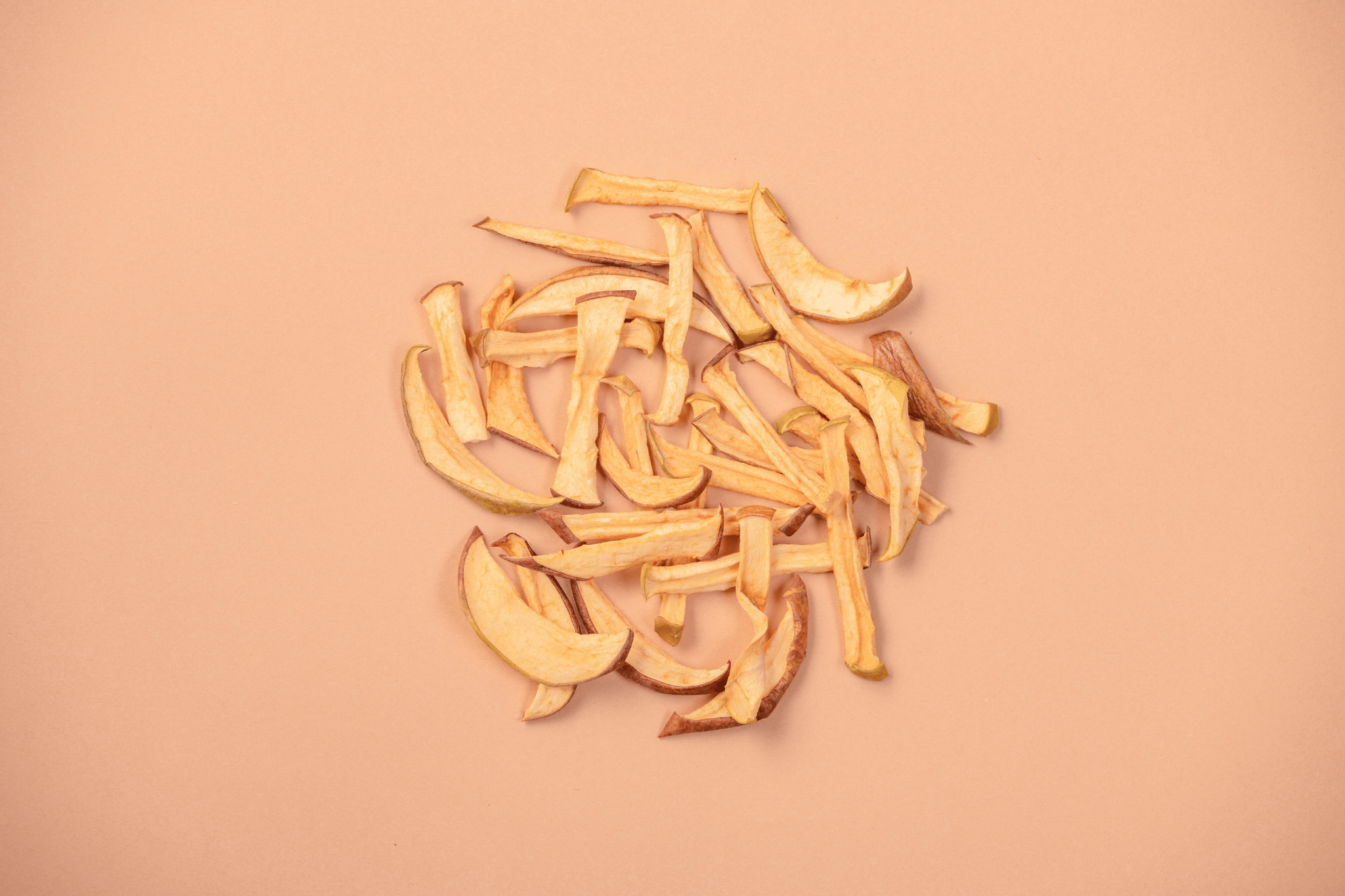
- Made with honey-cored "leaf-unremoved Shinshu apple"
- Sugar-free, dense natural sweetness
- Available in two forms, stick and dice
- How to Choose Genuine Fair Trade Products: 5 Criteria and How to Tell
- Differences among apple growing regions? Comparing Aomori, Nagano, and Yamagata