
What is huajiao? We have sorted out the difference between huajiao, hojiao, and sansho

Summary of this article
We went back to official primary sources to sort out the difference between huajiao (花椒 / howajao) and sansho. Japanese sansho is Sanshō, and Chinese huajiao is Kahoku-zanshō — different species of the same genus. Kahoku-zanshō is native to China and does not grow wild in Japan, and it is listed as a separate crude drug in the Ministry of Health, Labour and Welfare's notifications. We cover that "hoajao" is a spelling not found in dictionaries, the difference from hana-zanshō, whether substitution is possible, and the fact that domestic sansho fell to 461.8 tons in the 2023 crop year.
A mapo tofu recipe says "花椒 (huajiao)," but what you have at home is powdered sansho. You wonder whether you can substitute. Or the spellings are all over the place — "hoajao," "howajao" — and you can't tell whether they refer to the same thing.
Here is the conclusion first. Sansho and huajiao are different plants of the same genus. Japanese sansho is Sanshō (Zanthoxylum piperitum), and Chinese huajiao is Kahoku-zanshō (Zanthoxylum bungeanum). Both are in the genus Zanthoxylum of the family Rutaceae, but they are different species.
Moreover, these two are listed as separate crude drugs in the Ministry of Health, Labour and Welfare's notifications. Sansho is in the Japanese Pharmacopoeia, and huajiao is in the Japanese Standards for Non-Pharmacopoeial Crude Drugs. This means they are treated as separate things even within the regulatory system.
In this article, we go back to official primary sources to sort out the botanical differences, the reason the spellings are inconsistent, and the situations where substitution works and where it doesn't. From our position of drying domestically grown vegetables and spices and supplying them for commercial use, we also write about the differences when handling them as raw materials.
TOC
Sansho and huajiao are different plants of the same genus
First, their botanical classification.
The scientific names make it clear at a glance
| Japanese sansho | Chinese huajiao | |
|---|---|---|
| Japanese name | Sansho | Kahoku-zanshō |
| Scientific name | Zanthoxylum piperitum | Zanthoxylum bungeanum |
| Family / genus | Rutaceae, genus Zanthoxylum | Rutaceae, genus Zanthoxylum |
| Native to | Japan and elsewhere | China |
| Part used | Pericarp of the mature fruit | Mature pericarp |
Same up to the genus, but different in species. "same genus, different species"is the relationship. A research report from Wakayama University also writes that "the Chinese Kahoku-zanshō (Huabei sanshō, Z. bungeanum) is likewise a plant of the same genus but a different species."
Kahoku-zanshō does not grow wild in Japan
The medicinal plant database of the Medicinal Plant Garden, Faculty of Pharmaceutical Sciences, Kumamoto University describes Kahoku-zanshō as follows.
This species is native to China and does not occur in Japan. In the Edo period, the pericarp of sansho (sanshō) came to be used in place of this species' pericarp (shokushō), but because sansho was medicinally superior, sansho is still used today.
Medicinal Plant Garden, Faculty of Pharmaceutical Sciences, Kumamoto University, medicinal plant database, "Kahoku-zanshō"
In other words, Buying huajiao in Japan means buying an imported product. The same database also states that "large amounts are imported into Japan as food."
Separate crude drugs in the Ministry of Health, Labour and Welfare's notifications
They are also separated within the regulatory system.
- "Sanshō" is listed in the Japanese Pharmacopoeia (18th Revision). The source is the pericarp of the mature fruit of Zanthoxylum piperitum
- "Shokushō (蜀椒 / 花椒 / kashō)" is listed in the Japanese Standards for Non-Pharmacopoeial Crude Drugs 2022. The source is the mature pericarp of Zanthoxylum bungeanum or Fuyu-zanshō
Within the same Ministry of Health, Labour and Welfare notification system, they are set out as separate crude drugs. A full-text search of the Japanese Pharmacopoeia PDF returns no hits for "bungeanum". This means there is no official document that treats sansho and huajiao as "the same thing."
Note that the source of "shokushō," in addition to Kahoku-zanshō, also includes Fuyu-zanshō. The source of huajiao is not a single species.
Hoajao, howajao, kashō — which is correct?
Most people searching for this article use katakana. But the spellings are not consistent. Looking into it, there turned out to be a reason.
The dictionary's main entry is "howachao"
When you look up "花椒" in Digital Daijisen (Shogakukan), the reading of the main entry is "howachao". It carries a note saying "also 'howajao' and 'hoachao,'" and "kashō" is given as the Japanese reading.
| Label | In the dictionary? | Source |
|---|---|---|
| howachao | Main entry | Digital Daijisen |
| howajao | Listed as a variant | Digital Daijisen |
| hoachao | Listed as a variant | Digital Daijisen |
| hoajao | Not listed | ― |
| kashō | Japanese reading | Digital Daijisen / Ministry of Health, Labour and Welfare notification |
What is interesting is that "hoajao," the most frequently searched form, is a spelling not found in the dictionary. The form combining "howa" and "jao" is widely used as the actual spelling.
None of them is wrong
Because this is the variation that arises when rendering Chinese pronunciation into katakana, no single one is the correct answer. The spelling is split across product names and restaurant menus as well.
In official documents, "花椒 (kashō)" is a safe choice, and in a culinary context, "花椒 (howajao)" is about right. In this article, we include the katakana to match how people search.
"Hana-zanshō" is not huajiao
Another confusing term is "hana-zanshō."This is the flower of Japanese sansho, and it is a different thing from Chinese huajiao.
The Ministry of Agriculture, Forestry and Fisheries' "Uchi no Kyōdo Ryōri" (Our Local Cuisine) writes of Kyoto sansho: "In April it bears small yellow flowers. Known as ”hana-zanshō,” not only the flowers but also the leaves are picked together." It is the sansho flower itself, which appears on the market in April.
In the growing regions it is also used in a somewhat different way: the Gifu Prefecture Forest Research Institute writes that "in cultivation, female plants are generally called mi-sanshō (fruiting sansho) and male plants hana-sanshō (flowering sansho)." In any case, this is about Japanese sanshō, not Chinese Kahoku-zanshō。
FOR BUSINESS
Looking for dried sansho as a raw material?
We dry and grind domestically grown sansho and supply it. Please also consult us about cut-shape and particle-size specifications and ongoing transactions. For specifications, Dried Japanese pepper (sansho)・Sansho Powder listed at.
Small-quantity sales of sansho are not available at our sister brand OYAOYA. For other items, please see the catalog.
How do the aroma and the tingling differ?
From here on, this is about the cooking side. However, since how taste is perceived varies by person, we separate what can be stated definitively from what cannot。
What is certain is that "the aroma differs because they are different plants"
Even within the same genus, if the species differ, the composition of the aroma compounds they contain changes. The Hyogo Prefectural Technology Center for Agriculture, Forestry and Fisheries has published a research report that actually measured the aroma components of Asakura sansho, showing that the aroma composition differs even among strains within the same sanshō. When the species differ, the difference is all the greater.
Generally, Japanese sansho is said to have a fresh, citrus-like aroma, while Chinese huajiao is stronger and has a distinctive character. We could not find official comparative data here, so we write this as an impression from our own experience handling both。
Strength of the tingle
Both are spices that come with a tingling sensation. Huajiao is often considered the stronger of the two, and the "ma" (麻) in mapo tofu refers to this tingling.
However, The strength of the tingling varies with the variety, growing region, harvest timing, and storage condition. If you assume that "huajiao is always stronger than sansho," you will miss the mark when you actually use it. It also changes greatly with the time since grinding, so a package that has been open for a while will have weakened.
Uses in cooking

| Japanese sansho | Chinese huajiao | |
|---|---|---|
| Representative dishes | Grilled eel (unagi kabayaki) Chirimen sanshō Shichimi togarashi | Mapo tofu Dandan noodles Saliva chicken (yodare-dori) |
| Form used | Powder, fruit, leaves (kinome) | Powder, whole |
| When to add | sprinkling it on as a finish | Infuse the aroma into oil Also as a finish |
| What it pairs with | Fatty fish, chicken | Together with chili peppers |
For Japanese sansho, sprinkling it on as a finish is the central way to use it, while huajiao is most often used after infusing its aroma into oil. This difference is also a difference in the order in which they go into a dish.
When you can substitute, and when you can't
This is for deciding when you want to get by with whichever you have on hand.
Situations where substitution works well
- A sprinkle at the finish: the aroma changes, but the dish still works
- Used together with chili peppers: the heat comes forward, so the difference in aroma is hard to notice
- A small amount added to a stew: it blends into the aromas of the other ingredients
- Dipping sauces and chili oil: you can adjust to your own taste
Situations where substitution is difficult
- When you want the "tingling" to be the star in mapo tofu or dandan noodles: powdered sansho in place of huajiao tends to fall short
- Grilled eel: sprinkling on huajiao strays from the aroma of Japanese cuisine
- Dishes that use leaves, such as kinome-ae: huajiao has no corresponding part
- When finalizing the flavor of a product: the direction of the aroma changes, so it means redesigning
Broadly speaking, if you use it in a supporting role you can substitute, but if you make it the star you cannot. When in doubt, adding a little at a time to check is the sure approach.
When you have neither
You can't reproduce the tingling, but for the direction of the aroma alone, there are close options. Grating in a small amount of citrus peel gives a profile close to sansho. Shichimi togarashi contains sansho, so for sprinkling as a condiment it can serve as a substitute.
The difference between ichimi and shichimi is the explanation of ichimi togarashi.
A product catalog that shows around 100 items we handle
Agriture, flexibly handling everything from small lots to large lots
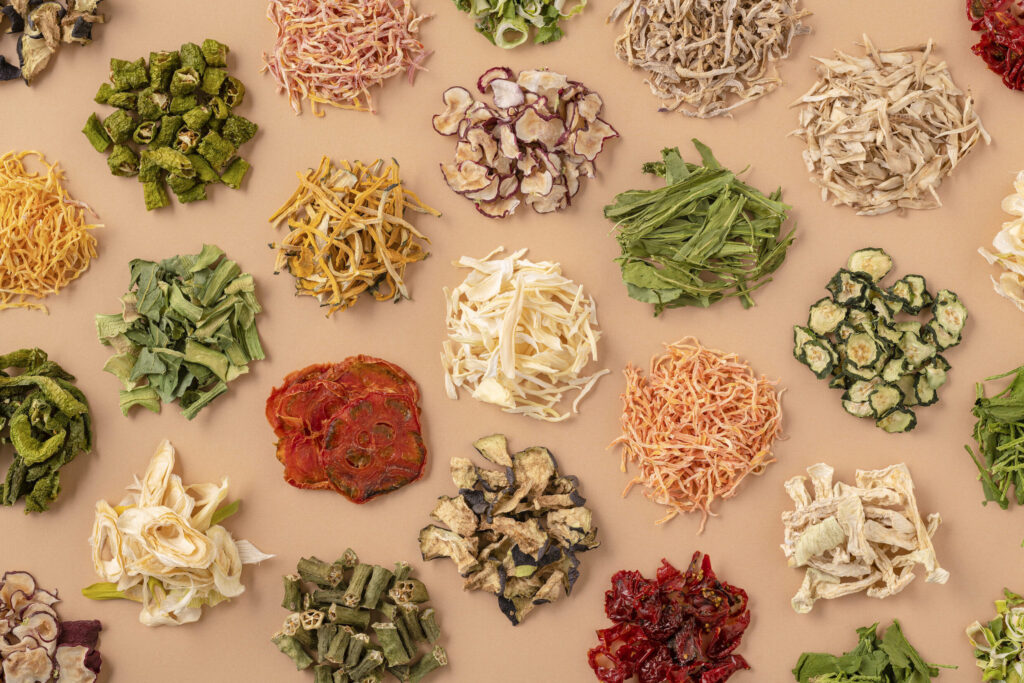
- Available for purchase in small lots from 1 kg
- We handle heirloom vegetables from across Japan
- Dried fruit and herbs also supported
Japanese sansho is now 461 tons
For those looking for domestically grown sansho as a raw material, here is the story on volume. This can be verified with official statistics.
461.8 tons in the 2023 crop year
According to the Ministry of Agriculture, Forestry and Fisheries' Survey of Production Trends of Specialty Fruit Trees, sanshō in the 2023 crop year had a cultivated area of 309.5 hectares, a harvest of 461.8 tons, and shipments of 447.9 tons, contained in burdock and cocoa.
| Prefecture | Planted area | Harvest volume | Main growing region |
|---|---|---|---|
| Wakayama | 168.7ha | 307.8t | Aridagawa, Kimino, and Kinokawa |
| Kochi | 53.5ha | 63.3t | Ochi, Sakawa, and Niyodogawa |
| Hyogo | 39.1ha | 45.8t | Tanba, Yabu, and Shisō |
| Gifu | 17.4ha | 14.1t | Takayama and Gero |
| Nara | 3.7ha | 10.2t | Gojō and Shimoichi |
| Nationwide | 309.5ha | 461.8t | ― |
Wakayama accounts for about two-thirds of the harvest. Sansho is a crop recorded in statistics as a "fruit tree," and does not appear in vegetable statistics.
The harvest has nearly halved in five years
What can't be overlooked is the trend. Following the years in the same survey, it looks like this.
| Crop year | Planted area | Harvest volume | Yield per hectare |
|---|---|---|---|
| FY2018 | 330.9ha | 910.9t | about 2.75 t/ha |
| Reiwa 1 crop year | 323.2ha | 650.7t | about 2.01 t/ha |
| Reiwa 5 crop year | 309.5ha | 461.8t | about 1.49 t/ha |
Although the area has fallen by only 6.5%, the harvest has dropped by nearly half. This works out to a drop of more than 45% in yield per unit area.
なお、農林水産省の近畿農政局が令和3年に公表した現地レポートには「和歌山県のサンショウの収穫量は531t」とありますが、これは平成30年産の数値です。現在の値として引くと実態の2倍近くになりますので、注意してください。
出荷の4分の3は加工向け
同じ調査によれば、出荷量447.9トンのうち344.3 tons went to processing。割合にすると76.9%です。
店頭で国産の山椒を見かけにくいのは、このためです。作られたもののほとんどが、七味唐辛子や佃煮、香辛料の原料として加工に回っています。
花椒の輸入量は、公表されていない
「花椒はどれくらい輸入されているのか」を調べようとして、行き止まりに当たりました。結論を書いておきます。
貿易統計に花椒という品目がない
財務省の実行関税率表の第9類(コーヒー、茶、香辛料)を全文で確認したところ、「山椒」「さんしょう」「花椒」という文字は1か所も出てきません。
香辛料の09.04はこしょう属ととうがらし属、ピメンタ属を対象にしていて、サンショウ属は含まれません。09.10の細分をたどると、最後は0910.99「その他のもの」に行き着きます。月桂樹の葉とタイム以外の香辛料が、まとめてここに入る形です。
In other words,花椒の輸入量を示した公表数値は存在しません。ネット上で見かける「花椒の輸入量は◯トン」という数字は、この区分の合計を花椒として扱っているか、出どころが別にあるはずです。
輸入されている事実は確認できる
数量は取れませんが、輸入されている事実そのものは公的な記述で裏が取れます。熊本大学薬学部薬用植物園の薬草データベースは、カホクザンショウについて「日本にも食品として多く輸入されている」と書いています。
中国国内の主産地については、日本の公的資料では見つかりませんでした。学術論文では四川、貴州、甘粛、陝西、重慶が挙げられています。
原料として扱うときの違い
商品づくりのために調達する場合の話です。
国産の山椒は量が細い
前の項のとおり、国内の出荷量は447.9トンで、その76.9%が加工向けに回っています。新規に数トン単位で押さえるのは簡単ではありません. It presupposes an arrangement made with growers before planting.
一方で花椒は輸入品なので、量そのものは確保しやすい。ただしロットごとの香りとしびれの幅は、国産の山椒より読みにくくなります。
粉にすると香りが早く抜ける

どちらにも共通するのは、粉にした時点から香りが落ち始めることです。当社で香辛料を粉砕するときは、発熱を抑えることと、挽いてから包装するまでの時間を短くすることを重視しています。
丸のまま仕入れて使う直前に挽けるなら、そのほうが香りは立ちます。製造の現場で挽く設備がないなら、粉での納品にして回転を早くするほうが現実的です。
当社でお受けしていること
国産の山椒の乾燥と粉砕をお受けしています。規格はDried Japanese pepper (sansho) and Sansho Powderに掲載しています。花椒は中国原産の別の植物なので、当社では扱っていません。
FOR BUSINESS
Looking for dried sansho as a raw material?
We dry and grind domestically grown sansho and supply it. Please also consult us about cut-shape and particle-size specifications and ongoing transactions. For specifications, Dried Japanese pepper (sansho)・Sansho Powder listed at.
Small-quantity sales of sansho are not available at our sister brand OYAOYA. For other items, please see the catalog.
Frequently asked questions
花椒とは何ですか?
中国原産のカホクザンショウ(Zanthoxylum bungeanum)の成熟した果皮を乾燥させた香辛料です。日本の山椒と同じミカン科サンショウ属ですが、種が違います。厚生労働省の日本薬局方外生薬規格では「ショクショウ(蜀椒・花椒・カショウ)」として収載されています。
山椒と花椒の違いは何ですか?
別の植物です。日本の山椒はサンショウ(Zanthoxylum piperitum)、中国の花椒はカホクザンショウ(Zanthoxylum bungeanum)。同じ属の別の種にあたります。カホクザンショウは中国原産で日本には自生していません。制度の上でも、山椒は日本薬局方に、花椒は日本薬局方外生薬規格に、それぞれ別の生薬として収載されています。
ホアジャオとホワジャオ、どちらが正しいですか?
中国語の発音をカタカナにしたときのゆれなので、どちらかが間違いというわけではありません。デジタル大辞泉が主見出しにしているのは「ホワチヤオ」で、「ホワジヤオ」「ホアチヤオ」も異形として載っています。「ホアジャオ」という綴りは辞書には載っていませんが、広く使われています。厚生労働省の告示では読みは「カショウ」です。
花椒の代わりに山椒を使えますか?
仕上げにひと振りする場面や、唐辛子と一緒に使う場面なら代用できます。ただし麻婆豆腐や担担麺でしびれを主役にしたい場合は、粉山椒だと物足りなくなりやすいです。香りの方向も変わるので、少量ずつ加えて確かめてください。
Are hana-zansho and huajiao the same thing?
違います。花山椒は日本の山椒の花で、4月ごろに出回ります。農林水産省の資料にも「4月に入ると黄色の小さな花をつける。”花山椒”として知られるもの」と書かれています。産地では雄株のことを花サンショウと呼ぶこともあります。いずれも日本のサンショウの話で、中国のカホクザンショウとは別です。
日本で花椒は栽培されていますか?
熊本大学薬学部薬用植物園の薬草データベースには、カホクザンショウについて「本種は中国原産で日本にはない」と書かれています。日本で流通している花椒は輸入品です。
花椒の輸入量はどれくらいですか?
公表されている数値はありません。財務省の実行関税率表の第9類に「花椒」という品目がなく、0910.99「その他のもの」に含まれる形になっているためです。この区分には月桂樹の葉とタイム以外の香辛料がまとめて入るので、花椒だけの数量は取り出せません。
国産の山椒はどれくらい作られていますか?
農林水産省の令和5年産特産果樹生産動態等調査によれば、栽培面積309.5ヘクタール、収穫量461.8トン、出荷量447.9トンです。和歌山県が収穫量の約3分の2を占めています。平成30年産の910.9トンから5年でほぼ半分になっており、面積より単位面積あたりの収量の落ち込みが大きくなっています。
Download the product catalog
We will send the materials to your email address based on the information you provide.
Summary
- 山椒と花椒は同じミカン科サンショウ属の、別の種
- 日本の山椒はサンショウ、中国の花椒はカホクザンショウ
- カホクザンショウは中国原産で、日本には自生していない
- 厚生労働省の告示でも別の生薬として立項されている
- 辞書の主見出しは「ホワチャオ」。「ホアジャオ」は辞書にない綴りだが広く使われている
- 「花山椒」は日本の山椒の花で、中国の花椒とは別物
- 脇役として使うなら代用できて、しびれを主役にするなら代用しにくい
- 国産の山椒は令和5年産で461.8トン。出荷の76.9%が加工向け
- 花椒の輸入量を示した公表統計は存在しない
麻婆豆腐のレシピに「花椒」と書いてあって手元に粉山椒しかないなら、まず少量入れて確かめる。それで足りなければ、次は花椒を買う。それだけの話です。ただし「同じものだ」と思って設計すると、商品では外します。
Recommended reading
- Prepping and Removing Bitterness from Green Sansho: Boiling Time, Freezing, and Salt-Curing Tips
- What is sansho used for besides eel? It circulates four times a year, changing form
Author of this article
Related articles
-
 Preventing vegetable shortfall while dieting | Add dietary fiber with dried vegetables
-
 Aojiru vs. vegetable juice vs. dried vegetables, thoroughly compared | Which method truly works for beating vegetable deficiency?
-
 What is yakuzen? Its meaning, the difference from kampo, and the basics of starting with familiar ingredients explained
-
 What's the Difference Between Yakuzen and Kampo? A Gentle Look at Food vs. Crude Drugs, Purpose, and Philosophy
-
 Assembling domestically grown yakuzen ingredients: the difference between familiar vegetables and imported crude drugs
-
 Complete guide to using dried mugwort | From rehydrating to popular recipes and storage tips
-
 We checked how to make and use yuzu shichimi against long-established makers' blend charts and ingredient labels
-
How to make yomogi mochi with dried mugwort | Ingredients, amounts, and foolproof tips explained