Prepping and Removing Bitterness from Green Sansho: Boiling Time, Freezing, and Salt-Curing Tips

Summary of this article
A producer explains the preparation and astringency removal of fresh sansho berries. We cover how to remove stems and stalks, a guide to boiling times for adjusting the pungency, tips for removing astringency by soaking in water, freezing for year-round use and salt- and soy-pickling, and uses after preparation such as chirimen sansho.
Fresh sansho berries, which appear in early summer, are prized for their tingling numbness and refreshing aroma. But once you buy them, they first need preparation, and many people are unsure: "What do I do with the stems?" "How long do I boil them to remove astringency?" "How do I store them so they last a year?"
On this page, we have summarized the preparation and astringency removal of sansho berries—from removing stems and stalks, to boiling times for adjusting pungency, tips for soaking in water, storage by freezing and salt- or soy-pickling, and uses after preparation such as chirimen sansho—from the standpoint of someone involved in processing dried vegetables. As for the kinds of sansho itself, What is sansho? An explanation of the types.
TOC
What sansho berries are, and their season
Sansho berries are the green, immature fruit of the sansho plant. The season is short—from mid-May to early June—and it is common to obtain them in bulk during this period, prepare them, and store them. When they first appear early in the season, there is little astringency; once June arrives the astringency grows stronger, so the boiling time is adjusted according to the harvest time. It is recommended to prepare them while the aroma and numbing pungency are still strong. During the off-season when they are hard to obtain, shelf-stable whole Dried Japanese pepper (sansho).
Preparing sansho berries: how to remove stems and stalks
The first step in preparation is removing the stems attached to the berries. Pinch off the small stems by hand or with scissors. A little short stalk remaining on the berry does not affect texture or taste, so there is no need to be finicky about removing every bit. Remove only the hard, thick stems and leave the soft stalks.
Removing discolored or damaged berries as you remove the stems will make the finished result cleaner. When there is a large amount, it is work you can do little by little, even while watching television. Once finished, rinse them quickly with water.
Removing astringency from sansho berries and how to boil them
After removing the stems, boil them to remove astringency. The point is that you can adjust the pungency and numbness by the boiling time and the time you soak them in water.
Boiling steps
- Bring plenty of water to a boil in a pot and add a little salt
- Add the destemmed sansho berries and boil over medium heat
- When they become soft enough to lightly crush with a finger, drain them in a colander
- Immediately transfer to cold water to cool
As a guide, boil for 30 seconds to 1 minute if you want to keep the numbness firmly, or 4–5 minutes if you want a milder pungency. If you want a soft tsukudani, boil up to about 8 minutes, until they can be crushed with a finger. Adjust to suit your preference and use.
Soaking time in water and adjusting pungency
After boiling, soak them in water to remove astringency and pungency. Because the pungency changes with the soaking time, adjust according to the use. Soaking too long also removes the aroma, so the trick is to stop at your preferred point. Change the water partway through and decide by tasting.
- To keep the numbness / for a nukadoko: about 10 minutes
- For tsukudani or chirimen sansho: 1–4 hours (until your preferred pungency)
- If you dislike pungency: soak longer and change the water several times
Once done soaking, drain in a colander and thoroughly remove the water. Lightly pressing with paper towels to wipe off moisture makes them less prone to spoiling during storage.
A product catalog that shows around 100 items we handle
Agriture, flexibly handling everything from small lots to large lots
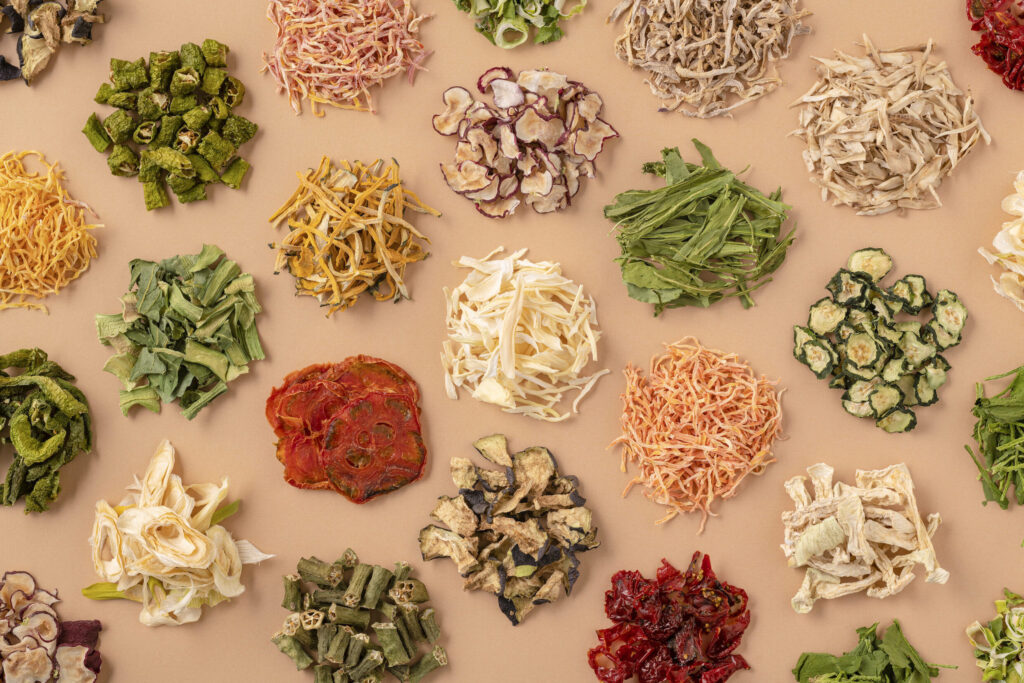
- Available for purchase in small lots from 1 kg
- We handle heirloom vegetables from across Japan
- Dried fruit and herbs also supported
How to store sansho berries
Prepared sansho berries can be used for anywhere from a few weeks to about a year depending on the storage method. If you want long-term storage, freezing is suitable. We have summarized representative storage methods along with their guideline durations.
| Storage method | Guideline | Suitable use |
|---|---|---|
| Frozen | About 1 year | Take out as needed for a wide range of dishes |
| Salt-pickling | A few months refrigerated | An accent as a condiment or seasoning |
| Soy-pickling | About 1 month refrigerated / about 6 months frozen | Rice, chilled tofu, dressed dishes |
Freezing (about 1 year)
The easiest, longest-lasting method is freezing. Thoroughly wipe off the moisture, divide into portions for each use, wrap in plastic wrap, place in a storage bag, and put it in the freezer. You can use them in dishes straight from frozen, so it is convenient to take out a little at a time to flavor simmered fish, tsukudani, or chirimen sansho. They keep for about a year in the freezer.
Salt-pickling and soy-pickling
Salt-pickling is a method of preserving prepared sansho berries by pickling them with salt, and they can be used as an accent for condiments and seasoning. For soy-pickling, soak them in a seasoning liquid of boiled-off sake and soy sauce, let them absorb the flavor, and age them refrigerated. They make a standing side dish handy for accompanying rice, chilled tofu, and flavoring dressed dishes.
How to use prepared sansho berries
Prepared sansho berries can be used a little at a time as a condiment or in combined simmered dishes. The three representative recipes are as follows.
- Chirimen sansho: a classic preserved dish simmered together with chirimen jako
- Tsukudani: a standing side dish simmered sweet and salty with kombu or shirasu
- Simmered fish or braised meat: add a small amount to lend a refreshing aroma and numbing pungency
If you freeze them, you can use them a little at a time straight from frozen whenever you feel like it. Sansho is also an ingredient in shichimi, so the difference between ichimi and shichimi—knowing this as well broadens the range of how you use condiments.
FOR BUSINESS
乾燥山椒を、原料としてお探しですか
国産の山椒を乾燥・粉砕してお出ししています。カット形状や粒度の指定、継続してのお取引もご相談ください。規格は Dried Japanese pepper (sansho)・Sansho Powder に掲載しています。
山椒の少量販売は姉妹ブランドの OYAOYA では取り扱いがありません。ほかの品目はカタログをご覧ください。
Frequently asked questions
Download the product catalog
We will send the materials to your email address based on the information you provide.
Summary: prepared and stored, sansho berries can be used for a year
If you prepare sansho berries by removing the stems, boiling them to remove astringency, and soaking them in water, you can enjoy their aroma and numbing pungency for a long time. Since you can adjust the pungency by the boiling time and soaking time, the trick is to gauge it according to your use—whether to keep the numbness or make it mild. If you wipe off the moisture and freeze them in portions, they keep for about a year in the freezer.
Prepared sansho berries can be used widely—in chirimen sansho, tsukudani, and for flavoring simmered fish. Preparing a batch in early summer, their season, lets you enjoy the aroma of sansho throughout the year. As for the kinds and varieties of sansho, What is sansho? An explanation of the types.
- A Guide to Drying Mushrooms: Making Dried Mushrooms in the Sun or Oven and Preventing Mold
- 花椒とは?ホワジャオ・ホアジャオと山椒の違いを整理しました