柚子胡椒は何につける?料理別の使い方と量の目安をまとめました

Summary of this article
Yuzu kosho is a versatile seasoning you can make with three things: yuzu peel, chili pepper, and salt. "Kosho" refers to chili pepper. We explain the ingredient weight ratios and steps, foolproof tips such as removing the white pith, the difference between green and red yuzu kosho, dishes it goes with and how to use it (hot pots, yakitori, pasta), and refrigerated and frozen storage. We also introduce how to enjoy the aroma year-round with yuzu powder and dried yuzu even after the season.
冷蔵庫に柚子胡椒はあるけれど、鍋以外に何につければいいのか分からない。そんな状態で瓶を眠らせている方は少なくありません。柚子胡椒は少しの量で辛みと香りが立つ調味料なので、つける相手と量さえ決まれば、鍋の季節が終わっても毎日使えます。
このページでは、柚子胡椒を何につけるかを料理別に並べ、1人分の量の目安と入れるタイミングまで具体的に書きます。あわせて、つける・溶かす・混ぜるで扱いがどう変わるか、青柚子胡椒と赤柚子胡椒の使い分け、市販品と手作りの違い、開封後の保存も整理します。柚子の乾燥加工に携わる立場から、旬を過ぎてから柚子の香りを足す方法も最後に紹介します。
TOC
柚子胡椒は何につける?料理別の早見表
柚子胡椒の使い方は、つける・溶かす・混ぜるの3通りに分かれます。相手の料理によってどれが向くかが変わり、量とタイミングも変わります。まずは全体を一覧で見てください。
| Dish | つけ方 | 量の目安 (1人分) | 入れる Timing |
|---|---|---|---|
| 水炊き・湯豆腐 | 取り皿のつゆで溶く | 小さじ1/4 | 食べる直前 |
| もつ鍋・ちゃんこ鍋 | 取り皿で溶く | 小さじ1/4〜1/2 | 食べる直前 |
| 味噌汁・すまし汁 | 椀に落として混ぜる | 耳かき1杯 | 火を止めてから |
| うどん・そうめん | つゆに溶く | 小さじ1/4 | 食べる直前 |
| ざるそば | そばつゆに溶く | 耳かき1杯 | 食べる直前 |
| 刺身 | しょうゆに溶く | 耳かき1杯 | 食べる直前 |
| 冷奴 | 上に少しのせる | 耳かき1杯 | 食べる直前 |
| 焼き鳥・つくね | 表面にのせる | つまようじの先 | 焼き上がり |
| 唐揚げ・天ぷら | 小皿に出して付ける | 小さじ1/8 | 揚げたて |
| 豚・牛のソテー | 下味に混ぜる | 小さじ1/4 (肉100g) | 焼く前 |
| ぶり・さわら・鮭 | 薄くぬって焼く | 小さじ1/4 (切り身1枚) | 焼く前 |
| Pasta | 油かゆで汁で溶く | 小さじ1/2 (2人分) | 火を止めてから |
| マヨネーズ和え | 混ぜてディップに | マヨ大さじ2に 小さじ1/4 | 和えるとき |
| Dressing | 油と酢に混ぜる | 油大さじ3に 小さじ1/4 | 作るとき |
| 卵かけごはん・納豆 | ごく少量落とす | 耳かき1杯 | 食べる直前 |
量はどれも控えめです。市販の柚子こしょうには「少量で辛味がききますので、薬味やかくし味としてお好みでご使用ください」と案内しているメーカーもあり、足りなければ後から足すのが扱いやすい順番になります。ここから先は、料理ごとの具体的な入れ方を見ていきます。
FOR BUSINESS
乾燥ゆずを、原料としてお探しですか
国産のゆずを乾燥・粉砕してお出ししています。カット形状や粒度の指定、継続してのお取引もご相談ください。規格は Dried yuzu・yuzu powder に掲載しています。
少量でのご購入は、姉妹ブランドの通販サイト OYAOYA で承っています。徳島県産の柚子パウダー(細かめ)と、皮ごと粗挽きにした粗目タイプの2種類があります。
鍋・麺・汁物に柚子胡椒を使うとき
農林水産省の「うちの郷土料理」では、福岡県のゆずごしょうについて「お鍋やうどんそうめん、お刺身の薬味として、そのほか多様な料理のアクセントとして人気がある」と紹介されています。汁のある料理は柚子胡椒がいちばん失敗しにくい相手です。
鍋は取り皿のつゆで溶いてから
水炊きや湯豆腐、もつ鍋に使うときは、鍋そのものに入れずに取り皿で溶きます。鍋に直接落とすと全員分の辛さが決まってしまい、途中で調整できません。取り皿にポン酢やつゆを張り、小さじ1/4ほどを箸先でほぐすように溶かすと、具をくぐらせるたびに香りが上がります。
鶏の水炊きなら鶏の脂と柚子の香りがぶつからず、もつ鍋のように味の濃い鍋では量をやや増やしても負けません。豆乳鍋やちゃんこ鍋のように白いつゆの鍋は、溶かしきらずに少し粒を残すと、食べ進めるうちに辛さが変わって飽きにくくなります。
うどん・そば・そうめんはつゆに溶く
かけうどんなら丼のつゆに小さじ1/4ほど、ざるそばならそばつゆの猪口に耳かき1杯ほどを溶かします。七味唐辛子の代わり、そばならわさびの代わりという置き方をすると量を決めやすくなります。そうめんのめんつゆには、しょうがと入れ替える形で使うと香りが重なりません。
油そばや釜玉うどんのように汁の少ない麺では、先に少量のごま油やめんつゆで溶いてから全体に回すと、一箇所だけ辛い塊が残りません。
味噌汁とすまし汁は火を止めてから落とす
鍋ごと味を決めるより、椀によそってから耳かき1杯ほど落として混ぜるほうが香りが立ちます。味噌汁は味噌の香りが強いので、豆腐やわかめのように具の淡いものに合わせると柚子が前に出ます。すまし汁や潮汁では、吸い口の柚子皮の代わりとして使えます。
ラーメンはスープに溶いて最後に
とんこつや鶏白湯のように脂の多いスープは、柚子胡椒を入れると後味が切れます。丼に直接落とすとダマになりやすいので、れんげにスープを取って溶いてから戻すのが確実です。味噌ラーメンや担々麺のように味の濃い一杯では、量を小さじ1/4程度まで増やしても輪郭がぼけません。
肉と魚には何をどうつけるか
肉と魚は、焼いてからのせるか、焼く前に下味へ混ぜるかで役割が変わります。のせれば香りが立ち、混ぜれば辛みが全体に回ります。
焼き鳥とつくねは焼き上がりにのせる
塩焼きのもも肉、ねぎま、つくねには、焼き上がった面につまようじの先ほどをちょんとのせます。タレ焼きより塩焼きのほうが柚子の香りが分かりやすく、手羽先や皮のように脂の多い部位ほど相性がよくなります。焼く前からのせると、炭火や魚焼きグリルの熱で香りが弱まります。
唐揚げと天ぷらは塩の代わりに添える
揚げたての唐揚げには、小皿に小さじ1/8ほど出しておき、付けながら食べます。塩を振ってから柚子胡椒を付けると塩気が重なるので、塩は控えめにしておきます。天ぷらは抹茶塩や藻塩と同じ位置づけで、えび・きす・れんこん・大葉のように淡い種に向きます。天つゆに溶かす場合は、大根おろしを入れずに柚子胡椒だけにすると香りが濁りません。
唐揚げの下味に混ぜ込むこともできます。その場合は鶏もも肉300gに対して小さじ1/2ほどを、しょうゆとにんにくと一緒にもみ込みます。揚げると香りは弱まりますが、辛みは残ります。
豚肉と牛肉は下味に混ぜるか焼いてからのせる
豚ロースのソテーやしょうが焼きには、肉100gあたり小さじ1/4を目安に、酒と合わせてのばしてからもみ込みます。厚みのある肉は下味に回したほうが中まで味が届きます。ステーキや焼肉は逆で、焼き上げて切ってから断面に少量のせるほうが香りが分かります。冷しゃぶには、ポン酢に溶いてかけるのが手早い方法です。
ぶり・さわら・鮭は焼く前に薄くぬる
脂ののった切り身は、焼く前に片面へ小さじ1/4ほどを薄くのばしておくと、塩気と辛みが同時に入ります。ぶりの照り焼きは、タレを煮からめた最後に加えると香りが残ります。白身魚のカルパッチョなら、オリーブオイルとレモン汁に溶いてからかけます。あじやいわしのなめろうに少量混ぜるのも、青魚の香りとぶつかりません。
野菜・豆腐・卵にはごく少量から
素材の味が淡いものほど、柚子胡椒の量は減らします。耳かき1杯を目安に、足りなければ足す順番で調整してください。
冷奴と刺身はわさびの代わりに
冷奴には豆腐の上に直接のせ、しょうゆを少し回しかけます。絹ごしより木綿のほうが、のせた柚子胡椒が沈みません。刺身は、しょうゆに溶いてからつけるとむらが出ません。白身、たい、ひらめ、ほたてのように淡い種はわさびより柚子胡椒のほうが素材の甘みが分かります。まぐろの赤身やかつおには、しょうゆに溶いて漬けにしても合います。
きゅうり・キャベツは塩もみや浅漬けに
きゅうり2本を乱切りにして、塩ひとつまみと柚子胡椒小さじ1/4、ごま油少々で和えるとすぐ食べられます。キャベツはざく切りにして同じ配合で。柚子胡椒に塩が入っているので、加える塩はいつもより減らします。長芋の短冊、大根の千切り、蒸したもやしも同じ扱いで使えます。
トマトやモッツァレラのマリネなら、オリーブオイルに溶いてから回しかけます。焼きなす、焼きピーマン、焼きねぎのように香ばしさのある野菜は、焼き上がりに少量のせるだけで一品になります。
卵かけごはん・納豆・とろろに落とす
朝食まわりは柚子胡椒の出番が多い場面です。卵かけごはんは黄身の横に耳かき1杯、納豆は付属のたれに溶いてから混ぜます。とろろごはん、おかゆ、雑炊、だし茶漬けにも少量で合います。卵焼きは、卵液に混ぜるより焼き上がりに添えるほうが香りが残ります。
パスタ・マヨネーズ・ドレッシングに混ぜる
柚子胡椒は水にも油にもなじむので、洋風の料理にも入れられます。混ぜる相手を先に決めてから量を決めると失敗しません。
パスタは唐辛子の代わりに火を止めてから
ペペロンチーノの唐辛子を柚子胡椒に置き換えるのが分かりやすい使い方です。2人分で小さじ1/2を目安に、火を止めてからオイルとゆで汁で溶いて麺にからめます。熱いフライパンに直接落とすと、香りが飛んで辛みだけが残ります。きのこ、しらす、明太子、ベーコン、鶏ひき肉との組み合わせが合わせやすく、クリームソースなら生クリームで溶いてから加えます。
マヨネーズと混ぜてディップやサンドに
マヨネーズ大さじ2に柚子胡椒小さじ1/4を混ぜるだけで、生野菜のディップ、えびフライやコロッケのソース、ポテトサラダの味付けに使えます。サンドイッチのパンに塗れば、鶏ハムや卵サンドの印象が変わります。マヨネーズと合わせると辛みが和らぐので、辛いものが苦手な方はここから試すのが向きます。
ポン酢・オイル・味噌に溶いて常備だれに
作っておくと使い道が広がる合わせ調味料を3つ挙げます。
- 柚子胡椒ポン酢:ポン酢大さじ3に小さじ1/4。冷しゃぶ、餃子、蒸し鶏に。
- 柚子胡椒ドレッシング:油大さじ3、酢大さじ1、小さじ1/4、塩少々。葉物と根菜に。
- 柚子胡椒味噌:味噌大さじ2、みりん大さじ1、小さじ1/4。ふろふき大根、きゅうり、焼きおにぎりに。
いずれも柚子胡椒の塩分が入るため、しょうゆや塩は控えめにしてから味を見ます。作ったものは冷蔵で数日のうちに使い切ってください。
つける・溶かす・混ぜるで入れる順番が変わる
どの料理に使うときも、押さえておくと失敗が減る点が3つあります。ここを外すと、香りが飛んだり、辛い塊が残ったり、塩辛くなったりします。
加熱すると香りが弱くなるので後から入れる
柚子胡椒の香りは柚子の果皮から来ています。果皮の香りは熱に弱く、長く加熱するほど弱まります。炒め物や煮物では、火を止めてから加えるか、盛り付けてからのせるのが基本の順番です。下味として先に入れる場合は、香りより辛みと塩気を目的にしていると考えて、仕上げにもう一度少量足すと香りが戻ります。
油か水分で溶いてから加えるとダマにならない
柚子胡椒はペースト状なので、そのまま汁物や麺に落とすと固まりのまま沈みます。れんげや小皿でスープ・つゆ・油を少量取り、そこで溶いてから全体に戻すと均一になります。ドレッシングやマヨネーズに混ぜるときも、先に油と合わせてから酢を加えると分離しにくくなります。
塩が入っているぶん下味の塩は減らす
市販の柚子こしょうの原材料表示は、柚子の果皮・唐辛子・食塩の3つだけという商品が多くあります。塩が入っている調味料なので、下味や和え物に使うときは、いつも入れている塩やしょうゆを先に減らしておきます。最後に味を見て、足りなければ足す順番にすると塩辛くなりません。
柚子胡椒が合いにくい料理もある
柚子胡椒は使える範囲が広い調味料ですが、どんな料理にも入れて良くなるわけではありません。避けたほうが無難な組み合わせを挙げておきます。
- 甘みの強い煮物やすき焼き。砂糖とみりんの甘さに柚子の香りが埋もれ、辛みだけが浮きます。
- 長時間煮込むカレーやシチュー。香りが残らず、塩気だけが足されます。仕上げに少量添えるほうが生きます。
- 香りの強い薬味と重ねる使い方。しょうが、みょうが、山椒、大葉と同時に使うと、どれも中途半端になります。どれか一つに絞ります。
- 塩気の強い加工品との組み合わせ。塩辛、アンチョビ、キムチに足すと塩分が重なります。
迷ったときは、素材の味が淡く、油分か水分がある料理を選ぶと外れません。
青柚子胡椒と赤柚子胡椒はどちらを何に使うか
柚子胡椒には緑色のものと赤いものがあります。農林水産省の「うちの郷土料理」には、ゆずごしょうについて「青唐辛子を使うのが一般的だが、赤唐辛子を使う場合もある」「一般的に緑色の物は辛味が強く、赤色の物は香りが強いため、好みによって使い分ける事もある」と記されています。
| Item | Green yuzu kosho | Red yuzu kosho |
|---|---|---|
| 使う柚子 | 青柚子の果皮 | 黄柚子の果皮 |
| 使う唐辛子 | 青唐辛子 | 赤唐辛子 |
| 農水省の記載 | 緑色は辛味が強い | 赤色は香りが強い |
| つくられる時期 | 青こしょうと 青柚子が重なる 7〜9月頃 | 柚子が黄色く 熟してから |
| 店頭での多さ | 市販品の主流 | 扱う店が 限られる |
| 合わせやすい Dish | 刺身・冷奴・ 鶏肉・白身魚 | 味噌仕立ての鍋・ 煮込み・赤身肉 |
青が主流なのは、材料が揃う時期の都合もあります。同じく「うちの郷土料理」には「青こしょうの旬は7月から9月頃までなのでちょうど青柚子と重なる」とあり、青唐辛子と青柚子は同じ時期に手に入ります。赤は柚子が黄色く熟してからつくるもので、市販品でも扱う店が限られます。見かけたら、味噌ベースの鍋や煮込みなど、香りを立てたい料理で試してみてください。
市販の柚子胡椒と手作りはどう違うか
毎日使う薬味として買うのか、旬に仕込むのかで、選ぶものが変わります。違いを整理します。
| Item | 市販品 | 手作り |
|---|---|---|
| 手に入る時期 | 一年中 | 青柚子と青唐辛子が 出回る7〜9月頃 |
| Raw material | 表示で確認できる | 自分で決められる |
| 期限 | 表示に従う (未開封13か月の 商品もある) | 表示がないので 早めに使い切る |
| 辛さの調整 | できない | 唐辛子の量で 変えられる |
| 粒の残り方 | なめらかな ものが多い | 粗さを選べる |
| 使い始め | 開けてすぐ | すりつぶした 直後から |
市販品は原材料表示を見て選べるのが利点です。柚子の果皮・唐辛子・食塩だけの商品もあれば、アルコールや酸化防止剤を加えて液体状にした商品もあります。使い道が汁物中心なら液体タイプ、薬味としてのせるならペーストタイプが扱いやすくなります。手作りは、辛さと粗さを自分で決められるのが大きな違いです。
柚子胡椒の作り方は皮と唐辛子と塩だけ
青柚子と青唐辛子が出回る時期なら、家庭でも作れます。市販の柚子こしょうの原材料表示も、柚子の果皮・唐辛子・食塩の3つという商品が多く、家庭で再現しやすい構成です。
Ingredients and Prep
用意するのは柚子、唐辛子、塩です。柚子の皮と唐辛子は、香りを立てたいなら重量比で2対1、辛さを立てたいなら1対1が目安になります。塩は柚子と唐辛子を合わせた重量の1〜2割ほど。柚子と唐辛子はよく洗い、水気を残さないように拭き取ります。唐辛子は辛みが強いので、扱うときは手袋をして、目や顔に触れないよう気をつけてください。
混ぜる手順
- 柚子の皮を薄くむく。白いワタは苦みのもとになるので、なるべく残さない。
- Remove the stem and seeds from the chili pepper and mince it.
- 柚子の皮と唐辛子、塩をすり鉢かフードプロセッサーで合わせる。
- 完全なペーストにせず、少し粒を残して止める。
刺身や冷奴にのせるなら粒を残し、鍋やソースに溶かすならなめらかに寄せると使いやすくなります。作りたてと数日おいたものでは香りの出方が変わるので、そのつど味を見て量を決めてください。
苦くならないようにするには
苦みの原因はほとんどが白いワタです。包丁でそぐか、ピーラーで薄くむくとワタが残りにくくなります。辛さは後から足せても引けないので、唐辛子は少なめから始めて味を見るのが安全です。水気を残さず拭き取り、容器は煮沸してから使ってください。
開封した柚子胡椒はどう保存するか
市販品は、容器に書かれた保存方法と期限に従ってください。未開封で13か月と表示している商品もありますが、開封後は表示どおりの期間もつわけではないので、冷蔵庫に入れて早めに使い切ります。取り出すときは毎回清潔なスプーンを使い、瓶の口についたものは拭き取っておきます。
手作りしたものには表示がないので、少量ずつ作るのが現実的です。産地では保存の仕方が決まっていて、農林水産省の「うちの郷土料理」には、福岡県のゆずごしょうについて「小分けにし冷凍保存し年間を通して使われる」と記されています。製氷皿やラップで1回分ずつに分けて冷凍しておけば、使うたびに全体を室温に戻さずに済みます。
柚子胡椒と柚子七味はどう使い分けるか
柚子の香りと唐辛子を合わせた薬味には、柚子胡椒のほかに柚子七味があります。柚子胡椒は柚子の果皮・唐辛子・食塩を練り合わせたペースト状の調味料で、塩気があり、溶かす・混ぜる使い方ができます。柚子七味は乾いた粉末で、塩気がなく、仕上げに振るための薬味です。
つゆに溶かして味ごと決めたいときは柚子胡椒、すでに味の決まった料理へ香りだけ足したいときは柚子七味、と分けると迷いません。作り方と使い方は柚子七味の作り方と使い方.
柚子の香りを一年中使うには
青柚子と青唐辛子が揃うのは7月から9月頃、柚子そのものの出荷も秋から冬に偏ります。農林水産省の「うちの郷土料理」には、柚子の産地である大分県について「柚子は8月から11月にかけて出荷される」「県内外に出荷された柚子の多くは、果汁や柚子こしょうなどの加工品となる」とあります。旬の外に柚子の香りを足したいときは、乾燥品や粉末という手があります。
旬を過ぎたら乾燥ゆずと柚子パウダーで補う
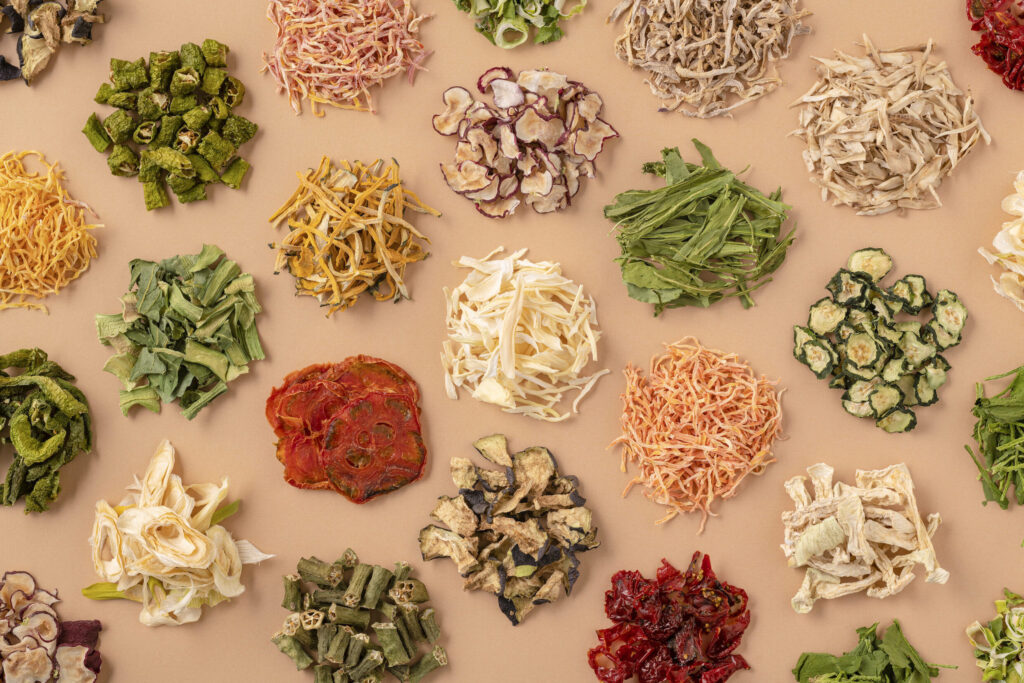
Powdered whole with the peel, Yuzu powder (Kyoto-grown)は、水分を加えずに柚子の香りだけを足せます。塩と合わせて柚子塩にすれば、唐揚げや天ぷらに添える薬味になります。スライスして乾かしたDried yuzuは、お茶や煮物の香りづけに使えます。柚子胡椒のような辛みと塩気はないので、置き換えではなく、香りを足す役として考えてください。
柚子の皮の使い道はideas for using yuzu peelにまとめています。すだちやかぼすなど、ほかの香酸柑橘との違いはThe types and differences of citrus fruits andすだちの使い方.
つくり手として見ているのは皮の状態
柚子は果皮の香りがいのちの柑橘です。乾燥加工の現場で見ているのは、果実の大きさより皮の状態で、ハリとつやがあり香りの立つものほど仕上がりが変わります。加熱しすぎると香りが飛ぶため、Agritureでは京都府内産の柚子などを低温でじっくり乾かし、香りを残す方法をとっています。柚子チップは種を含めて丸ごと粉砕し、捨てる部分を減らす設計にしています。
柑橘は年によって収量が落ちる年があるため、豊作の年にまとめて乾燥して在庫で回すのが加工側の考え方です。生果の相場に左右されにくいのは、乾燥品ならではの利点です。
FOR BUSINESS
乾燥ゆずを、原料としてお探しですか
国産のゆずを乾燥・粉砕してお出ししています。カット形状や粒度の指定、継続してのお取引もご相談ください。規格は Dried yuzu・yuzu powder に掲載しています。柚子胡椒そのものの製造は承っておりません。
少量でのご購入は、姉妹ブランドの通販サイト OYAOYA で承っています。徳島県産の柚子パウダー(細かめ)と、皮ごと粗挽きにした粗目タイプの2種類があります。
A product catalog that shows around 100 items we handle
Agriture, flexibly handling everything from small lots to large lots
- Available for purchase in small lots from 1 kg
- We handle heirloom vegetables from across Japan
- Dried fruit and herbs also supported
FAQ
まとめ:柚子胡椒は少量から試す
柚子胡椒を何につけるか迷ったら、鍋の取り皿、うどんのつゆ、焼き鳥、冷奴、マヨネーズのどれかから始めてください。量は耳かき1杯から小さじ1/4の範囲で、足りなければ足す順番にします。加熱で香りが弱くなるので後入れにすること、ダマを避けるために先に溶くこと、塩が入っているぶん塩を減らすこと。この3つを押さえておけば、料理を選ばずに使えます。
青柚子と青唐辛子が揃う夏の終わりなら、手作りも選べます。旬を過ぎて生の柚子が手に入らない時期は、柚子パウダーや乾燥ゆずで香りだけを補う方法もあります。
Download the product catalog
We will send the materials to your email address based on the information you provide.