すだちの旬は8〜10月。かぼすとの違いと日持ちさせる保存のコツ

Summary of this article
すだちの旬は露地ものが8〜10月です。ハウス・露地・冷蔵のリレーで一年中出回る理由、かぼす・ゆず・レモンとの違い、緑の濃いものを選ぶコツ、冷蔵と冷凍で日持ちがどれだけ変わるかを、農林水産省のGI登録簿や徳島県の資料をもとに整理しました。
焼きたてのサンマにきゅっと搾る。そうめんに薄い輪切りを浮かべる。すだちは、ひとしぼりで料理の輪郭が変わる小さな柑橘です。ただ、店先に並ぶ時期は思っているより長く、かぼすとの違いも、保存できる日数も、調べるほど情報がばらけます。
このページでは、旬と出回り時期、徳島県との関係、かぼす・ゆず・レモンとの違い、選び方と保存、料理での使い方までを、農林水産省の地理的表示(GI)登録簿やJA全農とくしま、徳島県の資料をたどって整理しました。乾燥野菜の加工を受託している立場から、旬を過ぎたあとの乾燥すだち・すだちパウダーの使い方も最後にまとめています。
TOC
すだちとは?名前の由来と、ゴルフボールほどの小ささ
すだちは、果汁と果皮の香りを料理に足すために使う「香酸柑橘(こうさんかんきつ)」の一種です。みかんのように果肉を食べる柑橘ではなく、酸味と香りで主役を引き立てる側に回ります。まずは、どんな果実なのかを押さえておきます。
「酢橘(すたちばな)」が縮まって「すだち」になった
すだちは漢字で「酢橘」と書きます。食酢の代わりに使われた「酢の橘(たちばな)」、つまり酢橘(すたちばな)が縮まって「すだち」になったというのが、農林水産省のGI明細書やJA全農とくしまが示している由来です。名前そのものが、酸味を借りるための果実だったことを物語っています。
文献でたどれるのは江戸時代までです。本草学者・貝原益軒の「大和本草」(1706年)に「リマン」という果物の記載があり、のちに小野蘭山が「大和本草批正」(1800年頃)で「阿州方言ぬだちと云。」と注釈を加えました。阿州は阿波国、いまの徳島県です。江戸時代の徳島では、すでに食酢用の果実として栽培されていたと考えられています。
1個30〜40g、手のひらに何個ものる小ささ
すだちの果重は1個あたり30〜40gほどで、ピンポン玉からゴルフボールくらいの大きさです(JAグループ「とれたて大百科」)。果皮は薄く、表面にはつやがあります。半分に切ると澄んだ果汁があふれ、鋭い酸味とすっきりした香りが立ちます。
この「使い切りサイズ」が、すだちの使いやすさそのものです。1人分の焼き魚に半分、麺のどんぶりに輪切りで数枚と、余らせずに使い切れます。大きい柑橘のように「半分残った果実をどうするか」で悩まずにすむのは、小ぶりであることの利点です。
まだ青いうちに収穫するのはなぜ
すだちは、果皮が濃い緑色の時期に収穫されます。GI登録簿には「果皮が濃い緑色の時期に収穫された美しい外観を呈し、さわやかな香りと酸味を有する」と書かれており、青い状態そのものが産品の条件として扱われています。熟して黄色くなると香りと酸味はおだやかになるため、薬味として使う前提なら緑のうちが本領です。
産地が果皮の緑をどれだけ真剣に守っているかは、貯蔵の研究を見ると分かります。徳島県立農林水産総合技術支援センター果樹研究所は、長期貯蔵した果実の黄変を抑える目的で、収穫前のジベレリン散布の効果を検証した結果を公表しています。緑色を保てるかどうかが、そのまま商品価値に直結しているわけです。
黄色くなったすだちは捨てなくていい
家に置いているうちに黄色くなってしまっても、食べられなくなったわけではありません。完熟すると香りと酸味がおだやかになり、別の味わいに変わります(JAグループ)。酸の角が取れるぶん、しょうゆと合わせてポン酢にしたり、焼酎やソーダに搾ったりする使い方に向きます。
ただし、切った断面が変色していたり、カビや異臭があったりするものは傷んでいます。黄変と腐敗は別ものなので、色だけで判断せず、においと断面を確かめてから使ってください。
すだちの旬は8〜10月。それでも店頭には一年中ある
「すだち 旬」で調べると8〜10月という答えが返ってきます。それは露地ものの話で、実際の売り場にはほぼ一年中すだちが並びます。この二重構造を知っておくと、買う時期に迷わなくなります。
露地ものがいちばん香るのは8〜10月
露地栽培のすだちの出荷期間はThroughout the prefectureで、JAグループは最盛期を8月末から10月上旬としています。この時期の青すだちは果皮が厚めで香りが強く、薬味として使うなら一年でいちばんよく働きます。サンマ、きのこ、新米と重なるのは偶然ではなく、秋の食卓と時期がそろっているからです。
徳島県の農業支援センターは、貯蔵に回す果実について「9月中旬までに収穫し、5〜7%程度予措してから袋詰めし、貯蔵しましょう」と指導しています。露地の収穫は9月に山場を迎え、そのまま出荷される分と、貯蔵に回る分に分かれていきます。
ハウス・露地・冷蔵をつないで一年中出回る
徳島のすだちは、栽培と貯蔵を組み合わせたリレーで周年出荷されています。JA全農とくしまは「ハウスすだち(3〜8月)」「露地すだち(8〜10月)」「冷蔵すだち(10〜3月)」の三つを挙げており、徳島県立農林水産総合技術支援センターの研究情報も「施設・露地・貯蔵を組み合わせた完全周年供給体制が確立されている」と記しています。
| Category | 出回る時期 | 味・果皮の傾向 | Suitable use |
|---|---|---|---|
| ハウスすだち | 3〜8月 | 果皮が薄めで果汁が多く、酸味はやや控えめ | 果汁をたっぷり搾る料理、ドリンク |
| 露地すだち | Throughout the prefecture | 果皮が厚めで香りが強い | 焼き魚・麺類の薬味、皮のすりおろし |
| 冷蔵すだち | October to March | 予措のあと低温貯蔵。酸味は比較的おだやか | 鍋物、ポン酢、煮物の仕上げ |
春から夏にかけて買えるすだちはハウスもの、秋は露地もの、冬は貯蔵ものと入れ替わります。「旬を外した」のではなく、産地が意図してつないでいる供給だと考えると、時期ごとの味の差にも納得がいきます。
冷蔵すだちは「予措」を経てから貯蔵庫に入る
冷蔵すだちは、収穫した露地ものをそのまま冷やしたものではありません。予措(よそ)と呼ばれる陰干しの工程をはさみます。徳島県は貯蔵向けの果実について5〜7%程度の予措を指導しており、水分をわずかに抜いてから袋詰めして貯蔵庫へ入れます。
貯蔵庫での扱いも段階的です。徳島県果樹研究所の試験では、4日間の常温予措のあとポリ袋に入れて密封し、8℃から始めて10日に1℃ずつ下げ、10月上旬に5℃、11月上旬以降は4℃という温度設定がとられています。いきなり低温にせず、袋で乾燥を防ぎながら少しずつ冷やす。家庭で「ポリ袋に入れて野菜室へ」と言われる理由も、同じところにあります。
買う時期によって使い道を変えるとちょうどいい
香りで勝負したい料理は、露地ものが出る8〜10月に買うのが確実です。焼き魚の仕上げ、皮のすりおろし、すだちそばのように香りが主役になる使い方は、この時期にまとめて楽しみたいところです。
一方、果汁を多めに使うポン酢やドレッシング、ドリンクなら、果汁が多く酸味が穏やかなハウスものや冷蔵ものでも困りません。冬の鍋に添えるすだちは冷蔵ものになりますが、角の取れた酸味は鍋の出汁とよく合います。時期で優劣をつけるより、時期に合わせて役割を変えるほうが実用的です。
FOR BUSINESS
乾燥すだちを、原料としてお探しですか
国産のすだちを乾燥・粉砕してお出ししています。カット形状や粒度の指定、継続してのお取引もご相談ください。規格は Dried sudachi・Sudachi powder に掲載しています。
少量でのご購入は、姉妹ブランドの通販サイト OYAOYA で承っています。徳島県・愛媛県産のすだちを乾燥させた商品をご用意しています。
すだちは徳島県が9割以上。「徳島すだち」はGI登録産品
すだちほど産地が一県に集中している果実はめずらしく、そのことが国の制度にも記録されています。産地表示の読み方にも関わるので、数字と制度を押さえておきます。
出荷量の98%が徳島県産
農林水産省のGI登録簿には、「徳島すだち」が全国のすだち出荷量の98%を占めると明記されています。収穫量で見ても、明細書には「記録が残る昭和39年以降、徳島県が90%台後半を占めて」いると書かれており、60年以上にわたって一県がほぼ独占してきた品目です。JA全農とくしまも、農林水産省「特産果樹生産動態等調査」を引いて国内生産の9割以上・全国1位としています。
主な産地は、名西郡(神山町)、名東郡(佐那河内村)、阿南市、小松島市、鳴門市、阿波市、徳島市、吉野川市、三好市など。県内全域で栽培されていますが、多くは山間部です。昼夜の温度差が大きく雨量も多い山あいの環境が、香りの強い果実につながっているとされています。
GI「徳島すだち」に登録されたのは2023年
「徳島すだち」は、2023年(令和5年)3月31日に地理的表示(GI)保護制度へ登録されました。登録番号は第129号、登録生産者団体は徳島県すだち・ゆこう消費推進協議会です。GIは、産地と結びついた特性を国が登録して守る制度で、登録された名称とGIマークは、明細書に沿って生産されたものにしか使えません。
明細書で定められているのは、徳島県の在来のすだちに由来して選抜された系統を使うこと、県が推奨する栽培方法と貯蔵方法に従うこと、協議会が定めた出荷規格で選果すること。そして最終製品としての形態は「青果(すだち)」と限定されています。店頭で「徳島すだち」の名とGIマークを見かけたら、この工程管理を通った青果だと読み取れます。
栽培面積は660haから400ha前後へ減っている
シェアが圧倒的でも、生産の規模は縮んでいます。GI明細書によれば、すだちの栽培面積は昭和7年の約4haから平成4年には660haに達し、その後は高齢化などの影響で平成29年には397ha、直近は400ha前後で推移しています。ピークから4割近く減った計算です。
ここまで広がった背景には、みかんの事情があります。昭和35年頃の温州みかんの生産過剰による価格暴落を受けて昭和40年代から青果の経済出荷が始まり、昭和54年度の温州みかん園転換促進事業や、昭和56年の寒波でみかんが大被害を受けたあとの苗木導入事業を通じて、耐寒性の強いすだちが中山間部に広がりました。つまり、いまのすだち産地はみかんからの転換でできた面が大きいということです。
県歌の歌い出しから、すだちくんまで
徳島での扱われ方は、特産品という言葉の範囲を超えています。昭和46年(1971年)には徳島県歌の歌詞の冒頭にすだちが使われ、昭和49年(1974年)には「すだちの花」が徳島県の県花に指定されました。すだちの木は佐那河内村の村の木にもなっています。
1993年(平成5年)に徳島県・香川県で開かれた東四国国体では、すだちをモチーフにしたキャラクター「すだちくん」が生まれ、いまも徳島県のマスコットとして使われています。古木も残っていて、神山町には推定樹齢200年あまりの木が現存し、1966年時点の県の調査では阿南市山口町に推定樹齢300年の古木があったと記録されています。
すだちはどこで買える?
旬の時期であれば、全国のスーパーの青果売り場にネット入りや袋入りで並びます。8〜10月は量も多く、価格も落ち着きます。それ以外の季節はハウスものや冷蔵ものが少量ずつ置かれることが多く、見つからない週もあります。
まとまった量がほしいときや贈答用なら、産地の直売所や通販が確実です。産地表示に「徳島県産」とあれば本場のものと考えてよく、GIマークが付いていればさらに明細書に沿って管理されたものだと分かります。業務用としてまとめて使いたい場合は、青果のほかに乾燥品という選択肢もあります。
すだち・かぼす・ゆず・レモンはどこが違う?
売り場で並んでいると見分けにくい4つですが、役割ははっきり違います。大きさ、香りの向き、産地、出回る月の4点で整理します。
いちばん確実な見分け方は大きさ
すだちは1個30〜40g、ピンポン玉からゴルフボール大。かぼすはテニスボールほどで、並べれば迷いようがありません。ゆずとレモンはさらに大きく、すだちと取り違えることはまずないはずです。迷ったら大きさを見る、これが最短の見分け方です。
| Type | Size guide | 香りと酸味の向き | Main growing region | Suitable use |
|---|---|---|---|---|
| Sudachi | ピンポン玉〜ゴルフボール大(1個30〜40g) | 皮の香りが鋭く、酸味もきりっとしている | 徳島県(出荷量の98%) | 焼き魚・麺類の薬味、皮のすりおろし |
| Kabosu | Tennis-ball size | 香りはすだちよりおだやかで、果汁が多い | 大分県(生産量の97%) | 鍋、ポン酢、果汁を多く使う料理 |
| Yuzu | Larger than sudachi | 果皮の香りが主役。果汁は少なめ | 高知県・徳島県など(徳島県は全国2位) | 皮の香りづけ、ゆず胡椒、ゆず茶 |
| Lemon | Larger than sudachi | Strong tartness and a Western-style aroma | 国産は広島県が全国一、ほかに輸入品 | 洋食、ドリンク、製菓 |
香りと酸味の向きが違う
すだちは皮の香りが鋭く、少量で料理の印象を変えます。青魚の脂に合わせると後味が軽くなり、松茸のように香りの強い食材と合わせても互いに引き立ちます。かぼすは果汁が多くまろやかなので、鍋やポン酢のように量を使う料理に向きます。
ゆずは果汁より果皮が主役で、刻んだりすりおろしたりして香りを移す使い方が中心です。yuzu koshoのように皮ごと加工する調味料が発達したのもそのためです。レモンは洋風の香りで、和食に使うと香りの系統が変わります。the difference between domestic and imported lemonsもあわせて見ておくと、使い分けの幅が広がります。
すだちとかぼすは出回る月もずれている
どちらも周年供給の体制を持っていますが、リレーの組み方が少し違います。大分県の説明によれば、かぼすは露地が8〜9月、貯蔵が10〜2月、ハウスが3〜7月。すだちは露地が8〜10月、冷蔵が10〜3月、ハウスが3〜8月です。かぼすのほうが露地の期間が短く、貯蔵とハウスで長くつないでいることが分かります。
消費地にも差があります。大分県は「かぼすは約半量が九州で消費されており、すだちに比べ東京や関西での知名度や販売量が低い」と説明しています。関東や関西の売り場ですだちのほうをよく見かけるとしたら、それは流通の実態を反映しています。かぼす側の事情はかぼすの旬と使い方.
代用するときは「量」を変える
すだちが手元になければ、ほかの香酸柑橘で代えられます。気をつけるのは量です。かぼすの代わりにすだちを使うと、同じ個数では果汁が足りず、香りと酸味だけが強く出ます。逆にすだちの代わりにかぼすを使うなら、果汁が多いぶん味が薄まりやすいので、搾る量を控えめにして調整します。
レモンで代えるときは、香りの系統が変わることを承知して使います。和食に洋風の香りが入るのが気になるなら、皮を入れずに果汁だけにすると違和感が減ります。香酸柑橘の全体像はthe list of citrus types and differencesに、南の系統はシークワーサーの使い方.
新鮮なすだちはどこを見て選ぶ?
すだちは収穫後も熟成が進み、置いておくほど緑が抜けていきます。売り場で見る場所は決まっているので、そこだけ押さえれば選び間違いはほとんどありません。
緑が濃くてツヤのあるものを選ぶ
最優先は果皮の色です。青緑色が濃く、張りとツヤがあるものを選びます。黄色がかってきたものは酸味がおだやかになり、香りも抜けはじめています。薬味として香りを立てたいなら、緑の濃さがそのまま期待値になります。
表面が乾いてしぼんでいるもの、皮の色がまだらなものは避けます。すだちは薄皮なので、水分が抜けるとすぐ外見に出ます。
ヘタと重さも確認する
売り場でもう2か所だけ見ておくと、精度が上がります。
- ヘタの切り口がみずみずしく、茶色く変色していないもの。収穫からの日数が浅いサインです
- 持ったときにサイズのわりにずっしり重いもの。果汁が詰まっています
- 袋入りで買うときは、1個でも傷んだものが混ざっていないか透かして見ること。柑橘は1個の傷みが周囲にうつります
露地ものは収穫直後だと皮が硬く感じることがあり、2〜3日置いてから使うと搾りやすくなると紹介されています。買ってすぐ使い切らない場合でも、慌てる必要はありません。
大玉・小玉・訳あり品の使い分け
すだちは協議会が定めた出荷規格で選果され、大きさごとの等級に分かれて市場に出ます。贈答用には大ぶりで形のそろったものが選ばれますが、家庭で薬味に使うだけなら標準サイズで十分です。香りは皮にあるので、大きさと香りの強さは比例しません。
皮に多少の傷がある「訳あり品」は、香りや味に問題がないことが多く、果汁を搾って冷凍する用途や、大量に使う料理には向きます。搾って保存する前提なら、見た目にお金をかける理由はあまりありません。
すだちの保存方法と、日持ちの目安
すだちの保存は、調べると数字が食い違います。冷蔵1週間と書くところもあれば1か月と書くところもあり、冷凍は1か月から8か月まで幅があります。ここでは出どころごとに並べたうえで、なぜ違うのかまで説明します。
常温に置くと香りが抜けて黄色くなる
まず外せないのが、常温に置かないことです。すだちは常温だと熟成が進んで果皮が黄変し、特徴である香りと酸味が落ちていきます。冷暗所に新聞紙で包む方法も紹介されますが、すぐ使い切らないなら冷蔵か冷凍に回したほうが確実です。
常温保存が向くのは、買った日から数日のうちに使い切ると決まっている場合だけです。それ以外は、帰宅したら冷蔵庫に入れるところから始めます。
冷蔵は「水気を拭く・2〜3個ずつ・野菜室の奥」
冷蔵で長持ちさせるコツは3つです。まず、果皮表面の水気をキッチンペーパーで拭き取ること。表面が湿っていると傷みが早く進みます。次に、2〜3個ずつ小分けにしてポリ袋に入れ、空気を抜いて口を閉じること。柑橘は1個の傷みが袋のなかに広がるため、小分けにしておけば被害が小さくてすみます。
3つめが置き場所です。すだちが劣化しにくい温度帯は7〜8℃とされ、野菜室の奥はこれに近く温度変化も小さくなります。徳島県の貯蔵指導でも、予措のあとポリ袋に入れて密封し、7〜8℃前後から管理する手順がとられています。家庭の「ポリ袋+野菜室の奥」は、産地のやり方を縮めたものと言えます。
冷凍は丸ごと・半割り・果汁の3通り
使い切れそうにない量なら冷凍です。やり方は3通りで、そのあとの使い道が変わります。
- 丸ごと冷凍:洗って水気を拭き、保存袋に入れて空気を抜くだけ。凍ったまま皮をすりおろせるので、薬味に使うならこれが便利です。切って使うときは常温に10分ほど置きます
- 半割り冷凍:横半分に切り、切り口にラップを密着させて包んでから保存袋へ。常温5分ほどでそのまま搾れます
- 果汁だけ冷凍:搾った果汁を製氷皿でブロックにしておくと、必要な分だけ取り出せます。ドレッシングやドリンクにすぐ使えます
半分に切るときは、ヘタを横にして上から包丁を入れると果汁を搾りやすくなります。皮を使いたいなら、薄くむいて別に冷凍しておくと、使うときに刻むだけで香りが立ちます。
日持ちの目安が資料によって違うのはなぜか
公開されている目安を並べると、次のようになります。
| Storage method | 公表されている目安 | 使い道 |
|---|---|---|
| Room temperature | すぐ使い切る分だけ。香りが飛ぶため推奨されていない | 当日〜数日で使う場合 |
| Refrigerated (poly bag, vegetable compartment) | 1週間程度とする資料と、1か月程度とする資料がある | Everyday use as a garnish |
| Frozen (whole) | 2か月程度、2〜3か月、約6か月と資料により幅がある | 皮のすりおろし、輪切り |
| 冷凍(半割り) | 1か月程度〜約6か月 | 解凍してそのまま搾る |
| 冷凍(果汁) | 約8か月とする資料がある | ドリンク、ドレッシング、ポン酢 |
| 乾燥(スライス・パウダー) | 製品ごとの賞味期限による | 通年で香りを足したいとき |
数字が割れる理由は3つあります。1つめは、何を基準にしているかの違いです。「おいしく食べられる目安」と「傷まずに持つ限界」では、当然答えが変わります。冷蔵1週間としている資料は香りが保てる範囲を、1か月としている資料は食べられる範囲を指している場合が多く、どちらも間違いではありません。
2つめは、果実の素性です。収穫直後の露地ものと、すでに数か月貯蔵された冷蔵ものでは、買った時点の残り時間が違います。3つめは、家庭の冷蔵庫の条件です。野菜室の奥と冷蔵室の手前では温度も変化の幅も違い、水気を拭いたかどうかでも差が出ます。
実用的な結論としては、冷蔵は1週間を目安に使い切り、それ以上かかりそうなら早めに冷凍へ回すのが安全です。冷凍したものは生食よりも、搾る・すりおろす・加熱する使い方に向きます。
皮こそ残さず使う
すだちの香りは果汁より果皮にあります。搾ったあとの皮を捨ててしまうのは、いちばんおいしい部分を捨てるのと同じです。すりおろして小分けにし、冷凍しておけば、吸い物や和え物に少し散らすだけで香りが立ちます。
皮と塩を混ぜてすだち塩にしておくのも手軽です。天ぷらや焼き魚に添えるだけで料理が変わります。皮の苦みが少ないのはすだちの持ち味なので、みかんの皮のように下処理をしなくても使えます。ドライみかんの作り方のように、皮ごと乾かす方法もあります。
すだちの使い方。焼き魚から麺、ドリンクまで
すだちは、搾る・輪切りにする・皮をすりおろすの3通りで、まるごと使い切れます。和食を軸に、飲み物やお菓子まで守備範囲が広い薬味です。
搾る・輪切り・皮おろしを使い分ける
半分に切って搾れば果汁の酸味が、薄い輪切りにすれば見た目と香りが、皮をすりおろせば香りだけが料理に移ります。同じ1個でも、切り方を変えるだけで役割が変わります。
搾るときは、皮を下に向けて持つと果汁が飛び散りにくく、皮の精油も一緒に料理へ落ちて香りが立ちます。ヘタを横にして上から切ると、果汁を搾りやすい断面になります。
焼き魚・刺身・鍋に搾る
王道は魚料理です。サンマの塩焼きに搾れば脂のうまみが立ち、刺身や冷奴、天ぷらにもよく合います。鍋の仕上げにひと搾りすると後味が軽くなります。果汁の酸味を足すと塩を控えてもものたりなさが出にくいので、味の組み立てにも使えます。
香りの強い食材と合わせても負けないのがすだちの特徴で、松茸に添える使い方は産地の紹介でもよく挙がります。果汁だけでなく皮を少しすりおろして添えると、香りの厚みが変わります。
すだちそば・すだちうどん・そうめん
器いっぱいに薄い輪切りを敷き詰めた「すだちそば」「すだちうどん」は、徳島の夏の名物として知られています。家庭でも、そうめんやうどんに数枚浮かべるだけで見た目が涼しくなり、ひと口ごとに香りが立ちます。
ざるそばのつけつゆに搾るのもおすすめです。めんつゆの甘みに酸味が重なり、後味が軽くなります。温かいうどんに搾れば、湯気と一緒に香りが立ちのぼります。輪切りは皮ごと食べることになりますが、すだちは皮の苦みが少ないので気になりません。
唐揚げとの相性は、産地の需要にも表れている
GI登録簿には、すだちの外食需要について「主に日本料理店の他、うどん店や唐揚げ店での需要が高く」、大手コンビニエンスストアの定番商品としても人気を博していると記されています。家庭で唐揚げにレモンを添えるのと同じ感覚で、すだちを使う店が増えているわけです。
揚げものにすだちが効くのは、香りが鋭く、少量で油の重さを切ってくれるからです。レモンより香りの系統が和寄りなので、しょうゆ下味の唐揚げにはこちらのほうがなじみます。
In drinks, alcohol, and desserts
果汁を炭酸水で割れば自家製のすだちソーダになります。はちみつを少し加えると飲みやすく、夏場の一杯に向きます。焼酎やサワーに搾れば香りづけになり、ゼリーやシャーベットに使えば後味の軽いデザートになります。
乳製品との相性もよく、バニラアイスに搾って皮をすりおろすと、酸味と香りが加わって別の菓子のようになります。お湯で割ってホットにすれば、寒い季節でも香りを楽しめます。
大量に手に入ったときの使い道
産直や親戚から箱で届いたときは、使い切る算段を先に立てると無駄になりません。おおよそ次の順で処理すると、置き場所も時間も足ります。
- すぐ使う分だけ2〜3個ずつポリ袋に入れて野菜室へ
- 皮のきれいなものは皮をすりおろして冷凍。すだち塩にしておくと出番が多い
- 残りは半分に切って果汁を搾り、製氷皿で凍らせてから保存袋へ移す
- 搾ったあとの皮も薄くむいて冷凍しておく
- 手が回らない分は丸ごと冷凍して、後日すりおろしや輪切りに使う
果汁のブロックが冷凍庫にあると、ポン酢やドレッシングを思い立ったときに作れます。1年分の香りをまとめて確保しておく感覚です。
覚えておくと便利な3つの簡単レシピ
手をかけずに味が決まるのが、すだちのいいところです。分量はお好みで調整できます。
- すだち塩:果皮をすりおろして塩と混ぜるだけ。天ぷら、焼き魚、唐揚げに添えます。冷蔵で数日のうちに使い切ります
- すだちポン酢:果汁としょうゆ、だしをおおよそ同量合わせるだけ。市販品より香りが立ちます。1週間ほどで使い切ると香りが落ちません
- すだちはちみつドリンク:果汁とはちみつを水や炭酸で割るだけ。黄色くなって酸味が落ちたすだちでも作れます
どれも果汁を搾るところから始まるので、冷凍しておいた果汁ブロックがあればさらに手早くできます。
旬を過ぎたら、乾燥すだち・すだちパウダーという手がある
生果は周年で出回るとはいえ、香りがいちばん立つのは露地ものの時期です。それ以外の季節に安定して香りを使いたい場面では、乾燥品が選択肢になります。国産素材の乾燥加工を受託している立場から、向き不向きを整理しておきます。
乾燥すだちが向く場面
スライスして乾かしたDried sudachiは、常温で保管でき、必要な枚数だけ取り出して使えます。お茶や炭酸水に浮かべる、料理の仕上げに添える、といった生果に近い使い方ができるのが利点です。少量ずつ使えるので、使い切れずに傷ませる心配もありません。
飲食店や食品メーカーでは、季節を問わず同じ香りを出したい場面で使われます。生果だと時期によってハウス・露地・冷蔵と素性が変わりますが、乾燥品ならロット単位で条件をそろえられます。乾燥させた柑橘の扱い方はthe use cases and storage of dried lemon.
Where sudachi powder comes in handy
Powdered whole with the peel, Sudachi powderは、水分を足さずに香りだけを加えられるのが強みです。塩と合わせてすだち塩に、焼き菓子の生地に混ぜて香りづけに、ドレッシングやマヨネーズに混ぜて風味づけに使えます。生地やソースの配合を崩さずに済むので、製菓や仕込みでは扱いやすい形です。
家庭でも、ヨーグルトや炭酸水にひと振りするだけで香りが立ちます。包丁を使わずに済み、常備しておけるので、生果を切る手間をかけたくない場面で出番があります。少量を扱いたい場合は、姉妹ブランドの通販サイトOYAOYAでもDried sudachiを取り扱っています。
香りを飛ばさずに乾かすには、温度を下げて時間をかける
香酸柑橘の乾燥でいちばん難しいのは、香りを残すことです。加熱しすぎると香りの成分が先に抜け、酸味だけが残った乾燥品になります。すだちは果皮が薄く、香りが逃げやすいぶん、温度と時間の設計がそのまま仕上がりに出ます。
Agritureでは、国産の素材を低温の熱風で時間をかけて乾かし、香りをできるだけ閉じ込める方法をとっています。乾燥すだち・すだちパウダーの賞味期限は、出荷日からおおむね6か月です。カット形状や粒度の指定、継続してのお取引もご相談いただけます。
乾燥品に「徳島すだち」の名前は使えない
つくり手として、はっきりさせておきたい点があります。GI「徳島すだち」の明細書では、最終製品としての形態が「青果(すだち)」と定められています。つまり、徳島県産のすだちを原料にしたとしても、乾燥させた時点でその製品にGI名称やGIマークを付けることはできません。
乾燥品で表示できるのは、あくまで原料の産地です。GIマークが付いた乾燥すだちを見かけたら、表示のほうを確かめたほうがよい、ということでもあります。原料としてすだちを探すときは、産地・品種の別と、加工の条件を分けて見ていくのが確実です。
FOR BUSINESS
乾燥すだちを、原料としてお探しですか
国産のすだちを乾燥・粉砕してお出ししています。カット形状や粒度の指定、継続してのお取引もご相談ください。規格は Dried sudachi・Sudachi powder に掲載しています。
少量でのご購入は、姉妹ブランドの通販サイト OYAOYA で承っています。徳島県・愛媛県産のすだちを乾燥させた商品をご用意しています。
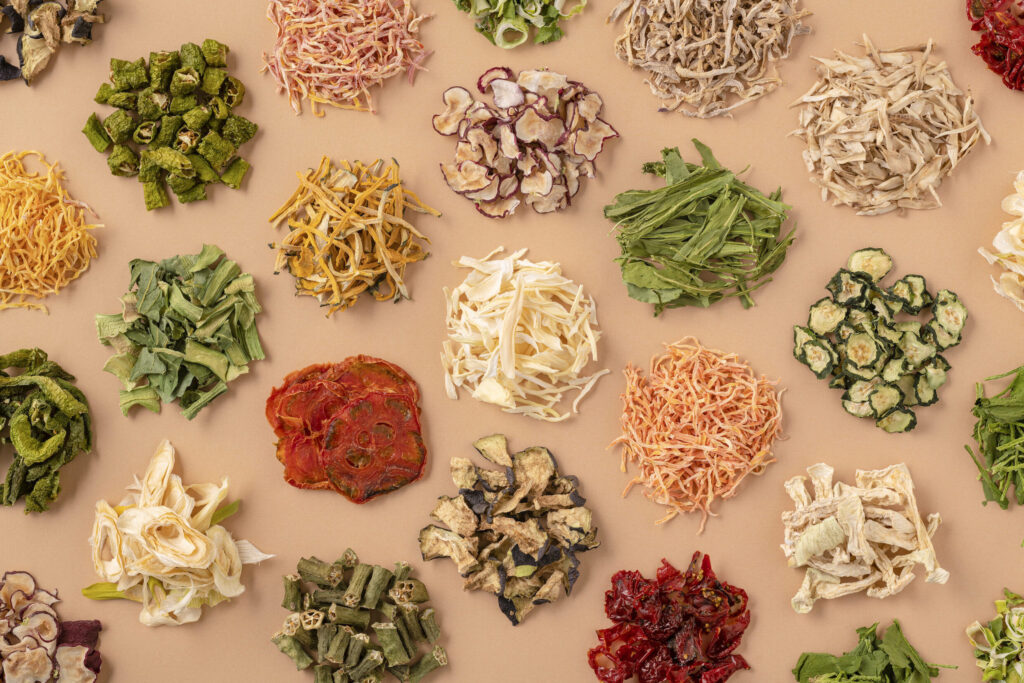
A product catalog that shows around 100 items we handle
Agriture, flexibly handling everything from small lots to large lots
- Available for purchase in small lots from 1 kg
- We handle heirloom vegetables from across Japan
- Dried fruit and herbs also supported
FAQ
Summary
すだちは、出荷量の98%を徳島県が占める香酸柑橘で、2023年に「徳島すだち」としてGIに登録されました。露地ものの旬は8〜10月ですが、ハウス(3〜8月)・露地(8〜10月)・冷蔵(10〜3月)のリレーで一年中出回ります。緑が濃くツヤのあるものを選び、水気を拭いて2〜3個ずつポリ袋に入れ、野菜室の奥へ。冷蔵は1週間を目安に、それ以上かかりそうなら冷凍に回します。
かぼすとの違いは大きさが決め手で、すだちは香りが鋭く薬味向き、かぼすは果汁が多く鍋やポン酢向きです。皮こそ香りの本体なので、すりおろして冷凍したり、すだち塩にしたりして残さず使いきりたいところ。生果が手に入りにくい季節や、香りを安定して使いたい場面では、乾燥すだちやすだちパウダーという手もあります。
Recommended reading
- かぼすとは?旬・使い方・保存とすだちとの違い
- 柑橘類の種類と違い一覧|みかん・ゆず・すだち・かぼすの選び方
- 柚子胡椒の作り方と使い方
- シークワーサーの使い方|果汁・皮の活用とはちみつ漬け
- the difference between domestic and imported lemons
- the use cases and storage of dried lemon
Download the product catalog
We will send the materials to your email address based on the information you provide.