
How far do citrus fruits extend? We've listed the angles of classification and representative varieties

Summary of this article
We checked what the term "citrus" covers, drawing on the crop classification of the Ministry of Agriculture, Forestry and Fisheries. We organize in tables what acidic citrus is, how public sources differ in describing the acidity of sudachi and kabosu, the distribution-level category of mid-to-late citrus (chubankan), and each variety's peak season.
Mikan, yuzu, sudachi, kabosu, lemon. The citrus lined up on the shelves vary in name and shape, and it's common to wonder "what family is this one in" or "which is more sour, sudachi or kabosu." Look it up and the way of dividing them differs from site to site, which can be more confusing still.
There is a reason the ways of dividing them conflict. Citrus classification comes in forms used for breeding and research, for national statistics, at the production site, and in home cooking, and each serves a different purpose. Based on materials published by the Ministry of Agriculture, Forestry and Fisheries, the NARO, and prefectures in growing regions, this page sorts out those four angles and then compiles, in one place, the representative varieties by group, how to tell the acid citruses apart, a seasonal calendar, and how to choose and store them. As a maker that contract-dries and grinds domestic citrus, we've also added at the end how to use the aroma beyond its season.
TOC
How far do citrus fruits extend?
"Citrus" is an everyday word, and there is no strict line drawn. That said, administrative documents do set out a definition that holds up in practice.
Three genera, and their hybrids too, count as "citrus"
In the Ministry of Agriculture, Forestry and Fisheries' notice setting out the crops to which pesticides apply, a crop group called "citrus" is placed within the fruit trees, and its scope is written like this: "Those of the Citrus genus, the Fortunella (kumquat) genus, the Poncirus (trifoliate orange) genus, or their hybrids, from which roughly oblate, spherical, or ovoid fruit is harvested, are included in these crop groups."
The key is including "their hybrids"is stated explicitly. Citrus born from crosses of different parents, like kiyomi and shiranui, and ones like kinkan whose genus itself differs, are all handled together as "citrus." It's safe to think of this as almost overlapping with the range people call "citrus" at home.
The crop classification list attached to this notice names 38 crops by their Japanese names. Alongside the standbys like mikan, orange, and grapefruit, regional acid citruses such as kabosu, sudachi, yuzu, jabara, shikuwasa, heihachizu, Nagato yuzukichi, kabuchi, and tarogayo all appear in a single table. The list in the same notice as revised in Reiwa 6 added finger lime, known also as caviar lime or lemon caviar.
The way of dividing changes with the purpose
The reason answers vary when you look up citrus classification is that who divides them, and for what, differs. Lining up the four representative angles makes the differences clear.
| Angle | Where it's used | Way of dividing | Example of how it's handled there |
|---|---|---|---|
| Breeding and horticultural classification | Variety improvement, reference books | Mikan type, orange type, tangor type, tangelo type, pomelo type, grapefruit type, miscellaneous citrus type, acid citrus type | Kiyomi is a tangor, and setoka is also a tangor |
| Crop statistics survey category | National production statistics | Just two: "mikan" and "other citrus" | Iyokan, lemon, and buntan are all "other citrus" |
| Crop classification for pesticide registration | Production site, residue standards | Groups citrus together, then maps it to the lemon/lime, mikan/orange, buntan, and kinkan groups | Hassaku, natsumikan, and Kawachi bankan are in the buntan group |
| With no off-taste, Kyo mizuna is a versatile type usable widely in hot pots and salads. Mibuna, on the other hand, brings out its best in light pickles and dressed dishes, harnessing its heat and aroma. When you want an accent of color or texture, consciously using the two differently adds depth to a menu. | Home, restaurants | Those whose flesh you eat, and those whose aroma and acidity you use | Sudachi and kabosu are the latter, hyuganatsu the former |
This page proceeds with the most familiar axis — whether you eat the flesh or use the aroma and acidity — while also noting the horticultural group names. Horticultural group names are often shown together with the variety name, and you get the chance to see them on in-store POP and mail-order product pages.
FOR BUSINESS
Looking for dried citrus as a raw material?
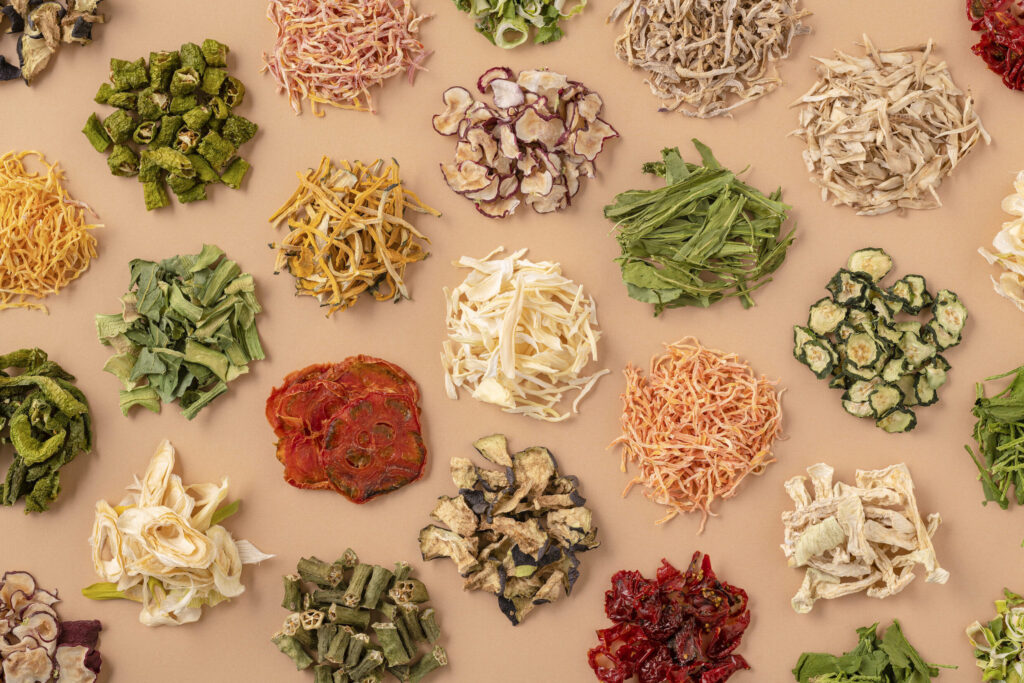
We dry and grind domestic citrus to supply. Please consult us on cut shape, particle size, and ongoing transactions. Specifications are List of dried vegetables・Vegetable powder listed at.
Small-quantity purchases are handled at OYAOYA, our sister brand's online shop. It carries dried citrus products such as dried sudachi and yuzu powder.
Citrus you eat as is: remember them in five groups
For the types whose flesh you eat, you can roughly tell them apart by how you peel them and their season. From winter mikan to the late-citrus of early spring, here first is a list of each group's lineup.
| Group | Representative citrus | Handling the peel | Rough timing of availability |
|---|---|---|---|
| Mandarin types | Satsuma mikan, ponkan, tankan | Peel by hand | September–March |
| Tangor type, tangelo type | Kiyomi, shiranui (dekopon), setoka, iyokan, harumi, Seminole | Many can be peeled by hand | December–April |
| Orange types | Navel, Valencia orange, blood orange | Cut with a knife | December to June |
| Pomelo types & grapefruit types | Buntan (zabon, banpeiyu), Kawachi bankan, grapefruit | Peel the thick rind, or cut in half | December to June |
| Miscellaneous citrus types | Hassaku, natsumikan (amanatsu), hyuganatsu | Peel the thickish rind | February–June |
The mikan type splits into "wase" and "futsu" on the inside
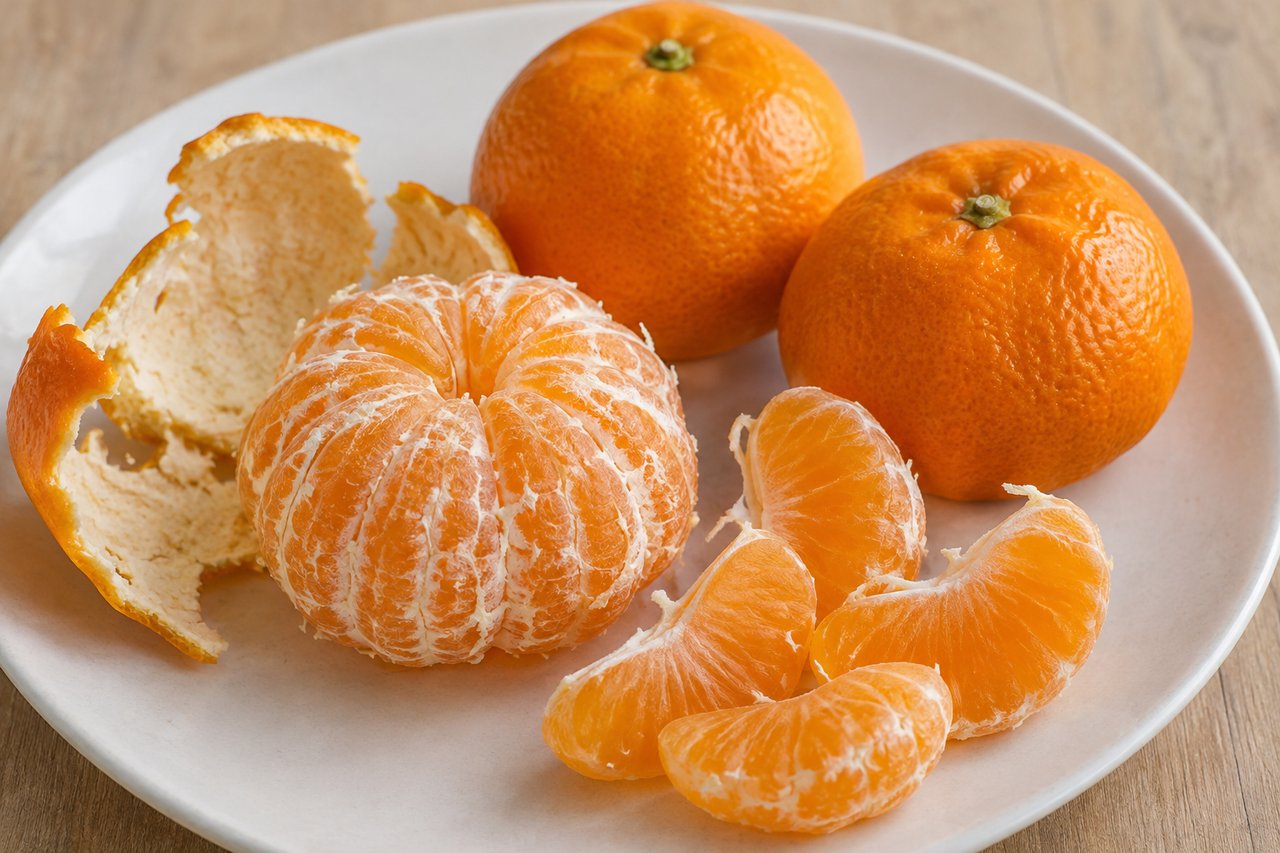
The most familiar citrus in Japan is the satsuma mikan. Easy to peel by hand, with almost no seeds, it's established as a winter fruit. In the Ministry of Agriculture, Forestry and Fisheries' crop classification, satsuma mikan and Kishu mikan are listed as alternative names for the Japanese name "mikan," and the scientific name is given as Citrus unshiu.
What's surprisingly little known is how it's divided in national statistics. The crop statistics survey divides satsuma mikan into wase (early) satsuma and futsu (ordinary) satsuma, and surveys extra-early mikan and greenhouse mikan as part of wase satsuma. The four-stage labels you often hear on the shelf — "gokuwase," "wase," "nakate," "okute" — are phrasings of growing regions and markets, and are separate from the statistical categories.
For the 2025 crop year (approximate figures), of the 656,300 tons of mikan harvested, wase satsuma was 397,100 tons, about 60%, and futsu satsuma was 259,200 tons, about 40%. The wase line that appears in autumn is the lead role in terms of volume.
In the crop classification, alongside satsuma mikan as an alternative name for the Japanese name "mikan," there is also Kishu mikan listed. The same table also lists ponkan (Citrus reticulata), tankan (Citrus reticulata Blanco), and dai-beni mikan — written in English as Dancy tangerine — in the mikan/orange group. It means there are options besides satsuma mikan among the citrus you can peel by hand.
The tangor type was born from crossing mikan and orange
Kiyomi, shiranui (dekopon), setoka, iyokan, harumi, and the like belong to the tangor type. In the Ministry of Agriculture, Forestry and Fisheries' crop classification, kiyomi's scientific name is written as Citrus unshiu × Citrus sinensis, and that it is a cross of satsuma mikan and sweet orange is shown in the name itself. Combining ease of peeling with a rich sweetness, it becomes the star of the winter-to-spring shelf.
This group has several varieties bred by the NARO and granted agricultural certification. Setoka is Tangor Norin No. 8, bred by crossing "kiyomi × Encore No. 2" with "Murcott," a mid-season variety that ripens in February. Others that have been published include reiko (Tangor Norin No. 9), akemi (Tangor Norin No. 6), which ripens in March, and benibae (Tangor Norin No. 10), which ripens from late December to January. Behind the variety name lies a design of the cross combination and the ripening time.
Ones born from a cross of the mikan type and the grapefruit type, like Seminole, are called the tangelo type. They're often lined up together with the tangor type in stores, and their flavor tendencies are close too, so there's almost no need to mind the distinction when buying.
Orange type and buntan type are cut with a knife to eat
The orange type (Citrus sinensis), represented by navel and Valencia orange, has a thick rind and is hard to peel by hand, but in return holds a rich sweetness and strong aroma. It also suits juicing, and the red-fleshed blood orange is in this group too. Because the rind's aroma is strong, it's used as an ingredient for marmalade and confectionery as well.
Buntan (Citrus maxima) is distributed under alternative names such as zabon, bontan, banpeiyu, and uchimurasaki. Large with a distinct, well-defined flesh texture, its thick rind is also used for candied peel. Grapefruit's hallmark is its slight bitterness and acidity, and the way of cutting it in half and scooping it out with a spoon is well established. Kawachi bankan is positioned in this group, and its feature is that it stays on the shelf into early summer.
Which group do hassaku, natsumikan, and hyuganatsu fall into?
Hassaku, natsumikan (amanatsu), and hyuganatsu are usually grouped together as "miscellaneous citrus" in reference books and mail-order sites. It's a catch-all, so to speak, gathering the lineup that doesn't fit neatly into any group.
Yet look at the Ministry of Agriculture, Forestry and Fisheries' crop classification and the arrangement changes. Hassaku (Citrus hassaku), natsumikan (Citrus natsudaidai), Kawachi bankan, and Summer Fresh are placed in the buntan (Pummelo) group, and hyuganatsu (Citrus tamurana) is placed in the mikan/orange group. This is the result of grouping together fruits with similar properties for the purpose of setting pesticide residue standards, and its purpose differs from the reference books' "miscellaneous citrus."
It's not a matter of which is correct. Citrus classification changes with what it's divided for Keep this premise in mind and you can read each material without being thrown, however differently it's written.
Kinkan and karatachi also count as "citrus"
The story of citrus doesn't end with the Citrus genus alone. Kinkan is of the Fortunella (kumquat) genus (Fortunella japonica), and in the crop classification it is placed, together with its alternative names ninpo kinkan and maru kinkan, in an independent Kumquats group. Unlike other citrus, it's a citrus meant to be eaten whole, rind and all.
The third, the Poncirus (trifoliate orange) genus, is not something eaten fresh as fruit. Even so, in the Ministry of Agriculture, Forestry and Fisheries' definition, it is included in the scope of "citrus" alongside the Citrus and Fortunella genera. Whether it reaches the table and how it's handled as a crop are separate things. Almost all the citrus you see in stores is the Citrus genus, but as a definition it's enough to remember that these three genera and their hybrids are what count as citrus.
"Mid-late citrus" is not a statistical category but a distribution term
The word you often see in stores and mail-order, mid-late citrus, is a label grouping together the citrus that appear after satsuma mikan is finished. Kiyomi, shiranui, setoka, iyokan, hassaku, natsumikan, Kawachi bankan, and the like get bundled under this name.
However, this is not a national statistical category. The crop statistics survey has only the two of "mikan" and "other citrus," with no item for mid-late citrus. The Ministry of Agriculture, Forestry and Fisheries' technical information treats shiranui and others as mid-late citrus, but it's a name that passes at the production and distribution site. Understand it as a handy word that groups by shipping season, on a different axis from the horticultural groups, and you won't get confused.
Acid citrus uses the aroma and acidity rather than eating the flesh
The Ministry of Agriculture, Forestry and Fisheries' PR magazine explains acid citrus like this: "Citrus enjoyed not by eating the fruit but for the acidity of the juice and the aroma of the rind is called 'acid citrus.'" It's a supporting player in cooking, with a role clearly divided from the groups whose flesh you savor.
The four representatives are yuzu, sudachi, kabosu, and lemon. Lined up using only what's written in official materials, it comes out as follows.
| Type | Size guide | Main growing region | Availability season | Suitable use |
|---|---|---|---|---|
| Yuzu | Between kabosu and sudachi | Kochi Prefecture, Tokushima Prefecture | October–December | Scenting with the rind, yuzu tea, yuzu bath |
| Sudachi | About the size of a golf ball, 20–40g | Tokushima Prefecture | Year-round (open-field around August–October) | Condiment for grilled fish and noodles, chilled tofu, salads |
| Kabosu | About the size of a tennis ball | Oita Prefecture | Year-round (open-field around August–October) | Condiment for hot pot, vinegared dishes, ponzu |
| Lemon | Equal to or larger than kabosu | Hiroshima Prefecture, Ehime Prefecture, and others | Anniversary | Western dishes, drinks, confectionery |
Largest to smallest: kabosu, yuzu, sudachi
The quickest clue to telling the three look-alikes apart is size. On its official site, Oita Prefecture explains "largest to smallest, it's kabosu, yuzu, sudachi" and "kabosu is about a tennis ball, sudachi about a golf ball, and green yuzu is somewhere in between." Sudachi is said to weigh about 20–40 grams, so you can judge by how light it feels in the hand too.
The amount of juice is proportional to size as well. Kabosu for hot pot and ponzu that use plenty of juice, and sudachi for a condiment where you squeeze a little to bring out the aroma — that's a practical way to choose.
Sudachi and kabosu: which has the stronger acidity?
This is a point where even official materials split on how they're written.
- The Ministry of Agriculture, Forestry and Fisheries' PR magazine describes sudachi as "a Tokushima Prefecture specialty, with a mild acidity," and kabosu as "an Oita Prefecture specialty, juicy and strongly acidic"
- Oita Prefecture's official site describes sudachi as having "a clean acidity and strong aroma" and "little bitterness," and kabosu as "refined in aroma" with "a soft flavor that balances sweetness and acidity"
Nearly opposite assessments both come from official sources. The way the acidity shows changes with the harvest timing and whether it's a green or yellow fruit, and since the juicier kabosu yields more per squeeze, the sensation tends to divide.
Where the materials agree is on three points: size, amount of juice, and growing region. Rather than choosing by "which is more sour," choosing by the amount you use and how you bring out the aroma goes more smoothly. For detailed use of each, see An explanation of sudachi's season and storage and An explanation of kabosu's season and uses.
With yuzu, the rind is the star rather than the juice
Yuzu (Citrus junos) is a citrus with wide uses for its rind, even among the acid citruses. The Ministry of Agriculture, Forestry and Fisheries' PR magazine introduces it as "popular for its soothing aroma; the whole thing down to the rind can be used as a spice or condiment," and lists Kochi Prefecture and Tokushima Prefecture as the main growing regions. Grating the rind over clear soup or hot pot, using it in yuzu tea or a yuzu bath — uses that make the rind the star are well established.
The part used differs in the first place from kabosu, whose juice you squeeze and use. The reason the aroma doesn't come through when you put kabosu in place of yuzu is exactly this. Know that it's a citrus premised on using the rind, and you start to look at the state of the rind when buying.
Lemon's aroma points in a different direction from the Japanese acid citruses
Lemon (Citrus limon) is introduced in the PR magazine as "produced in Hiroshima Prefecture, Ehime Prefecture, and elsewhere; a standard ingredient that's easy to use, with a refreshing acidity," and its availability season is given as year-round. Easy to pair with Western dishes, confectionery, and drinks, its strength is being available all year.
At the same time, its aroma points in a clearly different direction from the Japanese acid citruses. Using lemon in grilled fish or clear soup leans Western not because of the strength of the acidity but because of the difference in the quality of the aroma. Ease of use also changes between domestic and imported, so the difference between domestic and imported lemons.
substitute it and the direction of the aroma changes
You can substitute with what's on hand, but the impression of the result changes. Use lemon in place of sudachi and a Western aroma mixes into Japanese food; use sudachi in place of kabosu and the aroma comes out stronger. Since yuzu's aroma is led by the rind rather than the juice, swapping only the juice won't make it the same. In every case, adding a little at a time and tasting prevents overdoing it.
Open-field and greenhouse swap which season they appear in
The reason sudachi and kabosu are written as "year-round" is greenhouse cultivation and storage. Tokushima Prefecture explains that for sudachi, greenhouse-grown fruit is shipped from mid-March to mid-August, and after that open-field-grown fruit is shipped. The aroma stands out most in the August–October period when open-field fruit appears.
According to Kochi Prefecture's materials, for yuzu grown in open fields, green fruit is harvested around August–September and yellow fruit around November. While green, the aroma is sharp; as it turns yellow, the edges come off and it leans toward a sweet aroma. Features of yuzu by growing region.
Acid citruses rooted in their regions
Beyond the big four, there are acid citruses tied to their growing regions. We've picked out their features from explanations published by prefectures and municipalities.
| Name | Main growing region | Features written in official materials |
|---|---|---|
| Shikuwasa | Okinawa Prefecture | Okinawa Prefecture's explanation says the green fruit is sour, so it's used in place of lemon or vinegar, and when it ripens yellow it turns sweet and can be peeled and eaten as is |
| Heibeizu (hebesu) | Hyuga City, Miyazaki Prefecture | Hyuga City's materials say that compared with kabosu and sudachi it has a distinctive aroma and mellow flavor, with few seeds and plenty of juice. The name derives from Chosokabe Heibei, who spread it in the late Edo period |
| Jabara | Kitayama Village, Wakayama Prefecture | Wakayama Prefecture's explanation says the fruit is spherical or oblate-spherical with an average weight of 130g. It keeps for 3 months in a cool, dark place, and can be used down to the rind |
| Daidai | Shizuoka Prefecture (Atami, Ito) and others | Shizuoka Prefecture's materials say that because it doesn't fall even when ripe and a single tree bears both old and new fruit, it's also written "daidai" (generations) and is used in New Year's decorations. Kagoshima Prefecture's Hetsuka daidai is registered as a Geographical Indication |
| Naoshichi (Takuma sudachi) | Kochi Prefecture | Kochi Prefecture's materials say it lacks the strong aroma of yuzu, and its feature is a mellow acidity |
| Bushukan (mochiyu) | Kochi Prefecture | Kochi Prefecture's materials say the green fruit is harvested and used as a condiment for sashimi of young fish |
| Nagato yuzukichi | Yamaguchi Prefecture | An acid citrus listed as a crop name in the Ministry of Agriculture, Forestry and Fisheries' crop classification |
| Kabuchi | Okinawa Prefecture | Its scientific name in the crop classification is Citrus keraji. It is placed in the lemon and lime group. |
Newcomers such as finger lime, also known as caviar lime or lemon caviar, appear in the crop classification as well. Because local citrus is distributed in limited quantities, these are varieties you'll most often find at farm stands in the growing region or through furusato nozei (hometown tax donations).
Citrus grown in Japan, by the numbers
The answer to "how many kinds of citrus are there" varies from source to source, because there is no fixed way to count the varieties. The scale of cultivation, however, can be confirmed in national statistics.
Statistics split citrus into two: "mikan" and "other citrus"
The Crop Statistics Survey examines satsuma mandarins in detail as "mikan" and lumps everything else together as "other citrus." Iyokan, shiranui, buntan, and lemon all sit in a single box in the statistics. On top of that, the only item surveyed for other citrus is planted area; harvest volume is not published.
| Category | 2025 crop year (approximate figures) | Notes |
|---|---|---|
| Mikan planted area | 35,600 ha | Down 800 ha (2%) from the previous crop year |
| Mikan bearing-tree area | 33,800 ha | Down 700 ha (2%) from the previous crop year |
| Mikan harvest volume | 656,300 t | Up 17% from the previous crop year |
| Mikan shipment volume | 598,900 t | Up 17% from the previous crop year |
| Of which, early-season satsuma harvest volume | 397,100 t (61%) | Ordinary-season satsuma: 259,200 t (39%) |
| Other citrus planted area | 22,800 ha | Down 500 ha (2%) from the previous crop year. Only planted area is surveyed |
The planted area for other citrus fell from 26,300 ha in the 2016 crop year to 22,800 ha in the 2025 crop year, a drop of roughly 13% over ten years. By this measure, citrus other than mikan is also continuing to shrink in cultivation scale.
Acidic citrus is concentrated in a single prefecture
Acidic citrus is very heavily concentrated in particular prefectures. For sudachi, the Geographical Indication (GI) register notes that Tokushima sudachi accounts for 98% of the nation's sudachi shipment volume. The registration is No. 129, dated March 31, 2023. For kabosu, Oita Prefecture's materials state that about 90% of production comes from the prefecture.
For shikuwasa, Okinawa Prefecture's materials show that about 98% of sales by use are for processing. Only a tiny amount reaches store shelves as fresh fruit; the rest moves as raw material for juice and seasonings. The numbers say that acidic citrus is less a "fruit you buy fresh" and more a "raw material to process and use."
Some citrus is registered as a Geographical Indication
Agricultural, forestry, and fishery products whose quality is tied to their region of origin can be registered with the government as a Geographical Indication (GI). Among citrus, Tokushima sudachi was registered as No. 129 on March 31, 2023, and the register describes its characteristics as "harvested while the rind is deep green, with a refreshing aroma and acidity." Henzuka daidai of Kagoshima Prefecture is registered as No. 57, and the registration materials describe it as a native variety grown only in part of the prefecture.
Only citrus that meets the origin and quality requirements may carry the GI mark. It serves as a clue for telling the real thing from products with merely similar names, so it is worth checking when choosing a gift or a raw material.
Citrus seasonal calendar
Because each group peaks at a different time, combining them keeps citrus on the table through most of the year. Laying them out by month makes the flow clear.
| Timing | The leading citrus | How it looks in stores |
|---|---|---|
| Throughout the prefecture | Open-field sudachi and kabosu, green yuzu | Small green fruit sold in bags |
| September to November | Ultra-early and early-season satsuma mandarins | Mandarins with green still on the rind start to appear |
| October–December | Yellow yuzu | Larger, yellow-ripened fruit sold individually |
| November–March | Ordinary-season satsuma, ponkan, tankan | Boxed mandarins take center stage |
| December–April | Kiyomi, shiranui, setoka, iyokan, buntan | More mid-to-late-season citrus sold by the piece |
| February–June | Hassaku, natsumikan, hyuganatsu, kawachi bankan, Valencia orange | The shift to thick-skinned citrus |
From summer to autumn, acidic citrus moves first
The citrus year begins with green acidic citrus. Open-field sudachi and kabosu appear in August and hit their peak just as somen and grilled fish come into season. Green yuzu arrives around the same time and suits uses where the rind is grated. As autumn deepens, the fruit turns yellow and the sharp edge of its acidity softens, making it a good match for juice or honey preserves. The charm of acidic citrus is how the same fruit changes character between its green and its yellow stages.
Winter passes the baton to mikan, spring to mid-to-late-season citrus
From ultra-early varieties around September to stored mandarins in winter, satsuma mandarins can be enjoyed over a long stretch. After the new year, tangors such as kiyomi, shiranui, and setoka begin to appear, and from February the lead shifts to thick-skinned citrus such as hassaku, natsumikan, hyuganatsu, and kawachi bankan. Because Valencia orange and kawachi bankan hold on until early summer, Japanese-grown citrus is available even in May and June.
What to look for when buying, and storage that varies by type
Even across different groups, there is common ground in how to judge freshness and how to think about storage. Here are the basics for buying citrus in season and using it up.
Check the weight and the cut at the stem
At the store, checking these four points reduces the chance of a bad pick.
- Feels heavy in the hand, a sign it is full of juice
- The rind is firm and glossy, with no shriveling or bruising
- The cut at the stem is fresh and not discolored brown
- For acidic citrus, choose deeply colored, firm fruit; for satsuma mandarins, choose fruit whose rind clings tightly to the flesh
When buying mandarins by the box, also check that the fruit in the lower layers is not crushed. They are prone to damage from the weight above, and one spoiled fruit spreads to those around it.
Acidic citrus in the crisper, mandarins in a cool spot
Acidic citrus is sensitive to drying out, so put it in a plastic bag and keep it in the refrigerator's crisper. Juice what you cannot use up and freeze it in an ice-cube tray so you can take out just the amount you need. Satsuma mandarins prefer a cool, well-ventilated spot; when you buy a box, swapping the top and bottom now and then helps keep the lower layer from spoiling. Remove any spoiled fruit early. Thick-skinned oranges and buntan keep comparatively well, but chilling them too much makes their sweetness harder to taste, so cooling them shortly before eating brings out their character.
If you use the rind, wash it before chopping
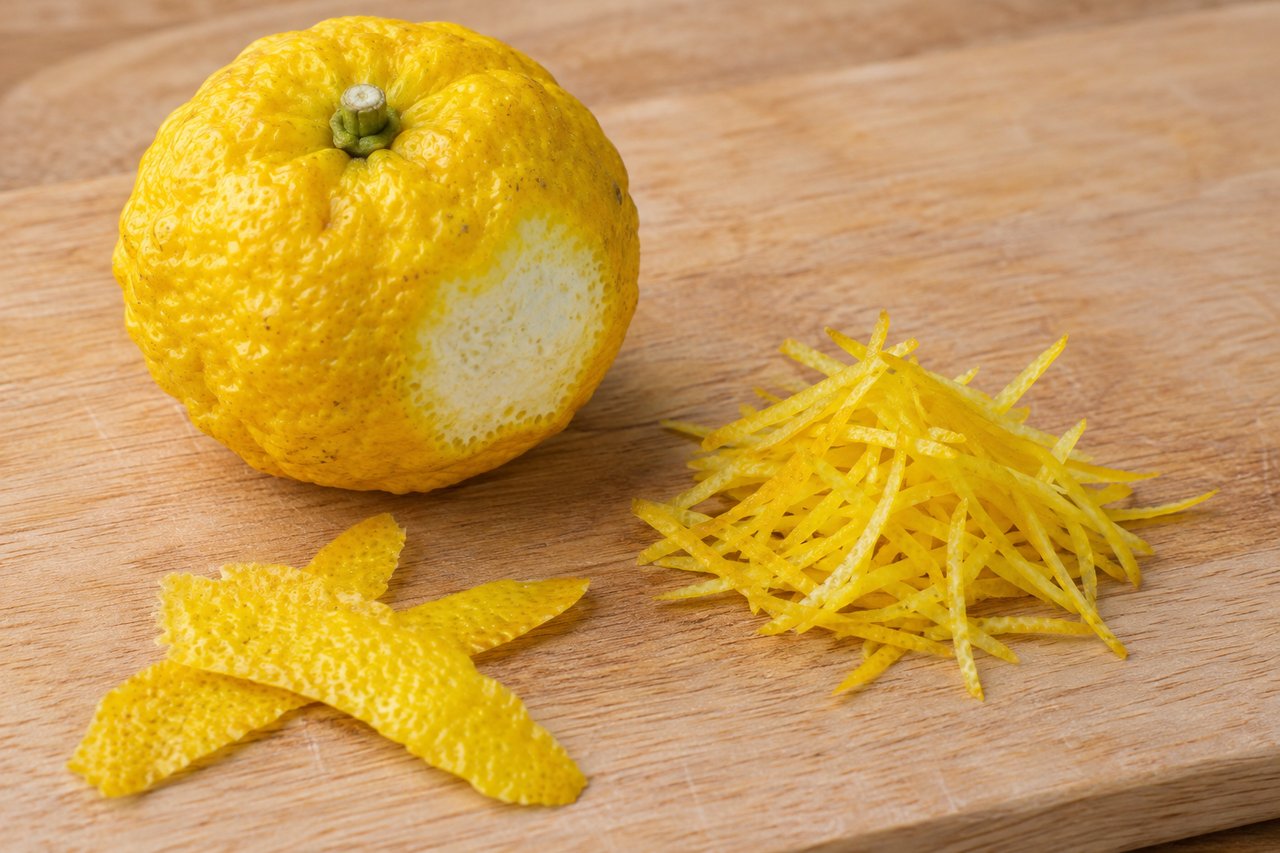
Citrus with a strongly fragrant rind, such as yuzu and natsumikan, lets you use the peel too. Grate it as a condiment, or make marmalade or candied peel, enjoying it in ways apart from the juice. If you plan to eat the peel, wash the surface well before using it. Chop any peel you cannot use up and freeze or dry it, and it is ready to add aroma at any time. By storing the juice and peel separately, you can use a single fruit down to the last part. yuzu kosho and how to make yuzu kosho is a classic example of a seasoning that puts the peel center stage.
Drying and powdering carry it past its season
Fresh citrus in season has the best aroma, but the season is short and the fruit spoils quickly. From the floor at Agriture, a Kyoto-based contractor for drying and milling Japanese-grown citrus, here are ways to use that aroma beyond its season.
Too much heat drives off the aroma and leaves only the acidity
The hardest part of drying citrus is retaining the aroma. Raising the temperature dries it faster, but the aromatic compounds escape first, leaving a dried product with only the acidity. Thin-skinned acidic citrus is especially tricky to balance, so at Agriture we dry it slowly with low-temperature hot air. Because the rind thickness and water content differ with each type of citrus, we do not run them all on the same settings.
Drying without adding sugar keeps the fresh aroma from being masked by sweetness. Added sugar is better for shelf life, but if aroma is to be the star, no added sugar is the way to go. The best-before date for dried yuzu and dried sudachi is around six months from the shipping date.
Milling the whole fruit without removing the seeds
Citrus seeds fall out during the drying process, so a design that cuts the fruit to remove the seeds lowers the yield. For powder or chips, milling the whole fruit, seeds and all, leaves nothing to discard. Agriture's yuzu chips use this approach to use up the entire fruit. Deciding how to handle the seeds before deciding the cut shape changes how much you can obtain from the same raw material.
Powdered whole with the peel, yuzu powder and Sudachi powder adds aroma and acidity without adding moisture. Because it adds only flavor without upsetting the formulation of a batter or sauce, it is an easy form to work with in confectionery and in restaurant prep.
Some years the fruit set drops
Citrus such as yuzu and sudachi has years when the yield drops. Because fruit set varies from year to year, purchase prices rise in low-yield years. Dried products keep longer than fresh fruit, so it is practical to dry a batch in a year when yield and price line up and work through the stock. Rather than scrambling to secure supply in a year when "citrus is expensive," securing it the year before makes planning easier.
Taste the season with fresh fruit in its prime, and use dried products and powder year-round. Once you can switch between the two, you can keep citrus aroma on the table even when fresh fruit is out of season.
Public sources referenced in this article
- Ministry of Agriculture, Forestry and Fisheries, "Names of Applicable Crops Pertaining to the Scope of Pests Subject to Pesticides and Methods of Use," Crop Classification (Citrus)
- Ministry of Agriculture, Forestry and Fisheries, Crop Statistics Survey, "Planted Area, Bearing-Tree Area, Harvest Volume and Shipment Volume of Mikan, and Planted Area of Other Citrus, 2025 Crop Year"
- Ministry of Agriculture, Forestry and Fisheries, aff magazine, January 2017 issue, Feature 2 "Acidic Citrus"
- Ministry of Agriculture, Forestry and Fisheries, Register of Specific Agricultural, Forestry and Fishery Products, No. 129 "Tokushima Sudachi," No. 57 "Henzuka Daidai"
- NARO bred varieties "Setoka," "Reiko," "Akemi," "Benibae"
- Public materials from Oita, Tokushima, Kochi, Okinawa, Shizuoka, and Wakayama Prefectures, and Hyuga City, Miyazaki Prefecture
FAQ
Summary: when in doubt, choose by size and how you'll eat it
Citrus is a broad grouping that spans the genera Citrus, Fortunella, and Poncirus, down to their hybrids. How it is divided varies by source: in breeding, groups such as mandarins, oranges, and tangors; in national statistics, the two categories of "mikan" and "other citrus"; and in pesticide registration, yet another way of grouping. The differences in wording are not errors but differences in purpose.
For everyday shopping, a simpler standard is what you can rely on. To eat the flesh, choose mikan, tangors, or oranges; to add aroma and acidity to dishes, choose yuzu, sudachi, kabosu, or lemon. To tell the three acidic citrus apart, remember them from largest to smallest—kabosu, yuzu, sudachi—and you won't hesitate at the store. The seasons run from summer to autumn for acidic citrus, autumn to winter for satsuma mandarins, and winter to early summer for mid-to-late-season citrus, so choosing with the season gets you both the taste and the price.
Taste the season with fresh fruit in its prime, and secure year-round aroma with dried products and powder. Once you've settled on a citrus that interests you, head to the individual guides below.
Recommended reading
- Sudachi's season and storage, and how it differs from kabosu
- Kabosu's season, uses, and storage
- Japanese yuzu: regional characteristics and how to choose
- the difference between domestic and imported lemons
- the use cases and storage of dried lemon
- . For a seasoning that makes use of yuzu peel,
- How to use yuzu shichimi
- how to choose citrus powder and OEM
FOR BUSINESS
Looking for dried citrus as a raw material?
We dry and grind domestic citrus to supply. Please consult us on cut shape, particle size, and ongoing transactions. Specifications are List of dried vegetables・Vegetable powder listed at.
Small-quantity purchases are handled at OYAOYA, our sister brand's online shop. It carries dried citrus products such as dried sudachi and yuzu powder.
A product catalog that shows around 100 items we handle
Agriture, flexibly handling everything from small lots to large lots
- Available for purchase in small lots from 1 kg
- We handle heirloom vegetables from across Japan
- Dried fruit and herbs also supported
Download the product catalog
We will send the materials to your email address based on the information you provide.
- Kabosu is in season from August to October, so why does it line the shelves all year round
- What do you put yuzu kosho on? We've compiled how to use it by dish and a guide to amounts
Author of this article
Related articles
-
 Aojiru vs. vegetable juice vs. dried vegetables, thoroughly compared | Which method truly works for beating vegetable deficiency?
-
 What is yakuzen? Its meaning, the difference from kampo, and the basics of starting with familiar ingredients explained
-
 What's the Difference Between Yakuzen and Kampo? A Gentle Look at Food vs. Crude Drugs, Purpose, and Philosophy
-
 Complete guide to using dried mugwort | From rehydrating to popular recipes and storage tips
-
How to make yomogi mochi with dried mugwort | Ingredients, amounts, and foolproof tips explained
-
 We checked how to make and use yuzu shichimi against long-established makers' blend charts and ingredient labels
-
How to make mugwort tea | Easy with dried mugwort, explained for teapot, decoction, and homemade
-
 What Are Edible Flowers? Types, How to Eat Them, and How to Choose, Explained by a Grower