山椒はうなぎ以外に何に使う?年4回、姿を変えて出回ります

Summary of this article
山椒は年に4回、姿を変えて出回る作物です。春の木の芽、4月の花山椒、5月の実山椒、秋の完熟した実。それぞれの使い方と、粉山椒を入れるタイミング、脂のある料理に合う理由、合わない相手、入れる量の目安、乾燥した実の扱い、実がなるのは雌株だけという話、国産は年461.8トンで出荷の76.9%が加工向けであることまでまとめました。
粉山椒の小瓶が、うなぎを食べたとき以外に開かれないまま台所にある。よくある話です。
先に結論を書きます。山椒は年に4回、違う姿で出回る作物です。春の木の芽、4月の花山椒、5月の実山椒、秋の完熟した実。それぞれ向く料理が違います。「山椒=うなぎの粉」だと思っていると、4分の1しか使っていないことになります。
この記事では、林野庁や農林水産省が部位ごとの使い方をどう整理しているかを引きながら、粉・実・葉・花のそれぞれで何ができるかを並べます。国産の山椒を乾燥させて業務用に供給している立場から、入れる量とタイミングについても書きました。
種類や品種の違いは山椒の種類の解説; for the preparation of mi-zansho, see Preparation and bitterness removal of mi-zansho.
TOC
山椒はうなぎ以外に何に使えるのか
使い道を先に一覧にします。
| Form | 出回る時期 | Suitable use |
|---|---|---|
| 木の芽(若葉) | Spring | 木の芽和え、吸い物、焼き物に添える |
| 花山椒(花) | April | 佃煮、吸い物、すき焼き |
| 実山椒(未熟果) | 5月〜6月 | ちりめん山椒、佃煮、煮魚、醤油漬け |
| 乾燥した実 | Year-round | 煮込み、油に香りを移す、麻婆豆腐 |
| Powdered sansho | Year-round | 仕上げに振る。うなぎ、汁物、焼き鳥、麻婆豆腐 |
| すりこぎ(幹) | ― | 調理道具として |
林野庁の近畿中国森林管理局は、山椒の利用をこうまとめています。
若葉を「木の芽」として薬味に利用し、若い果実を実山椒と呼んで佃煮に、熟した果実を粉末にして粉山椒、果皮は七味唐辛子の香料、材(幹)はすりこぎに利用する等、利用価値が大変高いので家庭の庭や畑で栽培されることも多い樹木です。
林野庁 近畿中国森林管理局 滋賀森林管理署
葉も、花も、実も、幹も使う。捨てるところがほとんどない樹だということが、国の機関の説明からも読み取れます。
とりあえず粉山椒を開けるなら
いま家にある粉山椒を今日使い切りたい、という人向けに、手数の少ない順に並べます。
- 味噌汁にひと振り。脂の多くない汁物でも香りが立つ
- 焼き鳥、唐揚げ、豚の角煮。脂のある料理と相性がよい
- 麻婆豆腐、担担麺。しびれを足したいとき
- 卵かけごはん、お茶漬け、おにぎり
- きんぴら、筑前煮などの煮物の仕上げ
- ポテトサラダ、冷奴、アボカド
共通するのは仕上げに振ることです。粉山椒は香りが飛びやすいので、調理の早い段階で入れると香りが残りません。
山椒は年に4回、違う姿で出回る
ここが山椒のいちばん面白いところです。同じ樹から、時期ごとに違うものが採れます。
春の木の芽、4月の花、5月の実、秋の完熟
農林水産省の「うちの郷土料理」には、京都の山椒について季節の進み方が書かれています。
春に芽をふき、この若い芽を“木の芽”といって、煮物や焼き物、木の芽味噌、酢の物などに使って、香りを楽しむ。木の芽は春の訪れを感じさせる食材である。4月に入ると黄色の小さな花をつける。“花山椒”として知られるもので、花だけでなく葉も一緒につまれる。
農林水産省「うちの郷土料理」山椒の葉の佃煮 京都府
同じページは続けて「5月には、薄緑色があざやかな“実山椒”が出回るようになる」「そして、秋になると“割山椒”が店頭に並びはじめる」と書いています。春から秋まで、姿を変えながら出続けるということです。
| Timing | 出回るもの | State |
|---|---|---|
| March to April | Kinome | 若い葉 |
| April | Flower sansho | 黄色の小さな花 |
| 5月中〜下旬 | Mi-zansho (berry) | 薄緑色の未熟果 |
| July–August | 乾燥用の実 | 果色が暗緑色になった成熟果 |
| Autumn | 割山椒 | 完熟してはじけた実 |
生の実山椒が買えるのは1年で10日ほど
実山椒の季節が短いことは、産地の資料にはっきり書かれています。農林水産省の近畿農政局が有田川町を取材した記事には「生サンショウの収穫適期は約10日間と短いため、家族総出の作業となります」とあります。
和歌山大学の研究報告も、生果の収穫適期を「5月中旬〜6月上旬頃のうち約10日間」としています。スーパーで生の実山椒を見かけたら、その年はもう次がないと思って買ったほうがいいです。
買ったその日に下処理して冷凍すれば、1年使えます。手順はPreparation and bitterness removal of mi-zansho for a summary.
産地は年に2回収穫している
和歌山県有田川町の公式サイトには、ぶどう山椒の収穫についてこう書かれています。「収穫は、5月中〜下旬の実山椒と、7〜8月の乾燥山椒の2回」。
5月に生果として収穫し、残った実を7月から8月に成熟させてから乾燥用に収穫する。同じ樹から2回、違う商品を取っているということです。粉山椒になるのは後者です。
FOR BUSINESS
乾燥山椒を、原料としてお探しですか
国産の山椒を乾燥・粉砕してお出ししています。カット形状や粒度の指定、継続してのお取引もご相談ください。規格は Dried Japanese pepper (sansho)・Sansho Powder に掲載しています。
山椒の少量販売は姉妹ブランドの OYAOYA では取り扱いがありません。ほかの品目はカタログをご覧ください。
How to use powdered sansho
もっとも手に入りやすく、もっとも使われていないのが粉山椒です。
入れるのは最後。早いと香りが消える
粉山椒は火を止めてから、あるいは器に盛ってから振ります。煮込みの途中で入れると、仕上がるころには香りが抜けています。
当社で山椒を粉に挽くときも、発熱を抑えることと、挽いてから包装するまでの時間を短くすることに気をつけています。粉にした瞬間から香りは落ち始めます。家庭でも、封を開けたら早めに使い切るほうがいいです。
脂のある料理に効く
山椒がよく合うのは、脂やコクのある料理です。うなぎの蒲焼きがその代表ですが、同じ組み合わせで次のものにも合います。
- 焼き鳥、唐揚げ、豚の角煮、手羽先
- カレー、ハヤシライス
- 脂ののった魚の煮付け、ぶり大根
- ラーメン、担担麺
- バターを使った料理、クリームソース
脂を切るというより、脂の重さのうしろに香りが立つ感じになります。少量でよく、入れすぎると香りだけが前に出ます。
意外に合う相手
- 卵:卵かけごはん、だし巻き、オムレツ
- 乳製品:クリームチーズ、バニラアイス
- じゃがいも:ポテトサラダ、フライドポテト
- 果物:グレープフルーツ、いちご
- チョコレート:板チョコにほんの少し
アイスやチョコレートに振るのは、慣れないと驚きますが、甘いものと山椒は合います。ほんの少しで足ります。
どれくらい入れるか
| Dish | 粉山椒の目安 | 入れる時 |
|---|---|---|
| うなぎ・焼き鳥 | ひと振り(数粒程度) | 食べる直前 |
| 味噌汁(1杯) | ひと振り | 器に盛ってから |
| 麻婆豆腐(2人分) | 小さじ4分の1から | 火を止めてから |
| 煮物(4人分) | 小さじ4分の1から | To finish |
| アイス・チョコ | ごく少量 | 食べる直前 |
足りなければ足せますが、入れすぎたものは戻せません。最初は表の半分から始めるくらいでちょうどいいです。
How to use mi-zansho
生の実山椒が手に入ったときの話です。下処理をしてから使います。
ちりめん山椒と佃煮
もっともよく作られているのが、ちりめんじゃこと炊き合わせるちりめん山椒です。下処理した実山椒とちりめんじゃこを、醤油とみりん、酒で汁気がなくなるまで炊きます。
昆布と一緒に炊けば山椒昆布、しらすと合わせれば佃煮になります。どれも作り置きができて、冷蔵で2週間ほど持ちます。
煮魚と肉料理に入れる
いわしやさんまの煮付けに実山椒を一緒に入れると、魚の香りの角が取れます。豚の角煮、鶏の煮込みにも合います。
煮込みに使う場合は途中から入れるのがこつです。最初から入れると香りが飛び、最後だと馴染みません。味がだいたい決まったあたりで加えます。
醤油漬けと塩漬けにして常備する
- 下処理した実山椒の水気を切る
- 清潔な瓶に入れ、ひたひたになるまで醤油を注ぐ
- 冷蔵庫で1週間ほど置く
- 実も醤油も使える。冷奴、卵かけごはん、和え物に
塩漬けにする場合は、実山椒の重さの2割ほどの塩をまぶして瓶に詰めます。どちらも冷蔵で半年ほど持ちます。
冷凍しておけば1年使える
下処理した実山椒は、小分けにして冷凍すれば翌年の収穫期まで持ちます。凍ったまま鍋に入れられるので、使うたびに解凍する必要もありません。
1年で10日しか買えないものを、1年分確保しておく。これが実山椒との付き合い方です。
乾燥した実山椒の使い方
「乾燥山椒の実 使い方」で探している方が多いので、粉ではないホールの乾燥品について書きます。
油に香りを移す
乾燥した実山椒は、油と一緒に加熱すると香りが出ます。冷たい油に入れてから弱火にかけ、ゆっくり温めます。熱した油に入れると数秒で焦げます。
香りが立ったら実を取り出し、その油で炒める。麻婆豆腐やラー油の作り方と同じ考え方です。
煮込みに丸ごと入れる
カレー、角煮、スープに数粒落とすだけでも香りが移ります。取り出せるので、強くなりすぎたところで引き上げられるのが利点です。
生の実山椒と違って下処理はいりません。戻す必要もなく、そのまま鍋に入れられます。
自分で挽いて粉にする
乾燥した実をミルやすり鉢で挽けば、粉山椒になります。市販の粉より香りが強いのは、挽きたてだから, contained in burdock and cocoa.
挽く前に、黒い種を取り除いてください。粉山椒に使われるのは果皮の部分です。日本薬局方でも、生薬としてのサンショウは「成熟した果実の果皮」で、果皮から分離した種子をできるだけ除いたものと定義されています。
挽く量は、1〜2か月で使い切れるぶんだけ。残りは実のまま保存しておくほうが香りが持ちます。
木の芽と花山椒の使い方
春の2〜3か月しか手に入らない部位です。
木の芽は手のひらで叩いてから
木の芽は山椒の若葉です。使う直前に手のひらにのせて反対の手で軽く叩くと香りが立ちます。事前に叩いておくと、出す頃には香りが抜けています。
- たけのこの木の芽和え:春にいちばんよく作られる
- 木の芽味噌:白味噌に刻んだ木の芽を混ぜる。田楽や焼き物に
- 吸い物、煮物の天盛り:椀を開けた瞬間に香る
- 焼き魚、うなぎ、豆腐に添える
- 刻んでごはんに混ぜる
傷みやすいので、湿らせたキッチンペーパーに包んで冷蔵し、2〜3日で使い切ります。多めに手に入ったら、刻んで味噌に混ぜてしまうと日持ちします。
花山椒は4月だけ
花山椒は山椒の花です。農林水産省の資料にあるとおり、4月に入ると黄色の小さな花をつけ、花だけでなく葉も一緒につまれます。
佃煮にするのが一般的ですが、すき焼きに散らす、吸い物に浮かべる、天ぷらにするといった使い方もあります。出回る期間が短く、量も少ないので、見かけたときに買う類のものです。
なお産地では、雄株のことを「花サンショウ」と呼ぶこともあります。岐阜県森林研究所は「栽培現場では、一般的に雌株を実サンショウ、雄株を花サンショウと呼んでいます」と書いています。店頭の「花山椒」と、産地の「花サンショウ」は指すものが違う場合があります。
中国の花椒とは別物
紛らわしいのですが、花山椒と花椒(ホワジャオ)は別のものです。花山椒は日本の山椒の花、花椒は中国原産のカホクザンショウの果皮。植物の種からして違います。違いは花椒と山椒の違いの解説for a summary.
A product catalog that shows around 100 items we handle
Agriture, flexibly handling everything from small lots to large lots
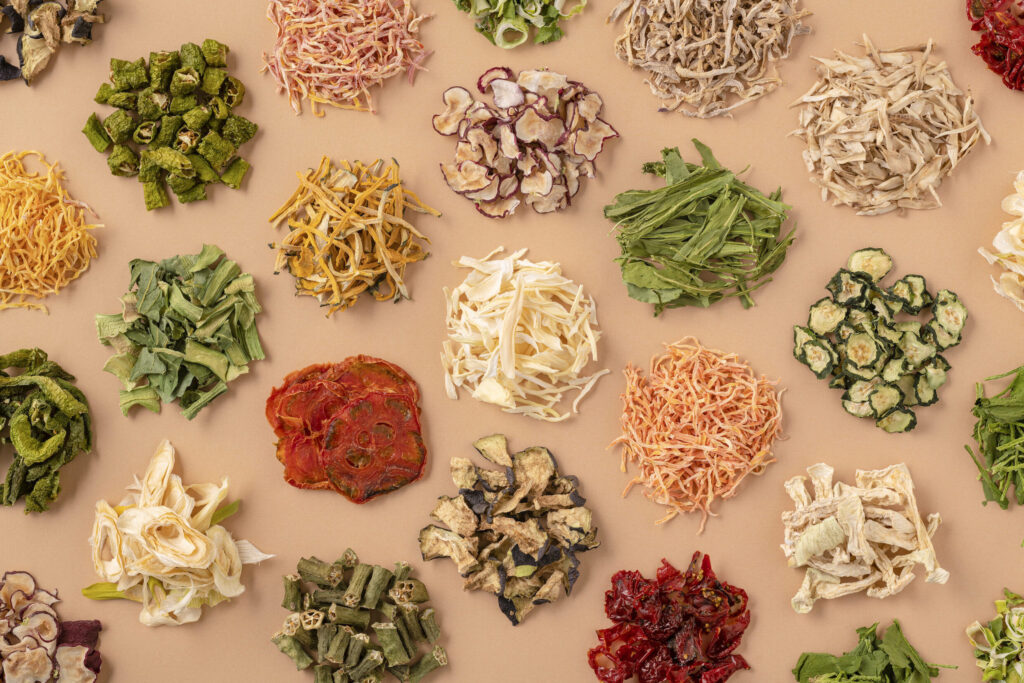
- Available for purchase in small lots from 1 kg
- We handle heirloom vegetables from across Japan
- Dried fruit and herbs also supported
調味料に仕立てておく
そのまま使うより、一度調味料にしておくほうが出番が増えます。
Sansho oil
乾燥した実山椒か粉山椒を、オイルに漬けるか、温めて香りを移します。パスタ、炒め物、冷奴、焼き野菜に回しかけるだけで使えます。
- 実山椒をオイルに漬ける場合:冷たいオイルに入れて数日置く
- 香りを早く出したい場合:弱火で温めて、冷ましてから瓶へ
- 粉を使う場合:オイルに溶かず、使う直前に混ぜるほうが香りが残る
- 冷蔵で保管し、2〜3週間で使い切る
山椒味噌
味噌に粉山椒か刻んだ実山椒を混ぜ、みりんと砂糖で練ります。田楽、焼きおにぎり、野菜スティック、焼いた肉に合います。
分量の目安は、味噌大さじ3に対して粉山椒を小さじ4分の1から。冷蔵で1か月ほど置けます。
七味を自分で合わせる
山椒は七味唐辛子の材料のひとつです。林野庁の資料にも「果皮は七味唐辛子の香料」と書かれています。
粉唐辛子、粉山椒、ごま、陳皮(みかんの皮を干したもの)、麻の実、青のり、けしの実。手元にあるもので組んでも構いません。山椒の比率を上げるだけで、市販品とはっきり違うものになります。唐辛子の選び方は一味唐辛子の解説.
山椒が合わない相手
合うものばかり書いてきたので、合いにくいものも書いておきます。
香りの弱い料理には入れない
- だしの香りを立てたい吸い物:山椒が主役になってしまう
- 白身魚の刺身:繊細な味が隠れる
- 出汁巻き卵の中に混ぜ込む:加熱で香りが飛ぶので、添えるほうがいい
- 長時間煮込むスープ:粉を入れても香りが残らない
山椒は香りが強いので、相手を選びます。素材の香りを味わう料理では、添えるだけにするか、入れないほうがいいです。
苦手な人がいる前提で
しびれを伴う香辛料なので、苦手な人がいます。家族や来客に出すときは卓上に置いて各自で振ってもらうほうが確実です。料理に混ぜ込むと、抜けません。
小さな子どもに出す料理に混ぜるのも避けたほうがいいです。刺激の感じ方が大人と違います。
実がなるのは雌株だけ
庭に山椒を植えたのに実がならない、という話をよく聞きます。理由がはっきりしています。
山椒は雌雄異株
山椒は雌の木と雄の木が分かれている雌雄異株の植物です。林野庁の樹木の解説にも、熊本大学の薬草データベースにも同じ記述があります。
和歌山県有田川町の公式サイトは、産地でどうしているかを具体的に書いています。
山椒は雌雄異株の植物で、雄木(おぎ)につく花の花粉を雌木(めぎ)の花が受粉して、はじめて実がなります。そのため受粉用に雌木10本に対して雄木を1本植えていきます。花粉を運ぶのはミツバチなどの昆虫で、花が咲く時期に好天が続かないと昆虫の活動が活発にならず、収穫に影響を与えます。
有田川町「ぶどう山椒オフィシャルサイト」栽培技術と品質管理
雌木10本に対して雄木1本。産地はこの比率で植えています。庭木1本では実がならないことがあるのは、これが理由です。
苗の半分は実がつかない
岐阜県森林研究所は、種から育てた場合についてこう書いています。「実生苗から約半数は、実のつかない雄株が作られ区別がつきません」。
種から育てると、半分は実のならない木になるということです。実を採りたいなら、雌株と分かっている苗を買うのが確実です。
木の芽だけなら雄株でも採れる
葉は雌雄どちらでも出ます。木の芽を使いたいだけなら、雄株でも問題ありません。産地で雄株を「花サンショウ」と呼ぶのは、花を使うからです。
国産の山椒は年461トンしかない
使い道を広げようとすると、次に当たるのが「そもそも量が少ない」という壁です。
出荷の4分の3が加工に回っている
農林水産省の特産果樹生産動態等調査によれば、令和5年産のサンショウは収穫量461.8トン、出荷量447.9トン。そのうち加工向けが344.3トンで、割合にすると76.9%です。
店頭で国産の山椒を見かけにくいのは、作られたもののほとんどが七味唐辛子や佃煮、香辛料の原料として加工へ向かうからです。産地別の内訳や、5年で収穫量がほぼ半減している推移は花椒と山椒の違いの記事for more.
手に入ったものを無駄にしない
量が細い作物なので、買えたものは使い切りたいところです。
- 生の実山椒:下処理して冷凍。1年持つ
- 乾燥した実:密閉して冷暗所。挽くのは使う分だけ
- 粉山椒:小瓶を早く使い切る。大袋は買わない
- 木の芽:刻んで味噌に混ぜれば日持ちする
- 花山椒:佃煮にして冷蔵
原料として山椒を使うとき
商品づくりのために山椒を探している方に向けた話です。
量を押さえるには作付前から
国内の出荷量447.9トンのうち76.9%がすでに加工へ回っています。新規に数トン単位で確保するのは簡単ではありません。産地と作付前に取り決めるのが前提になります。
粒度と挽き方で仕上がりが変わる
粉にするとき、発熱を抑えないと香りが落ちます。粗く挽けば噛んだときに粒が当たり、細かく挽けば全体に回ります。どちらがよいかは商品次第なので、試作の段階で粒度を決めておくと量産で迷いません。
当社では国産の山椒の乾燥と粉砕をお受けしています。規格はDried Japanese pepper (sansho) and Sansho Powderに掲載しています。
FOR BUSINESS
乾燥山椒を、原料としてお探しですか
国産の山椒を乾燥・粉砕してお出ししています。カット形状や粒度の指定、継続してのお取引もご相談ください。規格は Dried Japanese pepper (sansho)・Sansho Powder に掲載しています。
山椒の少量販売は姉妹ブランドの OYAOYA では取り扱いがありません。ほかの品目はカタログをご覧ください。
Frequently asked questions
山椒はうなぎ以外に何に使えますか?
脂やコクのある料理に広く合います。焼き鳥、唐揚げ、豚の角煮、カレー、麻婆豆腐、担担麺、味噌汁、煮物の仕上げなど。卵かけごはんやお茶漬けにも使えます。意外なところでは、バニラアイスやチョコレートに少量振るのも合います。いずれも仕上げに振るのがこつです。
粉山椒はいつ入れるのがいいですか?
火を止めてから、あるいは器に盛ってから振ります。粉山椒は香りが飛びやすいので、調理の早い段階で入れると仕上がるころには香りが残りません。量は少なめから始めて、足りなければ足してください。入れすぎたものは戻せません。
乾燥した実山椒はどう使いますか?
油と一緒に弱火で温めて香りを移すか、煮込みに丸ごと入れます。冷たい油に入れてから火にかけるのがこつで、熱した油に入れると数秒で焦げます。ミルやすり鉢で挽けば粉山椒になりますが、その場合は黒い種を取り除いて果皮の部分だけを挽いてください。
実山椒はいつ買えますか?
生の実山椒が出回るのは5月中旬から6月上旬にかけてです。農林水産省の近畿農政局の記事には、産地での収穫適期は約10日間と短いと書かれています。見かけたらその年は次がないと思って買い、下処理して冷凍しておけば1年使えます。
木の芽の香りを立たせるには?
使う直前に手のひらにのせて、反対の手で軽く叩いてください。事前に叩いておくと、出すころには香りが抜けています。傷みやすいので、湿らせたキッチンペーパーに包んで冷蔵し、2〜3日で使い切ります。
花山椒と花椒は同じものですか?
別のものです。花山椒は日本の山椒の花で、4月ごろに出回ります。花椒(ホワジャオ)は中国原産のカホクザンショウの果皮で、植物の種が違います。なお産地では雄株のことを「花サンショウ」と呼ぶこともあり、店頭の「花山椒」とは指すものが違う場合があります。
庭の山椒に実がなりません
山椒は雌雄異株で、実がなるのは雌株だけです。産地では受粉用に雌木10本に対して雄木を1本植えています。種から育てた場合、約半数は実のつかない雄株になると岐阜県森林研究所が報告しています。葉は雌雄どちらでも出るので、木の芽を使う目的なら雄株でも問題ありません。
山椒はどれくらい入れればいいですか?
うなぎや焼き鳥にはひと振り、麻婆豆腐や煮物なら2〜4人分で小さじ4分の1から。山椒は品種と収穫年で香りの強さが変わるので、少量から始めて調整してください。苦手な人もいるので、来客に出すときは卓上に置いて各自で振ってもらうほうが確実です。
Download the product catalog
We will send the materials to your email address based on the information you provide.
Summary
- 山椒は年に4回、姿を変えて出回る。木の芽、花山椒、実山椒、完熟した実
- 粉山椒は火を止めてから振る。早く入れると香りが残らない
- 脂やコクのある料理に合う。うなぎ以外にも焼き鳥、角煮、カレー、麻婆豆腐
- 甘いものにも合う。アイスやチョコレートに少量
- 生の実山椒が買えるのは5月中旬から6月上旬の10日ほど。冷凍すれば1年持つ
- 乾燥した実は油に香りを移すか、煮込みに丸ごと。挽くなら種を除いて果皮だけ
- 木の芽は使う直前に叩く。事前に叩くと香りが抜ける
- 花山椒と中国の花椒は別物
- 実がなるのは雌株だけ。産地は雌木10本に雄木1本
- 国産の山椒は年461.8トン。出荷の76.9%が加工向け
台所の粉山椒を、うなぎ以外でも開けてみてください。味噌汁にひと振りするところから始めれば十分, contained in burdock and cocoa.
Recommended reading
- 花椒とは?ホワジャオ・ホアジャオと山椒の違いを整理しました
- What is yakuzen? Its meaning, the difference from kampo, and the basics of starting with familiar ingredients explained