What Is Ichimi Togarashi? The Difference from Shichimi, Ingredients, Uses, and How to Choose

Summary of this article
We explain what ichimi togarashi is and how it differs from shichimi togarashi in terms of ingredients, pungency, and use. A dried-vegetable manufacturer has summarized the composition of what is in shichimi—such as sansho and dried mandarin peel—how to use ichimi and shichimi differently and as substitutes, how to choose domestically produced ichimi, and how to make it at home and store it.
Ichimi togarashi, sprinkled on udon and soups. When it comes time to choose, you are likely often unsure: "What's the difference between ichimi and shichimi?" "Which should I use?" They look and are used similarly, but there is a clear difference in their ingredients and roles.
On this page, we organize what ichimi togarashi is, centered on how it differs from shichimi togarashi. We have summarized the differences in ingredients, pungency, and aroma; what is in shichimi; how to use them differently and as substitutes by dish; how to choose domestically produced ichimi; and how to make it at home—from the standpoint of someone involved in processing dried vegetables and chili peppers. As for the chili-pepper varieties themselves, an explanation of the kinds of chili pepper.
TOC
What is ichimi togarashi?
Ichimi togarashi is a seasoning made by grinding only chili pepper into powder. As the name "ichimi" (one flavor) suggests, the name derives from the ingredient being a single kind. Its quality is that it adds pungency as is.
The ingredients of ichimi togarashi and how it is made
Ichimi togarashi is made by drying fully ripe red chili peppers, grinding them, and powdering them. The ingredient is chili pepper only, with no other spices added. Pungent chili peppers such as takanotsume are used, and the pungency and aroma change with the variety. As for the raw-material chili peppers, how to make and use dried chili peppers.
The relationship to chili powder and ground chili pepper
Ichimi togarashi refers to nearly the same thing as chili powder and ground chili pepper. It is just that as a household seasoning it is often called "ichimi togarashi," and as a commercial raw material "chili powder" or "ground chili pepper"—the contents are chili pepper ground into powder. As for the commercial powder, an explanation of chili powder.
Aroma and flavor that change with roasting
Even with the same ichimi togarashi, grinding the ingredient after roasting it adds a toasty note and changes the flavor. Because how the pungency is felt and how the aroma rises change with whether and how much it is roasted, each product has its own individuality. Choosing by aroma, not just pungency, is also a way to enjoy ichimi.
FOR BUSINESS
乾燥野菜を業務用でお探しですか
国産の野菜・果物を乾燥し、必要に応じて粉砕してお出ししています。扱っている品目は100種前後で、規格は 乾燥品の一覧・パウダーの一覧 に掲載しています。
少量でのご購入は、姉妹ブランドの通販サイト OYAOYA で承っています。
The difference between ichimi togarashi and shichimi togarashi
The biggest difference between ichimi and shichimi is the number of ingredients. We have summarized the differences in a table.
| Comparison | Ichimi togarashi | Shichimi togarashi |
|---|---|---|
| Raw materials | Chili pepper only | Chili pepper + sansho, sesame, dried mandarin peel, etc. |
| Flavor | Direct pungency | Pungency + aroma and flavor |
| Pungency tendency | Easily felt strongly | Tends to be softened |
| Well-suited dishes | Chinese and pungency-focused dishes | Japanese cuisine and use as a condiment |
The difference in ingredients
Ichimi togarashi is chili pepper only, while shichimi togarashi is a seasoning combining chili pepper with condiments such as sansho, sesame, and dried mandarin peel. Because shichimi is a blend, aroma and flavor are layered in addition to pungency. Ichimi, in that respect, lets you taste the pungency and aroma of chili pepper straight.
The difference in pungency and aroma
Ichimi conveys the pungency of chili pepper as is, adding a sharp pungency to dishes. Shichimi, with multiple condiments mixed in, has a softened pungency and depth in aroma. The basic choice is ichimi if you want to make the pungency stand out, and shichimi if you also want to add aroma and flavor.
Ichimi or shichimi—which is hotter?
Generally, ichimi togarashi is said to be hotter. Because ichimi is chili pepper only, the pungency is conveyed directly, while shichimi's pungency is softened by the added condiments. However, since it also changes with the formulation and the chili-pepper variety used, take it as a rough guide to pungency.
What is in shichimi togarashi
Shichimi togarashi is a seasoning combining multiple condiments centered on chili pepper. Looking at the representative ingredients makes the difference from ichimi clearer.
| Raw materials | Role |
|---|---|
| Chili pepper | The base of pungency |
| Sansho | A numbing pungency and refreshing aroma |
| Dried mandarin peel (mikan peel) | A refreshing citrus aroma |
| Sesame | A toasty note and richness |
| Hemp seed and poppy seed | A toasty note and texture |
| Aonori, green shiso, and the like | Aroma and color |
The composition of basic shichimi
Shichimi means "seven flavors," and it is common to combine chili pepper with sansho, dried mandarin peel, sesame, hemp seed, poppy seed, and aonori or green shiso. Chili pepper provides the pungency, sansho the numbness and aroma, dried mandarin peel the citrus aroma, and sesame and hemp seed add a toasty note. The ingredients overlap, creating a complex flavor.
Formulations that change with maker and production area
Shichimi's formulation changes by maker and production area, and the flavor differs for each. Individuality is split—a spicy type with stronger chili pepper, an aromatic type with sansho brought out, local shichimi using regional ingredients, and so on. As for shichimi that adds yuzu, an explanation of yuzu shichimi.
How to use ichimi and shichimi differently, and how to use them
Using ichimi and shichimi differently to match the dish brings out each one's qualities. We have summarized the representative distinctions in a table.
| Dish / scene | Suited to | Reason |
|---|---|---|
| Mapo tofu, ebi chili | Ichimi | You want to bring out a sharp pungency |
| Spicy stir-fries and hot pots | Ichimi | Tighten the flavor with pungency |
| Udon, soba, tonjiru | Shichimi | Layer aroma and flavor onto pungency |
| A condiment for yakitori and tempura | Shichimi | Add the aroma of condiments |
| Gyudon and other rice bowls | Shichimi | Bring the whole together with aroma |
Dishes suited to ichimi
For dishes where you want to clearly bring out the pungency, ichimi togarashi is suited. Added to Chinese dishes such as mapo tofu and ebi chili, or to spicy stir-fries and hot pots, its sharp pungency tightens the dish. Combining it with salt or dashi to make a base for pungent seasonings is also recommended.
Dishes suited to shichimi
For Japanese dishes such as udon, soba, tonjiru, and gyudon, shichimi togarashi goes well. Sprinkled as a condiment, aroma and flavor are layered in addition to pungency, giving the dish depth. It also works as a condiment for yakitori and tempura.
Cautions when substituting
Ichimi and shichimi can substitute for each other. However, because shichimi contains condiments other than chili pepper, using a lot can change the dish's flavor. Choosing by purpose—ichimi when you want to add only pungency, shichimi when you also want aroma—will avoid failure.
A product catalog that shows around 100 items we handle
Agriture, flexibly handling everything from small lots to large lots
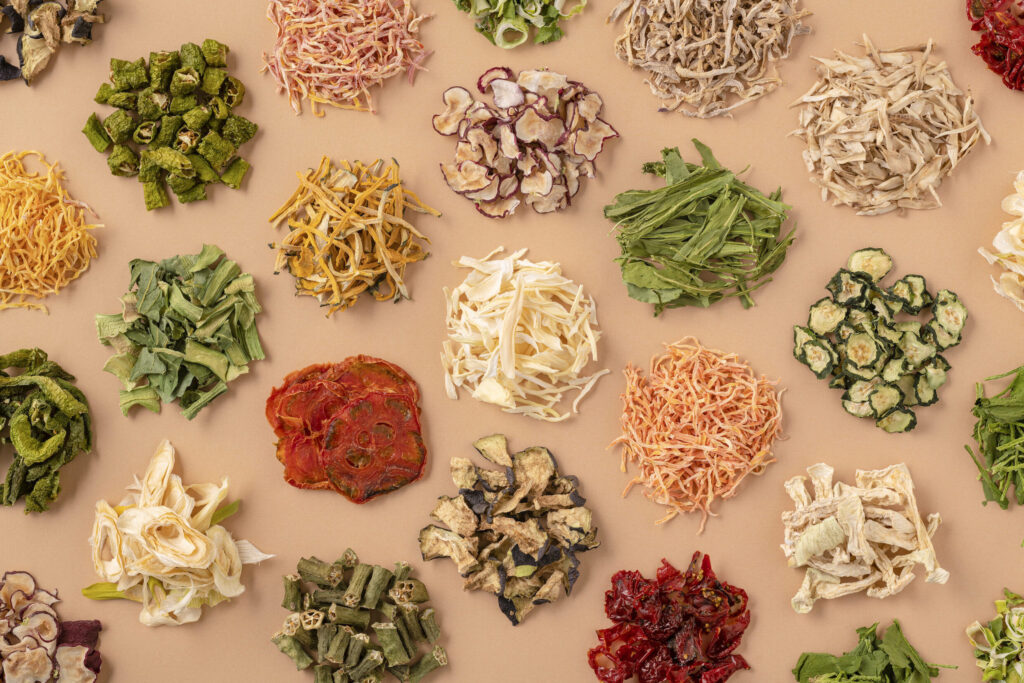
- Available for purchase in small lots from 1 kg
- We handle heirloom vegetables from across Japan
- Dried fruit and herbs also supported
How to choose ichimi togarashi
How you choose ichimi togarashi changes with the pungency, aroma, and production area of the raw material. We organize the points for choosing according to preference and use.
The difference between domestic and imported
The raw material of ichimi togarashi comes in domestic and imported kinds. Imported product is easy to secure in volume and advantageous in price, while domestic's strength is that the raw material's production area and variety are easy to trace and the pungency and aroma are easy to manage. Ichimi that touts being domestically produced or domestically manufactured is also chosen for presents and gifts.
Choosing by pungency, particle size, and roasting
The strength of the pungency changes with the chili-pepper variety used. How it blends in and the aroma also change with differences in particle size and roasting. We have summarized the characteristics by type in a table.
| Type | Features | Suitable use |
|---|---|---|
| Fine grind | Easily blends into dishes | Soups, a base for seasonings |
| Coarse grind | Texture and appearance remain | Toppings and condiments |
| Roasted | A toasty note is added | Dishes where you want to bring out the aroma |
| Unroasted | The inherent pungency and color of chili pepper | Dishes that make the most of pungency and color |
Choose the combination of pungency, particle size, and roasting depending on whether you want a sharp pungency in the dish or also want to enjoy the aroma. Ichimi can be used as a single spice and also becomes the base for shichimi or an original mixed spice.
Storing ichimi togarashi and its best-before date
Because ichimi togarashi is a powder, how the pungency and aroma keep changes with how it is stored. We organize the tips for maintaining flavor.
Storage method and best-before-date guide
Powder readily absorbs moisture, leading to clumping and a decline in aroma. After opening, transfer it to an airtight container such as a can or jar and store it away from direct sunlight and high temperature and humidity. Storing it in the refrigerator also helps maintain flavor. The best-before date depends on the product, but since it is a seasoning where aroma is essential, we recommend using it up promptly after opening.
Tips for keeping the pungency and aroma for a long time
Avoid storing it in places where moisture and heat build up, such as near a flame or a rice cooker. Because putting a wet spoon in each time you use it causes moisture, take it out in a dry state. Choosing an amount you can use up a little at a time lets you enjoy aromatic ichimi anytime.
Making ichimi togarashi yourself and choosing it from the raw material
Ichimi togarashi can be made at home too if you have dried chili peppers. There is also an option for those who want to commercialize an original ichimi or seasoning.
How to make it at home
Grinding thoroughly dried red chili peppers in a mill or mortar makes homemade ichimi togarashi. Removing the stems and seeds before grinding makes it easier to adjust the pungency. The good aroma of a freshly made batch is a pleasure unique to homemade. As for making it yourself from dried chili peppers, how to make and use dried chili peppers.
Choosing the raw material for commercial and original ichimi
From here is a discussion for those considering product development. If you want to make an original ichimi or shichimi as your own product, there is the option of small-lot manufacturing with the raw-material variety, pungency, and particle size chosen. Using domestic chili peppers makes the production area and variety easy to trace and can be connected to the product's added value. As for the chili pepper that becomes the raw material of ichimi, chili pepper powder and, as for blending shichimi, an explanation of shichimi OEM.
FOR BUSINESS
乾燥野菜を業務用でお探しですか
国産の野菜・果物を乾燥し、必要に応じて粉砕してお出ししています。扱っている品目は100種前後で、規格は 乾燥品の一覧・パウダーの一覧 に掲載しています。
少量でのご購入は、姉妹ブランドの通販サイト OYAOYA で承っています。
Frequently asked questions
Download the product catalog
We will send the materials to your email address based on the information you provide.
Summary: choose ichimi and shichimi by ingredient and purpose
Ichimi togarashi is a seasoning made by grinding only chili pepper, letting you add pungency straight. Shichimi togarashi is a blend combining chili pepper with sansho, dried mandarin peel, sesame, and the like, layering aroma and flavor onto pungency. Choosing by purpose—ichimi if you want to make the pungency stand out, shichimi if you also want to enjoy the aroma—leaves no confusion about using them differently.
When choosing, use pungency, particle size, roasting, and production area as guides. Domestic ichimi makes the production area and variety easy to trace and is also suited to gifts. If you have dried chili peppers, you can make it at home too, and when you want to commercialize an original ichimi or shichimi, there is also the method of choosing from the raw material and making it in a small lot. As for choosing the raw-material variety, an explanation of the kinds of chili pepper.
- 干し椎茸の戻し方は5℃の冷水で、こうしん5時間・どんこ10時間
- How to Rehydrate and Use Dried Maitake: Popular Recipes for Takikomi Gohan and Tempura