
Raw materials– tag –
-

Dried Tamogitake
Dried tamogitake is a commercial dried ingredient made from the edible mushroom "tamogitake," characterized by its vivid yellow color. Known as a mushroom that gives off rich umami and stock flavor, that flavor is locked in through low-temperature drying. Agriture offers it sliced, crushed, or as powder depending on the use... -
Assembling domestically grown yakuzen ingredients: the difference between familiar vegetables and imported crude drugs
When people hear "yakuzen ingredients," many may picture imported dried goods bought at a Chinese-ingredient store, such as jujube and goji berries. Yet many yakuzen ingredients can in fact be assembled from familiar domestically grown vegetables and dried goods. The image that "you cannot start without ordering something special" is... -
花椒とは?ホワジャオ・ホアジャオと山椒の違いを整理しました
麻婆豆腐のレシピに「花椒」と書いてあって、家にあるのは粉山椒。代用していいのか迷う。あるいは「ホアジャオ」「ホワジャオ」と表記がばらばらで、同じものを指しているのかどうかが分からない。 先に結論を書きます。山椒と花椒は、同じ属の別の植物で... -
山椒の種類は?実山椒・粉山椒・青山椒の違いを一覧で
Sansho is essential to eel, mapo tofu, and chirimen sansho. But even under the single name "sansho," it comes in various forms—green sansho, powdered sansho, and kinome—and people often wonder "what's the difference between green sansho and powdered sansho?" or "is it different from huajiao?" It's a spice that represents Japan, defined by its aroma and numbing tingle... -
What Is Ichimi Togarashi? The Difference from Shichimi, Ingredients, Uses, and How to Choose
Ichimi togarashi, sprinkled over udon and soups. When it comes time to choose, people often wonder "what's the difference between ichimi and shichimi?" and "which should I use?" They look and are used similarly, but there's a clear difference in their ingredients and roles. On this page, we cover what ichimi togarashi is... -
唐辛子と鷹の爪とししとうの違いを、国の作物区分から確かめた
スーパーの袋に「鷹の爪」と書いてあり、別の棚には「唐辛子」と書いてある。青果コーナーには「ししとう」と「青唐辛子」が隣り合って並び、東北の道の駅では同じものが「なんばん」と呼ばれている。名前が四つも五つもあって、どれが品種名でどれが総称... -
Dried enoki
Dried enoki is a commercial dried-mushroom material made by low-temperature drying enoki mushrooms produced in Japan and finishing them at our own processing facility in Kyoto Prefecture. Enoki is the most widely produced mushroom in Japan, and drying concentrates guanylic acid (an umami compound), drawing attention in food development for dashi materials and salt-reduction measures... -
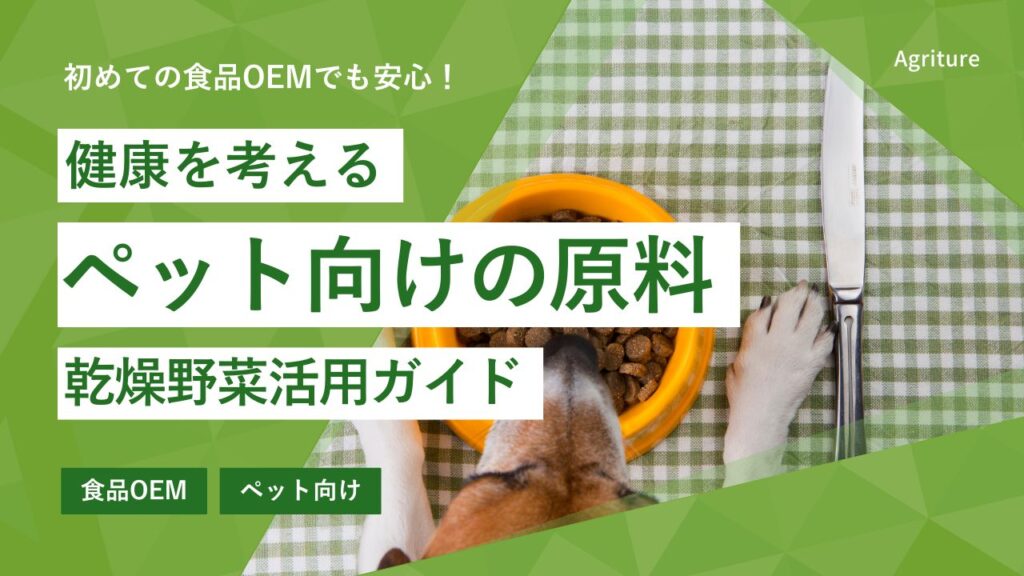
A Guide to Using Dried Vegetables as a Pet Food Raw Material
More owners want to incorporate vegetable nutrition when thinking about their pet's health. But raw vegetables don't keep and take effort to prepare, so it's not easy to work them into daily meals. That's where "dried vegetables," with excellent storability and convenience, are drawing attention... -
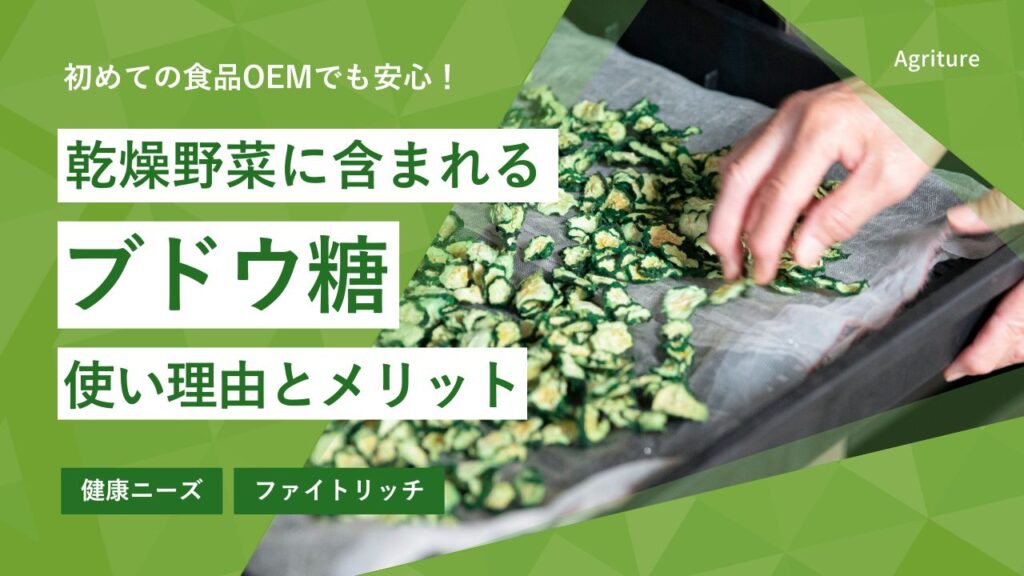
How to Make Dried Vegetables | Tips for Easy Home-Dried Vegetables and Recipe Uses
Dried vegetables are a handy ingredient that raises storability by removing moisture and concentrates vegetables' nutrition and umami. With easy cooking and simple room-temperature storage, the market is expanding for both commercial and home use, and it's also drawing attention as an OEM ingredient. Meanwhile, "is glucose used in dried vegetables..." -
Switching from Fresh Vegetables to Dried and Sun-Dried Vegetables: Benefits for Cooking and Commercial Use
Switching from fresh vegetables to dried and sun-dried vegetables offers a wide range of benefits, from saving time in cooking and improving shelf life to reducing costs for commercial use. In home cooking, daily storage and meal planning become easier, and for restaurants, boxed-lunch factories, and food manufacturers, it stabilizes purchasing prices, reduces waste loss, and improves yiel... -
Raw Material Risk Management for Food Manufacturers and How to Use Dried Vegetables
What You'll Learn in This Article The overall picture of raw material procurement risks facing food manufacturers Countermeasures for poor weather, import restrictions, and logistics disruptions respectively Concrete ways to hedge risk using dried vegetables How to build raw material procurement into a BCP (business continuity plan) The supply structure for building a stable procurement system... -
Selection Criteria and Quality Requirements for Dried Vegetable Raw Materials for Pharmaceuticals and Health Foods
What You'll Learn in This Article The quality standards required for dried vegetable raw materials for pharmaceuticals and health foods Concrete checkpoints when choosing a GMP-compliant factory How to build a supply chain that achieves stable supply Standard values and control systems for pesticide residue and microbial testing How to optimize raw material procurement cost through negotiation... -
Dried Vegetable Price Ranges: Supermarket and Online Guidelines and How to Choose by Volume
Dried vegetable prices vary greatly by sales format, volume, where you buy, and use. From a small supermarket pack (40g) to a mixed set at an online mall, to 100g-unit commercial raw material, to a large OEM wholesale lot—choosing the source that suits your use can make the unit price differ several times over even for the same vegetable... -
Dried nameko
Nameko is a mushroom characterized by a distinctive sliminess and aroma, indispensable for miso soup and simmered dishes. Dried nameko low-temperature-dries domestic nameko and, when rehydrated, reproduces its characteristic sliminess and umami. Easy to handle and long-storable, it's ideal for commercial soups, prepared dishes, retort foods, and more... -
Dried Maitake
Maitake is so prized for its strong aroma and umami that it's called "matsutake for aroma, shimeji for flavor," and it's highly rated as a dashi ingredient too. Dried maitake slowly low-temperature-dries domestic raw material, concentrating flavor and umami. Rehydrated, its thick, meaty texture returns, and it's suited to a wide range of dishes—stir-fries, takikomi rice, soups, and more... -

Dried shiitake
Dried shiitake product overview. A commercial raw material carefully dried in three temperature stages, using shiitake grown at our partner farms in Kyoto Prefecture. Sliced thick, it combines a softer bite than typical dried shiitake with concentrated umami. Low in off-notes even when dried, once rehydrated it returns to fresh shiitake... -
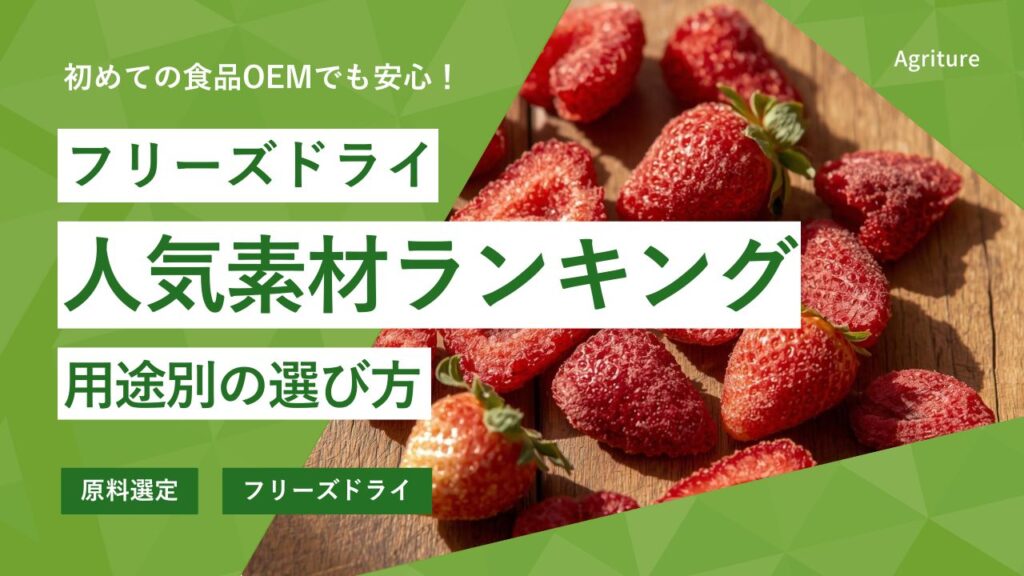
Freeze-Dried Material Ranking | Popularity and How to Choose by Use
Freeze-drying is a drying technology whose adoption is spreading in confectionery, beverages, nutritional foods, and instant foods. Unlike hot-air drying, it sublimates and removes only the moisture without heating, so the material's original color, aroma, and shape tend to remain—freeze-dried strawberry, miso soup, zenzai, and other "hot water or..." -
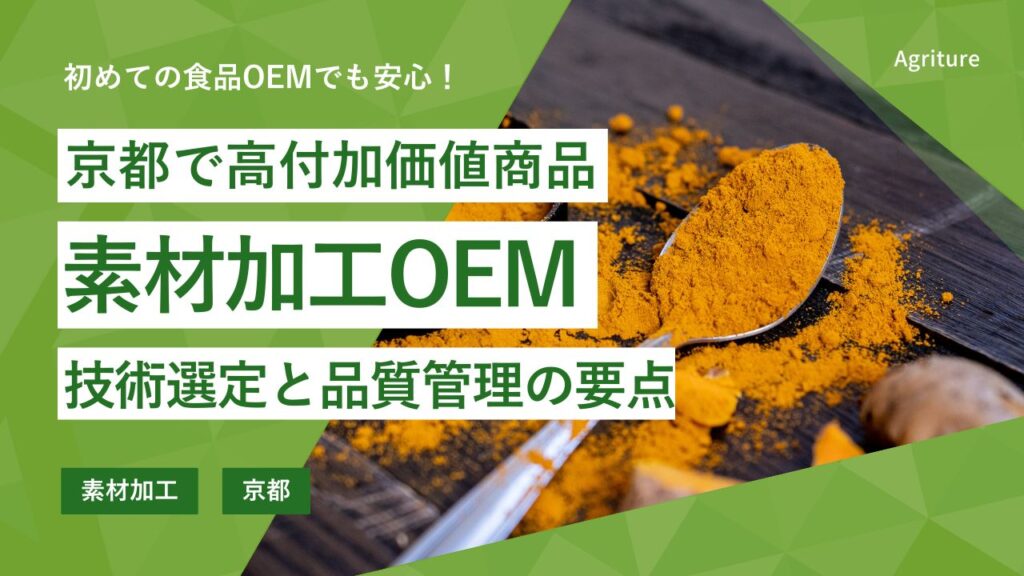
Kyoto ingredient processing OEM | How to make the most of Kyoto vegetables and quality control
The strength of requesting ingredient-processing OEM in Kyoto lies in access to Kyoto vegetables, heirloom vegetables, and Kyoto-grown ingredients, and in a quality-control system backed by the culture of long-established makers and artisans. By combining processing techniques such as drying, powdering, and extract extraction with Kyoto-grown ingredients, you get something beyond mere OEM manufacturing—a... -
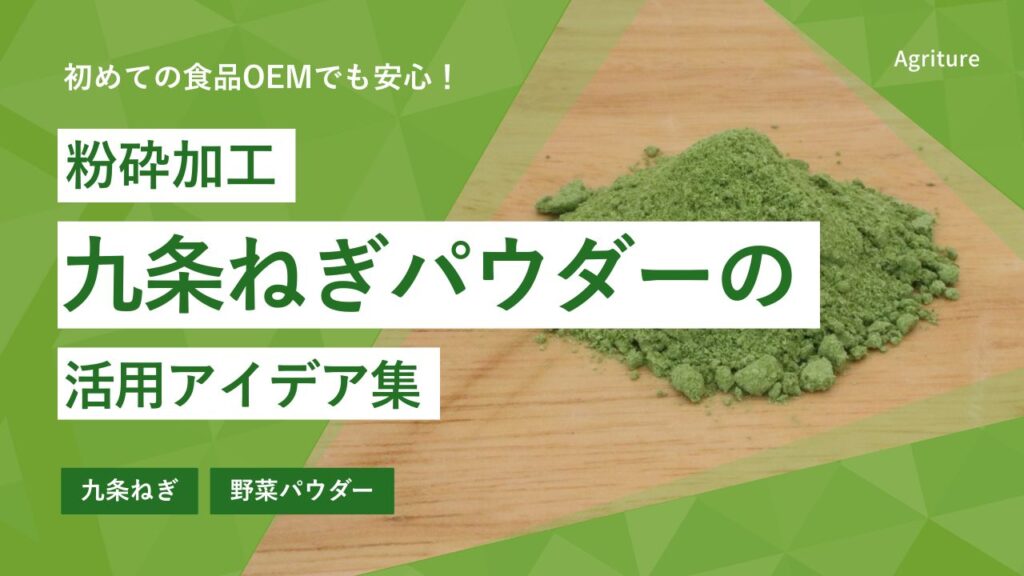
Dried Kujo green onion powder | Usage ideas and how to choose it as a food OEM raw material
Dried Kujo Negi powder is a commercial raw material made by drying and finely powdering the Kyoto heirloom vegetable "Kujo negi." Compared with white negi types, it has a gentler aroma and stronger sweetness, with a vivid green retained all the way to the leaf tips—it is adopted in food OEM for topping instant noodles, furikake, and adding color and aroma to baked-good dough... -
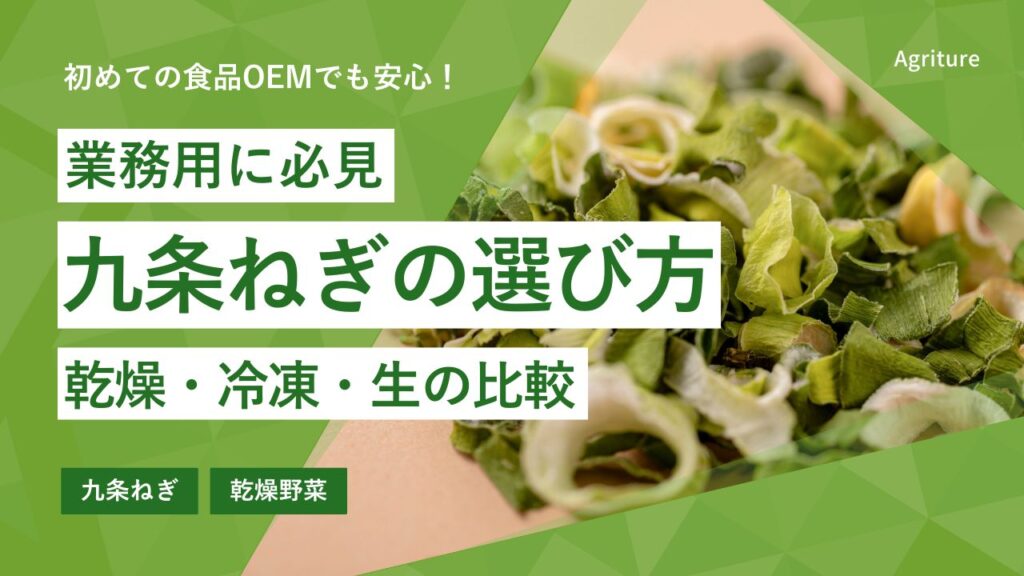
How to Choose Commercial Kujo Negi: Comparing Fresh, Frozen, and Dried
Commercial Kujo negi distributes "Kujo negi," one of the traditional vegetables that represents Kyoto, in three types—fresh, frozen, and dried—as a raw material for ramen shops, food manufacturers, boxed-lunch factories, and the like to use stably. To make the most of its distinctive sweetness and aroma and deep green, the optimal form for each use... -
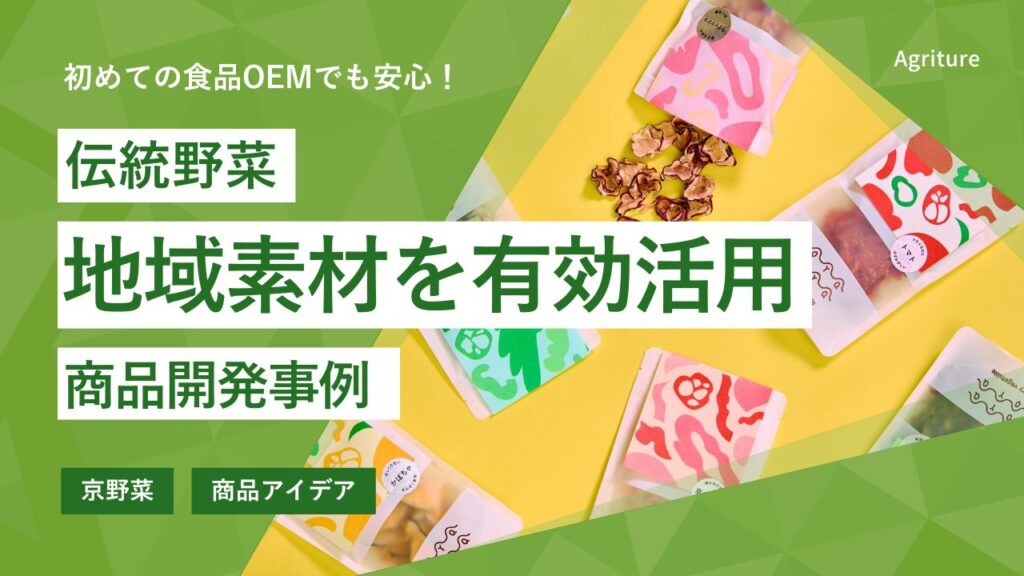
Heirloom vegetable OEM | A commercialization case guide using Kyoto vegetables and local ingredients
Right now, product development that makes use of “regional individuality” is drawing attention. Among these, foods using heirloom vegetables and Kyoto vegetables are strongly supported for the gift market and inbound-oriented products, thanks to their visual beauty and rarity. Especially now, with inbound tourists increasing, region... -
Food OEM Market Trends 2026: A Growth Strategy Seen Through Small-Lot and Domestic-Ingredient Needs
The food OEM market is at a turning point. Not only major companies but also retailers, restaurants, and startups—entrants from other industries are surging. Voices saying "we want to make our own brand product" and "we want to try prototyping from small quantities" are rising like never before. Behind this... -
How to proceed with hometown-tax product development | OEM techniques that make the most of local ingredients
The market for furusato tax (hometown tax) donations continues to expand year after year. For municipalities, return gifts are an important means of broadcasting a region's appeal nationwide. But quite a few operators struggle with worries like "how do we develop an attractive product" or "we can't put together a manufacturing setup on our own"...
1