
A Guide to Using Dried Vegetables as a Pet Food Raw Material

Summary of this article
As a pet-food ingredient, dried vegetables are attractive for combining storability and concentrated nutrition, and they’re drawing attention alongside the growth of the dry-food market. This article concretely explains toppings for dry food using dried carrot and pumpkin, use as an ingredient in homemade pet food, points for ensuring quality through low-temperature drying, small-lot OEM support, and examples of blending into grain-free products.
In thinking about pets’ health, more owners want to incorporate the nutrition of vegetables. But fresh vegetables don’t keep and take effort to prepare, so incorporating them into daily meals isn’t easy. That’s where “Dried vegetables,” prized for its storability and convenience, is drawing attention. It’s easy to use—just rehydrate with water—and provides dietary fiber, making it popular with both the homemade crowd and those who top commercial food.
TOC
Why dried vegetables are drawing attention as a pet-food ingredient
As owners’ awareness of pet health rises, attention is turning to pet-food ingredients as well. Dried vegetables in particular, with their high nutritional value and storability, hold great potential as a pet-food ingredient.
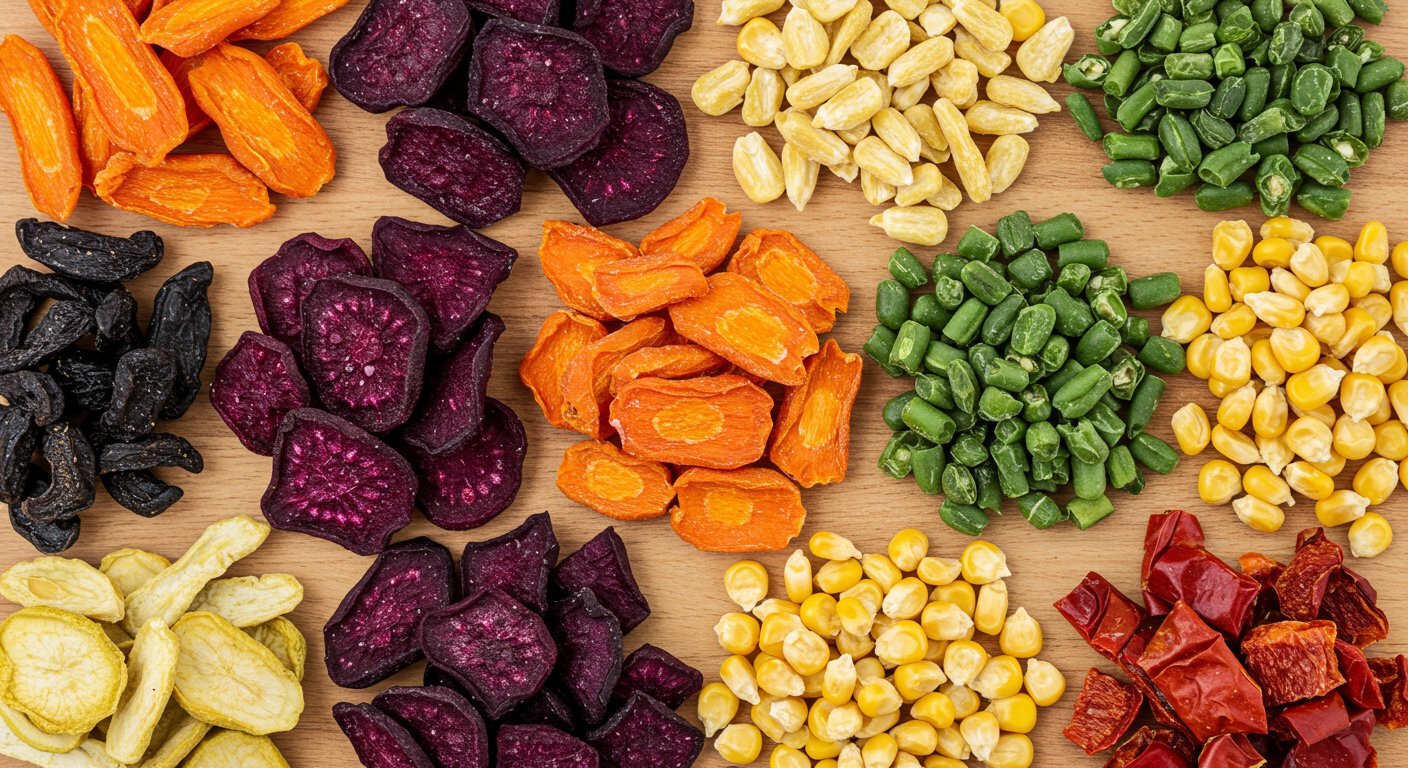
Dried vegetables concentrate nutrients by removing moisture and enable long-term storage. They’re also lighter and less bulky than fresh vegetables, which helps reduce manufacturing and transport costs.
The pet-food market, especially the dry-food segment, is expected to reach roughly 97.23 billion USD in 2025, with a compound annual growth rate (CAGR) of about 8.19%—high projected growth. Meanwhile, for the overall market (the global market including dry and wet),the common forecast is roughly 103.3 billion USD in 2023, about 139.3 billion USD by 2030, with a CAGR of about 4.4%.
One of the main forces supporting this growth is the humanization of pets. The trend of owners treating pets like family and seeking meals held to the same health and nutrition standards as their own is a driving force behind market expansion
The nutritional value of dried vegetables and their health benefits for pets
The greatest appeal of dried vegetables is that they can concentrate the nutrients of fresh vegetables without loss. As moisture is removed, nutrients such as dietary fiber become concentrated. Preparing fresh vegetables for pets every day is also demanding, and some animals don’t take to fresh vegetables.
To take in these nutrients, dried vegetables can be a new possibility not just for owners but from the pet’s perspective too.
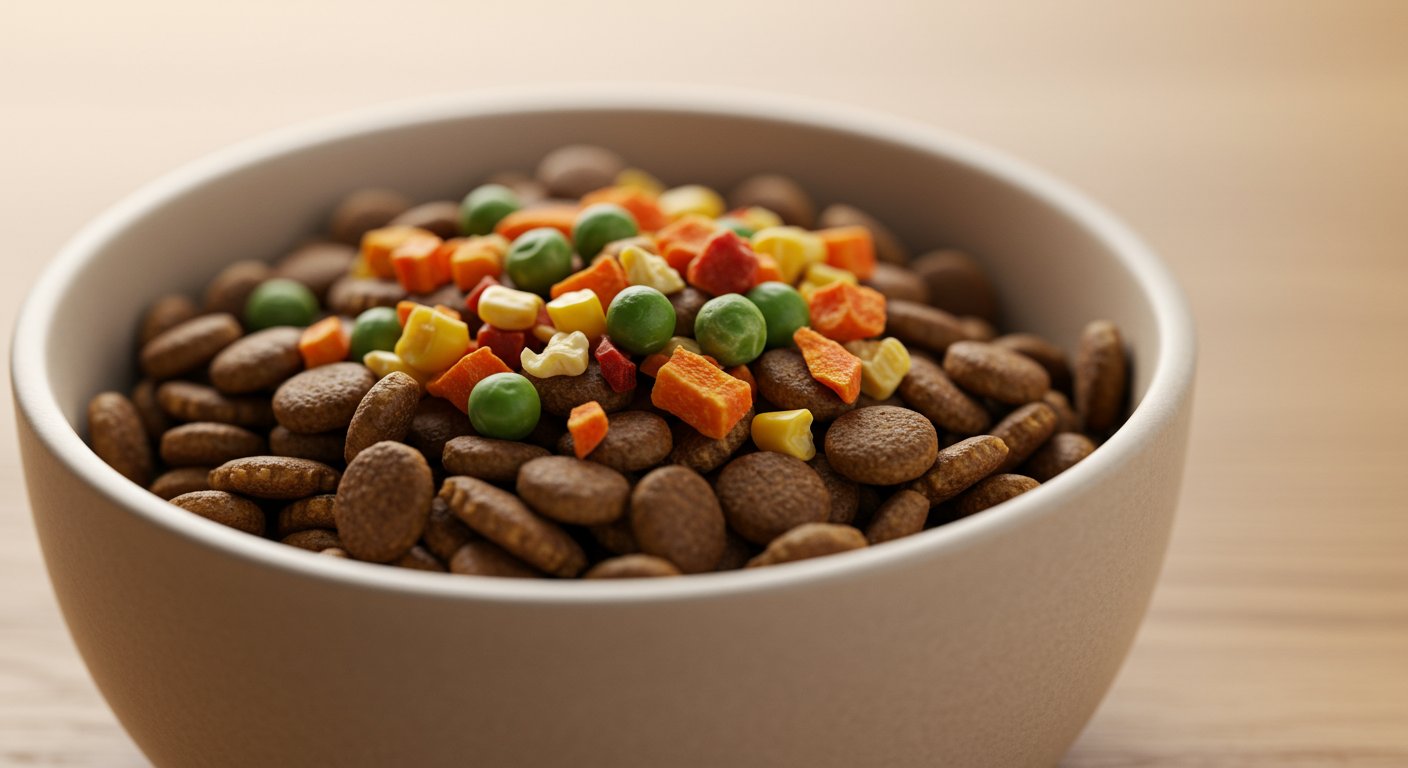
However, when using dried vegetables in pet food, keeping to an appropriate amount is required. Excessive vegetable intake can burden the digestive system. Dogs in particular are omnivores, but cats are originally carnivores, so care is needed with the vegetable blend ratio.
The optimal amount of vegetables differs by the pet’s health condition, age, and weight. We recommend starting with a small amount and adjusting while watching your pet’s response.
How to use dried vegetables in pet food
As a topping for dry food
The easiest way to use dried vegetables is as a topping for existing dry food. seaside kitchen According to the introduction by, simply sprinkling on about one to two teaspoons of dried vegetables over the dog food your pet usually eats can boost its nutritional value.
For pets that dislike a crunchy texture, the trick is to start with a small amount and gradually get them used to it. Rehydrating the dried vegetables with water before feeding not only makes them easier to eat but can also increase water intake.
We handle over 50 kinds of dried vegetables, and we regularly receive requests for Dried carrot・Squash and leafy vegetables. Among these, we especially sense a growing number of people seeking added value beyond homemade or ordinary dog food.
As an ingredient for homemade pet food
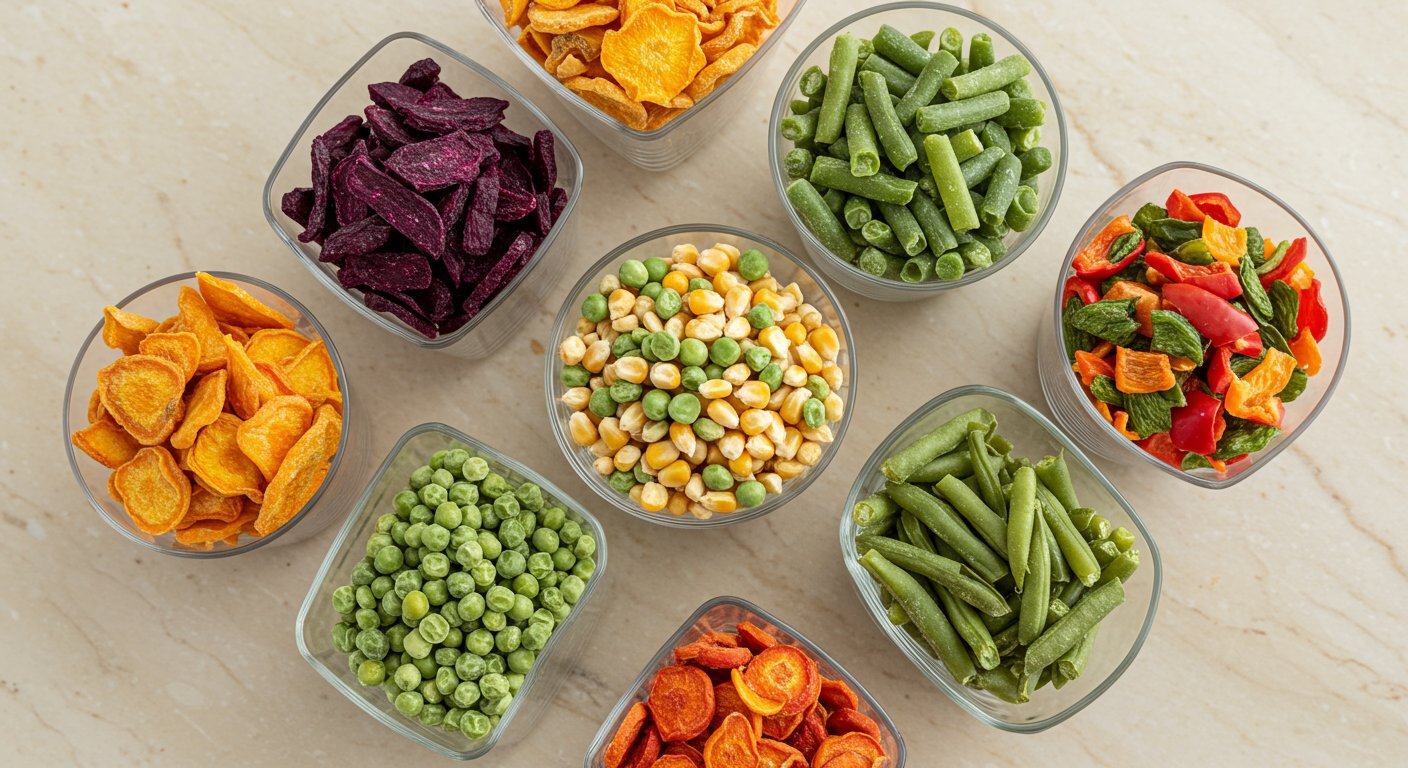
More owners are making homemade pet food, and dried vegetables also serve as a handy ingredient for it. They save the effort of cooking fresh vegetables and keep for a long time, so you can make pet food in a planned way.
When using dried vegetables, rehydrating them with water beforehand or adding ample water during cooking is essential to make them easy for pets to digest. For elderly pets or pets with weak teeth in particular, be sure to feed dried vegetables that have been thoroughly rehydrated.
That said, when making homemade pet food, you need to pay ample attention to nutritional balance. It’s important to blend not only vegetables but also appropriate protein sources and other nutrients in good balance. If you’re unsure, consulting a veterinarian is recommended.
Points for manufacturing pet food using dried vegetables
When pet-food makers use dried vegetables as a raw material, there are several points to keep in mind. First, quality control of the dried vegetables is most essential. Choosing raw materials that don’t use pesticides or chemical fertilizers lets you manufacture highly safe pet food.
Being particular about the drying method also matters. Rapid drying at high temperature is time-efficient but incurs greater nutrient loss. Drying slowly at low temperature, on the other hand, has the advantage of being less prone to flavor loss and retaining the vegetable’s inherent taste.

We use Japanese-grown vegetables sourced from contract farmers and adopt a low-temperature drying method to provide highly nutritious dried vegetables. These also support OEM manufacturing from small lots, so they can be used to develop distinctive pet food.
Another point when using dried vegetables in pet-food manufacturing is an appropriate blend ratio. In the dry-pet-food market, meats serve as the main protein-source ingredient, but blending dried vegetables to complement them lets you develop a nutritionally balanced product.
A recent trend is grain-free (no grains) pet food gaining popularity. Using dried vegetables such as sweet potato,and kabocha as a carbohydrate source in place of grains lets you make products that are gentle on digestion and lower in allergy risk.
The outlook for pet-food development using dried vegetables
In future pet-food development, dried vegetables are expected to play an even greater role. Product development focused on functionality in particular will advance. For example, blending dried vegetables tailored to specific health concerns could yield pet foods that support joint care or skin and coat health.
Demand for customized food matched to a pet’s age, build, and health condition is also rising. Dried vegetables come in diverse kinds, each containing distinctive nutrients, so they can be used in product development tailored to individual pets’ needs.
Sustainability From the standpoint of, using dried vegetables is also drawing attention. Local production for local consumption and putting non-standard vegetables to good use—efforts that contribute to reducing environmental impact—are also easier to win consumer support for.
As an aid in choosing meals with your pet’s health in mind, why not consider the potential of dried vegetables
For more detailed information or to request dried-vegetable samples,Agriture’s official siteplease visit. We support the creation of safe, highly nutritious pet food using Japanese-grown, additive-free dried vegetables.

If you are considering product development with off-spec or your own farm's vegetables:From planning to processing, materials, package printing and novelties, you can consult us through a single point of contact. → Learn more about one-stop product development
- How to start vegetarian OEM | Ingredient selection and product planning for vegan support
- 6 Reasons Dried Vegetable Gifts Are Well-Received and Tips for Choosing Them
Author of this article
Related articles
-
 Adding Vegetables to Your Morning with Dried Vegetables: A Guide to Getting Dietary Fiber Easily
 -
 Predicting the Dried Vegetable Market in 2030! An Explanation of Growth Fields and the Latest Trends
 -
 Food OEM Market Trends 2026: A Growth Strategy Seen Through Small-Lot and Domestic-Ingredient Needs
 -
 How to proceed with hometown-tax product development | OEM techniques that make the most of local ingredients
 -
 Creating a regional brand with a Kyoto-vegetable OEM | The complete flow from planning to sales
 -
 Kyoto ingredient processing OEM | How to make the most of Kyoto vegetables and quality control
 -
 How to source commercial vegetable powder in small lots, and how to use it
 -
 Heirloom vegetable OEM | A commercialization case guide using Kyoto vegetables and local ingredients