
Sustainability– category –
-
What are the challenges of apple farming? A thorough explanation of the current state and solutions
The big picture of the challenges apple farming now faces. Apples are a familiar sight at the table, but their cultivation sites face a stack of overlapping structural problems: a shrinking farming workforce, changing growing conditions, labor concentrated in the harvest season, and ever-rising costs. It's not any one cause alone, but several... -
What are the characteristics of Nagano-grown apples? Explaining the appeal unique to the production area
Why Nagano Prefecture is suited to apple growing. Nagano is known as one of Japan's leading apple-producing areas alongside Aomori, and Shinshu-brand apples are highly rated in markets nationwide. Why is Nagano's land suited to apple-making? The answer lies in a terrain of connected inland basins and altitude... -
Reorder the apple variety ranking by cultivation area and the order changes like this
'Fuji,' 'Shinano Gold,' and 'Orin' line the supermarket shelf, and the price tags carry only the variety name. Which is sweet, and which is at its best right now, can't be read from the name. The apple is one of the few fruits whose variety origins you can trace all the way through public records... -
Heirloom vegetables of the Kanto area: complete guide! Features and how to obtain them explained
Have you ever felt that the vegetables lined up in supermarkets all look similar in shape? In fact, in the Kanto region there exist many “heirloom vegetables” handed down over many generations in that land. Miura daikon, norabo-na, Edo Tokyo vegetables, and more—each region’s climate and soil... -
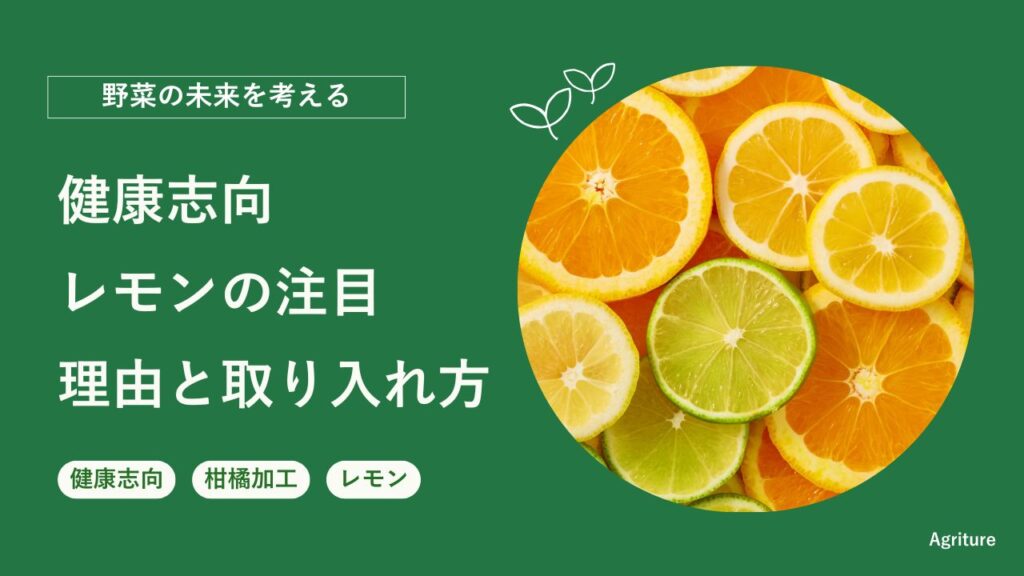
Domestic lemon does not reach 10,000 tons a year. What to look at if you use it down to the rind
To begin, here's what this article cannot cover. We have a policy of not listing nutrient figures in our articles. We don't write values such as how many milligrams of a vitamin, or multiple-based comparisons with other foods. As for health effects, as a food maker we do not make... -
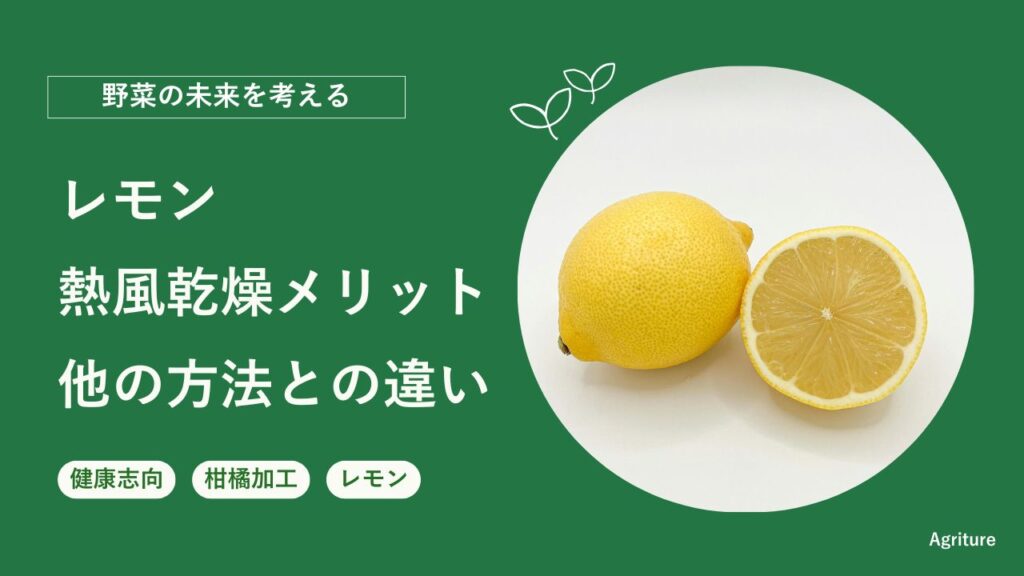
What are the benefits of hot-air drying lemon? Explaining the difference from other drying methods
Lemon is a citrus fruit classified in the genus Citrus of the Rutaceae family. Its vivid yellow, distinctive acidity, and refreshing aroma make it beloved worldwide. Its place of origin is said to be northern India, and it came to Japan in the Meiji era. Now domestic lemon is grown in Hiroshima, Ehime, Wakayama, and other prefectures... -
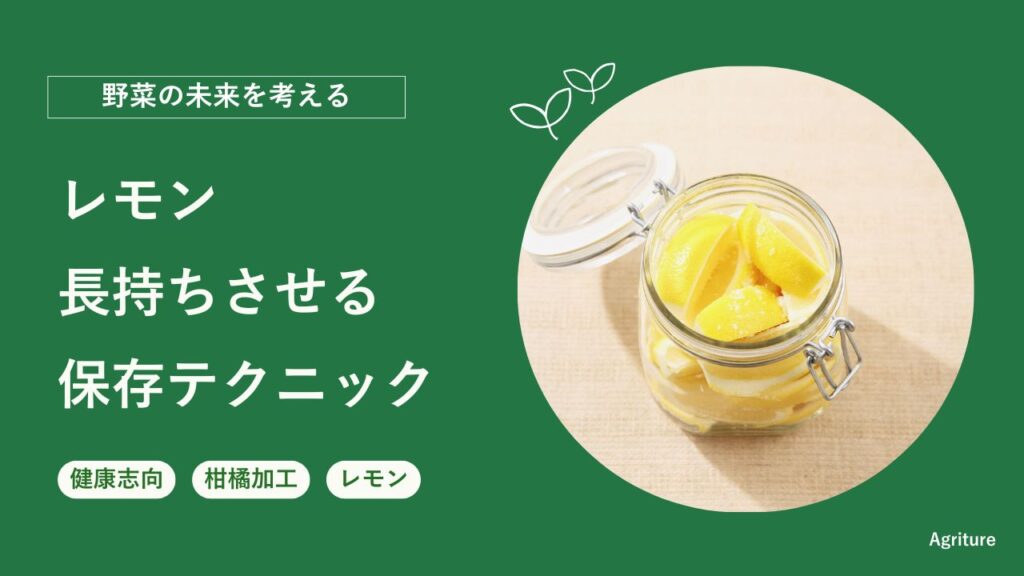
Ways to Improve Lemon's Shelf Life! The Complete Version of Storage Techniques to Make It Last
Hot-air drying of lemons is a processing method that efficiently removes the fruit's moisture using warm air. By placing sliced lemons in a dedicated dryer and circulating constant-temperature hot air, they can be dried uniformly in a short time. At the processing sites for domestically grown lemons including Hiroshima-grown lemons... -
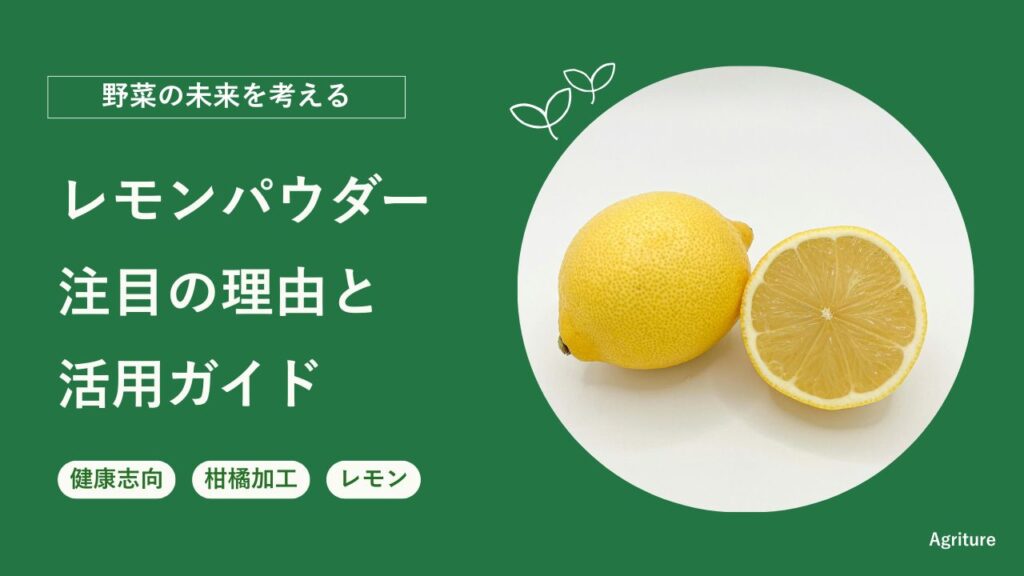
Why Lemon Powder Is Drawing Attention and How to Use It! A Thorough Usage Guide
Lemon powder is drawing attention in the food industry and at home. Fresh lemon, as a citrus with a distinctively vivid acidity and refreshing aroma, has been used across a wide range of industries—food processing, foodservice, confectionery, and beverages. The juice is used to add acidity to drinks and dishes, and the peel for confectionery and dressing... -
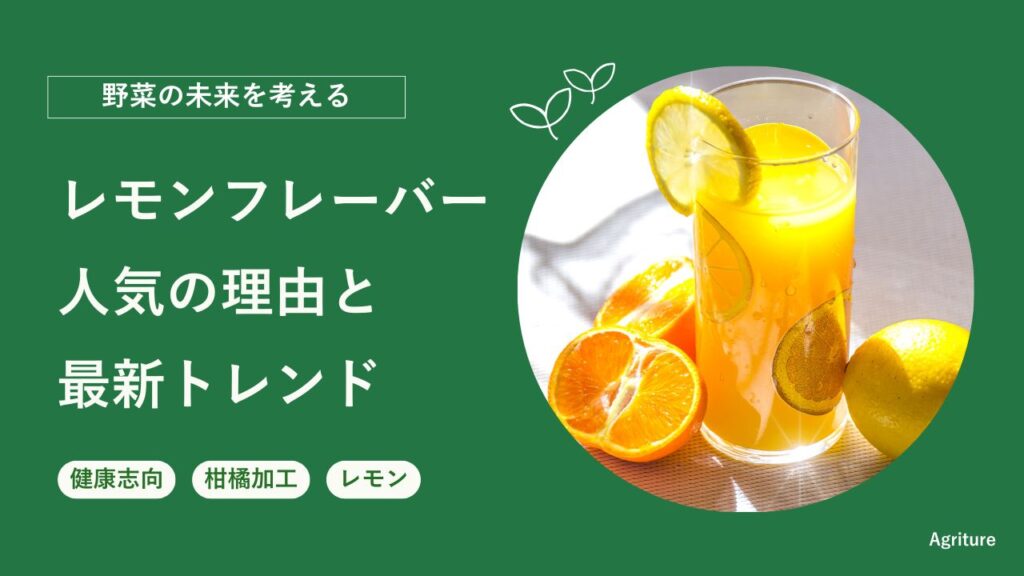
Why the Popularity of Lemon Flavor Persists and How to Use the Latest Trends
From a garnish for fried food to the star of drinks, sweets, and seasonings. Lemon flavor is now the most-watched presence in the food industry. Even after entering the 2020s, the market has continued to expand, staying at the top of citrus flavors ahead of orange and grapefruit. The reason for this popularity... -
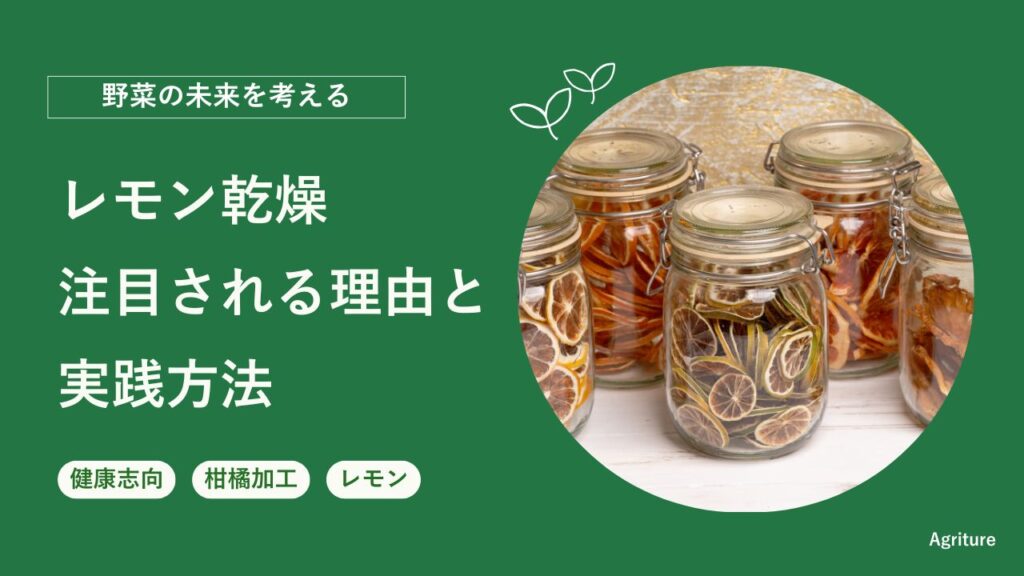
Why Lemon Drying Is Drawing Attention and How to Practice It! A Thorough Look at the Trend
Drying lemons is drawing major attention in the food industry. Alongside rising health consciousness, the market for lemon-based products is trending upward. In particular, fresh lemon faces challenges of temperature control to maintain freshness and a short shelf life, and against this backdrop, "drying" and "pas..." -
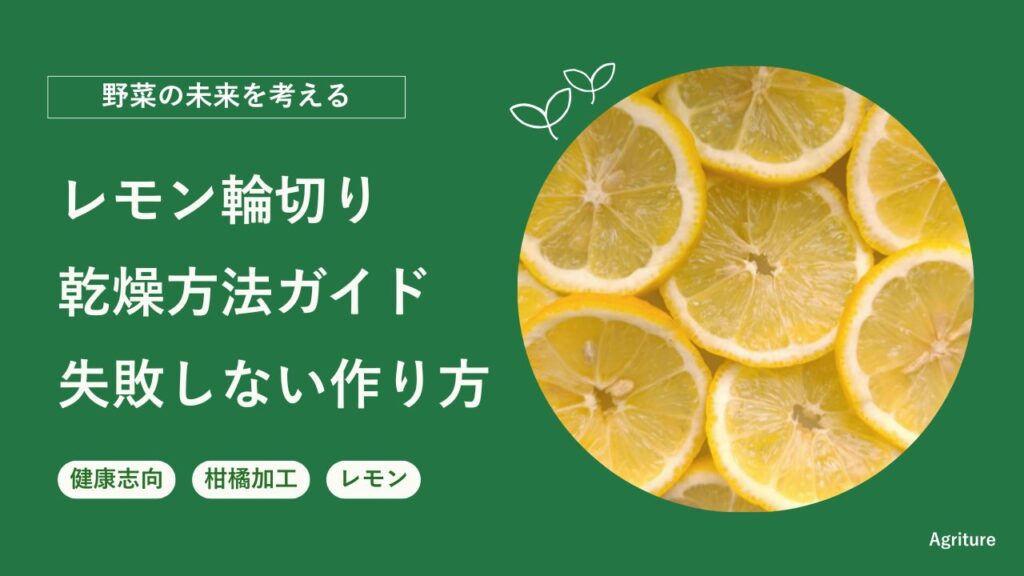
A Complete Guide to Drying Lemon Rounds! A Foolproof Method and Tips
Have you ever wanted to try making dried lemon at home? Store-bought dried fruit makes you worry about additives, and the price is high too. But if you make it yourself, you can get safe, secure dried lemon using pesticide-free lemons. In fact, drying lemon rounds gives you vitami... -

How to Choose Domestic Moringa: Quality Standards and Characteristics by Growing Region Explained
Alongside rising health consciousness, interest in moringa is rapidly spreading. This plant, also called a "nutrient-rich tree," is drawing attention worldwide as a superfood containing over 90 kinds of nutrients, but what points should you watch when choosing domestic moringa... -
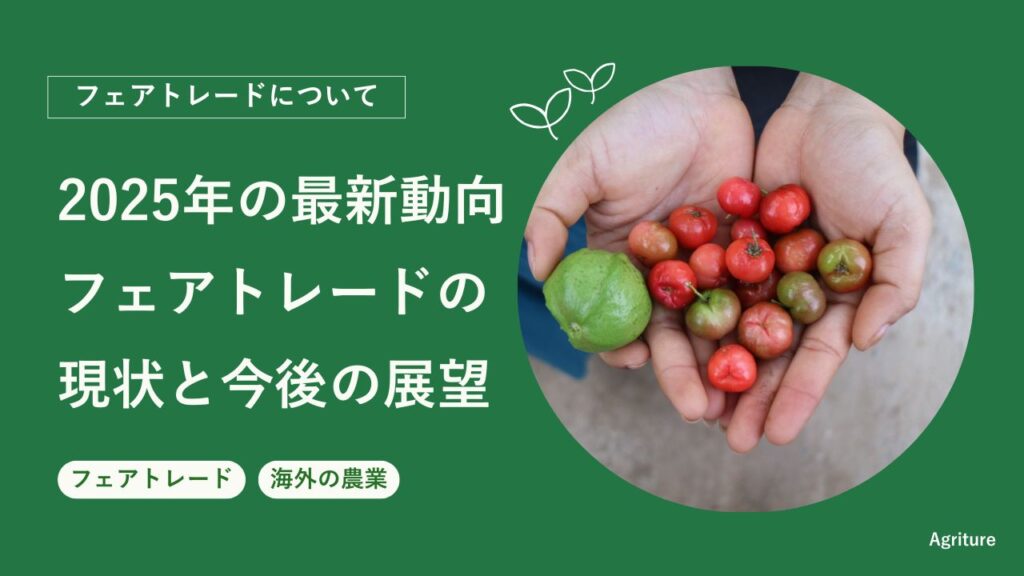
What Is Fair Trade? From the Mechanism and Certification System to the Latest 2026 Trends Explained
There are more chances to hear the term fair trade. You spot products with a certification mark at supermarkets and cafés, or see it featured in companies' sustainability reports—it is steadily spreading in Japan too. This article covers the basic definition of fair trade... -
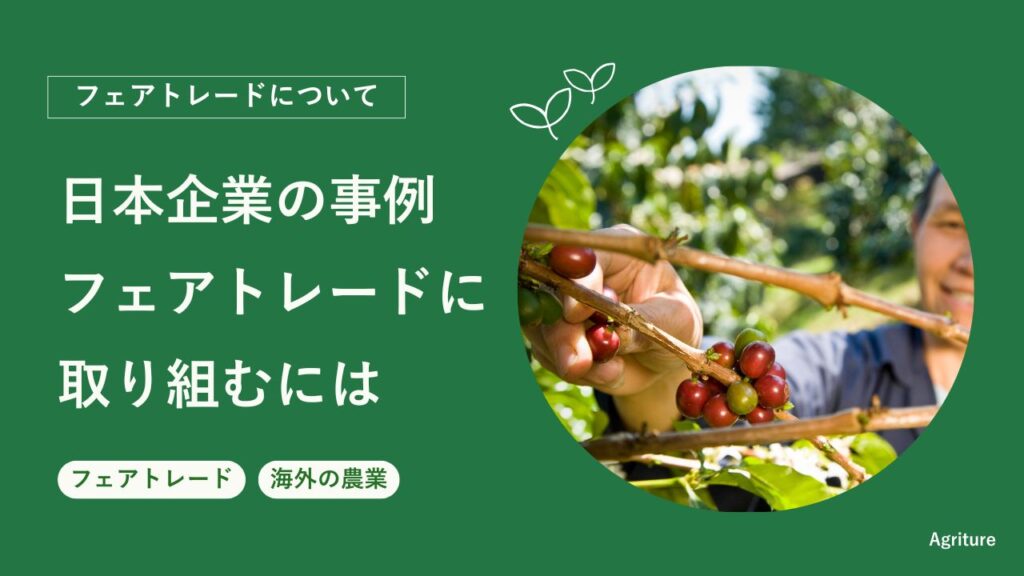
The Latest Cases and Success Strategies of Japanese Companies Working on Fair Trade
You've been hearing the term fair trade a lot lately. This is not merely a trend but an important concept that fundamentally changes the way business is done. Fair trade is a "fair trade" effort that supports producers and workers in developing countries in earning fair compensation... -
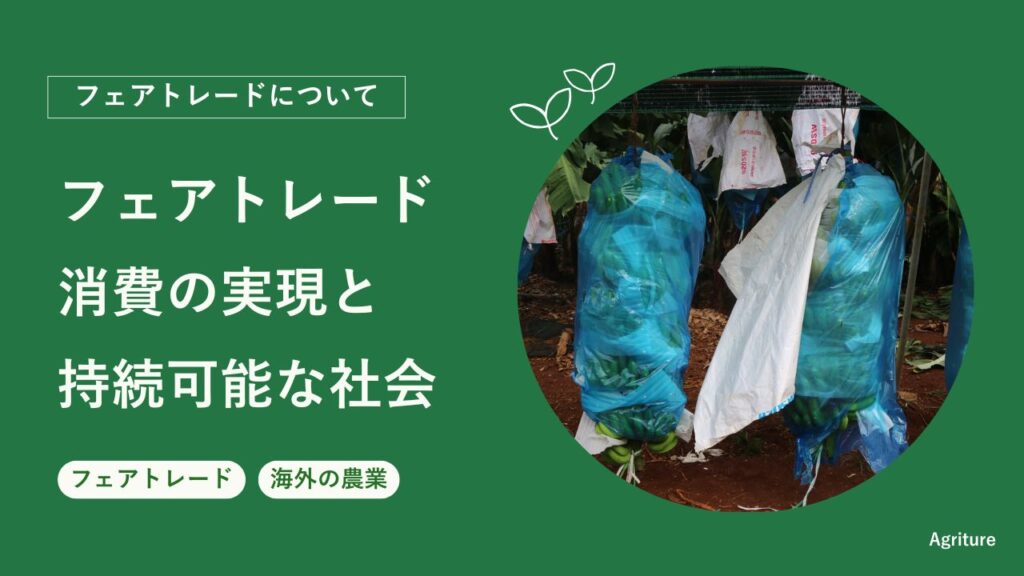
A sustainable future achieved by rethinking fair-trade consumption
The coffee or chocolate you casually pick up every day. That one cup, that one piece, may be supporting the life of someone working hard on the other side of the globe. Have you heard the term fair trade? This effort, meaning "fair, equitable trade," is tied to our consumption... -
What Is Fair Trade Certification? A Complete Explanation of the Mechanism and Significance
The coffee and chocolate we consume daily. Behind them are producers in far-off countries. But whether those producers are earning fair compensation is hard for us consumers to see. Fair trade certification is such an "unseen..." -
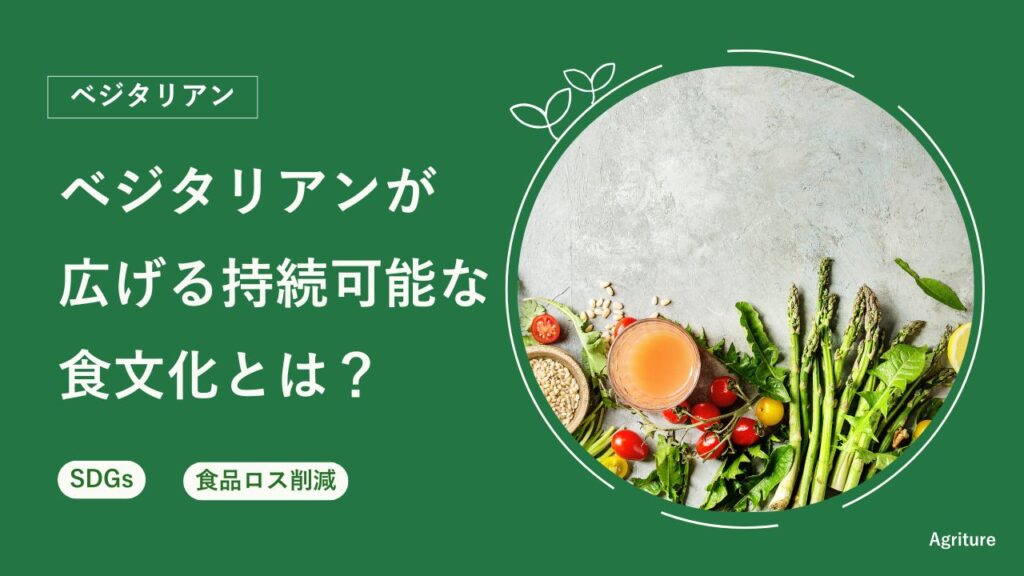
What is the sustainable food culture that vegetarians are spreading?
A vegetarian refers to someone who eats mainly plant-based foods and avoids animal meat and fish. Say "vegetarian" and the styles are varied; which foods one eats differs by individual belief and choice. The reasons for changing one's diet, too, range from health to the environment... -
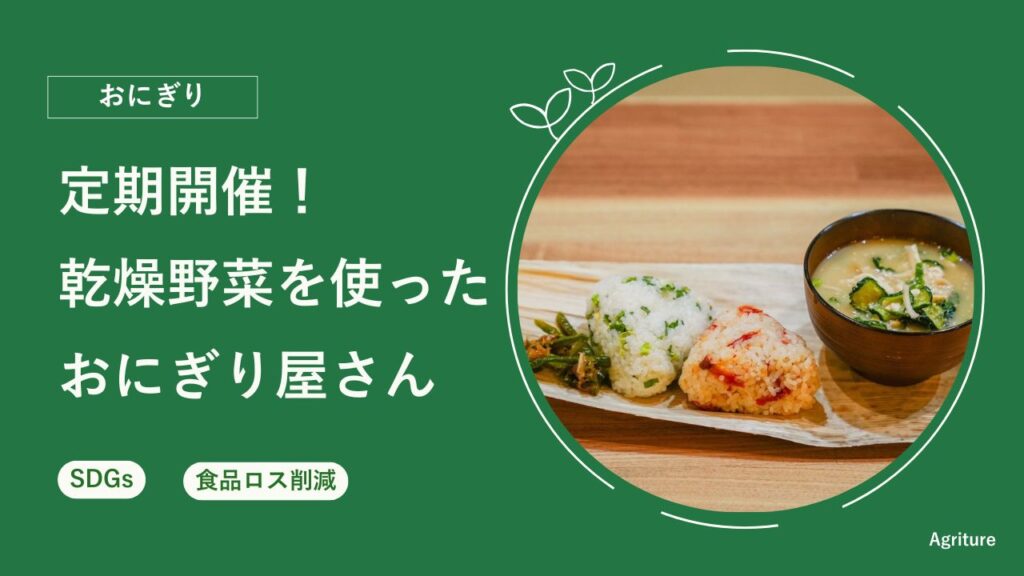
Dried Vegetable (Sun-Dried Vegetable) Onigiri Project | Held Every Tuesday in Kikukawa, Tokyo
Every Tuesday, at a shared dining space in Kikukawa, Tokyo, we hold the onigiri shop "Onigiri and Soup with Kyoto-Grown Dried Vegetables" using dried vegetables. Based on obanzai making use of dried vegetables, we propose a new form of onigiri. While treasuring regional ingredients, off-spec veg... -
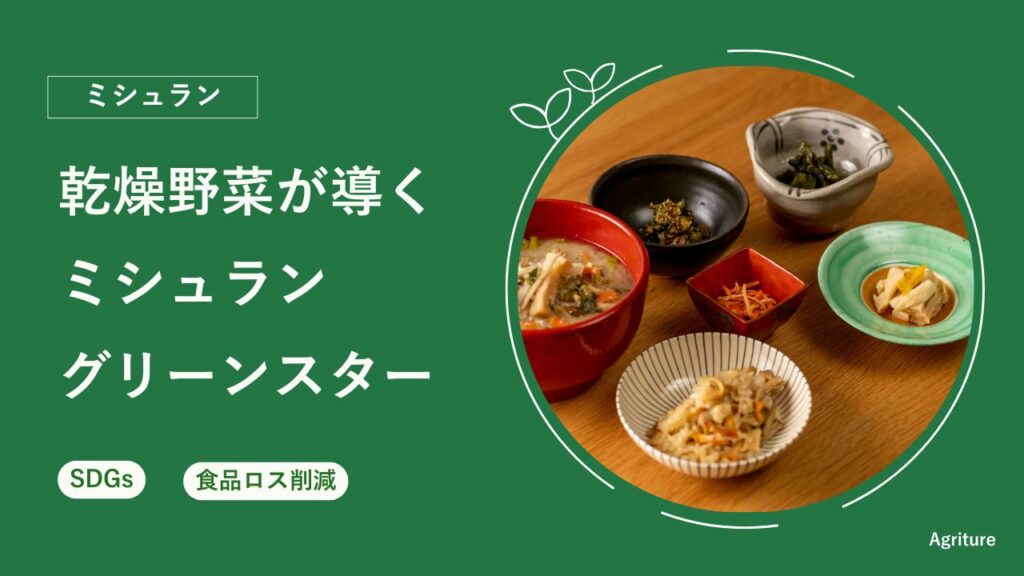
The Path to a Michelin Green Star, Led by Dried Vegetables
Since the COVID-19 pandemic, the habit of eating at home has taken root, and the value sought in dining out has changed greatly. Beyond merely "delicious," higher-level elements such as consideration for the environment and social significance have come to be demanded. Drawing attention amid this is dried... -
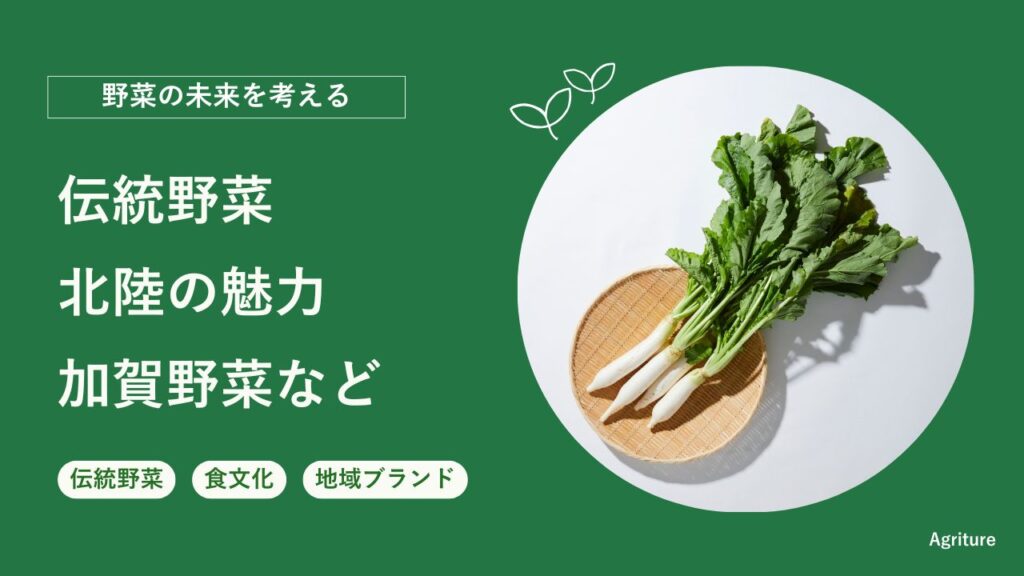
The appeal of heirloom vegetables in Hokuriku! Regional brands such as Kaga vegetables thoroughly explained
In the Hokuriku region there exist many “heirloom vegetables” handed down in that land. These are deeply tied to the region’s climate, soil, and food culture, and are a precious food heritage nurtured over long years. While mass production and standardization advance, the value of diverse varieties is being rediscovered, and chefs... -
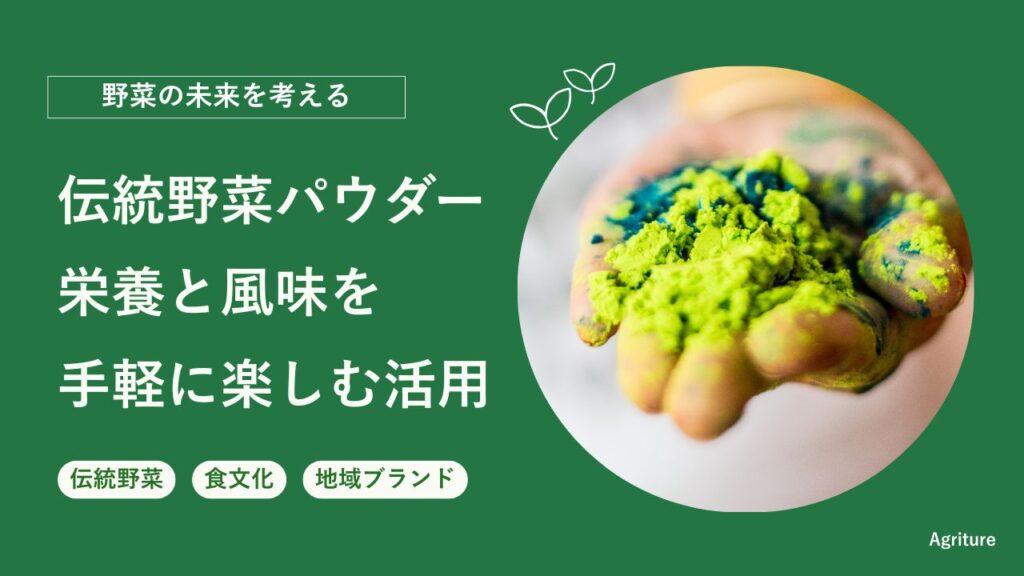
How to use heirloom vegetable powder! Ways to easily enjoy nutrition and flavor
Heirloom vegetable powder is an ingredient made by powdering native varieties long cultivated in various regions, such as Kyoto vegetables and Kaga vegetables. These vegetables are a precious food heritage nurtured over long years while adapting to the region’s climate and soil, differing from the commonly mass-produced vegetables... -
What is the value of Kyoto vegetables? The region’s food culture and sustainability
When you hear “a sustainable life,” you might picture eco bags or recycling, but one of the things with particularly great influence in our daily lives is the choice of “food.” Among these, what deserves attention is Kyoto vegetables, the heirloom vegetables of Kyoto. Kyoto vegetables are rooted in the spirit of “local production for local consumption”... -

"From Instagram to purchase": branding worked backward from Gen Z consumption
Gen Z chooses products with a sensibility and behavior completely different from previous generations. In the food genre in particular, the flow of "I bought it because I saw it in someone's post" has become the norm, and cases where a TV commercial or a search is the trigger keep decreasing. For example, Instagr... -
7 Innovative Cases of Overseas Fair Trade Companies Changing the World
Today, awareness of fair trade is gradually rising too. According to a survey by the Japan Fair Trade Forum, fair trade awareness in Japan as of 2019 was 32.8%. While still low compared with over 80% in the UK and the Netherlands, it is steadily spreading... -
[2025 Latest] 3 Fair Trade Brands and Points for Choosing Them
Have you ever heard the term fair trade? Translated literally it means "fair trade." It is an effort to pay fair compensation to producers in developing countries and support their improved livelihoods and sustainable farming practices. The items covered by fair trade include coffee... -
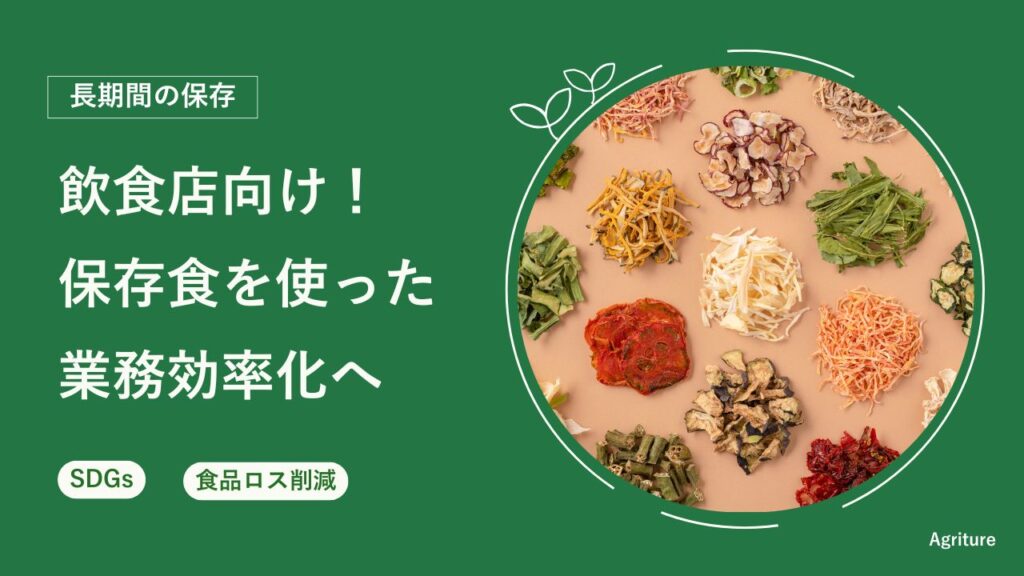
[For Restaurants!] Use Dried Vegetables to Cut Food Waste and Improve Operational Efficiency at Your Store
"Dried vegetables," made by drying vegetables, offer diverse benefits for the food industry and restaurants. They keep well and cut down on prep, which leads to lower operating costs and can also broaden the menu. Because they also help reduce food loss,... -
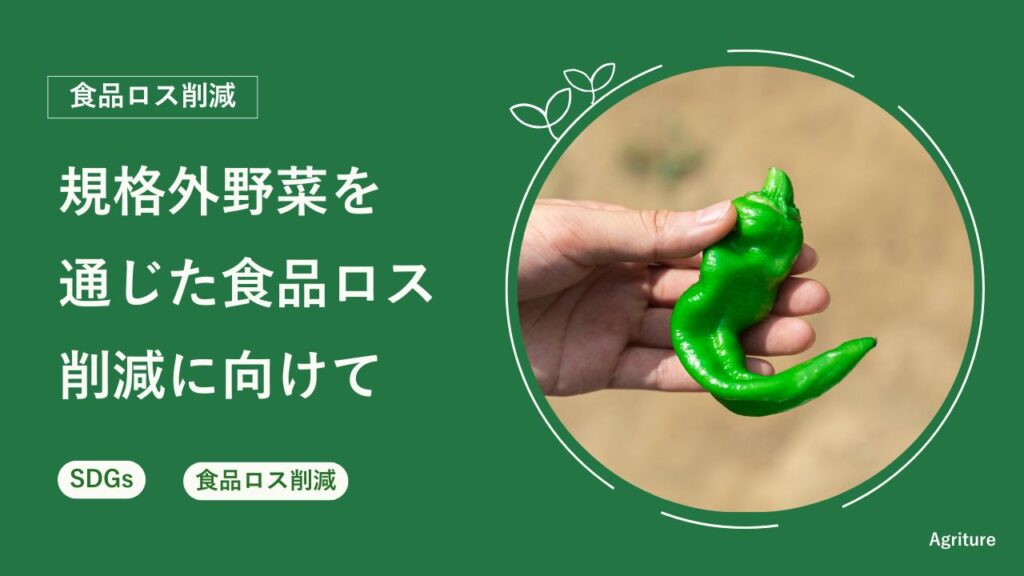
What are out-of-spec vegetables? How much arises, and how far can they be used in processing
The vegetables lined up at supermarkets are all uniform in size and shape. Vegetables that fall outside that are "non-standard vegetables." However, figures like "tens of thousands of tons of non-standard vegetables are discarded every year," when you trace their source, often use Ministry of Agriculture, Forestry and Fisheries statistics in a sense other than intended... -
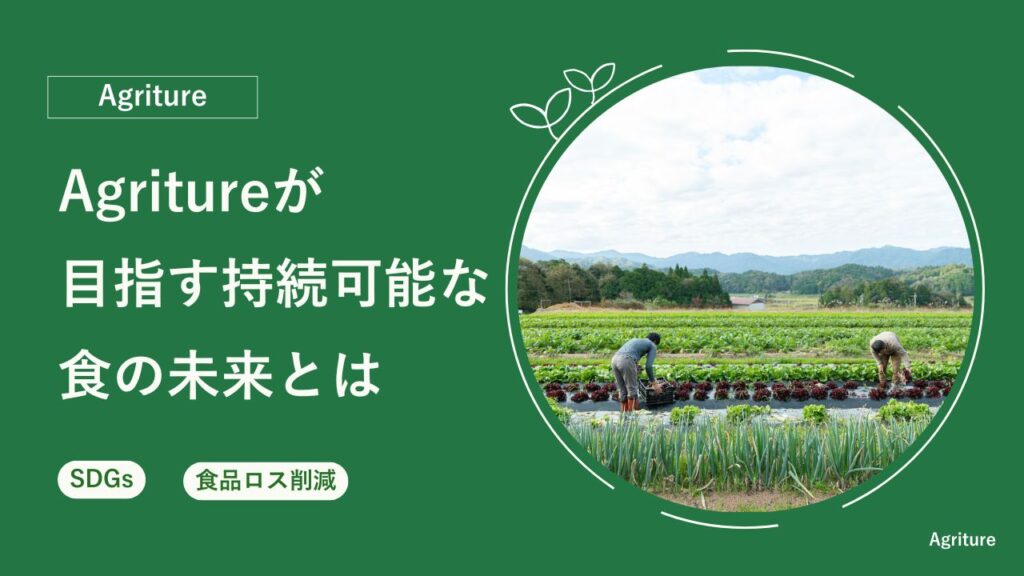
The Sustainable Food Future Agriture Aims For
We want to be a presence like a greengrocer, connecting farmers and you, the consumer. The brand name OYAOYA—adding a Kyoto-style "o" to "yaoya" (greengrocer) and letting the presence of "yasai" (vegetables) waft through—holds such a thought. Nice to meet you. We are Agriture, which operates OYAOYA... -
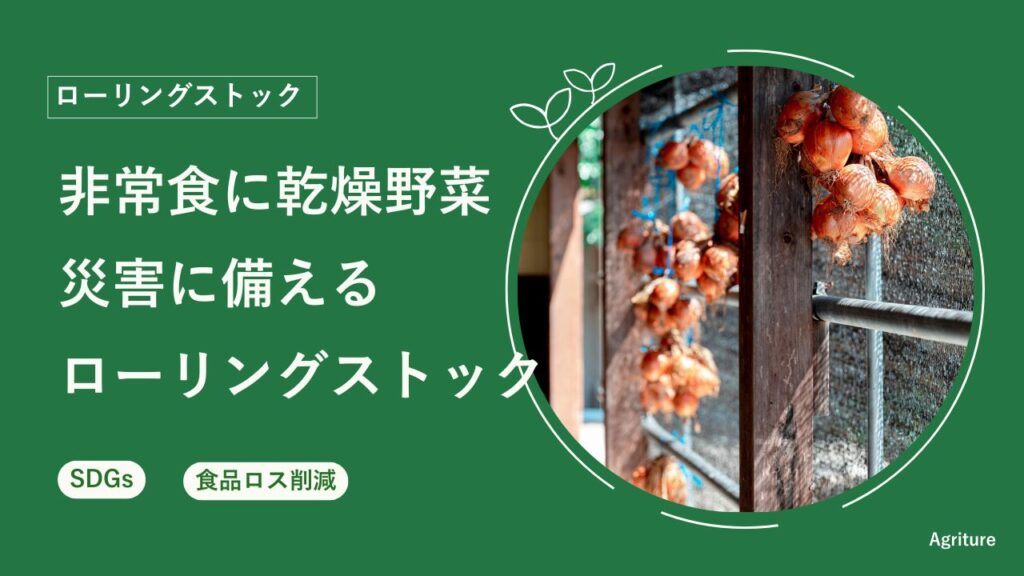
The Complete Rolling Stock Guide 2026 | 7 Recommended Foods and How to Use Dried Vegetables
Rolling stock is a system of stockpiling while consuming in everyday life, the standard 2026 style recommended by the Ministry of Agriculture, Forestry and Fisheries and the Cabinet Office as well. This article covers the basics of rolling stock, how to do it, the 3 steps to start, "7 recommended foods," concrete examples of practicing it with dried vegetables and dry goods, and for companies... -
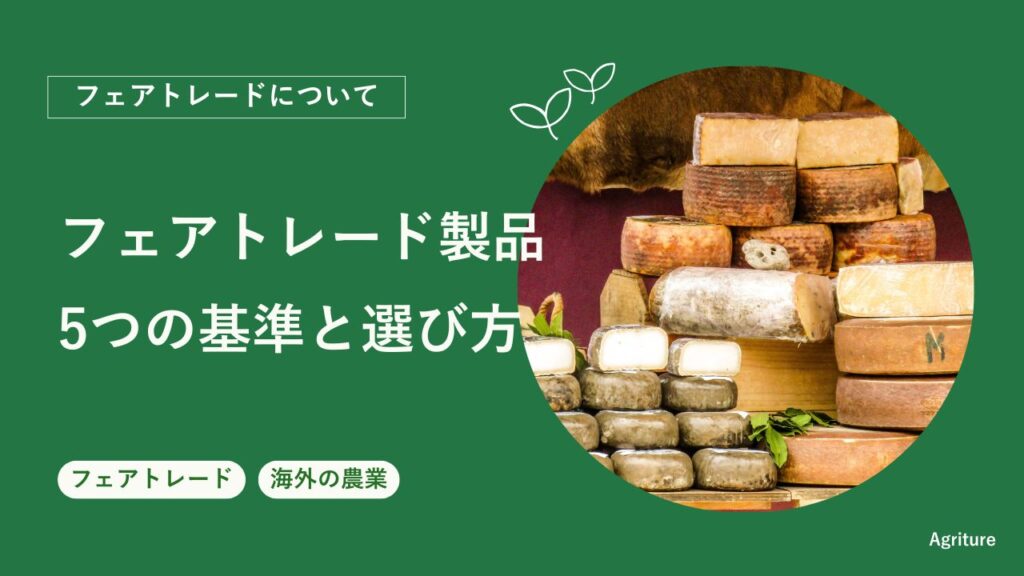
How to Choose Genuine Fair Trade Products: 5 Criteria and How to Tell
We’ve been hearing the term “fair trade” more and more often. You may notice fair trade labels on all kinds of products—coffee, chocolate, clothing, and more. But what exactly is a product that can truly be called “fair trade”...? -

Gen Z are those born from 1997 to 2012, aged 14 to 29 in 2026
What people searching for the term "Gen Z" most want to know are two things: who, by birth year, it refers to, and how old they are now. Let's put the answer up front. By the widely used cutoff, they are people born from 1997 to 2012, aged 14 to 29 as of 2026. However... -
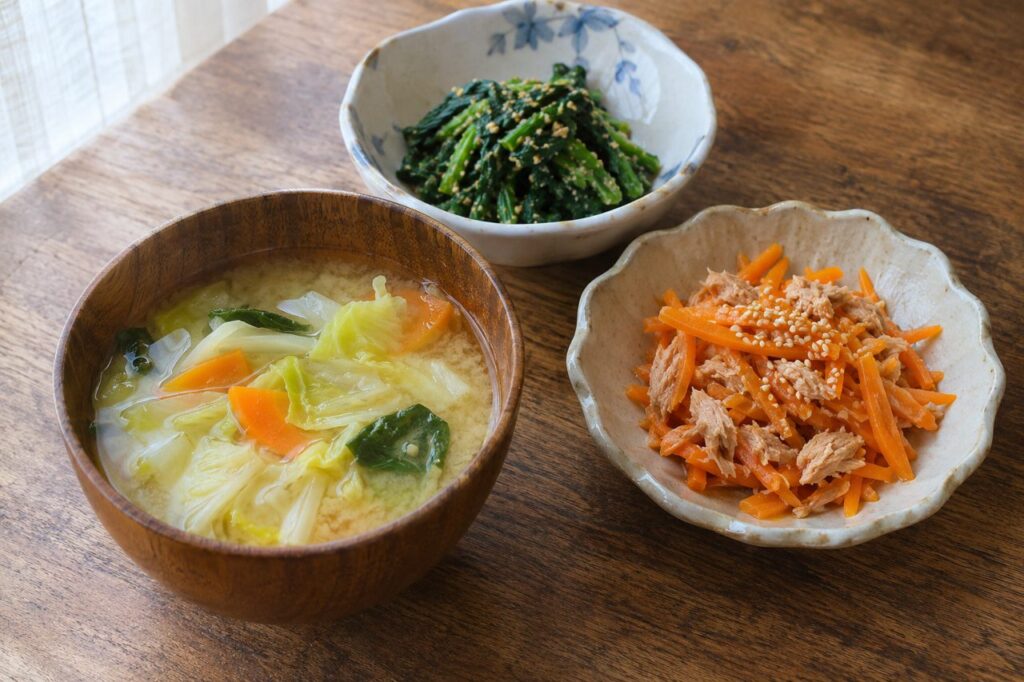
10 dried-vegetable recipes | from miso soup to side dishes, solving vegetable shortage in a hurry
What you will learn in this article: 10 easy recipes using dried vegetables (5 to 15 minutes); recipes by category, including miso soup, soups, salads, stir-fries and simmered dishes; tips for using dried vegetables and how to avoid mistakes; ideas for working dried vegetables into a week of meals. Why dried vegetable recipes help with a lack of vegetables... -
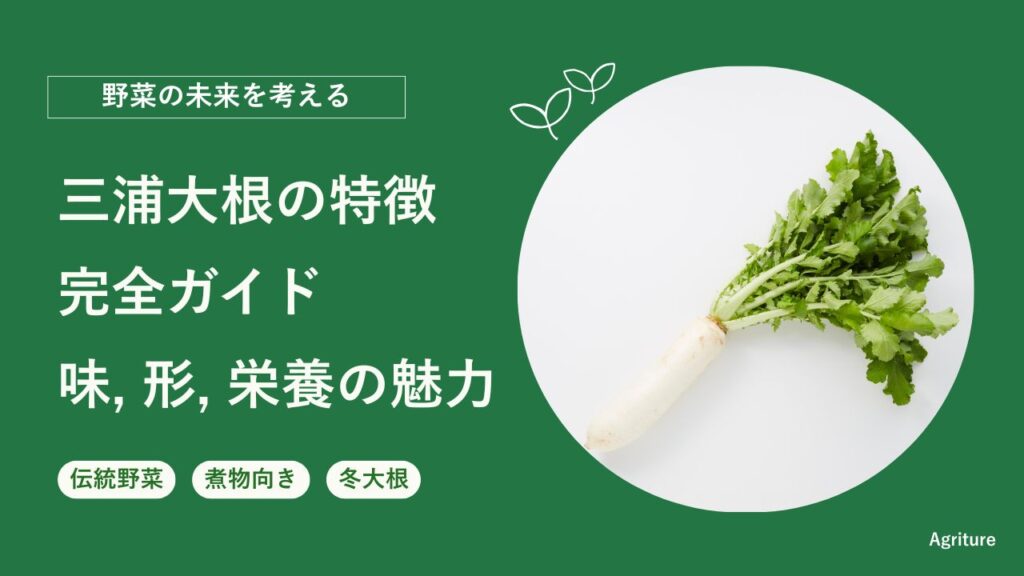
A Complete Guide to the Features of Miura Daikon! Explaining the Appeal of Its Taste, Shape, and Nutrition
Miura daikon is a winter daikon grown on the Miura Peninsula in Kanagawa Prefecture. In the Meiji era it arose from natural crossbreeding of the peninsula's native Koenbo daikon with Nerima daikon and others, and in 1925 (Taisho 14) it was named "Miura daikon." Blessed with the peninsula's mild climate and well-draining soil, it has long... -

What are the characteristics of Yamagata apples? A thorough guide to varieties and growing conditions
The reason Yamagata-grown apples are delicious lies in the climate. Yamagata Prefecture is a leading fruit-growing region representing the Tohoku area. Known nationwide not only for apples but also for cherries and La France pears. Why do so many kinds of fruit grow in a single prefecture? The answer lies hidden in Yamagata's distinctive terrain and climate... -
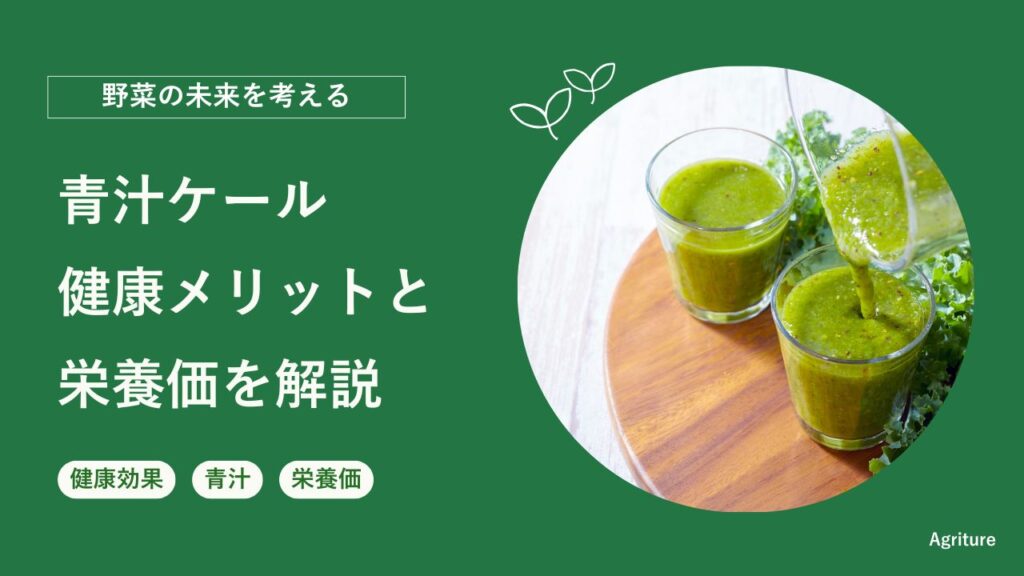
Nutrition and characteristics of kale for aojiru: how to choose and drink it
When it comes to green juice, kale comes to mind. This green vegetable belongs to the same mustard family as cabbage and broccoli, and is so nutritionally excellent it's called the "king of vegetables." In Japan the green juice market has matured, and kale has long maintained steady demand as its main ingredient. Raw... -
Vegetable shortage lowering productivity? The link between presenteeism and diet
What you'll learn in this article. What presenteeism is and how much loss it brings to a company. Data linking vegetable deficiency to lower productivity. The effects you can expect from improving the food environment. Ways to fix vegetable deficiency you can start right away at the office. What is presenteeism? The true nature of a hidden loss. "Coming to work... -
Solving the Vegetable Shortage in Corporate Disaster Preparedness | 7 Recommended Stockpile Vegetables
Disaster stockpiling of vegetables is a theme that tends to be overlooked in corporate disaster plans. Common emergency and preserved foods—alpha rice, hardtack, cup noodles, canned goods—lean toward carbohydrates and protein, tending to lack vitamins, minerals, and dietary fiber. This article covers 7 recommended stockpile vegetables... -
A stockpile strategy balancing BCP × health management | Using dried vegetables
What you'll learn in this article. An approach to food stockpiling that satisfies both BCP and health and productivity management. A rolling-stock strategy using dried vegetables. Tips for running it that ease the workload on the general affairs department. How to account for the cost and its cost-effectiveness. Are you handling BCP measures and health and productivity management separately? "Disaster stockpiling is general affairs' job... -
A complete corporate disaster-stockpile list | Required amounts per person and selection criteria
What you'll learn in this article: the stockpile amount required per employee based on Cabinet Office recommendations; selection criteria by item and how to calculate required quantities; the often-overlooked approach to "vegetable" stockpiling; a ready-to-use stockpile checklist; the basic rules of disaster stockpiling. The Cabinet Office (disaster management) guidelines, toward companies, coun... -
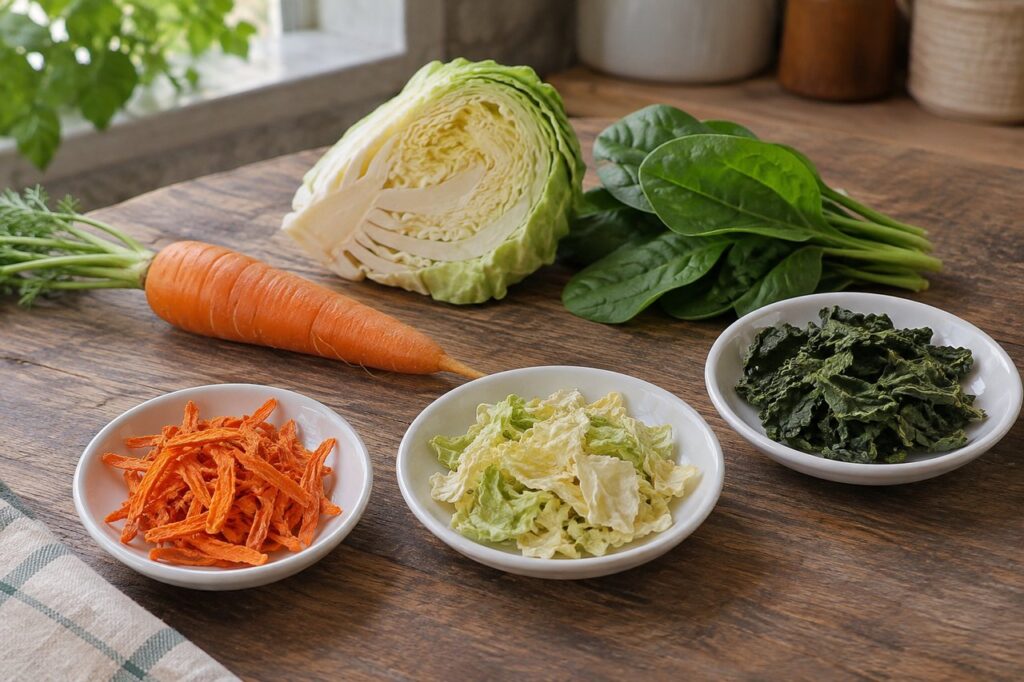
Nutritional comparison of dried and fresh vegetables: nutrients that remain and nutrients that are lost
What you'll learn in this article: Nutrients that remain in dried vegetables and nutrients that are easily lost; Components that tend to remain, by major vegetable; How the finish differs by drying method; How to make good use of dried vegetables. An honest answer to the question "Do dried vegetables have any nutrition?" The most common question about dried vegetables... -
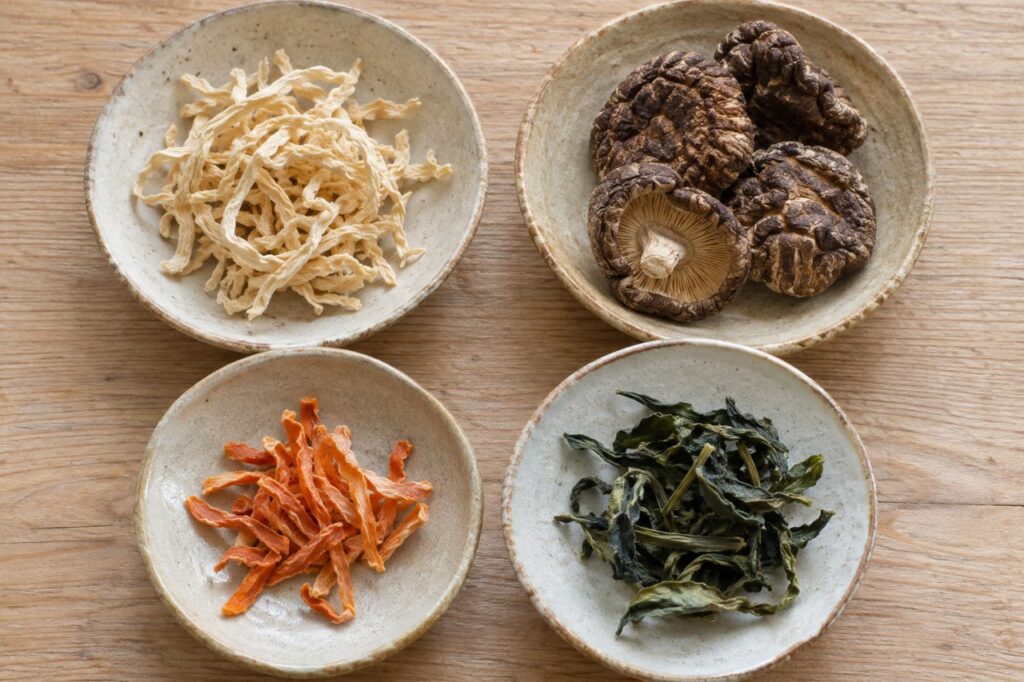
Types of dried vegetables | 4 drying methods and how to choose
What you'll learn in this article: the four drying methods for dried vegetables and their characteristics, a comparison of nutrition, cost, texture, and use, recommended drying methods by purpose, and points to check when buying. With dried vegetables, the "drying method" makes a big difference in quality. When you look for "dried vegetables" at the supermarket or online, similar-looking ... -
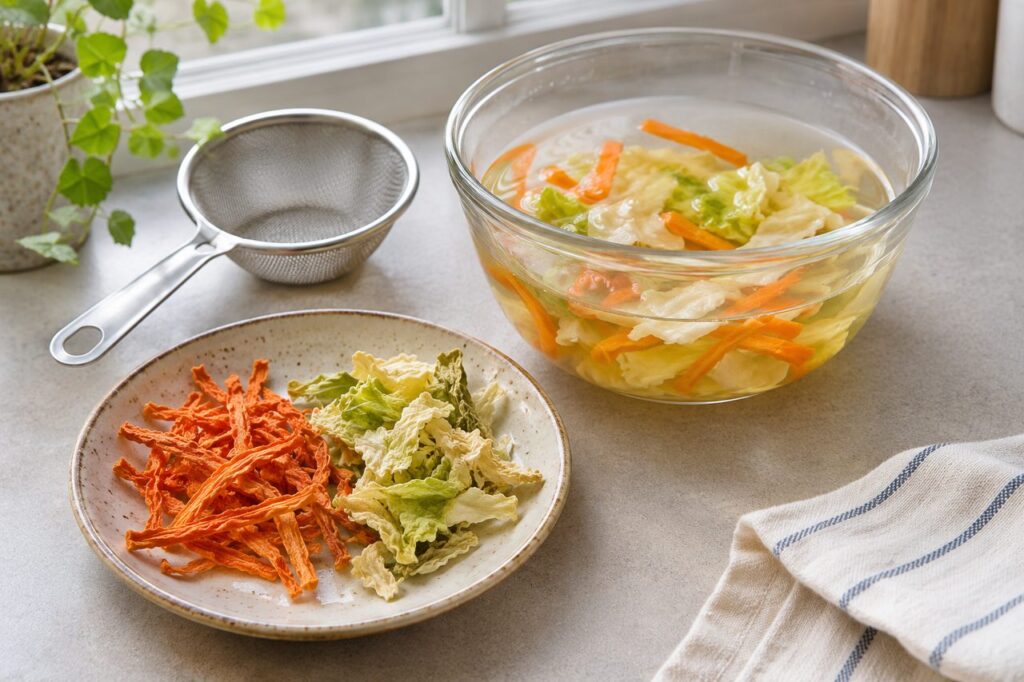
How to rehydrate dried vegetables | Tips for miso soup, salads, and stir-fries
What you'll learn in this article: the basic ways to rehydrate dried vegetables (water and hot water), rough rehydration times by vegetable, techniques by use (miso soup, salad, stir-fry), and tips for using them without losing nutrients. The basic way to rehydrate dried vegetables. What first-time users of dried vegetables puzzle over most is "how do I..." -
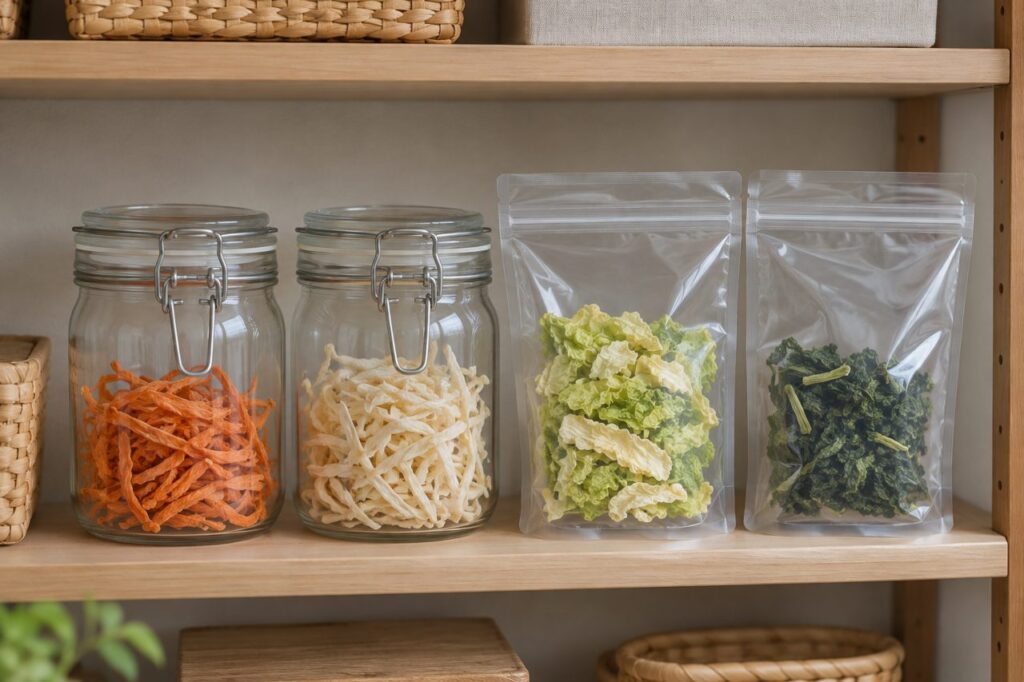
How to Store Dried Vegetables and Their Shelf Life | Tips After Opening, Explained
What you'll learn in this article: a guide to the best-before date of dried vegetables and how it's set, the correct ways to store them unopened and after opening, how to spot signs of deterioration, and points on choosing storage containers and where to store them. How long is the best-before date of dried vegetables? The best-before date of dried vegetables varies by product and drying method, but... -
Stockpile Food for Stranded Commuters | A Practical Guide Compliant with Tokyo Metropolitan Ordinances
Tokyo's Ordinance on Measures for Stranded Commuters—is your stockpile of emergency food fully prepared? If an earthquake directly beneath the capital occurs, up to about 5.17 million stranded commuters are projected within Tokyo. Tokyo, through its "Ordinance on Measures for Stranded Commuters," imposes on companies an effort obligation to stockpile three days' worth for employees... -
Nutrition Management in a Disaster | Nutrients That Run Short in Shelter Life and How to Address Them
Meals in evacuation life: "anything you can eat is fine" is dangerous. When an earthquake, typhoon, or other disaster strikes, the first thing on your mind is securing your safety. Meals tend to get pushed aside. But as evacuation life stretches to three days, then a week, the quality of your meals starts to greatly affect your physical and mental health... -
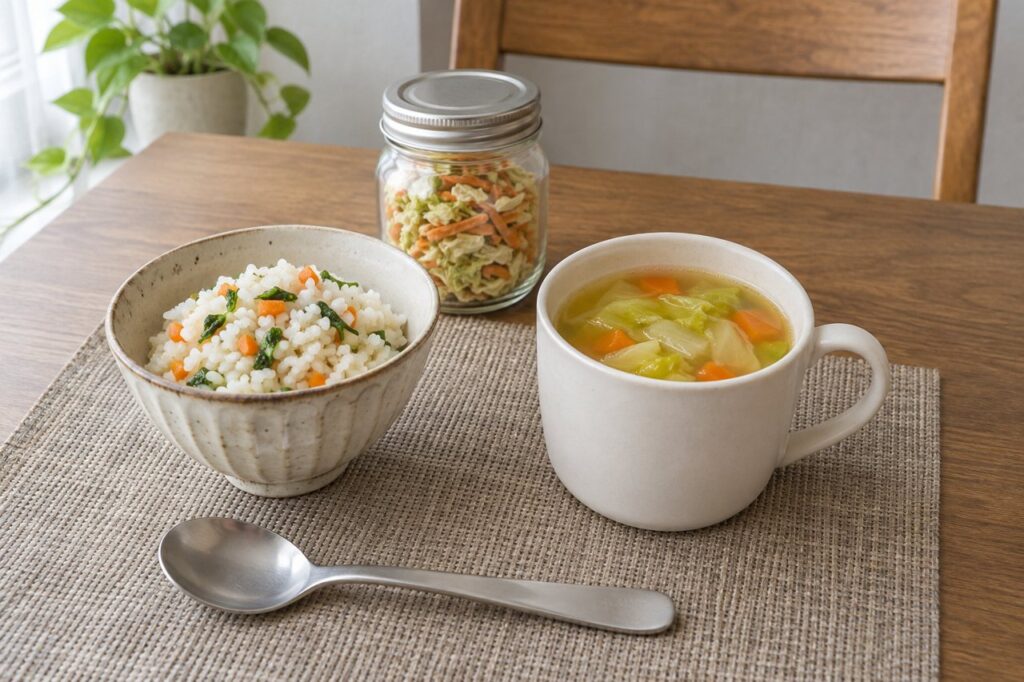
Solve the Vegetable Shortage of Living Alone with Dried Vegetables | A New, Effortless Habit
What you'll learn in this article. The real reasons living alone leads to vegetable deficiency. Why dried vegetables are a perfect match for living alone. Concrete recipes and ways to work them in. A cost comparison with fresh vegetables. How to choose and store dried vegetables. "I know I should eat vegetables, but it's just hard..." When you start living alone... -
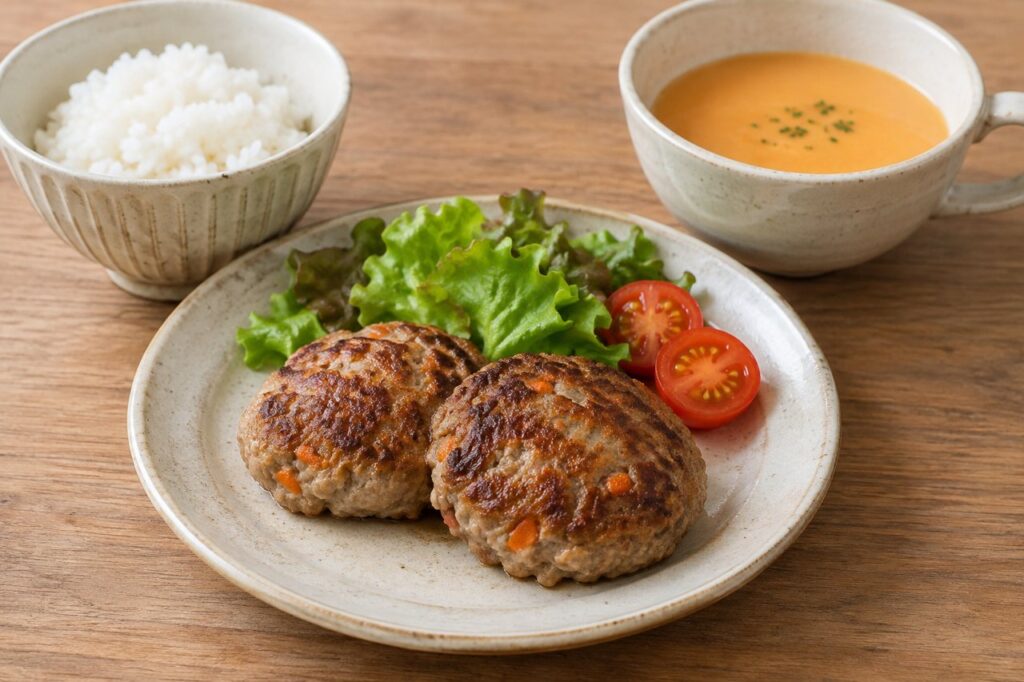
7 ways for vegetable-averse adults to overcome it without strain
What you'll learn in this article: common causes of adult vegetable dislike and "how taste works"; how to overcome vegetable dislike without strain using dried vegetables and vegetable powder; concrete tactics by disliked vegetable; ways to work it in and recipe examples you can keep up daily; the effect vegetable shortfall has on the body and a guide to improvement. "Children... -
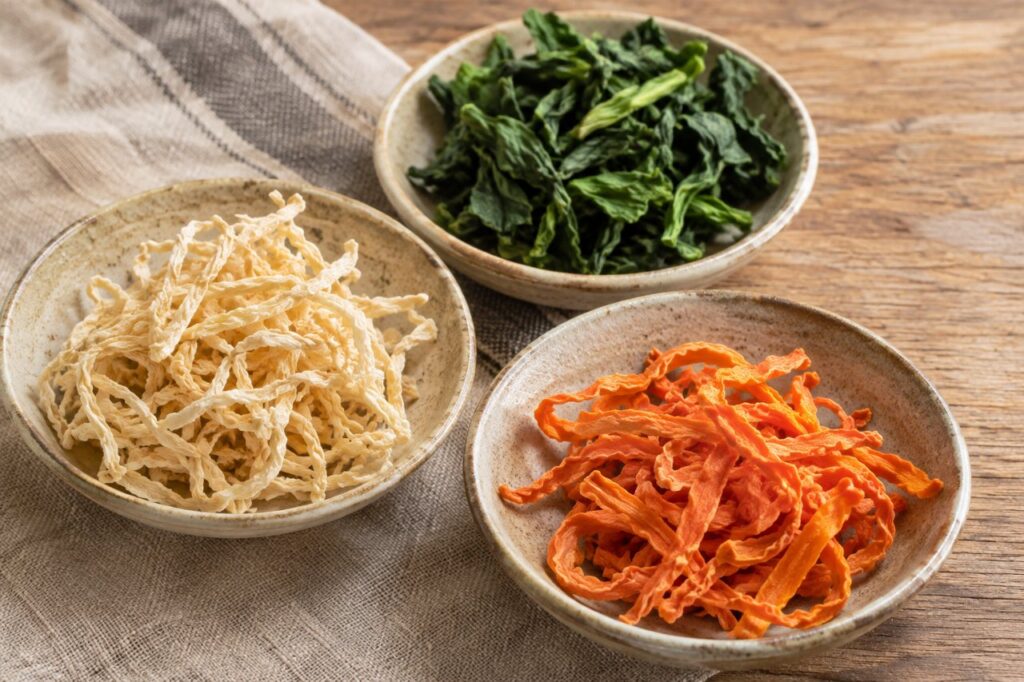
Do dried vegetables have no nutrition? A nutrition-data comparison that clears up the misunderstanding
What you'll learn in this article. Why people say "dried vegetables have no nutrition." The results of comparing nutritional value with fresh vegetables using data. How drying methods differ in nutrient retention. A rundown of nutrients that decrease easily and those that remain. How to eat dried vegetables without wasting their nutrition. "Do dried vegetables really have any nutrition?... -
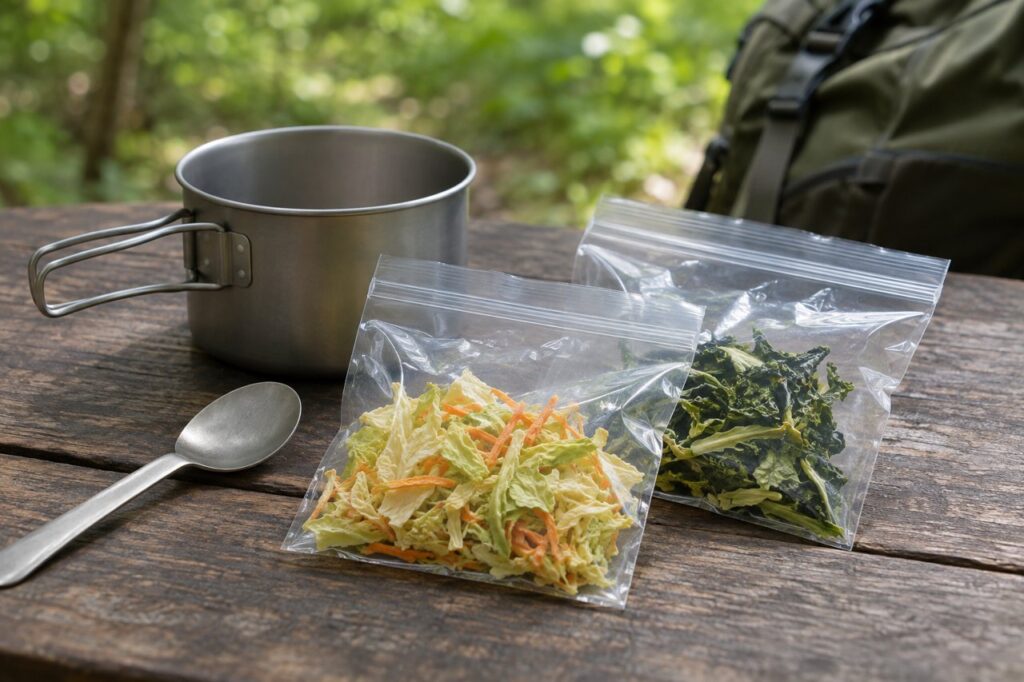
Dried vegetables for camping and hiking | lightweight, and they fix a vegetable shortfall
What you'll learn in this article. Why you fall short on vegetables outdoors and its effects on the body. Why dried vegetables are ideal for camping and hiking. The types of dried vegetables to bring and how to choose them. Easy recipes you can use in the field. Tips for packing and carrying them. When it comes to meals for camping and hiking—cup noodles,... -
An office stockpiling plan to prepare for a Nankai Trough earthquake | How to think about food stockpiling
What you'll learn in this article: the projected damage of a Nankai Trough earthquake and the need for office stockpiling; how to calculate stockpile amounts based on Cabinet Office guidelines; concrete items and quantities of food stockpiles assuming long-term evacuation; the mechanism and operational points of rolling stock; how to prepare to the maximum with limited budget and space...