A sustainable future achieved by rethinking fair-trade consumption

Summary of this article
On a sustainable future realized by rethinking fair-trade consumption: against the backdrop of global challenges — 160 million children in child labor and 50 million people in modern slavery — this article explains the WFTO's 10 principles and the FLO certification system. It introduces the possibilities of social contribution through consumer behavior, including the Japanese Consumers' Co-operative Union's handling of bananas and coffee, the Fairtrade Workplace registration program, and Kamakura City's Grand Prize win at the Social Products Award 2025.
The coffee or chocolate you reach for without a second thought each day — that single cup, that single square, may be supporting the livelihood of someone working hard on the other side of the globe.
Fair trade Have you heard the term? This effort, meaning "fair and equitable trade," holds the power to change the world through our consumer behavior. Paying producers in developing countries a fair price and supporting sustainable production — a philosophy that is simple yet powerful.
Our company partners with farmers around the world to develop a fair-trade business that promotes fair trade and sustainable agriculture. Acting as a bridge connecting producers and consumers, we work to realize the distribution of high-quality agricultural products.
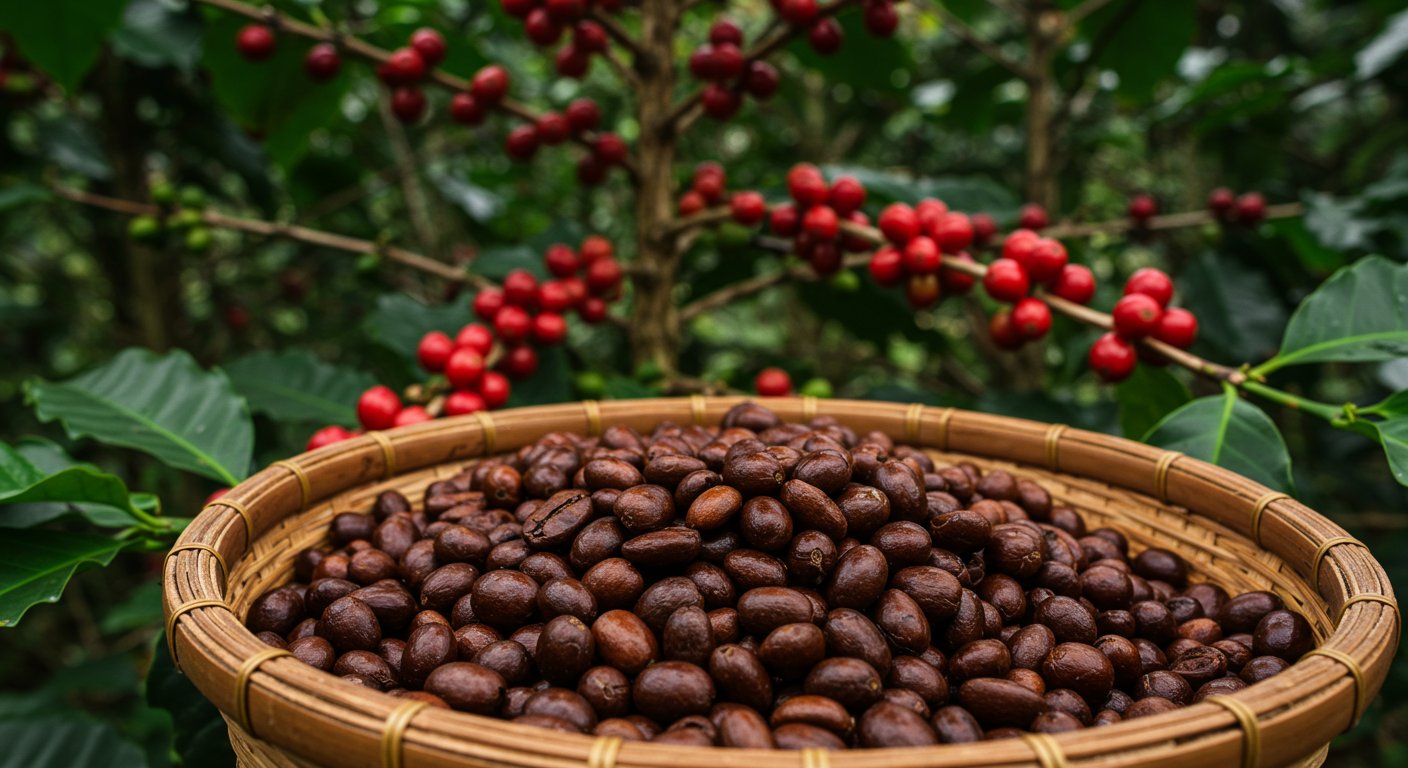
Now, in 2025, fair trade is establishing a firm position not merely as an idealistic effort, but as a business and as a consumer choice. So how does this rethinking of fair-trade consumption lead to a sustainable future?
TOC
The background and challenges behind the need for fair trade
Why is fair trade drawing attention now? Behind it lie the various problems that conventional international trade has brought about.
In many developing countries, producers continue to grow agricultural products for developed countries without receiving a fair price. According to surveys by UNICEF (the United Nations Children's Fund) and the ILO (International Labour Organization), the number of children engaged in child labor worldwide is said to reach as high as 160 million. This problem is especially serious in countries where agriculture is a major industry, such as Ghana, known as an exporter of cacao beans.
Also, according to the ILO, as of 2021 there were about 50 million people in modern slavery, of whom victims of forced labor reached as many as 27.6 million. One cause of these problems is the existence of producers who cannot pay their workers a fair wage because they're pressured into low-priced trade.
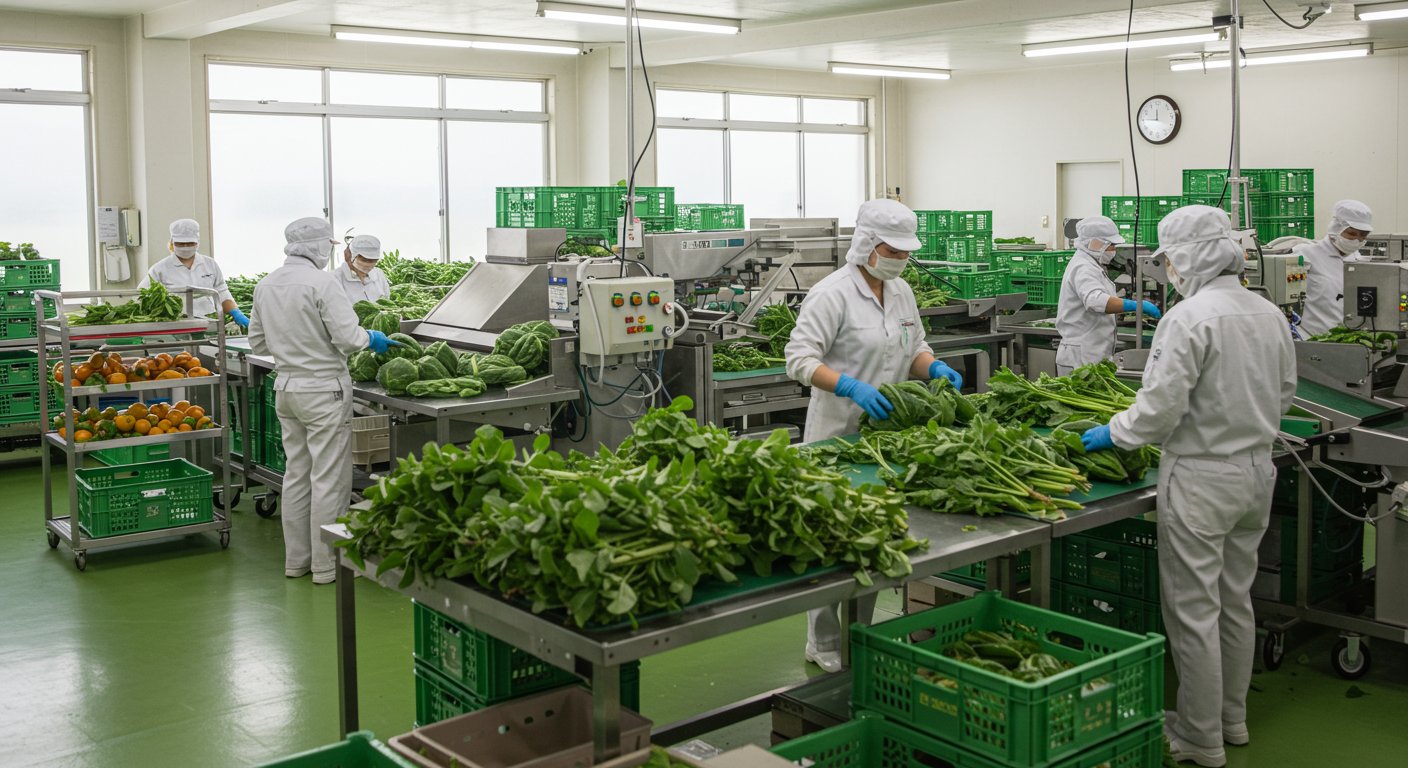
The poor working conditions in developing countries are another problem that can't be overlooked. Across the African continent, as well as in developing countries in Southeast Asia and South America, many people are forced to work long hours or have no choice but to work under unstable forms of employment.
In response to these problems, fair trade seeks to find a way toward a solution by paying producers a fair price.
The basic principles of fair trade and its certification system
Fair trade is not simply about "buying at a high price." Its essence lies in supporting producers' self-reliance through sustainable production and fair trade.
The World Fair Trade Organization (WFTO) has established 10 principles as the fundamentals of fair trade. These include "payment of a fair price to producers," "ensuring safe and healthy working conditions," "prohibition of child labor and forced labor," and "consideration for the environment."
The certification system by Fairtrade International (FLO) is also widely known. Products that receive this certification bear the International Fairtrade Certification Mark, and consumers can use it as a guide when choosing products.
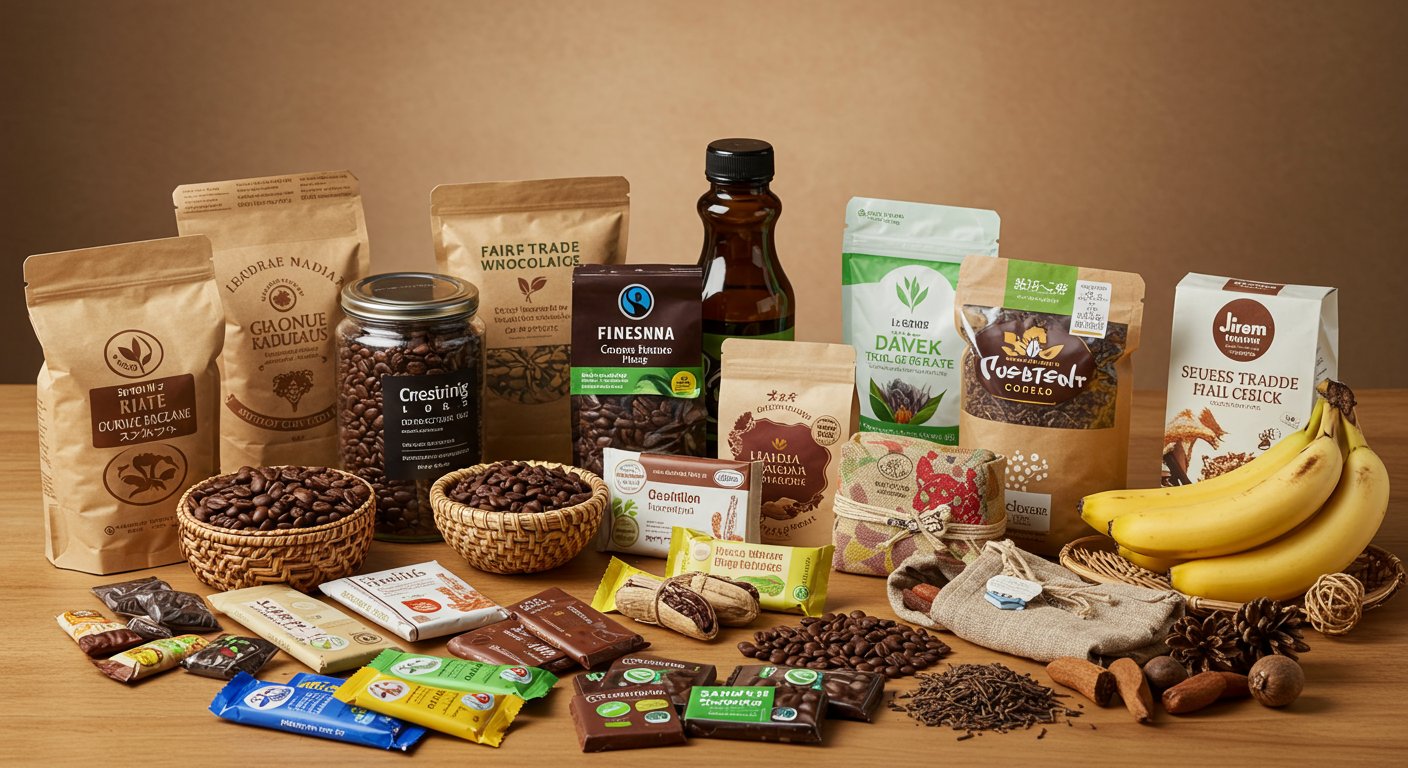
As of August 2025, the handling of Fairtrade-certified products is expanding in Japan too. The Japanese Consumers' Co-operative Union began selling Fairtrade-certified products in 2013 and now offers certified products such as bananas, coffee, and black tea.
Also, the "Fairtrade Workplace registration program" that Fairtrade Japan established in July 2024 registers companies and organizations that continuously offer or use International Fairtrade-certified products year-round within their organization and work to spread and expand fair trade.
Fair trade is establishing itself not as mere charity, but as a sustainable business model.
FOR BUSINESS
乾燥野菜を業務用でお探しですか
国産の野菜・果物を乾燥し、必要に応じて粉砕してお出ししています。扱っている品目は100種前後で、規格は 乾燥品の一覧・パウダーの一覧 に掲載しています。
少量でのご購入は、姉妹ブランドの通販サイト OYAOYA で承っています。
The multifaceted effects that fair-trade consumption brings
Fair-trade consumption brings diverse benefits not only to producers but also to us as consumers and to the global environment.
First, for producers, receiving a fair price stabilizes their livelihood and improves their children's access to education and medical care. Long-term trade relationships also make forward-looking, sustainable production possible.
According to a report by Fair Trade USA, imports of Fairtrade-certified products in the United States in 2014 increased by 26%, and the premiums distributed to farm workers and small-scale producers totaled 5.5 million USD. These premiums are used as funds for investment in healthcare, education, housing, transportation infrastructure, and more.

For companies too, fair trade leads to stabilizing the supply chain and maintaining quality. According to Fair Trade USA, on Fairtrade-certified farms the premium acts as an incentive, and because many workers return to the farms at harvest time each year, it becomes possible to build a more stable supply chain.
For us as consumers, we not only gain access to high-quality products but also derive the satisfaction of being able to contribute to society through our purchasing behavior.
And above all, fair trade also contributes to environmental conservation. That's because environmentally conscious production methods are encouraged, such as adopting sustainable farming and reducing the use of chemical fertilizers and pesticides.
The current state and outlook of fair trade in Japan
Interest in fair trade is steadily rising in Japan as well. Especially with the spread of SDGs, and the spread of Ethical Consumption, the number of consumers choosing fair-trade products as part of it is increasing.
Efforts at the local level are also spreading. There's a certification system called "Fair Trade Town," which certifies municipalities where citizens, government, businesses and shops, and civic groups come together to promote fair trade. In Kamakura City, the collaboratively developed product "Kamakura Baisen Coffee Fairtrade Kamakura Blend" — by the Fair Trade Town promotion body Kamakura Ethical Lab, Kokubu Shutoken Co., Ltd., and Sanbon Coffee Co., Ltd. — won the top "Grand Prize" at the "Social Products Award 2025."
In the course of my work on product planning that makes use of vegetables, I deeply empathize with the philosophy of fair trade. Just as with off-spec vegetables, it goes without saying that they should be bought at a fair price. Knowing the story of the producers behind an ingredient deepens the pleasure of food all the more.
I believe the outlook for fair trade in Japan going forward is bright. With rising consumer awareness and proactive efforts by companies, the fair-trade market will surely continue to expand.
FOR BUSINESS
乾燥野菜を業務用でお探しですか
国産の野菜・果物を乾燥し、必要に応じて粉砕してお出ししています。扱っている品目は100種前後で、規格は 乾燥品の一覧・パウダーの一覧 に掲載しています。
少量でのご購入は、姉妹ブランドの通販サイト OYAOYA で承っています。
Rethinking consumer behavior for a sustainable future
Rethinking fair-trade consumption is the first step toward realizing a sustainable future. So what can each one of us do?
You can start simply by looking for the Fairtrade Certification Mark in your everyday shopping. Fairtrade-certified options are increasing among familiar products too, such as coffee, black tea, chocolate, and bananas.
Next, it's also important to learn about fair trade and spread the word to those around you. To close the gap between knowledge and action, deepening your understanding of the significance and effects of fair trade is necessary.
As a company, options include increasing the handling of Fairtrade-certified products and incorporating fair-trade principles into one's own supply chain. Our consumer behavior holds the power to change the world — this is by no means an overstatement.
The small decision of choosing a single cup of coffee supports the livelihood of a producer working hard on the other side of the globe, contributes to environmental conservation, and leads to the realization of a sustainable society.
Rethinking fair-trade consumption is an investment in the future. Why not take a step toward a sustainable future yourself, starting today?

Reference:
International Fair Trade certified products | Fairtrade Japan
International Labour Organization
Related articles
What is Fair Trade? The latest 2025 trends and future outlook
What Is Fair Trade Certification? A Complete Explanation of the Mechanism and Significance