The Latest Cases and Success Strategies of Japanese Companies Working on Fair Trade

Summary of this article
As examples of Japanese companies engaged in Fair Trade, this introduces the successful strategies of Aeon's "Topvalu" chocolate, which has sourced cacao since 2014, and Ogawa Coffee, which has handled certified coffee since 2004. Japan's market is 21.5 billion yen in fiscal 2024, up 2.2% year on year, but about one-ninth the scale of the UK. It explains approaches for Japanese companies to succeed, such as consumer education, ensuring traceability, and making it the core of the business model.
Fair trade You've come to hear the phrase a lot lately. This isn't merely a trend, but an important concept that changes the very way business is done.
Fair Trade is a "fair trade" system that supports producers and workers in developing countries so they can obtain a fair reward. In conventional international trade, an unequal relationship in which developed countries hold the advantage was the issue, but Fair Trade aims to correct this gap and promote producers' livelihood stability and self-reliance.

In the Fair Trade business our company undertakes, we partnered with farmers around the world and started the business with the aim of fair trade and the renewal of sustainable agriculture. Many of the agricultural products consumed daily, such as coffee, cacao, tea leaves, and spices, are produced in developing countries, but the power to set their prices often lies with the developed-country side.
Why are Japanese companies paying attention to Fair Trade now? It's not mere social contribution, but a strategic judgment directly tied to a company's sustainability.
TOC
The current state of the Fair Trade market in Japan
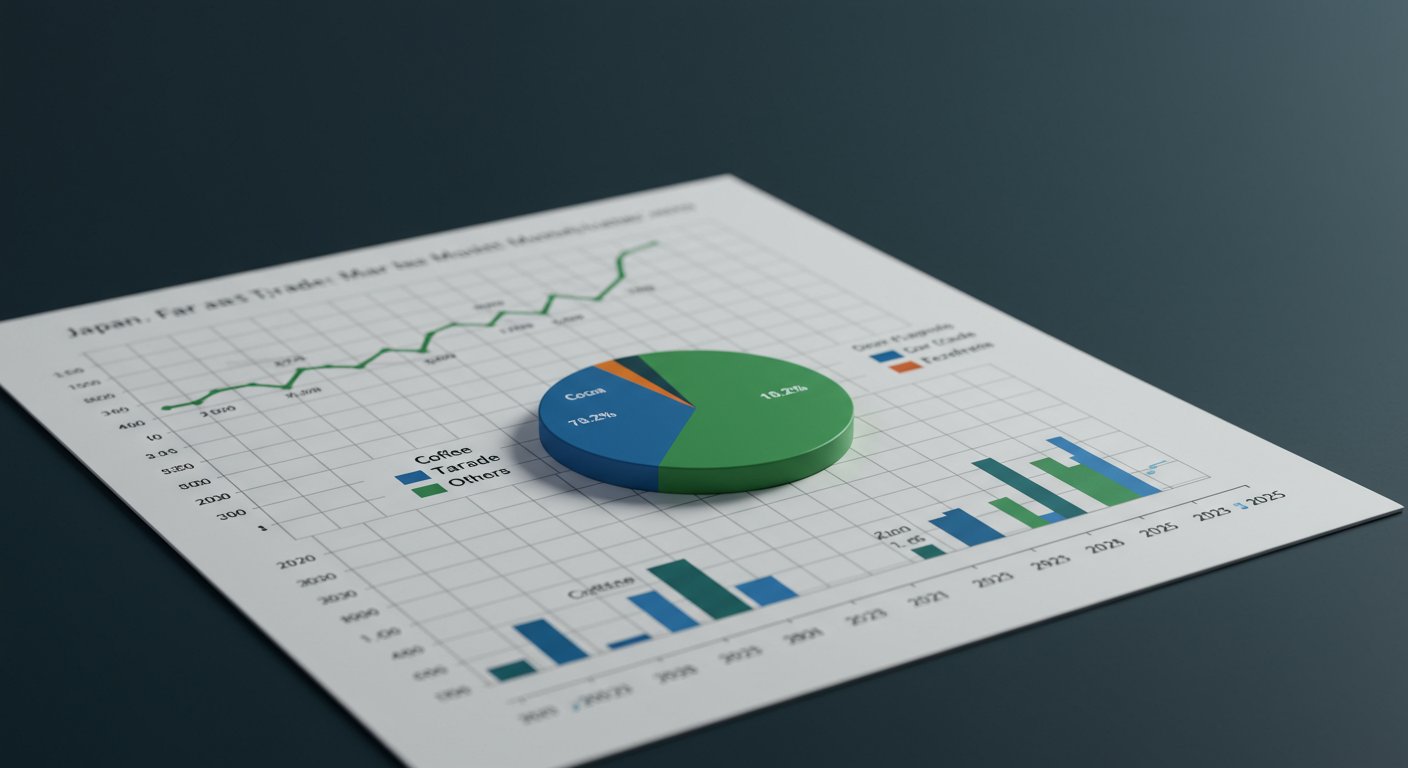
Japan's Fair Trade market is steadily growing. The fiscal 2024 market size increased 2.2% from the previous year to reach 21.5 billion yen. Coffee (78.2%) and cacao (12.2%) in particular make up the bulk of the market.
However, compared with the UK, this figure is still small. The UK's Fair Trade market is on the order of about 193 billion yen a year, roughly 9 times Japan's. Seen per capita, whereas 100 people in the UK buy Fair Trade products, in Japan it's a situation of only about 1 person.
As reasons Fair Trade has spread slowly in Japan, one can cite consumers' lack of awareness, geographic and linguistic isolation, cultural differences, difficulty obtaining the products, and price sensitivity. Many Japanese consumers, especially older ones, either don't know the very concept of Fair Trade or tend to see it as "something for special people."
Even so, SDGs with rising interest in and improving awareness of corporate social responsibility, the Fair Trade market is surely expanding in Japan too. Especially among younger generations, consumers who want to contribute to solving social issues through their purchasing behavior are increasing.
Success stories of Japanese companies engaged in Fair Trade
In Japan too, more companies are actively engaging in Fair Trade and achieving success. Here we introduce especially noteworthy recent examples.
Aeon: efforts toward sustainable cacao sourcing
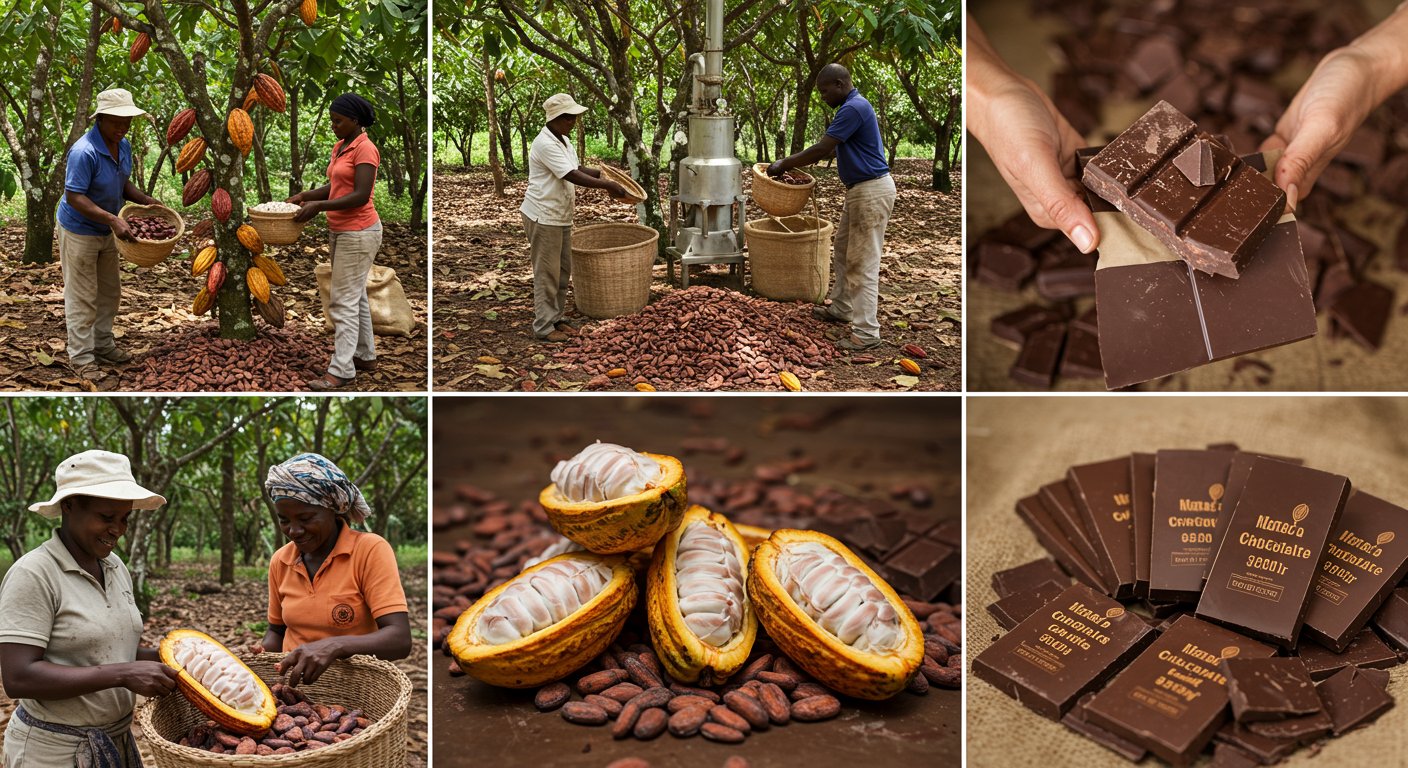
Aeon Co., Ltd. has, since 2014, offered its private-brand "Topvalu" chocolate made with Fair Trade certified cacao. By working with small-scale farmers in Ghana and Cote d'Ivoire and trading at a fair price, it has built a mechanism to support producers' livelihoods.
It also pays a premium (incentive payment) aimed at improving farmers' lives, contributing to community development such as building education and medical facilities. In addition, in 2025 it plans to release a limited-time "cacao truffle," advancing the expansion of its Fair Trade product lineup.
References: https://www.aeon.info/news/release_28351/
Ogawa Coffee: a central role in the coffee supply chain
Ogawa Coffee Co., Ltd. began selling International Fair Trade certified coffee in 2004. This is based on obtaining a manufacturing license for International Fair Trade certified products, showing a stance of engaging in sustainable sourcing from an early stage.
In its 2025 Million Action Campaign, efforts were announced that let consumers experience Fair Trade close at hand, such as holding Fair Trade seminars and offering limited-time menu items. Such activities are an expression of responsibility as a roaster, backed by a strong wish to carry coffee culture into the future
References: https://www.oc-ogawa.co.jp/sdgs/
Such efforts function not as mere social contribution but as a long-term business strategy too. As coffee bean prices keep soaring due to climate change, building a sustainable relationship with producers is essential to securing raw material of stable quality.
The multifaceted benefits Fair Trade brings
Fair Trade isn't just "a good thing"; it brings concrete benefits to everyone involved. Its effects reach producers, companies, consumers, and society as a whole.
Benefits for producers
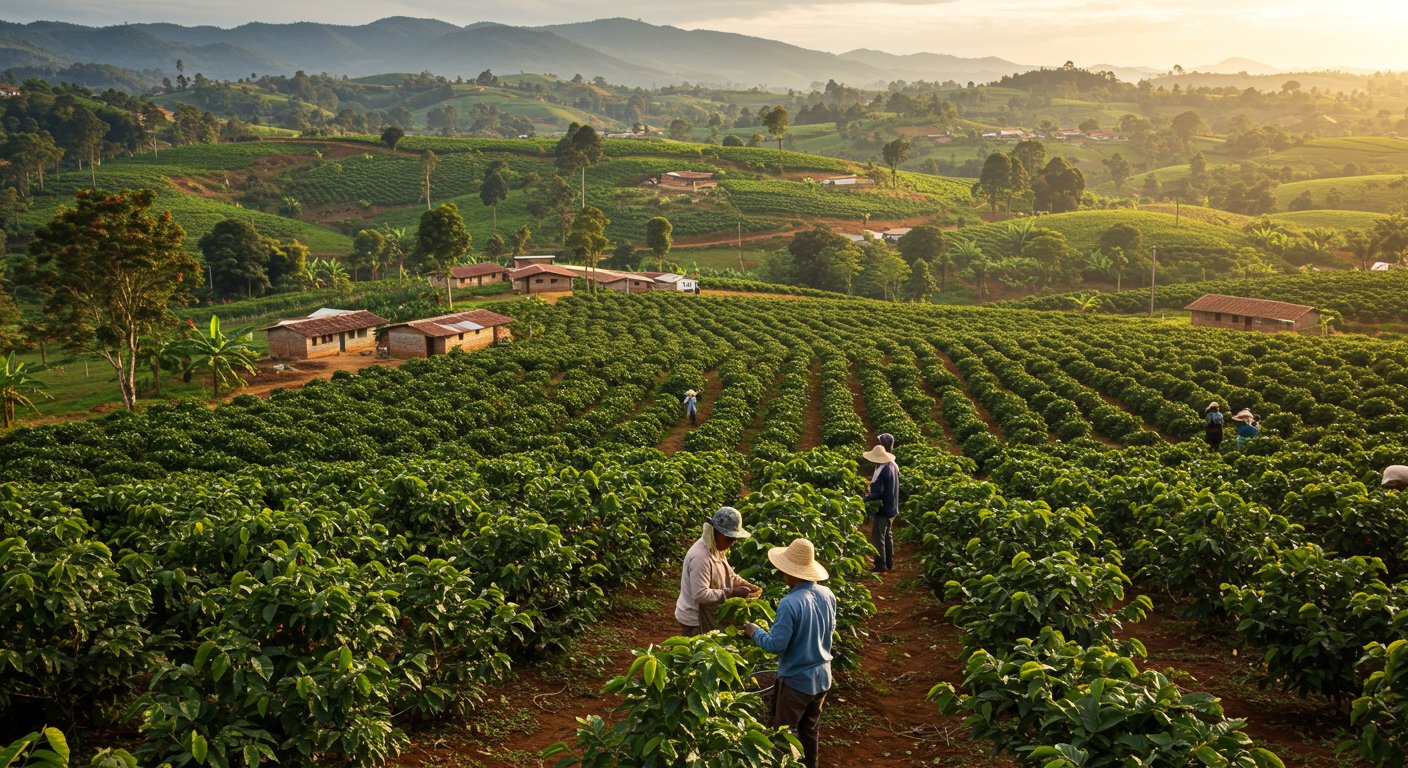
For producers in developing countries, Fair Trade opens the road to economic self-reliance. By being traded continuously at a fair price, their livelihoods stabilize, and children become able to receive education rather than labor.
For example, at cacao farms in West Africa, the introduction of Fair Trade has reduced child labor and raised the education level of the whole region. Support for introducing environmentally conscious farming methods is also provided, contributing to building a sustainable production system.
Benefits for companies
For companies too, engaging in Fair Trade brings many benefits. First, building social trust can be expected. In today's world, where contribution to the SDGs is valued, Fair Trade becomes a factor that raises a company's ESG evaluation.
It also leads to mitigating supply-chain risk from climate change. Building a long-term relationship with producers makes stable procurement of raw materials possible. Furthermore, it creates a market advantage of gaining support from the segment of consumers with high interest in Ethical Consumption.
Benefits for consumers and society as a whole
For consumers, being able to buy safe, reliable products is a big benefit. Many Fair Trade products are organically grown, which aligns with the rising health-consciousness too.
For society as a whole, it contributes to realizing a sustainable society, such as supporting economic growth in developing countries and conserving the environment. As economic cooperative relationships stabilize, it also leads to reducing the risk of international conflict.
Strategies for Japanese companies to succeed in Fair Trade
For Japanese companies engaged in Fair Trade to succeed, there are several important strategies. Here we introduce effective approaches drawn from actual success stories.
What matters first is positioning Fair Trade not as mere social contribution activity but at the core of the business model. By integrating it with the corporate philosophy and long-term strategy rather than a surface-level effort, sustained success becomes possible.

Consumer education and ensuring transparency
To spread Fair Trade in the Japanese market, consumer education is essential. Conveying the significance and background of Fair Trade carefully, and getting people to understand "why it's worth choosing even if it's a little more expensive," is called for.
For example, Ogawa Coffee works to promote buyers' understanding by holding a Fair Trade month in stores and adopting package designs that tell producers' stories. Also, NTT Data, as part of its internal sustainability drive, has switched the coffee and tea consumed in offices to Fair Trade certified products and conducts awareness activities for employees.
Ensuring transparency is also essential. Traceability By introducing a system that lets consumers access information about a product's production area and producers, trust can be built.
Rolling out region-rooted efforts
Across Japan, the Fair Trade Town movement is spreading too. In March 2025, Kamakura City was certified as Japan's seventh Fair Trade Town. By linking with such regional movements, companies can heighten the effect of their Fair Trade activities.
Sanbon Coffee Co., Ltd., together with Kokubu Shutoken Co., Ltd. and Fair Trade Town Kamakura, developed the "Fair Trade Kamakura Blend."Rolling it out as a citizen-participation project, such as deciding the package by citizens' vote, it succeeded in region-rooted Fair Trade promotion.
In the region where you live too, a Fair Trade effort may already be underway. Why not take part in a local activity?
The future of Fair Trade and the potential of Japanese companies
Fair Trade is predicted to keep expanding going forward. Especially as the impact of climate change on agricultural production grows more serious, the importance of Fair Trade as a sustainable sourcing method will rise further.
For Japanese companies, it's a market with much room still to develop. Compared with the UK, Japan's Fair Trade market is about one-ninth the scale, and the growth potential is enormous.
Especially noteworthy is a new development of Fair Trade using digital technology. Efforts to solve Fair Trade's challenges with the power of technology are beginning, such as improving traceability using blockchain technology and building direct-trade platforms.
Summary: Fair Trade for a sustainable future
Fair Trade is a fair trade system that supports the livelihood improvement and economic self-reliance of producers in developing countries. In Japan too, the market size has reached 21.5 billion yen and continues to grow steadily.
The efforts of pioneering companies such as Aeon and Ogawa Coffee prove that Fair Trade functions not as mere social contribution but as a sustainable business model. Fair Trade, which brings benefits to producers, companies, consumers, and society as a whole, can be called a modern practice of "sanpo-yoshi" (good for all three sides).
For Japanese companies to succeed in Fair Trade, consumer education and ensuring transparency, and rolling out region-rooted efforts, are called for. And above all, positioning Fair Trade at the core of the corporate philosophy and long-term strategy is essential.
Our everyday choices support the livelihoods of producers living on the other side of the world and become a step toward a sustainable future. The small act of choosing a Fair Trade product is the first step that creates big change.

Reference:
International Fair Trade certified products | Fairtrade Japan
International Labour Organization
ACE - toward a future without child labor -
Related articles
What is Fair Trade? The latest 2025 trends and future outlook
About Fair Trade certification marks
How to choose Fair Trade products and the standards