7 Innovative Cases of Overseas Fair Trade Companies Changing the World

Summary of this article
As innovative examples of overseas fair trade companies changing the world, we introduce seven: Divine Chocolate, in which cocoa farmers own 45% of the shares; Patagonia, which fuses environmental conservation; Ten Thousand Villages, founded in 1946; Cafédirect, built on direct trade; Beyond Good, which manufactures locally in Madagascar; the worker cooperative Equal Exchange; and Tony's Chocolonely, which champions zero slave labor.
Awareness of fair trade is gradually rising. According to a survey by the Fairtrade Forum Japan, fair-trade awareness in Japan stood at 32.8% as of 2019. That is still low compared with the 80%-plus figures in the UK and the Netherlands, but it is steadily spreading.
Here we introduce overseas companies pursuing especially innovative approaches in the world of fair trade. Their work may point to a new shape for the future — one that combines business success with social contribution.
Recommended reading
TOC
Overseas brands leading fair-trade innovation
Fair trade is not limited to the ideal of "fair commerce"; it is significantly reshaping companies' business strategies and their approach to social responsibility. Here we introduce fair-trade brands putting innovative approaches into practice around the world. Each develops its own approach in a different industry, shaping a sustainable future.
1. Divine Chocolate – a revolutionary model where producers become shareholders
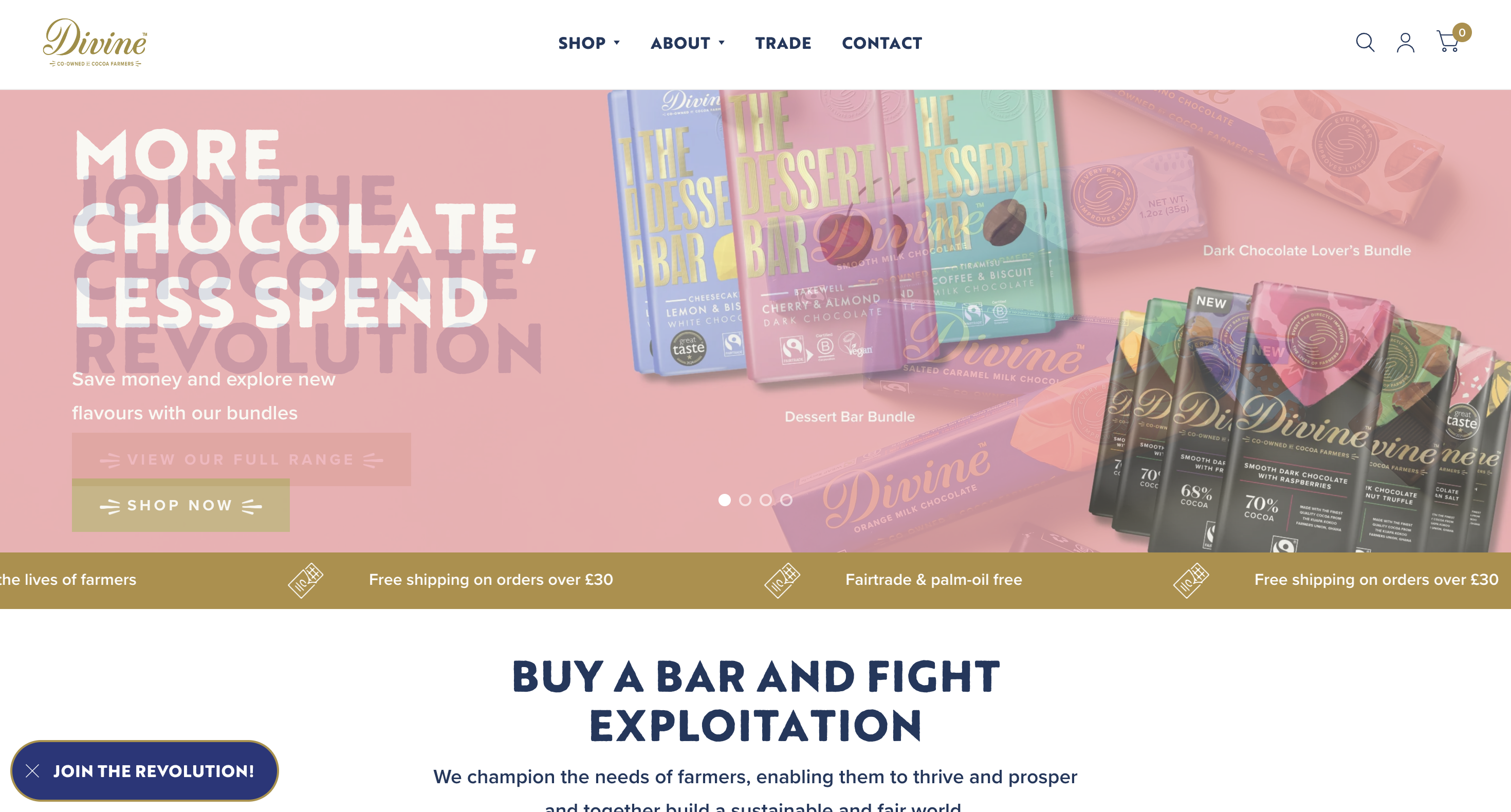
One company has brought a revolution to the chocolate industry: Divine Chocolate. The major difference from typical fair-trade chocolate brands is that a cooperative of cocoa farmers owns roughly 45% of the company's shares. Referenced articles
Ghana's cocoa farmers are not merely raw-material suppliers; they take part in the company's key decisions and share in the profits. This lets farmers not only earn a stable income but also build their business skills.
What I find especially notable is their long-term perspective. Rather than short-term profit alone, they pursue efforts aimed at the development of the entire cocoa-farming community. They also invest in social infrastructure, such as building schools and supporting women's economic independence.
This "producers become shareholders" model points to new possibilities for fair trade. It shows a path to fundamentally changing the relationship between producers and consumers and building a more equal partnership.
2. Patagonia – fusing environmental conservation with fair trade

The outdoor apparel brand Patagonia is known for its environmental conservation activities, but it is in fact pursuing innovative work in the fair-trade arena as well. Many of its products are fair-trade certified, and beyond paying fair wages to the workers at its production factories, it also provides an additional premium as well for community development.
What stands out is how skillfully they fuse environmental conservation with fair trade. They are thoroughly committed to using sustainable materials, making use of recycled materials, and reducing the environmental burden of the production process.
3. Ten Thousand Villages – a fair-trade pioneer

No account of fair-trade history is complete without Ten Thousand Villages. In 1946, an American NGO selling handicrafts made by women in Puerto Rico is said to have been the beginning of fair trade.
With a history of more than 70 years, they work with artisans in over 38 countries, selling traditional handicrafts in the North American market. Beyond simply buying the goods, they also support the artisans' skill development and new product development.
4. Cafédirect – cutting the middleman margin through direct trade with producers
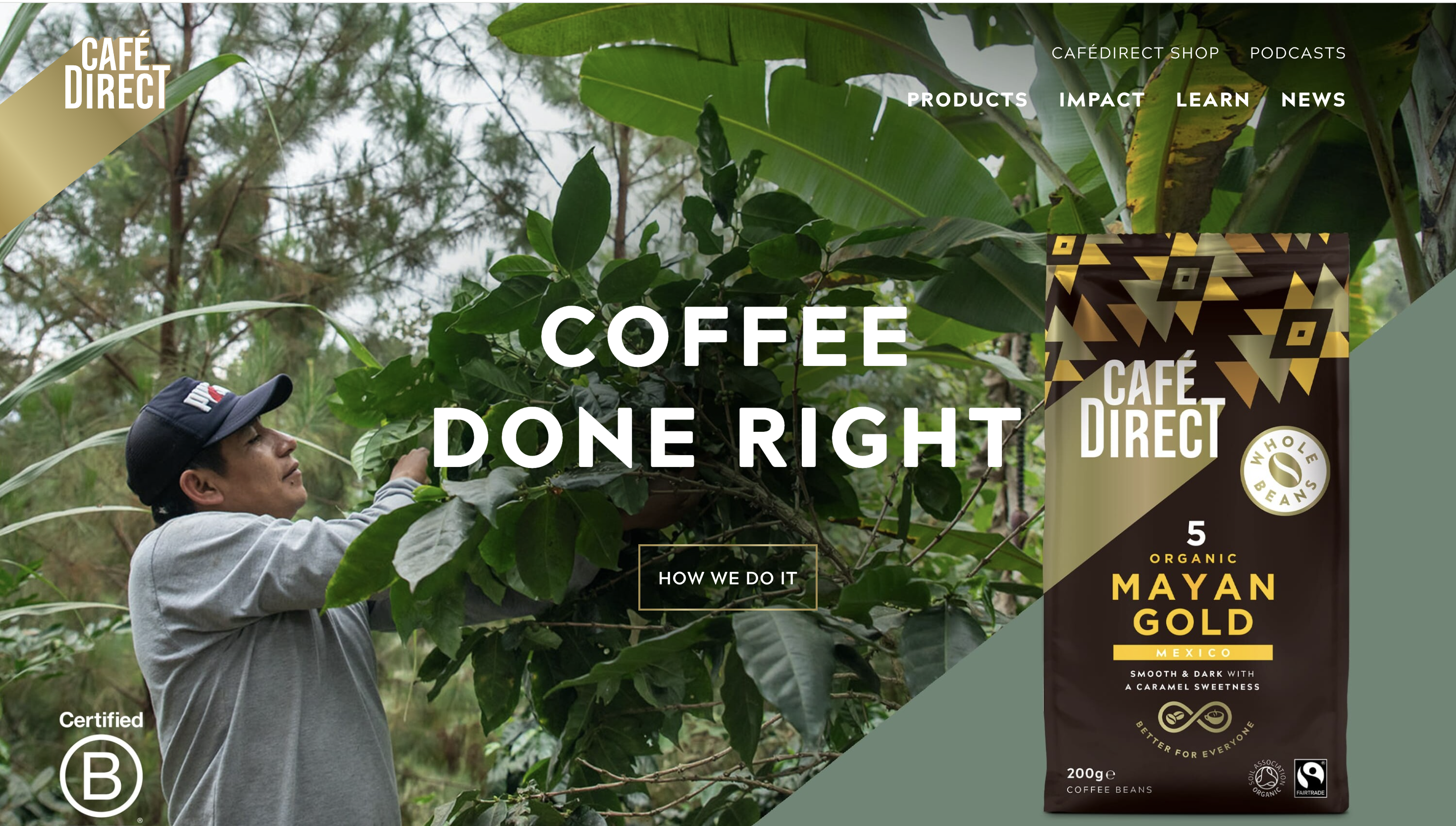
Cafédirect, which brought a revolution to the coffee industry, lives up to its name with a motto of "direct" trade. By eliminating middlemen and trading directly with producers, it built a system that returns more of the profit to producers.
What is innovative about them is that they invest more than 50% of their profits into a "producer fund." This fund is used for long-term challenges such as producers' skill development, quality improvement, and responding to climate change. Coffee bean trading often passes through complex distribution channels, leaving only a small amount in producers' hands. Under Cafédirect's model, however, more of the value is returned to producers.
Cafédirect's climate change measures
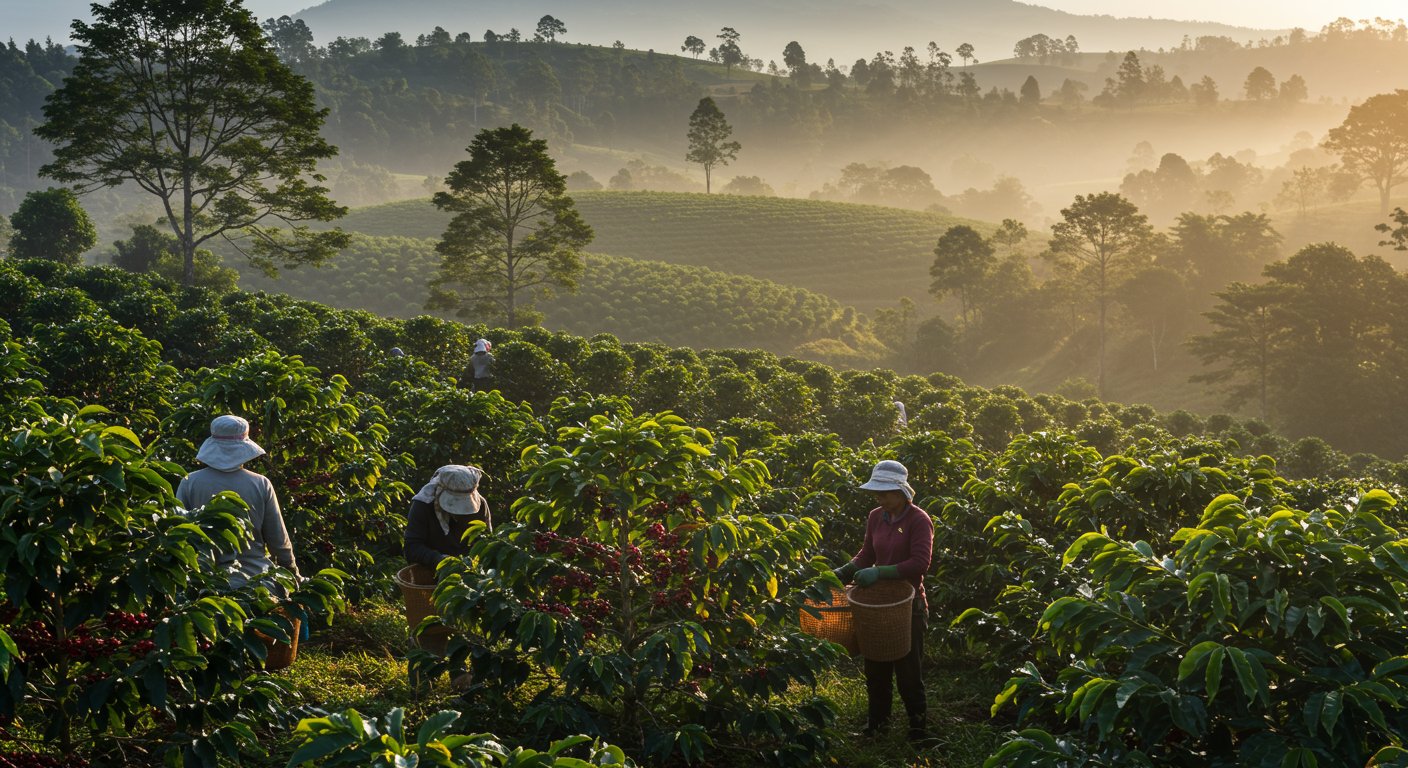
Cafédirect focused early on the impact of climate change on coffee production, launching a program called the "Adaptation Academy." The program provides producers with farming techniques for adapting to climate change.
In the highlands of Peru, for example, rising temperatures are shifting the areas suitable for growing coffee, but with the Adaptation Academy's support, farmers have successfully introduced new cultivation methods and varieties. Efforts like these enhance not just short-term profit but the sustainability of the entire coffee industry.
5. Beyond Good – an innovator of direct trade in the chocolate industry

In the chocolate industry, a complex distribution structure involving middlemen long squeezed producers' profits and became a breeding ground for poverty and exploitation. Against this backdrop, Beyond Good (formerly Madécasse) advanced fair trade further, establishing a new mechanism called "direct trade."
What distinguishes them is that they do not just grow cocoa but carry out manufacturing locally, in places such as Madagascar and Uganda. This lets producers take part not only in income as raw-material suppliers but also in the profits of processing and export.
What is especially striking is that by completing everything "from farm to chocolate" locally, Beyond Good drives job creation and technology transfer and supports the self-reliance of the whole regional economy. Consumers get high-quality chocolate while contributing directly to the sustainable development of the producing region.
6. Equal Exchange – social change through democratic organization

At Equal Exchange, the very form of the organization embodies the ideals of fair trade. It is run as a worker cooperative, where every employee is a shareholder with the right to take part in key decisions. Handling foods such as coffee, tea, and chocolate, they emphasize direct trade with producers and support producers' stable livelihoods through minimum price guarantees and long-term partnerships.
Equal Exchange's support for small-scale producers
A distinctive part of Equal Exchange's work is its support for small-scale producers in particular. By preferentially trading with small family-run farms rather than large plantations, they help protect the diversity of local economies and prevent monopolization by big corporations.
7. Tony’s Chocolonely – toward a chocolate industry with zero slave labor

The last one we introduce is Tony’s Chocolonely, which sent shockwaves through the chocolate industry. Focusing on the problems of child labor and forced labor in West Africa's cocoa industry, they make it their mission to produce "100% slave-labor-free" chocolate.
What is innovative about them is that they have achieved complete traceability of their supply chain. They built a system to trace which farm each cocoa bean was grown on and by whom, eliminating unfair labor practices.
They are also not content with their own success and aim to transform the whole industry. Through a platform called "Tony’s Open Chain," they share their business model with other chocolate makers, driving change across the entire industry.
Tony’s Chocolonely's challenge to inequality
Tony’s Chocolonely products have a curious feature at first glance: the chocolate bar is divided into uneven pieces. This is a design that visually expresses the inequality of profit distribution in the cocoa industry.
They also publish an "Annual Fair Report" on slave-labor-free chocolate each year, increasing the transparency of their own supply chain while pointing out problems across the industry. Efforts like these serve as a driving force to raise consumer awareness and prompt change throughout the industry.
The sustainable future fair trade creates
So far we have introduced seven innovative fair-trade companies. What they share is that they pursue sustainability as a business, not mere charity. While pursuing profit, they have established new business models that contribute to improving producers' livelihoods and to environmental conservation.
Fair trade brings major benefits to us as consumers, too. Not only do we get safe, reliable products, but we gain the tangible sense that our own consumption choices lead to better lives for people living on the other side of the world.
We too draw on the work of these forward-thinking companies as we focus on spreading fair trade in Japan's food industry. By trading directly with farmers around the world and contributing to improving their livelihoods and realizing sustainable agriculture, we hope to help create a better future.
Why not take part in building this sustainable future through your everyday consumption choices? A small step of choosing fair-trade products can become a great force for changing the world.

Reference:
International Fair Trade certified products | Fairtrade Japan
International Labour Organization
Related articles
What is Fair Trade? The latest 2025 trends and future outlook
About Fair Trade certification marks
- What is the value of Kyoto vegetables? The region’s food culture and sustainability
- 規格外野菜とは?どれだけ発生していて、どこまで加工に使えるのか