
Sustainability– category –
-

Aojiru vs. vegetable juice vs. dried vegetables, thoroughly compared | Which method truly works for beating vegetable deficiency?
Aojiru vs. vegetable juice vs. dried vegetables: which really helps with a lack of vegetables? You know you should eat more vegetables, but you just can't seem to do it. For people like that, the first thing they try is probably aojiru or vegetable juice. Go to a drugstore and the shelves are full... -
A Vegetable Intake Guide for Expectant Mothers | How to Supplement Folate and Iron with Dried Vegetables
What you'll learn in this article. The vegetable intake needed per day during pregnancy and the nutrients you tend to fall short on. How to choose vegetables that efficiently supply folate and iron. Ways to keep using dried vegetables even through morning sickness. Recommended recipes and eating tips by pregnancy stage. Tips for quick cooking with dried vegetables. "Ever since I found out I was pregnant, meals... -
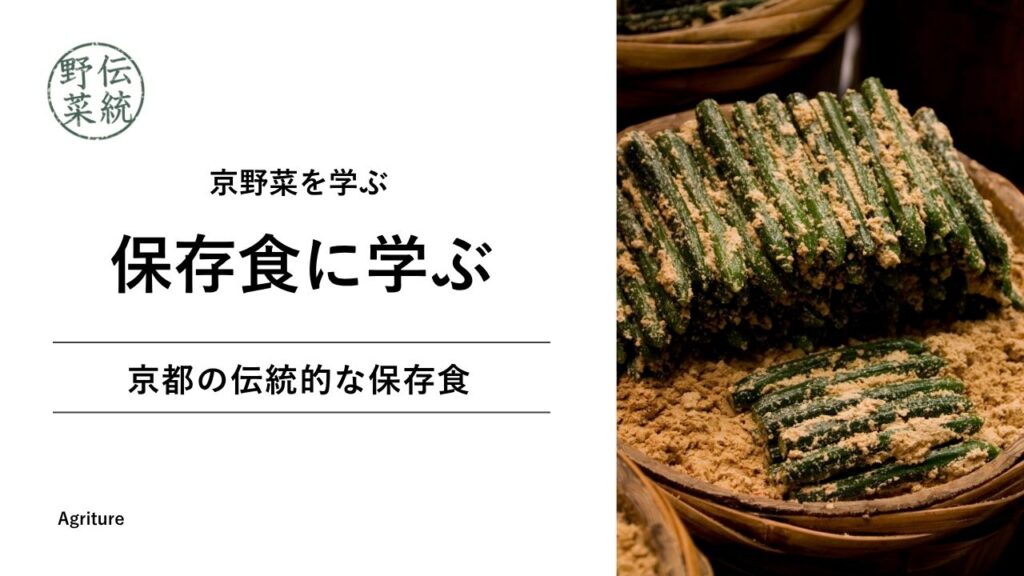
What Are Kyoto's Traditional Preserved Foods? Inherited Wisdom and How to Use It Today
Kyoto, boasting over a thousand years of history, has a diverse array of "traditional preserved foods" born from rich seasons and the wisdom of daily life. In an age without refrigeration, the sun-dried vegetables, pickles, and fermented foods devised to make the most of seasonal ingredients without waste still support the Kyoto table today. This article covers... -
The Agriculture & Livestock Industries Corporation's "Vegetable Information, April 2026 Issue" Features ZEROCO's Freshness-Preservation Technology—The Potential of Ice-Temperature Storage for Agriculture and Distribution
The April 2026 issue of the monthly "Vegetable Information," published by the Agriculture & Livestock Industries Corporation (ALIC), carried a feature article on the vegetable freshness-preservation technology developed by ZEROCO Inc. The corporation is a public institution that surveys and publishes vegetable supply-demand and price trends, and being featured in its specialist journal shows industry attention on ZEROCO's technology... -
What Changed with "Too Good To Go" Landing in Japan—A Turning Point the Food-Loss-Reduction App Presses on the Food Industry
On January 28, 2026, the Denmark-born food-loss-reduction app "Too Good To Go" entered the Japanese market. Registered users topped 250,000 within a week of launch, and it captured the No.1 overall ranking on the App Store. This speed shows that Japanese consumers... -
The global cost of food waste surges to USD 540 billion—3 measures agriculture and the food chain should tackle right now
In 2026, the world's food-waste cost is projected to reach 540 billion dollars. This is up from 526 billion dollars the previous year, and if this continues, cumulative losses for 2025–2030 will reach 3.4 trillion dollars. This figure, reported by New Food Magazine based on expert analysis, relates to the UN SDGs' Goal 12... -
MAFF Announces the April 2026 Vegetable Price Outlook—Cabbage and Lettuce Down Year-on-Year, Potatoes and Onions Remain High
On March 31, 2026, the Ministry of Agriculture, Forestry and Fisheries published the April growth conditions and price outlook for vegetables destined for the Tokyo Metropolitan Central Wholesale Market. With rainfall and rising temperatures since late February, the growth of many leafy vegetables has recovered, and cabbage and lettuce are expected to see supply slightly above average and prices fall year-on-year. On the other hand, last summer's... -
Ministry of the Environment Announces FY2023 Food Loss at 4.64 Million Tons—An 80,000-Ton Reduction Year-on-Year, but Still Halfway to the 2030 Target
The Ministry of the Environment announced that food loss generated within Japan in FY2023 (fiscal 2023) was about 4.64 million tons. This is an 80,000-ton reduction from the previous fiscal year (FY2022) figure of about 4.72 million tons, and a steady improving trend continues. However, reaching the government's FY2030 target still requires a large... -
Too Good To Go, the Domestic Supermarket Industry's First Adoption—Starting at 2 Super Value Stores in Tokyo, Reducing Prepared-Food Loss at Up to 50% Off
The Denmark-born food-loss-reduction app "Too Good To Go" was adopted on March 26, 2026, at stores of Super Value (operated by OIC Group), the first domestic supermarket chain to do so. The service starts first at two stores in Tokyo, Super Value Suginami Takaido and Todoroki... -
JA Kumamoto Keizairen Regenerates Blemished Vegetables into Washi Lights—"Tomoru Oyasai" Starts Crowdfunding on Makuake Today
On March 30, 2026, JA Kumamoto Keizairen (Kumamoto Prefecture Economic Federation of Agricultural Cooperatives) started crowdfunding on Makuake for "Tomoru Oyasai," which regenerates blemished vegetables (tomato, eggplant) that can't be shipped or eaten into poster lights with washi shades. The JA Keizairen originally... -
Consumer Affairs Agency Begins Operating a Food Bank Certification System from April 1—Reducing Loss by Raising the Reliability of Food Donations in Partnership with MAFF
From April 1, 2026, the Consumer Affairs Agency, in partnership with the Ministry of Agriculture, Forestry and Fisheries, begins operating a food bank certification system. By certifying food bank organizations that manage food appropriately and meet the compliance items of the "Food Donation Guidelines," it promotes donations from food manufacturers and retailers, reducing food loss... -
The Consumer Affairs Agency approves the second food loss reduction policy in a Cabinet decision—raising the 2030 target from 50% to 60%, for an additional 200,000-ton reduction
Cabbage Stays High at 149 yen/kg in Late March—Amid Continued Price Instability of Spring Vegetables, Why the "Stability" of Dried Vegetables Draws Attention -
In late March 2026, cabbage stayed high at 149 yen/kg at the Nagoya market. Against the backdrop of price instability of spring vegetables amid continued poor weather, the strengths of dried vegetables—stable supply, long-term storage, and avoiding price-fluctuation risk—are drawing renewed attention.
In June 2025, the Ministry of the Environment published FY2023 (fiscal 2023) food loss generation. The total was about 4.64 million tons, down 80,000 tons from the previous fiscal year (4.72 million tons), setting a new record low since estimation began. Business-related was about 2.31 million tons and household-related about 2.33 million tons, with business-related falling below household-related for the first time. Reduc... -
Upvege, Which Powders Off-Spec Vegetables, Points to a New Trend in Upcycling
In October 2025, Green Ace Co., Ltd. officially launched the upcycled food brand "upvege." Using its proprietary powdering technology, it transforms "unused vegetables"—those that didn't reach the market because their shape or size didn't meet standards—into high-value-added products with their color, aroma, and nutrition intact... -
Food loss at 4.64 million tons, a record low | Business-related loss falls below household-related for the first time
AEON-Born Sustainable Chocolate | Achieving Cacao-Free with Sunflower Seeds -
Cacao, the raw material for chocolate, faces supply anxiety due to climate change. Amid this, AEON has been selling the chocolate alternative "Choco ka?" using sunflower seeds since 2025, drawing attention as a sustainable-food rollout at a major distributor. AEON's cacao-free ch...
March 25, 2026 -
The off-spec vegetable delivery service "LossHeru" partnered with Japan Post to begin selling at post offices nationwide. The familiar post office is becoming a new point of contact for reducing food loss. Japan Post Becomes a Channel for Off-Spec Vegetables. On January 19, 2026, the off-spec vegetable delivery service operated by Ekunes Inc...
The FY2023 (fiscal 2023) food loss estimate published by the Ministry of the Environment was 4.64 million tons, a new record low since statistics began. But what deserves attention beyond the figure is the change in the breakdown. Business-related (companies, restaurants, etc.) food loss was 2.31 million tons, falling below household-related (2.33 million tons) for the first time... -
Food loss at 4.64 million tons, a record low | Business-related loss falls below household-related for the first time
FamilyMart × Food-Loss App Cuts Waste 5% | Convenience Stores Move -
On January 28, 2026, FamilyMart announced a partnership with "Too Good To Go," an app with a cumulative food-loss-reduction record of over 500 million meals worldwide. It began pilot operation at 6 Tokyo stores in the Ikebukuro, Komazawa University, and Aoyama areas, succeeding in reducing waste by about 5%...
Upcycled Foods Expand | The New Value of Off-Spec Vegetables -
In the food industry, the "upcycling" movement is accelerating. Efforts to use off-spec vegetables and manufacturing by-products not as "waste" but as "valuable ingredients" are drawing attention as part of sustainability management. A movement facing the 4.64-million-ton food-loss challenge. Environ...
We Were Featured on MAFF's "Nippon Food Shift" Suste-Nabe Page -
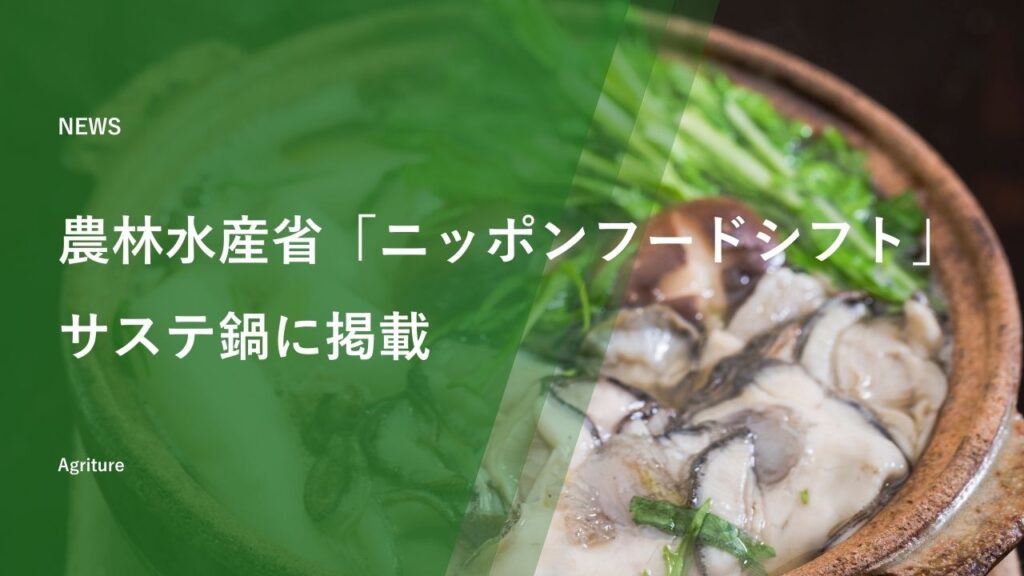
Agriture Inc. has been listed as a joint PR member on the Suste-Nabe special page of "Rethinking Japan Through Food. NIPPON FOOD SHIFT," the food-education and food-security awareness project promoted by the Ministry of Agriculture, Forestry and Fisheries. What Is Suste-Nabe? "Suste-Nabe" is the challenge surrounding our food...
March 10, 2026 -
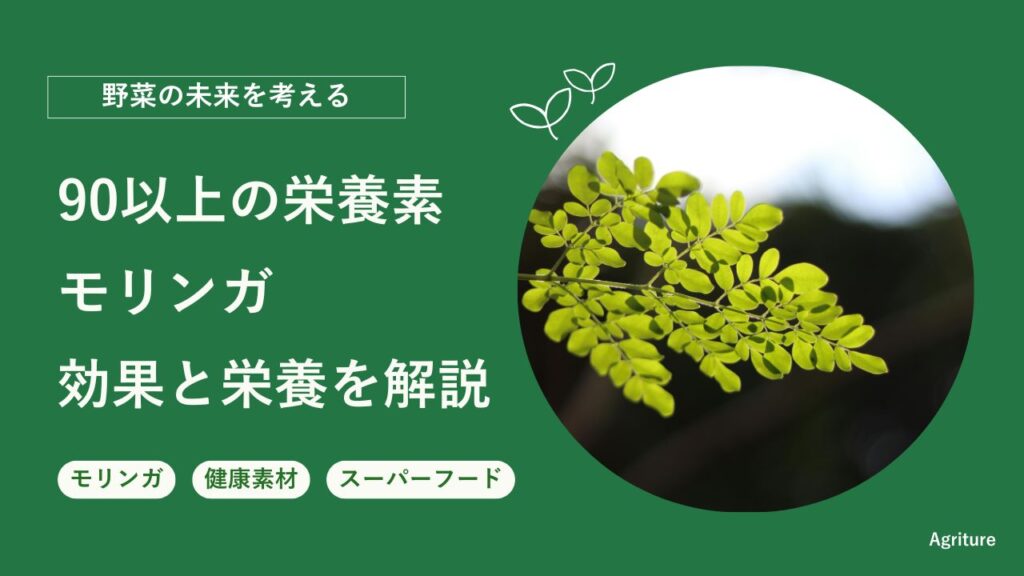
What is the superfood moringa? Its nutritional features and how to choose and drink powder and tea
"Moringa," which has drawn attention lately alongside rising health consciousness. A plant of the horseradish-tree family native to India, it's also called the "miracle tree" and "tree of life" because almost all of its parts—leaves, seeds, roots—can be used. This tree, which grows in tropical and subtropical regions, has astonishing growth... -
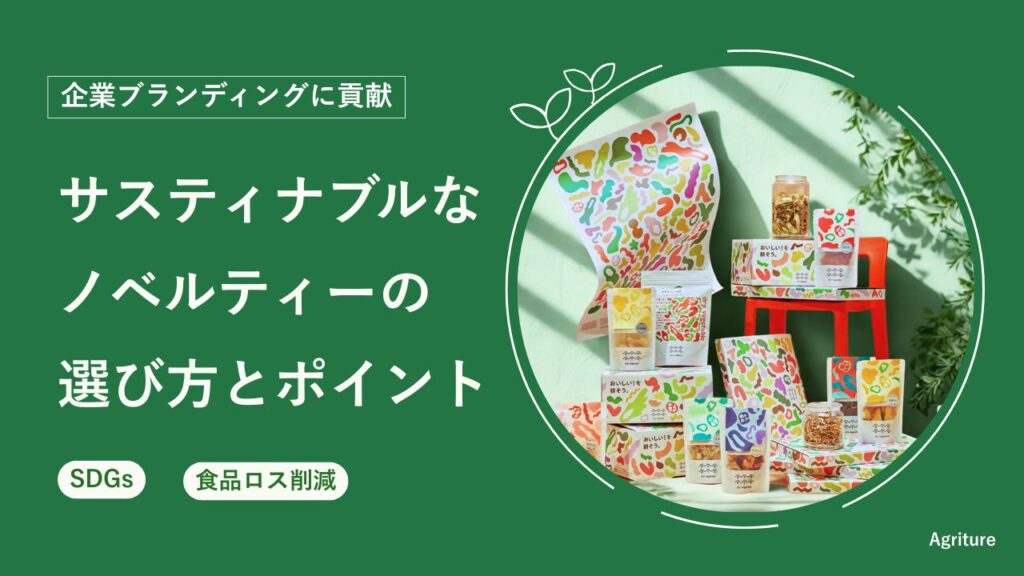
Contributing to corporate branding! How to choose sustainable novelties
As companies work toward realizing a sustainable society, novelty goods too are increasingly required to reduce environmental impact and be sustainable. Among these, dried vegetables are sometimes used as a new kind of novelty that can contribute to the SDGs (Sustainable Development Goals)... -
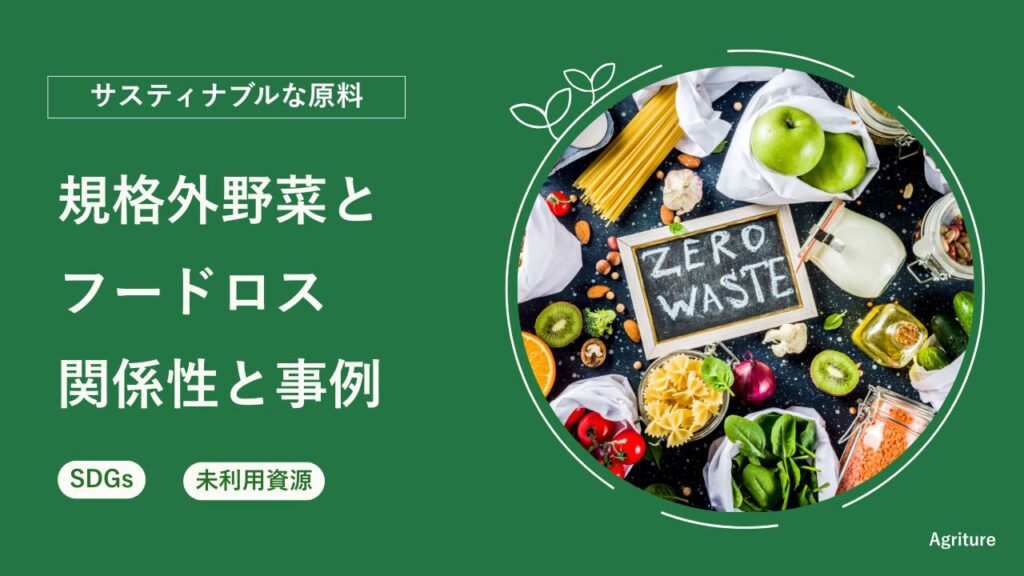
The relationship between non-standard vegetables and food loss | Solutions and case studies
“Non-standard vegetables” discarded without reaching the market for reasons such as appearance or size not meeting standards. Although they are still perfectly edible, many are discarded, making them a major cause of food loss. Today, putting such non-standard vegetables to use is drawing attention... -
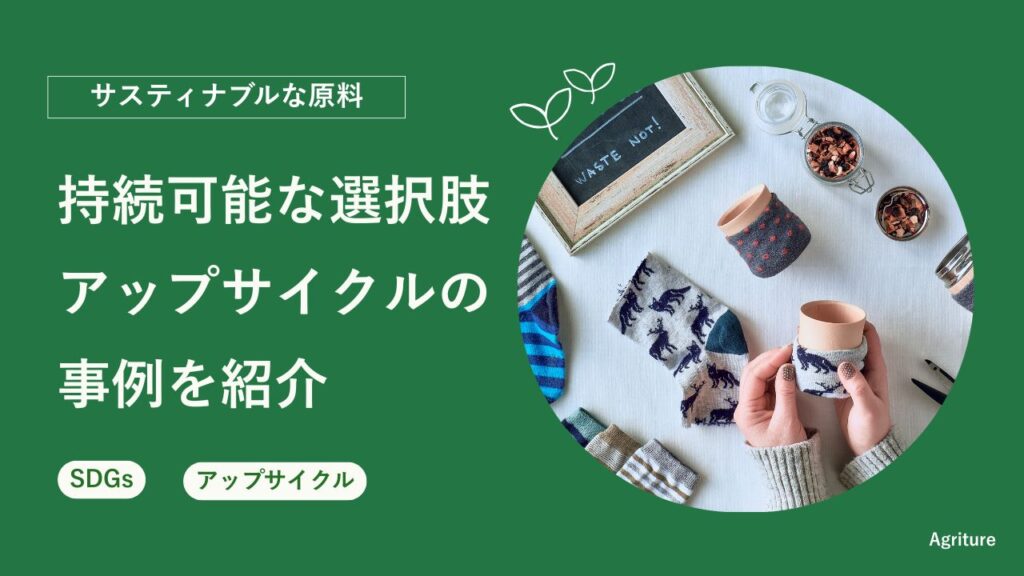
Notable upcycle food brands | A sustainable choice
With about 40% of the food produced worldwide being discarded, “upcycle foods” are drawing attention as a new solution that turns that waste into value. This article explains the idea of upcycling—breathing new life into ingredients and byproducts destined for disposal—and the Kyoto-born dried vegetable brand “OY... -
The foods Gen Z chooses. An era when environmental consideration becomes brand strength
Hello, everyone. I’m Kojima of Agriture Inc. We work to transform unused resources—non-standard vegetables and surplus harvest—into new food raw materials through drying and powdering. Working daily to give new value to vegetables, across generations... -
The potential of new businesses using unused resources, and 5 secrets to success
Soaring resource prices, pressure for environmental consideration, the current toward sustainable management. What companies are now called on to have is a “use-it-all” mindset. Drawing attention is the use of “unused resources” overlooked until now—byproducts of discarded crops, ingredients dormant in regions, and what comes out during processing... -
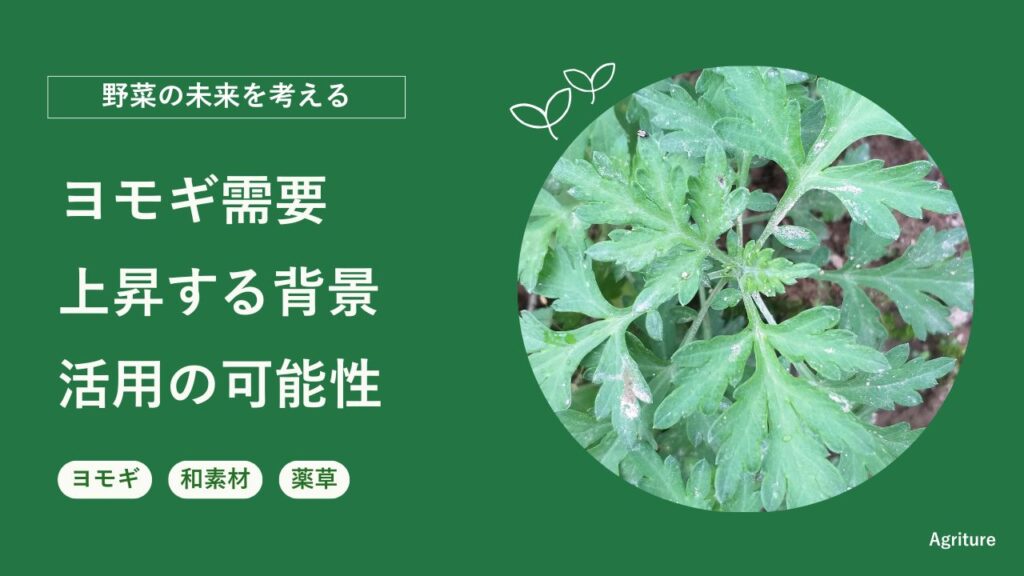
What is behind the rising demand for mugwort? Market trends and the potential for use
Demand for mugwort is rising markedly. Why is this Japanese herb, long beloved in Japan, now drawing so much attention? Behind it lie rising health consciousness, a reappraisal of Japanese herbs, and the discovery of new uses in the beauty and food industries. Especially since 2024... -
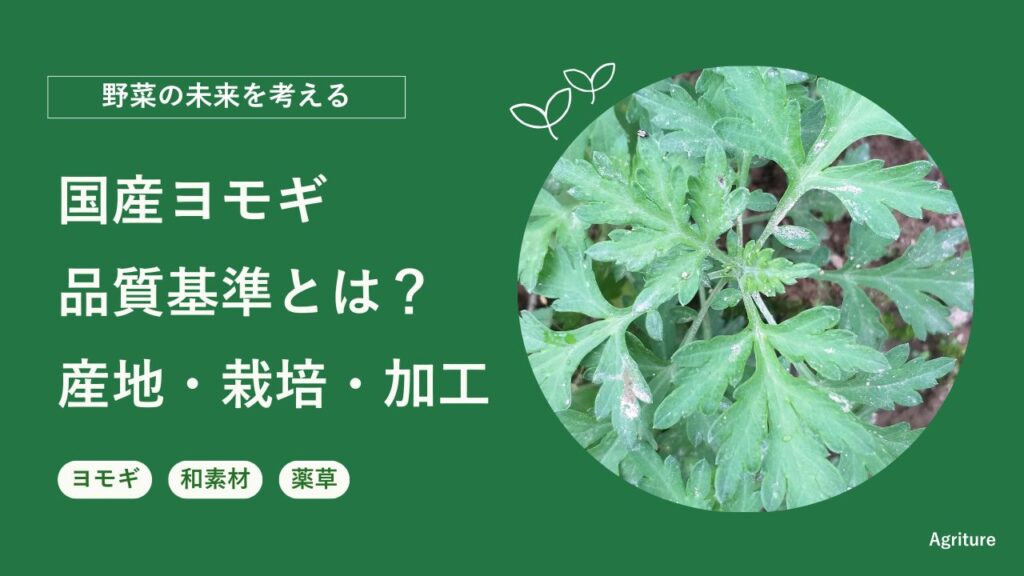
What are the quality standards for domestic mugwort? Points to judge by growing region, cultivation, and processing
When it comes to mugwort quality, what do you think is the most important factor? Many people focus on the words “domestic” and “pesticide-free,” but in fact the biggest factor determining quality is “drying technology.” No matter how fine the mugwort you grow, if nutrition and aroma are lost in the drying process,... -
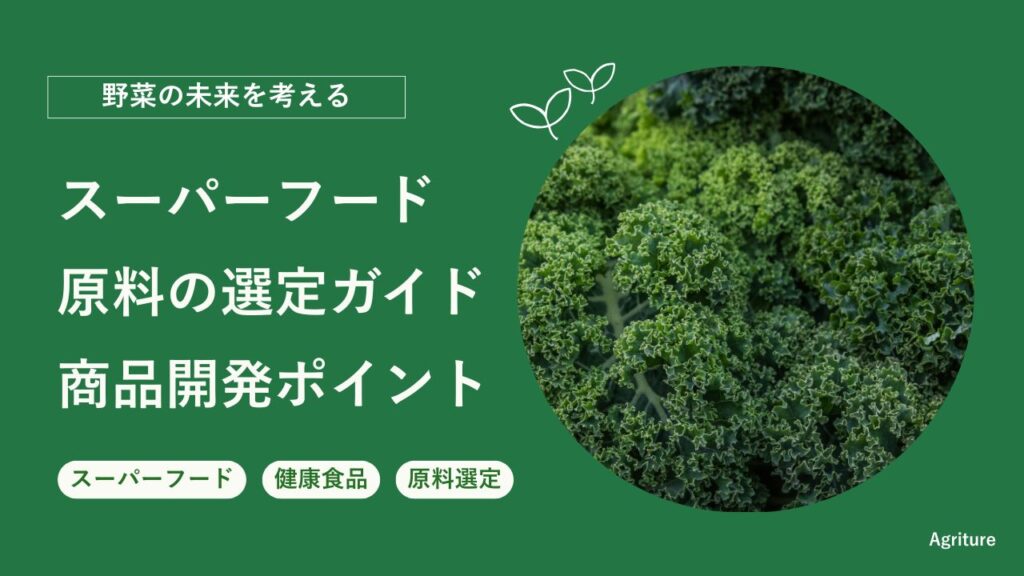
A Guide to Selecting Superfood Raw Materials: Points to Master in Product Development
Alongside rising health consciousness, the functional food market is expanding rapidly. At its core are the nutrient-rich raw materials called "superfoods." A superfood is a food with excellent nutritional balance that contains many kinds of beneficial components, or one in which a particular beneficial component stands out... -
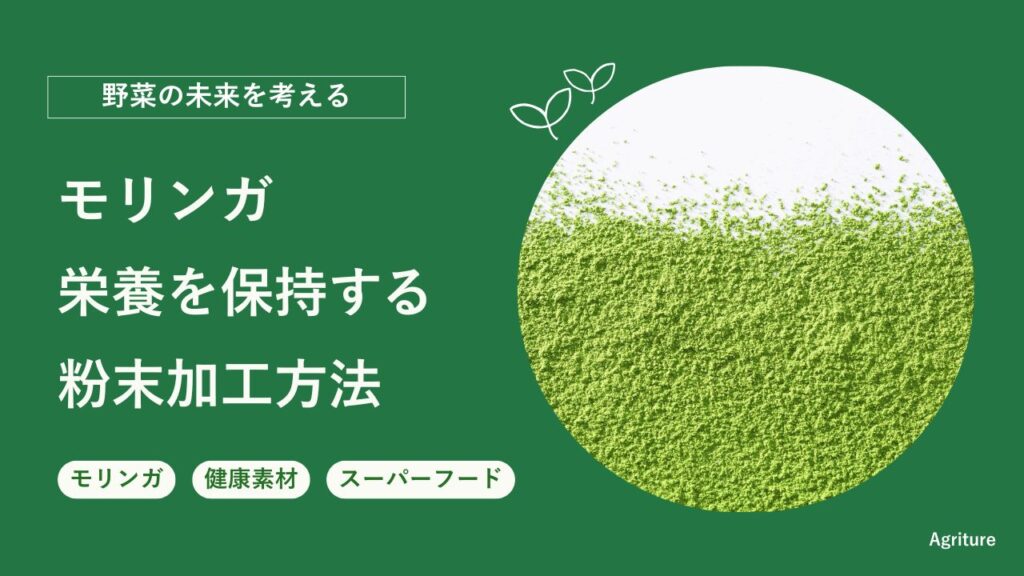
Moringa is called a "nutrient-rich tree" and draws attention as a superfood containing over 90 kinds of nutrients. But to make the most of that rich nutritional value, an appropriate processing method is essential. The powdering process starts from harvest. At a processing facility in Kagoshima Prefecture...
Dried goods are ingredients dried for long-term storage. By removing the moisture, they are characterized by concentrated umami and nutritional components. In Japanese food culture, dried goods have long held an important place. With their excellent shelf stability, the convenience of being usable easily anytime, and their distinctive flavor and texture... -
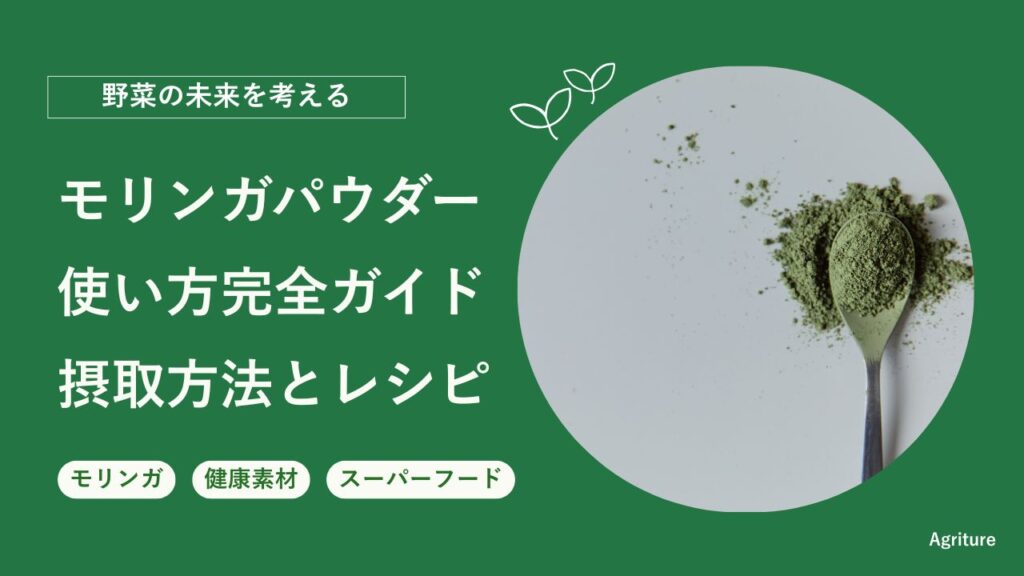
モリンガパウダーはどう使う?飲み方・混ぜ方と保存のコツ
Moringa powder is a health food made by drying and powdering the leaves of moringa, called the "miracle tree." This plant native to India contains over 90 kinds of nutrients, with a good balance of the nutrients our bodies need—vitamin A, vitamin C, calcium, iron, amino acids, and more... -
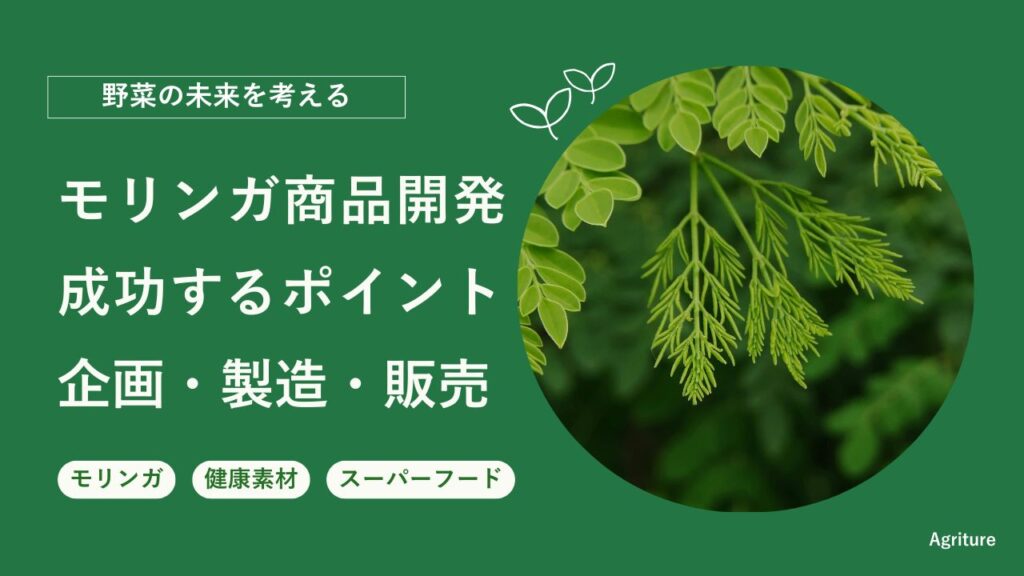
Points for Moringa Product Development: A Winning Strategy for Planning, Manufacturing, and Sales
Alongside rising health consciousness, interest in superfoods is expanding rapidly. Among them, moringa—called a "nutrient-rich tree"—contains a wide range of nutrients such as vitamin A, vitamin C, calcium, iron, and amino acids, and is drawing attention as functional foods, powder products, and green-juice-type... -
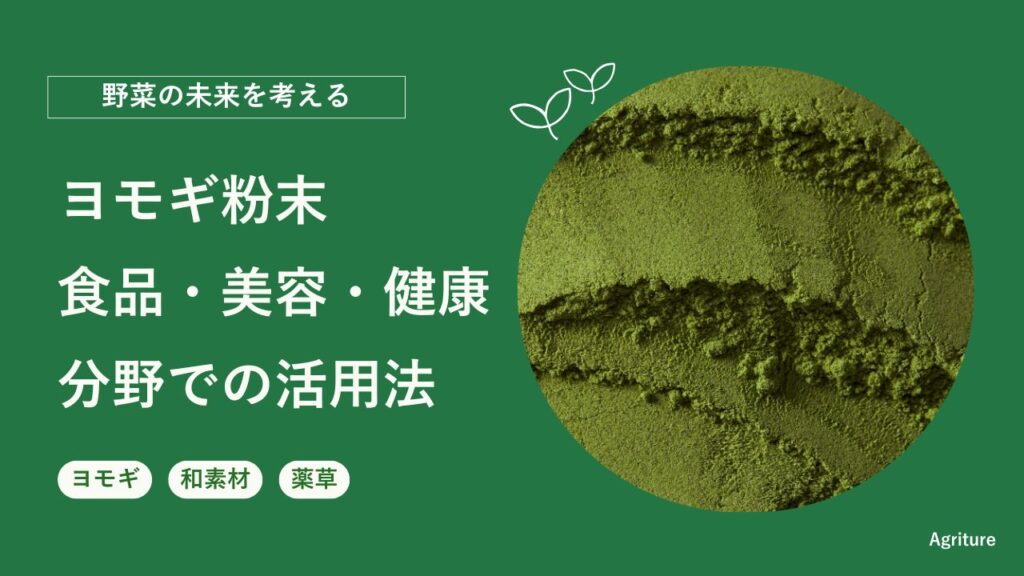
Complete guide to using mugwort powder | Recipes for kusa mochi, bread, and lattes, plus amounts and selection
Mugwort powder (yomogi powder), usable in kusa mochi, mugwort tea, and mugwort bread. Made by drying and powdering the leaves, mugwort powder’s appeal is that it can be mixed directly into dough or drinks without the trouble of rehydrating. Still, many people are unsure “how much to add” and “what uses there are”... -
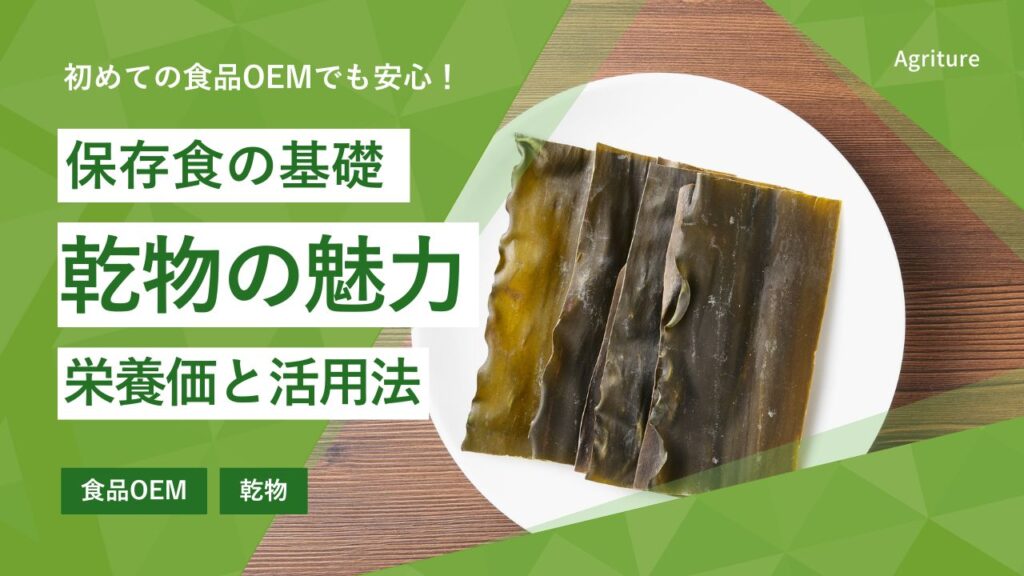
What Are Dried Goods? The Secret of Their Nutritional Value and Uses in the Modern Diet
Agriture partners with farmers around the world, promoting fair trade and sustainable agriculture. Through high-quality agricultural products, we run a fair trade business connecting producers and consumers. -
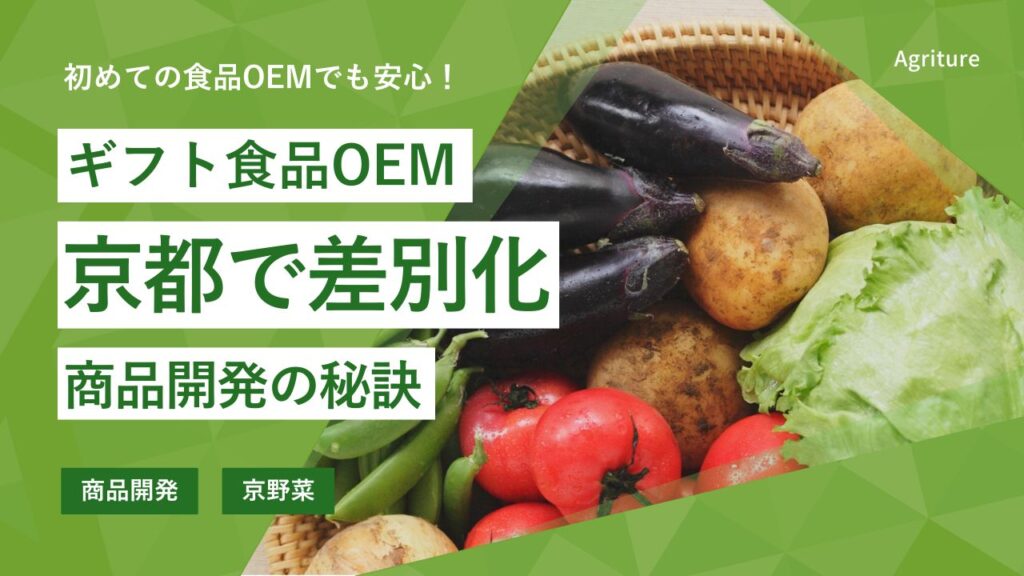
Kyoto-style food development | Gift-oriented product development OEM using Kyoto vegetables
Gift food OEM using Kyoto ingredients is a field that lets you add the value of the “Kyoto brand” to products—value that product development in other regions cannot deliver. In addition to Kyoto vegetables such as Kujo green onion, Shogoin daikon, Kamo eggplant, and Manganji pepper, and up to the pickles, tsukudani, Kyoto sweets, and dashi that Kyoto’s food culture has nurtured, ingredients... -
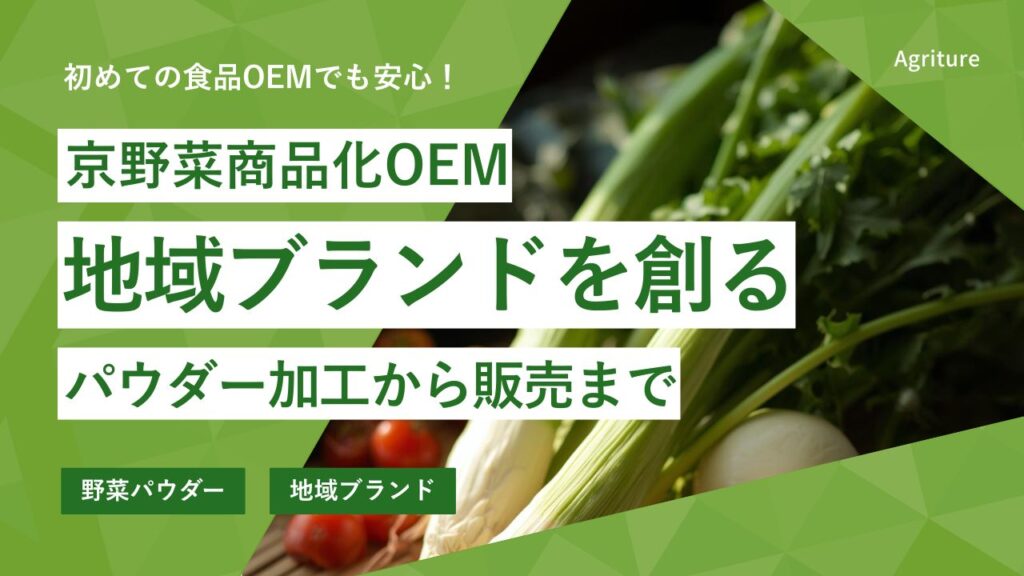
Creating a regional brand with a Kyoto-vegetable OEM | The complete flow from planning to sales
京野菜のパウダー加工は、地域ブランドを原料レベルで商品に落とし込める数少ない選択肢です。九条ねぎ・万願寺とうがらし・聖護院大根・京くれない人参・京都産の柚子など、京都が長く育ててきた伝統野菜は、色・香り・ストーリー性のどれを取っても食品O... -
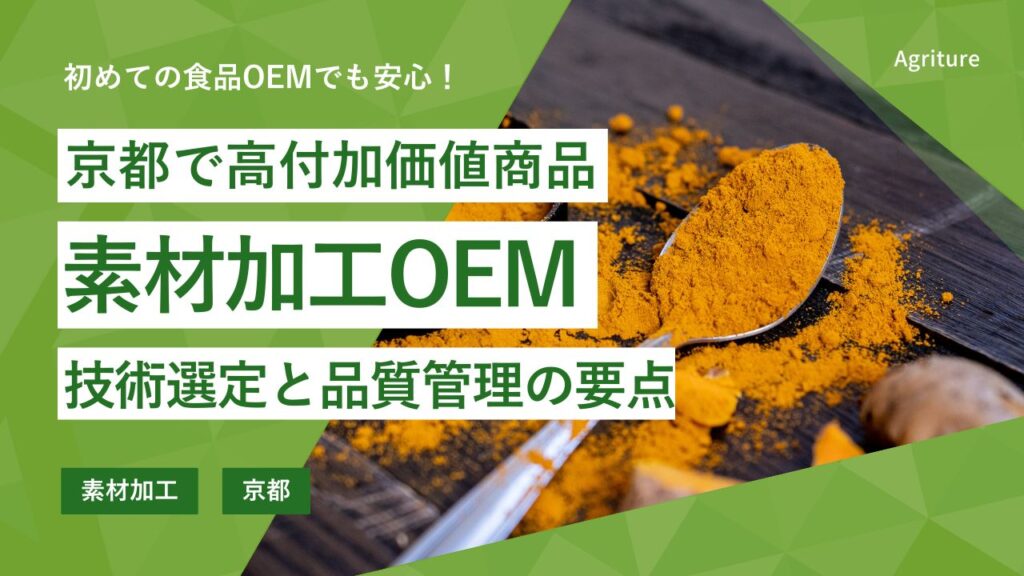
Kyoto ingredient processing OEM | How to make the most of Kyoto vegetables and quality control
The strength of requesting ingredient-processing OEM in Kyoto lies in access to Kyoto vegetables, heirloom vegetables, and Kyoto-grown ingredients, and in a quality-control system backed by the culture of long-established makers and artisans. By combining processing techniques such as drying, powdering, and extract extraction with Kyoto-grown ingredients, you get something beyond mere OEM manufacturing—a... -
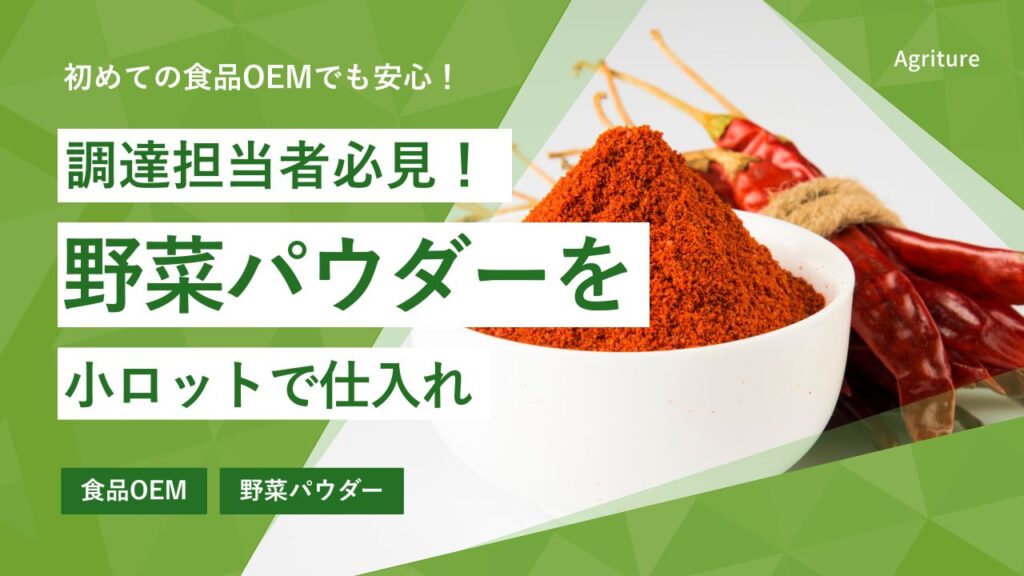
How to source commercial vegetable powder in small lots, and how to use it
Wanting to source commercial vegetable powder in small lots—this is a challenge common to a wide range of businesses: restaurants, food manufacturers, EC operators, confectionery workshops, and more. The unit-price benefit of bulk sourcing is appealing, but considering inventory risk, loss at the prototyping stage, and cash flow, “first, at a scale of about 5–50 kg... -
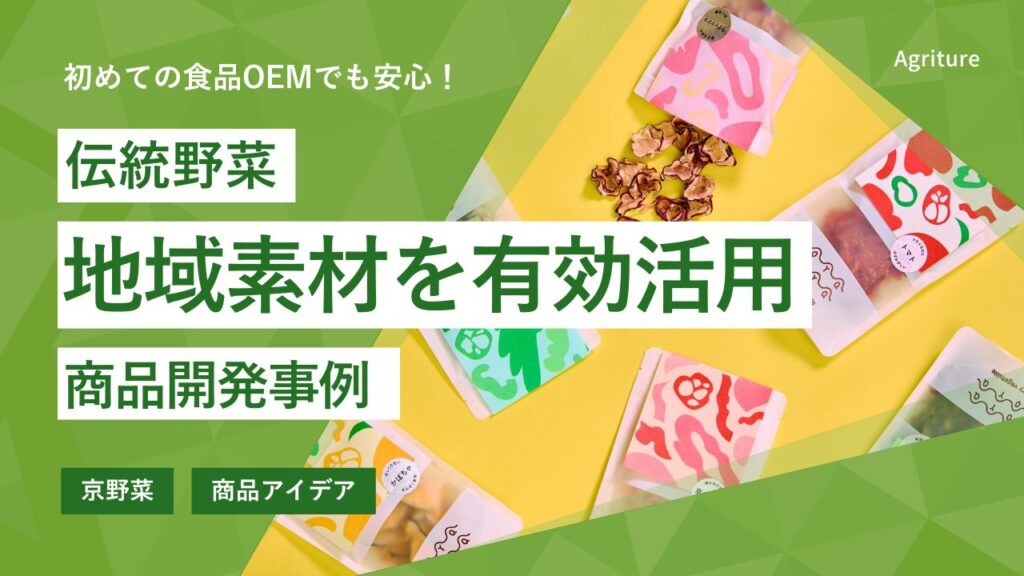
Heirloom vegetable OEM | A commercialization case guide using Kyoto vegetables and local ingredients
Right now, product development that makes use of “regional individuality” is drawing attention. Among these, foods using heirloom vegetables and Kyoto vegetables are strongly supported for the gift market and inbound-oriented products, thanks to their visual beauty and rarity. Especially now, with inbound tourists increasing, region... -
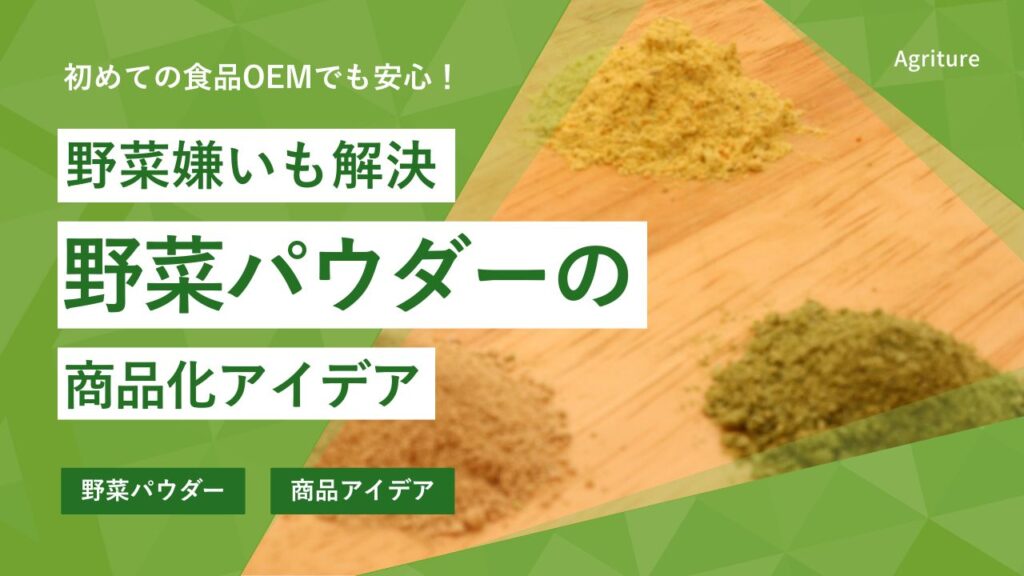
Solve picky eating too! 3 ideas for commercializing vegetable powder you can keep up every day
Getting plenty of vegetables every day is the foundation of health. But in reality, many people can't get enough vegetables for reasons such as "I'm too busy to spend time cooking," "my kids dislike vegetables and won't eat them," or "I just don't like the taste." Against that backdrop... -

One’s Daily Co., Ltd.
Selecting safe ingredients for developing a treat that people and pets can eat together. Under the concept of “something people and dogs can eat together every day,” we carefully selected safe ingredients for treat development together with One’s Daily, which makes additive-free treats. Furthermore, so people and pets alike can enjoy... -

Hoshi no Kitchen
Dried vegetables adopted at a topping bar for choosing the future. OYAOYA dried vegetables were adopted at Hoshi no Kitchen inside the “ITOCHU SDGs STUDIO” in Kita-Aoyama, Tokyo. A feature is incorporating sustainable ingredients into classic menus familiar to everyone from children to adults. Dried... -
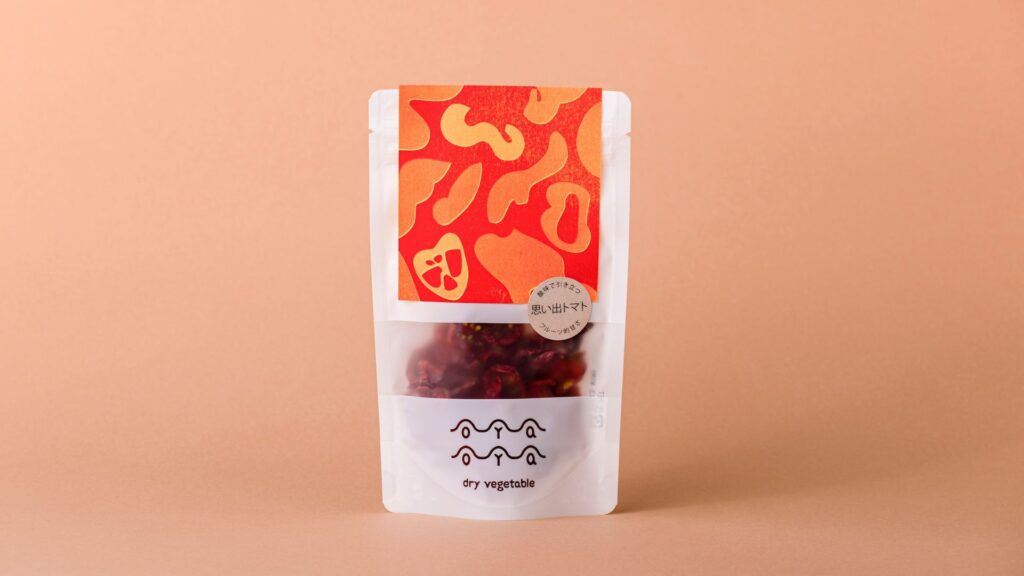
Wada Farm
Commercializing an attention-grabbing fruit tomato from Kyotango. We received the “yarisugi tomato”—grown in Kumihama, Kyotango, in an environment so harsh it is called an “athlete vegetable,” with sweetness and tartness packed densely—from Wada Farm and made it into a product. High-sugar tomatoes are hard to dry... -
Buddy’s Farm
About Buddy’s Farm. Buddy’s Farm (Odawara City, Kanagawa) is an agricultural corporation known for growing somewhat rare mini tomatoes. About six years since founding, it has shipped to local direct sales and restaurants while committing to varieties with thin skins and strong individual flavor. Making use of that know-how, last year... -

Kyotamba radish
A project toward establishing radish as a regional specialty. This is a project started as a means of regional revitalization, initiated by Mr. Nomura, who grows radishes in the Kyotamba area of Kyoto. Agriture CEO Kojima supported the web system construction and the back end including SNS... -
Takii & Company, Limited
A dried vegetable series using Phytorich. We produced dried vegetables using vegetables from the Phytorich series developed by Takii & Company, Limited, known for its “vegetables with a good reason.” From that series, we used “Kyo-kurenai carrot,” “Orange carrot,” and “Healthy oku... -

Yasai Yakuzen
Yasai Yakuzen, balancing the body with vegetables. Together with YAKUZEN TOKYO Co., Ltd., we launched the “Yasai Yakuzen” service—a way of eating that balances the body from within using “familiar vegetables” available at supermarkets. Even the vegetables we casually eat, when appropriately chosen and appropriately cooked from a yakuzen perspective... -

Kubota Corporation
Producing dried tomato in a collaboration with Beppin Farm. In a collaboration with Beppin Farm, operated by Kubota Corporation, we produced dried tomato using tomatoes grown at Kubota Farm, operated within the Kubota Group, for the company’s internal use... -

Aida LLC
A flavored tea using dried Kujo green onion wins a Japanese Tea Award. Aida LLC provides experiences of time and space by making use of diverse cultures—food, art, aroma, music, and more—centered on the tea ceremony and Japanese tea. At the company’s shop located in Minami-ku, Kyoto City, “a Japanese tea space to enjoy time”...