The potential of new businesses using unused resources, and 5 secrets to success
Sustainability
Food loss reduction
Non-standard vegetables
Novelties
Recipes & uses
Raw material sales

Summary of this article
New businesses making use of unused resources turn off-spec vegetables, unused timber, food-processing residue, and the like into valuable products. Japan’s food loss reaches 5.23 million tons a year. We introduce global examples such as OYAOYA’s dried-vegetable brand and Canada’s ChopValue, and explain five patterns—food-loss-reduction type, local-resource branding, upcycling businesses, and more—along with five secrets of success.
Soaring resource prices, pressure toward environmental consciousness, and the tide of sustainable management. What companies are now asked for is a “use it all up” mindset. Drawing attention is the utilization of Unused Resources that have been overlooked until now. The movement to convert byproducts of discarded crops, materials lying dormant in a region, and off-spec items produced during processing into valuable products is accelerating.
This article introduces the latest trends in businesses that make use of unused resources, along with “five secrets of success” to keep in mind when actually taking one on.
TOC
The New Value Created by Using Unused Resources
“What was going to be thrown away becomes a treasure trove.”
In today’s Japanese business environment, this phrase rings truer than ever. Off-spec vegetables, unused timber, food-processing residue. These have long been treated as “waste.” But now, with rising environmental awareness and technological innovation, these unused resources are generating new business opportunities.
Food loss in Japan remains one of the most serious social issues. According to the Ministry of Agriculture, Forestry and Fisheries’ estimate for FY2021 (Reiwa 3), the annual amount of food loss reached about 5.23 million tons, of which business-related food loss accounted for about 2.79 million tons and household food loss about 2.44 million tons.
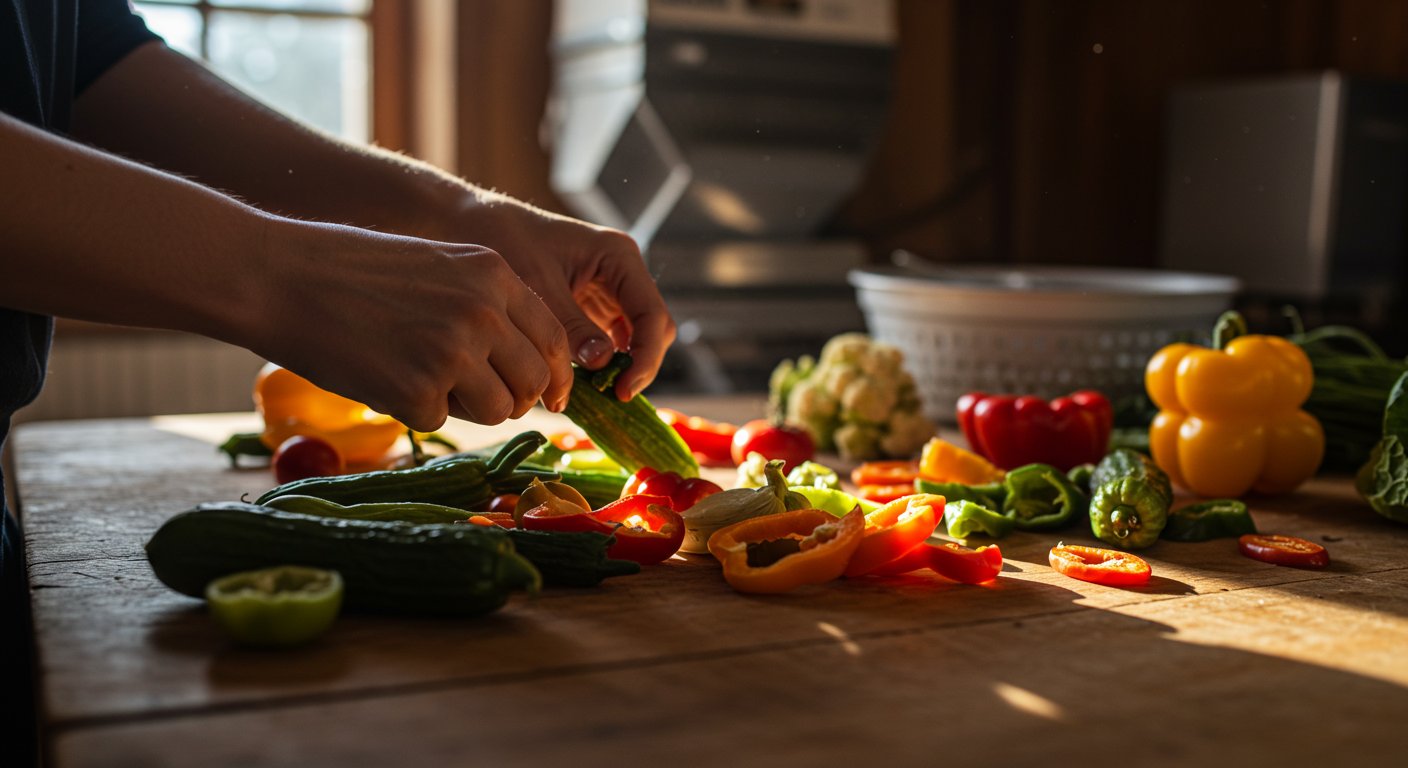
Businesses that use unused resources go beyond a mere “what a waste” spirit to become a new model that reconciles the realization of a circular society with the creation of economic value.
Five Patterns of Unused-Resource Businesses
So what business models are there specifically? We introduce five patterns along with real examples.
1. Food-Loss-Reduction Businesses
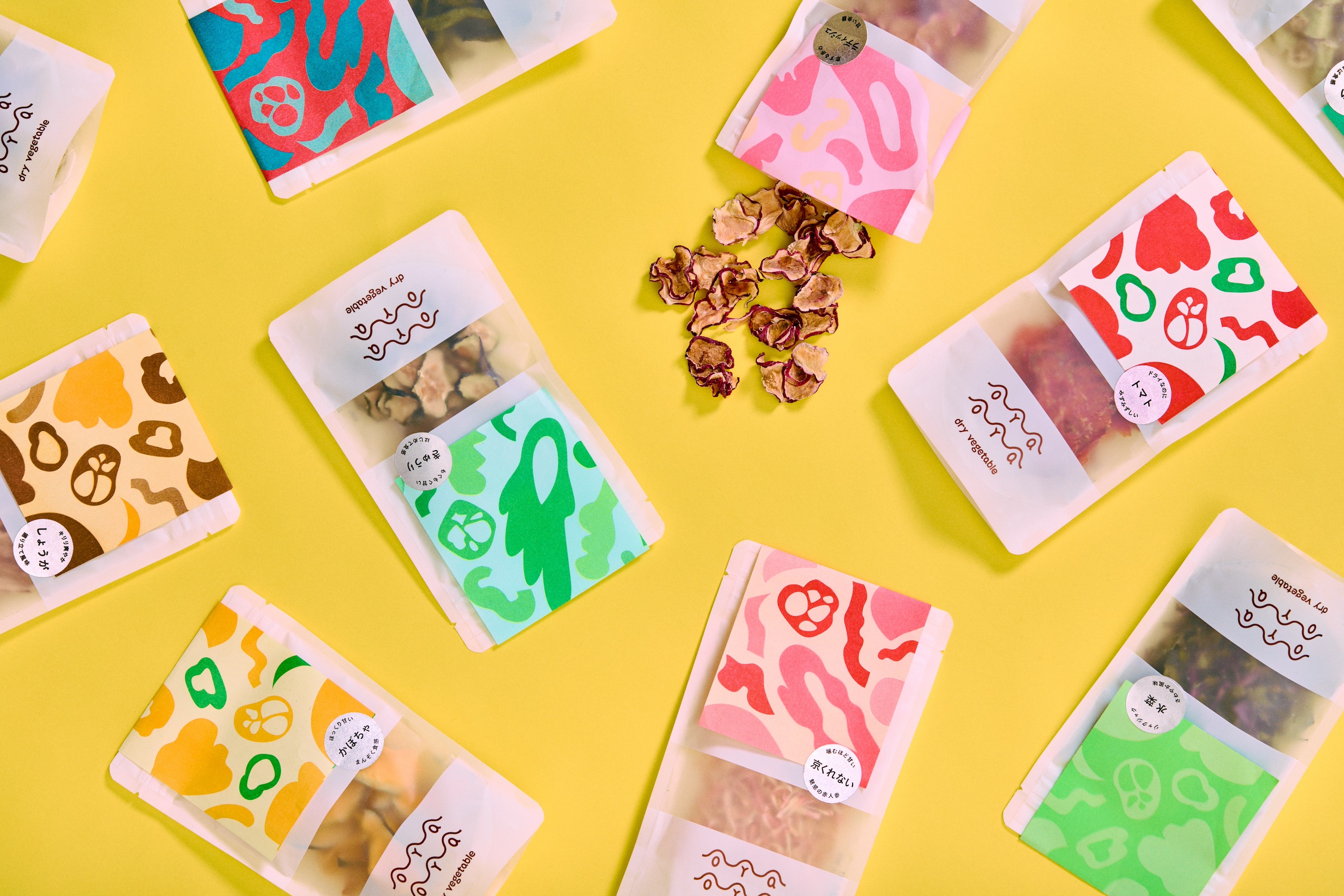
Food-processing businesses that make use of off-spec vegetables, unused fish, and the like are growing rapidly. Our company launched OYAOYA, a dried-vegetable brand, aiming to reduce food loss and realize sustainable agriculture by drying and processing unused and off-spec vegetables.
With this, even vegetables with nowhere to go can be used as raw material. As this shows, quite a few usable resources lie dormant around us, surprisingly.
2. Local-Resource Branding Model
An approach of branding local farm products and unused resources and developing them as region-limited products is also effective. By adding new value to a region’s specialties, you open up a new market and it also leads to revitalizing the local economy. For example, the project “Body&Co,” a protein that protects the future of coral, is a fine example of contributing to environmental conservation while making use of local resources.
3. Upcycling Businesses Using Unused Resources
Upcycling efforts that give new value to waste materials are spreading. For example, Canada’sChopValue」is drawing attention for collecting used disposable chopsticks and compressing and processing them to regenerate them into wood boards and furniture. It compresses chopsticks by the thousands, one by one, and transforms them into design-forward products such as tables and shelves.
In this way, by adding function, beauty, and story to “materials once destined to be discarded,” it realizes a value-added circular business that goes beyond mere recycling.
4. Circular Platforms Using Reusable Containers
「Megloo」is a reusable-container platform rolled out within Japan. It provides a system for collecting, washing, and reshipping the plastic containers used at restaurants and events, with adoption advancing mainly in urban areas such as Tokyo, Osaka, and Aichi.
Globally, a platform called「Loop」is also expanding. Partnering with major manufacturers (P&G, Nestlé, Unilever, etc.), it offers daily goods and food in dedicated reusable containers. After use they are collected, washed, and reused—a model that rebuilds the shape of sustainable consumption.
5. Upcycling Containers and Materials as Building Materials
Upcycling is also advancing in the fields of architecture and urban design.
A representative example is the American architecture firmLOT-EK」. They roll out projects around the world that repurpose used shipping containers into homes, shops, libraries, and more. Making use of the materials’ characteristics and structure, their work is highly regarded internationally as an example of reconciling architectural beauty with sustainability.
Five Secrets Needed for Success in Unused-Resource Businesses
So what elements are needed to succeed in a business that makes use of unused resources? We introduce five secrets drawn from success stories.
1. Clarifying the Added Value
Simply being “good for the environment” doesn’t make a sustainable business. Our company used the technique of drying to raise storability and add value as a food. This gave rise to uses such as long shelf life and being usable as a powder.
2. Co-Creation with the Region
Tying it to solving regional issues heightens the business’s social significance. For example, off-spec vegetables harvested on the urban fringe can be sold at roadside stations. But as you move away from urban areas, the number of consumers decreases, so you need to find sales outlets as raw material for processing and the like.
In that regard, the presence of local businesses in the region is absolutely indispensable.
3. Leveraging Technology
Beyond developing the products described above, efforts through technology—such as digitalizing processing techniques and turning production into data—will become important going forward. And not only in processing but at the production site too, it’s possible to tackle issues from many angles, such as making unused resources visible.
4. Diverse Partnerships
There are limits to what a single company can do alone. Building an ecosystem that involves producers, processors, distributors, and consumers is required. Especially in primary industry, where unused resources arise, human connections and understanding within the region are also indispensable.
5. The Power of Storytelling
Conveying the value of an unused-resource business requires a powerful story. It’s important to convey clearly to consumers why you focused on that resource and what social issue you solve. A story that evokes empathy—like “the tale of vegetables once destined to be discarded being breathed new life”—leads to business differentiation and customer acquisition.
The Future Outlook for Unused-Resource Businesses
Businesses using unused resources are expected to expand further going forward. The Japanese government has declared it will use 1.97 million tons of biomass plastic by 2030, and demand in this field continues to rise.
Also, with growing interest in the SDGs and the increasing importance of corporate sustainability strategies, the market for unused-resource businesses will keep on expanding. Seen from a different angle, unused resources are “untapped treasure.” By noticing that potential and tackling it with the right technology and passion, reconciling the solution of environmental problems with economic success becomes possible.
Aren’t there unused resources around you, too? They might be the seed of the next innovative business.
See Agriture’s sustainability here

Recommended reading
Sustainable initiatives / Commercial dried vegetables / Product lineup / Why the "dietary environment" influences the score in employee satisfaction surveys / The Latest Cases and Success Strategies of Japanese Companies Working on Fair Trade
- Notable upcycle food brands | A sustainable choice
- What is the superfood moringa? Its nutritional features and how to choose and drink powder and tea