What are the characteristics of Yamagata apples? A thorough guide to varieties and growing conditions

Summary of this article
Yamagata apples boast the fourth-largest production nationwide and are known as the birthplace of "unbagged Fuji" cultivation, which began in Asahi Town in 1970. The basin's characteristic temperature swings, low rainfall, and long sunlight hours raise sugar content, nurturing distinctive varieties such as honey-cored Sunfuji, richly flavored Shuyo, and fragrant Orin. This article thoroughly explains the growing conditions and everything through how to choose and store them.
TOC
The reason Yamagata apples are delicious lies in the climate
Yamagata Prefecture is a fruit-growing region representative of Tohoku. It's known nationwide not only for apples but also for cherries and La France pears. Why does one prefecture grow such a variety of fruit? The answer is hidden in Yamagata's distinctive topography and climate. The environment created by basins surrounded on all sides by mountains draws out the sweetness and richness of the fruit.
The basin topography that supports the fruit kingdom of Yamagata
Yamagata Prefecture is surrounded by the Ou Mountains, the Dewa Hills, and others, with the Yamagata Basin, Yonezawa Basin, and Shonai Plain spreading inland. Basins tend to have large temperature differences between day and night, meeting the conditions for raising fruit sugar content. The fertile soil brought by the Mogami River and the abundant water flowing in from the mountains have also supported fruit cultivation.
Behind its becoming a leading center of cherry cultivation and its fame in La France production lies the strength of such land. Apples are one fruit that receives this benefit too, and Yamagata has worked at apple-growing since long ago.
The basin's temperature swings produce full ripening and richness
What governs an apple's sweetness is the day-night temperature difference before harvest. During the day, sugar is stored in the fruit through photosynthesis; at night, the drop in temperature curbs the fruit's respiration, so the sugar produced isn't easily consumed. The greater this difference, the closer it gets to a rich flavor with the sugar firmly retained.
The Yamagata Basin gets hot in summer, while as autumn deepens the morning and evening chill grows stronger. This swing between cold and heat guides the apple fruit slowly to full ripeness. The fact that honey forms readily in the flesh is also said to be tied to this chill, forming the base of the deep sweetness of Yamagata apples.
Main varieties and characteristics of Yamagata apples
In Yamagata, several apple varieties are grown and shipped in a relay-like fashion according to differences in harvest time and flavor. Lining up varieties from early to late lets you enjoy prefecture-grown apples over a long period. Here we look at the representative varieties.
The mainstay "Fuji" and the early "Tsugaru"
The centerpiece of production in Yamagata too is "Fuji." With a good balance of sweetness and acidity, plenty of juice, and a crisp bite, it also has excellent storability. Yamagata's temperature swings are said to encourage honey formation, and Yamagata-grown Fuji, which appears from late autumn into winter, has deep-rooted popularity for its rich sweetness. For how to choose Fuji and its flavor, an article summarizing the characteristics of Fuji apples.
What appears early in autumn is "Tsugaru." An early variety that appears from around September, it's characterized by strong sweetness, juiciness, and a slightly soft texture. As a variety announcing the start of the season, it's beloved in Yamagata too.
The green apple "Orin" and Yamagata-born "Shuyo"
"Orin" is a green apple marked by its yellow-green peel. With gentle acidity, high aroma, and a distinctive sweetness, its crisp texture and clean aftertaste give it an appeal different from red apples, earning steady support in Yamagata too.
And indispensable in talking about Yamagata is "Shuyo," bred in the prefecture. A Yamagata original variety, its strong points are said to be strong sweetness, moderate acidity, and plenty of juice. With a crisp bite and deep flavor, it's gathering attention as an apple unique to Yamagata.
The character of each region and differences from neighboring prefectures
Even the same variety changes in its flavor impression depending on the land where it's grown. Neighboring Nagano Prefecture is also one of the country's leading apple regions, with many high-altitude orchards and a solid reputation for a balance of clean acidity and sweetness. Yamagata is said to make use of the basin's firm temperature swings, tending to draw out a rich sweetness with a full-ripening orientation, letting you enjoy the character of each region.
Savoring the same variety by region, as if tasting them side by side, is part of the fun of apples. differences among apple growing regions as a powder ingredient, for ichimi, shichimi, and making original seasonings, see Characteristics of Nagano-grown apples Reading these together makes the distinctive character of Yamagata-grown apples come into fuller relief.
The cultivation management and discerning eye of the fruit kingdom
The deliciousness of Yamagata apples is supported not just by climate but by growers' handiwork. Management techniques unique to a region that has raised fruit trees over many years produce the high quality.
Meticulous cultivation aimed at full ripening
In Yamagata apple-growing, a full-ripening orientation of letting the fruit ripen thoroughly on the tree has been valued. By discerning the timing when the fruit colors and the flavor sets, and harvesting then, the fruit reaches consumers with sweetness and aroma fully developed.
Steady work accumulates — pruning branches and thinning fruit so nutrients reach each fruit, leaving leaves to encourage photosynthesis. Such care leads to the deep flavor of Yamagata apples.
The discerning eye that spots honey formation
In regions with large temperature swings, honey forms readily in the flesh. Honey is regarded as one sign that the fruit is nearing full ripeness, and it's an element often spoken of as an appeal of Yamagata apples. Growers discern the eating-ready point from appearance, coloring, and the fruit's heft in the hand.
The discerning sense long cultivated in the region supports the stable supply of consistently high-quality Yamagata apples.
The season and how to choose delicious apples
To fully enjoy Yamagata apples, it helps to know the season they appear and to master tips for choosing good fruit in the store. We'll organize the season of each variety and the points for choosing.
The season that relays through varieties
Yamagata apples open the season with the early Tsugaru from around September. Then Shuyo, Orin, and others appear as autumn deepens, and the late Fuji takes center stage from November into winter. Fuji has high storability and stays on the market after the New Year too, so you can savor Yamagata apples over a long period.
Knowing when a variety you're curious about appears lets you enjoy it at its most flavorful, in-season timing without missing it.
Tips for spotting good apples in the store
When choosing delicious apples, it's said to help to note a few points.
- One that feels heavy and solid in the hand
- One whose peel is firm and glossy and not shriveled
- One that's colored firmly all over, with the base color taking on a yellowish tinge
- One colored right down to the bottom
- One with a thick stem that isn't wilted
The peel can seem faintly oily and feel sticky. This is regarded as one sign that ripening has advanced, and there's no issue with quality. Looking not just at appearance but at heft and coloring overall makes it easier to choose a flavorful apple. For those who want to know more about the differences among varieties, the apple variety ranking article is also a helpful reference.
How to enjoy and buy Yamagata apples
Once you know how to choose, next comes getting them and savoring them. Yamagata apples are delicious eaten as is, and knowing storage and buying methods lets you enjoy them longer.
A flavor to enjoy both fresh and processed
To make the most of the deep sweetness and abundant juice, first, biting into it whole with the peel on is recommended. Rather than over-chilling it, bringing it slightly back to room temperature makes the aroma easier to lift. Fuji and Shuyo, which offer a crisp texture, are varieties well suited to eating fresh.
Orin, with its clean sweetness, also goes well added to salad. The slightly soft Tsugaru suits juice and compote too, and heating brings out its sweetness. Varying how you eat them to match each variety's character lets you savor the wide-ranging appeal of Yamagata apples.
Getting them at farm stands and via direct-from-region shipping
You can meet Yamagata apples in season at the region's farm stands and roadside stations. Just-picked fruit grown by producers is fresh, and you can sometimes taste varieties side by side.
For those far away, direct-from-region mail order is convenient. With a system that delivers straight from producers or the region, you can enjoy at home apples close to their just-harvested state. Heavy, in-season fruit is welcomed as gifts too. Choosing direct-from-region Yamagata apples as a gift for someone you're indebted to is also a good idea.
Main apple-growing regions within Yamagata Prefecture
In a word "Yamagata-grown," the cultivation conditions differ little by little depending on which area within the prefecture the fruit was raised in. Knowing the areas of the main growing regions changes how you see the origin label.
The Murayama area, which holds the Yamagata Basin
The Murayama area, spreading across the center of the prefecture, is a region where fruit cultivation is thriving, centered on the Yamagata Basin. It's a land known as a major cherry-growing area and has a long history of apple-growing too. Making use of the basin's characteristic temperature swings, firmly colored, full-ripening-oriented apples are raised there.
Cultivation in Okitama, Mogami, and Shonai
The Okitama area in the south of the prefecture carries out fruit cultivation making use of the strong chill, centered on the Yonezawa Basin. In the Mogami area in the northeast and the Shonai area on the Sea of Japan side, apple-growing continues to suit each land's conditions. Even the same Yamagata-grown apples have subtle climate differences by growing-region area, which lead to distinctive flavors.
Storage tips to keep Yamagata apples delicious
The rich Yamagata apples you've gone to the trouble of getting change in shelf life and flavor depending on how you store them. Cover the basics and you can enjoy stocked-up apples deliciously to the last.
Prevent drying and store in the vegetable compartment
Apples dislike drying and heat. Wrap each one in newspaper or a paper towel, put it in a poly bag with the mouth lightly closed, and store it in the vegetable compartment of the fridge to keep it fresher. Left exposed, moisture escapes and it shrivels easily, so the small extra step of wrapping makes it last longer.
Separate from other fruit to enjoy longer
Apples give off a gas that promotes ripening, so keeping them with other fruit or vegetables can speed up the spoilage of those. Putting them in a bag and keeping them separate makes them less likely to affect one another. In the cold of winter, room-temperature storage in a cool dark place is also possible for a while. When you can't finish them, slicing them thin and drying them into dried apples raises their shelf life and lets you enjoy them as a snack.
Summary: Yamagata apples nurtured by the basin's temperature swings
The deliciousness of Yamagata apples is supported by the large temperature swings characteristic of a basin and by cultivation techniques built up as a fruit kingdom. Full-ripening-oriented cultivation draws out the deep sweetness unique to each variety — Fuji, Shuyo, Orin, Tsugaru. A full-ripening-oriented rich flavor, different again from neighboring Nagano, is Yamagata's strong point. Choose good fruit using heft and coloring as a guide and catch the season, and you can savor its appeal to the full. Make good use of farm stands and direct-from-region shipping to enjoy the apples Yamagata has raised.
Honey-cored Shinshu apple, domestic dried apple
Sugar-free, a crunchy new texture—dried fruit of honey-cored "leaf-unremoved Shinshu apple"
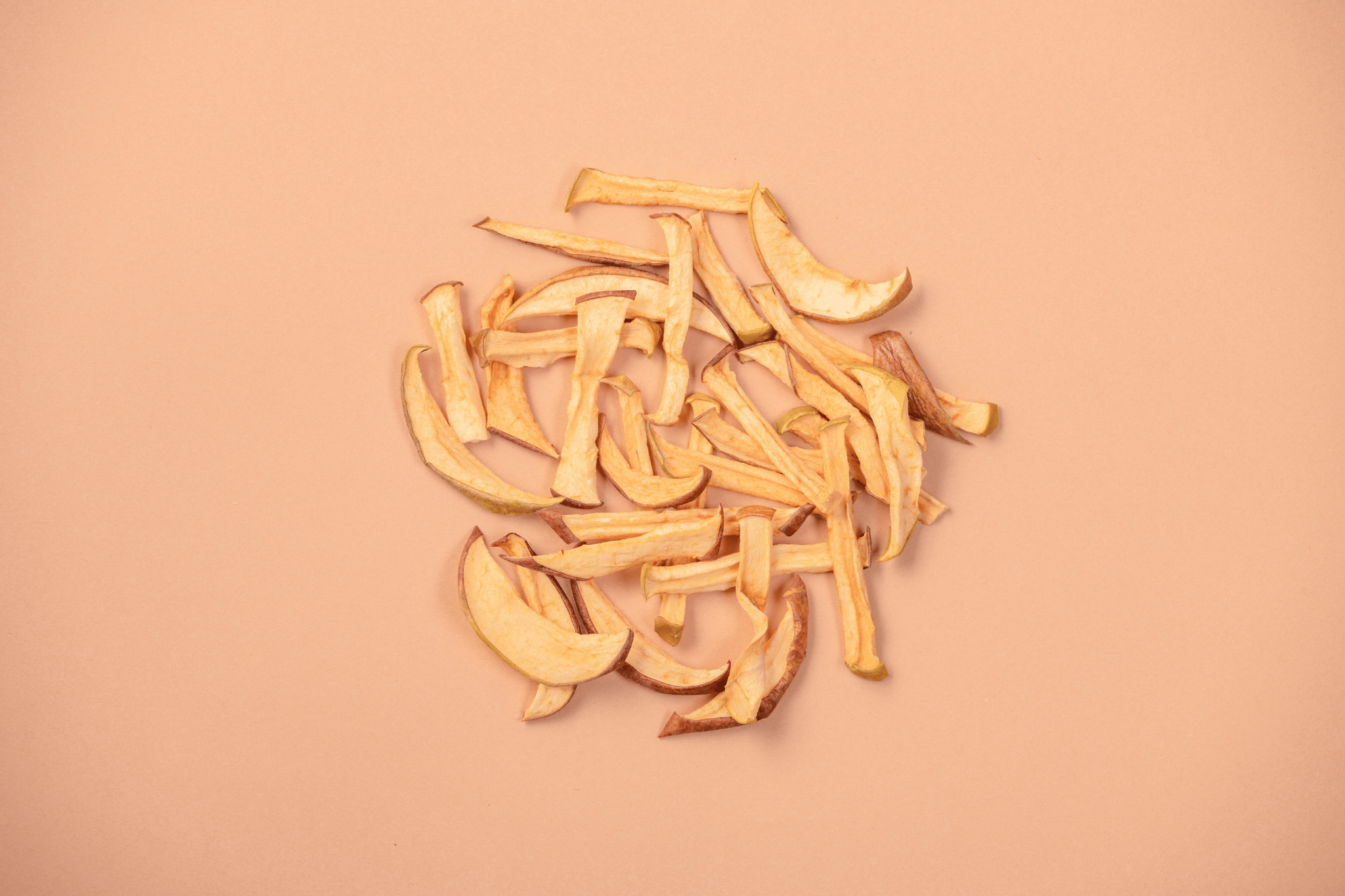
- Made with honey-cored "leaf-unremoved Shinshu apple"
- Sugar-free, dense natural sweetness
- Available in two forms, stick and dice