10 Ways to Enjoy Dried Apple: Variations That Make the Most of Its Nutrition

Summary of this article
As 10 ways to enjoy dried apple, we introduce ten approaches: eating it plain, soaking in yogurt, granola, black tea and herbal tea, steeping in wine or whiskey, fondant water, scones and pound cake, folding into cream cheese, as an accent in salads and dishes, and topping cereal. Drying increases vitamin C by about 50 times, and eating it skin and all lets you efficiently take in apple polyphenols too.
TOC
The Basic Way to Enjoy It Plain
The simplest way to eat dried apple is to open the bag and nibble it as is. With the moisture drawn out and the sweetness concentrated, you can enjoy a deeper flavor than fresh apple. But even “plain,” the impression changes greatly with the texture type and the timing you eat it. Knowing the basic ways to enjoy it makes the later arrangements easier to apply.
The Difference Between the Semi-Soft and Crispy Types
Dried apple broadly splits into a moist, soft semi-soft type and a crispy type, sliced thin with the moisture thoroughly driven off. The semi-soft type brings back a sweet-tart juiciness the more you chew, and works as is for a snack or with tea. The crispy type is easy to nibble like a snack, and is versatile—served alongside black tea or coffee, or crushed for a topping. Even the same dried apple splits into suited and unsuited uses across these two types, so use it as your guide when choosing an arrangement.
The honey-cored, leaf-left-on Shinshu apple dried product we handle is a crispy, crunchy type baked with no sugar at all. It comes in two formats—longer sticks and dice that fold easily into cooking and snacks—for different uses. Being sugar-free, the honeyed sweetness inherent to the apple remains as is.
A Guide to How Much and When to Eat
Since dried fruit tastes sweeter than fresh fruit, it’s recommended to enjoy small portions spread out rather than eating a lot at once. A guide of about a handful at a time makes it easy to work in as a snack. Timed to a pre-breakfast pang or an afternoon breather, the chewy crispy type also brings a good sense of satisfaction. Since it’s said to contain dietary fiber and polyphenols, it’s worth choosing in place of a snack.
A Little Extra Touch When Eating It Plain
The crispy type absorbs moisture easily once the seal is opened, so taking it out just before eating keeps the texture. Letting it come to room temperature a bit makes the aroma rise more easily, and for the semi-soft type, just warming it lightly in your palm spreads a sweet aroma. For a child’s snack, tearing the dice or sticks into small pieces before handing them over prevents choking and gives peace of mind.
Pairing with Yogurt and Cheese
Dried apple pairs very well with dairy, and just combining them elevates it to a dish for breakfast or entertaining. You can also enjoy the process of the texture changing as it gradually absorbs the moisture of the dairy, so simply varying the resting time gives a different taste.
Mix into Yogurt and Let It Sit Overnight
Add a handful of diced dried apple to 4–5 tablespoons of unsweetened yogurt and just leave it in the fridge overnight (6–8 hours), and the apple absorbs the yogurt’s moisture and plumps up. Without adding sugar, the apple’s sweetness transfers to the yogurt for a naturally sweet breakfast. Add a bit of granola or nuts for a bowl with a good chew. When you’re short on time, mixing and eating it right away lets you enjoy the contrast with the crispy texture.
Pairing with Cheese as an Appetizer
The crispy type of dried apple pairs with cheese in a way that suits entertaining. Just place a stick on a cracker thinly spread with cream cheese for a bite that balances sweet and savory. Paired with rich blue cheese or an aged cheese, the apple’s acidity cuts through the fattiness. Served as a wine appetizer, it makes a presentable plate with little effort.
Chop and Fold into a Cream Cheese Dip
Soften cream cheese at room temperature, finely chop diced dried apple, and fold it in for a sweet-tart dip. Drizzle a little honey and dust with cinnamon to taste, and spread it on a baguette or crackers to enjoy. Make it the day before and rest it in the fridge, and the apple settles in moist and the flavors come together.
Steeping in Tea or Liquor to Impart Aroma
Making the most of dried apple’s moisture-absorbing nature, it also suits arrangements steeped in drinks. The steeped apple itself is edible too, so you get to enjoy it twice. Knowing the guide for steeping times lets you dial in the finish you’re after.
Float It in Black Tea or Herbal Tea
Float a few pieces of crispy dried apple in freshly brewed black tea and let it sit 5–10 minutes, and the apple’s sweet aroma spreads through the whole cup. It turns faintly sweet without adding sugar, finishing like a fruit tea. It pairs well with Earl Grey and rooibos, and you can enjoy it hot or iced. The softened apple left after drinking is fine to eat as is or scoop up with a teaspoon. When steeping in cold tea, the aroma takes time to come out, so steeping it in the fridge from the night before makes it just right by morning.
Steeping in Liquor for an Adult Dessert
Steep dried apple in a distilled spirit like white liquor, vodka, or brandy, and you can make a fruit liqueur infused with apple aroma. Put dried apple in a clean storage jar, pour in enough liquor to just cover it, and leave it in a cool, dark place for about two weeks until it’s ready to drink. Adding a little rock sugar softens the edge. The steeped apple can be served over ice cream or chopped into baked goods for adult-oriented desserts. Dice steeped overnight in rum is also handy as liquor-soaked fruit to fold into pound-cake batter.
As an Ingredient in Mulled Wine or Sangria
Add dried apple to red wine along with thin slices of orange and cinnamon and warm it for a fragrant mulled wine. The apple absorbs the wine and swells, and you can scoop it up with a spoon at the end. For a chilled sangria, just steeping it with cut fruit for a few hours lets the dried apple’s concentrated sweetness tighten up the overall flavor.
Folding It into Sweets and Bread
Used as an ingredient in baked goods and bread, dried apple adds a concentrated sweetness fresh apple can’t deliver, plus an accent of texture when you bite in. Being low in moisture, it doesn’t make the batter sticky, which is another plus for ease of handling.
In Pound Cake and Muffins
Fold diced dried apple into the batter as is, or after lightly steeping it in liquor, for a moist bake. Adding it lightly at the very end of mixing is the tip for keeping the apple from getting crushed and retaining its texture. Paired with cinnamon and walnuts, the fragrance deepens. Use sugar-free dried apple and you can get plenty of sweetness even with less sugar in the batter. Since the apple absorbs a bit of the batter’s moisture while baking, it’s fluffy fresh out of the oven and moist the next day—two different textures across two days.
In Scones and Bread Dough
Fold chopped dried apple into scone dough for a snack where sweet-tartness peeks out with every bite. When kneading it into bread dough, add it at the very end of kneading and wrap it in so it scatters through the whole dough. Unlike fresh apple, dried apple doesn’t release too much moisture during baking, so the dough doesn’t sag and it’s easy to handle even in a home oven.
As a Topping for Cookies and Granola Bars
Coarsely crush the crispy type and scatter it over cookie dough for a nicely textured accent. Add it to granola bars bound with oats, nuts, and honey, and its natural sweetness makes it a treat suited to a child’s snack. Adjust the impression of the finish by crushing it coarse or fine.
As an Accent in Salads and Appetizers
Though dried apple has a strong sweet image, adding a little to savory or tart dishes gives an accent that adds depth to the flavor. A contrast of texture emerges too, turning your usual salad into a treat.
Scatter It over a Green Salad
Crush crispy dried apple and scatter it over a salad of baby leaves or arugula for an accent of sweetness and texture. Combine it with walnuts and almonds and dress it with olive oil and vinegar for a plate like a restaurant appetizer. Since the dried apple gradually absorbs the dressing’s moisture, eating it right after tossing makes the texture stand out.
In Carrot Rapée or Coleslaw
Mix chopped dried apple into carrot rapée or cabbage coleslaw and a natural sweetness is added that keeps the fork moving. Tossing it in at the stage of marinating lets the apple absorb the liquid and soften, blending into the whole. When making it as a make-ahead side, letting it sit for about half a day before eating brings the flavors together.
Paired with Ham or Prosciutto
Wrap a dried-apple stick in prosciutto or cured ham for a sweet-and-salty one-bite appetizer. Dusting it with black pepper or slipping in a thin layer of cream cheese makes it shine at a drinks gathering. Since it’s quick to put together, it also comes in handy for entertaining unexpected guests.
Adding It to Cereal or Oatmeal
Added to breakfast staples like cereal or oatmeal, dried apple rounds out into a satisfying dish. Put into a hot dish it rehydrates and softens; used cold it keeps its texture, so you can choose to suit your preference.
Simmer into Oatmeal to Rehydrate
When cooking oatmeal in milk or water, add diced dried apple from the start and simmer it in, and the apple absorbs moisture and softens, spreading a natural sweetness throughout. Without adding sugar it becomes a faintly sweet porridge-like breakfast, and a dusting of cinnamon makes a warming bowl. Simmer for a guide of 3–5 minutes, and if you want to keep a bit of the apple’s texture, add it near the finish. It’s easy to work into a quick breakfast on a cold morning and, being said to contain dietary fiber, it’s a menu that’s easy to keep up.
Mix into Granola or Muesli
Mix crushed dried apple into store-bought granola in advance and you’ve got homemade fruit granola. Pour on milk or soy milk and let it sit a bit and the apple softens for easy eating; in a rush, enjoy it as is with a crispy texture. Combine it with nuts and raisins and keep it stocked in a jar, and you can put together a quick breakfast even on a busy morning.
For a Child’s Breakfast or Snack
Mix finely chopped dried apple into yogurt or cereal and the natural sweetness makes it easy for kids to eat. Choose sugar-free ones and you can cover a snack’s sweetness with fruit alone. For small children, rehydrating it thoroughly or chopping it fine before giving it prevents choking and gives peace of mind.
A Compote-Style Arrangement by Rehydrating
Add water and rehydrate dried apple, and it transforms into a moist, compote-like texture different from fresh apple. Since it becomes a dish just by simmering to rehydrate, it’s handy as a companion to desserts or toast.
The Basic Rehydration Method
Put diced dried apple in a small pot, pour in enough water to just cover it, and set it over low heat. Once it boils, lower the heat and simmer for about 5–10 minutes, and the apple absorbs the water and softens. The apple’s natural sweetness comes out without using sugar, but a little lemon juice to taste tightens the flavor. The semi-soft type rehydrates fast, while the crispy type is just right simmered a bit longer. Turning off the heat and letting it cool as is lets the residual heat blend the flavors further.
As a Topping for Toast or Pancakes
The rehydrated, compote-style apple, placed on buttered toast or pancakes, makes a satisfying breakfast like homemade jam. Served warm over vanilla ice cream, it becomes an easy dessert with a temperature contrast. Make a bigger batch, put it in a clean container, and finish it within 2–3 days in the fridge—it comes in handy as a make-ahead.
As a Filling for Stewed Apple or Tarts
Simmer the rehydrated apple down further and season it with cinnamon, and it works as a filling for apple pie or tart. Rehydrating from low-moisture dried apple makes it less watery than simmering fresh apple, so the crust bottom is less likely to get soggy. Since the amount of sugar is easy to adjust, it also suits making less-sweet sweets.
Try Making Homemade Dried Apple
When you get your hands on a lot of apples, making dried apple to your own taste at home is another way to enjoy it. Since you can adjust the degree of drying yourself, you can finish it either semi-soft or crispy. For the detailed drying steps, see How to Dry Apples.
Steps for Making It in the Oven
Wash the apples well and slice them thin, skin on, to 2–3 mm. Dipping them briefly in salt water (about 1 tsp salt to 500 ml water) curbs discoloration. Blot off the moisture, arrange them on the baking tray so they don’t overlap, and bake at 100–110°C for about 60–90 minutes, flipping them partway through. For a moist, semi-soft finish, keep it short; for crispy, longer—adjust the time as you watch. Transfer them to a storage container once the residual heat has cleared.
Sun-Drying and a Food Dehydrator
If dry, sunny days continue, you can also arrange them on a colander or drying net and dry them in the sun. Putting them out during the day and bringing them indoors at night to avoid moisture makes for fewer failures. With a food dehydrator, you can keep the temperature and time constant, for a more even finish. Homemade results tend to vary, so frequently checking the degree of drying is the trick.
Tips to Avoid Failure When Making It Yourself, and Storage
Under-drying makes it spoil easily, so the guide is to dry it until the surface isn’t sticky and no moisture seeps out when you bend it. Put the dried apple you make in a clean airtight container with a desiccant and store it away from direct sunlight. For long keeping, refrigerating or freezing gives peace of mind. Since more moisture tends to remain than in store-bought, make a point of finishing it early.
Enjoying the Flavors That Change by Variety
Apples differ in their balance of sweetness and acidity by variety, and drying makes that individuality stand out more. Choosing the variety to match the arrangement changes the impression greatly, even for the same dried apple.
Choosing Between Sweet and Tart Varieties
Honey-prone, strongly sweet varieties suit uses that make the most of the sweetness, like eating them plain or pairing with yogurt. Varieties with firm acidity tighten the flavor as an ingredient in salads or sweets, and shine as an accent added to something sweet. For which varieties suit drying, see A Ranking of Apple Varieties Suited to Drying covers this in detail too.
dried honey-cored, non-bagged Shinshu apple
Our dried honey-cored, non-bagged Shinshu apple uses honey-prone Shinshu apples left to ripen on the tree, with the leaves kept on until just before harvest. Baked with no added sugar, its strong points are the apple’s own deep sweetness and a crunchy texture. The sticks work as a snack or appetizer eaten as is, and the dice for folding into sweets or dishes—two formats for different uses. Being sugar-free, it’s easy to adjust whether you want to add sweetness or hold it back, which makes it good for arrangements.
Keeping the Flavor with Storage Tips
Since dried apple loses texture when it absorbs moisture, store it sealed in a low-humidity place after opening. To keep the crispy texture for long, add a desiccant, and for summer or long-term storage, refrigeration or freezing is also effective. For winter storage in general, see How to Store Apples to Keep Them Through Winter and use it as a reference too. Frozen crispy-type apple can also be enjoyed half-thawed like an ice cream–style treat.
Summary: Bring Dried Apple to Your Everyday Table
Dried apple is a versatile ingredient you can enjoy in many ways—not only eaten plain, but paired with yogurt or cheese, steeped in black tea or liquor, and used as an ingredient in sweets and dishes. Use the semi-soft type for moist, rehydrating arrangements and the crispy type for toppings and appetizers—choosing suited uses by texture type makes for fewer failures. Rehydrate it into a compote or try making it at home—the ways to enjoy it broaden with a little ingenuity. Work dried apple, said to contain dietary fiber and polyphenols, into snacks and breakfasts, and add a sweet-tart splash of color to your everyday table.
Honey-cored Shinshu apple, domestic dried apple
Sugar-free, a crunchy new texture—dried fruit of honey-cored "leaf-unremoved Shinshu apple"
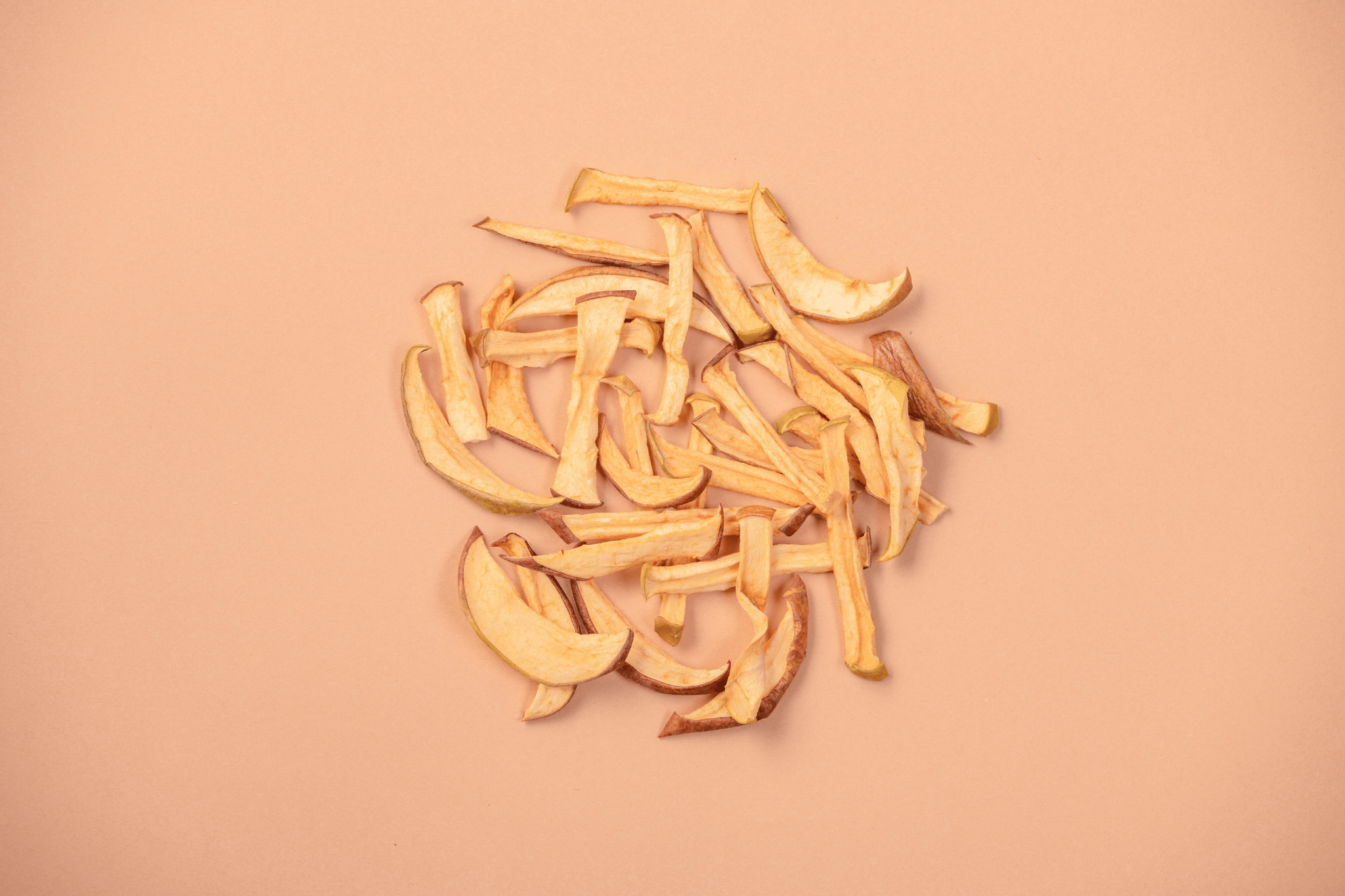
- Made with honey-cored "leaf-unremoved Shinshu apple"
- Sugar-free, dense natural sweetness
- Available in two forms, stick and dice
Recommended reading
- A Thorough Guide to How to Dry Apples
- Apple-variety popularity ranking
- How to Store Apples in Winter: 10 Tips to Make Them Last
- Domestic dried apple (non-bagged Shinshu apple)
FOR BUSINESS
乾燥りんごを、原料としてお探しですか
国産のりんごを乾燥・粉砕してお出ししています。カット形状や粒度の指定、継続してのお取引もご相談ください。規格は 乾燥りんご に掲載しています。
少量でのご購入は、姉妹ブランドの通販サイト OYAOYA で承っています。
- How to tell apart assorted dried fruit for gifts and corporate novelties
- A Thorough Test of Dried Lemon's Usability! Handy Use Scenes and Storage Methods