Red Shiso Recipes and Uses: A Thorough Guide from Juice, Yukari, and Syrup to Storage and Variations

Summary of this article
Wondering what to do with leftover red shiso from making umeboshi or a home garden? From the preliminary prep of removing bitterness, to how to make red shiso juice, syrup, and yukari, salad and pasta arrangements, using dried red shiso and powder, and storage methods—we explain it all from a dried-vegetable maker’s perspective.
Leftover red shiso from making umeboshi, or a huge harvest of red shiso from your home garden—are you wondering what to do with it? Red shiso isn’t just for juice and yukari; it’s a versatile ingredient that works in salads, pasta, and preserved foods.
This article covers, from a dried-vegetable maker’s perspective, everything from the preliminary prep of red shiso, to how to make the classic red shiso juice, syrup, and yukari, arranged recipes beyond juice, and ways to use dried red shiso and powder even when you don’t have fresh. Storage methods are introduced as well.
TOC
Preliminary Prep for Red Shiso | The Basics of Washing and Removing Bitterness
Red shiso (aka-jiso) has a distinctive bitterness (aku), so the preliminary prep before cooking determines the result. Let’s cover the basic steps common to any recipe. Choosing fresh red shiso with deep leaf color and a strong aroma makes both juice and yukari come out beautifully.
How to Pick and Wash the Leaves
Red shiso has tough stems, so pick off just the leaves to use. If you bought it on the branch, remove the leaves one by one before handling.
- Pick the leaves from the stems and remove any damaged leaves
- Fill a bowl with water, put in the leaves, and swish to wash
- Lift into a colander and drain thoroughly
Remove the Bitterness by Salt-Rubbing or Simmering
The prep for red shiso splits into two depending on use. For umeboshi and pickles, salt-rub to draw out the bitterness and moisture; for juice and syrup, simmer to transfer the color and flavor into the liquid.
- Salt-rubbing (bitterness removal): Sprinkle salt on the leaves and rub it in, then squeeze out and discard the black bitter liquid that emerges. Repeat about twice
- Simmering (color/flavor extraction): Boil the leaves in a pot of water for a few minutes, strain through a colander, then squeeze. Use the colored, flavored liquid for juice or syrup
The squeezed leaves can be reused for yukari or tsukudani. Doing the bitterness-removal step carefully results in a clean, off-flavor-free reddish-purple color.
The Classics | How to Make Red Shiso Juice and Syrup
The most popular red shiso (aka-jiso) recipe is red shiso juice and syrup. The ingredients are simple—just red shiso, sugar, and an acid (vinegar or citric acid)—and adding them to simmered red shiso easily makes a vivid red drink.
How to Make Red Shiso Juice
The basic proportions are a guideline of 300 g red shiso leaves, 1.5 L water, 500 g sugar, and 200 ml vinegar (or 25 g citric acid). Right after simmering it’s a dark purple, but adding the acid makes the color turn vividly red.
- Boil water in a pot, add the washed red shiso leaves, and simmer over medium heat for about 5 minutes. When the leaves have faded to a greenish color, turn off the heat (don’t simmer long, as over-boiling brings out bitterness)
- Strain the leaves through a colander and squeeze lightly with the back of a ladle to collect the liquid
- Add sugar to the liquid and dissolve, then turn off the heat and add the vinegar
- Let cool, then chill in the refrigerator
The trick to a beautiful red is not to mind that the color stays dark purple until you add the acid, and to add the vinegar or citric acid at the very end. Diluting with water or soda water gives a refreshing tartness. The concentrate, with sugar and acid added, keeps in a clean container in the fridge for about two weeks to a month. Use it up early, and freeze it if keeping it longer.
Arranging It into Syrup and How to Use It
The juice above is a concentrate to dilute with water and drink, but reducing the water and simmering further makes a richer red shiso syrup. It can be used in small amounts, so it suits drizzling and mixing uses.
- Diluted with soda water for red shiso soda
- As a sauce for shaved ice, yogurt, or jelly
- Mixed with alcohol for a shiso sour
FOR BUSINESS
乾燥赤しそを、原料としてお探しですか
国産の赤しそを乾燥・粉砕してお出ししています。カット形状や粒度の指定、継続してのお取引もご相談ください。規格は dried red shiso・Red shiso powder に掲載しています。
少量でのご購入は、姉妹ブランドの通販サイト OYAOYA で承っています。
Preserved Foods | How to Make Yukari, Umeboshi, and Salt Pickles
Red shiso also suits long-keeping processed goods. The leaves left over after making juice can be used up without waste by turning them into yukari.
How to Make Yukari (Red Shiso Furikake)
Yukari is a furikake made by drying the red shiso left over from juice, salt-rubbing, or umeboshi-making. It can be used on rice, rice balls, and in lunch boxes, using up leftover leaves without waste.
- Squeeze the de-bittered red shiso well to drain it
- Spread it on a colander and sun-dry (takes time), or heat it in the microwave to dry it quickly
- Once crisp, grind it fine in a mortar or mill
Coloring and Salt-Pickling for Umeboshi
The signature use of red shiso is coloring umeboshi. Pickling salt-rubbed red shiso together with the plums produces that vivid red color.
- Umeboshi: Spread the salt-rubbed red shiso over the plums and let it blend with the ume vinegar
- Salt pickle: Pickle red shiso in salt and store it in the fridge, then chop it to use as a condiment or in rice balls
The red ume vinegar left after pickling umeboshi is also a seasoning you can use in dressings and vinegared dishes. Making use of it instead of discarding it lets you use red shiso to the very last.
Red Shiso Arranged Recipes Beyond Juice and Yukari
Red shiso works not only in drinks and preserved foods but also in everyday dishes. Here are arrangements that make the most of its refreshing aroma and flavor.
Red Shiso Salad and Dressing
Chop salt-rubbed red shiso and combine it with vegetables for a refreshing salad. Red shiso dressing pairs well with oil and adds vivid color, too.
- Toss chopped red shiso with tomato and cucumber, seasoned with sesame oil and salt
- Mix red shiso, olive oil, vinegar, and salt for a homemade dressing
Japanese-Style Pasta and Stir-Fries
Red shiso can be used in heated dishes as well. Added to stir-fries or pasta, its flavor and aroma become an accent.
- Add it at the finish to a Japanese-style pasta with shirasu and red shiso
- Add chopped red shiso to a chicken or chirimen-jako stir-fry for flavor
Heating calms the color, but the aroma stays firmly. Add it just before turning off the heat to make the most of red shiso’s flavor.
Even Without Fresh | Using Dried Red Shiso and Red Shiso Powder
Red shiso has a short season, and fresh is only available from the rainy season through summer. When you want to use it regardless of season, dried products and powder are handy.
How to Use Dried Red Shiso and Red Shiso Powder
When you don’t want to bother with prep or simmering, a ready-processed dried product is helpful. Agriture’s dried red shiso comes pre-cut and can be used as-is in rice balls, mixed rice, and ume dishes. The powdered Red shiso powder can be used like yukari when sprinkled on rice, and also suits dressings and kneading into dough.
Since it keeps at room temperature, you can easily add flavor even when you want just a little, or when fresh red shiso is out of season. Not needing to remove bitterness is another help when you’re busy.
Using Green Shiso (Ōba) and Red Shiso for Different Purposes
The basic rule is to use red shiso for coloring and flavoring, and green shiso (ōba) as a fresh condiment. The details of the differences are explained in explained in "the difference between oba and green shiso.". When you want a refreshing condiment, Dried Ooba and Ooba Powder is also an option.
How to Store Red Shiso and How Long It Keeps
Fresh red shiso doesn’t keep long, so if you can’t use it up, process it early or move it to storage. Choose the storage method that fits its condition.
- Fresh as-is: Wrap in dampened kitchen paper and keep in the fridge for a few days
- Freezing: Wash, wipe off the moisture, chop, and keep in a storage bag for about a month
- Juice/syrup: Put in a clean container; a guideline of two weeks to a month in the fridge. Freeze in portions to keep longer
- Yukari/dried: Store at room temperature in an airtight container with a desiccant
Like ōba, red shiso can also be kept long by drying. The basics of storage share much in common with How to store oba, so refer to it as well.
A product catalog that shows around 100 items we handle
Agriture, flexibly handling everything from small lots to large lots
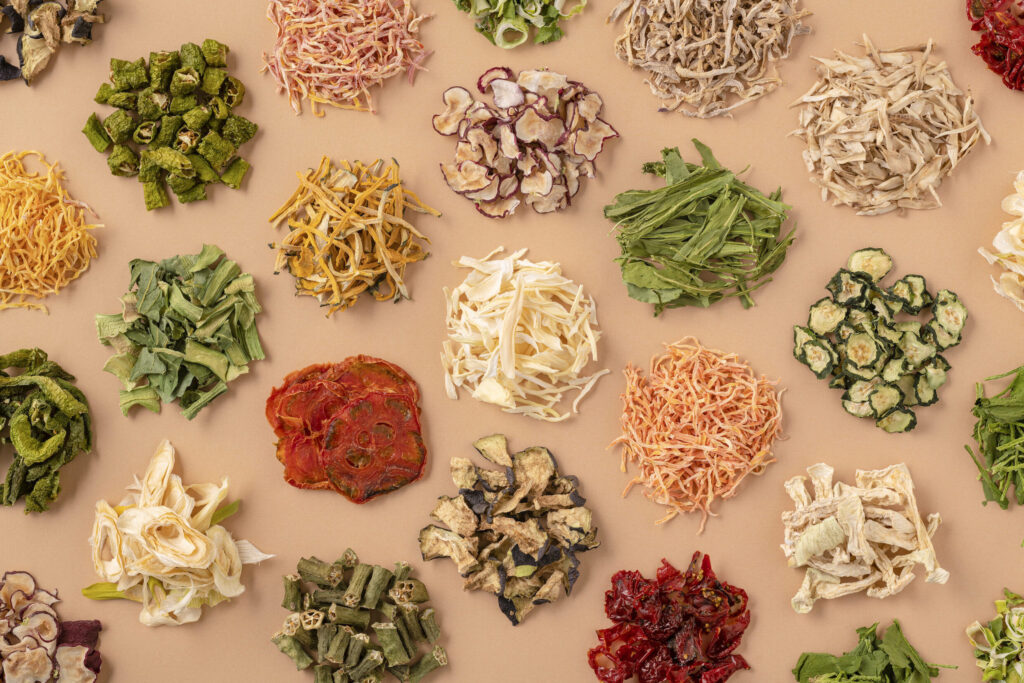
- Available for purchase in small lots from 1 kg
- We handle heirloom vegetables from across Japan
- Dried fruit and herbs also supported
Summary
Red shiso is a versatile ingredient—not just the classic juice and yukari, but salads, dressings, pasta, and stir-fries. Once you have the basics of bitterness removal down, you can apply it to all kinds of recipes.
When fresh red shiso is out of season, or when you want to skip the prep work, using dried red shiso or red shiso powder is also recommended. Make good use of both seasonal fresh red shiso and pantry-stable dried products, and bring them to your table.
FOR BUSINESS
乾燥赤しそを、原料としてお探しですか
国産の赤しそを乾燥・粉砕してお出ししています。カット形状や粒度の指定、継続してのお取引もご相談ください。規格は dried red shiso・Red shiso powder に掲載しています。
少量でのご購入は、姉妹ブランドの通販サイト OYAOYA で承っています。
FAQ
Recommended reading
- What’s the difference between ōba and green shiso? Differences from red shiso, types, and how to use each
- How to store oba | tips for keeping it long by refrigeration, freezing, and drying
- Dried red shiso | cut red shiso that can be used for ume dishes and rice balls
- Red Shiso Powder | Aka-jiso powder that adds color and flavor
Download the product catalog
We will send the materials to your email address based on the information you provide.