
Recipes & uses– category –
-
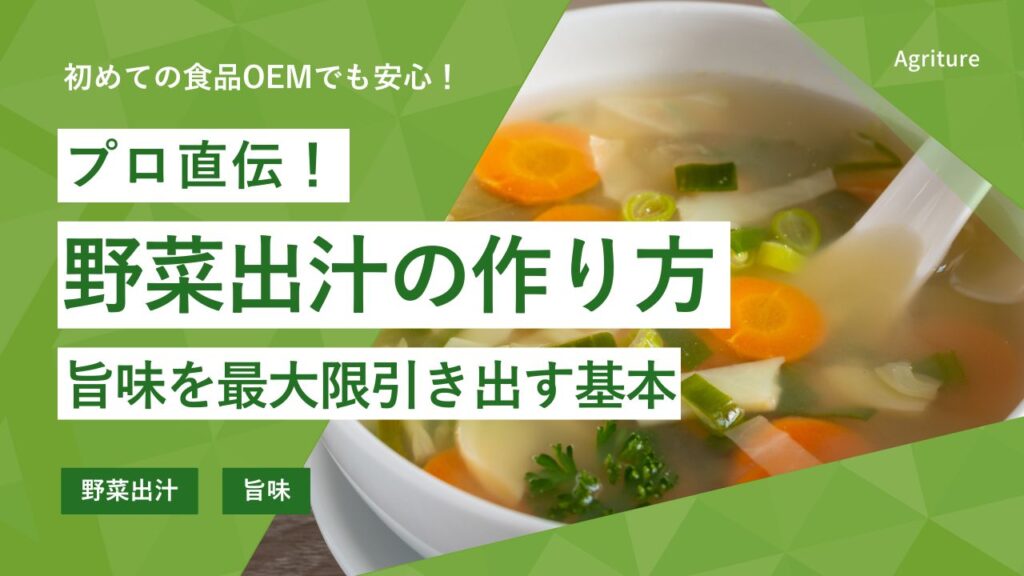
How to Make Vegetable Dashi and Vege-Broth: The Difference and Tips for Using Vegetable Scraps
Vegetable dashi is a stock drawn using only the umami and aroma of vegetables, with no animal ingredients. As the amino acids and sugars of onion, carrot, celery, and mushrooms dissolve out, a gentle sweetness and mild umami emerge. Because it contains no animal ingredients, it suits vegan, vegetarian, and halal... -
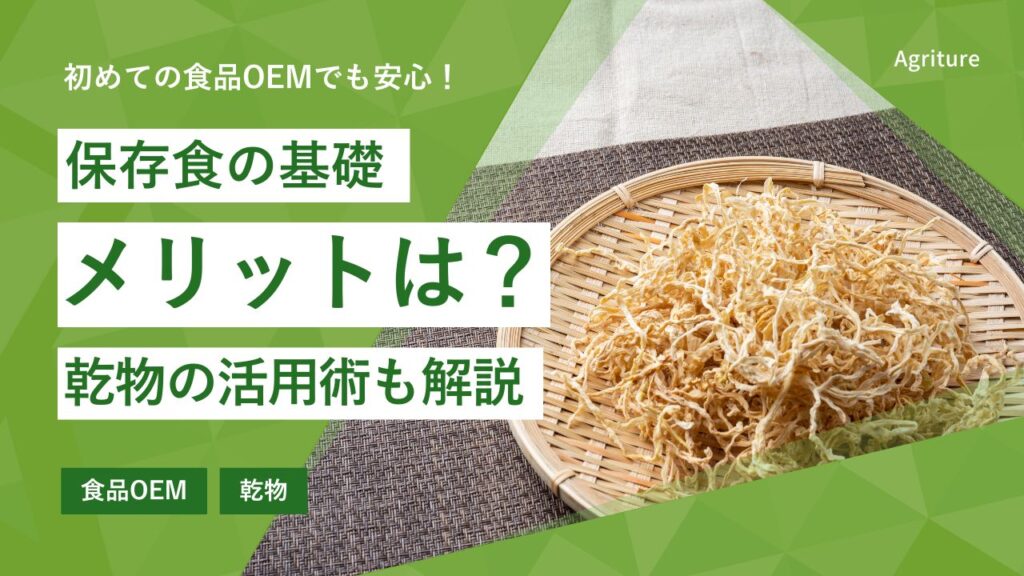
A Complete Guide to the Pros and Cons of Dried Goods: Uses Explained Too
Dried goods are foods made by evaporating the water from ingredients through methods such as sun-drying. They are said to have already been used as far back as the Jomon and Yayoi periods, and are deeply rooted in Japanese food culture. Amid Japan's distinctive climate—hot and humid in summer, cold and dry in winter—in an age without refrigerators, ingredients... -
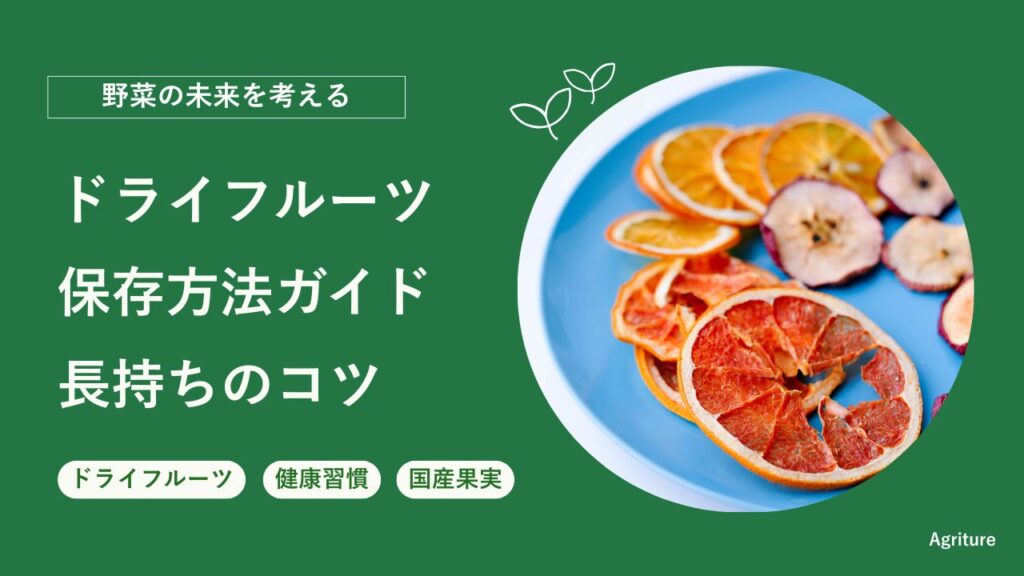
A Complete Guide to Storing Dried Fruit: 10 Tips to Make It Last
You finally bought some dried fruit, and before you knew it, mold had appeared. Have you had this experience? It's easy to assume dried fruit lasts a long time because it's dried, but in fact, storing it incorrectly can cause it to deteriorate far faster than expected. Especially sugar-free or additive-free domestic... -
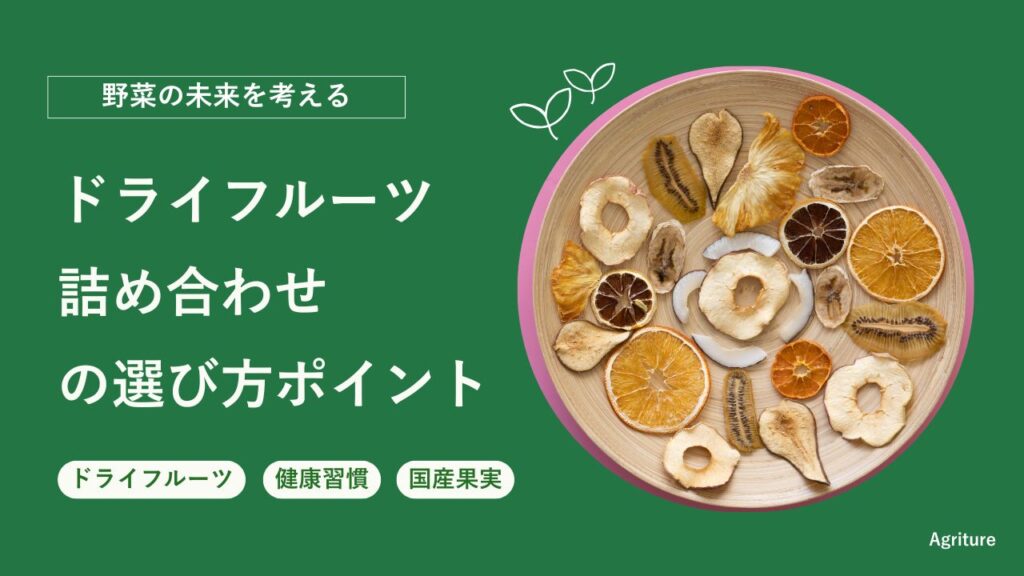
How to tell apart assorted dried fruit for gifts and corporate novelties
You can't judge what's in a dried fruit assortment from the package photo alone. Even among "6-variety sets," some contain costly fruits while others are bulked out with cheap items. The clues are on the back: the order of the ingredient list and the net weight... -
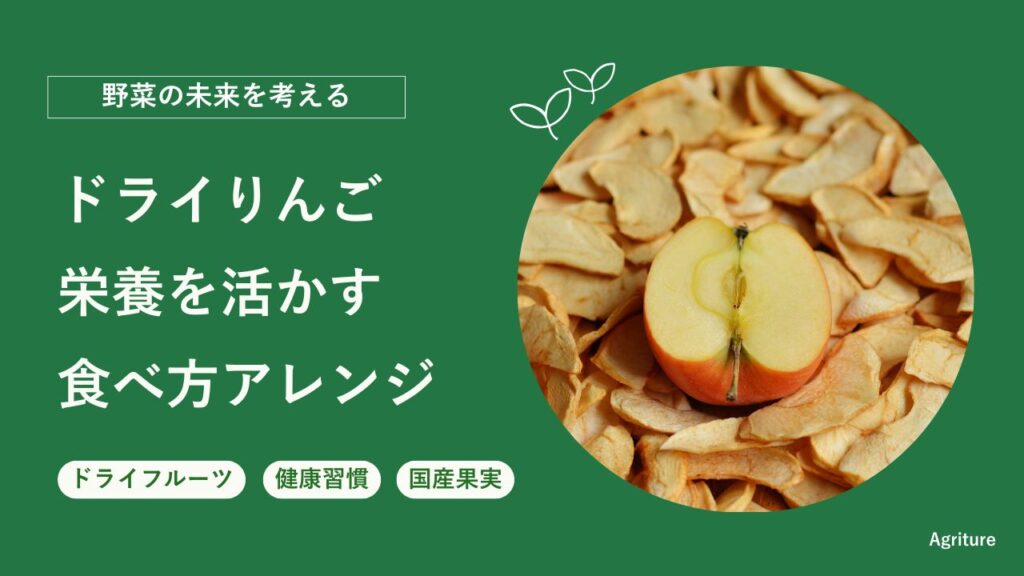
10 Ways to Enjoy Dried Apple: Variations That Make the Most of Its Nutrition
The Basic Way to Enjoy It—Eating It As-Is The simplest way to eat dried apple is to open the bag and snack on it as-is. The water has been removed and the sweetness concentrated, so you can enjoy a richer flavor than fresh apple. That said, even "as-is" varies by texture type and the timing of when you eat it... -
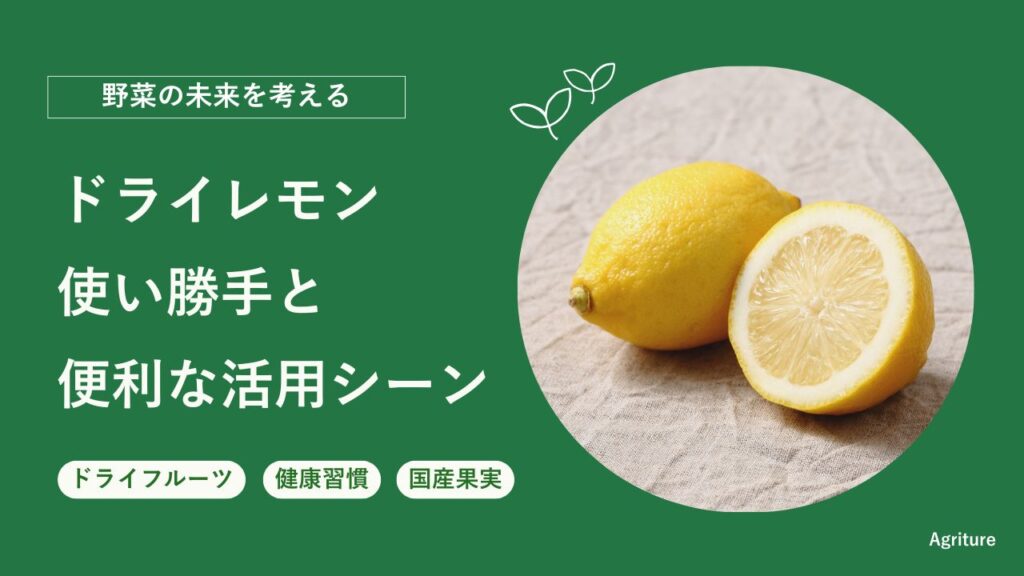
A Thorough Test of Dried Lemon's Usability! Handy Use Scenes and Storage Methods
Dried lemon is a processed food made by slicing and drying fresh lemons. Its biggest difference from fresh lemon is shelf life. Fresh lemon lasts about 2–3 weeks refrigerated at most, but dried lemon keeps about two weeks at room temperature and even longer if refrigerated or frozen. By driving off the moisture... -
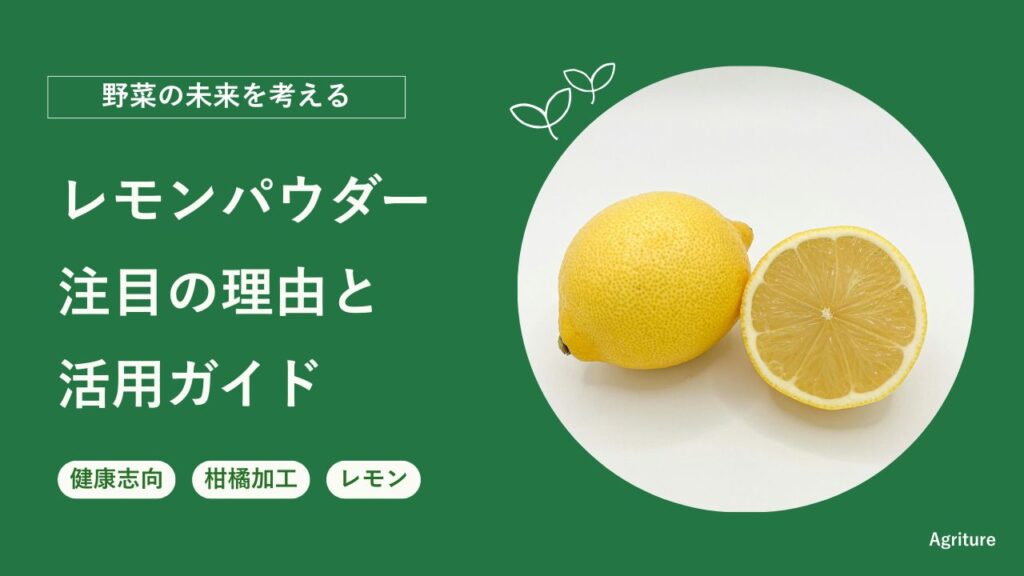
Why Lemon Powder Is Drawing Attention and How to Use It! A Thorough Usage Guide
Lemon powder is drawing attention in the food industry and at home. Fresh lemon, as a citrus with a distinctively vivid acidity and refreshing aroma, has been used across a wide range of industries—food processing, foodservice, confectionery, and beverages. The juice is used to add acidity to drinks and dishes, and the peel for confectionery and dressing... -
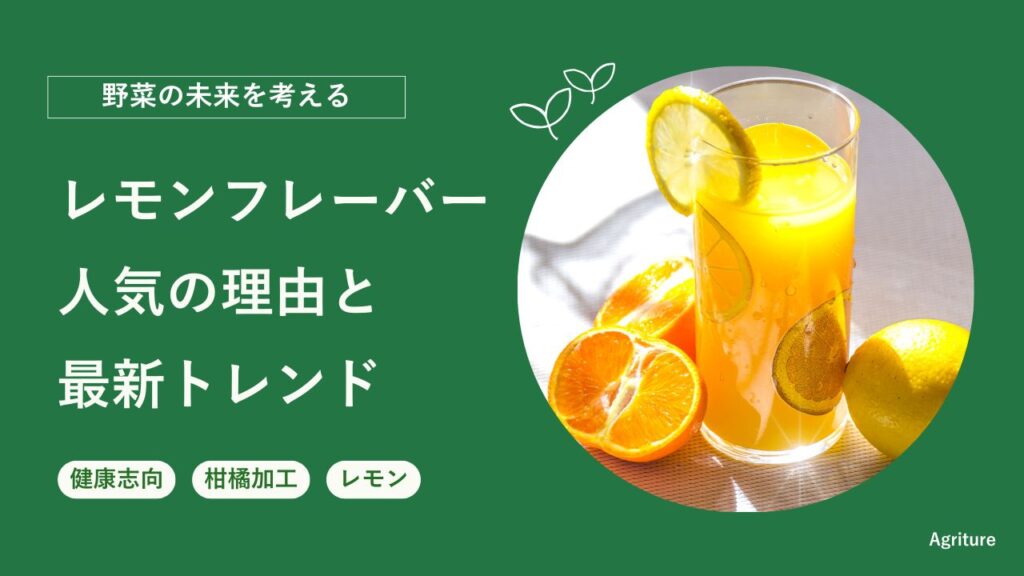
Why the Popularity of Lemon Flavor Persists and How to Use the Latest Trends
From a garnish for fried food to the star of drinks, sweets, and seasonings. Lemon flavor is now the most-watched presence in the food industry. Even after entering the 2020s, the market has continued to expand, staying at the top of citrus flavors ahead of orange and grapefruit. The reason for this popularity... -
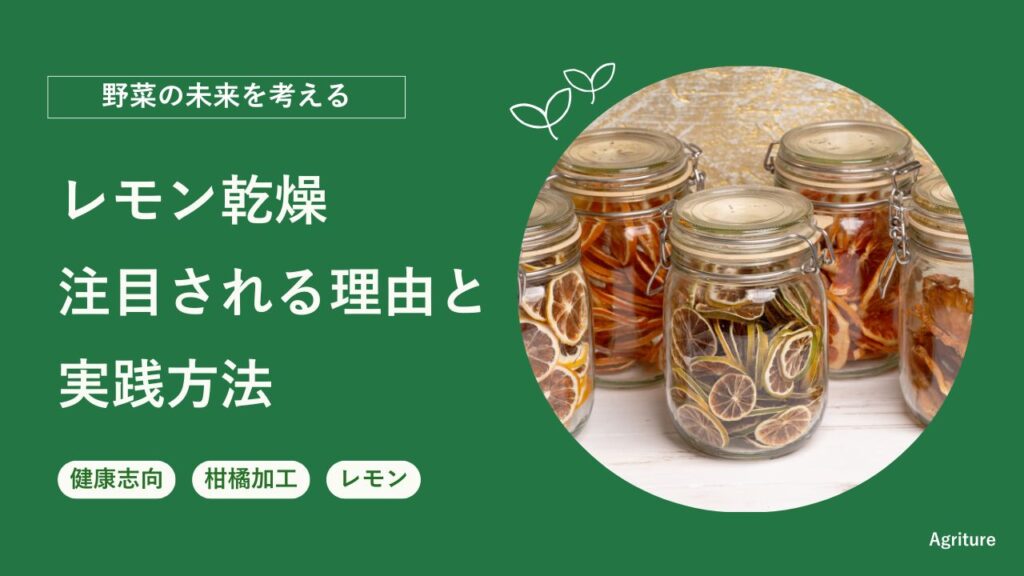
Why Lemon Drying Is Drawing Attention and How to Practice It! A Thorough Look at the Trend
Drying lemons is drawing major attention in the food industry. Alongside rising health consciousness, the market for lemon-based products is trending upward. In particular, fresh lemon faces challenges of temperature control to maintain freshness and a short shelf life, and against this backdrop, "drying" and "pas..." -
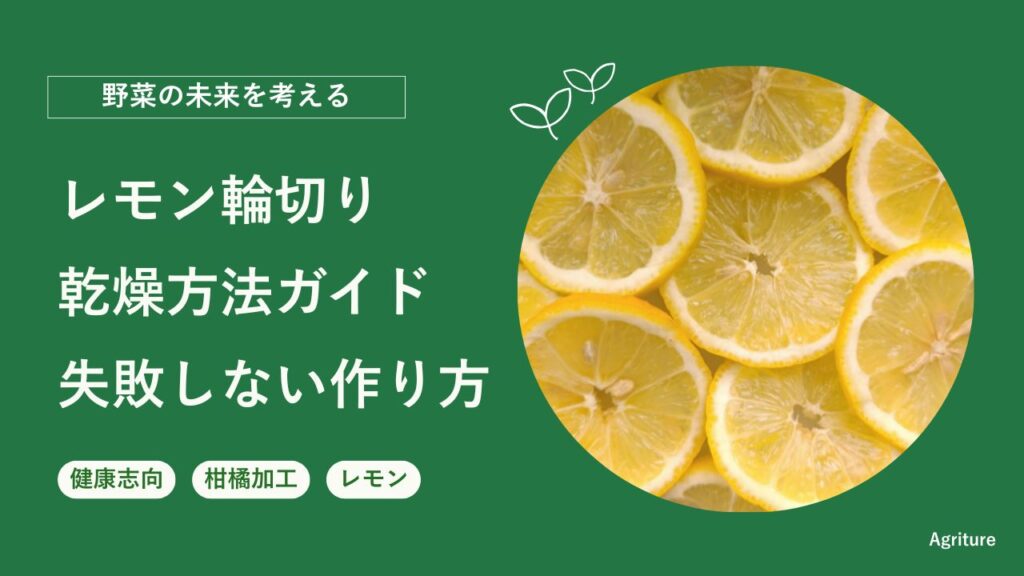
A Complete Guide to Drying Lemon Rounds! A Foolproof Method and Tips
Have you ever wanted to try making dried lemon at home? Store-bought dried fruit makes you worry about additives, and the price is high too. But if you make it yourself, you can get safe, secure dried lemon using pesticide-free lemons. In fact, drying lemon rounds gives you vitami... -

How to Choose Domestic Moringa: Quality Standards and Characteristics by Growing Region Explained
Alongside rising health consciousness, interest in moringa is rapidly spreading. This plant, also called a "nutrient-rich tree," is drawing attention worldwide as a superfood containing over 90 kinds of nutrients, but what points should you watch when choosing domestic moringa... -
The Difference Between Domestic and Imported Lemons: A Thorough Explanation from How to Choose to Uses
When you pick up a lemon at the supermarket, have you ever been unsure? About 90% of the lemons on store shelves are imported. The remaining mere 10%—domestic lemons—come into season mainly from October to March. Hiroshima Prefecture accounts for about 50% of domestic production, with cultivation thriving on the mild climate of the Seto Inland... -
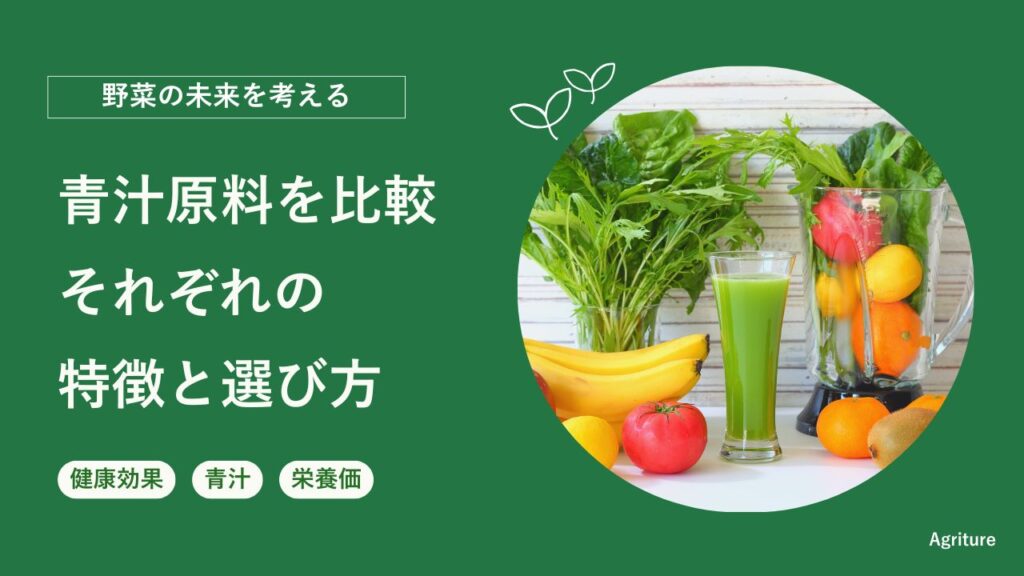
A Thorough Comparison of Green Juice Ingredients: Characteristics and How to Choose Among Kale, Young Barley Grass, and Moringa
When choosing aojiru, do you judge only by words like "good for your health" on the package? In fact, the characteristics of aojiru vary greatly depending on the raw materials used. The main raw materials, kale, barley grass and moringa, each have their own nutritional profile and characteristics, and depending on your purpose... -
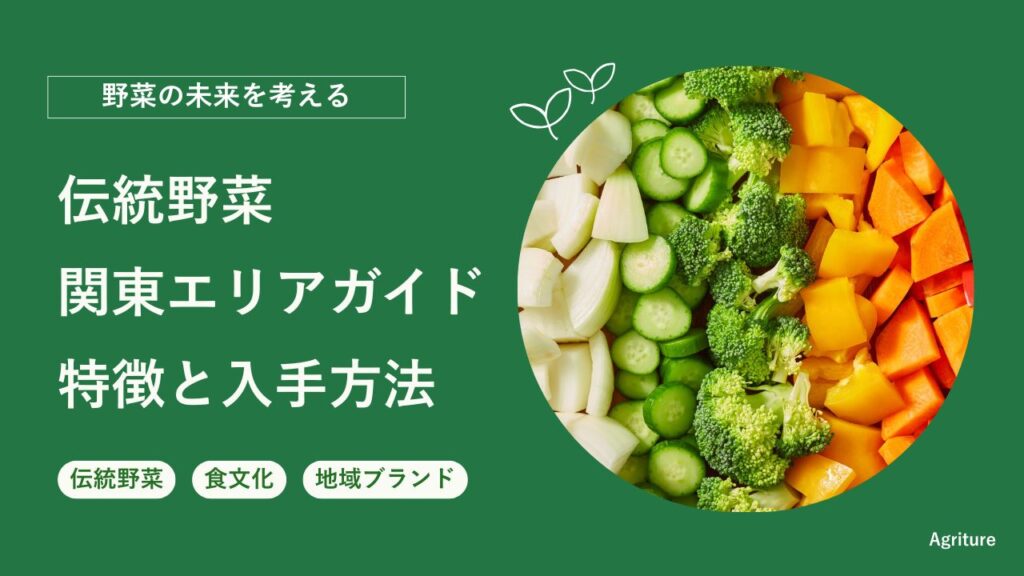
Heirloom vegetables of the Kanto area: complete guide! Features and how to obtain them explained
Have you ever felt that the vegetables lined up in supermarkets all look similar in shape? In fact, in the Kanto region there exist many “heirloom vegetables” handed down over many generations in that land. Miura daikon, norabo-na, Edo Tokyo vegetables, and more—each region’s climate and soil... -
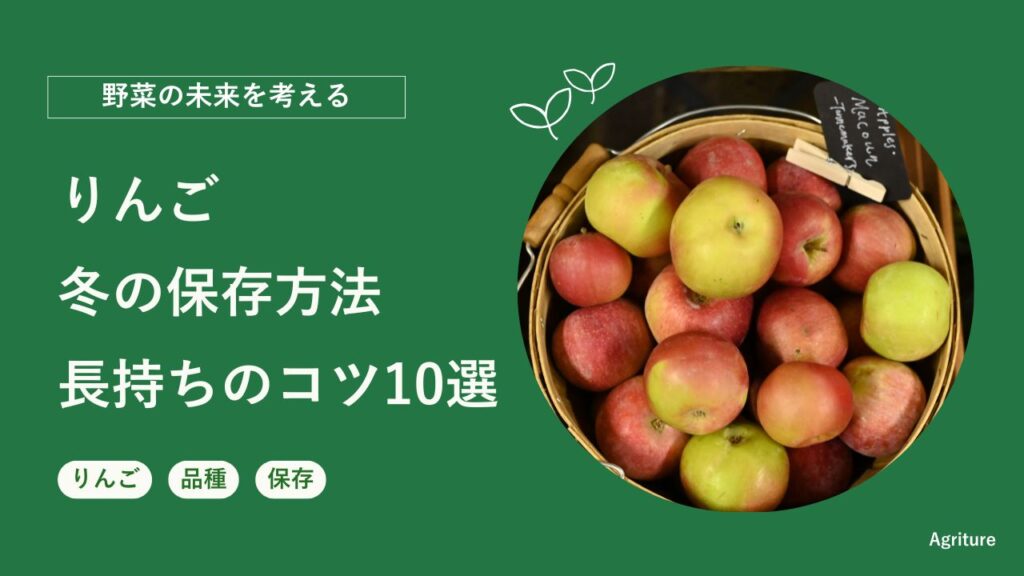
How to Store Apples in Winter: 10 Tips to Make Them Last
When you buy apples, the first thing you wonder is "should I store them at room temperature or refrigerated?" To get to the point, apples last longest in the fridge's vegetable compartment (0–5°C). In the cold air of autumn and winter, they last about a month at room temperature, 1–2 months refrigerated (vegetable compartment), and up to 3 months frozen... -
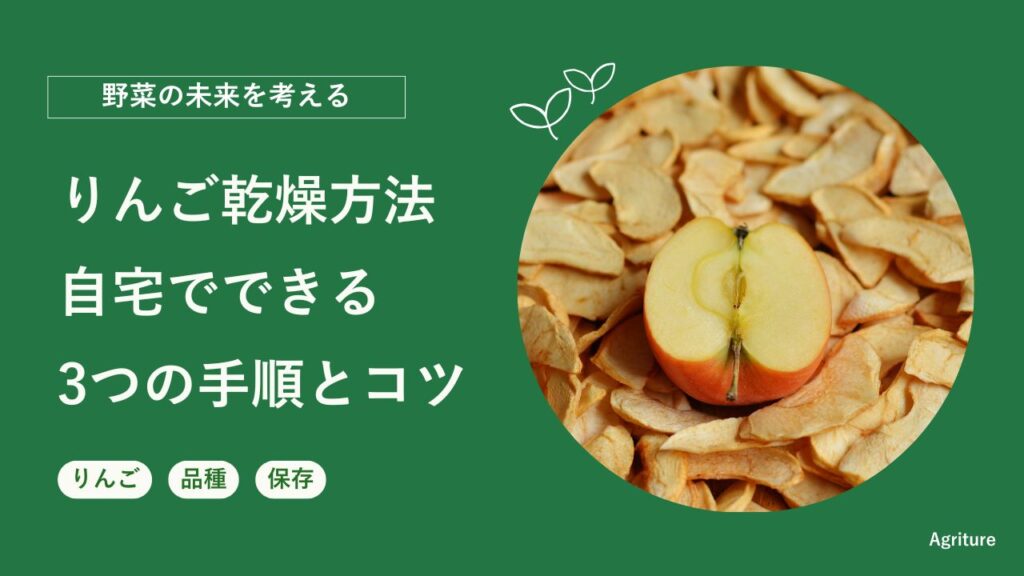
A Thorough Guide to Drying Apples! 3 Steps and Tips You Can Do Easily at Home
Prep Before Drying Determines the Result. Drying apples is 70% decided by the prep before applying heat. Even with the same variety and the same dehydrator, skipping the cut thickness or the small step of preventing discoloration leaves you with a sticky or brown, cloudy result that differs in finish. First, the three prep points... -
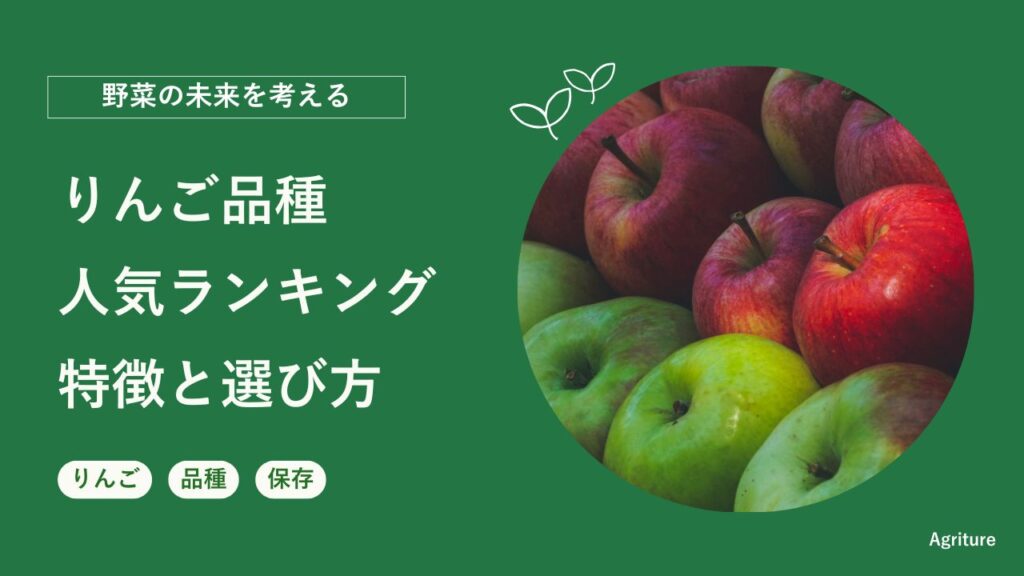
りんご品種ランキングを栽培面積で並べ直すと順位はこう変わる
スーパーの棚に「ふじ」「シナノゴールド」「王林」が並び、値札には品種名だけが書いてある。どれが甘いのか、どれが今いちばんおいしい時期なのかは、名前からは読み取れません。 りんごは、品種の出どころを公的な資料で最後まで追える数少ない果物です... -
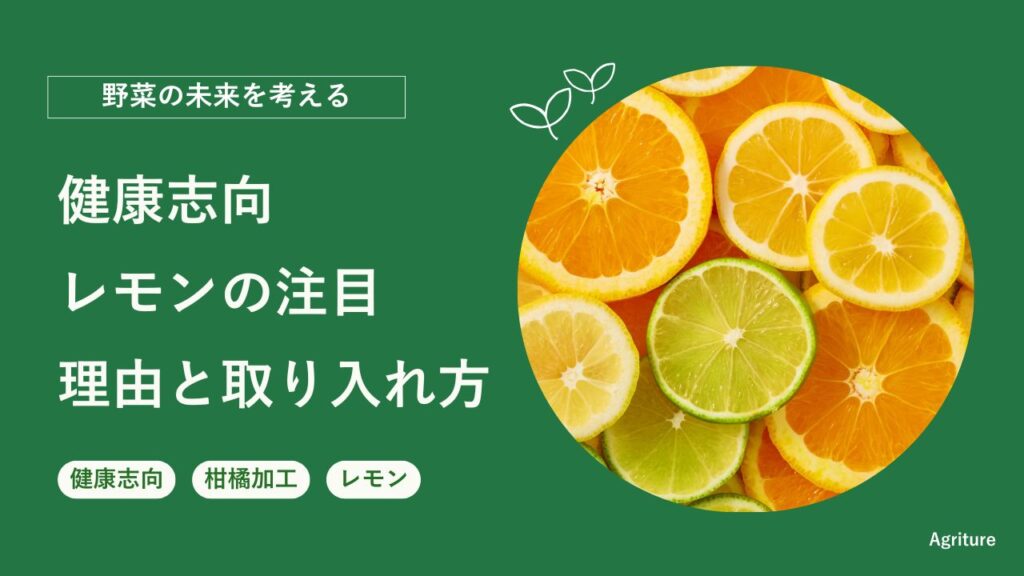
レモンの国産は年1万トンに届かない。皮まで使うなら何を見るか
はじめに、この記事で書けないことを先に書きます。 当社は栄養素の数値を記事に載せない方針をとっています。ビタミンが何ミリグラムといった値や、ほかの食品との倍率比較は書きません。健康上の効果についても、食品メーカーの立場で断定することはしま... -
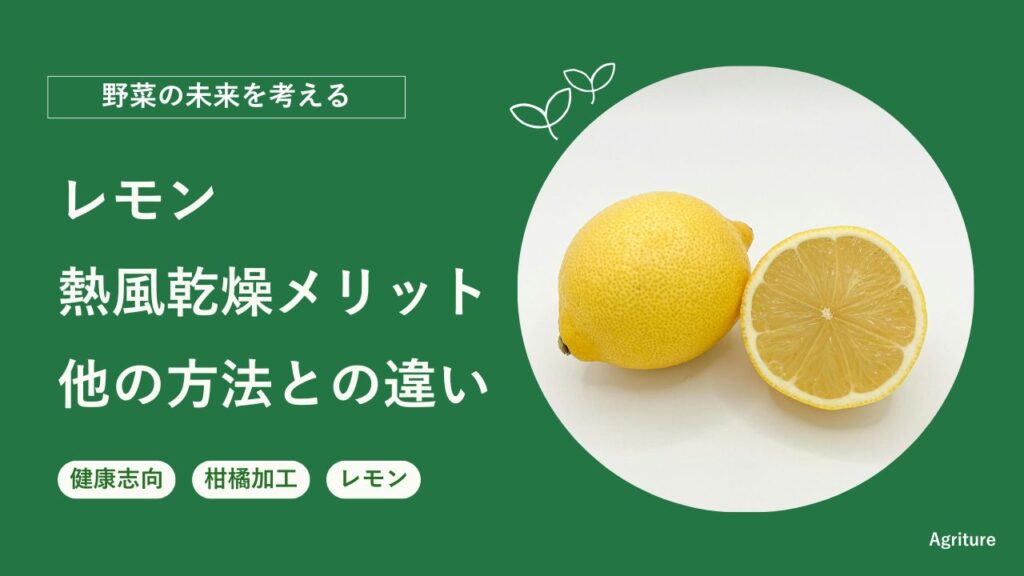
What are the benefits of hot-air drying lemon? Explaining the difference from other drying methods
Lemon is a citrus fruit classified in the genus Citrus of the Rutaceae family. Its vivid yellow, distinctive acidity, and refreshing aroma make it beloved worldwide. Its place of origin is said to be northern India, and it came to Japan in the Meiji era. Now domestic lemon is grown in Hiroshima, Ehime, Wakayama, and other prefectures... -
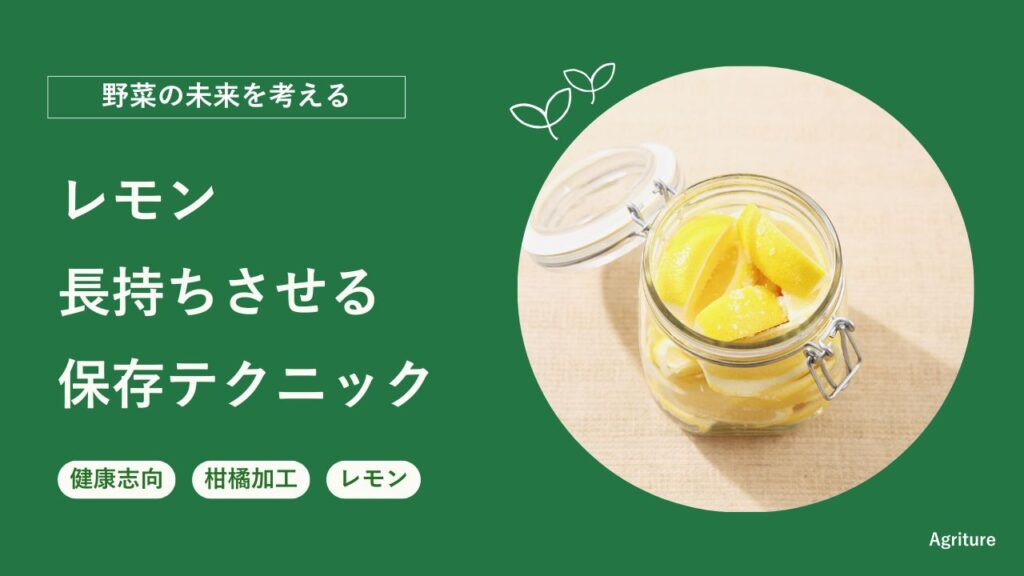
Ways to Improve Lemon's Shelf Life! The Complete Version of Storage Techniques to Make It Last
Hot-air drying of lemons is a processing method that efficiently removes the fruit's moisture using warm air. By placing sliced lemons in a dedicated dryer and circulating constant-temperature hot air, they can be dried uniformly in a short time. At the processing sites for domestically grown lemons including Hiroshima-grown lemons... -
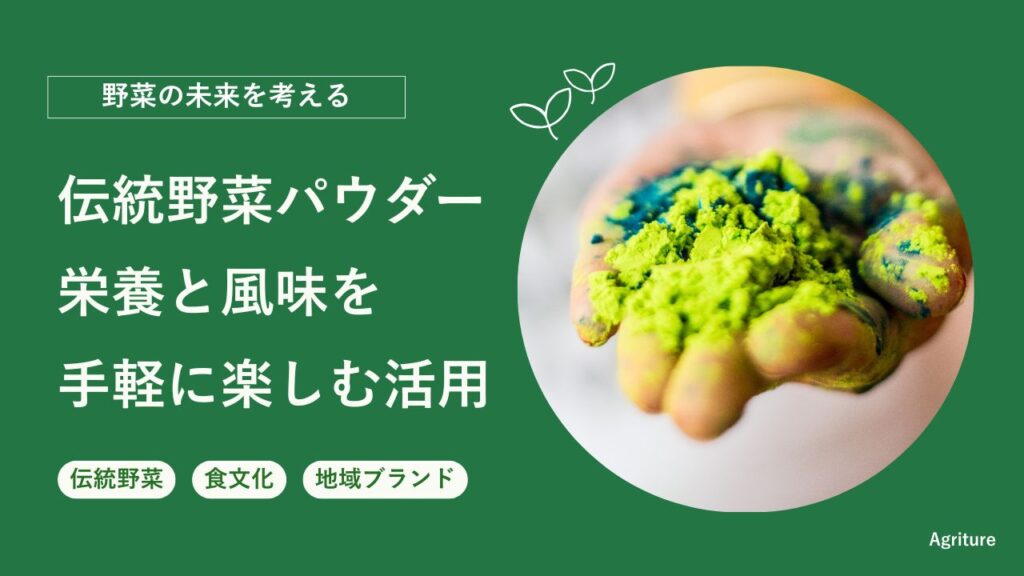
How to use heirloom vegetable powder! Ways to easily enjoy nutrition and flavor
Heirloom vegetable powder is an ingredient made by powdering native varieties long cultivated in various regions, such as Kyoto vegetables and Kaga vegetables. These vegetables are a precious food heritage nurtured over long years while adapting to the region’s climate and soil, differing from the commonly mass-produced vegetables... -
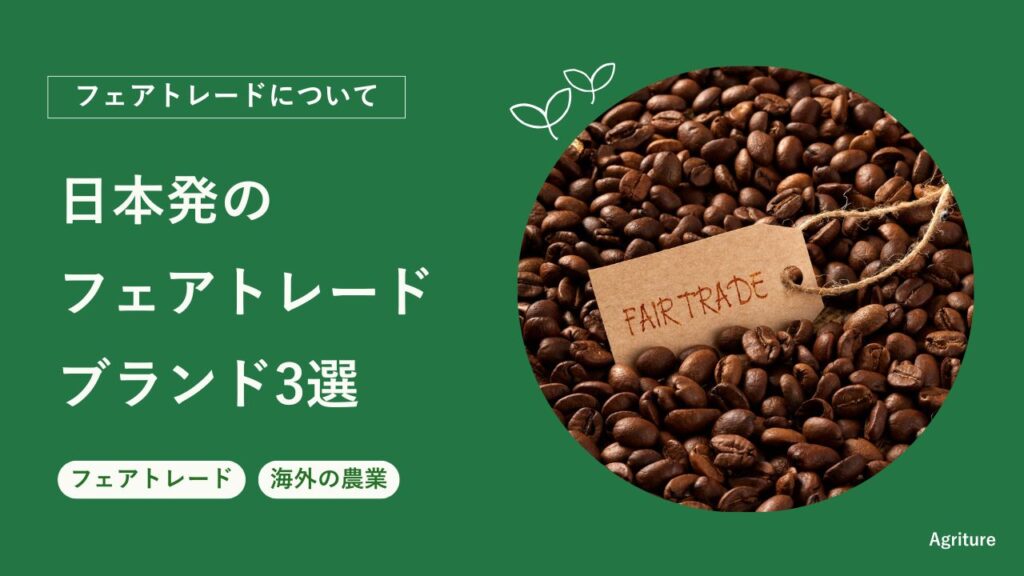
[2025 Latest] 3 Fair Trade Brands and Points for Choosing Them
Have you ever heard the term fair trade? Translated literally it means "fair trade." It is an effort to pay fair compensation to producers in developing countries and support their improved livelihoods and sustainable farming practices. The items covered by fair trade include coffee... -
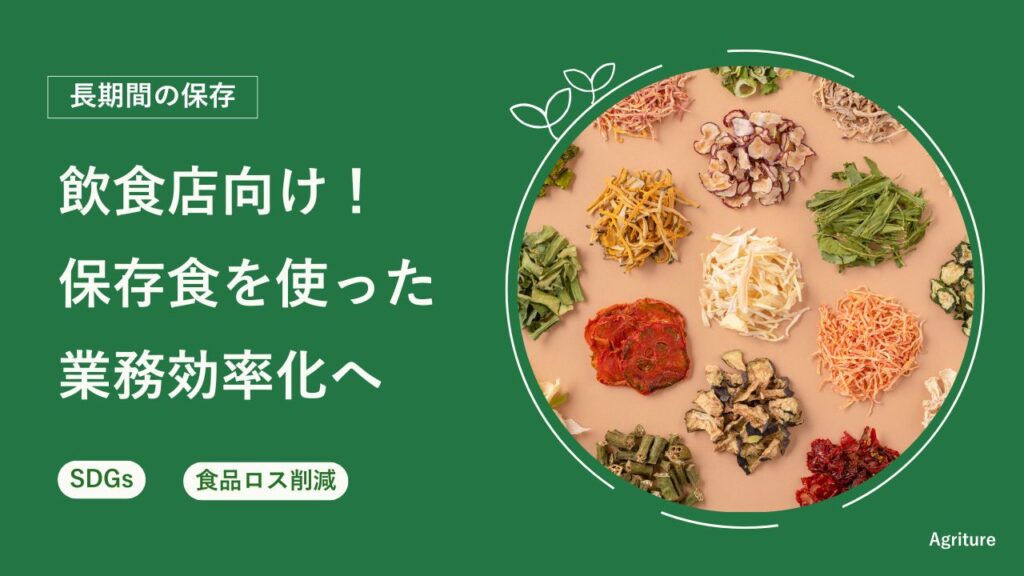
[For Restaurants!] Use Dried Vegetables to Cut Food Waste and Improve Operational Efficiency at Your Store
"Dried vegetables," made by drying vegetables, offer diverse benefits for the food industry and restaurants. They keep well and cut down on prep, which leads to lower operating costs and can also broaden the menu. Because they also help reduce food loss,... -
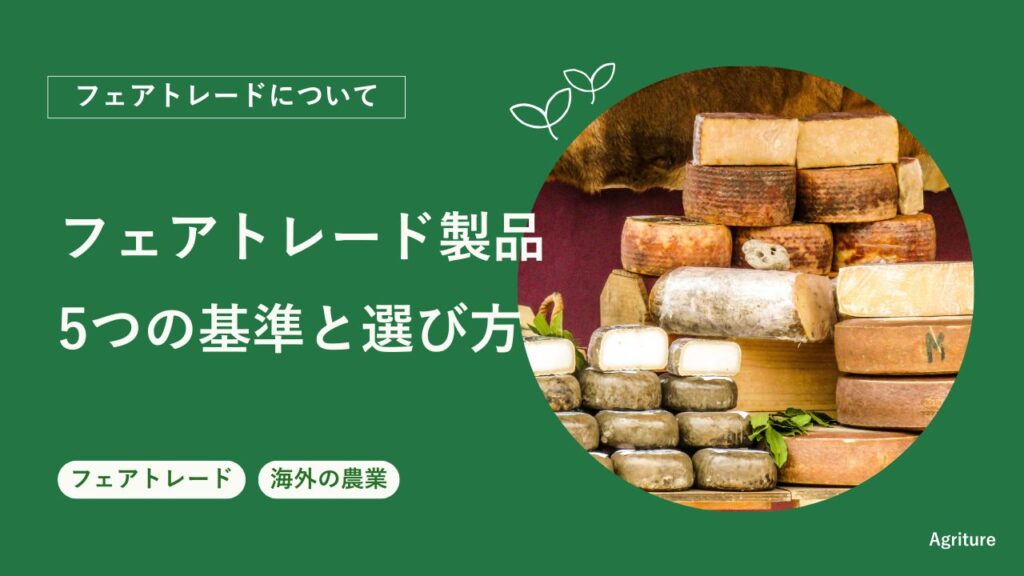
How to Choose Genuine Fair Trade Products: 5 Criteria and How to Tell
We’ve been hearing the term “fair trade” more and more often. You may notice fair trade labels on all kinds of products—coffee, chocolate, clothing, and more. But what exactly is a product that can truly be called “fair trade”...? -

A stockpile strategy balancing BCP × health management | Using dried vegetables
What you'll learn in this article. An approach to food stockpiling that satisfies both BCP and health and productivity management. A rolling-stock strategy using dried vegetables. Tips for running it that ease the workload on the general affairs department. How to account for the cost and its cost-effectiveness. Are you handling BCP measures and health and productivity management separately? "Disaster stockpiling is general affairs' job... -
Types of dried vegetables | 4 drying methods and how to choose
What you'll learn in this article: the four drying methods for dried vegetables and their characteristics, a comparison of nutrition, cost, texture, and use, recommended drying methods by purpose, and points to check when buying. With dried vegetables, the "drying method" makes a big difference in quality. When you look for "dried vegetables" at the supermarket or online, similar-looking ... -
How to Store Dried Vegetables and Their Shelf Life | Tips After Opening, Explained
What you'll learn in this article: a guide to the best-before date of dried vegetables and how it's set, the correct ways to store them unopened and after opening, how to spot signs of deterioration, and points on choosing storage containers and where to store them. How long is the best-before date of dried vegetables? The best-before date of dried vegetables varies by product and drying method, but... -
10 dried-vegetable recipes | from miso soup to side dishes, solving vegetable shortage in a hurry
What you will learn in this article: 10 easy recipes using dried vegetables (5 to 15 minutes); recipes by category, including miso soup, soups, salads, stir-fries and simmered dishes; tips for using dried vegetables and how to avoid mistakes; ideas for working dried vegetables into a week of meals. Why dried vegetable recipes help with a lack of vegetables... -
How to Hold an In-House Tasting Event for Disaster-Stockpile Foods, Step by Step
What you'll learn in this article: why stockpile-food tasting events are effective as disaster drills; the concrete procedure and schedule from planning to execution; tricks for raising participation rates and tips for internal announcements; the mechanism of rolling stock and how to link it with tasting events; the cost-benefit... for persuading executives -
5 ways to solve vegetable shortfall in older adults | Making use of dried vegetables
What you'll learn in this article. Three reasons older adults tend to fall short on vegetables. Cooking techniques that make vegetables easy to eat even with weaker chewing. Simple care-food recipes using dried vegetables. The vegetable intake needed per day and the reality for older adults. How to support the meals of a parent living apart. "Lately, Dad... -
Aojiru vs. vegetable juice vs. dried vegetables, thoroughly compared | Which method truly works for beating vegetable deficiency?
Aojiru vs. vegetable juice vs. dried vegetables: which really helps with a lack of vegetables? You know you should eat more vegetables, but you just can't seem to do it. For people like that, the first thing they try is probably aojiru or vegetable juice. Go to a drugstore and the shelves are full... -
A Vegetable Intake Guide for Expectant Mothers | How to Supplement Folate and Iron with Dried Vegetables
What you'll learn in this article. The vegetable intake needed per day during pregnancy and the nutrients you tend to fall short on. How to choose vegetables that efficiently supply folate and iron. Ways to keep using dried vegetables even through morning sickness. Recommended recipes and eating tips by pregnancy stage. Tips for quick cooking with dried vegetables. "Ever since I found out I was pregnant, meals... -
7 ways for vegetable-averse adults to overcome it without strain
What you'll learn in this article: common causes of adult vegetable dislike and "how taste works"; how to overcome vegetable dislike without strain using dried vegetables and vegetable powder; concrete tactics by disliked vegetable; ways to work it in and recipe examples you can keep up daily; the effect vegetable shortfall has on the body and a guide to improvement. "Children... -
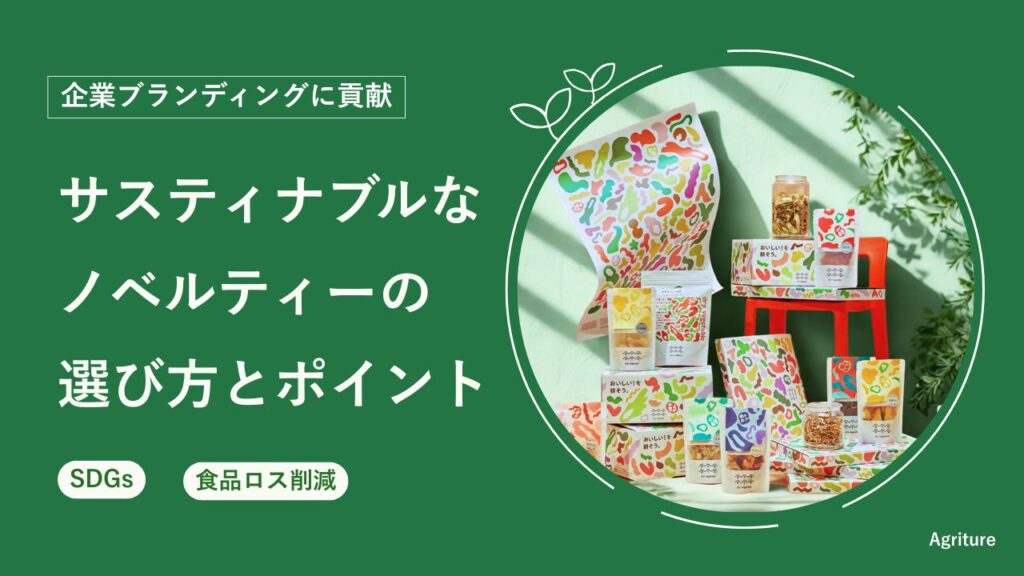
Contributing to corporate branding! How to choose sustainable novelties
As companies work toward realizing a sustainable society, novelty goods too are increasingly required to reduce environmental impact and be sustainable. Among these, dried vegetables are sometimes used as a new kind of novelty that can contribute to the SDGs (Sustainable Development Goals)... -

The potential of new businesses using unused resources, and 5 secrets to success
Soaring resource prices, pressure for environmental consideration, the current toward sustainable management. What companies are now called on to have is a “use-it-all” mindset. Drawing attention is the use of “unused resources” overlooked until now—byproducts of discarded crops, ingredients dormant in regions, and what comes out during processing... -
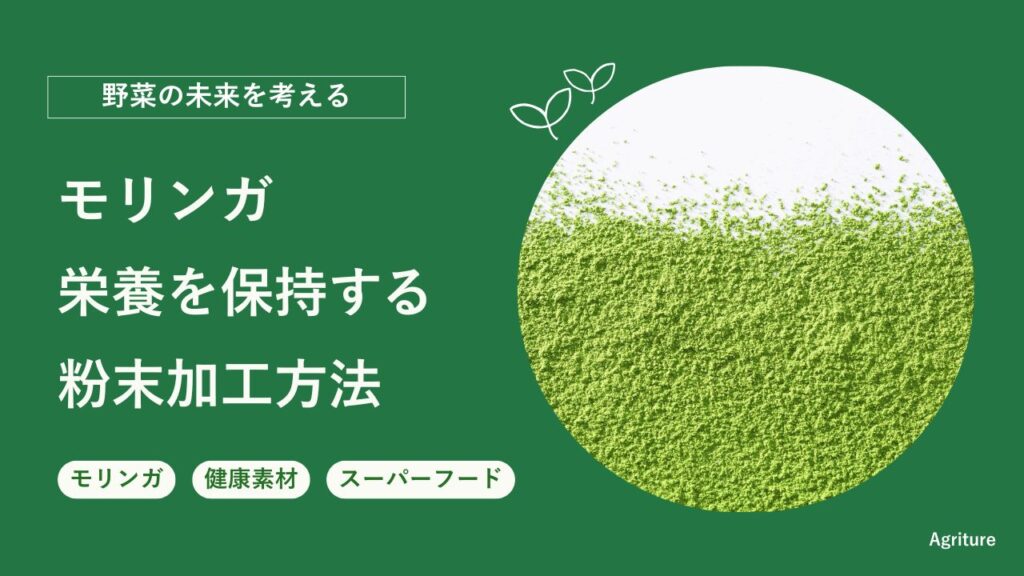
Moringa is called a "nutrient-rich tree" and draws attention as a superfood containing over 90 kinds of nutrients. But to make the most of that rich nutritional value, an appropriate processing method is essential. The powdering process starts from harvest. At a processing facility in Kagoshima Prefecture...
Dried goods are ingredients dried for long-term storage. By removing the moisture, they are characterized by concentrated umami and nutritional components. In Japanese food culture, dried goods have long held an important place. With their excellent shelf stability, the convenience of being usable easily anytime, and their distinctive flavor and texture... -
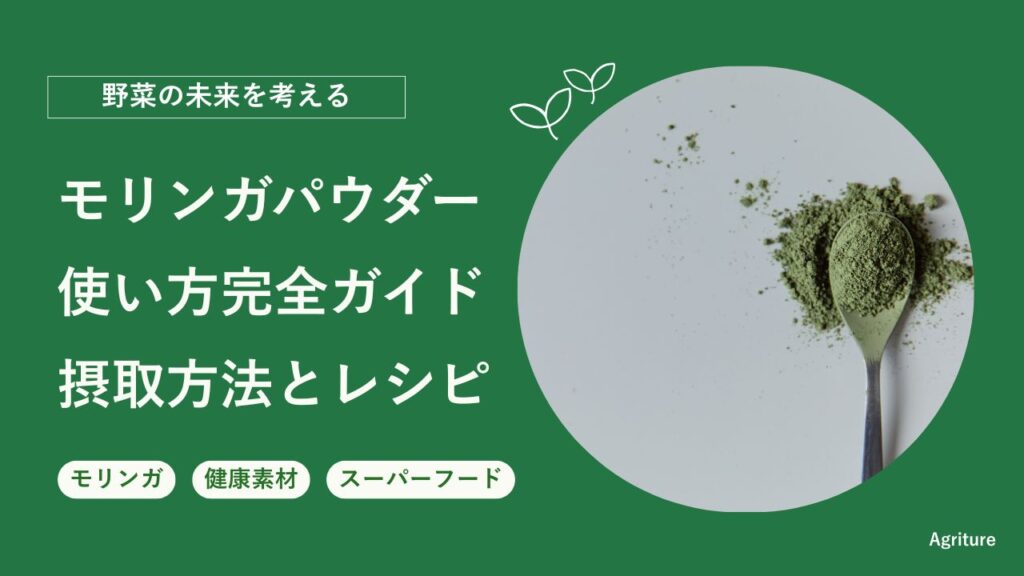
モリンガパウダーはどう使う?飲み方・混ぜ方と保存のコツ
Moringa powder is a health food made by drying and powdering the leaves of moringa, called the "miracle tree." This plant native to India contains over 90 kinds of nutrients, with a good balance of the nutrients our bodies need—vitamin A, vitamin C, calcium, iron, amino acids, and more... -
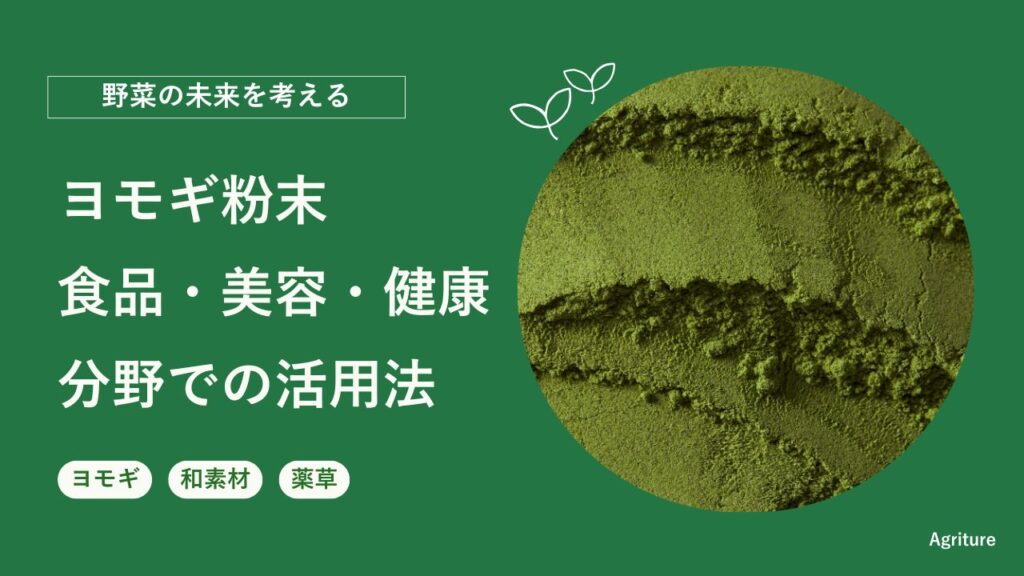
Complete guide to using mugwort powder | Recipes for kusa mochi, bread, and lattes, plus amounts and selection
Mugwort powder (yomogi powder), usable in kusa mochi, mugwort tea, and mugwort bread. Made by drying and powdering the leaves, mugwort powder’s appeal is that it can be mixed directly into dough or drinks without the trouble of rehydrating. Still, many people are unsure “how much to add” and “what uses there are”... -
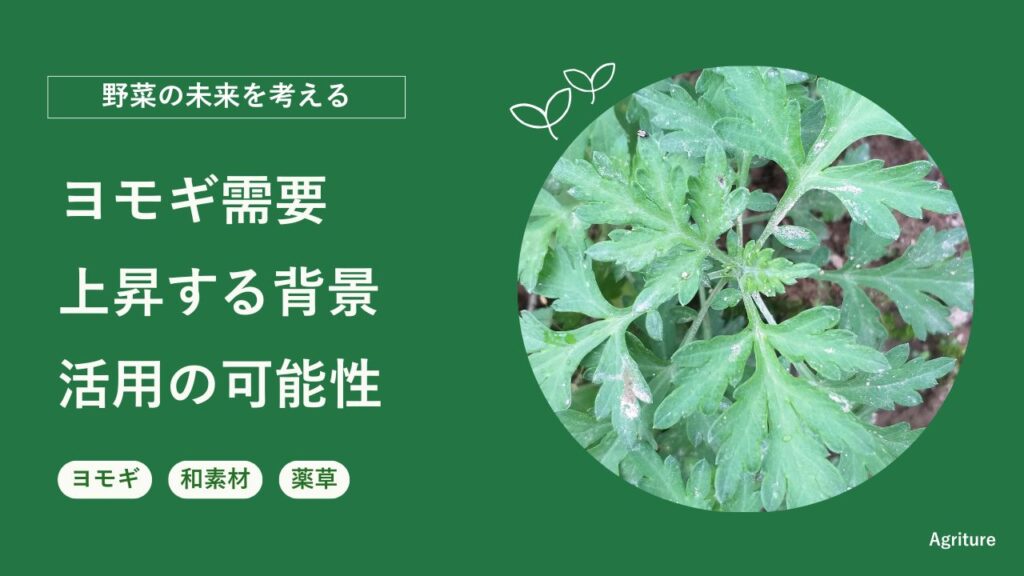
What is behind the rising demand for mugwort? Market trends and the potential for use
Demand for mugwort is rising markedly. Why is this Japanese herb, long beloved in Japan, now drawing so much attention? Behind it lie rising health consciousness, a reappraisal of Japanese herbs, and the discovery of new uses in the beauty and food industries. Especially since 2024... -
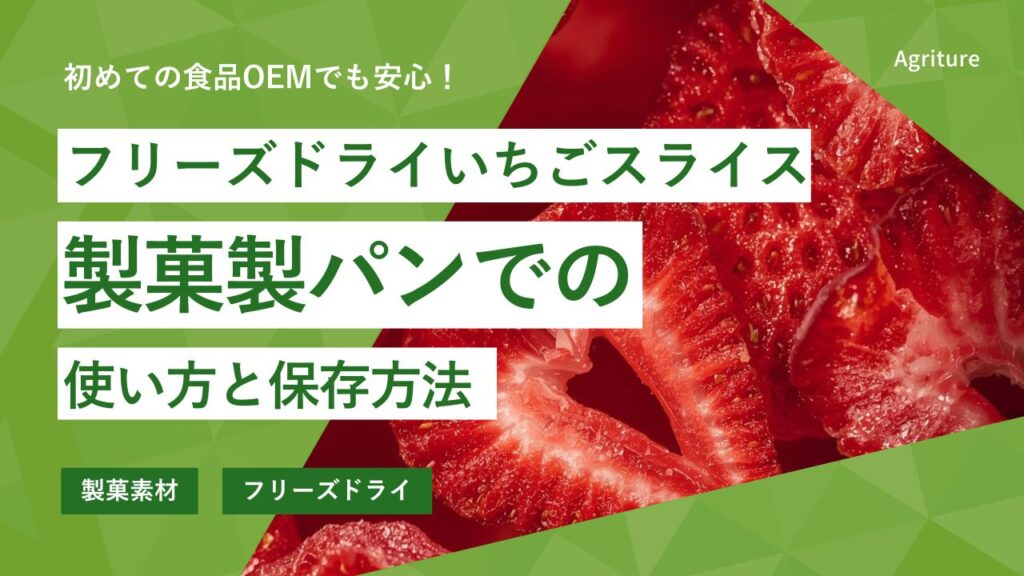
Freeze-Dried Strawberry Slices | Confectionery Uses by Thickness
Freeze-dried strawberry (slice) is an ingredient made by cutting strawberries to a uniform thickness (2–5mm) and then freeze-drying them. Being thin and easy to top with, and with the cross-section pattern vividly retained, it's used for products that "show on the surface"—chocolate, granola, baked goods, latte art, premium cereal, and more... -
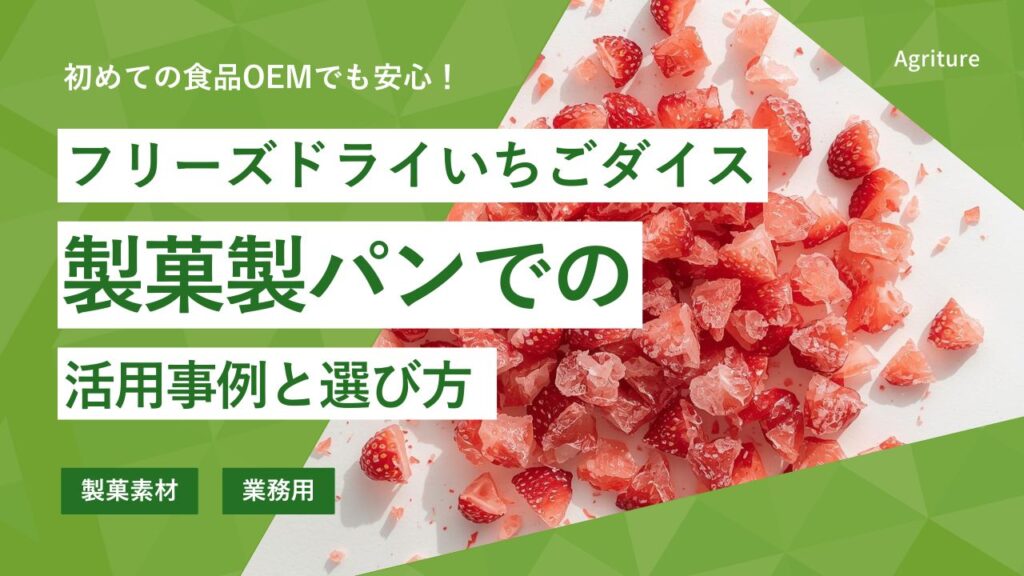
Freeze-Dried Strawberry Dice | Kneading Uses in Confectionery and Baking
Freeze-dried strawberry (dice) is an ingredient made by dicing strawberries into uniform sizes and then freeze-drying them. With uniform pieces easy to knead and mix into dough, it's the "put inside" type for ice cream, cookies, pound cake, granola, cereal bars, and more... -

How to Use Fruit Powder | Substitution Design for Confectionery and Sweets
Fruit powder is an ingredient made by powdering fruits such as strawberry, mango, blueberry, apple, pear, yuzu, and banana. In confectionery, sweets, drinks, and nutritional foods, for formulations where fresh fruit or flesh is hard to use (dough or cream where you don't want to add moisture, products premised on heating or long-term storage... -
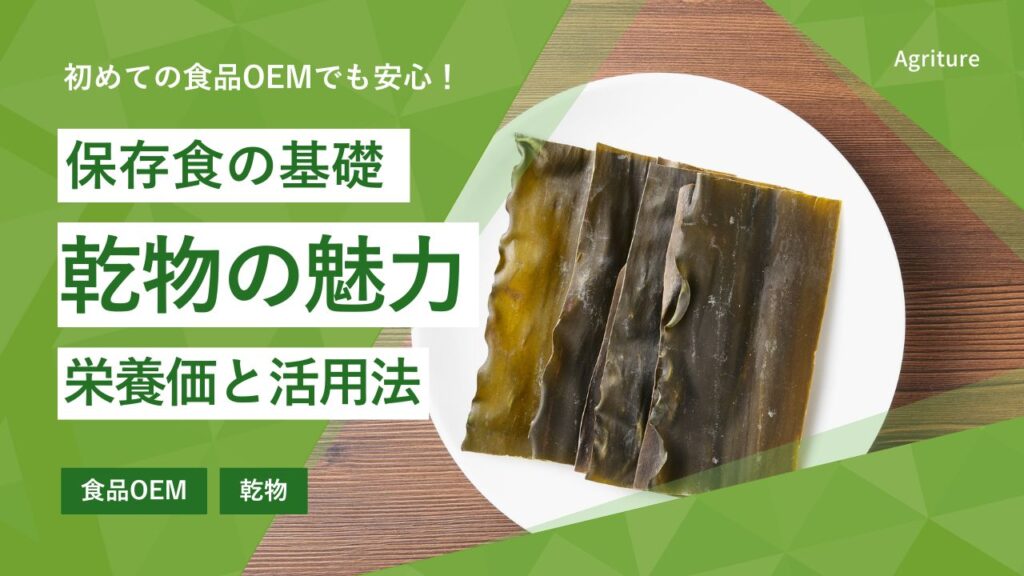
What Are Dried Goods? The Secret of Their Nutritional Value and Uses in the Modern Diet
Agriture partners with farmers around the world, promoting fair trade and sustainable agriculture. Through high-quality agricultural products, we run a fair trade business connecting producers and consumers. -
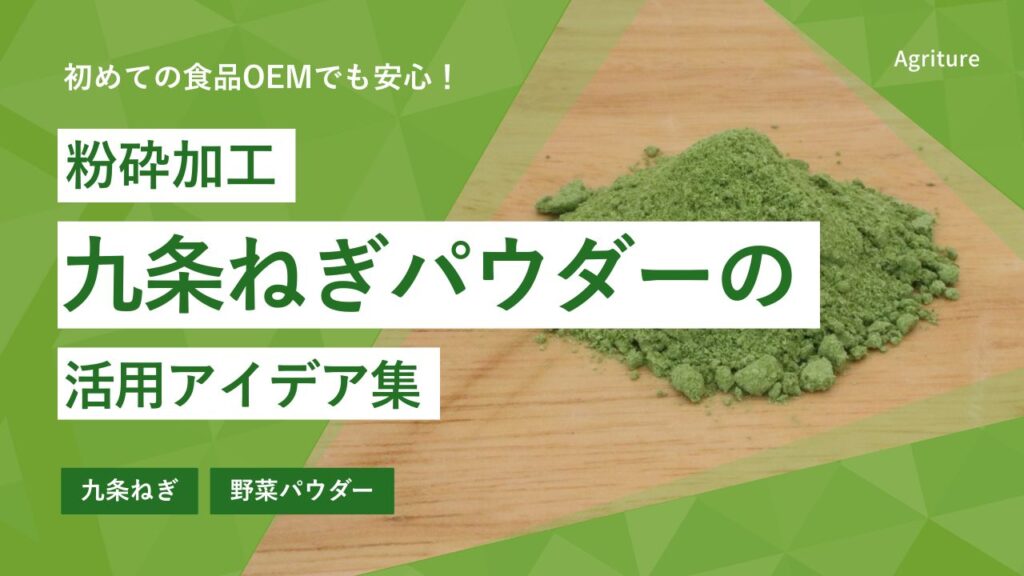
Dried Kujo green onion powder | Usage ideas and how to choose it as a food OEM raw material
Dried Kujo Negi powder is a commercial raw material made by drying and finely powdering the Kyoto heirloom vegetable "Kujo negi." Compared with white negi types, it has a gentler aroma and stronger sweetness, with a vivid green retained all the way to the leaf tips—it is adopted in food OEM for topping instant noodles, furikake, and adding color and aroma to baked-good dough... -
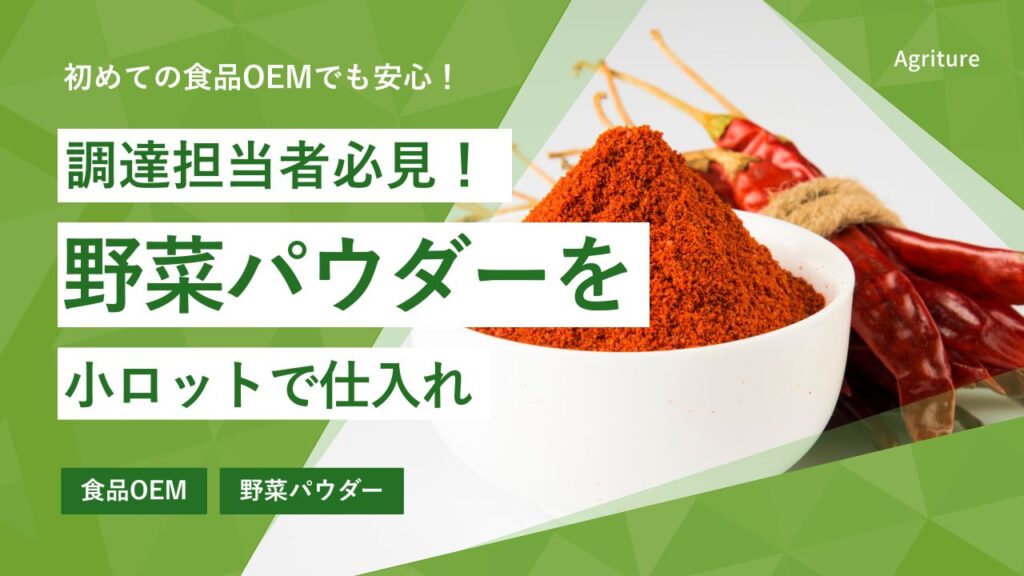
How to source commercial vegetable powder in small lots, and how to use it
Wanting to source commercial vegetable powder in small lots—this is a challenge common to a wide range of businesses: restaurants, food manufacturers, EC operators, confectionery workshops, and more. The unit-price benefit of bulk sourcing is appealing, but considering inventory risk, loss at the prototyping stage, and cash flow, “first, at a scale of about 5–50 kg... -
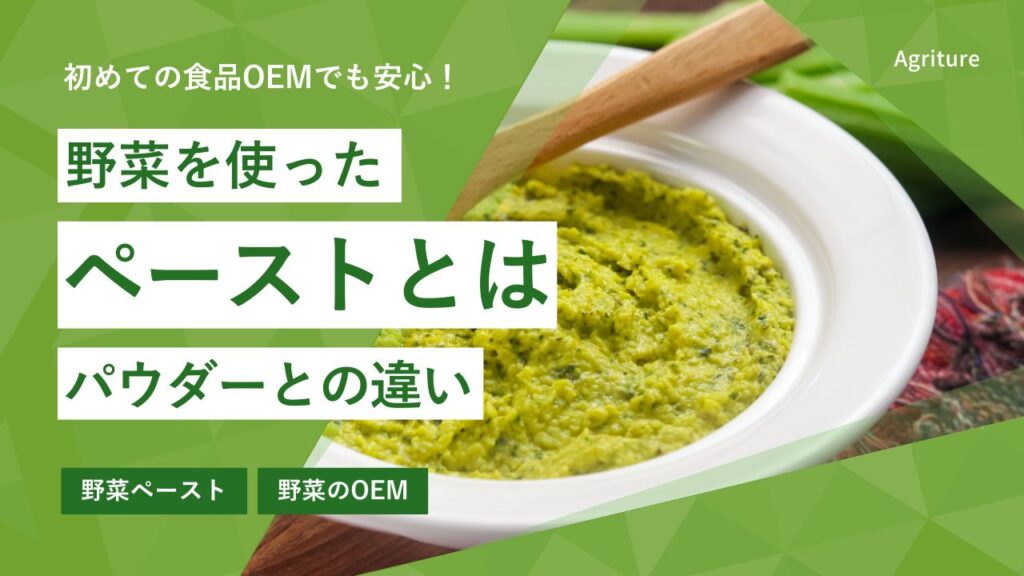
What is vegetable paste? The difference from powder, dried vegetables, purée, and extract
Vegetable paste is a food ingredient made by heating and grinding fresh vegetables into a paste (a smooth, semi-solid form). Its high moisture content gives it a mellow mouthfeel, and it is used in sauces, baby food, sweets, and dressings. On the other hand, vegetable powder, dried vegetables, pi... -

Yasai Yakuzen
Yasai Yakuzen, balancing the body with vegetables. Together with YAKUZEN TOKYO Co., Ltd., we launched the “Yasai Yakuzen” service—a way of eating that balances the body from within using “familiar vegetables” available at supermarkets. Even the vegetables we casually eat, when appropriately chosen and appropriately cooked from a yakuzen perspective... -
Solve Vegetable Shortage Even with Convenience-Store Food! 5 Smart Ways to Supplement
In your busy days, do you find yourself relying on easy convenience-store food? The daily vegetable intake recommended by the Ministry of Health, Labour and Welfare is 350 g. However, the average intake of Japanese stops at about 280 g, and the reality is that many people fail to meet the needed amount. Convenience-store food especially... -
10 Ways to Solve Vegetable Shortage That Even Busy People Can Practice
The vegetable intake of Japanese is in a serious situation. The daily vegetable intake recommended by the Ministry of Health, Labour and Welfare is 350 g, but the actual average intake stops at about 280 g. People in their 20s and 30s especially are about 30 g below average. There are not a few people who cannot get enough vegetables, citing busyness... -
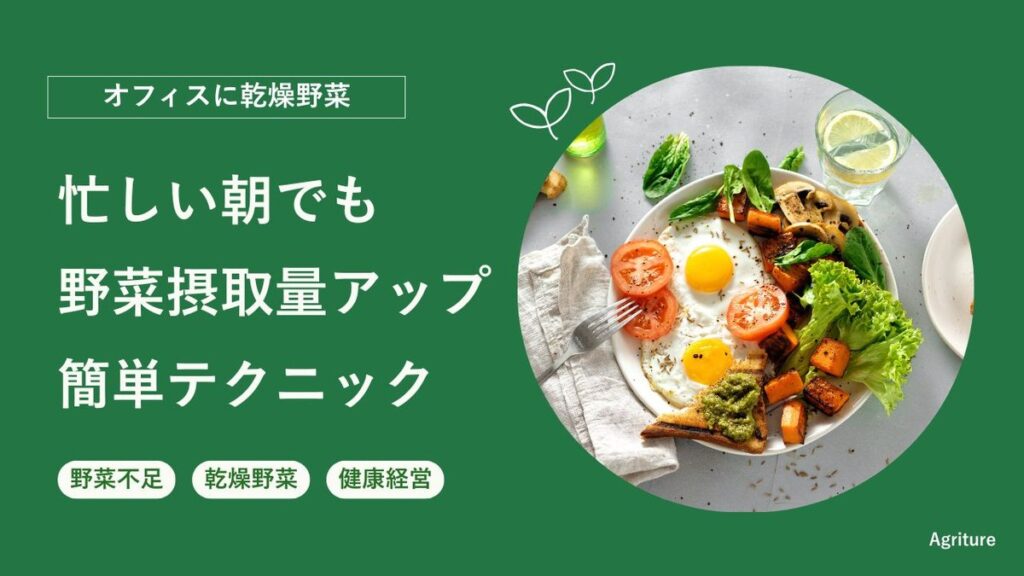
Boost your vegetable intake even on busy mornings! Simple techniques you can do in 5 minutes
The daily vegetable intake recommended by the Ministry of Health, Labour and Welfare is 350 g, but the average intake of Japanese stops at about 280 g. Especially on busy mornings, many people feel they have no room to take in vegetables. Working vegetables into breakfast is effective for increasing the day's vegetable intake...