
A Complete Guide to the Pros and Cons of Dried Goods: Uses Explained Too

Summary of this article
A complete guide to the pros and cons of dried foods. We cover three appeals—long-term storage of one to two years, concentrated umami, and enhanced nutrition—alongside the downsides of changes in texture and appearance and the effort of rehydrating. We explain the time-saving effect whereby 50 g of dried daikon strips equals about 500 g fresh, how to use the soaking liquid from dried shiitake, applications in Japanese, Italian, and ethnic cooking, and practical ways to use dried foods from everyday meals to emergency stockpiles.
Dried foods are foods made by evaporating the moisture from ingredients through methods such as sun-drying. Said to have been used as far back as the Jōmon and Yayoi periods, they are deeply rooted in Japanese food culture.
They were born of the wisdom of preserving ingredients over the long term in an age before refrigerators, amid Japan’s distinctive climate of hot, humid summers and cold, dry winters. People of the past drove off the moisture in ingredients with sunlight or fires, creating preserved foods unaffected by temperature or humidity.
We handle dried food raw materials such as dried vegetables and dried fruit. Working with producers in Japan and abroad, we supply a wide range of industries, including food manufacturers, foodservice, and the gift sector.
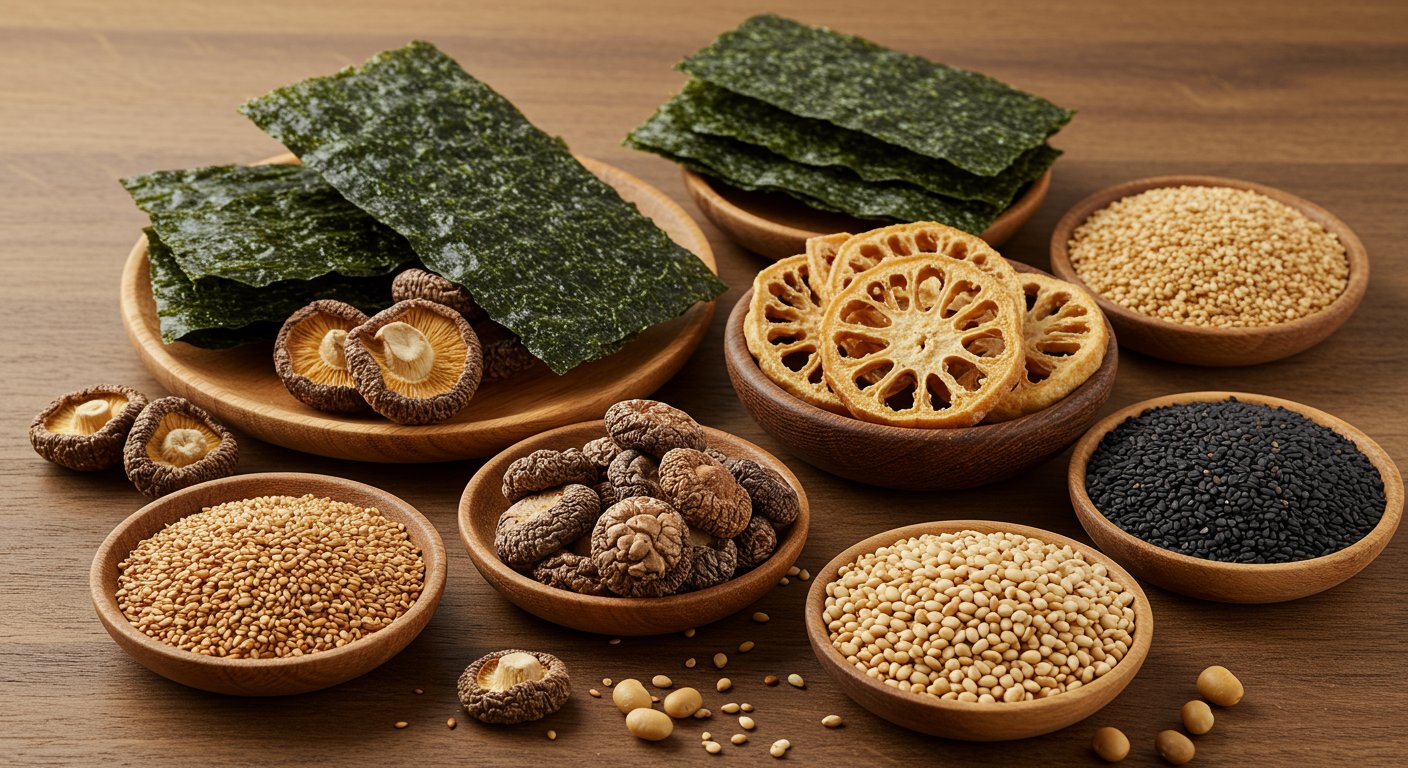
The variety of dried foods is remarkable. Seafood (dried fish, dried shrimp, kombu, hijiki), dried persimmon, dried daikon strips, kōya-dōfu (freeze-dried tofu), kanten (agar), dried fruit, dried noodles (soba, udon, sōmen), fu (wheat gluten), kanpyō (dried gourd strips), and more—some dried food or another always appears on the Japanese table.
Some are eaten after rehydrating in water, while others, like dried persimmon, are eaten in their dried state, so their uses are varied too.
TOC
The Benefits of Dried Foods: A Treasure Trove of Nutrition and Umami, Not Just Shelf Life
The greatest characteristic of dried foods is, of course, their long shelf life. But that’s not all.
When I talk about the appeal of dried foods, what I always want to emphasize are two big benefits: concentrated umami and enhanced nutrition. This is exactly why dried foods are valuable ingredients that go beyond mere preserved food.
Why Dried Vegetables Now? 5 Benefits Beyond Just Convenient and Nutrient-Concentrated
Long-Term Storage: A Best-Before Date of One to Two Years
The best-before date of dried foods varies by ingredient and production method, but many keep for a very long time—one to two years. Even after opening, if you add a desiccant or store them in a humidity-free place, they can be used without issue for several months.
Unlike fresh food, it is a best-before date rather than a use-by date, so they remain reasonably tasty even past the labeled period—another appealing point.
From the food manufacturers we work with, we often hear that “because we can set a longer raw-material procurement cycle, production planning is easier.” At home too, keeping them on hand makes for good preparedness in case of sudden guests or a disaster.
Concentrated Umami: Drying Deepens the Flavor
Evaporating the moisture from ingredients concentrates the umami. This is one of the great appeals of dried foods.
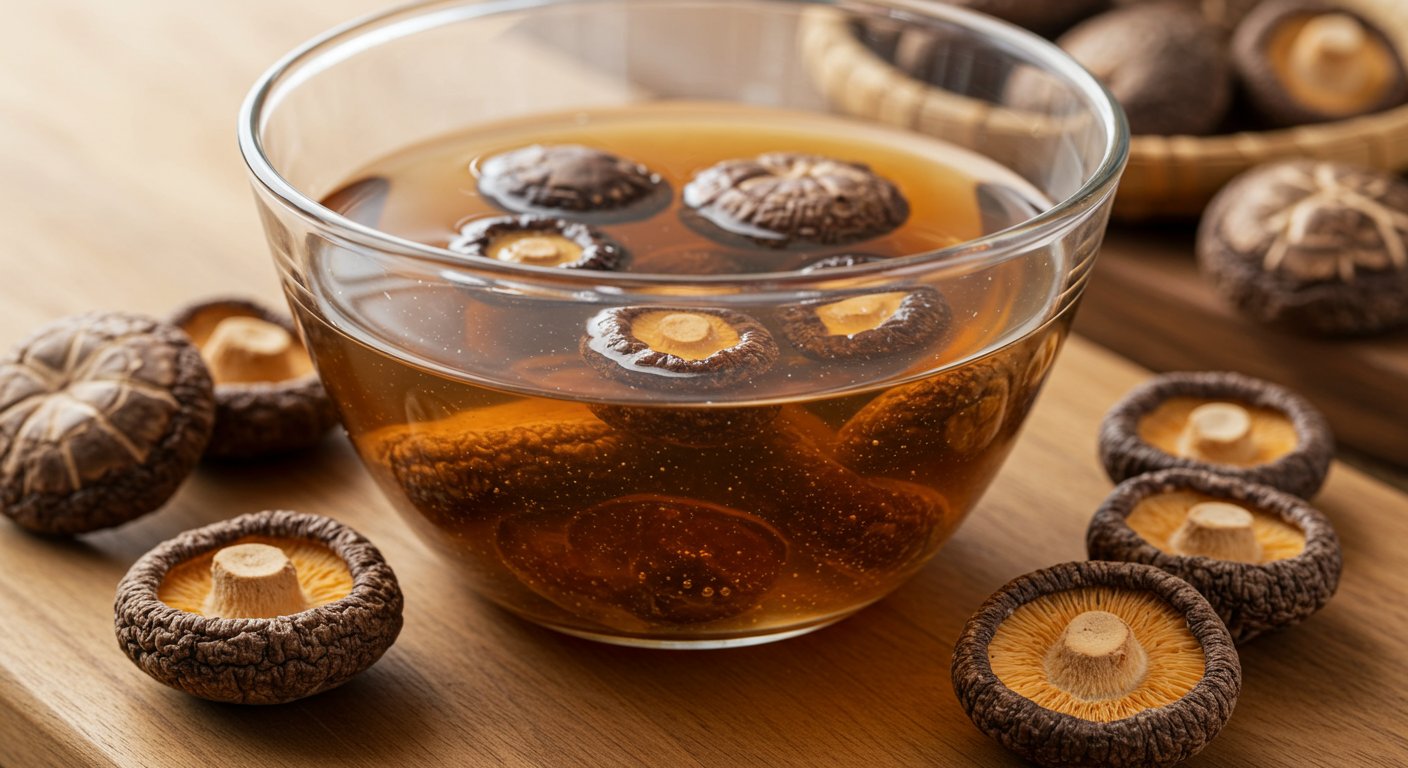
For example, drying a tart Tomato makes it sweeter and easier to eat, while herbs such as basil and parsley gain not only a more concentrated flavor but also a stronger aroma. The rich aroma and flavor of dried shiitake bring a distinctive character to dishes that you can’t get from fresh shiitake.
When I travel or go on outdoor trips, for instance, I often bring dried foods to cook with, and I find them invaluable because even a small amount adds depth to a dish. Dried shiitake in particular often becomes the flavor key to outdoor cooking.
Enhanced Nutrition: Drying Changes the Nutrients
Depending on the ingredient, drying can enhance nutritional value. This is a surprisingly little-known appeal of dried foods. Because dried vegetables lose their moisture, you can take in dietary fiber efficiently relative to the amount eaten.
Some nutrients are also lost depending on the drying method, but others remain, so check whether the nutrients you care about are still present.
The Downsides of Dried Foods: Points to Know
Dried foods have many benefits, but of course they have downsides too. Knowing them before you actually use dried foods will help you make the most of them.
What I feel from working with dried foods myself is that most of these downsides can be resolved through how you use them. If you understand the downsides and use them appropriately, you can draw out the full value of dried foods.
Change in Texture: A Mouthfeel Different from Fresh Ingredients
Because dried foods contain no moisture, their texture differs from fresh ingredients even after rehydrating. Some people find this not to their taste.
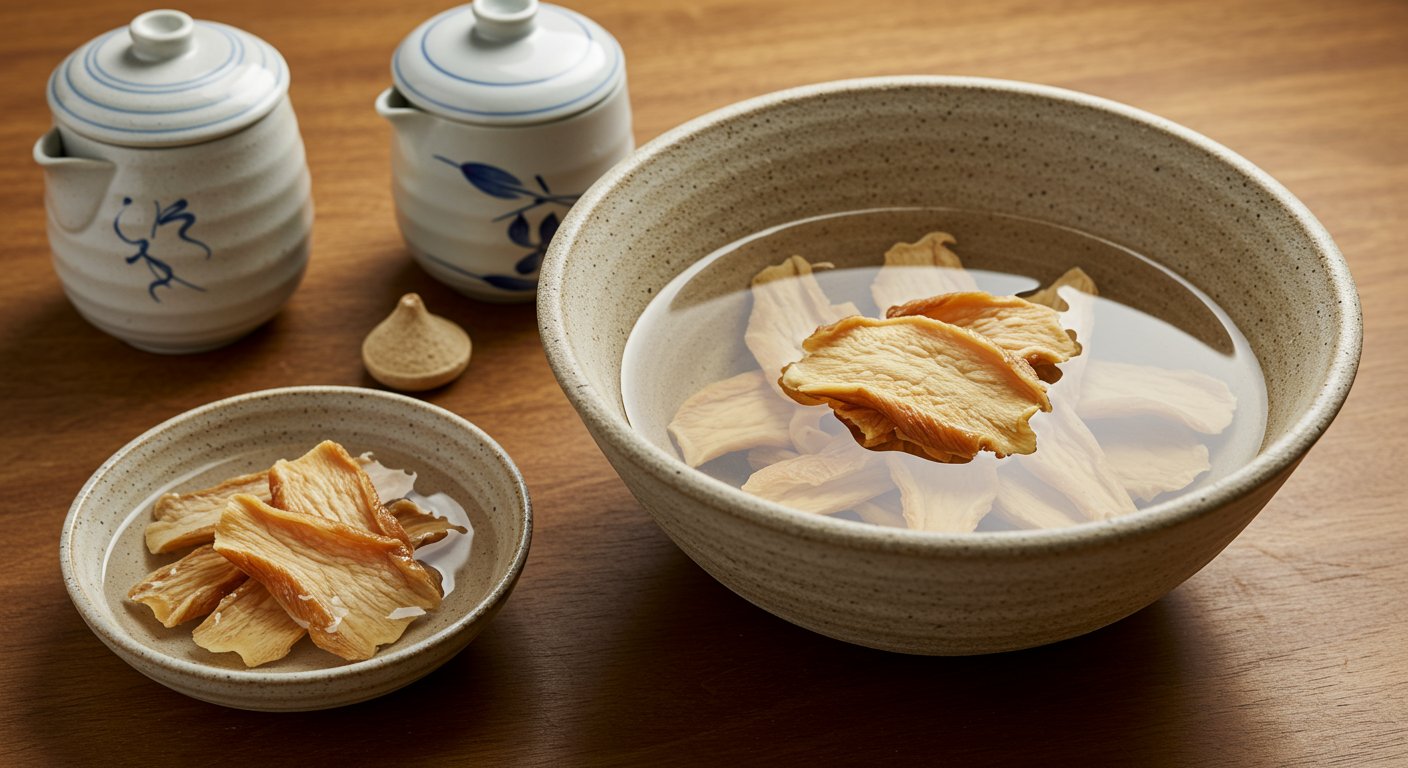
Dried daikon strips, for example, don’t regain the crisp, juicy freshness of raw daikon no matter how thoroughly you rehydrate them. For those who want to enjoy an ingredient’s original texture and mouthfeel, it may feel a little lacking.
But there are also dishes that turn this change in texture to advantage. The distinctive sponge-like texture of kōya-dōfu soaks up dashi well when used in simmered dishes, which is the secret to its deliciousness.
Change in Appearance: Colors Tend to Darken
Dried foods are dried over several days, and as the moisture leaves, the color darkens overall. Dried fish, familiar in Japan, has a duller color than raw fish, doesn’t it?
Because the moisture is lost, many foods inevitably take on a poorer color. There is a trade-off: as umami and nutrition increase, the visual impression worsens.
The restaurants we work with solve this appearance issue when using dried foods by combining them with colorful fresh vegetables or by taking care with plating. It’s worth trying the same kind of ingenuity at home.
The Effort of Rehydrating: Preparation Is Needed Before Cooking
Many dried foods require a step of rehydrating in water before cooking. In today’s busy lives, this soaking time can feel like a hassle.
For example, Dried shiitake take about 30 minutes to an hour to rehydrate. When you’re in a hurry, they may be hard to use.
Still, I’d like you to know that there’s value in the rehydrating step itself. The soaking liquid holds umami compounds that have dissolved into it, so using it in your cooking rather than discarding it creates a deeper flavor. It takes a little effort, but that effort makes the dish richer in return.
FOR BUSINESS
乾燥野菜を業務用でお探しですか
国産の野菜・果物を乾燥し、必要に応じて粉砕してお出ししています。扱っている品目は100種前後で、規格は 乾燥品の一覧・パウダーの一覧 に掲載しています。
少量でのご購入は、姉妹ブランドの通販サイト OYAOYA で承っています。
Smart Ways to Use Dried Foods: From Everyday Use to Emergency Stockpiles
Now that you understand the pros and cons of dried foods, let me introduce some practical uses. With a little ingenuity, dried foods are versatile ingredients useful across a wide range—from the everyday table to the outdoors to emergencies.
I actively use dried foods at home too, even as I work with them professionally. On busy weekday dinners in particular, the dried foods I keep on hand really come through for me.
Broadening Your Cooking: Uses Beyond Japanese Cuisine
Dried foods carry a strong image of Japanese cuisine, but they can actually be used in Italian and ethnic cooking too. The umami of dried foods can serve as a base for any kind of dish.
For example, the soaking liquid from dried shiitake can be used as dashi for risotto, and dried daikon strips can be paired with fish sauce for a Thai-style salad. Hijiki transforms into a Spanish-style dish when sautéed in olive oil and garlic.
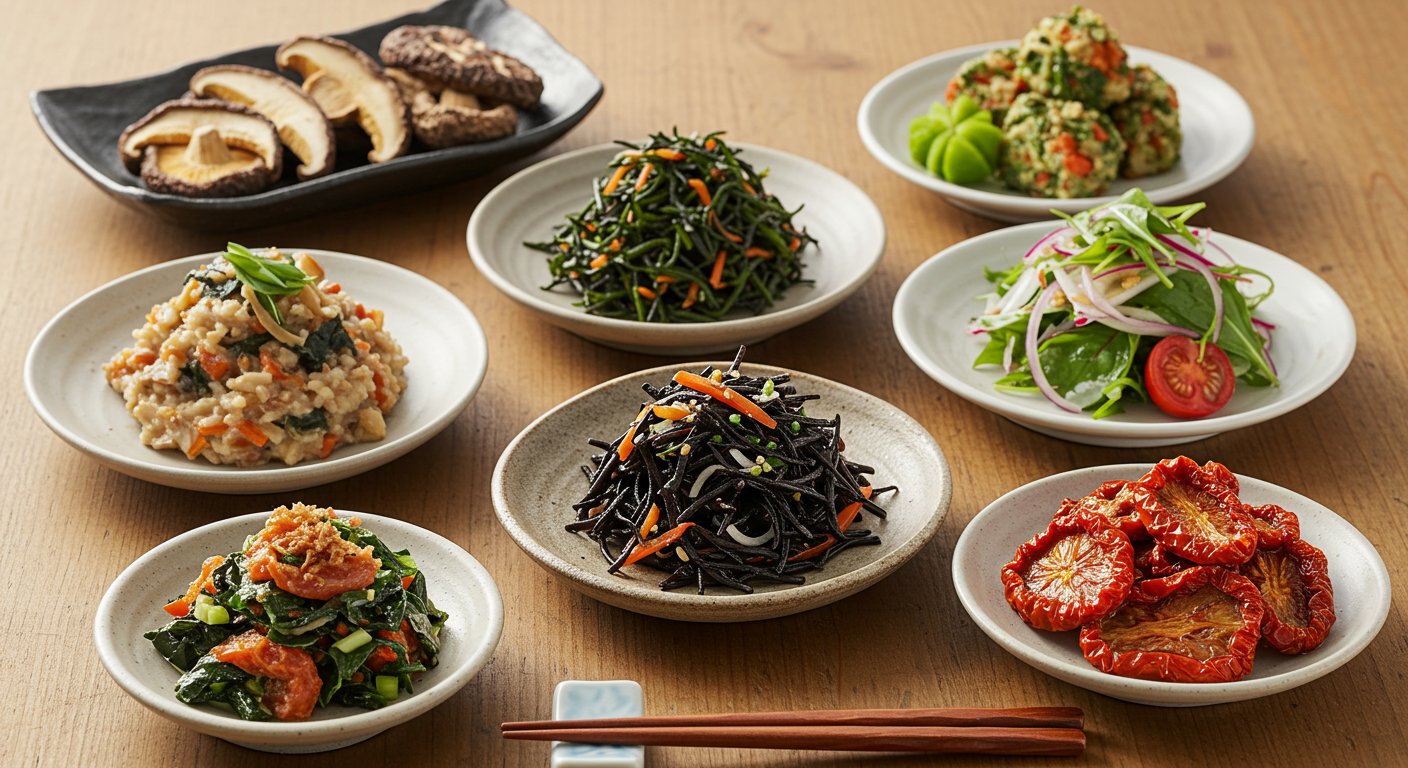
Why not try using the dried foods you normally reach for in dishes you don’t usually make? You might make an unexpected discovery.
See our collection of recipes using dried vegetables here
Uses That Save Time and Money
Because dried foods keep for a long time, they let you shop less often. And since you can use just the amount you need, they cut down on food waste too.
For example, 50 g of dried daikon strips is equivalent to about 500 g of fresh daikon. Rather than buying bulky fresh daikon, keeping shelf-stable dried daikon strips on hand saves space, and it’s convenient to use just the amount you need when you need it.
Dried foods also save time, since you can do other cooking while they rehydrate—use them with good planning and they cut down on prep. When I start making dinner, I first put the dried foods I’ll use in water to soak, and prep other ingredients during that time, cooking efficiently in that flow.
Use as Emergency Food: Handy in a Disaster
Because dried foods are lightweight and keep for a long time, they also work well as emergency food. Many can be prepared with just water, making them ideal disaster preparedness.
Kōya-dōfu and dried vegetables are nutritious and provide energy even in small amounts. Dried shiitake and wakame have strong umami, so simply adding them to plain emergency food boosts the sense of satisfaction.
At our company, we propose the idea of “Rolling stock.” This is a method of always keeping fresh emergency food on hand by using dried foods day to day and restocking what you use. Rather than scrambling to stockpile after a disaster strikes, the ideal is to prepare while eating well as part of daily life.
FOR BUSINESS
乾燥野菜を業務用でお探しですか
国産の野菜・果物を乾燥し、必要に応じて粉砕してお出ししています。扱っている品目は100種前後で、規格は 乾燥品の一覧・パウダーの一覧 に掲載しています。
少量でのご購入は、姉妹ブランドの通販サイト OYAOYA で承っています。
Summary: The Benefits of Bringing Dried Foods into Your Life
Dried foods are a traditional Japanese ingredient, yet they are also excellent ingredients that fit right into modern life. They keep for a long time, offer concentrated umami, and enhance nutrition—big benefits all.
Of course they have downsides too—changes in texture and appearance and the effort of rehydrating—but with a little ingenuity in how you use them, these can be fully overcome. They can be used not only in Japanese cooking but in a wide variety of dishes, they save time and money, and they’re useful as emergency food too—a truly all-purpose ingredient.
Why not bring a little dried food to your table starting today? You’re sure to meet new discoveries and new flavors.
What Are Dried Goods? The Secret of Their Nutritional Value and Uses in the Modern Diet
Learning the secrets to success and market strategy from overseas-expansion cases of dried goods

If you are considering product development with off-spec or your own farm's vegetables:From planning to processing, materials, package printing and novelties, you can consult us through a single point of contact. → Learn more about one-stop product development
- How to Make Dried Vegetables | Tips for Easy Home-Dried Vegetables and Recipe Uses
- Learning the secrets to success and market strategy from overseas-expansion cases of dried goods
Author of this article
Related articles
-
 柚子の皮の使い道は干すと広がる、果汁と種まで使い切る手順
 -
 Adding Vegetables to Your Morning with Dried Vegetables: A Guide to Getting Dietary Fiber Easily
 -
 Predicting the Dried Vegetable Market in 2030! An Explanation of Growth Fields and the Latest Trends
 -
 How to Use OEM Matching Sites: Efficiently Finding the Optimal Manufacturing Partner
 -
 How to proceed with hometown-tax product development | OEM techniques that make the most of local ingredients
 -
 How to source commercial vegetable powder in small lots, and how to use it
 -
 What is vegetable paste? The difference from powder, dried vegetables, purée, and extract
 -
 How to Use Fruit Powder | Substitution Design for Confectionery and Sweets