
How to make an herbal tea blend | Formulation design balanced with bitterness, tartness, and umami

Summary of this article
Blending herbal tea is a way of combining several herbs and tea leaves to pack flavors, aromas, and functions into a single cup that no single ingredient can deliver on its own. This article is a complete guide covering the golden ratio for herbal tea blends (60% lead, 25% adjustment, 15% aroma), four recipes by purpose (fatigue recovery, relaxation, beautiful skin, metabolism), techniques for blending Japanese tea with herbal tea, the six steps of OEM manufacturing, and brewing, storage, and usage precautions—useful for those who enjoy tea at home as well as those considering an OEM order as a brand.
Blending herbal tea is a way of combining several herbs and tea leaves to pack flavors, aromas, and functions into a single cup that no single ingredient can deliver alone. Herbal tea blends made at home gather single ingredients at Kaldi or Muji and carry them in your own bottle and the ways to enjoy it expand further. For those just starting to study herbs, we recommend easing in with a simple list and getting used to it.
In this article, we cover herbal tea blends’ basic principles (lead, adjustment, harmonizer), recipes by purpose, combinations with Japanese tea, key points of OEM manufacturing, and practical advice.
What you'll learn in this article
- The golden ratio for herbal tea blends (60% lead / 25% adjustment / 15% aroma)
- Four recipes by purpose (fatigue recovery, relaxation, beautiful skin, metabolism)
- Techniques for East-meets-West blends of Japanese tea and herbal tea
- The six steps of herbal tea OEM manufacturing and points to confirm when ordering

We have materials available to help you understand dried processing OEM
Agriture OEM, flexibly handling everything from small lots to large lots
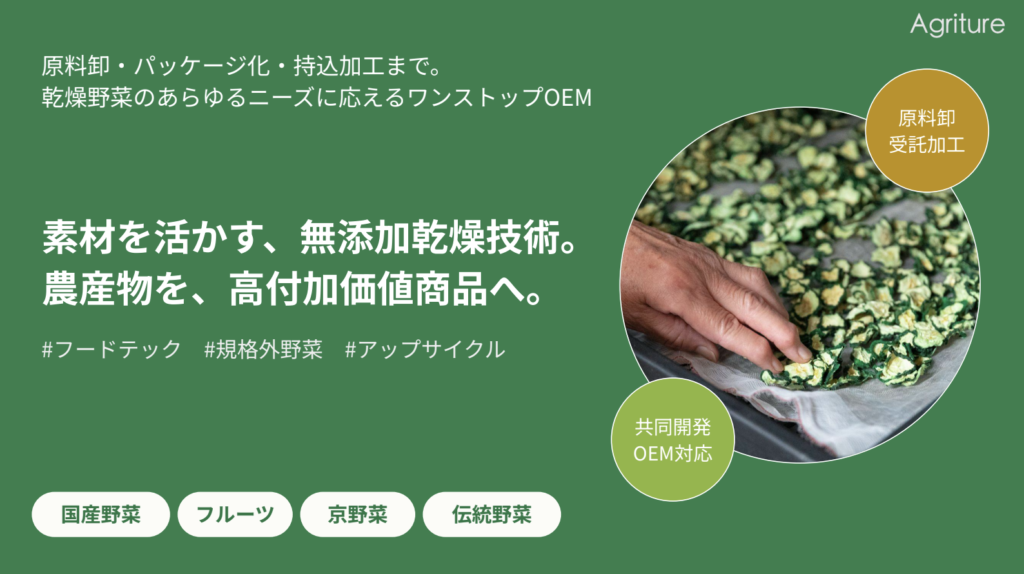
- OEM available from small lots of 10 kg
- Drying of brought-in raw materials also possible
- Support from processing to filling in one place
TOC
Basic principles of herbal tea blending
The basics of a successful blend are decide the lead, balance the bitterness and acidity, then round it out with umami and sweetness—these three steps. A good rule of thumb for the golden ratio is "60% lead / 25% adjustment / 15% aroma and harmonizer."
| Step | Details |
|---|---|
| Decide the lead herb | Narrow the flavor axis to one or two types. For acidity, hibiscus; for a toasty note, black soybean or dandelion root, for example |
| Balancing bitterness and acidity | Don't use bitter herbs (feverfew, skullcap, gymnema) and acidic ones in equal amounts. Make one the lead and keep the other restrained |
| Round out the whole with umami and sweetness | Umami from rosehip and German chamomile. For sweetness, elderflower, fennel, licorice, stevia |
Decide the lead herb
The first step to a successful blend is deciding the herb that leads the flavor. By building around a herb whose flavor or aroma you like, the overall direction takes shape. Those who like acidity Hibiscus, while those seeking a toasty flavor should lead with dandelion root, black soybean, or Job's tears. Once the lead is set, adding other herbs a little at a time creates a cohesive flavor.
Balancing bitterness and acidity
Herbs include strongly bitter ones and strongly acidic ones. These two have strong personalities, and blending them in equal amounts scatters the flavor's direction. The trick is to build around one of them and keep the other restrained. Also, if you focus only on medicinal components and combine only strongly bitter herbs, it becomes hard to keep drinking. When using strongly bitter herbs such as feverfew, skullcap, or gymnema, keep the amount low.
Rounding out the whole with umami and sweetness
If the flavor feels unbalanced, try adding an umami-rich herb. Rosehip and German chamomile and other umami-rich herbs bring cohesion to the whole flavor for a mellow, easy-to-drink finish. When you want sweetness, we recommend blending in elderflower, orange, German chamomile, fennel, licorice, or stevia.
FOR BUSINESS
乾燥野菜を業務用でお探しですか
国産の野菜・果物を乾燥し、必要に応じて粉砕してお出ししています。扱っている品目は100種前後で、規格は 乾燥品の一覧・パウダーの一覧 に掲載しています。
少量でのご購入は、姉妹ブランドの通販サイト OYAOYA で承っています。
Herbal tea blend recipes by purpose
We've laid out four representative blends by purpose in a table with proportions and key points. When trying them at home, we recommend gathering single herbs at Kaldi or Muji and starting with a small amount (5–10g total).
| Purpose | Lead | Adjustment / harmonizer | When to drink |
|---|---|---|---|
| Fatigue recovery | Hibiscus | Rosehip + lemongrass | Afternoon / during work |
| Relaxation | Chamomile 10g | Elderflower 5g + lemongrass 5g | 1 hour before bed |
| Beautiful skin | Rosehip | Hibiscus + chamomile | Morning / daytime |
| Metabolism boost | Ginger, cinnamon | Cardamom + green tea/black tea | Winter / morning |
Fatigue recovery blend
A blend we recommend when you feel physical or eye strain. Combine rosehip and lemongrass over a hibiscus base are combined. The refreshing aroma of lemongrass may help lift your mood.
Relaxation blend
A blend to try when irritation or low spirits linger. Chamomile 10g, elderflower 5g, lemongrass 5g is an effective combination. Preparing several kinds—chamomile has an apple-like sweet aroma with excellent calming, sedative action. Adding elderflower's gentle flavor and lemongrass's freshness makes a cup that relaxes both mind and body. About an hour before bed you can also expect a restful-sleep effect.
Beautiful-skin blend
A blend for when you want to improve rough skin or constipation. Combine hibiscus and chamomile with rosehip as the lead. Rosehip is so rich in vitamin C that it's called a "vitamin C bomb," a strong ally for anti-aging. Adding hibiscus's antioxidant action and chamomile's digestive support leads to beautiful skin from the inside out.
Metabolism-boost blend
The ideal blend when cold hands and feet bother you. Blend spicy herbs such as ginger, cinnamon, and cardamom with green tea or black tea. Warming spices promote circulation and boost metabolism. It's especially recommended for those who spend a lot of time in winter or in air-conditioned rooms.
Techniques for blending Japanese tea with herbal tea
Keys to the East-meets-West approach
Designing around the delicate umami, astringency, and toasty notes of Japanese tea, and supplementing aroma and sweetness with herbs, makes it hard to go wrong.
| Base tea | Herbs that pair well | Finished impression |
|---|---|---|
| Green tea (pan-fired tea, etc.) | Dong Ding oolong + a little lavender | Refreshing + fruity + enchanting |
| Hojicha / bocha | Chamomile + cardamom + black pepper + cinnamon | Japanese-style chai; can extend to sweets |
| Jasmine tea | Elderflower + German chamomile | Crisp, suited during and after meals |
Green-tea-based blend
Japanese green tea is delicate in flavor. Blending the toasty note and fruity sweetness of Dong Ding oolong into a refreshing, clear green tea like Gokase pan-fired tea creates a new East-meets-West flavor. Adding a small amount of Lavender spreads a happy, enchanting aroma. It becomes a special cup where Japanese, Chinese, and European flavors drift softly through your mouth.
Hojicha / bocha-based blend
Hojicha and bocha, prized for their toasty flavor, pair superbly with spices. Blending chamomile, cardamom, black pepper, and cinnamon into Kaga bocha completes a new East-meets-West chai. The gentleness of the herbs adds depth to the flavor, and a happy aroma drifts up. Enjoy it hot, of course, or extend it into sweets such as pudding.
Jasmine-tea-based blend
The gentle, delicate combination of jasmine tea and herbal tea is also appealing. Blending a herbal tea of elderflower and German chamomile into a crisp, Chinese-green-tea-based jasmine tea creates a flavor that refreshes the mouth and calms the mind. Recommended during or after meals, or whenever you want a moment to relax. Enjoying it little by little with Chinese teaware has its own charm.
Key points of herbal tea OEM manufacturing
What to confirm before choosing an OEM partner
Minimum lot, certifications (HACCP/FSSC22000/JAS), prototype support, and blend design capability—be sure to confirm these four points before ordering.
The basic flow of OEM manufacturing
If you want to develop an original herbal blend tea under your own brand, OEM manufacturing is a valid option. OEM refers to a model of outsourcing a product sold under your own brand to another manufacturer, from raw material procurement through manufacturing and packaging. The advantages are that you can launch new products with reduced risk without owning manufacturing equipment, and optimize cost and quality by partnering with a contractor that has manufacturing know-how.
| Step | Main work | The client's role |
|---|---|---|
| Concept design | Target and package image | Document the product concept |
| Specification meeting | Raw material selection, blending, packaging format decisions | Detailed meeting with the manufacturer |
| Prototyping and adjustment | Repeat sampling and prototyping | Feedback on flavor, aroma, color |
| Decide mass-production specs | Quote, contract, certification check | Agree on cost, lot, and lead time |
| Manufacturing and quality control | Production line and inspection | Witnessing, sharing quality standards |
| Packaging and delivery | Packaging and shipping | Preparing sales channels |
Keys to raw material selection and blend design
In selecting raw materials, the tea cultivar, growing region, cultivation and harvest timing, and processing method have a major impact on flavor, aroma, and quality. Because green tea, oolong, and black tea have different processing steps, it's important to confirm whether the OEM partner can handle blend and processing design. You can also differentiate by making vegetables or vegetable-derived ingredients (dried vegetables, vegetable powder, vegetable extract) into a blended tea. By drying and powdering spinach, kale,, carrot, beet, and the like, and blending them with tea leaves, you can design a "vegetable + tea" hybrid product that appeals easily to health- and function-oriented markets.
Quality control and certification setup
To ensure safety and quality, confirming the OEM partner's systems is essential. HACCP, FSSC22000, Organic JAS, HALAL, KOSHER and other certifications, and whether they have export-ready systems in place, should be confirmed. Also, regarding minimum order quantity and lead time, if you want to start small, confirming whether prototyping and small-volume support is available is essential. Some domestic tea OEM manufacturers have a track record of custom blends, small-lot support, and design support.
We have materials available to help you understand dried processing OEM
Agriture OEM, flexibly handling everything from small lots to large lots
- OEM available from small lots of 10 kg
- Drying of brought-in raw materials also possible
- Support from processing to filling in one place
Practical advice for herbal tea blends
Tips for brewing it tastily
To enjoy a blended herbal tea to the fullest, the brewing method matters. For hot tea, put the herbs in a teapot, pour boiling water, and let steep for 3–5 minutes. Once poured into a cup, first breathe in the aroma through your nose. Though invisible, relaxing components are wafting up. If it lacks sweetness, add honey or fruit. For iced tea, brew it strong and chill it with ice, or extract it slowly with cold-brewing.
Storage methods and a rough guide to using it up
Dried herbs dislike humidity. Put them in an airtight container and store in a cool place away from direct sunlight. Since aroma and flavor gradually fade after opening, we recommend using them up as soon as possible. As a general guide, within 3 months of opening is a good rule of thumb. Ideally, don't make blended tea in advance—blend just the amount you'll drink each time. Even when blending a small amount to store, keep it to a quantity you'll use up in one to two weeks.
Points to watch out for
Usage precautions
Those who are pregnant, undergoing treatment, or taking medication, and children under 12 should note that some herbs have usage restrictions. Always confirm before use.
Because herbs act on mind and body, several rules must be followed when using them. Those who are pregnant, have a chronic or ongoing illness, are taking medication, or are children under 12 face restrictions—some herbs should be avoided and some must not be used. Always confirm whether a herb is suitable for you before use. Also, herbal tea is only for supporting health. Use it not to cure illness but to support minor ailments. Those concerned about their health should consult a specialist physician.
FOR BUSINESS
乾燥野菜を業務用でお探しですか
国産の野菜・果物を乾燥し、必要に応じて粉砕してお出ししています。扱っている品目は100種前後で、規格は 乾燥品の一覧・パウダーの一覧 に掲載しています。
少量でのご購入は、姉妹ブランドの通販サイト OYAOYA で承っています。
Summary of how to make herbal tea blends
Blending tea and herbs holds infinite possibilities. Decide the lead herb, balance the bitterness and acidity, and round out the whole with umami and sweetness. Master these basic principles and even a beginner can make a delicious, healthy blended tea. Referring to blend recipes suited to your purpose—fatigue recovery, relaxation, beautiful skin, metabolism—adjust them to your own condition and taste.
Combining Japanese tea and herbs creates new East-meets-West flavors. By understanding the characteristics of the base tea—green tea, hojicha, jasmine tea—and choosing compatible herbs, you can complete a special cup unlike anything before.
For those seriously considering developing an original blend tea, OEM manufacturing is an option too. You can make professional-quality products without owning manufacturing equipment, and develop differentiated products combining vegetable ingredients. By partnering with an OEM manufacturer that has solid quality control and certification systems, you can bring safe, high-quality products to market.
The world of herbal blends grows deeper and more enjoyable the more you learn. Start with a small amount and find a blend suited to your taste and condition. The very act of brewing tea will bring a pause to busy days and soothe mind and body. With your own special blended tea, embrace a youthful, comfortable everyday life.
Download the OEM contract processing materials
We will send the materials to your email address based on the information you provide.
Recommended reading
How to request tea OEM manufacturing
If you are considering product development with off-spec or your own farm's vegetables:From planning to processing, materials, package printing and novelties, you can consult us through a single point of contact. → Learn more about one-stop product development
- Tea Gift OEM: 10 Points for Making Products That Get Chosen and an Ordering Guide
- Is decaf coffee bad for you? Effects, brewing methods, and how to choose
Author of this article
Related articles
-
 柚子の種類は何種類あるのか、公の資料で名前が残る系統を数えた
 -
 柚子の皮の使い道は干すと広がる、果汁と種まで使い切る手順
 -
 ゆずの時期は年に二度、青ゆずは7月から黄ゆずは10月から
 -
 ゆずの産地は高知が半分を占め、二位は徳島から愛媛に変わった
 -
 Preventing Food OEM Failures: Common Failure Cases and Countermeasures for Success
 -
 How to find a food OEM | How to efficiently find the best manufacturing partner
 -
 What Is Phytorich? A Vegetable Series Developed by Takii & Co. That You "Choose by Color," Rich in Functional Components
 -
 Food OEM Market Trends 2026: A Growth Strategy Seen Through Small-Lot and Domestic-Ingredient Needs