
What Is Phytorich? A Vegetable Series Developed by Takii & Co. That You "Choose by Color," Rich in Functional Components

Summary of this article
Cut it into 2 cm-thick rounds and grill 4–5 minutes per side over charcoal or in a grill. Using a center temperature of 85°C as a guideline gives a melting texture. If you're not using oil, lightly salting the grill mesh keeps the skin from sticking.
What's the difference between subtractive cooking and “cutting corners”? Cutting corners is skipping steps, but subtraction is the technique of deliberately removing unnecessary elements after deeply understanding the ingredient. It demands the judgment and experience to gauge the ingredient's condition and draw out maximum deliciousness with minimal heating and seasoning. Phytorich is a series of vegetables developed by Takii Seed that are rich in functional components, visualizing the components through the vegetable's color. This article explains the lycopene in Kyo Kurenai carrots, the water-soluble pectin in Helthier okra, the antioxidant action of Fruitica tomatoes, the difference between functional components and nutrients, dried OEM production records such as Bentenmaru spinach and Benihoshi mizuna, and appealing credibility through the Phytorich logo.
In today's diversified food scene, more than simply “taking in nutrients,” foods with higher added value are in demand. Drawing particular attention are vegetables rich in functional components. Among them, the “
TOC
Phytorich series
” developed by Takii Seed offers vegetables rich in functional components that you “choose by color.” It's drawing attention from producers and supermarkets alike.
This article explains in detail, from the basics of vegetables rich in functional components, to the features of the Phytorich series, to examples of applying them to OEM development.
What Is the Phytorich Series?

This series has multiple variety lines, such as Helthier okra and Fruitica tomato, each with specific components and cooking characteristics. Thanks to Takii Seed's variety development, they are highly regarded as a product group that unites “vivid appearance” and “functional components.”
In addition, the “Phytorich logo” can be used on the packaging of processed foods and retail products, and the ability to appeal to product value visually is a major benefit. Learn more about the Phytorich series here
What Are Vegetables Rich in Functional Components?
Vegetables rich in functional components
refers to varieties, among vegetables, that are especially rich in specific functional components. Through variety development, they are rich in components such as lycopene, carotene, and polyphenols, drawing attention from the standpoint of maintaining health and preventing lifestyle-related diseases.
While they can be used at the table like ordinary vegetables, they are accepted as a “natural option” in place of health foods such as supplements. Today, demand is rising as raw materials for corporate SDGs initiatives and wellness products, and their adoption is advancing across a wide range of industries — food and beverage, retail, and health.
What Are Functional Components?
Functional components are components expected to help maintain and promote health and prevent disease — components said to have beneficial effects on the body, though not strictly necessary for sustaining life. Many are naturally contained in vegetables, fruits, and fermented foods.
[Representative examples]
Lycopene (tomatoes, etc.): antioxidant action
Lutein (spinach, etc.): supports eye health
GABA (germinated brown rice, etc.): lowering blood pressure, relaxation effect
Polyphenols (red wine, blueberries, etc.): antioxidant action
Anthocyanins (purple cabbage, eggplant, etc.): easing eye fatigue, antioxidant action
What Are Nutrients?
Nutrients are the basic components that people must take in to live. They are needed as the body's energy source, structural components, and for regulating metabolism.
Protein
[The three major nutrients]
Carbohydrates (sugars, dietary fiber)
Fats
Comparison item | [Other essential nutrients] | Nutrients |
Purpose | Vitamins (e.g., vitamin C, vitamin D) | Minerals (e.g., calcium, iron, zinc) |
Functional components | Maintaining/promoting health, prevention | Sustaining life, growth |
Necessity of intake | Not essential (desirable if present) | Essential |
Example | Foods that contain them | Vegetables, fruits, fermented foods, seaweed, etc. |
FOR BUSINESS
乾燥野菜を業務用でお探しですか
国産の野菜・果物を乾燥し、必要に応じて粉砕してお出ししています。扱っている品目は100種前後で、規格は 乾燥品の一覧・パウダーの一覧 に掲載しています。
少量でのご購入は、姉妹ブランドの通販サイト OYAOYA で承っています。
All foods
Lycopene, GABA, lutein
Vitamins, protein, calcium Features That Make Them Easy to Add to Everyday Meals The appeal of vegetables rich in functional components comes down to the following two points.
The first is that you can take in functional components efficiently in small amounts. For example, the Phytorich series tomato “Fruitica” contains more lycopene than ordinary tomatoes, making it possible to incorporate components expected to have antioxidant action into daily life with ease.
The second is that
they are easy to incorporate into everyday cooking

. Vegetables labeled “2x lycopene” or “high polyphenol” are increasingly appearing in supermarkets, creating an environment where consumers can consciously choose them. Combining color, flavor, and function, these vegetables add health value while preserving the ingredient's own flavor.
Specific Examples in the Phytorich Series
The following are representative examples of the Phytorich series actually in production.

Kyo Kurenai Carrot
A Japanese-born variety distinguished by its red, glossy appearance and rich sweetness. Bred by crossing Gosun carrot with Kintoki carrot, it is notable for being rich in lycopene. Because it retains its vivid red color even after processing, the beautiful red stands out in sweets and dishes where carrot is the star.
Product information for dried Kyo Kurenai here

Helthier Okra
An okra distinguished by its pastel-green color and very strong viscosity. Rich in water-soluble pectin, a type of dietary fiber, it retains its distinctive stickiness even after heating. It is also well suited to dried processing, with the appeal that its texture is not easily lost even after rehydration.
Product information for dried okra here
Fruitica Tomato
The Phytorich series tomato variety “Fruitica” has a higher lycopene content than ordinary tomatoes, an ingredient that lets you efficiently take in functional components expected to have antioxidant action. Medium-sized with a high sugar content and firm flesh, it is well suited to heat-cooking and dried processing, and is used in a wide range of applications — juice, pasta sauce, dried vegetables, and more.
. Vegetables labeled “2x lycopene” or “high polyphenol” are increasingly appearing in supermarkets, creating an environment where consumers can consciously choose them. Combining color, flavor, and function, these vegetables add health value while preserving the ingredient's own flavor.(Dried vegetables, powder)Product examples for mini tomatoes here
Agriture's Drying Track Record and Product Development ExamplesAt Agriture, we provide OEM supply of dried vegetables made from Phytorich series varieties as raw material. The following are some examples of actual production records.
Kyo Kurenai Carrot(Dried vegetables, powder): as a confectionery ingredient making use of lycopene's red color and natural sweetness, and for salad toppings
Orange Carrot(dried vegetable / powder): as a raw material in herbal teas
Benihoshi mizuna: instant soups making use of its viscosity, and as a frozen prepared-food ingredient
Bentenmaru Spinach
(dried vegetable / powder): a variety with little bitterness, perfect for cooking
(dried vegetable / powder): distinguished by a vivid purple hue OEM All are additive-free, and while preserving the color, deliciousness, and functional components that Phytorich holds, they are applied to product development for commercial and retail use.
Using Phytorich for OEM and Commercial Raw Materials
Products using vegetables containing functional components can offer clear health value, giving them high potential as
and commercial raw materials. Raw materials like the Phytorich series, where functional components have been researched from the variety-development stage, demonstrate the following strengths in B2B applications.
Product design premised on component enhancement is possible
Appealing to credibility through the Phytorich logo is possible
FOR BUSINESS
乾燥野菜を業務用でお探しですか
国産の野菜・果物を乾燥し、必要に応じて粉砕してお出ししています。扱っている品目は100種前後で、規格は 乾燥品の一覧・パウダーの一覧 に掲載しています。
少量でのご購入は、姉妹ブランドの通販サイト OYAOYA で承っています。
Deployment to the food-service and prepared-food industries by uniting vivid appearance, deliciousness, and functional components
In a landscape where differentiation in OEM is difficult, the Phytorich series — able to convey both function and deliciousness to consumers — becomes a powerful partner for brand and product development.
Product development using vegetables here
Phytorich Is a “Chosen” Ingredient

If you are considering product development with off-spec or your own farm's vegetables:From planning to processing, materials, package printing and novelties, you can consult us through a single point of contact. → Learn more about one-stop product development
- What Is the Minimum Lot for a Food OEM? How to Choose a Small-Lot-Capable Food Factory Explained
- Adding Vegetables to Your Morning with Dried Vegetables: A Guide to Getting Dietary Fiber Easily
Author of this article
Related articles
-
 Original coffee marketing strategy | Ways to grow sales
 -
 ベジタリアンとは?国の規格が分けている4つの区分と食べられないもの
 -
 長ねぎと白ねぎは同じもの?ねぎの種類と呼び名を国の資料で確かめる
 -
 柚子の種類は何種類あるのか、公の資料で名前が残る系統を数えた
 -
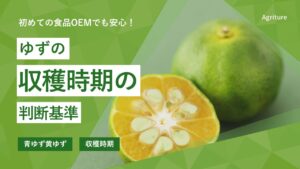 ゆずの時期は年に二度、青ゆずは7月から黄ゆずは10月から
 -
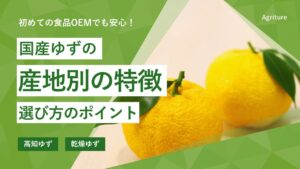 ゆずの産地は高知が半分を占め、二位は徳島から愛媛に変わった
 -
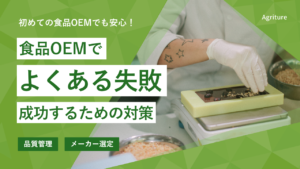 Preventing Food OEM Failures: Common Failure Cases and Countermeasures for Success
 -
 How to find a food OEM | How to efficiently find the best manufacturing partner