
A complete explanation of the coffee OEM flow! All steps from order to delivery

Summary of this article
We walk through the coffee OEM flow in six steps, from order to delivery: inquiry and consultation, sample supply and tasting, quotation and formal order, the manufacturing process of roasting, milling, blending, filling, and packaging, quality control and inspection, and delivery and aftercare over two weeks to two months. We also cover production timelines by product type, such as roasted beans, drip packs, soy coffee, and flavored coffee, and whether small lots from 6 to 12 kg can be accommodated.
Coffee OEM is a system in which you outsource the production of original coffee under your own brand to a specialist manufacturer. Cafes and restaurants turn their house flavor into retail products, companies prepare original drip bags as novelties or commemorative gifts, and tourist facilities create local souvenirs; the range of uses keeps growing year by year.
Its appeal lies in how much can be customized. The bean origin, roast level, blend ratio, brewing format and packaging can each be designed to fit your brand's world. Inventory risk is relatively low and freshness is easy to manage, making it a category well suited to launching new products. In this article, we walk through the types of products you can make, the basics of creating a flavor, the process from order to delivery, and key points for avoiding mistakes.
Original coffee, from 500 drip bags
From specialty beans to vegetable, fruit, herb and flower flavors. We handle everything from ingredient sourcing to roasting, blending and filling through our own processes in Kyoto. Talk to us about anything from small-lot prototypes to full production.
TOC
Types of Products You Can Make with Coffee OEM
Coffee covers several types of products that can be made through OEM. Formats range from whole beans, ground coffee and drip bags to sticks, and each has a different production time and best use. Let's start with the overall picture.
| Product type | Approximate production time | Suited to |
|---|---|---|
| Original blend beans / ground coffee | About 2 weeks to 1 month | Retail, gifts, commercial use |
| Drip bags | About 2 weeks to 1.5 months | Novelties, events, amenities |
| Soy coffee | About 1 to 2 months | Caffeine-free, health-conscious |
| Flavored coffee | About 1 to 2 months | Differentiation, functionality, gifts |
Original blend roasted beans and ground coffee
This is the most common OEM format. Combined with packaging featuring your brand logo, you can prepare an original product with strong advertising impact in a short time. You can choose from a wide range of formats to suit where it will be sold, from single packs, boxed gifts, mini sets and stand-up pouches to large commercial bags.
Drip bags
Combining design appeal with ease of distribution, requests for novelty use grow every year. Original drip bags with a company logo are especially popular at trade shows, recruiting events, anniversary celebrations and as hotel welcome gifts. They are also easy to handle: small lots, room-temperature storage and a relatively long best-before date.
Soy coffee
Because it contains no caffeine, it is popular with pregnant women, people who avoid caffeine and health-conscious consumers. It has the characteristic toasty aroma of soybeans while recreating body and flavor close to coffee, and since it can use domestic soybeans and accommodate allergen labeling, it suits products with a story.
Flavored coffee
Flavored coffees made with natural ingredients such as citrus, spices, herbs, flowers and hojicha are increasingly adopted for their depth of aroma and ease of differentiation. There are also examples of blending in small amounts of vegetable powders such as beet, pumpkin or ginger to add character through aroma and color. As a dried vegetable manufacturer, combining ingredients like this is exactly what Agriture does best.
Original coffee, from 500 drip bags
From specialty beans to vegetable, fruit, herb and flower flavors. We handle everything from ingredient sourcing to roasting, blending and filling through our own processes in Kyoto. Talk to us about anything from small-lot prototypes to full production.
The Three Elements That Determine Flavor: Beans, Roasting and Blending
The flavor of an original coffee is largely determined by three things: beans, roasting and blending. To make the cup you have in mind through OEM, it helps to understand the basics of each.
(1) Choosing Beans (Origin, Variety, Processing)
Coffee beans are mainly divided into Arabica and Robusta, and Arabica is widely used for products meant to highlight aroma and acidity. Even within Arabica, character varies greatly by origin: Ethiopia tends toward bright fruitiness, Brazil toward nutty, toasty notes and body, and Guatemala toward a well-balanced flavor.
Depending on the product concept, you can choose "single origin," which showcases the character of one origin as it is, or a "blend," which combines several to achieve a target flavor. Flavor also changes with the processing method, such as washed, natural or honey. If quality is a priority, you can also choose specialty coffee where the origin, farm and processing can be specified, or organic JAS certified beans.
(2) Designing Flavor Through Roast Level
Even with the same beans, the impression changes greatly with roast depth. Setting the roast level to match the intended occasion and target customers gives the product a clear direction.
| Roast level | Flavor tendency | Suitable products |
|---|---|---|
| Light roast | Acidity, bright aroma | Single origin, specialty |
| Medium roast | Balance of acidity and bitterness | Everyday blends, gifts |
| Dark roast | Bitterness, body, pairs well with milk | Cafe au lait, iced, milk-based drinks |
(3) Adding Character with Blends and Flavors
Once the base flavor is set, you add character through blend ratios and flavors. Beyond creating a unique taste by combining multiple beans, the options are wide: flavored coffee layered with the aromas of citrus, spices, herbs or flowers, caffeine-free soy coffee, and decaf coffee made with decaffeinated beans.

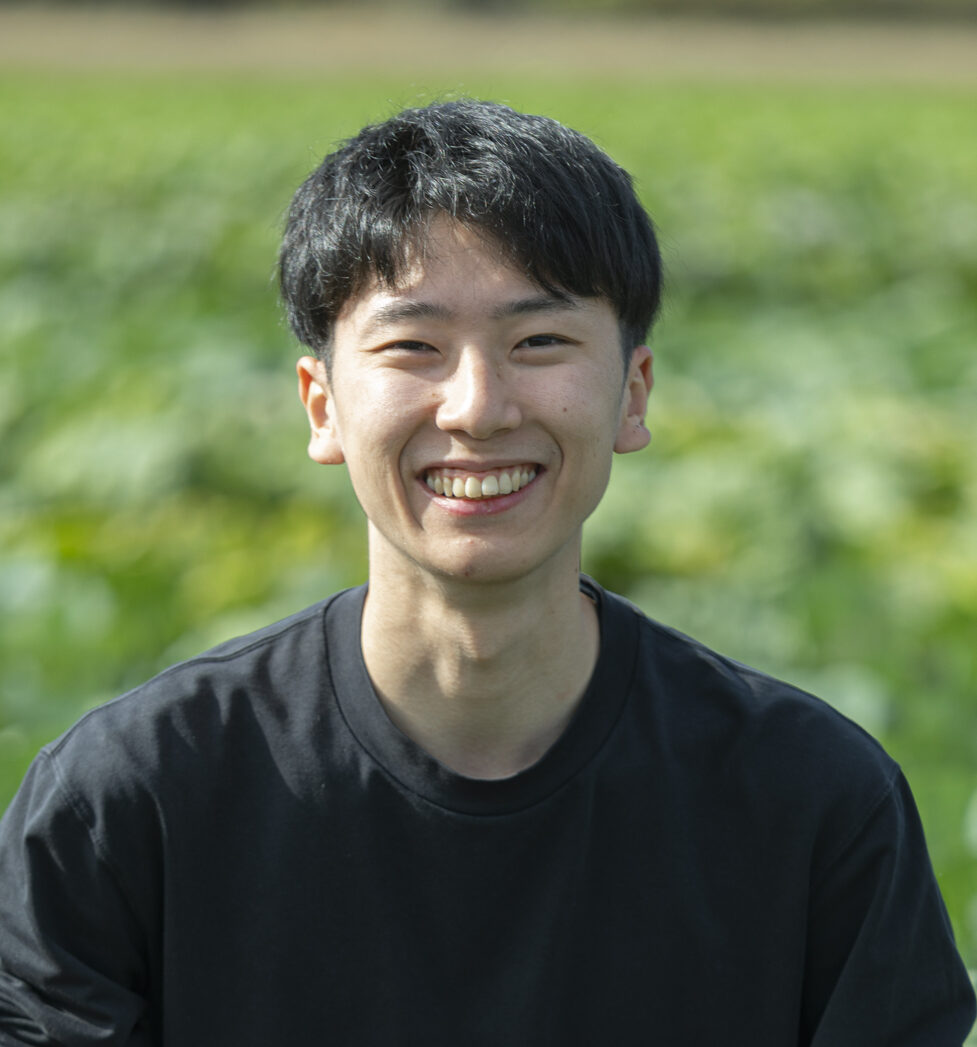 Agriture staff
At Agriture, we also make coffee with one-of-a-kind aromas using dried ingredients such as Kyoto vegetables, dried fruits and herbs. Starting from your image of "the aroma you want," we propose ingredient combinations.
FOR BUSINESS
乾燥野菜のOEM・受託加工を承ります
国産の野菜・果物の乾燥、100メッシュ相当までの粉砕、10g以上の小袋充填までをお受けしています。小ロットの試作から量産までご相談ください。寄せられた相談の実例は OEM・卸のご相談 に掲載しています。
乾燥品の賞味期限は、出荷日から6ヶ月程度を目安にご案内しています。
Coffee OEM Development Cases
What kinds of original coffee are actually being made? Here are two development cases Agriture has helped with. In both, we worked with the client to design a one-of-a-kind aroma, starting from the ingredients.
CASE 1 | Roses from the Client's Own Farm, Turned into a Gift Coffee
A client who grows roses on their own farm asked us about "making an original coffee that could be sold as a gift." They wanted it to be organic. We sourced organic specialty beans that pair well and developed a rose coffee layered with the bright aroma of roses. Through prototypes, we carefully adjusted the strength of the flavoring and the balance when brewed, finishing it as a special cup for gifting.
CASE 2 | Kyoto's Heirloom Vegetable Kujo Green Onion, Made into Coffee
Kujo green onion coffee was born from a request to "create a local gift that feels distinctly Kyoto." Kujo green onion becomes sweeter when heated, and when dried it develops a toasty, corn-like flavor not found in the fresh onion. Blending this dried Kujo green onion with coffee produces a coffee with a toasty note you won't find elsewhere. With its story as a Kyoto heirloom vegetable, we propose it as a product for souvenirs and gifts.
The Coffee OEM Process: From Order to Delivery
Once the direction of the product you want to make comes into view, it's time to approach an OEM manufacturer. Coffee OEM proceeds in six main steps, from inquiry to delivery.
STEP
Inquiry & Consultation
Everything starts with an inquiry to the OEM manufacturer. A representative asks in detail about the direction of the product you want to make. Ideally, you can share your purpose (novelty, gift, retail, foodservice, etc.), flavor direction, brewing format, raw materials, desired quantity and packaging requirements. Even if these aren't settled yet, the representative will work back from your use and target customers to propose the best production method and cost plan.
STEP
Samples & Tasting
Based on the consultation, you receive product samples. Brew them yourself to check the taste, aroma and ease of brewing, and give honest feedback on anything that concerns you. The roast level, blend ratio and flavor strength can be adjusted. For compound formulations such as flavored coffee or soy coffee, several rounds of prototyping are carried out while checking the particle size and compatibility of powdered ingredients and any cloudiness when brewed.
STEP
Quotation & Formal Order
Once you're satisfied with the samples, you receive a quotation based on the specifications and standards. Confirm the price, lead time, minimum lot and payment terms, then place a formal order. For a first transaction, paying half of the production cost in advance is standard. If you want original packaging film, it can take around 1 month after submitting the artwork, so allow plenty of time.
STEP
Start of Production
After payment is confirmed, roasting → grinding → blending → filling → packaging is the production flow. Roasting is the most important step, as it defines the flavor. Coffee beans are an agricultural crop and each bean has its own character, so temperature and time are finely adjusted to that day's conditions while watching changes in color, aroma and sound, to reach the target flavor.
STEP
Quality Control & Inspection
Many conditions are checked daily, including the condition of green beans, roasting according to the profile, fine adjustments to heat and time, and checking the finished roast, to minimize flavor variation between lots. Recipes are also continually redesigned to match the flavor changes that are required.
STEP
Delivery & After-Sales Support
After production is complete, the product is delivered to the designated location. From order, allow about 2 to 4 weeks (2 weeks to 2 months depending on the product). Delivery on a specified date, split deliveries and distribution to multiple stores can also be arranged. Some manufacturers provide ongoing support after delivery, including flavor checks and guidance on brewing techniques.
Agriture staffIf this is your first time, we recommend starting with a small-lot prototype rather than going straight into mass production. Moving to full production after seeing how the market responds lets you grow the product while keeping inventory risk down.
Original coffee, from 500 drip bags
From specialty beans to vegetable, fruit, herb and flower flavors. We handle everything from ingredient sourcing to roasting, blending and filling through our own processes in Kyoto. Talk to us about anything from small-lot prototypes to full production.
How to Choose a Coffee OEM Manufacturer
With coffee OEM, both the finished product and how smoothly things go depend heavily on which manufacturer you choose. When considering where to place your order, it's reassuring to check the following points.
Points to Check When Choosing a Manufacturer
- Can they handle your desired lot size (can they prototype and produce in small lots)?
- Sourcing capability for raw materials (not just coffee beans, but also a range of flavor ingredients)
- Will they support prototyping and recipe design from the concept stage?
- Can they handle everything from raw material sourcing to roasting, blending, filling and packaging?
- Areas of expertise and development track record (are they a good fit for the product you want to make?)
Especially for a first product, "being able to test in small lots" and "being able to refine the flavor through discussion" are the keys to avoiding failure. Agriture supports prototyping from small quantities and, drawing on the ingredient sourcing capability of a dried vegetable manufacturer, provides end-to-end support from flavor design to filling.
How Coffee OEM Costs and Pricing Work
Coffee OEM costs can't be summed up as "a flat price"; they are determined by a combination of factors. Before requesting a quotation, it helps to understand what drives the price.
| Factors that affect cost | Details |
|---|---|
| Bean grade | Standard beans, or specialty/organic |
| Lot quantity | The larger the quantity, the lower the unit price tends to be |
| Brewing format | Beans/ground / drip bag / stick, etc. |
| Flavors & compound formulations | Varies with added ingredients and number of prototypes |
| Packaging & materials | Stock pouches or original film, with or without a gift box |
| Additional work | Labeling, best-before date printing, boxing, etc. |
In particular, when creating original film or packaging from scratch, initial costs such as plate fees may be charged separately. Getting a sense of unit prices through a small-lot prototype before deciding the scale of full production lets you build a realistic budget.
Key points for a smooth process
Finally, here are five points to keep in mind before placing an order so that your coffee OEM project goes smoothly and turns out the way you want.
Pre-Order Checklist
- You can put "who you're reaching, and in what setting" into words
- You plan to start with a small-lot prototype
- You've built a schedule with plenty of margin, working back from the launch date
- You're prepared to adjust the samples until you're satisfied
- You'll check labeling such as ingredients, allergens and best-before date
Clarify your purpose
The best product type and cost plan vary by purpose. For novelties handed out in large numbers, drip bags with a lower unit price; for a signature product, specialty coffee in a gift box, and so on. Putting "who you want to reach, and in what setting" into words at the outset makes it easier for the manufacturer to give accurate proposals.
Start with a small lot
The newer the product, the safer it is not to jump straight into mass production, but to confirm market response in small lots before gradually scaling up. Being able to refine the flavor and packaging while watching sales is another advantage unique to small lots.
Leave room in your schedule
Production time ranges from 2 weeks to 2 months depending on the product type. Creating original film or packaging from scratch can add about another month. If your launch date or event is already set, the trick is to work backward and start consulting early.
Refine through samples until you are satisfied
Flavor is the heart of the product, and once released it can't easily be changed. Don't compromise at the sample stage; adjust the roast level, blend ratio and flavor strength until you're satisfied. Be sure to share even intuitive requests such as "I'd like a little less acidity."
Check regulations and labeling
To sell it as a food product, you need a quality labeling panel listing the ingredient names, allergens, best-before date, storage method and so on. Many manufacturers will prepare it for you, but the ordering party should also check that the final content is accurate. If flavor ingredients or allergens are included, check carefully that nothing is missing from the label.
FOR BUSINESS
乾燥野菜のOEM・受託加工を承ります
国産の野菜・果物の乾燥、100メッシュ相当までの粉砕、10g以上の小袋充填までをお受けしています。小ロットの試作から量産までご相談ください。寄せられた相談の実例は OEM・卸のご相談 に掲載しています。
乾燥品の賞味期限は、出荷日から6ヶ月程度を目安にご案内しています。
Coffee OEM FAQ
Summary: Realize your ideal product with coffee OEM
The flavor of an original coffee is determined by "beans, roasting and blending," and it can be turned into products in many formats, including roasted beans, drip bags, soy coffee and flavored coffee. Ordering proceeds through inquiry → samples → quotation → production → delivery, and careful communication at each stage is the shortest route to your ideal cup.
With small-lot production that makes it easy to express a brand story, and a wide range of uses, coffee is a very accessible product category. In addition to conventional roasted beans and drip bags, new areas such as soy coffee and vegetable or herb flavored coffee are expanding, making it easier to differentiate and highlight functionality.
Agriture staffWe support you end to end, from small-lot prototypes to full production and ingredient selection. Even just an idea like "I want to make this kind of coffee" is fine. Feel free to contact us.
Original coffee, from 500 drip bags
From specialty beans to vegetable, fruit, herb and flower flavors. We handle everything from ingredient sourcing to roasting, blending and filling through our own processes in Kyoto. Talk to us about anything from small-lot prototypes to full production.
Recommended reading
If you are considering product development with off-spec or your own farm's vegetables:From planning to processing, materials, package printing and novelties, you can consult us through a single point of contact. → Learn more about one-stop product development
- Is decaf coffee bad for you? Effects, brewing methods, and how to choose
- How to choose a coffee OEM vendor | 5 vendor categories and a quote check
Author of this article
Related articles
-
 Original coffee marketing strategy | Ways to grow sales
 -
 ベジタリアンとは?国の規格が分けている4つの区分と食べられないもの
 -
 長ねぎと白ねぎは同じもの?ねぎの種類と呼び名を国の資料で確かめる
 -
 柚子の種類は何種類あるのか、公の資料で名前が残る系統を数えた
 -
 ゆずの時期は年に二度、青ゆずは7月から黄ゆずは10月から
 -
 ゆずの産地は高知が半分を占め、二位は徳島から愛媛に変わった
 -
 Preventing Food OEM Failures: Common Failure Cases and Countermeasures for Success
 -
 How to find a food OEM | How to efficiently find the best manufacturing partner