Food loss

TOC
What is food loss?
Food loss refers to food that is discarded even though it is still edible. In Japan, 5 to 6 million tons per year of food loss occurs on that scale, drawing attention as both a social and an environmental problem.
Diverse factors lie in the background, such as household leftovers and expired best-before dates, and operators discarding off-grade goods. Toward achieving the SDGs, reducing food loss has become a shared challenge for the national and local governments, companies, and consumers.
Characteristics and background of food loss
Where it occurs: broad, including households (about half), food manufacturing and distribution, and the foodservice industry
The situation in Japan: 5.23 million tons per year (FY2021) by estimates from the Ministry of Agriculture, Forestry and Fisheries and the Ministry of the Environment
International background: worldwide, an estimated roughly 1.3 billion tons of food is discarded (FAO report)
Social impact: environmental burden (greenhouse gas emissions), ethical problems (contrast with the hungry population), and economic loss
Trends: diverse reduction methods such as recycling, upcycling, and sharing are expanding
Examples of using food loss at Agriture
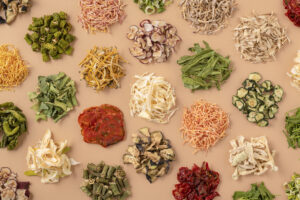
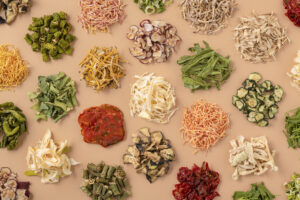
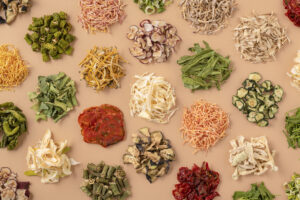
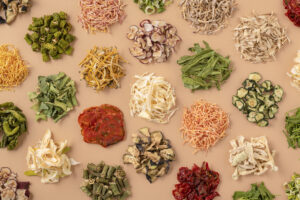
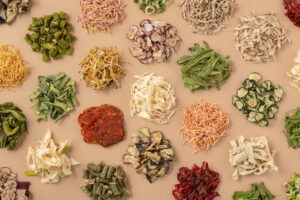
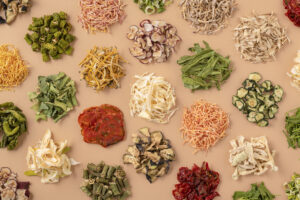
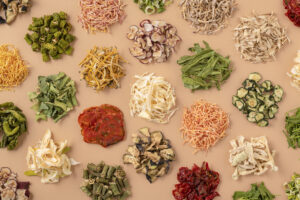
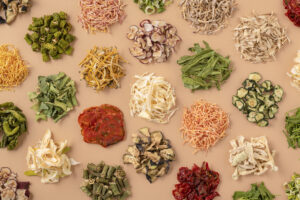
Drying off-grade vegetables and developing them into food ingredients and OEM products
Using long-shelf-life dried vegetables and powders for emergency food and rolling stock
Proposing sustainable novelties and gifts on the theme of reducing food loss
An upcycling business for unused resources in cooperation with farmers and local governments
Related keywords
Related articles
The relationship between non-standard vegetables and food loss | Solutions and case studies
Saving discarded vegetables! A new approach to food loss reduction
FOR BUSINESS
乾燥野菜を業務用でお探しですか
国産の野菜・果物を乾燥し、必要に応じて粉砕してお出ししています。扱っている品目は100種前後で、規格は 乾燥品の一覧・パウダーの一覧 に掲載しています。
少量でのご購入は、姉妹ブランドの通販サイト OYAOYA で承っています。
FAQ
Q1. What is the difference between food loss and food waste?
A. Food loss refers to “food discarded even though it is still edible,” while food waste also includes inedible parts such as cooking scraps and leftovers.
Q2. How does Agriture work on reducing food loss?
A. Through drying and powdering off-grade vegetables, we add value and reduce waste by developing them into OEM products and emergency food.