Upcycling

TOC
What is upcycling?
Upcycling refers to reusing what was destined for disposal, or unneeded resources, and turning it into a product with new value. Unlike simple recycling, it is distinguished by adding value.
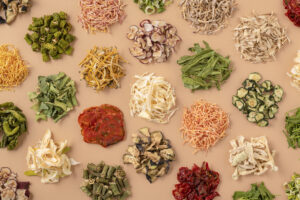
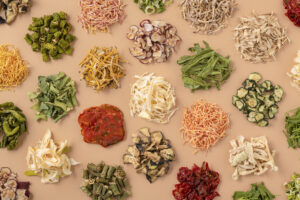
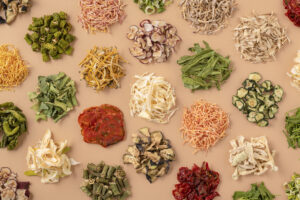
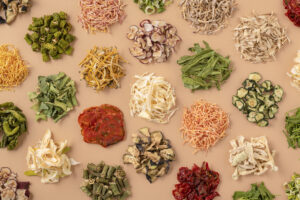
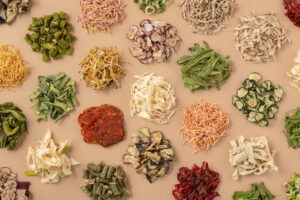
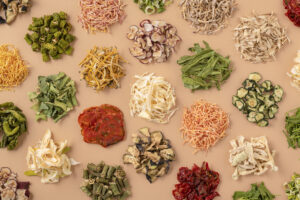
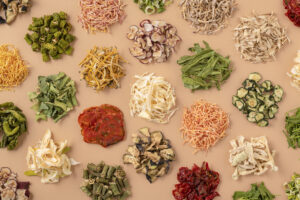
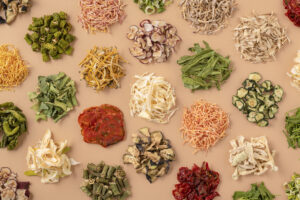
In the food industry it draws attention as a method that reconciles effective resource use with care for the environment, for example by drying and powdering off-spec vegetables and processing byproducts into products.
Features and background of upcycling
Creating value: turning waste into new products or materials generates economic value
Care for the environment: it leads to less waste, lower CO2, and progress toward a circular society
Background: expanding, centered on Europe and North America, alongside rising sustainability awareness
Trend: adopted across a wide range of industries, not just food but fashion, interiors, and building materials
Consumer values: support is growing, led by environmentally conscious younger generations
How Agriture puts upcycling to use
Drying off-spec vegetables for use in food OEM and commercial ingredients
Developing novelties and gift products using vegetable powder
Reusing food byproducts as new functional materials
Proposing product development and promotions themed around food-loss reduction
Related keywords
Circular society
Related articles
Notable upcycle food brands | A sustainable choice
The relationship between non-standard vegetables and food loss | Solutions and case studies
The potential of new businesses using unused resources, and 5 secrets to success
FOR BUSINESS
乾燥野菜を業務用でお探しですか
国産の野菜・果物を乾燥し、必要に応じて粉砕してお出ししています。扱っている品目は100種前後で、規格は 乾燥品の一覧・パウダーの一覧 に掲載しています。
少量でのご購入は、姉妹ブランドの通販サイト OYAOYA で承っています。
FAQ
Q1. How does upcycling differ from recycling?
A. Recycling reuses something as raw material, whereas upcycling turns it into a new product with added value.
Q2. What are upcycling examples in the food industry?
A. They include powdering off-spec vegetables, sweets made from fruit peel, and beverage ingredients that make use of byproducts.