Kampo

Recommended reading
TOC
What is kampo?
Kampo is a medical system that originated in traditional Chinese medicine and developed independently in Japan. It combines crude drugs of plant, mineral, and animal origin, aiming to balance the whole body. Its characteristic is being based on a "holistic view" that includes constitution and environment, not just the symptoms themselves.
In Japan, some kampo medicines are covered by insurance as pharmaceuticals and are widely used alongside modern medicine.
The features and background of kampo
Definition: a medical system developed in Japan based on traditional Chinese medicine
Background: transmitted from China in the Asuka period, and a distinctly Japanese kampo theory took shape in the Edo period
Feature: diagnosis including constitution and environment; combining naturally derived crude drugs
Trend: fusion with kampo-derived supplements and foods is advancing, and "kampo foods" have appeared too
Examples of Agriture's use of a kampo-style approach
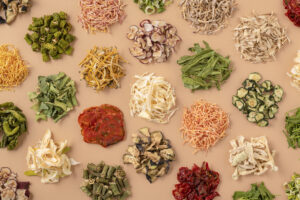
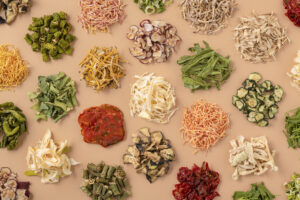
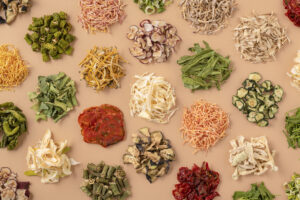
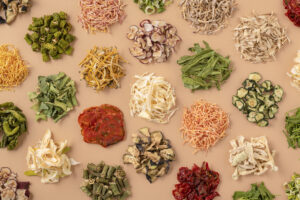
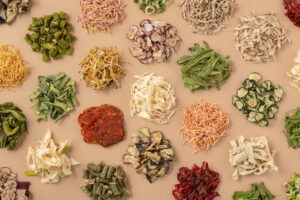
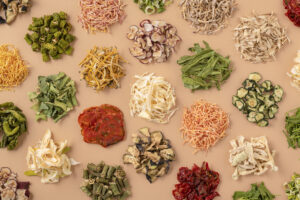
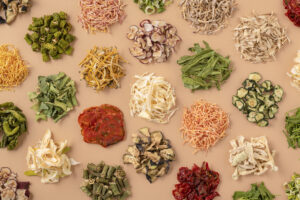
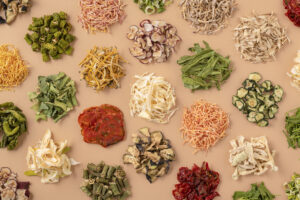
Dried vegetables are popular as ingredients for "medicinal (yakuzen) soups" and "herbal (kampo) soups"
Related keywords
Ishoku-dogen (food and medicine share the same source)
Functional food
: depending on the product and container, production from 1,000 bottles is possible in some cases
Related articles
What Are Kyoto's Traditional Preserved Foods? Inherited Wisdom and How to Use It Today
The Health Effects of Dried Fruit: A Summary of Benefits, Nutrition, and Cautions on Sugar
FAQ
Q1. Which is easier to work into daily life, kampo or yakuzen?
A. Yakuzen is a way of eating using food ingredients, so it's easy to work into daily life; kampo is sold as products at drugstores and the like for the purpose of improving symptoms and constitution, so both are easy to work in.