Zero Waste

TOC
What is zero waste?
Zero waste is an effort aiming to "make waste zero," thoroughly practicing reduce, reuse, and recycle to ultimately eliminate waste.
It is an important idea for minimizing environmental load and realizing a circular society, and in Japan it became widely known when Kamikatsu Town in Tokushima Prefecture made a "Zero Waste Declaration" in 2003.
Characteristics and background of zero waste
Definition: a lifestyle and mechanism that produces no waste and circulates resources
Background: spread in Europe and Japan as environmental problems grow serious
Characteristics: reducing waste, reusing resources, and minimizing incineration and landfill
Benefits: environmental protection, effective use of resources, and raising the brand value of companies and local governments
Trend: with shifts in consumer and corporate awareness, efforts are expanding in the food and daily-goods industries
Examples of zero waste use at Agriture
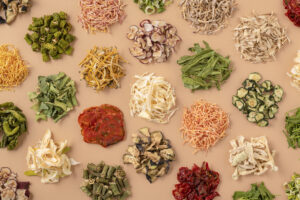
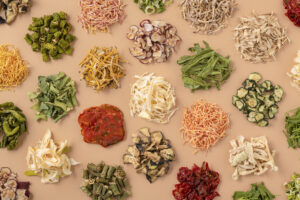
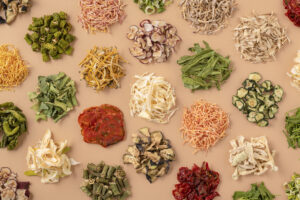
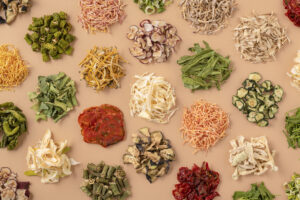
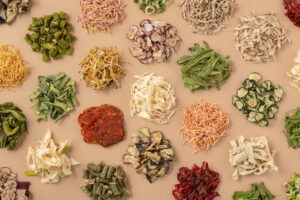
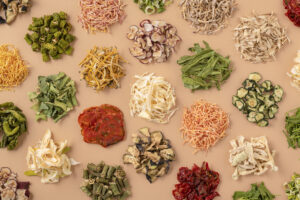
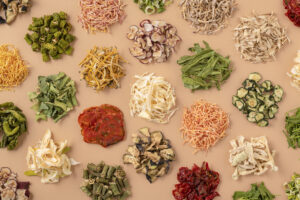
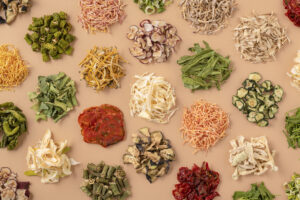
Commercializing out-of-spec vegetables through drying and powder processing rather than disposing of them
Using by-products from the manufacturing process as new food ingredients
OEM development of long-storable foods, contributing to food loss reduction
Proposing novelties and gifts on the theme of "zero waste"
Related keywords
Circular society
Related articles
The relationship between non-standard vegetables and food loss | Solutions and case studies
Saving discarded vegetables! A new approach to food loss reduction
Notable upcycle food brands | A sustainable choice
FOR BUSINESS
乾燥野菜を業務用でお探しですか
国産の野菜・果物を乾燥し、必要に応じて粉砕してお出ししています。扱っている品目は100種前後で、規格は 乾燥品の一覧・パウダーの一覧 に掲載しています。
少量でのご購入は、姉妹ブランドの通販サイト OYAOYA で承っています。
FAQ
Q1. Is zero waste achievable?
A. Making waste completely zero is difficult, but it is possible to "get infinitely close to zero" through reduction, reuse, and thorough sorting.
Q2. What are the efforts of zero waste in the food industry?
A. There are food developments using out-of-spec vegetables and by-products, and the adoption of refill containers and reusable packaging.