
The appeal of Kansai heirloom vegetables | Specialties of Naniwa, Kyoto, and Yamato thoroughly explained

Summary of this article
Kansai heirloom vegetables is the collective name for native varieties long cultivated mainly in Kyoto, Osaka, and Nara, each with a distinctive appeal adapted to the local climate and land. This article introduces, along with their historical background, Naniwa heirloom vegetables of Osaka such as Kema cucumber and Tamatsukuri Kuromon shirouri, Kyoto vegetables such as Shogoin turnip and Kamo eggplant, and Yamato vegetables of Nara such as Yamato mana and Yamato yam. It also covers food diversity and regional revitalization, efforts toward preservation and revival, and cases of industry-government-academia collaboration.
In Kansai, there are many heirloom vegetables handed down since long ago, mainly in Kyoto, Osaka, and Nara. Each has a distinctive appeal rooted in the local climate and culture, and they are still enjoyed on tables and in markets today. This article introduces the characteristics and representative varieties of Kyoto vegetables, Naniwa vegetables, and Yamato vegetables while taking a fresh, deeper look at the appeal and value of Kansai's heirloom vegetables.
TOC
What are Kansai's heirloom vegetables? Their history and cultural value
The heirloom vegetables that color Kansai's food culture. How many kinds do you know?
Kansai heirloom vegetables are the unique vegetable varieties long cultivated in the Kansai region, including Osaka, Kyoto, and Nara, that have adapted to the local climate and land. These are not merely ingredients but living cultural heritage that concentrates each region's history and culture and the wisdom of past generations. Cultivated since before the Meiji era and closely tied to regional food culture, these vegetables are having their uniqueness and value reappraised amid the standardization of modern agriculture.
Heirloom vegetables are called by region, such as "Naniwa heirloom vegetables," "Kyoto vegetables," and "Yamato vegetables," and each has its own characteristics.
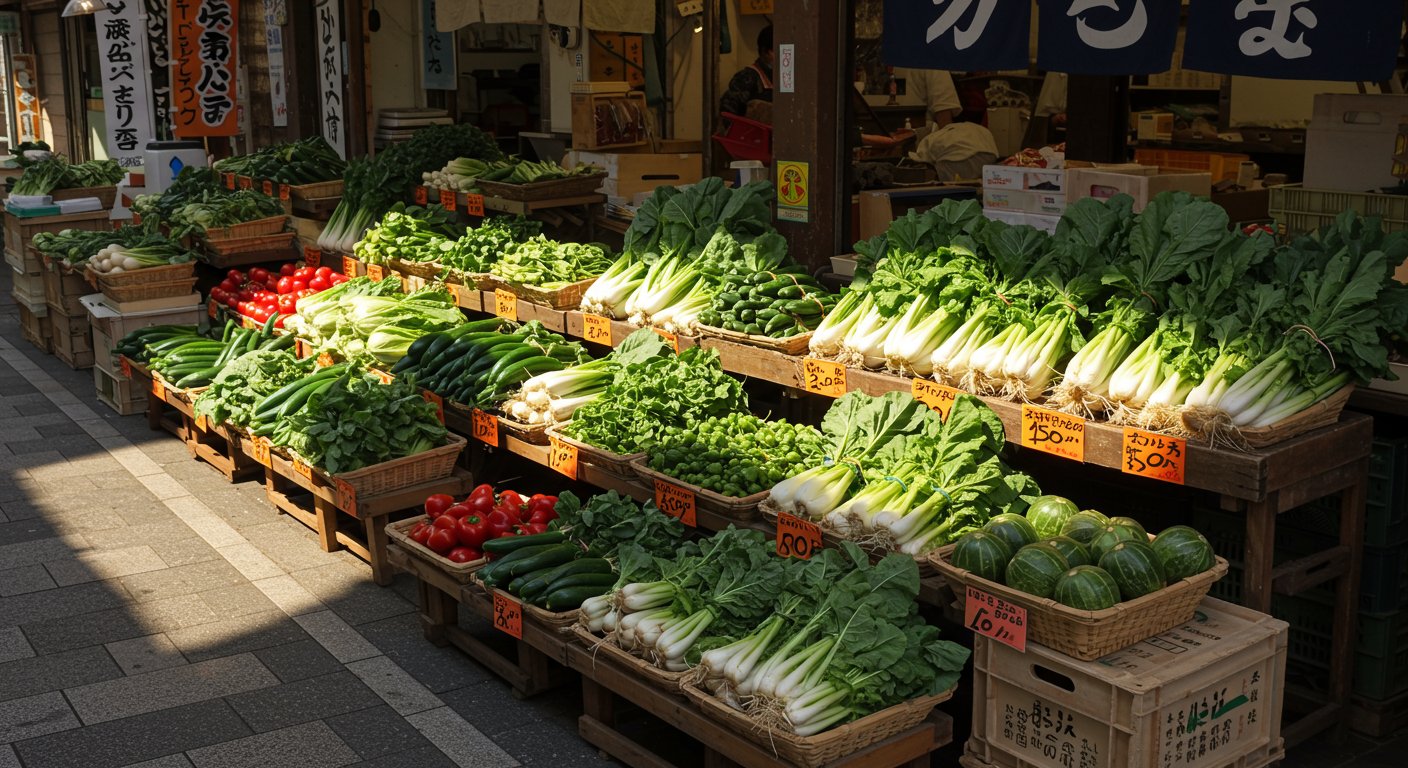
These vegetables have the flavors and nutritional value unique to their land, and are indispensable to regional traditional dishes. Yet with the changes in postwar diet and the modernization of agriculture, many heirloom vegetables disappeared.
"A seed once lost never returns"
Today, out of this sense of crisis, efforts to preserve and revive heirloom vegetables have become active in each region. Not only farmers but also local governments, universities, and companies are working together, and activities to pass the value of heirloom vegetables to the next generation are spreading through seed preservation, the handing down of cultivation techniques, and new product development.
The appeal of Osaka's proud "Naniwa heirloom vegetables"
In Osaka, once called "the nation's kitchen," many unique vegetables that supported a rich food culture were nurtured. Yet with postwar variety improvement, urbanization, and the Westernization of diet, many such heirloom vegetables disappeared.
Today, the value of vegetables rooted in the region is being reconsidered, and Osaka Prefecture is putting effort into rediscovering and handing down "Naniwa heirloom vegetables" in cooperation with related organizations. Efforts to connect the varieties farmers have long protected to the next generation are underway.
Kema cucumber
Cultivated since the Edo period in the Kema area of Miyakojima Ward, Osaka City, the Kema cucumber is one of the Naniwa heirloom vegetables. Compared with common cucumbers, its skin is somewhat firm with many bumps, and it is characterized by a solid bite and rich flavor. It suits light pickling and nukazuke, and can be said to have supported Osaka's pickle culture.
Tamatsukuri Kuromon shirouri
The Tamatsukuri Kuromon shirouri is a heirloom vegetable cultivated since the Edo period mainly in the Tamatsukuri and Kuromon areas of Chuo Ward, Osaka City. The fruit is a slender shape of about 20 to 30 cm, characterized by thin, soft skin and a high fragrance. It has a history of use particularly in high-grade narazuke and kasuzuke, so much so that it is called "the gourmet's gourd."
Other Naniwa heirloom vegetables include those tied to place names, such as "Moriguchi daikon" and "Suita kuwai."
FOR BUSINESS
乾燥野菜を業務用でお探しですか
国産の野菜・果物を乾燥し、必要に応じて粉砕してお出ししています。扱っている品目は100種前後で、規格は 乾燥品の一覧・パウダーの一覧 に掲載しています。
少量でのご購入は、姉妹ブランドの通販サイト OYAOYA で承っています。
The tradition and innovation of "Kyoto vegetables" nurtured by Kyoto
Kyoto's heirloom vegetables are known nationwide as "Kyoto vegetables," with a history reaching back to the Heian period. Adapted to Kyoto's climate and land and refined over a long history, Kyoto vegetables have captivated many with their distinctive shapes, colors, and flavors.
Shogoin turnip
Shogoin turnip is a large turnip reaching 15 to 20 cm in diameter, indispensable to Kyoto's winter table. Cultivated since the mid-Edo period, it is said to have originated in Shogoin village (present-day Shogoin, Sakyo Ward, Kyoto City).
Despite its large appearance, the flesh is soft and sweet, and it is enjoyed as simmered dishes and pickles. It is especially famous for being used as the material for senmaizuke.
Learn more about Shogoin turnip here
Kamo eggplant
The Kamo eggplant is characterized by a glossy deep-purple color and a rounded shape. Because the skin is thin and the flesh fine-grained, it pairs excellently with oil and is ideal for frying and stir-frying.
The name Kamo eggplant derives from the Kamo area (present-day Kita Ward, Kyoto City), its former main growing region. Cultivated already in the Edo period, it has been prized as an ingredient indispensable to Kyoto cuisine.
Learn more about Kamo eggplant here
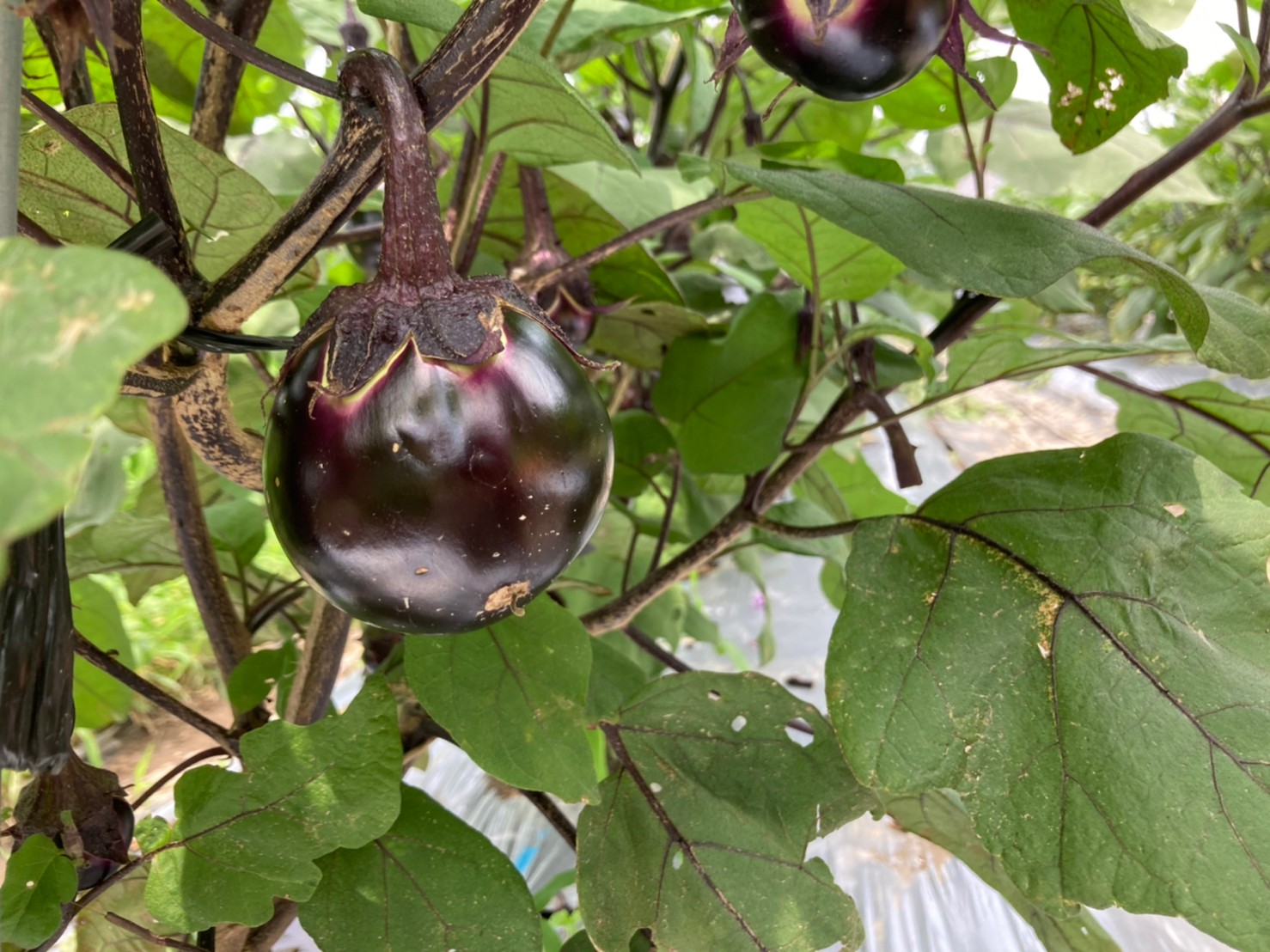
Kyoto vegetables also include "Manganji togarashi」「Kujo green onion」「Kyo mizuna」「Fushimi togarashi" and many other diverse varieties. These are used not only as ingredients for Kyoto cuisine but now also in new cooking methods and product development, handed down in a form where tradition and innovation merge.
The appeal of Kyoto vegetables lies not only in their flavor but in the sense of season, history, and culture they convey. With a single bite, the atmosphere of the thousand-year capital seems to unfold, such a curious power they hold.
The rustic appeal of "Yamato vegetables" carried on by Nara
Nara Prefecture's heirloom vegetables, the "Yamato vegetables," were nurtured over long years in the land of Yamato, said to be the birthplace of Japan's agricultural culture. Yamato vegetables are not as nationally famous as Kyoto vegetables, but with their rustic flavor and high nutritional value they continue to be loved by local people.
Yamato mana
Yamato mana is a Nara heirloom vegetable whose in-prefecture production is confirmed from before the war (once cultivated for oil extraction), a leafy vegetable of the Brassicaceae family. Though slightly bitter, it is characterized by a distinctive aroma and flavor, and is used in a variety of dishes such as ohitashi, stir-fries, and hot pots.
Yamato yam
Yamato yam is a yam characterized by strong stickiness and a distinctive flavor. It is stickier than common yam, and grating it gives a creamy texture. It is used in a variety of dishes such as tororo rice, mugitoro, and okonomiyaki.
Yamato yam develops its distinctive stickiness and flavor by growing in the clay soil of the Nara Basin. Already known as a specialty in the Edo period, it was also prized as a tribute item to the shogunate.
Yamato vegetables also include many varieties rooted in the region, such as "Yamato maru nasu," "Katahira akane," "Yuzaki nebuka," and "Yamato kikuna." These have supported the region's food culture as ingredients indispensable to Nara's traditional and local dishes.
The appeal of Yamato vegetables lies in their rusticity and depth. Rather than showiness, it is the essential deliciousness that comes into view through slow, careful tasting. It seems to express the very history and culture of the land of Nara.
Food diversity and regional revitalization
Heirloom vegetables bring "diversity" to a standardized modern food culture. Their distinctive flavors, shapes, and colors offer chefs and consumers new food experiences and broaden the pleasure of eating.
Heirloom vegetables also contribute to tourism and regional revitalization as regional brands. Like "Kyoto vegetables," they attract tourists as ingredients unique to a region and become a presence that brings vitality to the local economy.
The case where Kansai University, Suita City, and local companies collaborated on product development of "Suita kuwai"is a good example of using heirloom vegetables through industry-government-academia collaboration. Product development using heirloom vegetables like this could become a fresh wind in an aging agriculture.
For those who want to know more about the appeal of Kansai's heirloom vegetables,Heirloom vegetablesplease see the page. It is packed with even more detailed information about the history and characteristics of each region's distinctive vegetables.
Japan Traditional Vegetables Promotion Association, "Japan's Heirloom Vegetables – 41. Saga Prefecture" (accessed: 2025/08/06),https://tradveggie.or.jp/traditional-vegetables-prefecture/41-saga/#i-7
Osaka Prefecture, "Naniwa Heirloom Vegetables" (accessed: 2025/08/07), https://www.pref.osaka.lg.jp/o120090/nosei/naniwanonousanbutu/dentou.html
Nara Prefecture, "Yamato Vegetables" (accessed: 2025/08/07), https://www.pref.nara.jp/yamato_yasai/
A comparison of the heirloom vegetable brands of the three Kansai prefectures
In Kansai, each prefecture has its own heirloom vegetable certification system, and each has different standards and history.
| Brand name | Certifying prefecture | Number of items | Certification start | Representative varieties | Features |
|---|---|---|---|---|---|
| Kyoto Heirloom Vegetables | Kyoto Prefecture | 40 items | 1988 | Kujo green onion, Shogoin turnip, Kamo eggplant | Native varieties cultivated since before the Meiji era |
| Heirloom vegetables of Naniwa | Osaka Prefecture | 25 items | 2005 | Tennoji turnip, Kema cucumber, Kintoki carrot | Cultivated for over 100 years within Osaka Prefecture |
| Yamato heirloom vegetables | Nara Prefecture | 25 items | 2005 | Yamato mana, Iwai daikon, Yuzaki nebuka | Adapted to the land of the Nara Basin |
Kyoto Prefecture was the first to launch a certification program, in 1988. Osaka Prefecture and Nara Prefecture began certification in 2005. What they have in common is that a long cultivation history, such as "before the Meiji era" or "100 years or more," is a certification requirement. The Kansai region is one of Japan's leading concentrations of heirloom vegetables, and List of Kyoto vegetable varieties introduces Kyoto's heirloom vegetables in detail. Using dried processing makes them usable year-round while keeping the flavor of their season.
FOR BUSINESS
乾燥野菜を業務用でお探しですか
国産の野菜・果物を乾燥し、必要に応じて粉砕してお出ししています。扱っている品目は100種前後で、規格は 乾燥品の一覧・パウダーの一覧 に掲載しています。
少量でのご購入は、姉妹ブランドの通販サイト OYAOYA で承っています。
Frequently asked questions (FAQ)
We have materials available to help you understand dried processing OEM
Agriture OEM, flexibly handling everything from small lots to large lots
- OEM available from small lots of 10 kg
- Drying of brought-in raw materials also possible
- Support from processing to filling in one place
Download the OEM contract processing materials
We will send the materials to your email address based on the information you provide.
- Kaga vegetables: Kanazawa brand vegetables where tradition lives on
- Kyoto heirloom vegetables: Kyoto specialties with a long history
Author of this article
Related articles
-
 Okinawa island vegetables: individualistic vegetables nurtured by a subtropical climate
 -
 Kaga vegetables: Kanazawa brand vegetables where tradition lives on
 -
 Kyoto heirloom vegetables: Kyoto specialties with a long history
 -
 A list of heirloom vegetables of the 8 prefectures of Kyushu and Okinawa|A thorough introduction to characteristics, growing regions, and seasons
 -
 Know the heirloom vegetables of Edo Tokyo | The city’s vanishing food culture
 -
 They'll make you smile! The fun names of heirloom vegetables and their origins
 -
 5 cases and strategies that succeeded in branding heirloom vegetables
 -
 What is the regional character of heirloom vegetables? The tastes and stories handed down across the land