
Kyoto– tag –
-
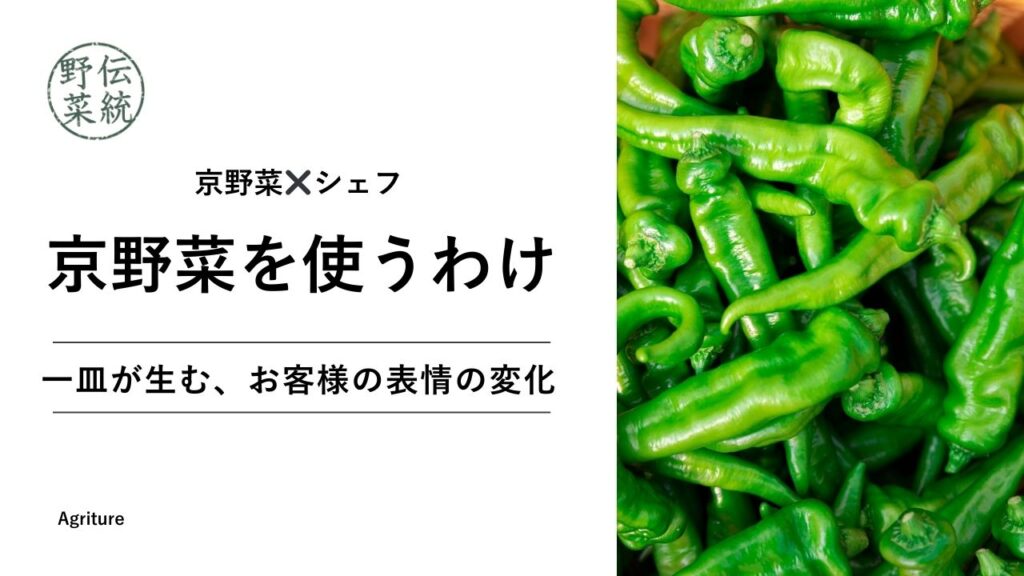
The Real Reason Chefs Use Kyoto Vegetables
A column penned by chef Tamotsu Yoneyama, who runs "Potsura Potsura" and "Utsura Utsura" in Shinsen, Tokyo, earning Michelin Bib Gourmand at both restaurants. We share what he feels about the power of ingredients and producers' aspirations as he faces Kyoto vegetables in the daily kitchen. The customer's expression a single dish creates... -
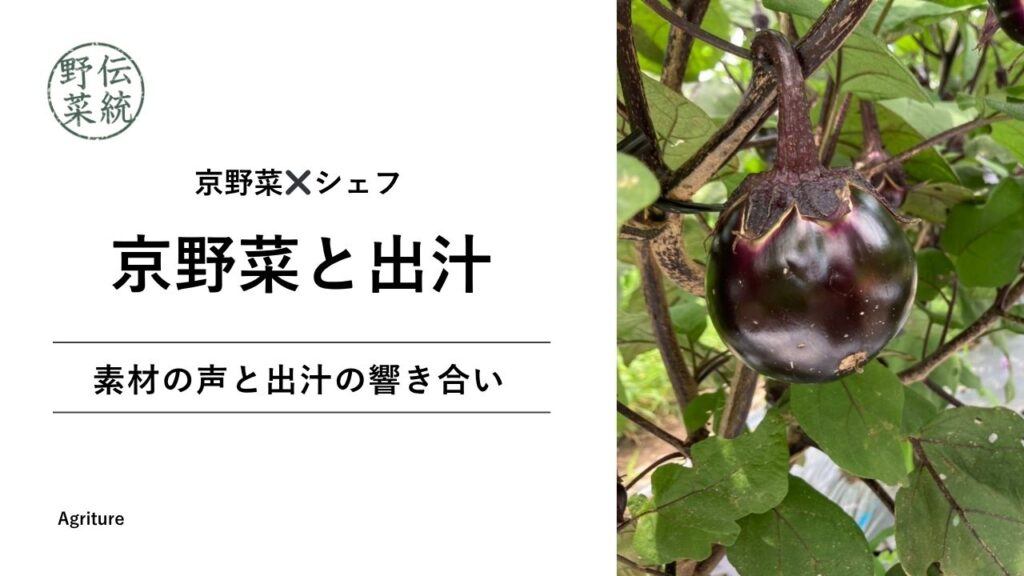
Kyoto Vegetables and Dashi —The Resonance Between the Ingredient's Voice and the Dashi—
When cooking, what always comes to mind is "how to listen to the ingredient's voice." Above all, I think the relationship between Kyoto vegetables and dashi is a presence that answers that question head-on. A Kyoto vegetable has flavor that stands out even simply boiled. But by adding dashi, that individuality... -
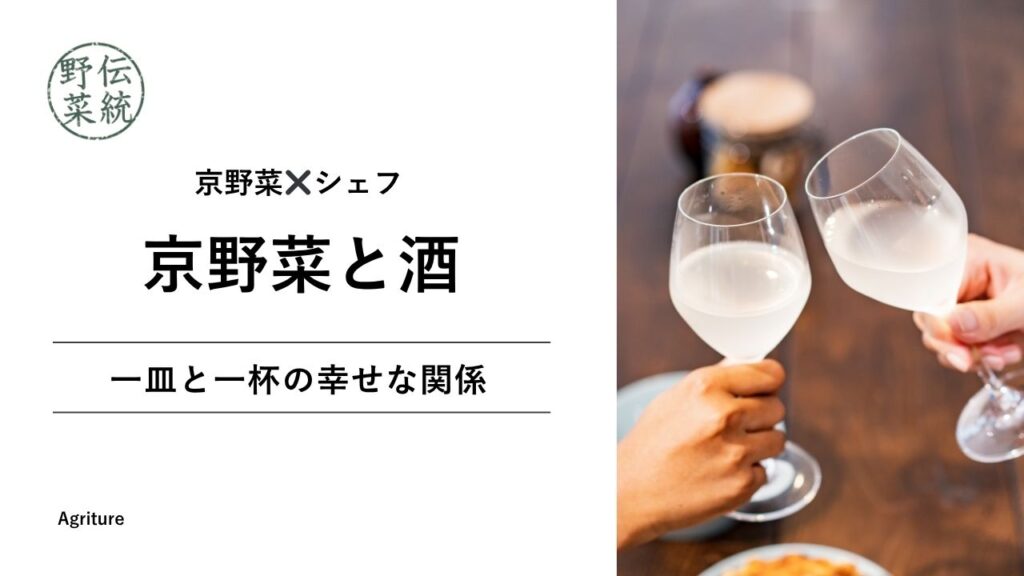
Kyoto Vegetables and Sake. The Happy Relationship of a Dish and a Cup.
As a chef, the time spent thinking "what drink shall I pair with this dish" is actually very enjoyable. As much as finishing the dish itself, what sways the customer's expression is "pairing." What cup to match with a dish centered on Kyoto vegetables. That moment... -
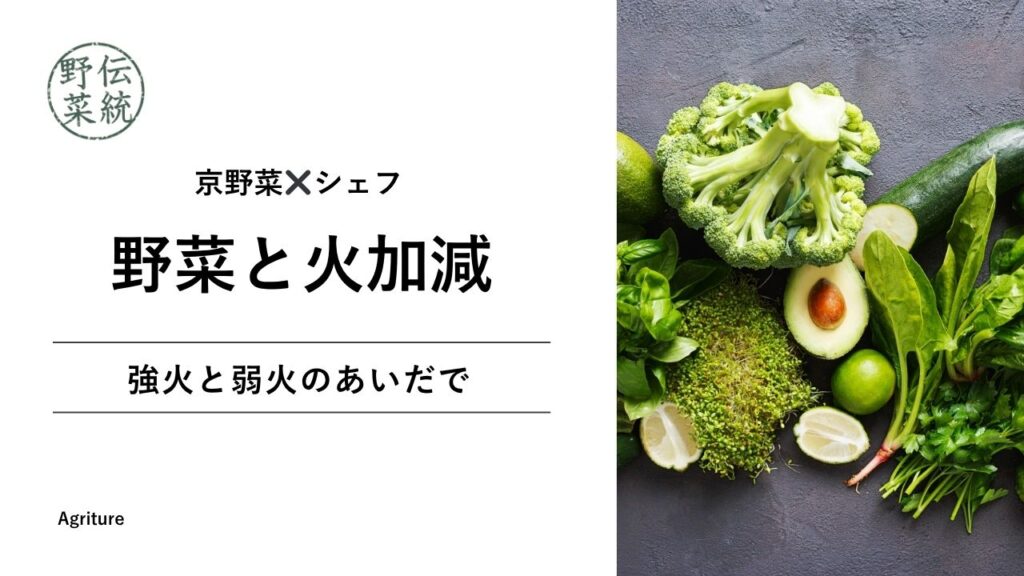
Vegetables and Heat Control. Between High and Low Flame
When talking about cooking, our eyes inevitably go to seasonings and plating, but in truth, I think most of a chef's work is a dialogue with "heat control." Whether to go high flame, or low and slow. That single judgment can utterly change a vegetable's face... -
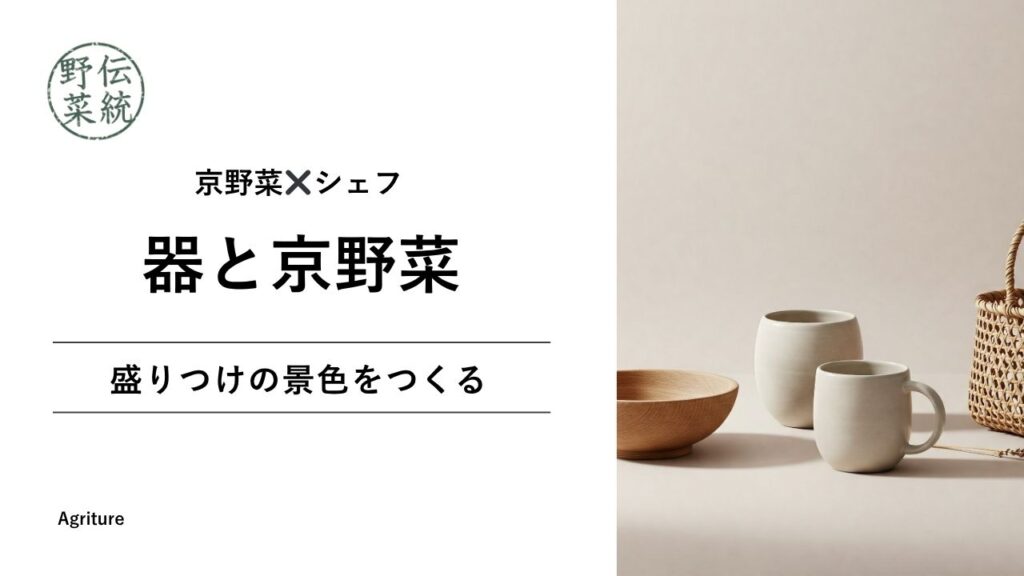
Vessels and Kyoto Vegetables. Creating the Scenery of Plating.
What always comes at the end of cooking is the step of "plating." After cutting, applying heat, and adjusting the flavor, the moment of setting the dish on the vessel. Here, the dish's impression changes greatly. It doesn't change the flavor itself. But the color, texture, and shape a vessel holds, when they meet a vegetable... -
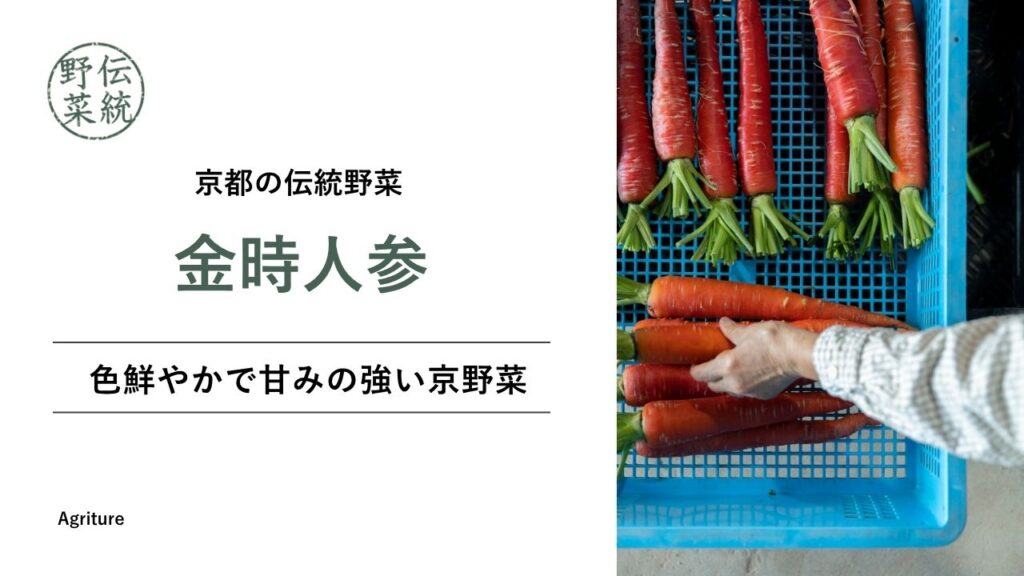
Kintoki Carrot: A Vividly Colored, Strongly Sweet Kyoto Vegetable
Kintoki carrot (kintoki ninjin) is one of Japan's traditional varieties, cultivated in the Kansai region including Kyoto. Its greatest feature is a vivid red color distinct from ordinary orange Western carrots, an ingredient often used at celebratory occasions such as osechi and New Year's simmered dishes... -
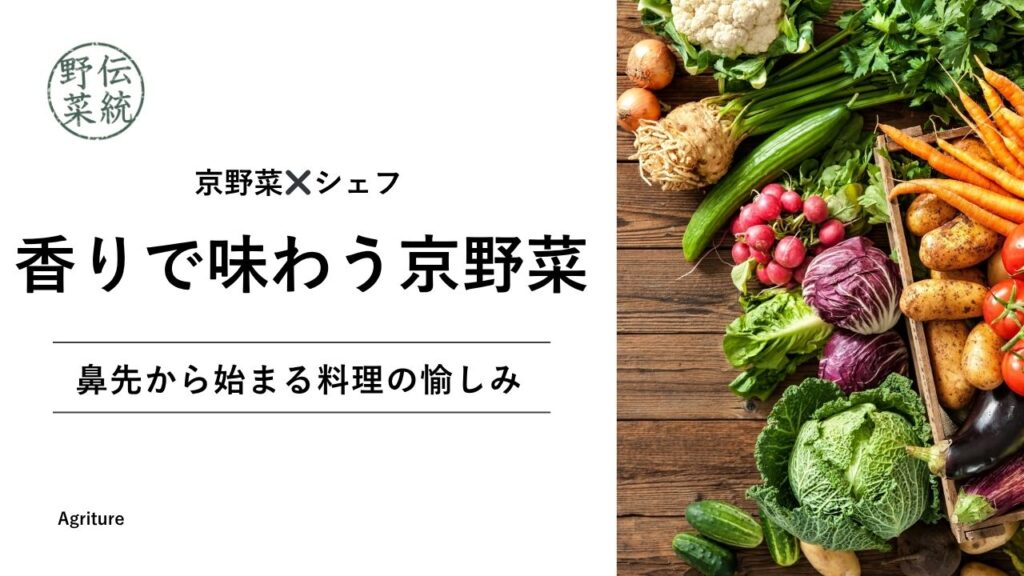
Tasting Kyoto Vegetables by Aroma. The Pleasure of Cooking That Begins at the Tip of the Nose
Cooking is something you taste by putting it in your mouth. So it tends to be thought, but in reality it begins much earlier. The green aroma that rises when you put in the knife, the sweet scent that drifts the moment it's put over the flame. That aroma reaching the nose is, for a chef, the first signal, and for the eater... -
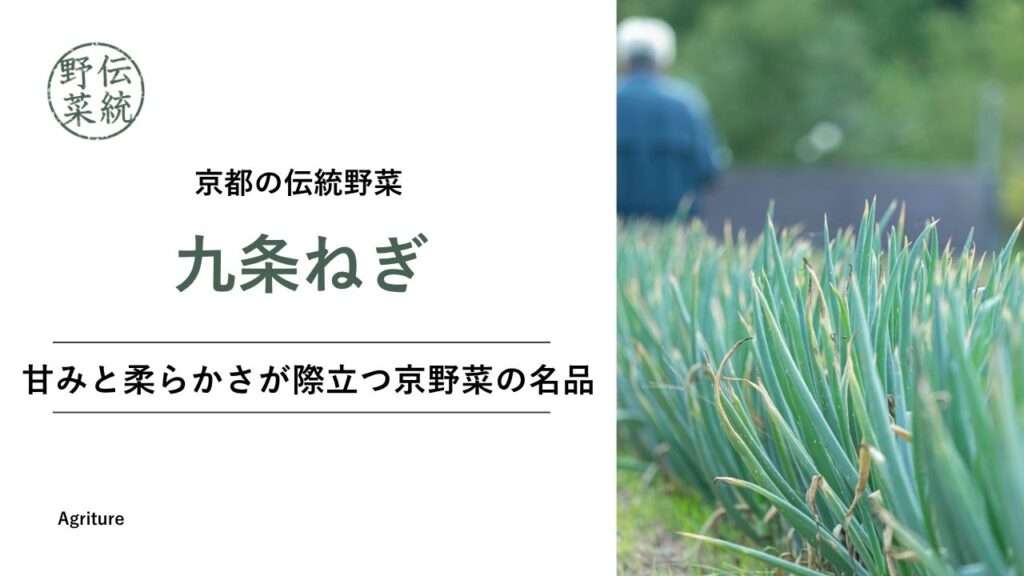
What is the Kyoto heirloom vegetable Kujo green onion? The difference from green onion, plus season, ways to eat, and storage explained
"Kujo negi" is a green negi that represents Kyoto, certified as a Kyoto heirloom vegetable with about 1,300 years of history. It's an ingredient essential to Kyoto cuisine—Kyo-udon, Kyoto hot pot, and as a garnish—prized for the sliminess of its leaf flesh, the sweetness that increases in winter, and its rich aroma. This article covers Kujo negi's position as a Kyoto vegetable... -
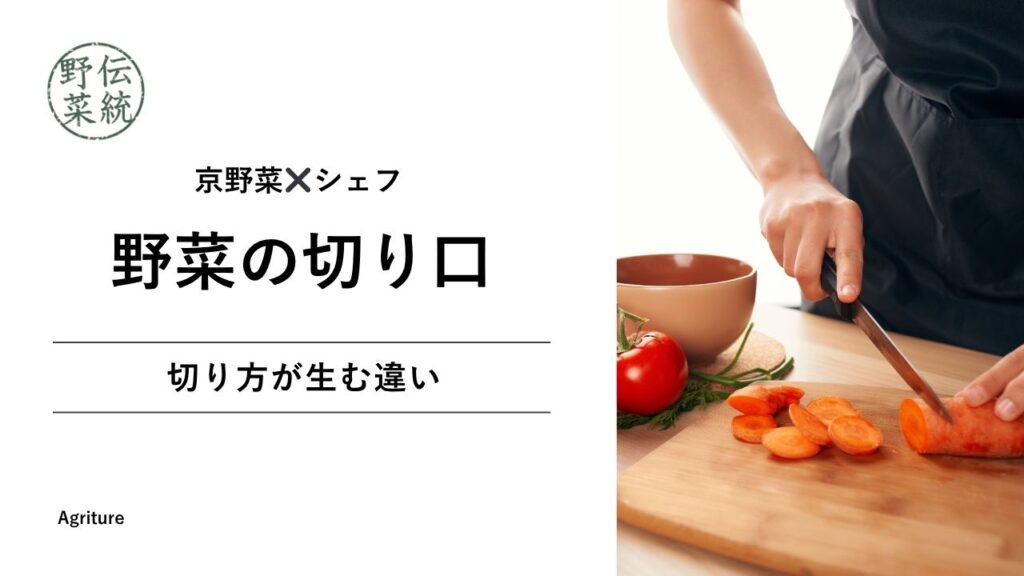
The Cut Face of a Vegetable. The Difference the Cut Makes.
The fun of cooking, I think, is actually hidden in very small places. For example, "the cut." Even the same vegetable becomes an entirely different dish with a single way of putting in the knife. How you listen to the vegetable's voice—a chef's work appears in that moment. Shogoin kabura... -
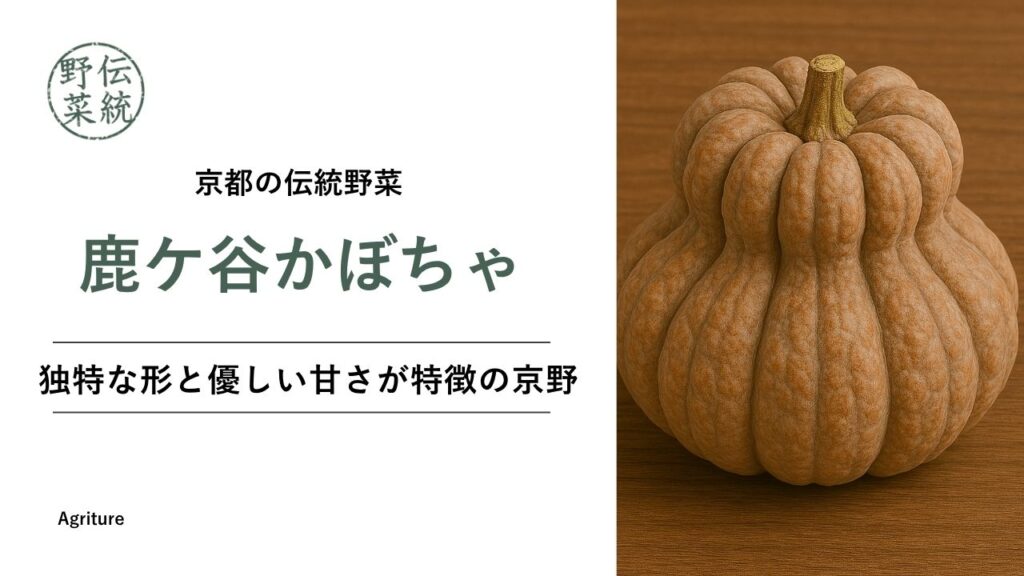
Shishigatani Kabocha: A Kyoto Vegetable Prized for Its Distinctive Shape and Gentle Sweetness
Shishigatani kabocha (shishigatani kabocha) is one of Kyoto's traditional vegetables, with a history of being brought to Kyoto from present-day Aomori Prefecture in the Edo period. A Japanese kabocha prized for its distinctive gourd-like shape and gentle sweetness, its delicate flavor distinct from ordinary Western kabocha... -
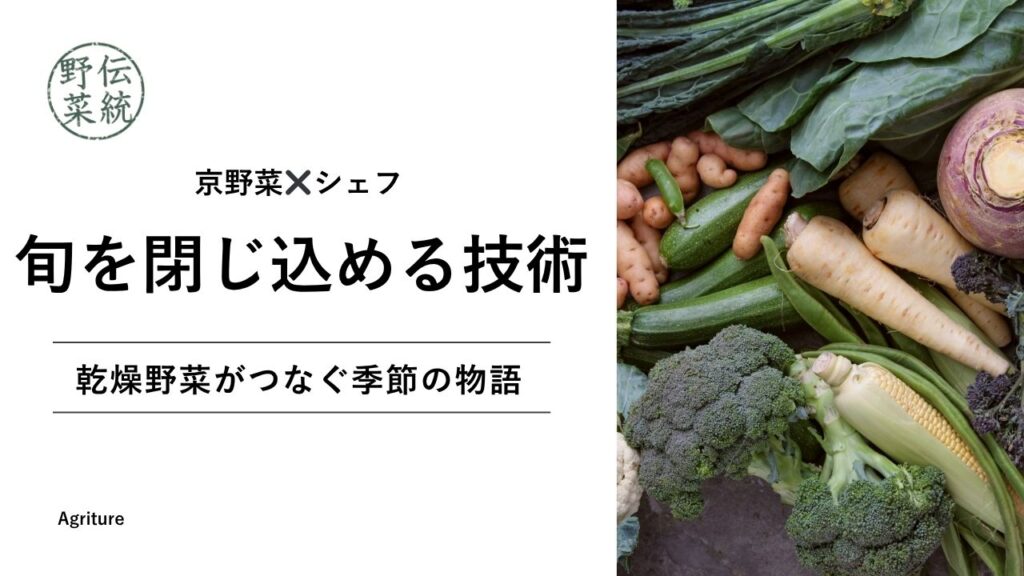
The Technology to Lock In the Season. The Seasonal Story Dried Vegetables Connect.
As a chef, you constantly face the question of "how to handle seasonal ingredients." Vegetables are living things. Their most beautiful moment arrives in only a brief span, and their face utterly changes with a single shift in temperature or rain. That's exactly why how to deliver the "flavor of only now" to the customer... -
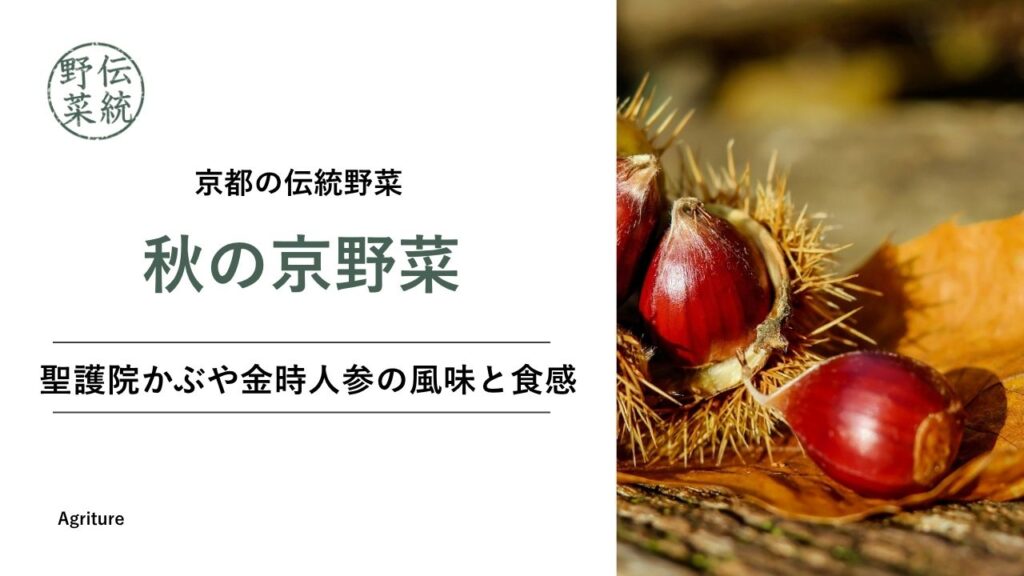
Autumn Kyoto Vegetables: The Flavor and Texture of Shogoin Kabu and Kintoki Carrot
Vegetables have a "season" for each period, and eating them in that period lets you enjoy more deliciousness and nutrition. Autumn Kyoto has an abundance of flavorful Kyoto vegetables. In this season, when it cools and the appetite grows, incorporate Kyoto vegetables—prized for a cozy sweetness and richness—into the daily table... -
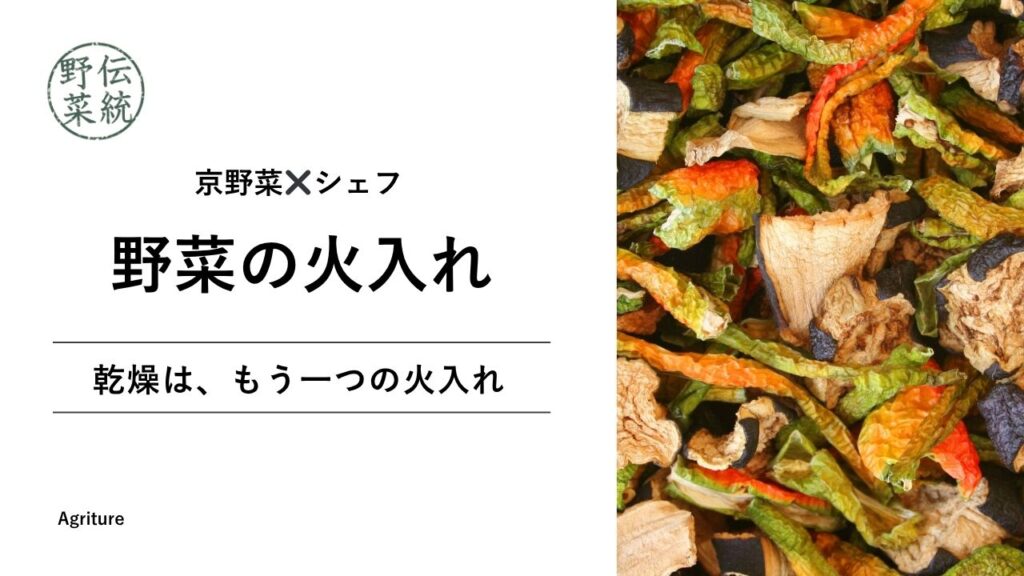
Drying Is Another Kind of Cooking
When I'm cooking, the phrase "hi-ire" (applying heat) carries a certain special resonance. Do you sear it all at once over high heat, or coax the heat in slowly over a low flame? Depending on your distance from the fire and how much time you give it, the very same ingredient reveals a completely different face. But one day I realized... -
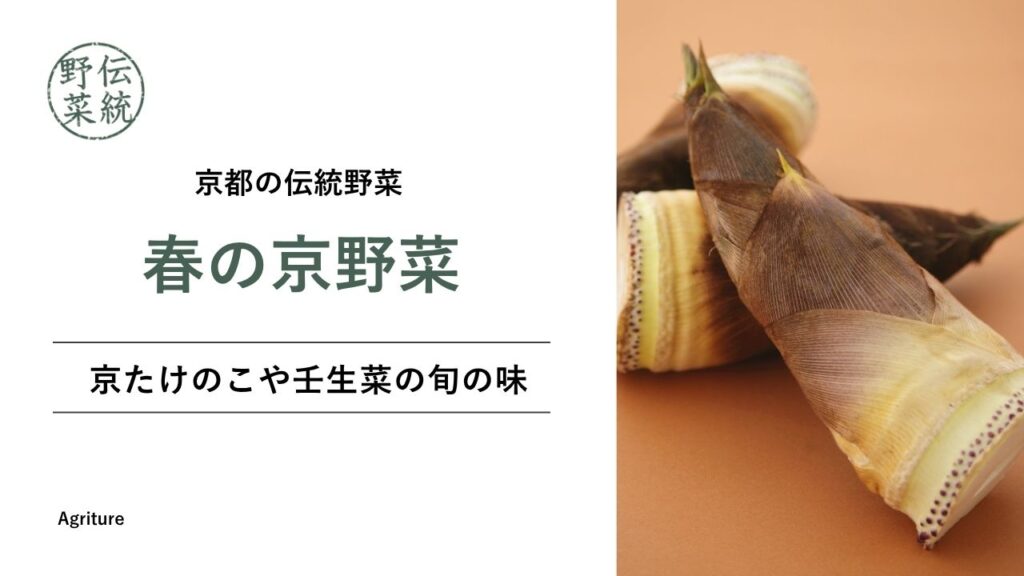
Spring Kyoto vegetables: the seasonal taste of Kyoto bamboo shoots, mibuna, and Kujo green onion
Every vegetable has its season, and by enjoying them season by season you can savor flavors unique to that time of year. Spring, along with the start of the new fiscal year, is when fresh vegetables line the shop shelves. Vividly colored, full of character, spring Kyoto vegetables include Kyoto bamboo shoots, hanana rape blossoms, and Kyoto udo—all shaped by Kyoto's climate and land... -
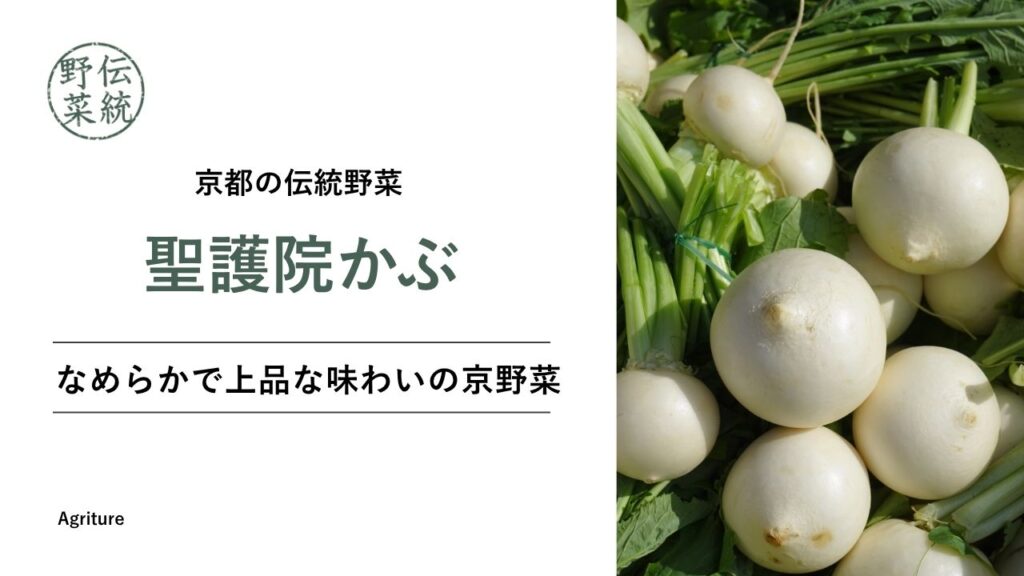
Shogoin Kabu: A Kyoto Vegetable with a Smooth, Refined Flavor
Shogoin kabura is one of Kyoto's heirloom vegetables, a turnip known for its large, round shape. Among turnips it boasts one of the largest sizes in Japan, and it is famous as the ingredient for Kyoto's specialty senmaizuke pickles—a true seasonal signature of Kyoto's winter. -
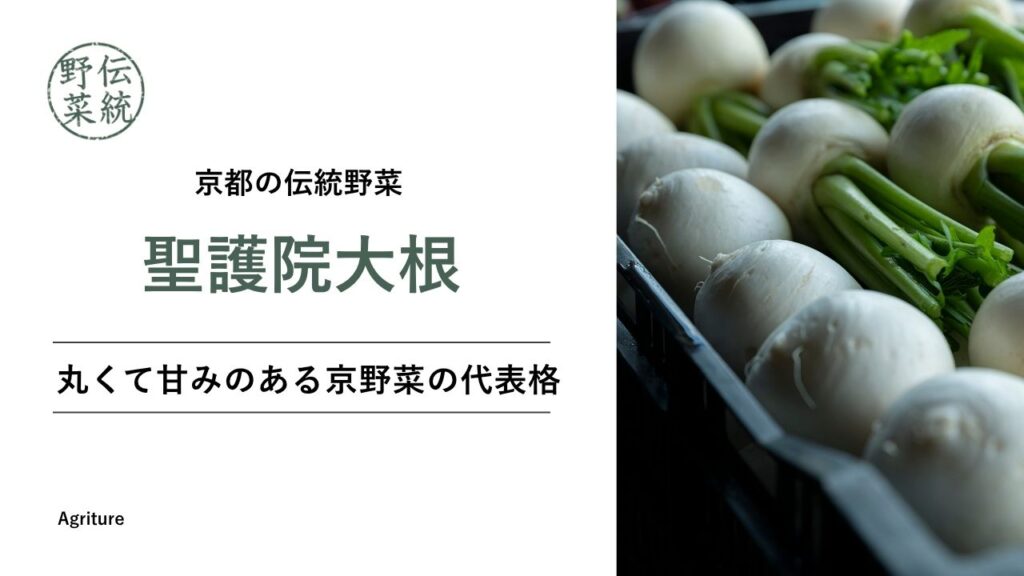
Shogoin Daikon: The Round, Sweet Standard-Bearer of Kyoto Vegetables
Shogoin daikon is one of Kyoto's heirloom vegetables, characterized by its large, round shape. It takes its name from Shogoin in Kyoto's Sakyo Ward, where it was first cultivated in the Edo period. In the early Showa era, it began to be grown in the Yodo district of Mimaki Village in southern Kyoto (around present-day Kumiyama)... -
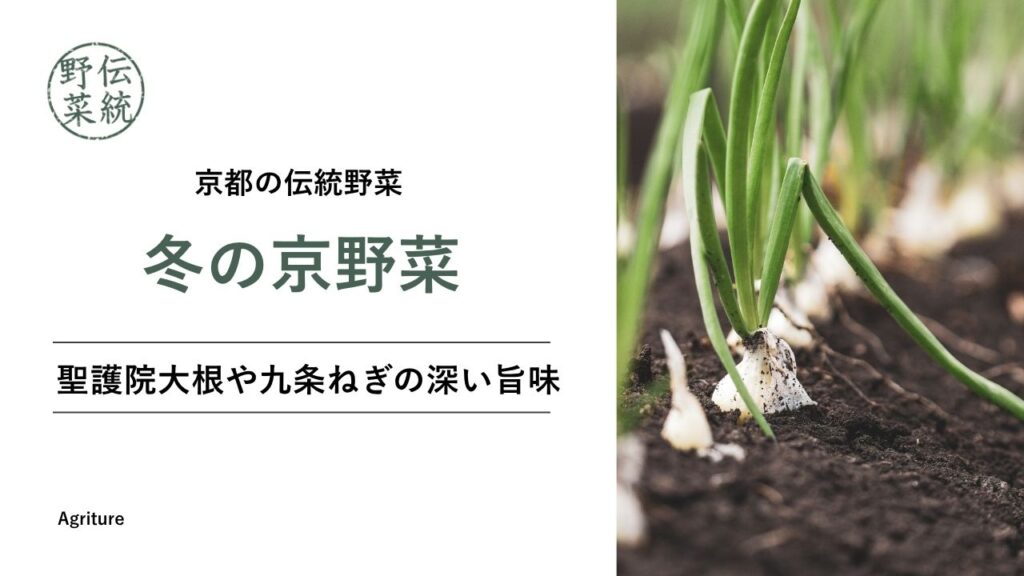
Winter Kyoto vegetables: the deep umami of Shogoin daikon and Kujo green onion
The "Kyoto vegetables" that color Kyoto's winter are packed with deep sweetness and umami, slowly nurtured through the cold. As temperatures drop, vegetables store up sugars, so Kyoto vegetables that come into season in winter grow sweeter and taste all the better in hot pots and simmered dishes. Here we introduce Kujo green onion, Shogoin daikon... -
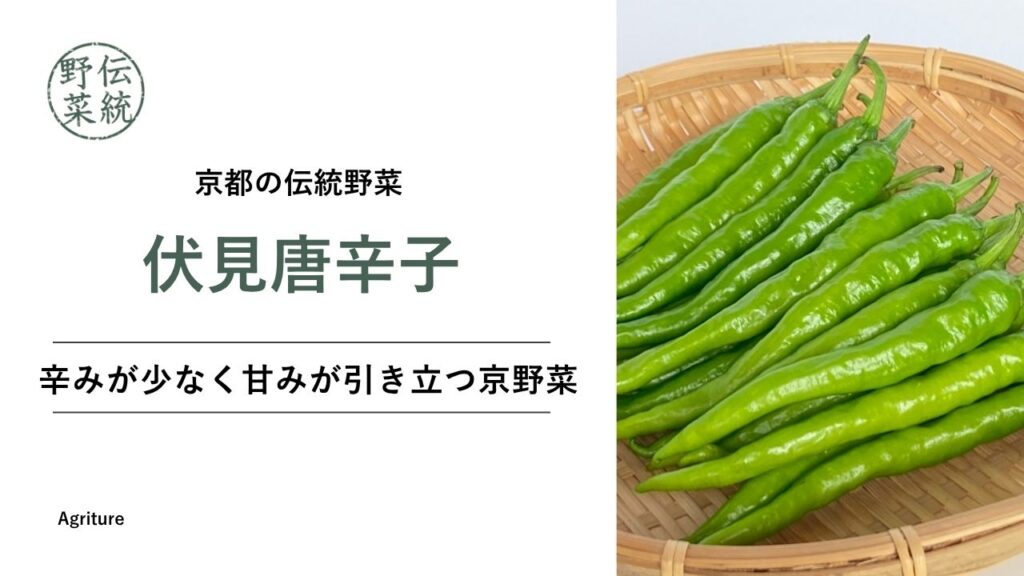
Fushimi Togarashi: A Kyoto Vegetable with Little Heat and Standout Sweetness
Fushimi togarashi is one of the Kyoto vegetables originating in Fushimi Ward, Kyoto Prefecture. Prized for being long, slender, wrinkled, and vividly green, it bears the name "togarashi" (chili) but is a kind of sweet chili with almost no heat. For that reason, children and those who dislike spicy food... -
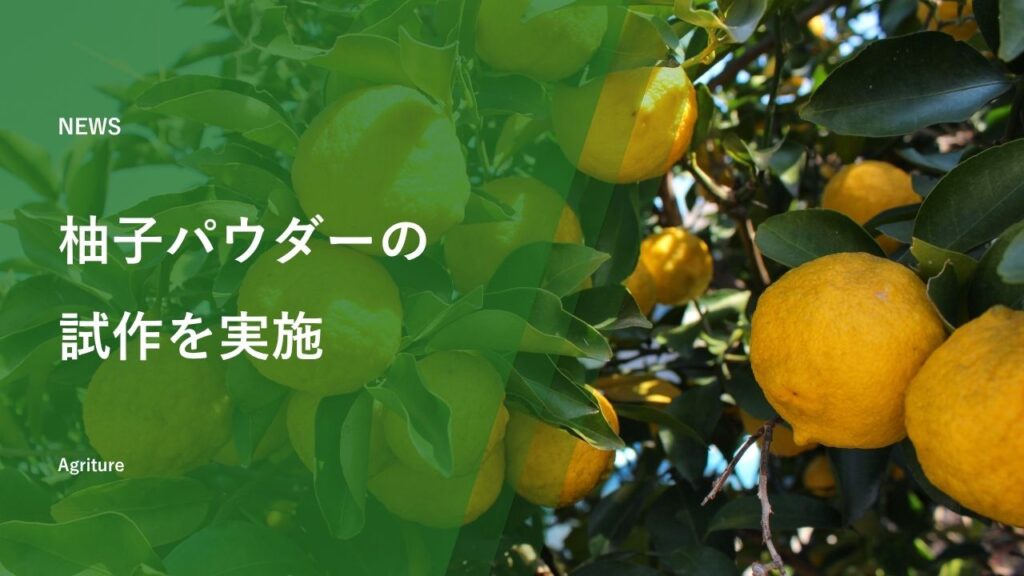
京都産の柚子を皮ごと乾燥させ、柚子パウダーの試作を始めました
このたび、Agritureでは、京都市右京区で収穫された柚子を使った「柚子パウダー」の試作を行いました。 京都市右京区の山あいでは柚子の栽培が続いています。寒暖差のある土地で育った柚子は皮に厚みがあり、香りがよく立ちます。加工の原料としても扱いや...
12