
What is the Kyoto heirloom vegetable Kujo green onion? The difference from green onion, plus season, ways to eat, and storage explained

Summary of this article
Kujo green onion is a "Kyoto Heirloom Vegetable" whose cultivation began in Fushimi Fukakusa in 711 (Wado 4) from a Naniwa-derived original stock, and which took hold as a variety in the Kujo district during the Jowa era. Characterized by leaf sliminess, winter sweetness, and rich aroma, this article explains the differences from ao-negi, banno-negi, and Shimonita green onion, its season, uses in Kyoto cuisine, home recipes, storage methods, and the use of commercial dried Kujo green onion.
「Kujo green onion" is a representative Kyoto green onion, certified as a Kyoto Heirloom Vegetables with about 1,300 years of history. An indispensable ingredient in Kyoto cuisine as a component of Kyo-udon, Kyoto hot pots, and as a condiment, it's characterized by sliminess in the leaf flesh, sweetness that increases in winter, and a rich aroma.
This article explains, all together, the charm of this Kyoto vegetable: Kujo green onion's positioning as a Kyoto vegetable, its differences from ao-negi, banno-negi, and Shimonita green onion, its season, uses in Kyoto and home cooking, storage methods, and the commercial use of dried Kujo green onion.
TOC
What Is Kujo Green Onion? The King of Kyoto's Heirloom Green Onions
Kujo green onion is a kind of ao-negi (leaf green onion) whose cultivation took hold and became a variety name around the Kujo district in southern Kyoto City, positioned as one of the "Kyoto Heirloom Vegetables."Prized for its leaf tenderness, sweetness, distinctive sliminess, and rich aroma, it has also been called the "king of ao-negi."
Unlike the "white green onion (fukabuka-negi)" common in the Kanto region, Kujo green onion is an ao-negi you can eat whole, right down to the green leaf part, a vegetable representative of Kansai's food culture. Kujo green onion is indispensable to Kyoto's traditional dishes—Kyo-udon, Kyoto-style zoni, Kyoto hot pots.
The Certification as a Kyoto Heirloom Vegetable / Brand Kyoto Vegetable and Kujo Green Onion's History
Kyoto Prefecture has several certification systems to protect and promote Kyoto vegetables, and Kujo green onion is positioned as one of its main items. Organizing the differences among the systems gives the following.
| System name | Operator | Main certification criteria |
|---|---|---|
| Kyoto Heirloom Vegetables | Kyoto Prefecture | Items positioned as vegetables (including bamboo shoots) grown within Kyoto Prefecture since before the Meiji era |
| Kyoto Brand Products (Vegetables) | Kyoto Prefecture / JA | Kyoto-grown vegetables that meet quality and cultivation standards and are given the "Kyo Mark" (commonly, Brand Kyoto Vegetables) |
| Kyoto Furusato Products | Kyoto Furusato Products Association | A certified brand for Kyoto-grown agricultural, forestry, and fishery products |
Kujo green onion is positioned as one of the "Kyoto Heirloom Vegetables," and in FY1990 it was also certified as a "Kyoto Brand Product (Vegetable)." As a representative vegetable of Kyoto Prefecture, it holds a firm standing in quality, history, and distribution.
The History of Kujo Green Onion | Kyoto's Food Culture, Over a Thousand Years Old
The provenance of Kujo green onion is ancient: around the founding of Fushimi Inari in 711 (Wado 4), an original stock derived from Naniwa (Namba) in Osaka is said to have begun to be grown around present-day Fukakusa in Kyoto's Fushimi Ward. Later, cultivation records remain in Kyoto's Kujo district during the Jowa era of the Heian period, and the place name took hold as the variety name.
Kyoto's food culture centers on cooking that harnesses dashi and seasonal vegetables, and Kujo green onion's aroma, sweetness, and sliminess pair extremely well with Kyo-udon, Kyoto hot pots, and Kyoto-style zoni—beloved for over a thousand years in Kyoto's home cooking and restaurant cuisine.
FOR BUSINESS
乾燥九条ねぎを、原料としてお探しですか
国産の九条ねぎを乾燥・粉砕してお出ししています。カット形状や粒度の指定、継続してのお取引もご相談ください。規格は Dried Kujo green onion・Kujo green onion powder に掲載しています。
少量でのご購入は、姉妹ブランドの通販サイト OYAOYA で承っています。
Kujo Green Onion's Distinctive Features | Sweetness, Aroma, and Leaf Sliminess
Compared with other green onions, Kujo green onion has clear features in leaf structure, texture, and flavor. Its claim to being the "king of ao-negi," refined over a thousand years in Kyoto, comes down to the following three points.
- Leaf sliminess: the inside of the leaf holds a jelly-like sweet sliminess that, when heated, releases a distinctive viscosity and sweetness
- Sweetness that increases in winter: exposed to cold, it stores sugars, and its leaves grow one notch sweeter from December to February
- Rich aroma: a greener, more vivid fragrance than other green onions, with outstanding presence as a condiment
Two Strains of Kujo Green Onion | Kujo Thick (Black Seed) and Kujo Thin (Asagi Seed)
Kujo green onion broadly divides into two strains.
- Kujo thick (black seed): thick, splendid leaves. Suited to hot pots and simmered dishes. The star of winter
- Kujo thin (asagi seed): thin, delicate leaves. Suited to condiments, salads, and udon toppings
The thin, chopped ao-negi standard in Kyo-udon is mostly Kujo thin, while the thick green onion that stars in sukiyaki and Kyoto hot pots is often Kujo thick.
How Kujo Green Onion Differs from Other Green Onions | Ao-negi, Banno-negi, Shimonita Green Onion
"Kujo green onion," "ao-negi," "banno-negi," and "Shimonita green onion" differ in variety, growing region, and use. Compared, they organize as follows.
| Variety | Strain | Main growing region | Features |
|---|---|---|---|
| Kujo green onion | Ao-negi (leaf green onion) | Kyoto Prefecture | A Kyoto heirloom vegetable. Rich in leaf sliminess, sweetness, and aroma |
| Ao-negi (general) | A collective term for leaf green onions | All of Kansai | The collective term mainstream in Kansai, where leaves are eaten. Includes Kujo green onion |
| Banno negi | A kind of leaf green onion (trademark) | Fukuoka (JA Chikuzen Asakura) | A thin-green-onion brand of JA Chikuzen Asakura, also called Hakata banno-negi |
| Shimonita negi | White green onion (deep-rooted green onion) | Shimonita, Gunma | A thick, short white green onion. Hot raw, but turns strongly sweet when heated |
In other words, ao-negi is the collective term for Kansai-style green onions eaten leaves and all, and Kujo green onion is its representative and a Kyoto heirloom vegetable. Banno-negi is a Kyushu-grown thin-green-onion brand, and Shimonita green onion is a Gunma-grown thick white green onion. Each occupies a very different position.
A product catalog that shows around 100 items we handle
Agriture, flexibly handling everything from small lots to large lots
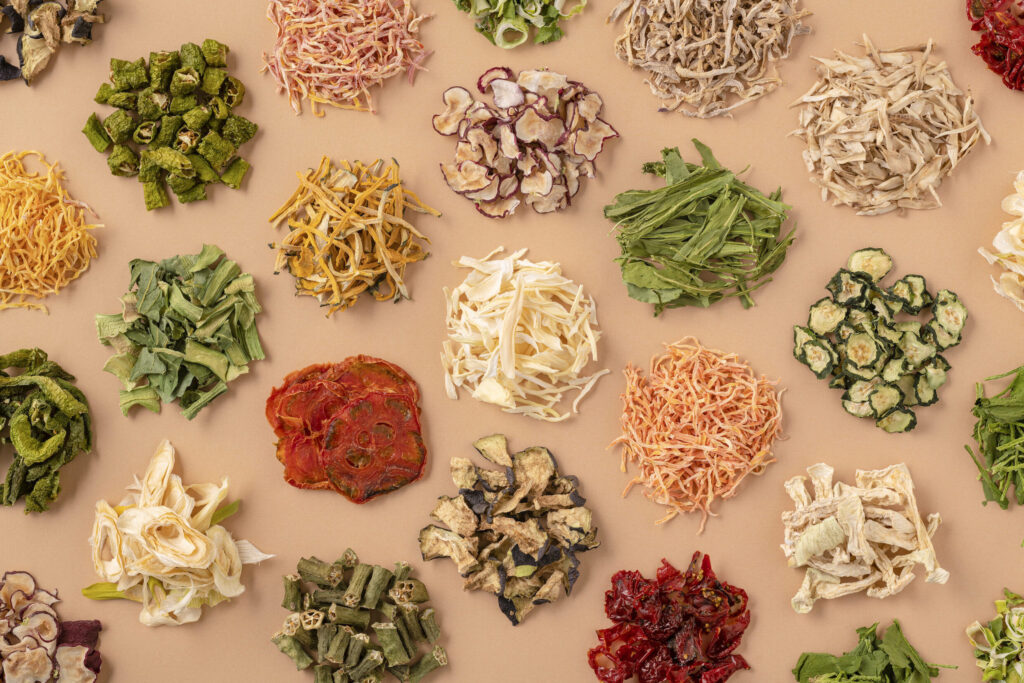
- Available for purchase in small lots from 1 kg
- We handle heirloom vegetables from across Japan
- Dried fruit and herbs also supported
Kujo Green Onion's Season and Kyoto's Main Growing Regions
Kujo green onion is distributed year-round, but its true season is winter, December to February. Exposed to cold, its leaves store sugars and its sliminess and sweetness peak. It's one of the seasonal vegetables representative of Kyoto's winter.
- Minami Ward, Kyoto City: the birthplace around the Kujo district. A growing region for the Kyoto heirloom vegetable
- Southern Kyoto Prefecture: grown on a large scale across the southern Kyoto area, including Joyo, Uji, Kumiyama, and Yawata
- Northern Kyoto Prefecture: sweet Kujo green onion produced in areas with large temperature swings, such as Kyotango, Fukuchiyama, and Maizuru
Kujo Green Onion, Indispensable to Kyoto Cuisine | Kyo-Udon, Kyoto Hot Pots, Condiments
Kujo green onion is one of the vegetables representative of Kyoto's food culture, active in everything from Kyoto cuisine to home cooking. Here are representative uses unique to Kyoto.
- Kyo-udon / tanuki udon: chopped Kujo thin piled generously on top, enjoyed with the dashi—a Kyoto staple
- Kyoto-style zoni: a white-miso preparation combining small taro, daikon, and Kujo green onion—Kyoto's New Year dish
- Kyoto hot pots / sukiyaki: Kujo thick added diagonally sliced, its sweetness drawn out to a melting richness by heat
- Kujo green onion with egg: Kujo green onion and fried tofu simmered and bound with egg—Kyoto home cooking
- Kyoto-style dashimaki tamago: chopped Kujo green onion added and cooked in—an aromatic Kyoto breakfast staple
- A condiment for yudofu: condiment use unique to Kyoto, with its many tofu dishes
Kyoto's dashi culture pairs beautifully with Kujo green onion's aroma and sweetness, and it has served for over a thousand years as a supporting player that enhances the delicate flavors of Japanese cuisine.
Ways to Eat It at Home and Popular Recipes
Beyond Kyoto cuisine, Kujo green onion is a versatile ingredient in home cooking too. You can use it whole right down to the leaves, so it's a low-waste, good-value vegetable.
- As a condiment: chop and scatter it to finish soba, udon, chilled tofu, natto, and stir-fries
- Grilled Kujo green onion: a simple dish of grilling in olive oil and sprinkling with salt
- Kujo green onion stir-fried with chirimen-jako: an accompaniment to rice
- Kujo green onion tempura: fried kakiage-style, its sweetness and aroma stand out
- Kujo green onion nuta: a dressed dish combined with vinegar miso. The leaf sliminess and sweetness come alive
- Kujo-green-onion-loaded chijimi: aromatic and enjoyable even in a Korean-style twist
- Kujo green onion and bacon pasta: a popular recipe where the aroma comes alive in a Japanese-Western blend
The leaf sliminess turns to a faint viscosity and sweetness when heated, so you can enjoy different deliciousness whether raw or cooked.
How to Store and Choose Kujo Green Onion
Here are the points for choosing tasty Kujo green onion and using it up while keeping its flavor as much as possible.
How to Choose Kujo Green Onion
- Ones firm right to the leaf tips, not wilted
- Ones with a vivid, deep green, not yellowed
- Ones with a plump, thick, firm white base
- Ones with a fresh, undried cut end
How to Store Kujo Green Onion
- Refrigerated storage: wrap the base in a dampened paper towel, put it in a plastic bag, and store it standing up in the vegetable drawer (4–5 days)
- Frozen storage: chop it, drain off the moisture, and freeze it flat in a zipper bag (about 1 month)
- Newspaper storage: wrap it in newspaper and keep it standing in a cool, dark place to last a few days
- Dry storage: chop it fine and sun-dry it or use a food dryer for long-term storage
At home, chopping and freezing is the easy, recommended way. If you want long-term storage, fully drying it by sun or food dryer keeps it well at room temperature.
Commercial Use of Kujo Green Onion | The Strengths of Dried Kujo Green Onion
For restaurant chains, cafés, cup-noodle makers, and frozen-food makers, stable procurement of Kujo green onion and ease of handling in stores are challenges. Fresh Kujo green onion peaks in quality in its winter season, but year-round swings in price and supply, waste loss, and the labor of chopping become operating costs.
The option that solves these challenges in commercial use is Dried Kujo green onion. Drying Kyoto-grown Kujo green onion yields the following strengths.
- Long-term room-temperature storage: it doesn't crowd refrigerated space and can be used in the amount needed, when needed
- Stable procurement price: you can stockpile dried in-season Kujo green onion, curbing the impact of seasonal price swings
- Reduced waste loss: small-pack and single-use packs minimize leftovers
- Zero prep: no chopping or draining needed—use it as-is to finish ramen, udon, and frozen foods
- The appeal of Kyoto-grown origin: harness the brand story of "Kyoto Heirloom Vegetable" and "uses Kujo green onion" in menus and products
At Agriture, we handle commercial dried Kujo negi made from Kyoto-grown Kujo green onion. From OEM and small-lot prototyping to regular supply, consult us via wholesale and OEM of commercial dried vegetables and Drying OEM .
Summary: Enjoying the Kyoto Heirloom Vegetable Kujo Green Onion Well
Kujo green onion is a leading "Kyoto Heirloom Vegetable" with about 1,300 years of history. Characterized by leaf sliminess, sweetness that increases in winter, and a rich aroma, it differs greatly from ao-negi, banno-negi, and Shimonita green onion in variety, growing region, and use.
At home it's active across a wide Japanese-Western range—udon, zoni, as a condiment, grilled, in chijimi—and in commercial use, Kyoto-grown dried Kujo green onion helps with stable procurement, reduced waste loss, and its appeal as a Kyoto-vegetable brand. list of dried vegetables we handle and wholesale and OEM of commercial dried vegetables Do put to use too.
FOR BUSINESS
乾燥九条ねぎを、原料としてお探しですか
国産の九条ねぎを乾燥・粉砕してお出ししています。カット形状や粒度の指定、継続してのお取引もご相談ください。規格は Dried Kujo green onion・Kujo green onion powder に掲載しています。
少量でのご購入は、姉妹ブランドの通販サイト OYAOYA で承っています。
FAQ
Download the product catalog
We will send the materials to your email address based on the information you provide.
- Kintoki Carrot: A Vividly Colored, Strongly Sweet Kyoto Vegetable
- Shishigatani Kabocha: A Kyoto Vegetable Prized for Its Distinctive Shape and Gentle Sweetness
Author of this article
Related articles
-
 京野菜は何品目あるのか、読み方の一覧と認定の枠組みから確かめる
 -
 Drying Is Another Kind of Cooking
 -
 The Technology to Lock In the Season. The Seasonal Story Dried Vegetables Connect.
 -
 The Cut Face of a Vegetable. The Difference the Cut Makes.
 -
 Tasting Kyoto Vegetables by Aroma. The Pleasure of Cooking That Begins at the Tip of the Nose
 -
 Vessels and Kyoto Vegetables. Creating the Scenery of Plating.
 -
 Vegetables and Heat Control. Between High and Low Flame
 -
 Kyoto Vegetables and Sake. The Happy Relationship of a Dish and a Cup.