
Kujo green onion– tag –
-
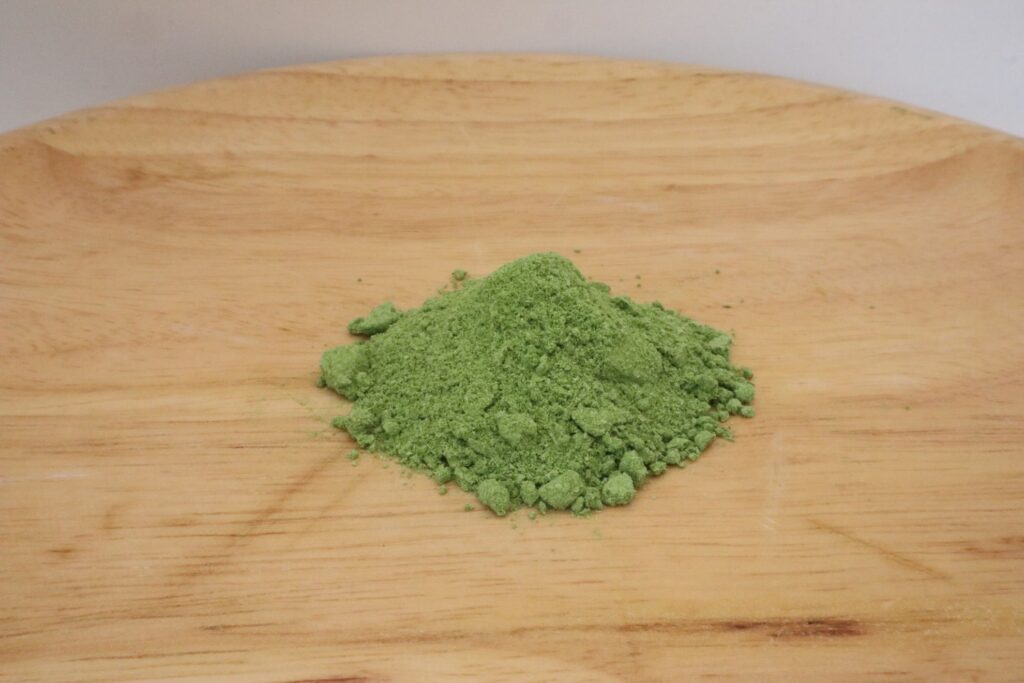
Kujo green onion powder
Kujo negi, a traditional Kyoto vegetable, dried and processed. Distinctive sweetness and mellow fragrance. A commercial raw material ideal for condiments and seasonings. -
Kyoto-style food development | Gift-oriented product development OEM using Kyoto vegetables
Gift food OEM using Kyoto ingredients is a field that lets you add the value of the “Kyoto brand” to products—value that product development in other regions cannot deliver. In addition to Kyoto vegetables such as Kujo green onion, Shogoin daikon, Kamo eggplant, and Manganji pepper, and up to the pickles, tsukudani, Kyoto sweets, and dashi that Kyoto’s food culture has nurtured, ingredients... -
Creating a regional brand with a Kyoto-vegetable OEM | The complete flow from planning to sales
京野菜のパウダー加工は、地域ブランドを原料レベルで商品に落とし込める数少ない選択肢です。九条ねぎ・万願寺とうがらし・聖護院大根・京くれない人参・京都産の柚子など、京都が長く育ててきた伝統野菜は、色・香り・ストーリー性のどれを取っても食品O... -
Kyoto ingredient processing OEM | How to make the most of Kyoto vegetables and quality control
The strength of requesting ingredient-processing OEM in Kyoto lies in access to Kyoto vegetables, heirloom vegetables, and Kyoto-grown ingredients, and in a quality-control system backed by the culture of long-established makers and artisans. By combining processing techniques such as drying, powdering, and extract extraction with Kyoto-grown ingredients, you get something beyond mere OEM manufacturing—a... -
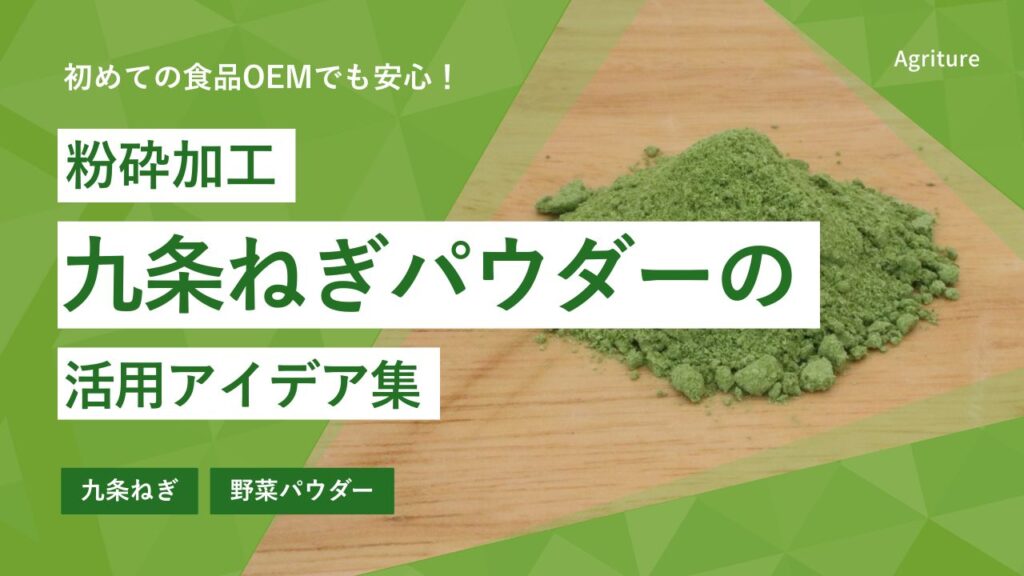
Dried Kujo green onion powder | Usage ideas and how to choose it as a food OEM raw material
Dried Kujo Negi powder is a commercial raw material made by drying and finely powdering the Kyoto heirloom vegetable "Kujo negi." Compared with white negi types, it has a gentler aroma and stronger sweetness, with a vivid green retained all the way to the leaf tips—it is adopted in food OEM for topping instant noodles, furikake, and adding color and aroma to baked-good dough... -
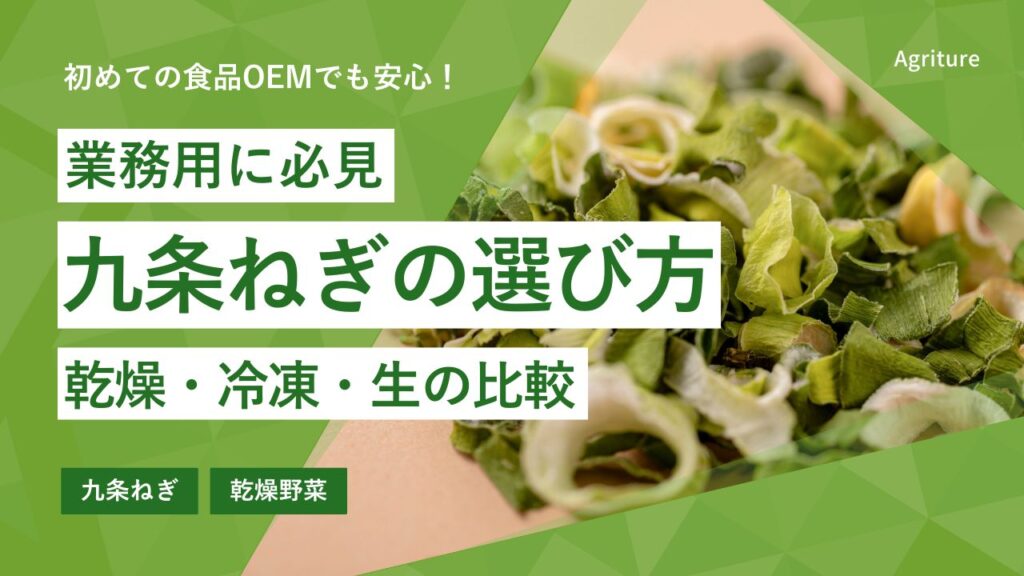
How to Choose Commercial Kujo Negi: Comparing Fresh, Frozen, and Dried
Commercial Kujo negi distributes "Kujo negi," one of the traditional vegetables that represents Kyoto, in three types—fresh, frozen, and dried—as a raw material for ramen shops, food manufacturers, boxed-lunch factories, and the like to use stably. To make the most of its distinctive sweetness and aroma and deep green, the optimal form for each use... -
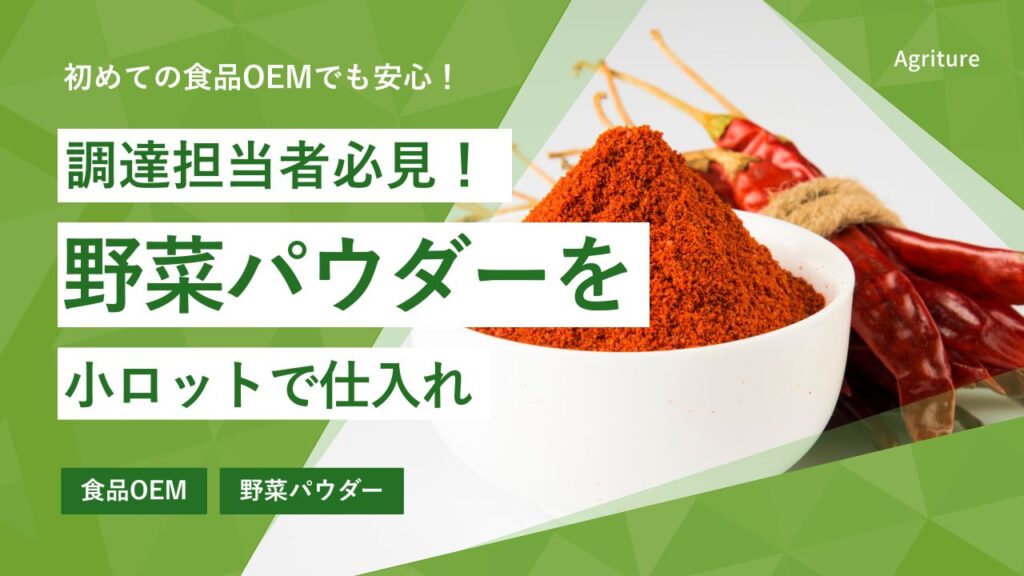
How to source commercial vegetable powder in small lots, and how to use it
Wanting to source commercial vegetable powder in small lots—this is a challenge common to a wide range of businesses: restaurants, food manufacturers, EC operators, confectionery workshops, and more. The unit-price benefit of bulk sourcing is appealing, but considering inventory risk, loss at the prototyping stage, and cash flow, “first, at a scale of about 5–50 kg... -
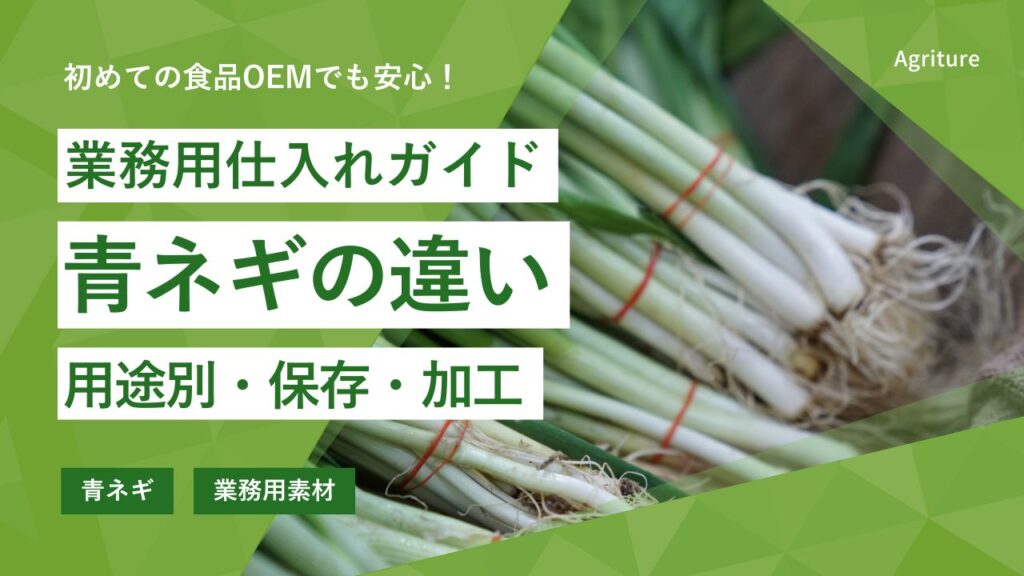
長ねぎと白ねぎは同じもの?ねぎの種類と呼び名を国の資料で確かめる
ねぎの売り場には、長ねぎ、白ねぎ、根深ねぎ、青ねぎ、葉ねぎ、小ねぎ、万能ねぎ、わけぎ、あさつきと、呼び名だけが増えていきます。同じものを指している言葉と、植物としてまったく別の作物を指している言葉が、同じ棚に並んでいるからです。 この記事... -
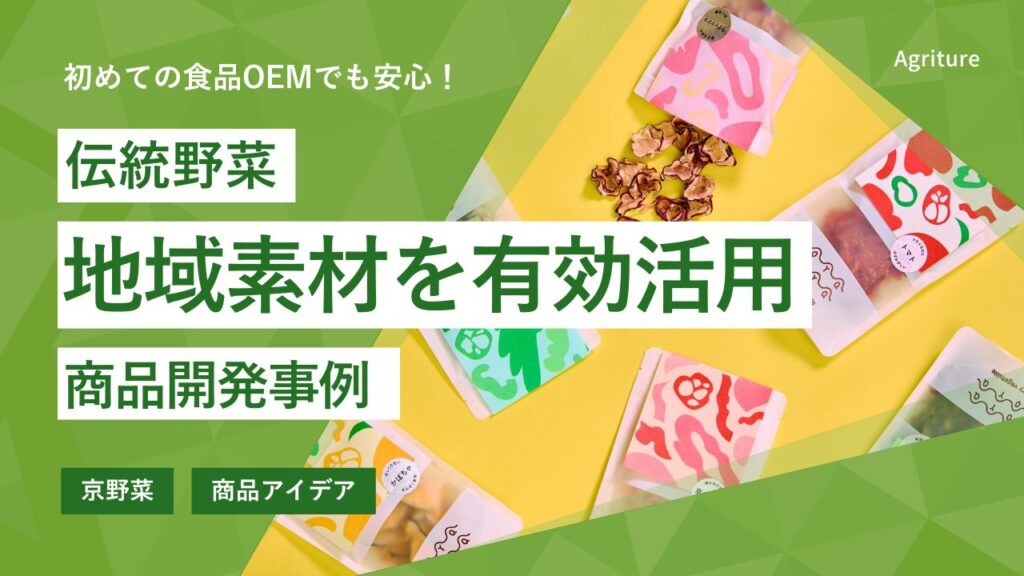
Heirloom vegetable OEM | A commercialization case guide using Kyoto vegetables and local ingredients
Right now, product development that makes use of “regional individuality” is drawing attention. Among these, foods using heirloom vegetables and Kyoto vegetables are strongly supported for the gift market and inbound-oriented products, thanks to their visual beauty and rarity. Especially now, with inbound tourists increasing, region... -
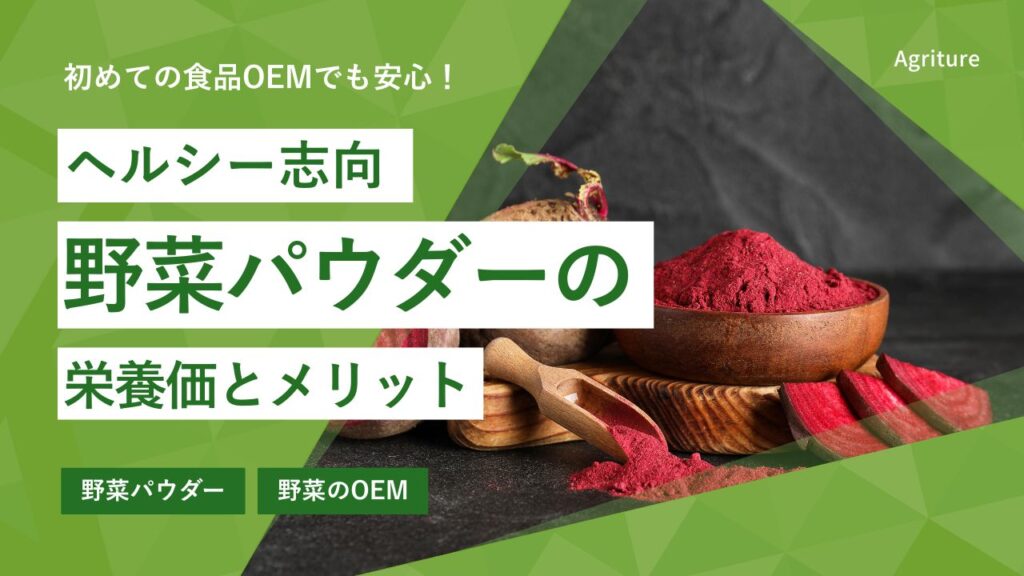
What Is Vegetable Powder? Features, Shelf Life, Uses and a Guide to OEM
Even though we know eating plenty of vegetables every day matters, the effort of cooking and the difficulty of storing them mean it often gets put off in busy days. One ingredient drawing attention as a support for such diets is vegetable powder. Turning vegetables into powder removes water, and the bulk... -
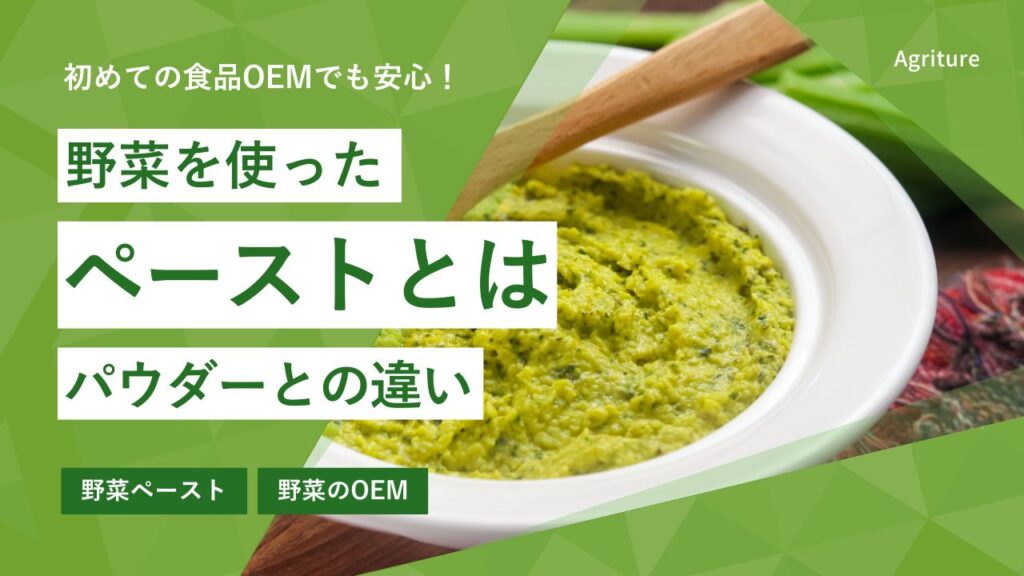
What is vegetable paste? The difference from powder, dried vegetables, purée, and extract
Vegetable paste is a food ingredient made by heating and grinding fresh vegetables into a paste (a smooth, semi-solid form). Its high moisture content gives it a mellow mouthfeel, and it is used in sauces, baby food, sweets, and dressings. On the other hand, vegetable powder, dried vegetables, pi... -
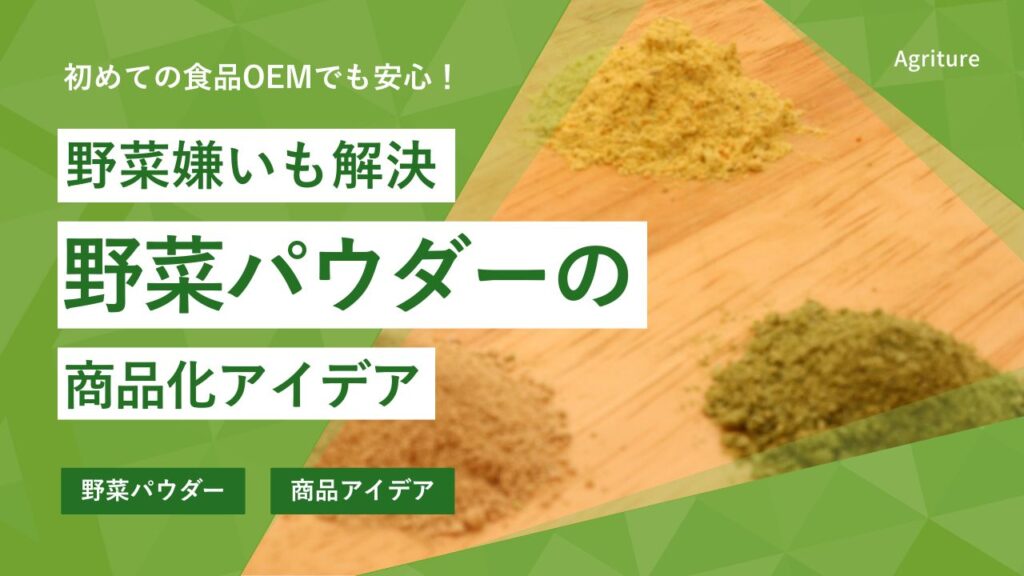
Solve picky eating too! 3 ideas for commercializing vegetable powder you can keep up every day
Getting plenty of vegetables every day is the foundation of health. But in reality, many people can't get enough vegetables for reasons such as "I'm too busy to spend time cooking," "my kids dislike vegetables and won't eat them," or "I just don't like the taste." Against that backdrop... -
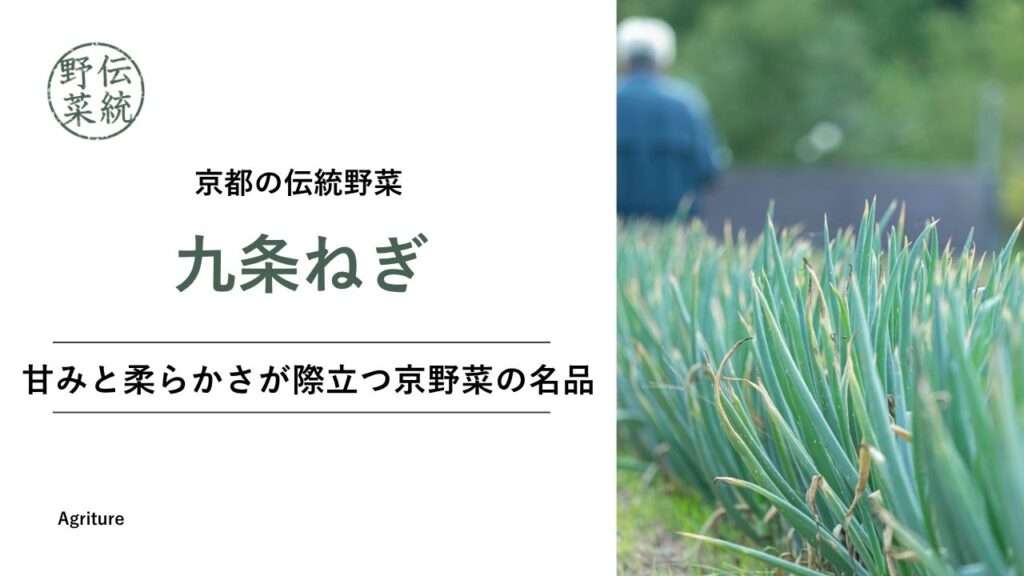
What is the Kyoto heirloom vegetable Kujo green onion? The difference from green onion, plus season, ways to eat, and storage explained
"Kujo negi" is a green negi that represents Kyoto, certified as a Kyoto heirloom vegetable with about 1,300 years of history. It's an ingredient essential to Kyoto cuisine—Kyo-udon, Kyoto hot pot, and as a garnish—prized for the sliminess of its leaf flesh, the sweetness that increases in winter, and its rich aroma. This article covers Kujo negi's position as a Kyoto vegetable... -
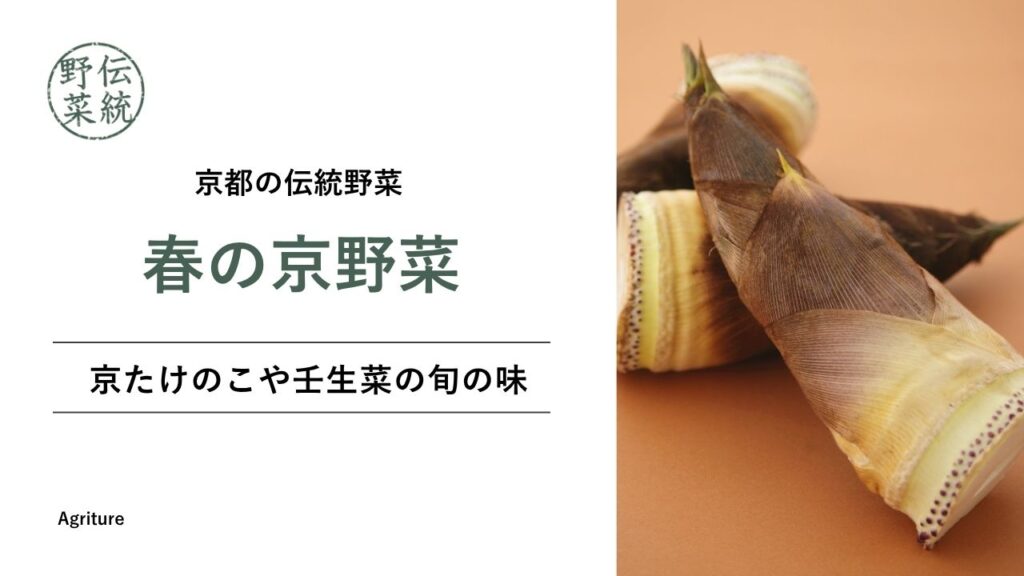
Spring Kyoto vegetables: the seasonal taste of Kyoto bamboo shoots, mibuna, and Kujo green onion
Every vegetable has its season, and by enjoying them season by season you can savor flavors unique to that time of year. Spring, along with the start of the new fiscal year, is when fresh vegetables line the shop shelves. Vividly colored, full of character, spring Kyoto vegetables include Kyoto bamboo shoots, hanana rape blossoms, and Kyoto udo—all shaped by Kyoto's climate and land... -
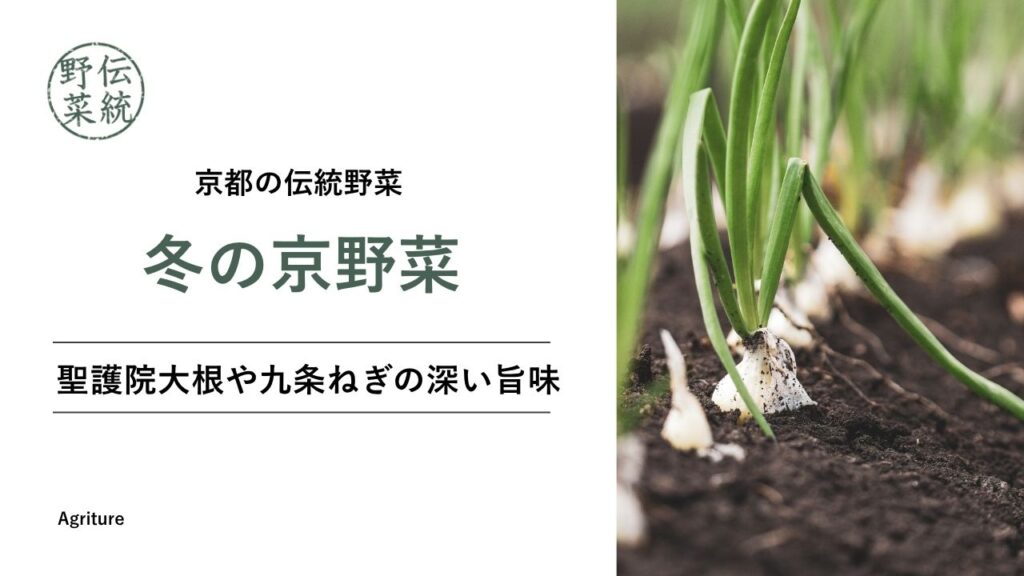
Winter Kyoto vegetables: the deep umami of Shogoin daikon and Kujo green onion
The "Kyoto vegetables" that color Kyoto's winter are packed with deep sweetness and umami, slowly nurtured through the cold. As temperatures drop, vegetables store up sugars, so Kyoto vegetables that come into season in winter grow sweeter and taste all the better in hot pots and simmered dishes. Here we introduce Kujo green onion, Shogoin daikon...
1