
Domestically grown– tag –
-

Dried mibuna
"Mibuna," a Kyoto heirloom vegetable also familiar in Kyoto pickles. Among them, mibuna cultivated in Hiyoshi Town—the designated production area for Kyo-mibuna—is a gem reputed to be aromatic, with a tangy heat like a herb. Drying softens the faintly bitter flavor, with the heat elevating the umami for a refined... -

Dried Maitake
Maitake is so prized for its strong aroma and umami that it's called "matsutake for aroma, shimeji for flavor," and it's highly rated as a dashi ingredient too. Dried maitake slowly low-temperature-dries domestic raw material, concentrating flavor and umami. Rehydrated, its thick, meaty texture returns, and it's suited to a wide range of dishes—stir-fries, takikomi rice, soups, and more... -

Dried shiitake
Dried shiitake product overview. A commercial raw material carefully dried in three temperature stages, using shiitake grown at our partner farms in Kyoto Prefecture. Sliced thick, it combines a softer bite than typical dried shiitake with concentrated umami. Low in off-notes even when dried, once rehydrated it returns to fresh shiitake... -
Dried mango
Mango is a tropical fruit prized for its rich sweetness and mellow aroma. Dried mango uses fully ripe fruit grown in Miyazaki Prefecture, locking in natural sweetness and aroma by drying slowly at low temperature. The flesh color is beautiful too, for confectionery, granola, smoothies, and drink to... -

Dried Shogoin daikon
"Shogoin daikon," a Kyoto heirloom vegetable born in the Shogoin area of Kyoto in the late Edo period. Its perfectly round, moisture-rich, soft flesh is resistant to falling apart when simmered and faintly sweet. Drying removes the moisture, producing a springy, bouncy texture and a refined richness and umami within the sweetness... -
dried celery
Celery has a distinctive aroma and refreshing crispness, indispensable as an aromatic vegetable for Western dishes and soups. Dried celery low-temperature-dries domestic raw material, retaining its aroma and color as is. Rehydrated, its crisp texture returns, and with good aroma it's usable in many ways—soups, sauces, prepared dishes... -
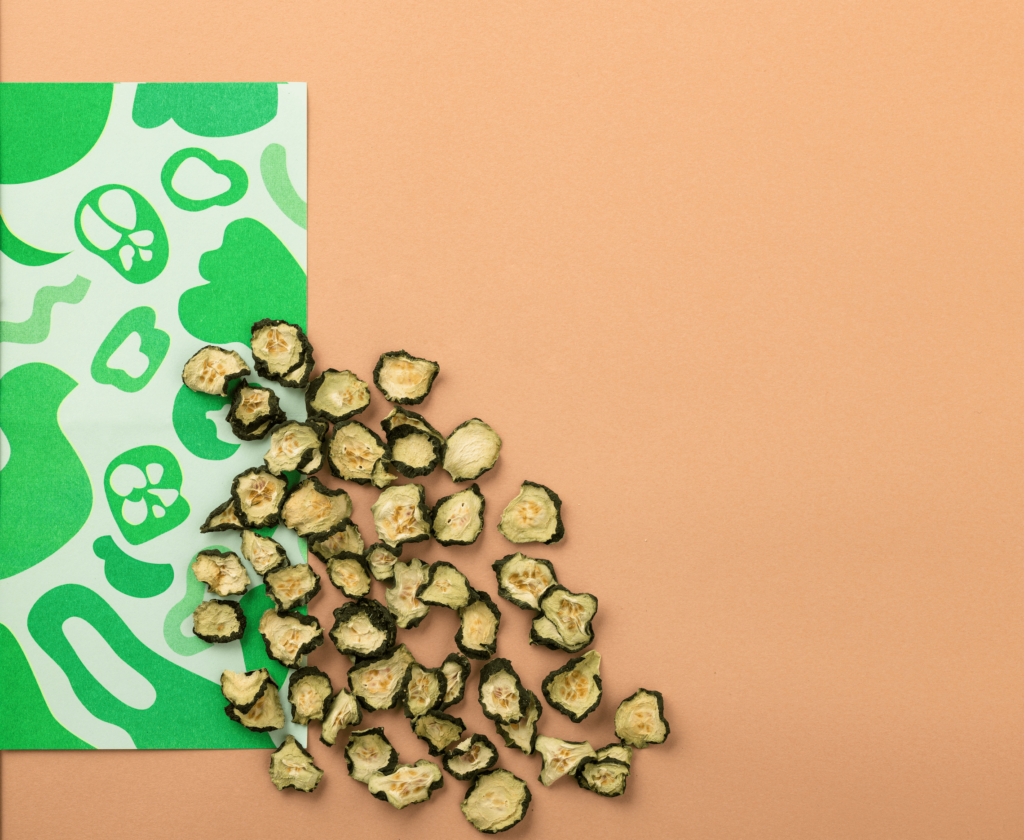
Dried cucumber
A commercial dried vegetable made by slicing fresh cucumbers grown at our partner farms in Kyoto Prefecture and slowly low-temperature-drying them. Unlike fresh vegetables, rehydrated with water it offers a distinctive "crunchy" texture. A popular product with many repeat buyers even in individual mail order, yet also commercial... -
Dried Winter Melon (tougan)
Winter melon is a summer vegetable known for its mild yet gentle sweetness and juiciness. Our dried winter melon uses Kyoto-grown raw material carefully dried at low temperature, so it reproduces a natural texture and flavor even when rehydrated in stews and soups. Because it lets you handle high-moisture winter melon in a stable form, it is ideal for commercial kitchens and retort ... -

Dried spinach
Dried spinach product overview. A commercial dried spinach using "Bentenmaru" from Takii Seed's Phytorich series, known for distinctive cultivar traits. It has little of spinach's characteristic harshness and aku, with strong sweetness. Raw material grown by partner farms in Kyotango, Kyoto Prefecture, has its leaves... -
dried turmeric
Ukon (turmeric) is a plant of the ginger family known for its vivid yellow color and distinctive aroma. Our dried turmeric is made from raw material grown in Okinawa Prefecture, carefully dried at low temperatures to retain curcumin and other components along with its natural aroma. For health foods, supplements, spice ingredients, beverages... -

Dried carrot
Made with tender, mild yellow carrots that shine in dishes. Faintly sweet even raw, this cultivar concentrates an even richer natural sweetness when dried, finishing with a richness you'd hardly think came from a vegetable. Sweetness spreads with each bite, so you can enjoy it like a dessert... -
Dried mugwort
Mugwort is an aromatic herb long rooted in Japanese food culture, used widely in Japanese sweets, medicinal cuisine, and health teas. Dried mugwort is a raw material made by low-temperature drying domestic mugwort, sealing in its deep green color and aroma. It is suited to product creation that makes use of aroma and color—kusa mochi, dumplings, bath additives, herbal tea, and more... -
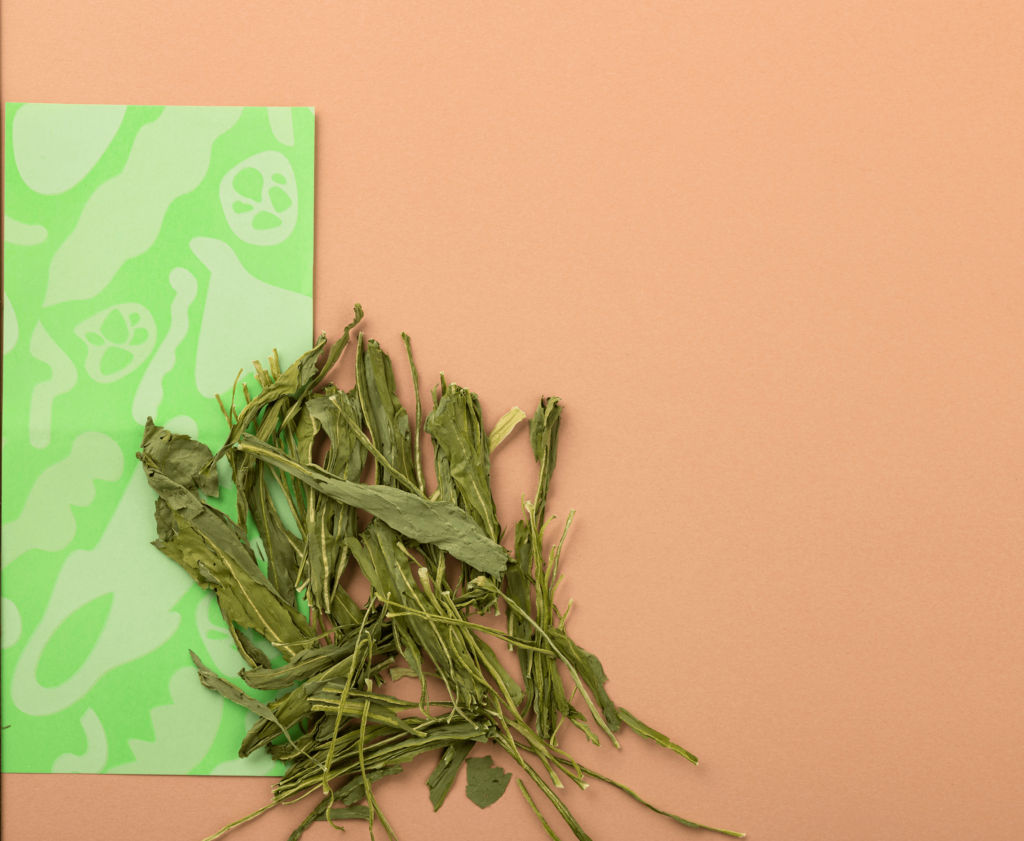
Dried mizuna
* Image 1 is mizuna, image 2 is Benihoshi mizuna. "Mizuna," a Japan-native vegetable long grown mainly in Kyoto. Agriture's commercial dried mizuna uses as its main raw material "Benihoshi mizuna" from the Phytorich series developed by a Kyoto seed maker, grown by partner farms in Kyotango, Kyoto Prefecture... -
Dried yuzu
An ingredient made by carefully drying domestic yuzu, peel and all, retaining aroma and acidity as is. The aroma resists flying off even when heated, so it's usable in a wide range of foods such as confectionery and drinks. Adding just a little at the prep stage brings up yuzu's characteristic refined aroma, creating a natural afterglow that flavorings can't produce... -

Dried ginger
Made with young ginger so aromatic you're wrapped in a refreshing scent the moment it's dug up. Drying keeps its sharp, crisp pungency as is, with the aroma also intact. Beyond use as a raw material, powdering it lets you use it as a hidden flavor in various products... -

Dried Kujo green onion
A commercial dried vegetable made by slicing and drying at our own factory the Kujo green onion known as a Kyoto heirloom vegetable. The green onion’s original fragrance and sweetness are concentrated, and a crisp texture remains even after rehydrating. It is suited to commercial use, especially for Japanese delicatessen, soups, and to... -
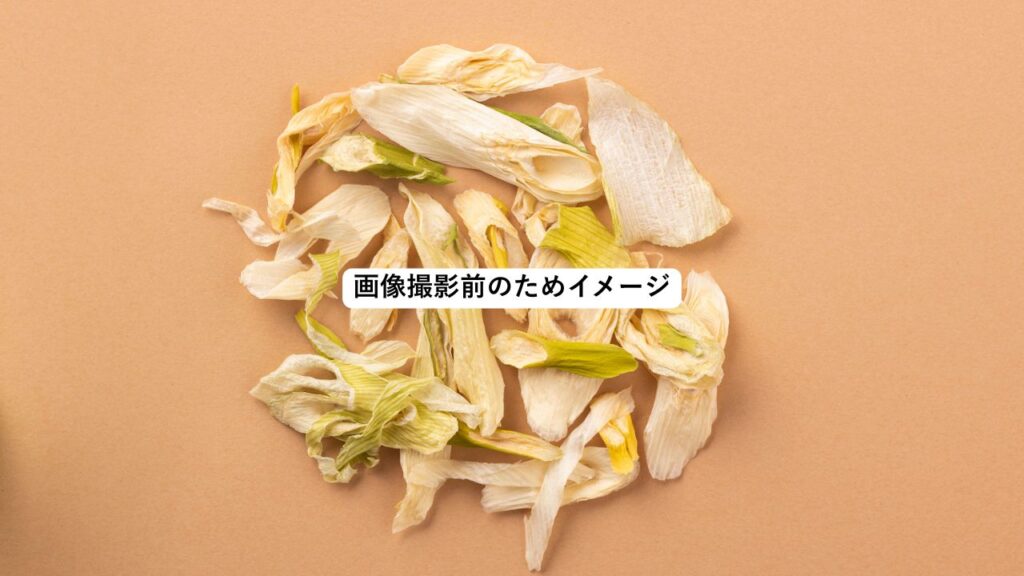
Shimonita negi
Dried Shimonita negi product overview. Shimonita negi grown at our partner farms in Gunma Prefecture, using mainly the white part, is slowly low-temperature-dried. Leveraging the thick, meaty texture, it finishes with a melting sweetness that spreads with each bite and a distinctive rich aroma. Rehydrated, its plump texture... -
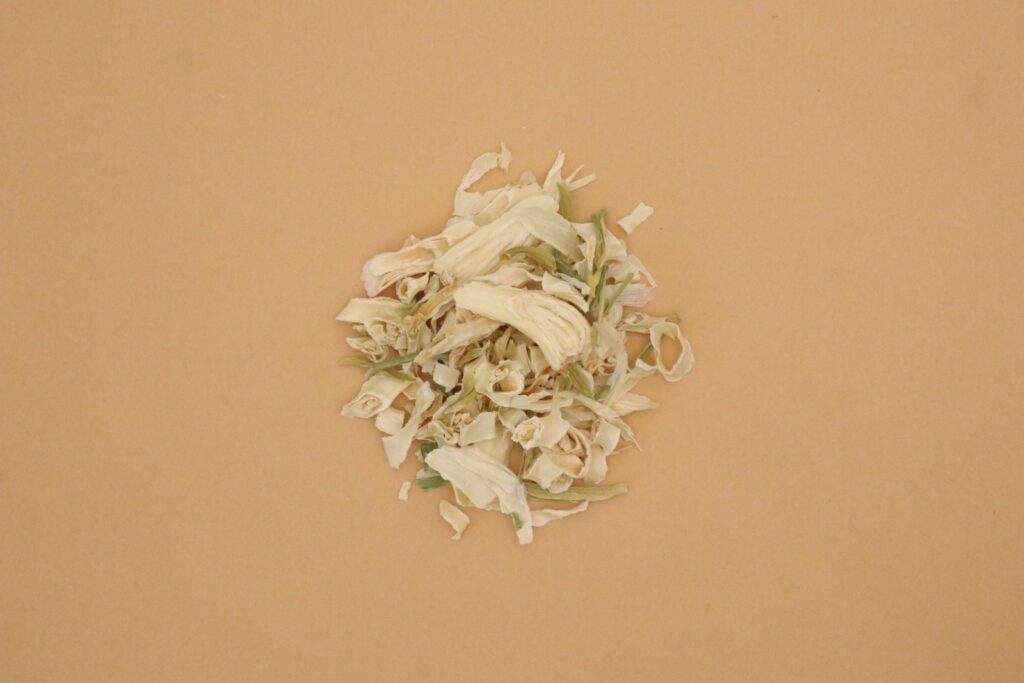
Dried Shima Rakkyo
Dried shima rakkyo product overview. This is dried shima rakkyo made from shima rakkyo, an Okinawan heirloom shima-yasai (island vegetable), concentrating its characteristic pungency and crisp texture. Low-temperature drying firmly preserves its distinctive aroma and pungency, and when rehydrated it offers a texture close to fresh. It keeps for a long time, and as a medicinal... -
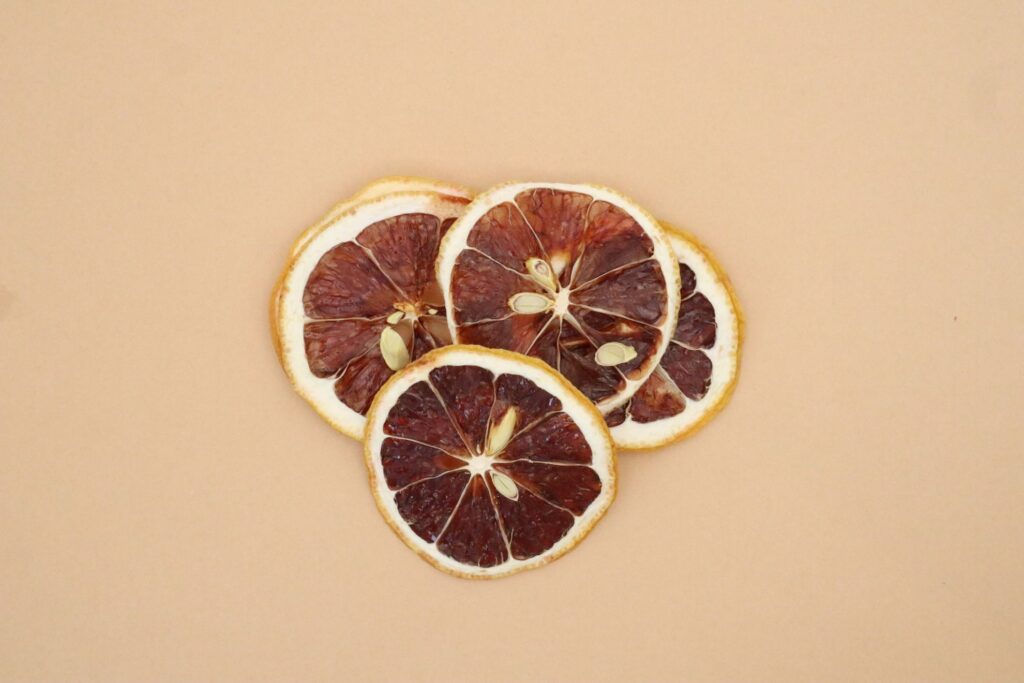
Dried lemon
Product Overview of Dried Lemon A dried lemon using domestically grown lemons (Kyoto-grown, Ehime-grown), concentrating a refreshing acidity and aroma. Through low-temperature drying, it retains vivid color while locking in the peel's fragrance and the flesh's acidity as-is. Its slice shape is easy to use as-is, for top... -
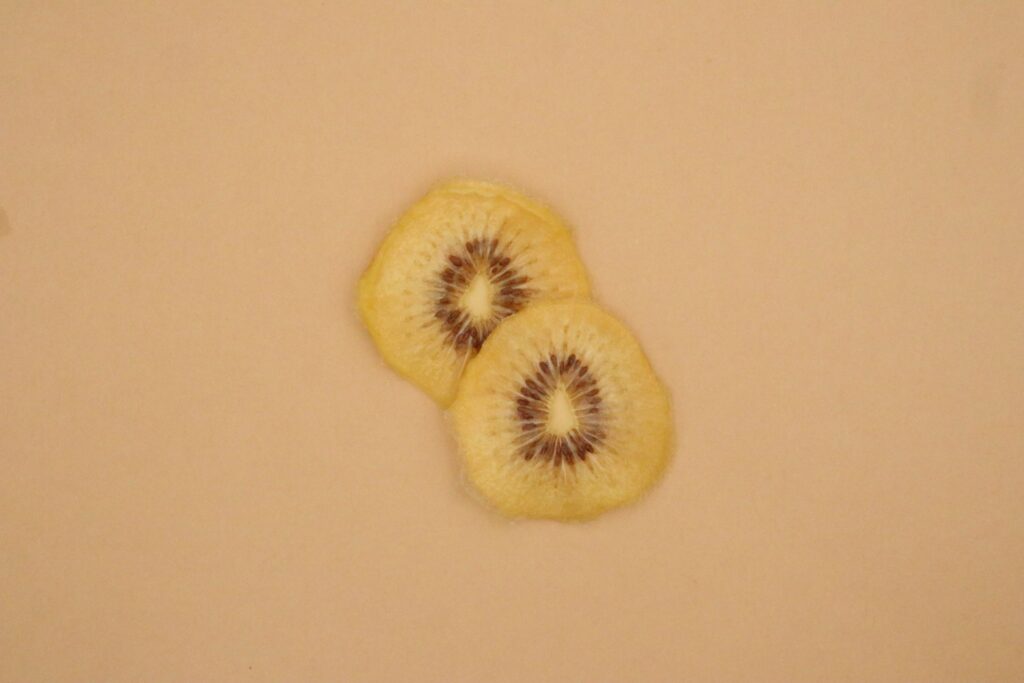
Dried kiwi
Product Overview of Dried Kiwi A dried kiwi using Kyoto-grown kiwifruit, concentrating its sweet-tart flavor as-is. Through low-temperature drying, the vivid green and acidity stand out, with a finish that lets you enjoy natural sweetness. Drying drives off the fruit's distinctive moisture, giving a concentrated flavor... -
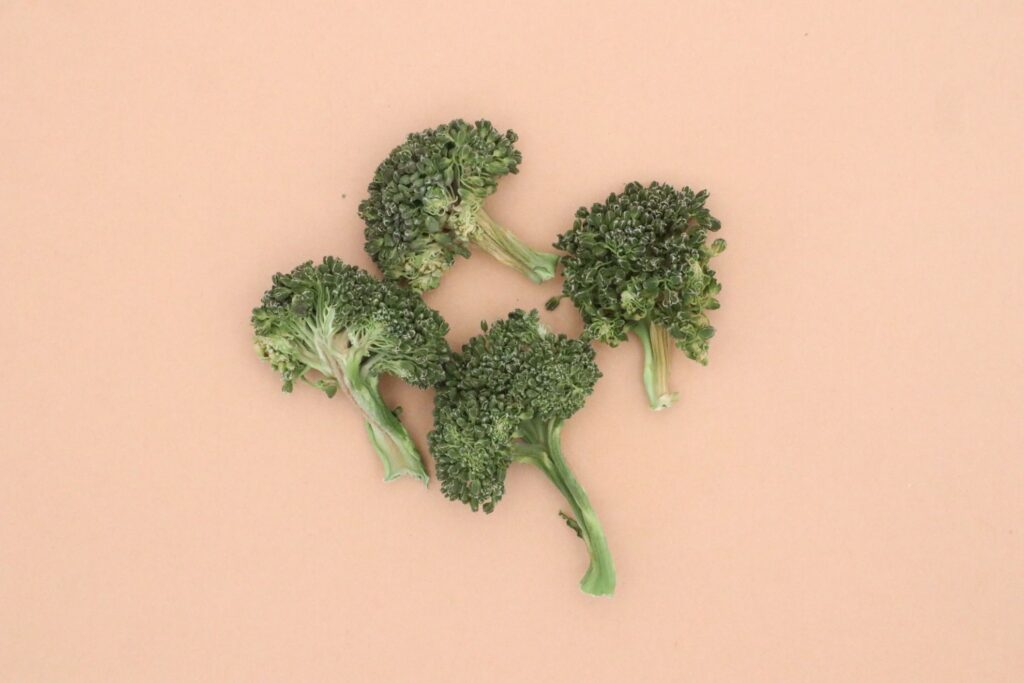
Dried broccoli
Dried broccoli product overview. This dried broccoli uses broccoli grown in Kyoto Prefecture, bringing out its vivid green color and umami. Slow low-temperature drying concentrates the bright green color and flavor while keeping a firm texture. Even after rehydration, its vivid color and bite ... -
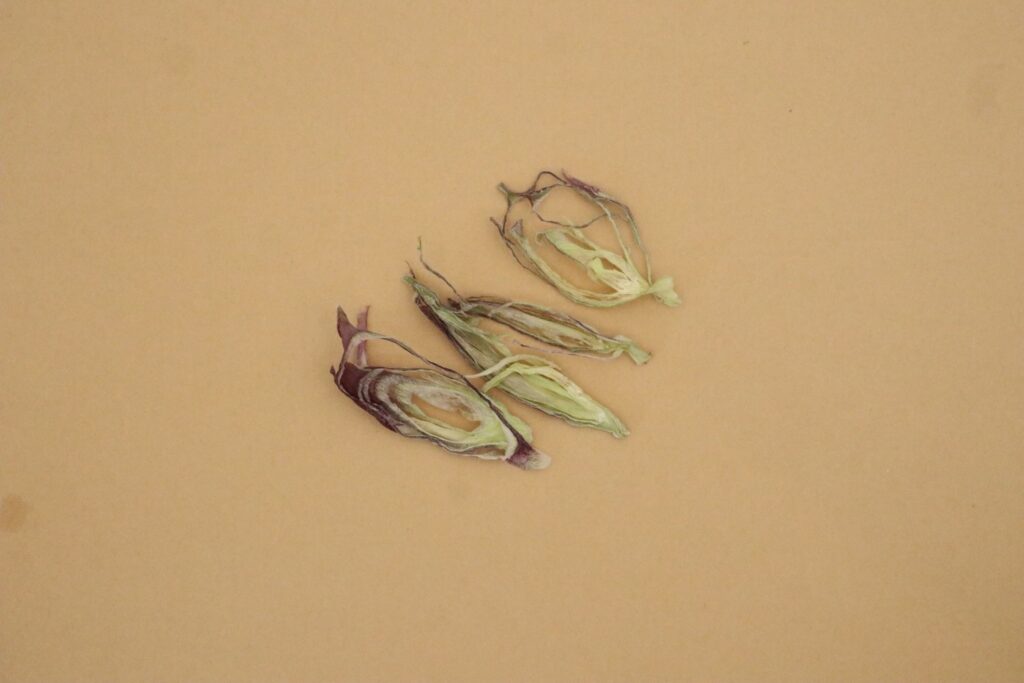
Dried myoga
Dried myoga product overview. A dried myoga using Kyoto-grown myoga, bringing out its characteristic refreshing aroma and faint pungency. Slow low-temperature drying keeps its vivid color while concentrating the flavor. Rehydrated, you can enjoy a crisp texture, suited to condiments, dressed dishes, prepared... -
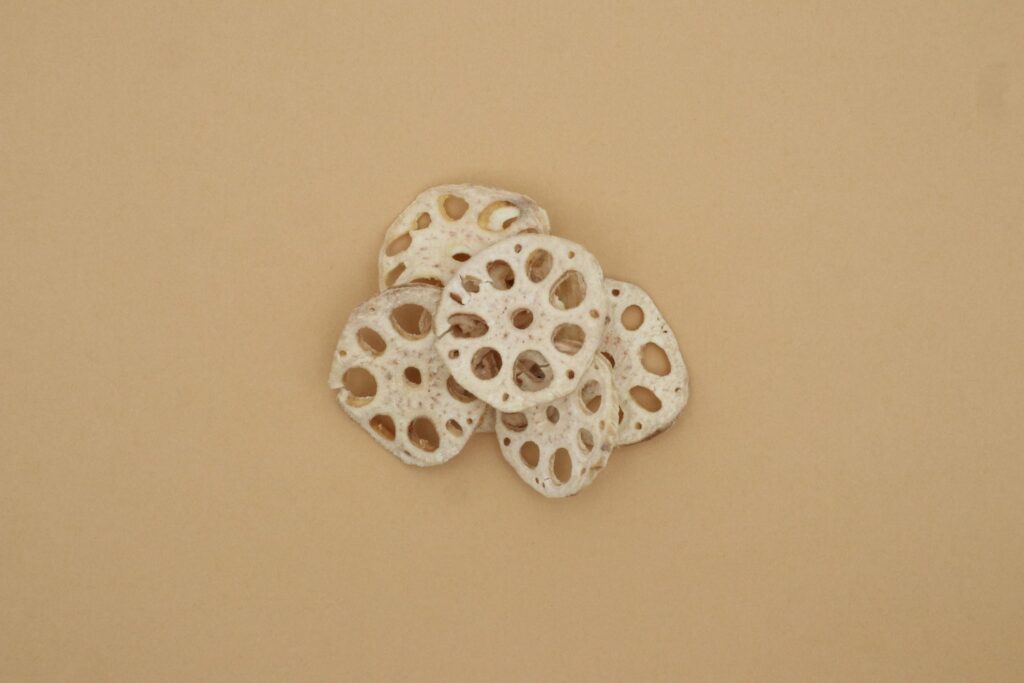
Dried Kaga lotus root
Product Overview of Dried Kaga Lotus Root. Kaga lotus root is a specialty of the Kaga region of Ishikawa Prefecture, a high-quality lotus root prized for its stickiness and sweetness. Especially by drying it, a fluffy texture and rich sweetness concentrate, giving dishes a deep richness. The stickiness is firmly felt even after rehydration, for simmered dishes, dressed dishes... -
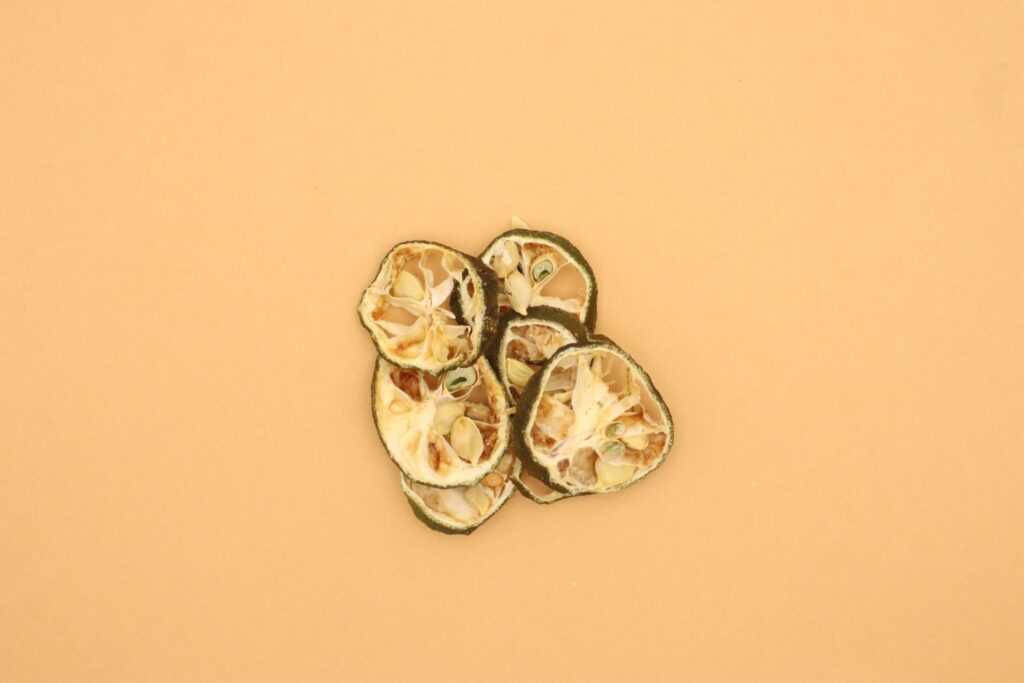
Dried shikuwasa
Product Overview of Dried Shikuwasa Shikuwasa is a citrus specialty of Okinawa, prized for its refreshing acidity and pleasant bitterness. Especially by drying it, the aroma and acidity concentrate, so you can enjoy that flavor even after long-term storage. Because it's sliced and dried with the peel, the fruit's um... -
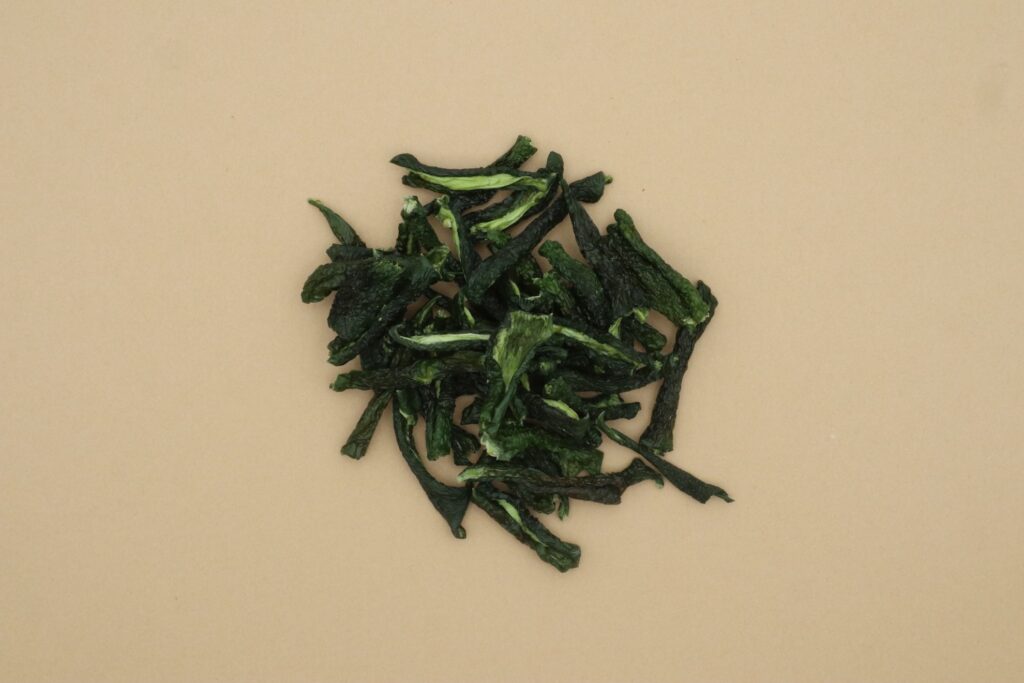
Dried Child Pepper (kodomo piiman)
Dried kodomo piman (children's bell pepper) product overview. Kodomo piman is a cultivar characterized by little bitterness and strong sweetness, a Phytorich variety developed by Takii Seed. Its small size and vivid green enhance a dish's color. Dried especially, the sweetness concentrates and the texture turns light... -
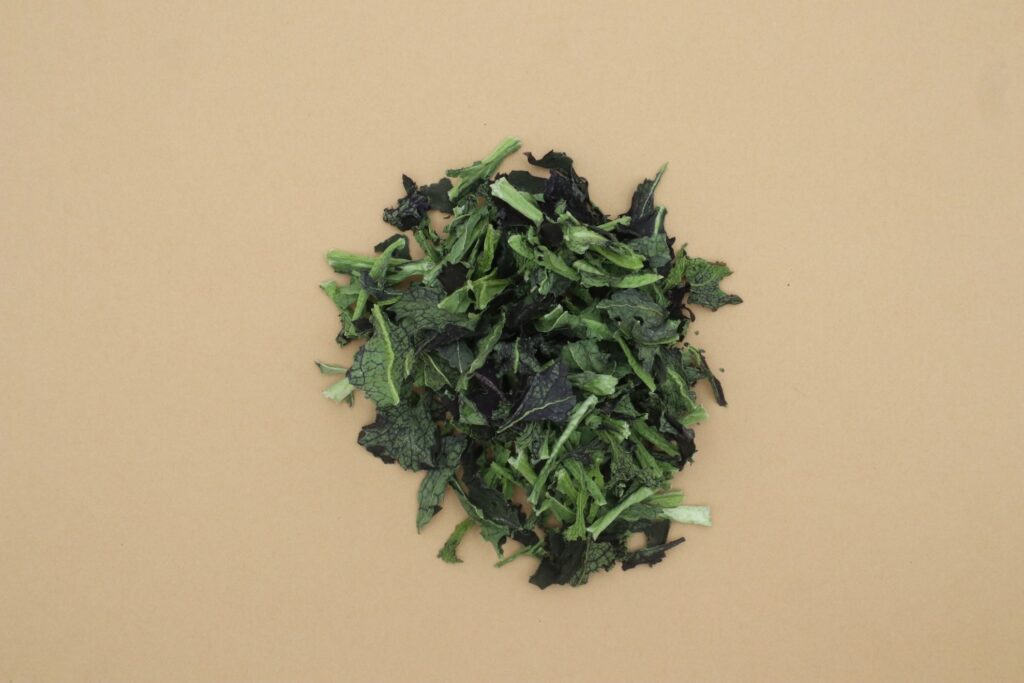
Dried karashina
Dried karashina product overview. Karashina is a vegetable characterized by a sharp pungency and a faint aroma. Kyoto-grown karashina especially has a strong aroma and a distinctive pungency that enhances dishes. Drying concentrates the pungency and aroma and enables long-term storage. Even rehydrated, the pungency firmly... -
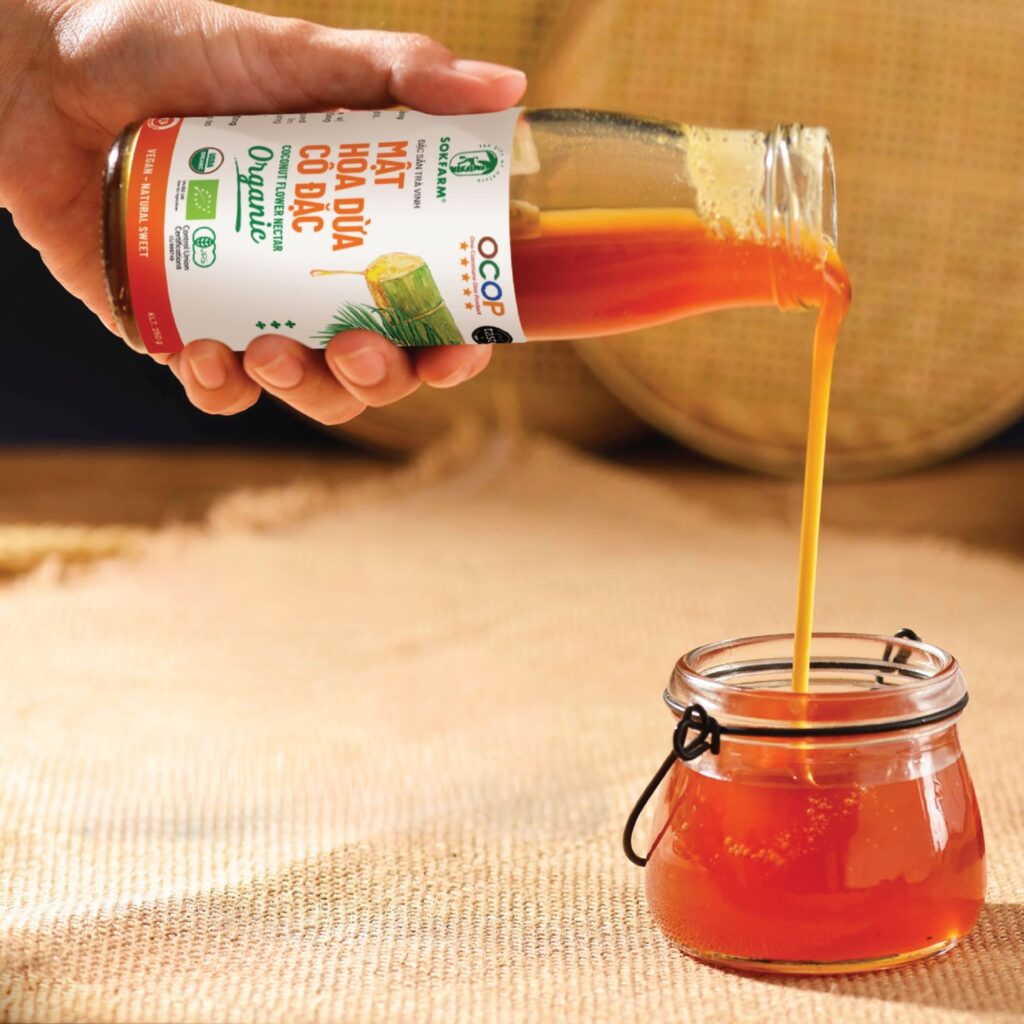
Coconut nectar
Coconut Flower Nectar (Vietnam-Grown) | Commercial Natural Sweetener Wholesale. A natural liquid sweetener made using 100% organic coconut nectar grown in Vietnam's Mekong Delta, processed with vacuum concentration technology (low-temperature concentration at 55–60°C). Containing abundant minerals and electrolytes, with a faint... amid a gentle sweetness... -
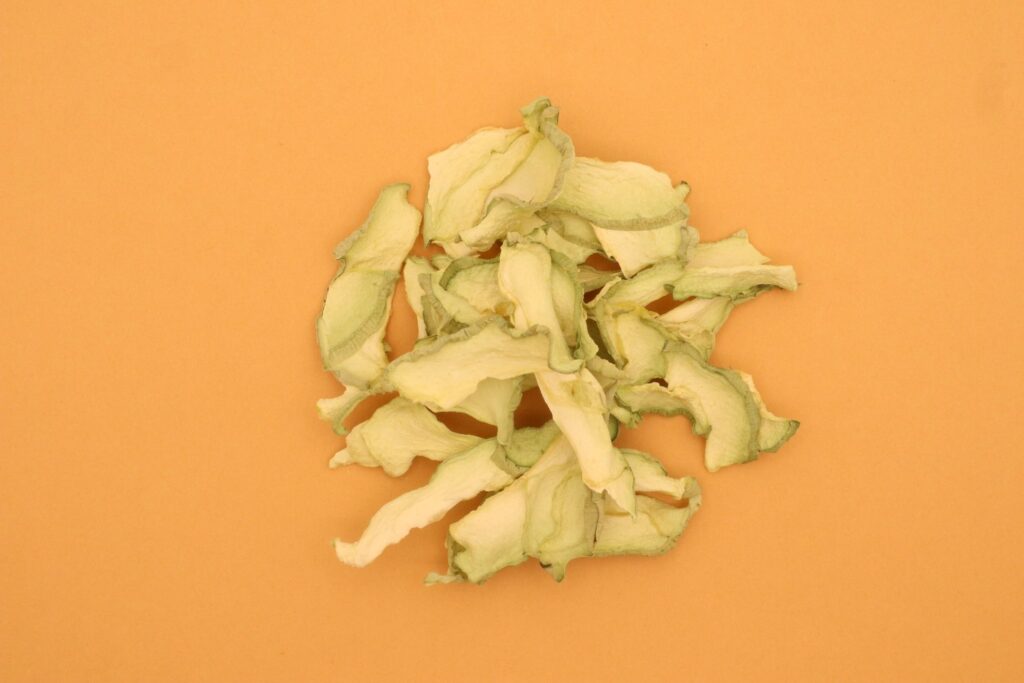
dried thinned melon
Dried thinned melon product overview. Thinned melon is the immature fruit picked off during the melon's growth process. With a distinctive refreshing aroma and a crisp texture, it's used mainly in pickles, salads, and desserts. Drying concentrates its flavor and texture, and rehydrated it retains a distinctive... -
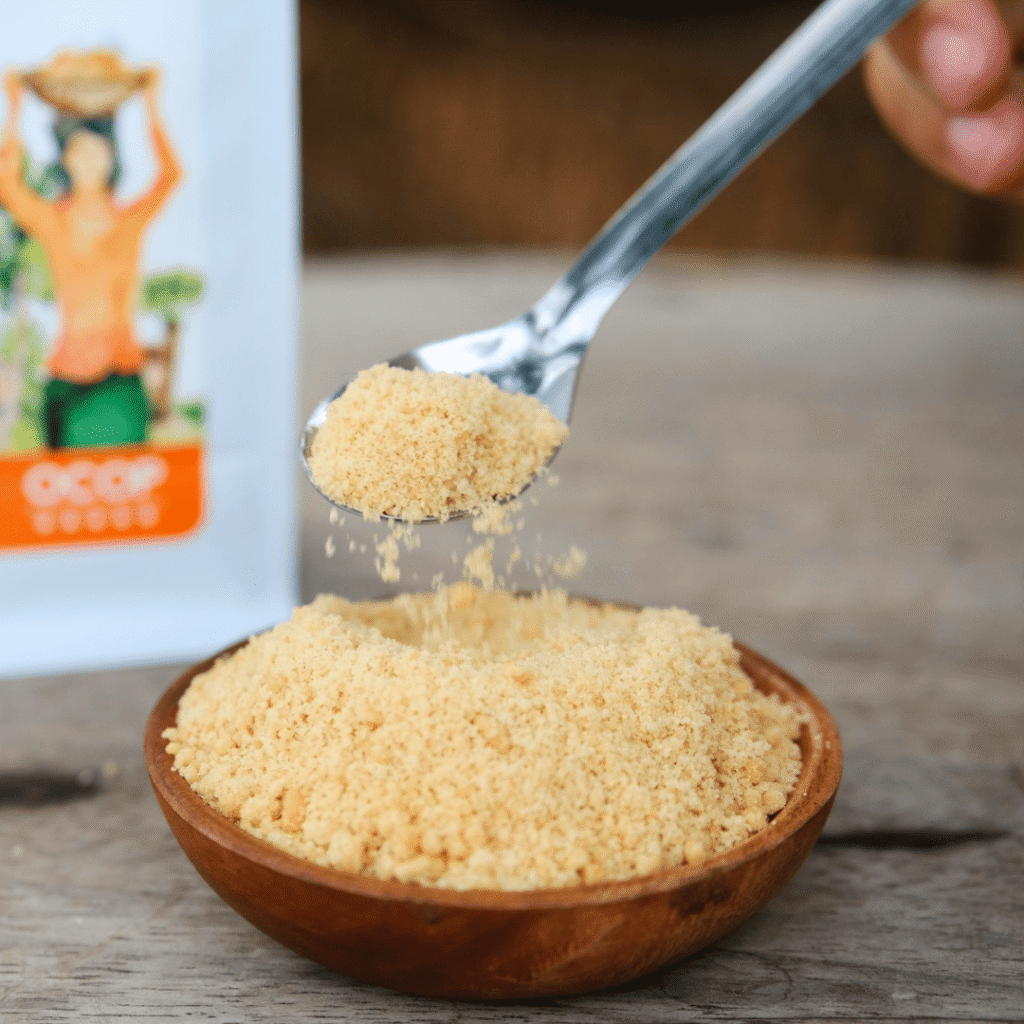
Coconut sugar
Coconut Flower Sugar (Vietnam-Grown) | Commercial Raw Material Wholesale. A natural sweetener using 100% organic coconut nectar grown in Vietnam's Mekong Delta. Containing abundant minerals, amino acids, and polyphenols, it can be used in a wide range of food development as an alternative to refined sugar or honey... -
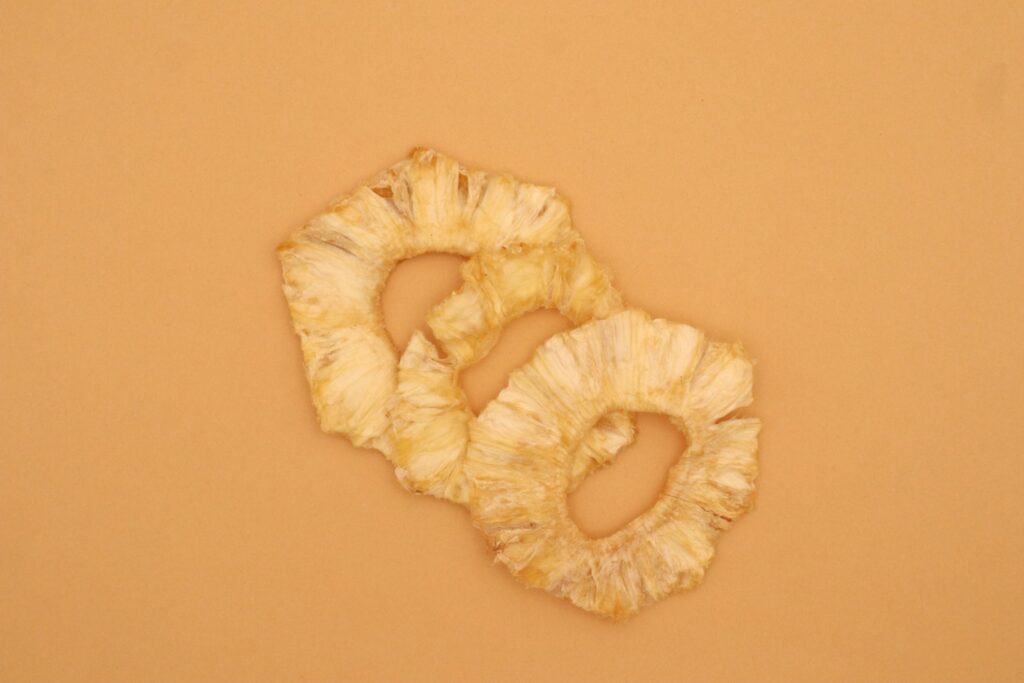
Dried pineapple
Product Overview of Dried Pineapple Pineapple's appeal is the sweet-tart flavor distinctive of tropical fruit. Especially by drying it, the sweetness and acidity concentrate tightly, and the fruity aroma stands out even more. Whether eaten as-is as a snack or as a confectionery ingredient... -
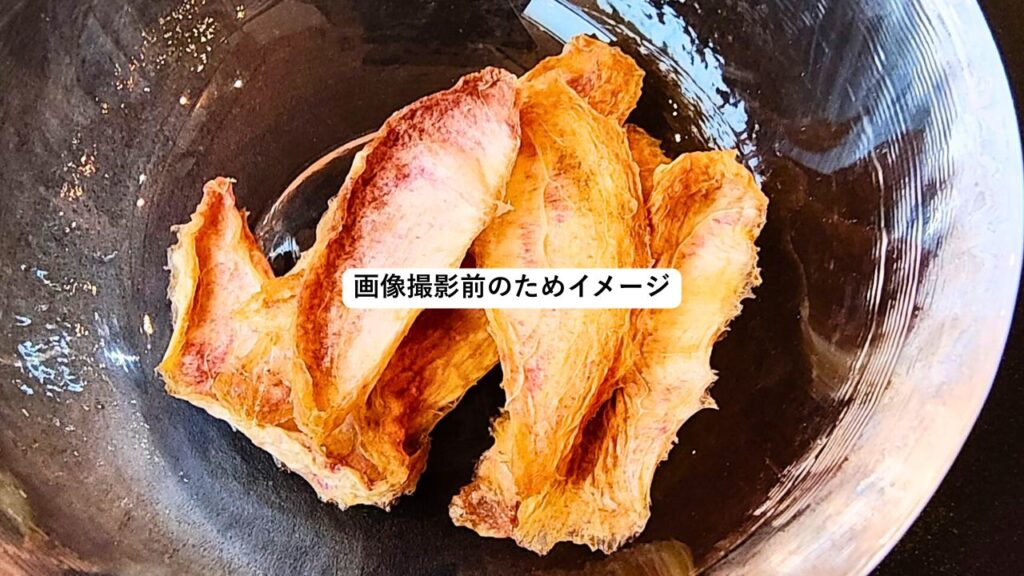
Dried peach
Product Overview of Dried Peach (Nagano-Grown) A dried fruit that slices fully ripe peaches grown by partner farmers in Nagano Prefecture, thoroughly removing the moisture to finish it with a crisp texture. Unlike the common semi-dry type, it has a crisp, light bite and, with each chew, a concentrated flavor spreads... -
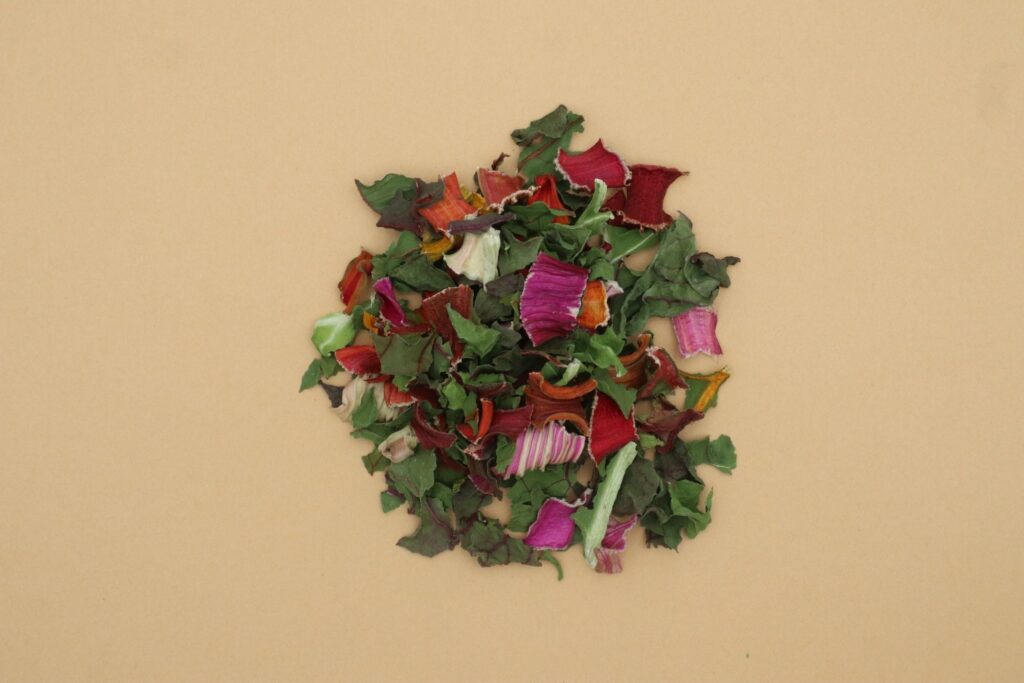
dried Swiss chard
Dried Swiss chard product overview. Swiss chard is a vegetable characterized by vividly colored stems and a flavor resembling spinach. Kyoto-grown Swiss chard especially has a juicy, mild flavor, used widely both raw and heat-cooked. Drying, its vivid... -
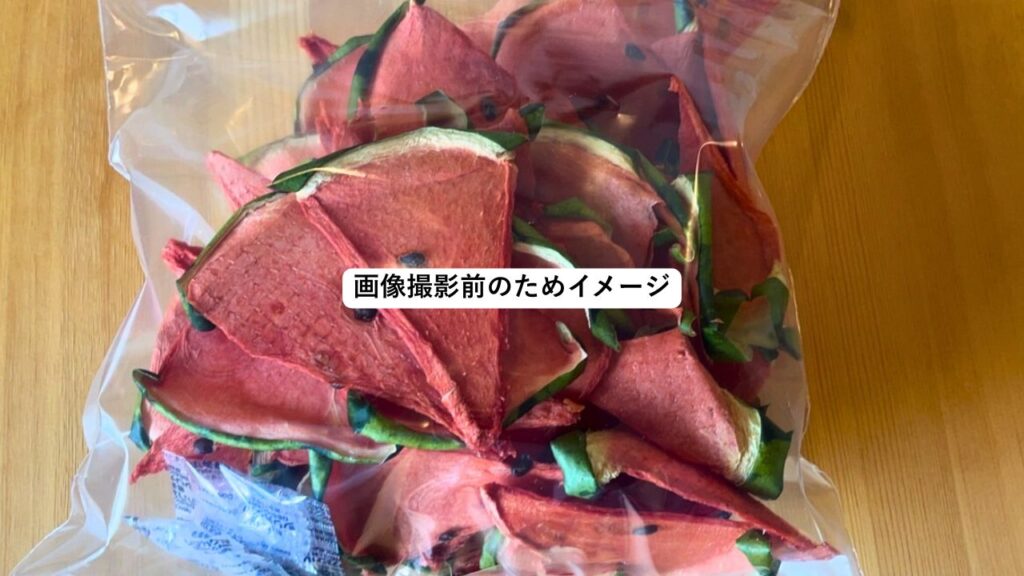
Dried watermelon
Product Overview of Dried Watermelon (Nagano-Grown) Nagano-grown watermelon, nurtured by the temperature swings distinctive of high-altitude regions, is lavishly sliced and dried slowly at low temperature. By carefully finishing this high-moisture fruit, it concentrates watermelon's own juicy sweetness and a faint green aroma... -
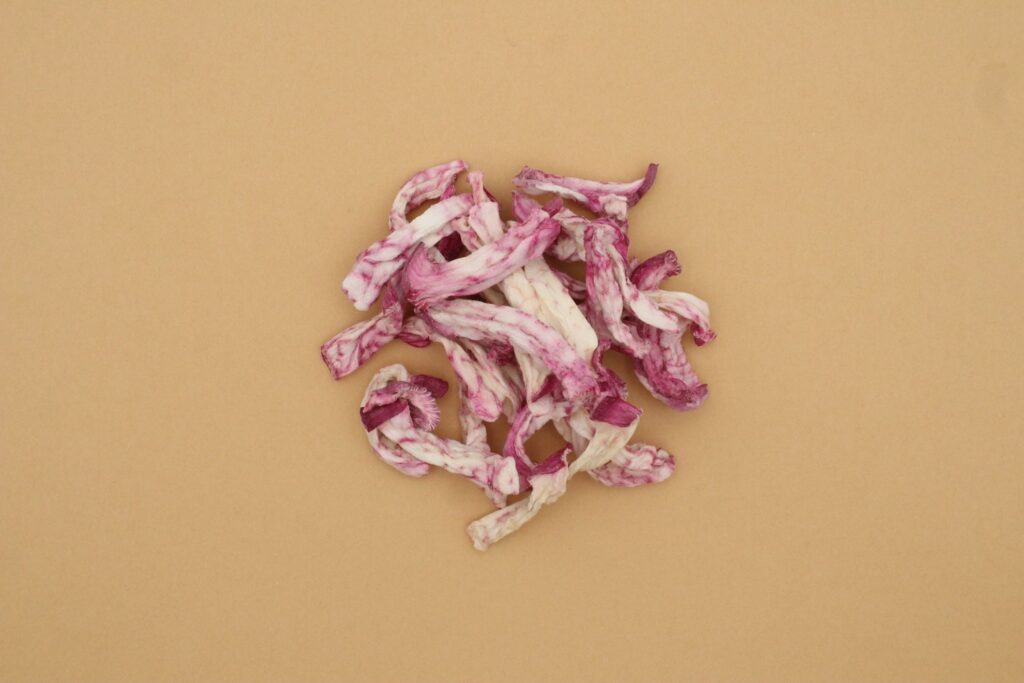
Dried Momonosuke
Product Overview of Dried Momonosuke Momonosuke kabu, as the name suggests, is a turnip prized for a peach-like coloring and a smooth texture. Especially because it uses the sweet Kyotango-grown Momonosuke kabu, it has juiciness and a faint sweetness, used widely from raw eating to heated cooking... -
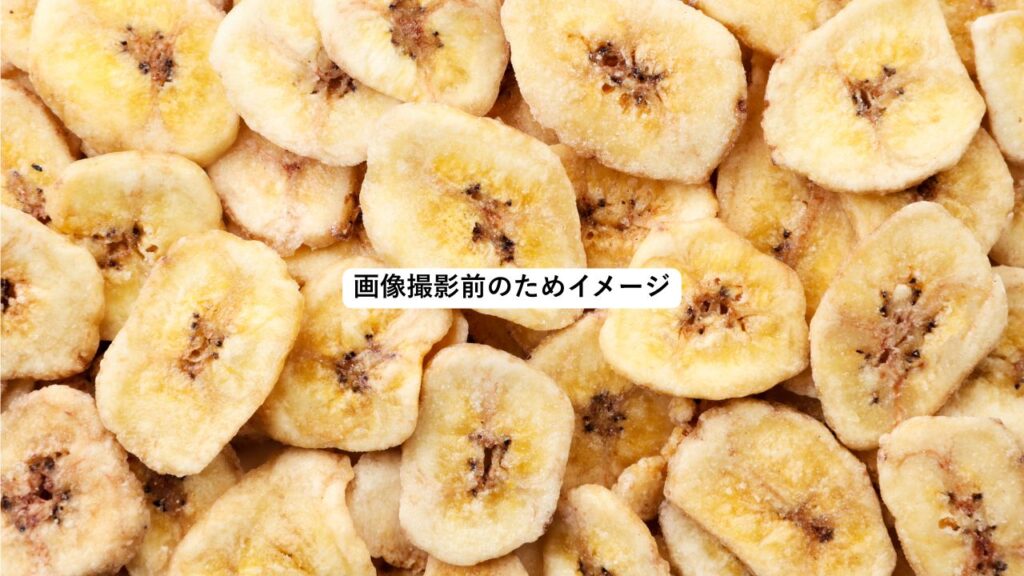
Dried banana
Product Overview of Dried Banana (Okinawa-Grown Island Banana + Overseas-Grown) A dried banana made by using, as appropriate, the rare "island banana" grown by partner farmers in Okinawa and stably supplied overseas-grown bananas. Island banana is small but prized for its rich sweetness and acidity, with an appealing special-feeling flavor. On... -
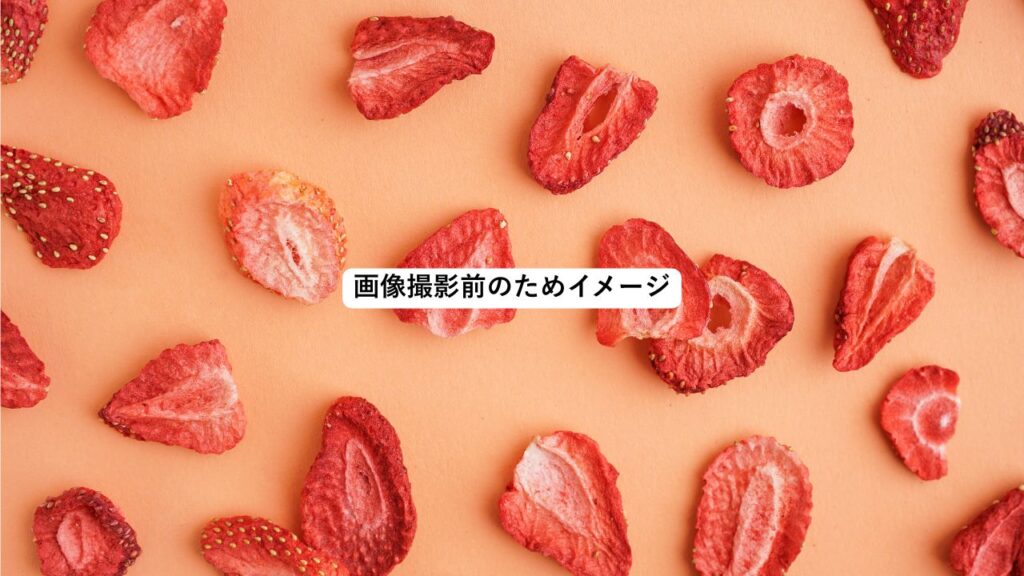
Dried strawberry
Product Overview of Dried Strawberry (Kyoto-Grown) Fully ripe strawberries carefully grown by partner farmers in Kyoto Prefecture are sliced and dried slowly at low temperature. It concentrates the flesh's juiciness and rich aroma as-is, with a finish where a sweet-tartness spreads the more you chew. Strawberry's distinctive gorgeous aroma stands out, for top... -
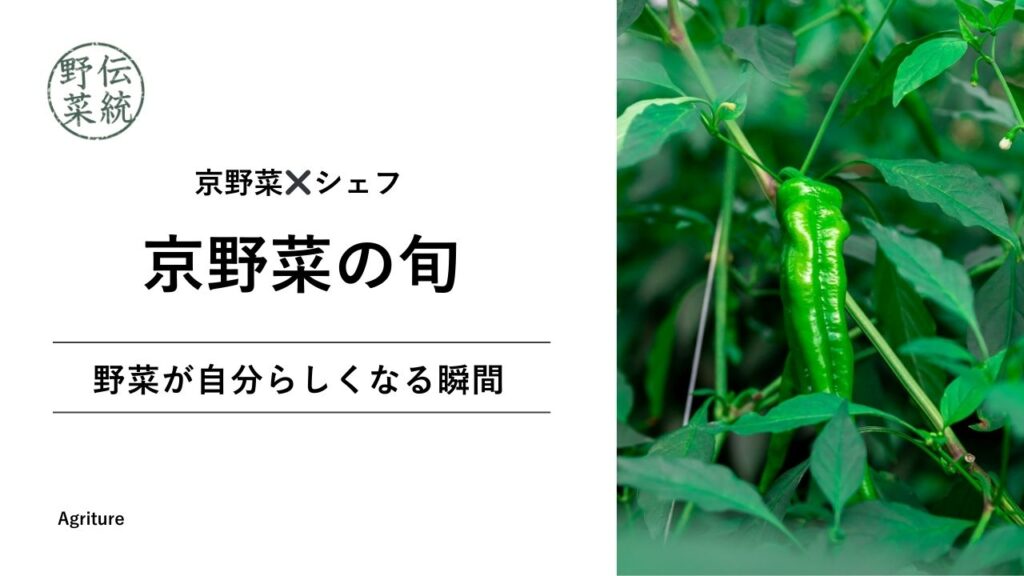
As If Meeting a Different Vegetable—Manganji Togarashi and the Story of "Season"
A column penned by chef Tamotsu Yoneyama, who runs "Potsura Potsura" and "Utsura Utsura" in Shinsen, Tokyo, earning Michelin Bib Gourmand at both restaurants. Through Manganji togarashi, he speaks of the shifting of "season" and the depth of Kyoto vegetables. The Manganji that changes between early summer and high summer... -
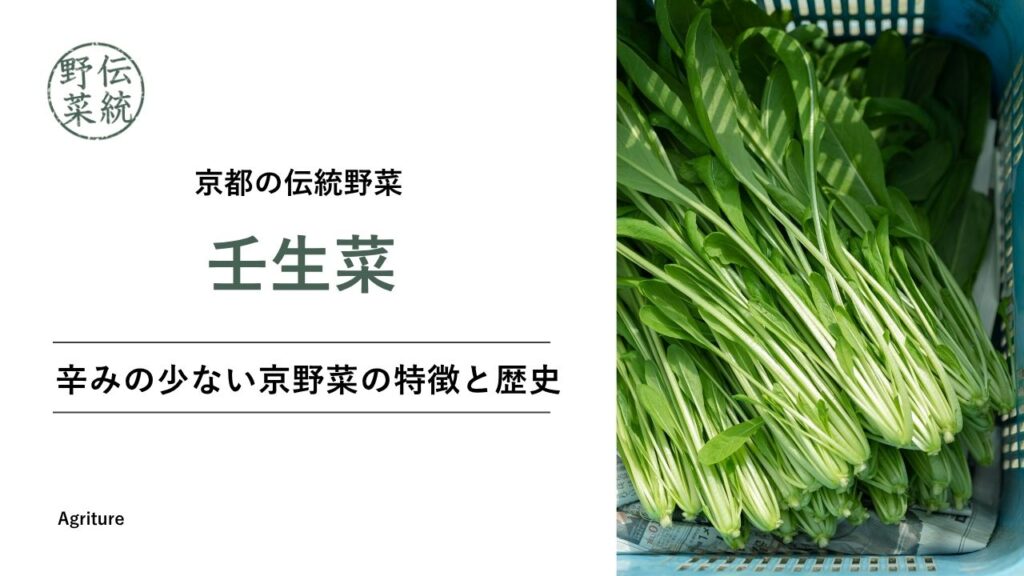
Mibuna: The Characteristics and History of a Kyoto Vegetable with Little Heat
Mibuna is one of Kyoto's traditional Kyoto vegetables, prized for its long, slender leaves and soft texture. It looks similar to mizuna, but its leaves have no serrations and are rounded. Its moderate, crisp heat and delicate flavor shine in a wide range of dishes—pickles, ohitashi, stir-fries, and more... -
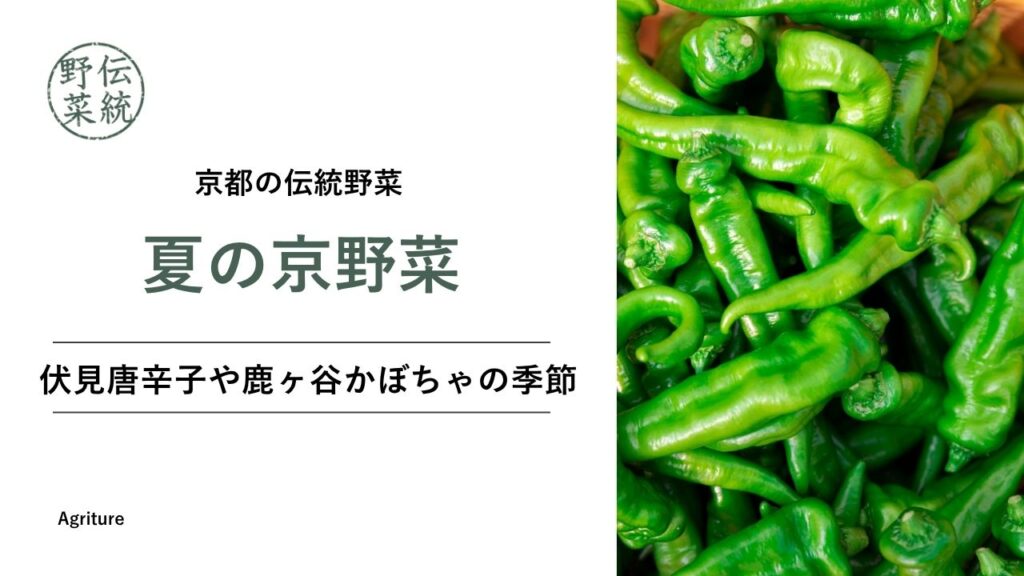
Summer Kyoto Vegetables: The Season of Fushimi Togarashi and Shishigatani Kabocha
Each vegetable has its "season," and tasting it in that period lets you enjoy its character best. Kyoto's heirloom vegetables, the "Kyoto vegetables," also include some that come into season in summer, coloring the summer table with juiciness and robust flavor. Here, Manganji togarashi, Kamo eggplant, Fushimi togarashi... -
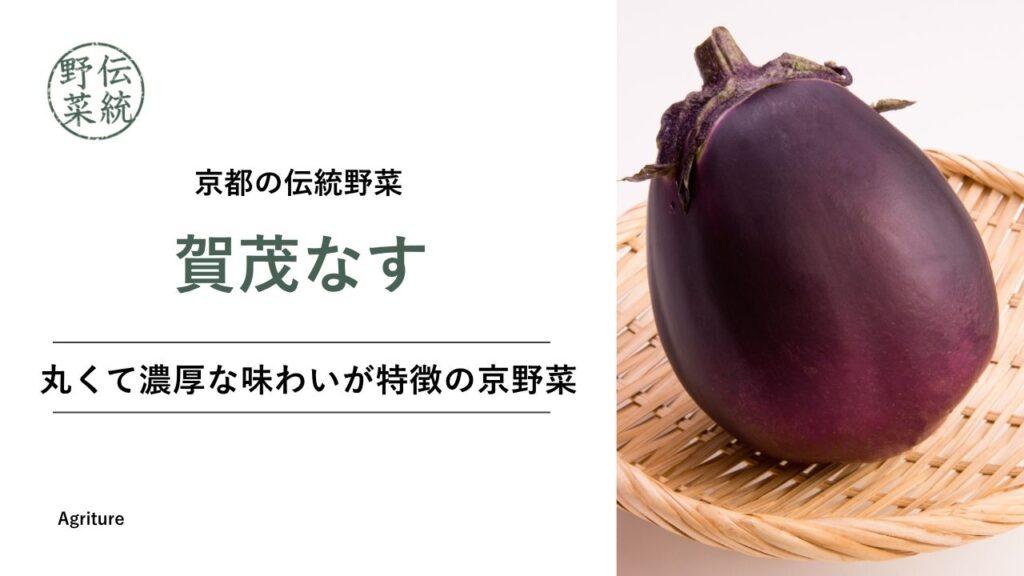
Kamo Eggplant: A Kyoto Vegetable Prized for Its Round Shape and Rich Flavor
Kamo eggplant (kamonasu), also called the "queen of eggplant," is a summer Kyoto vegetable that represents Kyoto. Prized for its round, hefty shape exceeding 10cm in diameter and its densely packed, thick flesh, it has been cultivated centered on the Kamigamo area of Kita Ward, Kyoto City. Dengaku, agedashi, eggplant steak, and... -
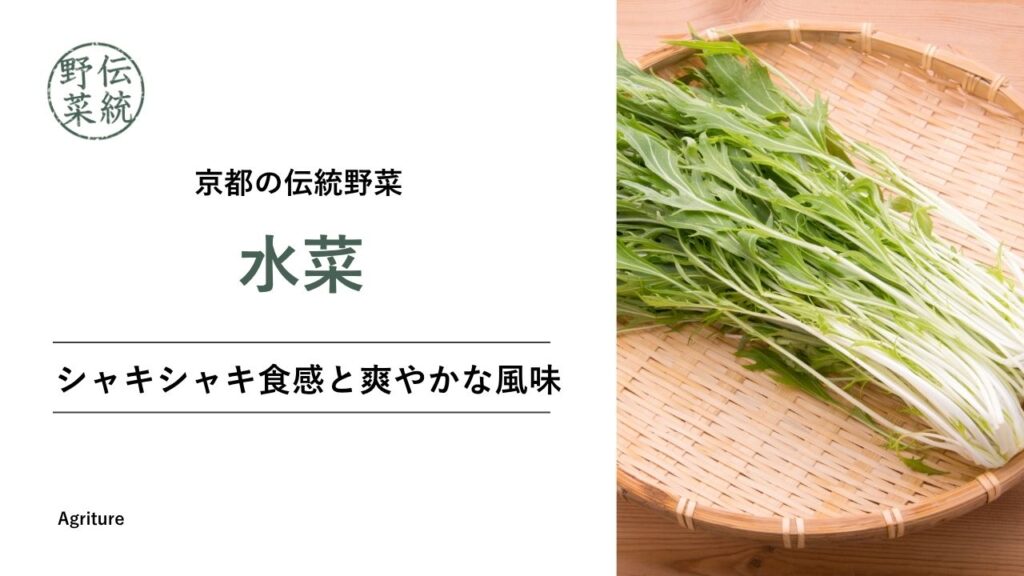
What Is Kyo-Mizuna | A Guide to Its Characteristics, Varieties, and How to Eat It
"Kyo-mizuna," a Kyoto vegetable essential to the winter table. Prized for a crisp flavor and a crunchy bite, it has the depth to elevate both hot pot and salad. It tends to be confused with the fellow Kyoto vegetable mibuna, but the leaf shape and growth are different things. This article covers, from Kyo-mizuna's characteristics and history to varieties... -
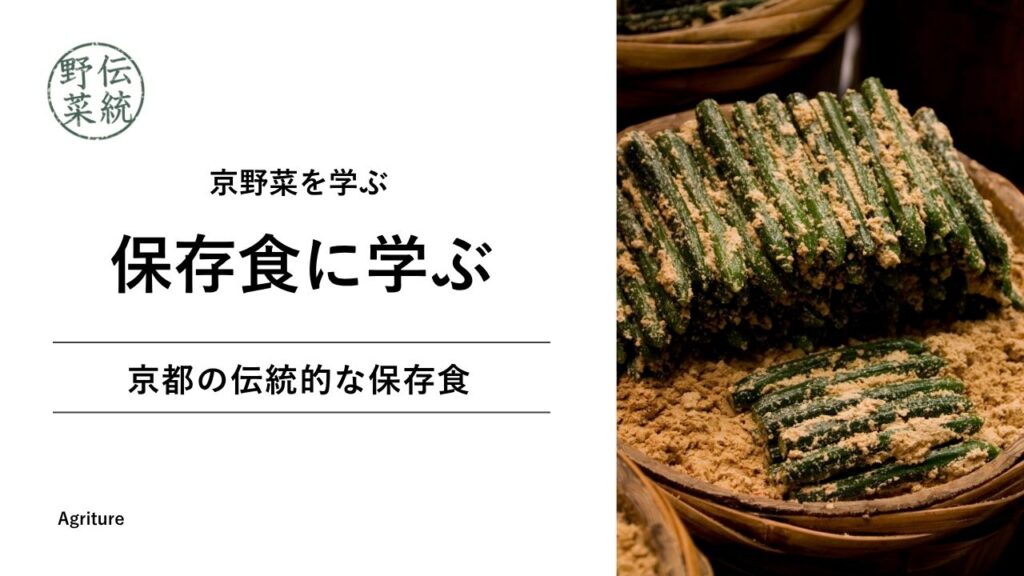
What Are Kyoto's Traditional Preserved Foods? Inherited Wisdom and How to Use It Today
Kyoto, boasting over a thousand years of history, has a diverse array of "traditional preserved foods" born from rich seasons and the wisdom of daily life. In an age without refrigeration, the sun-dried vegetables, pickles, and fermented foods devised to make the most of seasonal ingredients without waste still support the Kyoto table today. This article covers... -
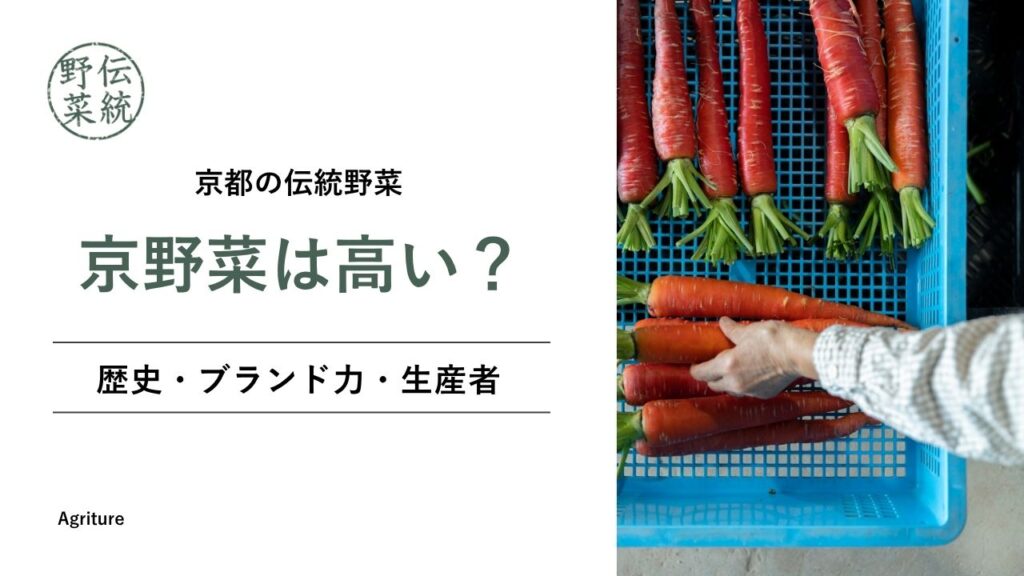
Why Are Kyoto Vegetables Expensive? History, Brand Power, and Producers' Commitment Explained
Kyoto vegetables, which color Kyoto's food culture. Do you dismiss the reason their prices are on the higher side as simply "because it's Kyoto"? In fact, behind Kyoto vegetables' high cost lie a long history and tradition, a unique growing environment, and producers' ceaseless efforts. This article covers why Kyoto vegetables are high... -
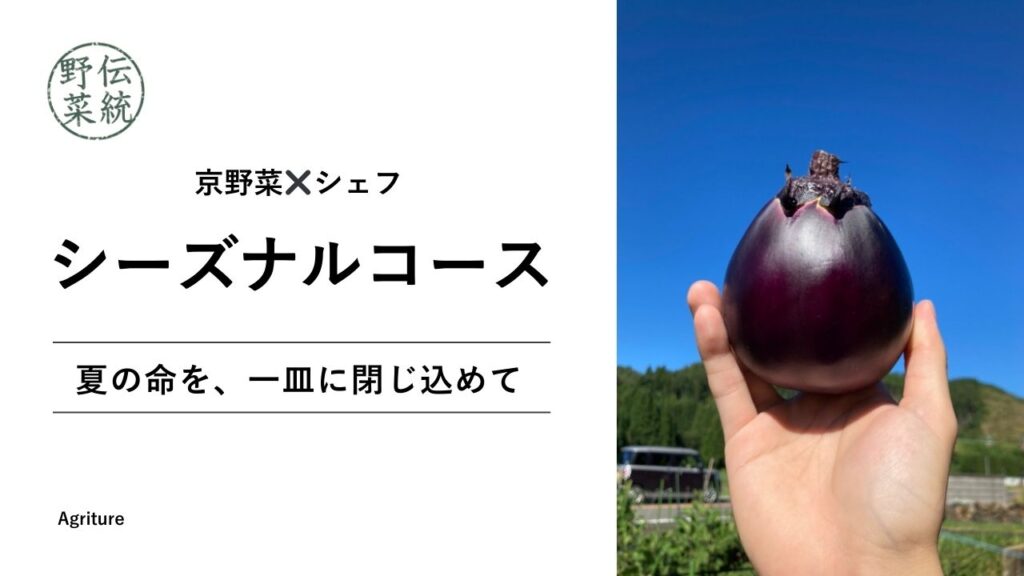
How to Build a Seasonal Course Woven with Kyoto Vegetables
―Capturing Summer's Life, Coolly, in a Single Dish― A column penned by chef Tamotsu Yoneyama, who runs "Potsura Potsura" and "Utsura Utsura" in Shinsen, Tokyo, earning Michelin Bib Gourmand at both restaurants. How to build summer Kyoto vegetables into a course—that thinking and commitment... -
京野菜は何品目あるのか、読み方の一覧と認定の枠組みから確かめる
京野菜を調べはじめると、最初に引っかかるのが名前の読みです。九条ねぎ、鹿ヶ谷かぼちゃ、聖護院大根、柊野ささげ。どれも京都の地名がそのまま品目名になっているため、地名を知らないと読めません。そしてもうひとつ引っかかるのが品目数です。37品目... -
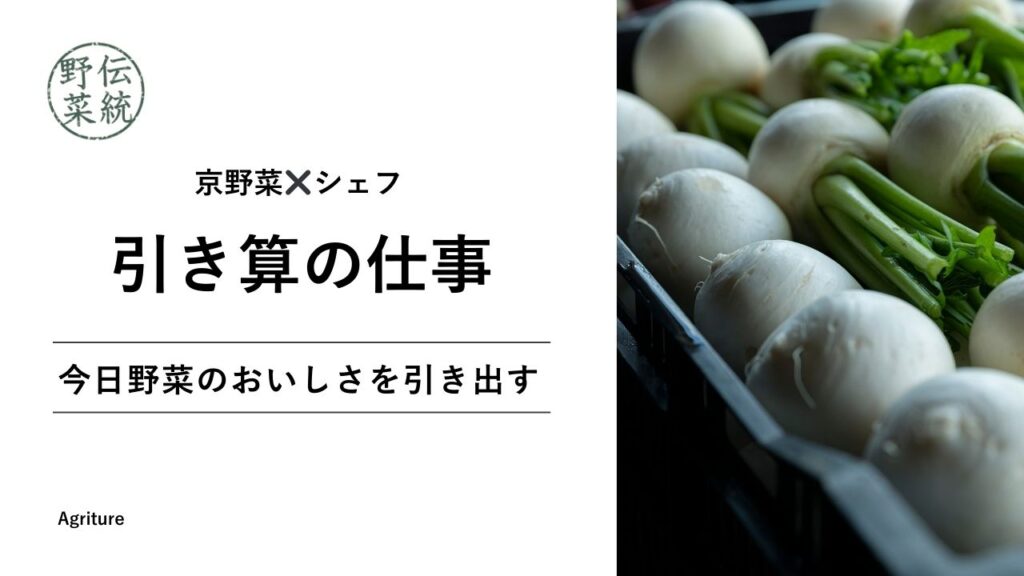
The Work of "Subtraction" That Makes the Most of Kyoto Vegetables
―No Salt or Oil Needed—What the Ingredient Teaches Us― A column penned by chef Tamotsu Yoneyama, who runs "Potsura Potsura" and "Utsura Utsura" in Shinsen, Tokyo, earning Michelin Bib Gourmand at both restaurants. When facing a Kyoto vegetable, the "subtraction" a chef should choose... -
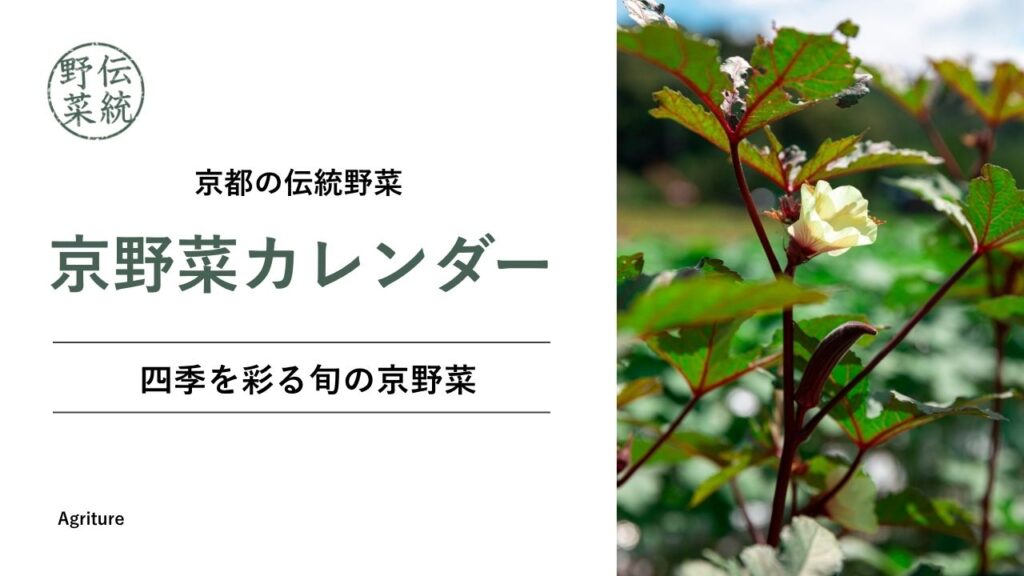
[Kyoto Vegetable Calendar] Seasonal Kyoto Vegetables That Color the Four Seasons and Famous Kyoto Cuisine
The gentle ring of "Kyoto vegetables" is everyday life for Kyoto people, and for those living outside Kyoto it's an object of longing, evoking a certain nostalgia. Tied to seasonal events and dishes, they have nurtured a distinctive food culture. Today, with advances in agricultural technology, more can be enjoyed year-round... -
MAFF to Run a Support Mission for Food Companies Entering Vietnam in July—Capacity of 20, Free to Participate, Briefing Applications Within April
The Ministry of Agriculture, Forestry and Fisheries will run a public-private business mission in Vietnam (Ho Chi Minh City, Hanoi) on July 13–17, 2026. For food and agriculture-related companies, capacity is 20 with free participation. A briefing will be held on April 20. -
Launched the employee-benefit service “Office Yaoya (OFFICE YAOYA)”
Agriture Inc. (Kyoto City) has fully launched "Office Yaoya (OFFICE YAOYA)," a new employee-benefit service that keeps dried vegetables stocked in the office. With 100%-domestic, additive-free, low-temperature dried vegetables, it approaches both the vegetable shortfall of busy businesspeople and the waste problem in agriculture... -
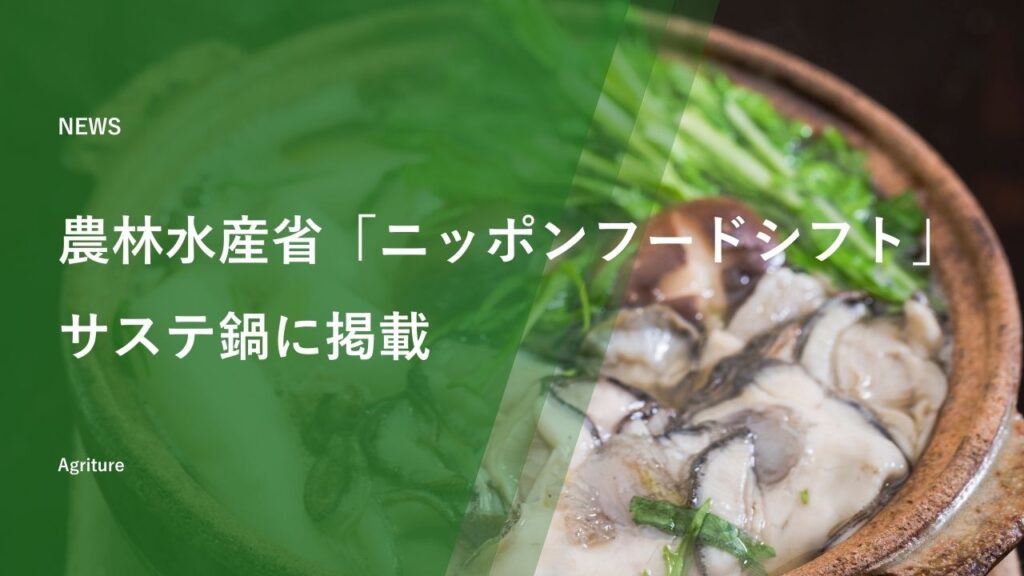
Agriture Inc. has been listed as a joint PR member on the Suste-Nabe special page of "Rethinking Japan Through Food. NIPPON FOOD SHIFT," the food-education and food-security awareness project promoted by the Ministry of Agriculture, Forestry and Fisheries. What Is Suste-Nabe? "Suste-Nabe" is the challenge surrounding our food...
March 10, 2026