
Domestically grown– tag –
-

Dried garlic sprout
The garlic sprout is a young shoot at the germination stage, including the garlic bud and root, a unique ingredient combining garlic-derived flavor with the fresh, green aroma of the sprout. Dried garlic sprout is a commercial material made by cutting domestic fresh produce in half or into slices and finishing it by low-temperature drying, for ramen... -
We began handling “dried moringa” and “moringa powder” using Kagoshima-grown moringa
Agriture has begun handling "dried moringa" and "moringa powder" using Kagoshima-grown moringa. Moringa (Moringa oleifera) is a plant in the horseradish-tree family, and because it's rich in vitamins, minerals, and amino acids, it's also called the "miracle tree"... -
Dried Moringa
Dried moringa is a commercial raw material made by drying the leaves of moringa (Moringa oleifera) grown in Kagoshima Prefecture. Using drying technology adapted from Chiran tea production, the leaves are processed within a short time after harvest to retain their aroma and color. No glucose, colorings or antioxidants are used. For tea, blended tea... -
A Japanese aroma / wagashi, dressings
Domestic moringa powder is a commercial superfood raw material made by drying and grinding the leaves of Kagoshima-grown moringa (Moringa oleifera). Through a drying technology applying the Chiran-tea method, processing within a short time after harvest keeps the leaves' vivid green and nutritional components in the powder. Glucose... -
Shimonita green onion powder
Domestic Shimonita negi powder is a commercial vegetable raw material made by drying and grinding the Gunma heirloom vegetable "Shimonita negi" from Shimonita Town, Gunma Prefecture. Without glucose, colorants, or antioxidants, it concentrates into the powder the rich sweetness and flavor derived from Shimonita negi's characteristic thick white root. Soup, hot-pot broth, and seasoning bases... -
Mugwort powder
Domestic yomogi (mugwort) powder is a commercial herb raw material made by drying and grinding 100% Kagoshima-grown yomogi (leaves and stems). Without glucose, colorants, or antioxidants, it keeps yomogi's natural deep green and fresh aroma in the powder. Japanese sweets (kusa-mochi, yomogi-mochi), herbal tea, bath additives... -
We prototyped “dried garland chrysanthemum” using domestic garland chrysanthemum
Agriture recently prototyped "dried shungiku" using domestically grown shungiku. Shungiku is a leafy vegetable in the daisy family, an ingredient prized for its distinctive bitterness and aroma. It's widely enjoyed as an ingredient for hot pot, dressed dishes, and tempura. By drying at low temperature, shungiku's distinctive aroma is tightly... -
We prototyped “dried kiwi” using domestic kiwi
Agriture recently prototyped "dried kiwi" using domestically grown kiwi. Kiwifruit is a fruit with a good balance of acidity and sweetness, also known for being rich in vitamin C and dietary fiber. When we carefully dried sliced domestically grown kiwi at low temperature... -
We prototyped “dried kale” using domestic kale
Agriture recently prototyped "dried kale" using domestically grown kale. Kale is a leafy vegetable in the mustard family and a superfood also widely known as a raw material for green juice. It's rich in vitamin K, vitamin C, beta-carotene, and dietary fiber. Slowly at low temperature... -
We Prototyped "Dried Turnip" Using Domestically Grown Turnip
Agriture recently prototyped "dried turnip" using domestically grown turnip. Turnip is a root vegetable prized for its gentle sweetness and smooth texture, used in a wide range of dishes both Japanese and Western—simmered dishes, pickles, soups, and more. When we dried it sliced at low temperature, the turnip's white color... -
We Prototyped "Mugwort Powder" Using Domestically Grown Mugwort
Agriture recently prototyped "mugwort powder" using domestically grown mugwort. Mugwort is a Japanese herb long beloved as an ingredient for kusamochi and yakuzen tea, prized for its distinctive refreshing aroma. At Agriture, for OEM manufacturing of dried vegetables and powder and as commercial raw material... -
We Prototyped "Dried Shimonita Negi" Using Domestically Grown Shimonita Negi
Agriture recently prototyped "dried Shimonita negi" using domestically grown Shimonita negi. Shimonita negi is a brand negi cultivated centered on Shimonita Town, Gunma Prefecture, prized for its thick white root and strong sweetness when heated. The prototyped dried Shimonita negi turned out with quite a good aroma... -
We Prototyped "Dried Lemon Slices" Using Domestically Grown Lemons
Agriture recently prototyped "dried lemon slices" using domestically grown lemons. So they can be used as a garnish for cocktails and drinks, they are dried thinly sliced. While the lemon peel tends to retain its yellow even after drying, the flesh portion... -
We Prototyped "Dried Piman (Bell Pepper)" Using Domestically Grown Piman
Agriture recently prototyped "dried piman (bell pepper)" using domestically grown piman. This is a variety thicker-fleshed than ordinary piman, with little bitterness and some sweetness. As with the Manganji togarashi we prototyped before, piman also finished with a thick-fleshed texture firmly retained after drying... -
We Began Full Production of Lotus Root Powder
Agriture recently began full production of lotus root powder. A full-scale mass-production system has started, handling everything in-house consistently—processing 100kg of lotus root into powder and filling it into small pouches. Lotus root powder has so far been centered on prototyping-stage provision, but from multiple food manufacturers... -
We Prototyped "Dried Wakegi and Wakegi Powder" Using Domestically Grown Wakegi
Agriture recently prototyped "dried wakegi" using domestically grown wakegi. Wakegi is a cross between negi and onion, a vegetable prized for a softer, milder flavor than ordinary negi. Wakegi's distinctive gentle aroma remains even when dried, and because it has little pungency... -
We Prototyped "Dried Beet" Using Domestically Grown Beet
Agriture recently prototyped "dried beet" using domestically grown beet. Beet is a root vegetable prized for its vivid purple color, an ingredient used in a variety of dishes such as salads, soups, and smoothies. In this prototype, we finished the drying with beet's distinctive purple color firmly retained... -
We Prototyped "Asparagus Stem Powder" Using the Stems of Domestically Grown Asparagus
Agriture recently prototyped "asparagus stem powder" using the stems of domestically grown asparagus. Following the dried asparagus we prototyped last time, this time we extracted just the stem portion and processed it into powder. The hard stem portion is a part usually often discarded... -
We Prototyped "Dried Garlic Sprouts" Using Domestically Grown Garlic Sprouts
Agriture recently prototyped "dried garlic sprouts" using domestically grown garlic sprouts. Garlic sprouts are the young shoots grown from garlic seed bulbs, an ingredient prized for a milder flavor than garlic itself. This time, at the client's request, the root... -
What are Iwate’s heirloom vegetables? Features, season, and ways to eat the 17 items explained
The definition of “heirloom vegetables” and the scope of this article. There is no nationally unified definition of “heirloom vegetables,” and the standards differ by certifying body. To help you accurately understand this article, we first organize the standards of the main certifying bodies. Certifying body / main standard / Kyoto Prefecture’s “Kyoto heirloom vegetables”: from before the Meiji era... -
Dried Rose (Edible Rose)
Dried rose (edible rose) is a commercial flower ingredient made by low-temperature drying domestically cultivated edible roses, finished at our own processing facility in Kyoto Prefecture. Without using glucose, coloring, or antioxidants, it retains the rose's original fragrance and petal color in the dried product. Containing aromatic compounds of a gorgeous scent, herbal tea... -
Dried enoki
Dried enoki is a commercial dried-mushroom material made by low-temperature drying enoki mushrooms produced in Japan and finishing them at our own processing facility in Kyoto Prefecture. Enoki is the most widely produced mushroom in Japan, and drying concentrates guanylic acid (an umami compound), drawing attention in food development for dashi materials and salt-reduction measures... -
Yuzu powder (Kyoto-grown)
Yuzu powder (Kyoto-grown) is a commercial citrus raw material made by low-temperature-drying the peel of yuzu harvested in Ukyo Ward, Kyoto City and the Kyoto area, and processing it consistently through grinding at our own facility in Kyoto Prefecture. Without using glucose, colorants, or antioxidants, it retains the rich fragrance and vivid yellow characteristic of Kyoto-grown yuzu in the powder... -
Lotus root powder
Domestic lotus-root powder is a commercial vegetable raw material made by low-temperature-drying lotus root sourced from domestic contract-cultivation farms, and processing it consistently through grinding at our own facility in Kyoto Prefecture. Without using glucose, colorants, or antioxidants, it retains lotus root's natural flavor and white color in the powder. It has the property of thickening when dissolved in water... -
Chestnut skin powder
Chestnut-skin powder is a commercial functional raw material made by low-temperature drying the outer shell and inner astringent skin that come out when processing chestnuts, and handling everything through to milling at our own processing facility within Kyoto Prefecture. It's an "upcycled food ingredient" made by drying and powdering byproducts normally discarded, and its distinctive feature is containing polyphenols, tannins, and dietary fiber... -
Corn powder is a raw material made by drying sweet corn and then micro-pulverizing it. In uses such as corn soup, cornbread, confectionery dough, beverage blending, and seasonings, it aims to spread corn's inherent sweetness and yellow color evenly. It achieves the "uniform dispersion into liquids and powders" that's hard to manage with fresh or canned corn, thanks to the fine grain size only a powder can offer. At Agriture,
Domestic green papaya powder is a commercial functional raw material made by low-to-medium-temperature drying domestically grown green papaya and handling everything through to milling at our own processing facility within Kyoto Prefecture. Without glucose, colorants, or antioxidants, it's finished with a temperature design that preserves the papain enzyme contained in green papaya. Beauty... -
Asparagus powder
Domestic asparagus powder is a commercial vegetable raw material made by low-temperature drying asparagus harvested through domestic contract farming and handling everything through to milling at our own processing facility within Kyoto Prefecture. Without glucose, colorants, or antioxidants, it keeps asparagus's natural green, fresh flavor and vivid green in the powder... -
Dried asparagus
Asparagus is a vegetable in season from spring to early summer, rich in asparagine and B vitamins, characterized by a crisp texture and sweetness. Dried asparagus is made by carefully drying domestic seasonal asparagus at low temperature, finished in slice and chip forms. It is used in soups, stewed dishes, mixed rice... -
Dried purple chili pepper
The purple chili is a chili characterized by a vivid purple color from anthocyanin pigments, with a fruity heat and distinctive coloring. Dried purple chili preserves the purple color to the fullest through low-temperature drying, offered in three forms: whole, flake, and coarse-crushed. As a spice mix or a drink infusion... -
Dried Basil
Basil is a herb of the genus Ocimum in the mint family, characterized by a sweet, refreshing aroma with linalool as its main component. Dried basil is made by carefully drying domestically grown sweet basil at low temperature, retaining an aroma close to that of the fresh leaf in dried-leaf form. Pasta sauce, pizza, simmered dishes... -
What are Aomori’s heirloom vegetables? Features, season, and ways to eat the 11 items explained
The definition of “heirloom vegetables” and the scope of this article. There is no nationally unified definition of “heirloom vegetables,” and the standards differ by certifying body. To help you accurately understand this article, we first organize the standards of the main certifying bodies. Certifying body / main standard / Kyoto Prefecture’s “Kyoto heirloom vegetables”: from before the Meiji era... -
Purple chili pepper powder
Purple chili powder is a commercial spice raw material made by low-temperature drying a purple chili variety with anthocyanin-type pigments and handling everything through to milling at our own processing facility within Kyoto Prefecture. Drawing on the balance of purple color development, a fruity top note, and the soft heat characteristic of the purple variety, it's used in Japanese, Western, and confectionery... -
Sweet basil powder
Domestic sweet basil powder is a commercial herb raw material made by drying basil leaves harvested through domestic contract farming at low temperature and handling everything through to milling at our own processing facility within Kyoto Prefecture. Without glucose, colorants, or antioxidants, it keeps the leaf's natural aroma and deep green in the powder. Italian... -
What are Hokkaido’s heirloom vegetables? Features, season, and ways to eat the 14 items explained
Hokkaido’s heirloom vegetables are a distinctive food culture born from the fusion of varieties brought from abroad by the Meiji-era Development Commission and native varieties refined in a harsh cold climate. The 14 items deeply rooted in the lives of Hokkaido residents—Sapporo ki (yellow onion), Danshaku potato, Rawan butterbur, and more—are also a mirror reflecting Hokkaido’s pioneering history itself... -
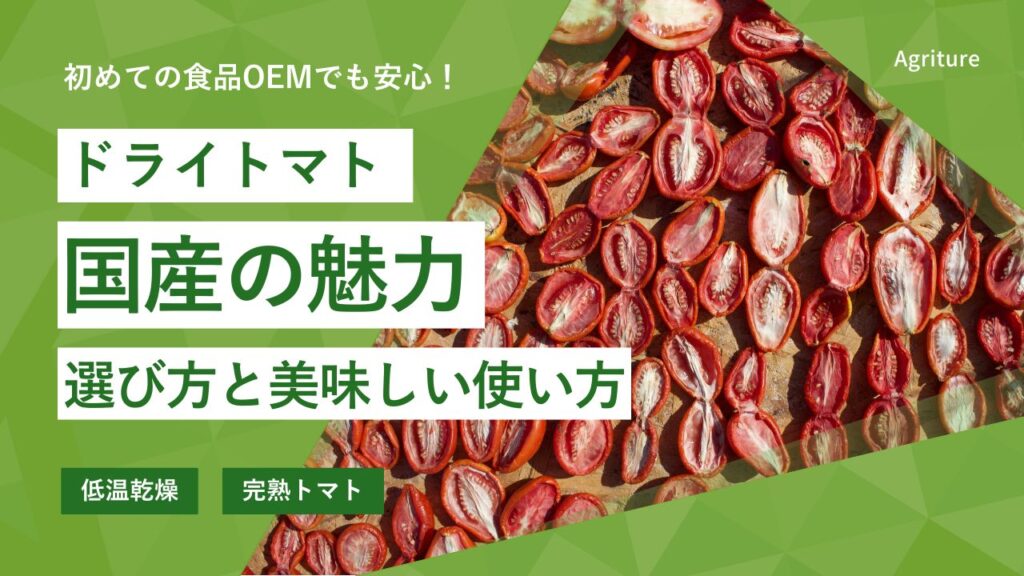
How to choose dried tomatoes | Domestic, additive-free, no added salt
When choosing domestic dried tomato, just keeping in mind the four check items—"domestic or imported," "additive-free (whether it contains salt, sugar, or preservatives)," "whether it has certification such as Organic JAS," and "processing type"—greatly changes your satisfaction after buying. In recent store shelves, additive-free and domestic labeling front and center... -
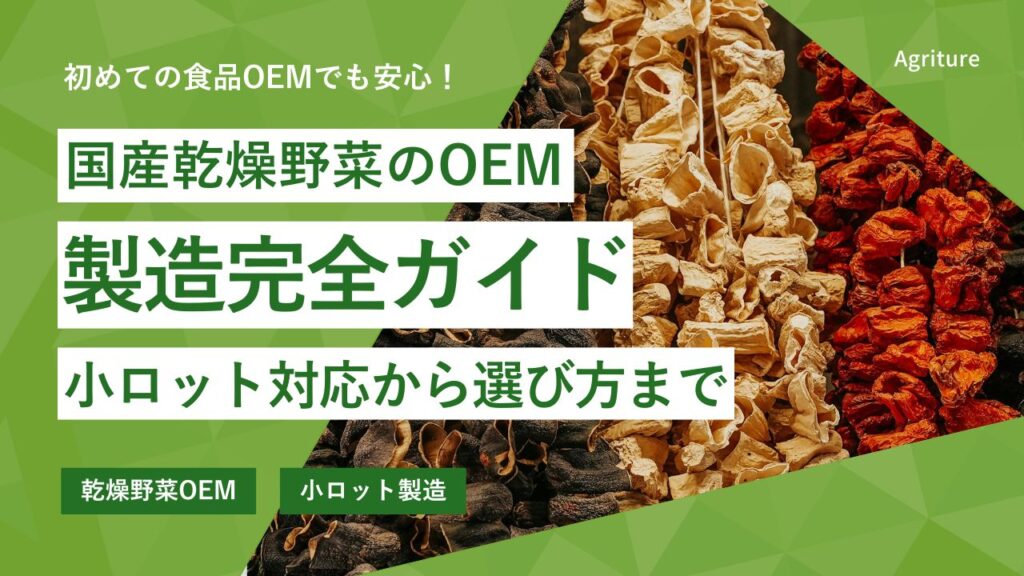
The Complete Guide to OEM Manufacturing of Domestic Dried Vegetables | A Thorough Explanation from Small-Lot Support to How to Choose
As awareness of food safety rises, demand for domestically grown dried vegetables is rapidly expanding. As of 2025 in particular, additive-free products that use no food additives and OEM manufacturing services that can handle small lots are strongly sought by small and medium-sized companies and new entrants. Conventionally, mass production was... -
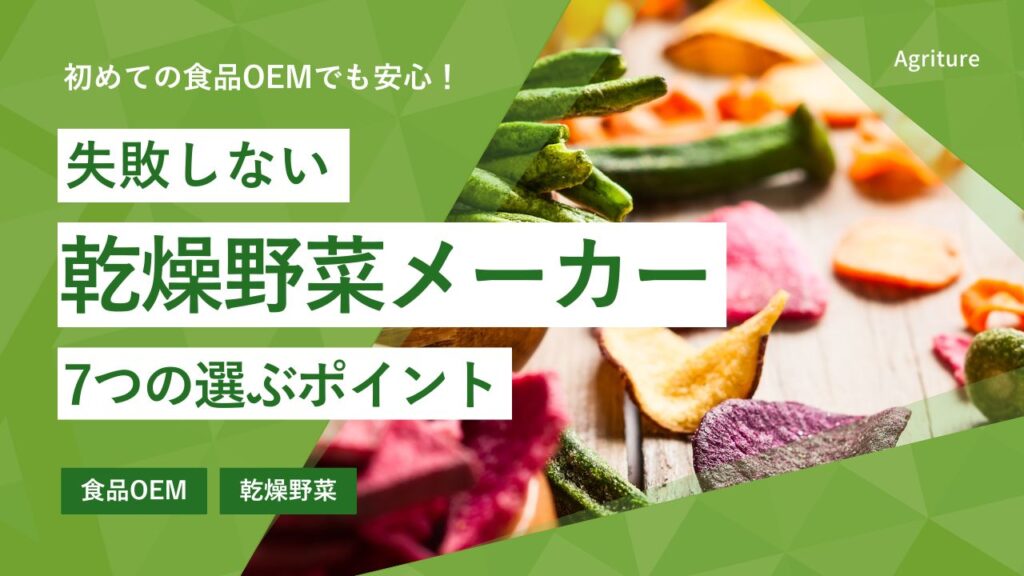
Seven points to avoid failure when choosing a domestic dried vegetable manufacturer
Dried vegetables are indispensable in food processing and the foodservice industry for their stable quality and high shelf life. With the rise in demand for domestic ingredients and additive-free products in particular, demand for "domestic dried vegetables" is expanding. On the other hand, "the quality isn't as stable as I expected," "delivery response is slow," "the contract terms are... -
The Difference Between Domestic and Chinese Dried Vegetables: Quality and Cost Comparison and Practical Uses
For commercial dried vegetables, domestic and Chinese products differ greatly in quality, cost, and supply stability. Chinese products have the edge in distribution volume and price, while domestic ones have the edge in safety, brand appeal, and spec-sheet compliance. Depending on your product's use and sales channels, which you choose changes your costs, complaint rate, and how your channels expand... -
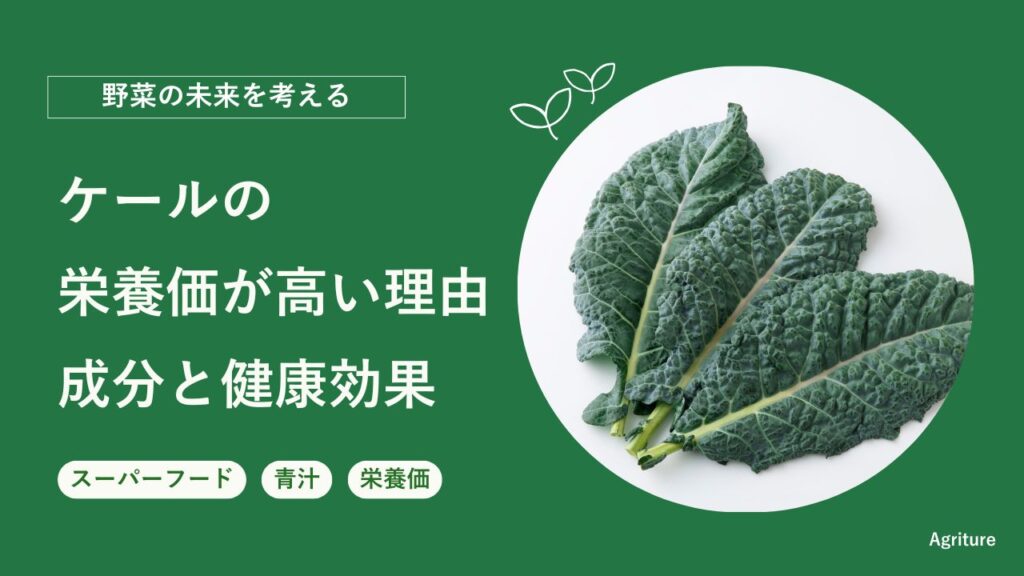
Why kale is so nutritious: its components and characteristics
Kale, known as an ingredient in aojiru green juice. This vegetable, in fact, is nicknamed the "king of vegetables" for its high nutritional value. A member of the Brassicaceae family alongside cabbage and broccoli, and positioned as the ancestor of these vegetables, kale is thought to originate along the Mediterranean coast in the region of Greece, and has been cultivated since before... -
How to Choose Domestic Moringa: Quality Standards and Characteristics by Growing Region Explained
Alongside rising health consciousness, interest in moringa is rapidly spreading. This plant, also called a "nutrient-rich tree," is drawing attention worldwide as a superfood containing over 90 kinds of nutrients, but what points should you watch when choosing domestic moringa... -
The Difference Between Domestic and Imported Lemons: A Thorough Explanation from How to Choose to Uses
When you pick up a lemon at the supermarket, have you ever been unsure? About 90% of the lemons on store shelves are imported. The remaining mere 10%—domestic lemons—come into season mainly from October to March. Hiroshima Prefecture accounts for about 50% of domestic production, with cultivation thriving on the mild climate of the Seto Inland... -
A Complete Guide to the Features of Miura Daikon! Explaining the Appeal of Its Taste, Shape, and Nutrition
Miura daikon is a winter daikon grown on the Miura Peninsula in Kanagawa Prefecture. In the Meiji era it arose from natural crossbreeding of the peninsula's native Koenbo daikon with Nerima daikon and others, and in 1925 (Taisho 14) it was named "Miura daikon." Blessed with the peninsula's mild climate and well-draining soil, it has long... -
Nutrition and characteristics of kale for aojiru: how to choose and drink it
When it comes to green juice, kale comes to mind. This green vegetable belongs to the same mustard family as cabbage and broccoli, and is so nutritionally excellent it's called the "king of vegetables." In Japan the green juice market has matured, and kale has long maintained steady demand as its main ingredient. Raw... -
Nutrition Management in a Disaster | Nutrients That Run Short in Shelter Life and How to Address Them
Meals in evacuation life: "anything you can eat is fine" is dangerous. When an earthquake, typhoon, or other disaster strikes, the first thing on your mind is securing your safety. Meals tend to get pushed aside. But as evacuation life stretches to three days, then a week, the quality of your meals starts to greatly affect your physical and mental health... -
Dried papaya
Papaya is a tropical fruit prized for its light sweetness and aroma, and drying concentrates the flavor and brings out its natural sweetness. Dried papaya carefully dries domestically grown produce at low temperature, locking in the flesh's fibrous texture and tropical aroma as-is. Confectionery, granola, drinks... -
Dried green papaya
Green papaya draws attention as a vegetable using the immature fruit, and because it contains a lot of the enzyme papain, its popularity as a health ingredient is rising. Dried green papaya carefully dries domestically grown fruit at low temperature, finishing it without losing flavor or nutritional components. Salads, stir-fries, soups, health... -

Dried onion
Made with spring new onions grown at our partner farms in Kyoto Prefecture, which have overwintered and stored up sweetness. Slow low-temperature drying gently mellows the pungency, finishing with a fluffy sweetness and a melting texture. Add moisture and it's like a freshly cut new onion... -
dried red shiso
Red shiso is characterized by a distinctive aroma and color, an aromatic vegetable indispensable to Japanese food culture. Dried red shiso slowly low-temperature-dries domestic raw material, locking in its vivid red-purple color and rich aroma as is. It's used in many ways—furikake and yukari, pickles, health teas, confectionery ingredients, and more... -

Dried cabbage
Made with cabbage grown at our partner farms in Kyotango, Kyoto Prefecture. Cabbage grown in a land of temperature swings is strongly sweet with firm leaf quality. This is cut large and slowly low-temperature-dried. Rehydrated, it has a crispness like spring cabbage and a chewy... -
Dried nameko
Nameko is a mushroom characterized by a distinctive sliminess and aroma, indispensable for miso soup and simmered dishes. Dried nameko low-temperature-dries domestic nameko and, when rehydrated, reproduces its characteristic sliminess and umami. Easy to handle and long-storable, it's ideal for commercial soups, prepared dishes, retort foods, and more...