
Dried vegetables– category –
-

If You Dry and Sell Your Lettuce, How Much Do You Get from 10kg?
Can the lettuce from our field be dried and turned into a product? Yes, we can dry it. But the first thing to know is that leafy vegetables become surprisingly light once dried: 10 kg fresh can end up as around 500 g finished. In this article, based on what we actually offer as OEM and contract processing... -
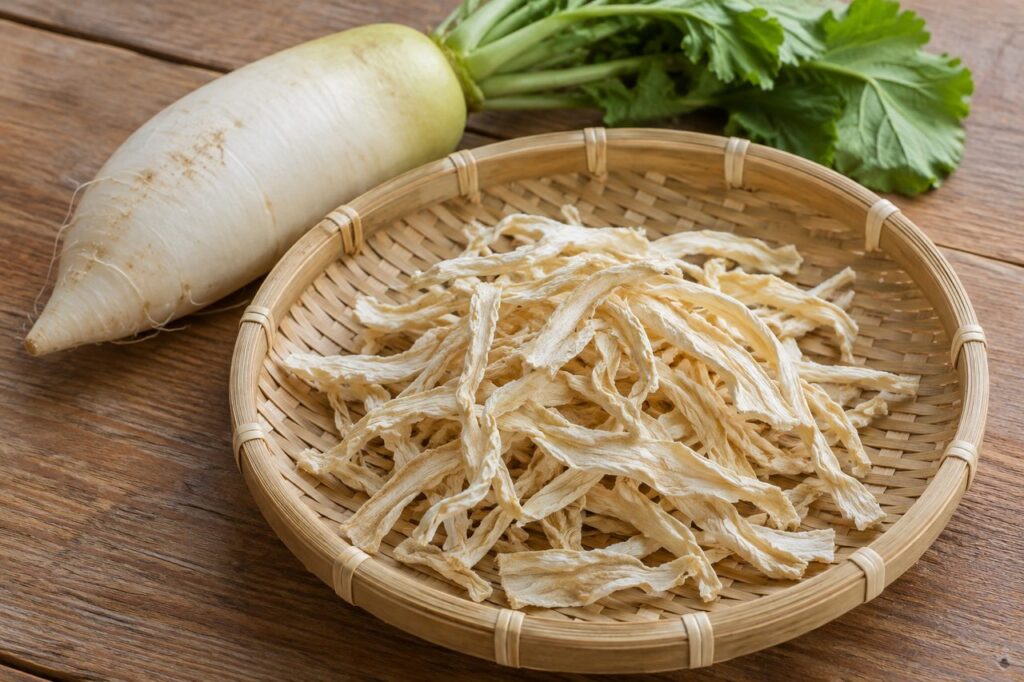
How to make and reconstitute kiriboshi daikon. Days to dry and time to soak in water
Kiriboshi daikon (dried shredded radish) is essential to simmered dishes. In fact, you can make it easily at home simply by cutting and drying daikon. Homemade versions have a richer sweetness and no additives to worry about. Still, many people hesitate over problems like "it won't dry properly," "I'm worried about mold," or "I don't know how to rehydrate or store it." In this article, we explain... -
Dried Shishigatani Kabocha
Dried Shishigatani kabocha is a commercial ingredient made from the Kyoto heirloom vegetable "Shishigatani kabocha." Shishigatani kabocha is a Japanese kabocha of the genus Cucurbita in the gourd family, prized for its distinctive gourd-like shape pinched at top and bottom, and its higher-moisture, light flavor. Agriture... -
Dried Horikawa Gobo
Dried Horikawa gobo is a commercial ingredient made from the Kyoto heirloom vegetable "Horikawa gobo." Horikawa gobo is a large burdock that swells to 6–9 cm thick and around 50 cm long, with a hollow center (su-iri); it has soft flesh and a distinctive fragrance. This thick, hollow shape and the soft... -
Dried Shogoin Kabu
Dried Shogoin kabu is a commercial dried ingredient made from the Kyoto heirloom vegetable "Shogoin kabu." Shogoin kabu is one of Japan's largest round turnips, reaching 15–20 cm in diameter, prized for its white, smooth skin, dense yet soft flesh, and strong sweetness. Agriture handles contract drying of client-supplied raw materials... -
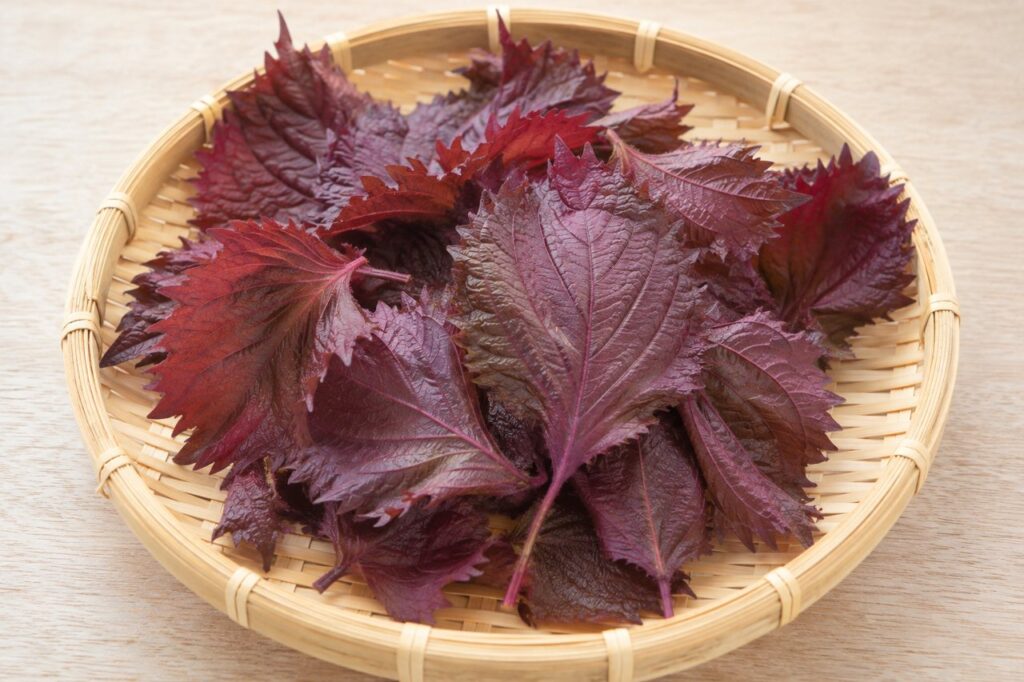
Red Shiso Recipes and Uses: A Thorough Guide from Juice, Yukari, and Syrup to Storage and Variations
Red shiso left over from making umeboshi, or a huge harvest from your home garden—are you unsure how to use it? Red shiso can be used in a wide range of ways, not only for juice and yukari but also in salads, pasta, and preserved foods. In this article, we cover everything from prepping red shiso to the classic red shiso juice and syrup... -
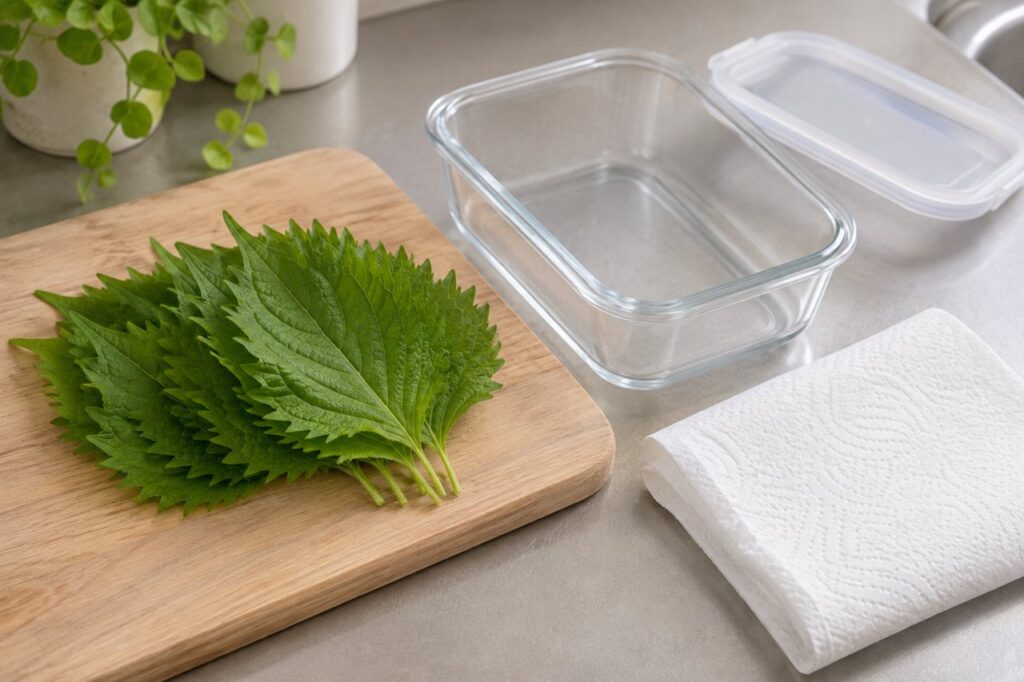
Before Your Ooba Turns Black: Storage Methods and Uses for Refrigerating, Freezing, and Drying to Keep It Fresh
You put the ooba (green shiso) you bought in the fridge, only to find it turned black within a few days—many people have had this experience. Strongly aromatic ooba is vulnerable to both drying out and excess moisture, and if stored without any care, its original flavor fades almost instantly. In this article, we cover refrigerating, freezing... -
Dried Hibiscus
Dried hibiscus is an edible flower ingredient made by drying the calyx of roselle (scientific name Hibiscus sabdariffa) in the mallow family. It is a different plant from ornamental hibiscus, and the raw material is the red calyx that thickens and swells after flowering. Prized for its vivid red color and clean acidity... -
Dried Calendula
Dried calendula is a commercial ingredient made from the petals of the annual "calendula (scientific name Calendula officinalis)" in the daisy family. It is characterized by vivid orange-to-yellow petals, whose coloring is locked in through low-temperature drying. Also called "pot marigold," it is used for cooking... -
Dried Karaki
Dried karaki is a commercial ingredient made by drying the leaves or bark of the evergreen tree "karaki (a relative of Okinawa cinnamon and Chinese cinnamon)" in the laurel family. Karaki is an aromatic wood in the cinnamon family, with a sweet, soft cinnamon-like aroma, yet not as intensely stimulating as a cinnamon stick... -
Dried Cardamom
Dried cardamom is a commercial spice ingredient made by drying the fruit (pods) and seeds of a plant in the ginger family. Prized for its sweet, refreshing, refined aroma, that aroma is locked inside the pod through low-temperature drying. Agriture also offers cardamom powder made by finely powdering the same cardamom... -
Dried Lavender
Dried lavender is a commercial ingredient made by processing the flower spikes of the herb "lavender" in the mint family through low-temperature drying. Prized for the look of small purple flowers strung in spikes and lavender's distinctive refreshing fragrance, it tends to retain its aroma and purple color even when dried. Agriture also offers the same... -
Dried Chamomile
Dried chamomile is a commercial ingredient made from the flowers of the herb "chamomile" in the daisy family. The contrast between the white petals and yellow center is charming, and it has a sweet, refreshing aroma reminiscent of apple; that coloring and aroma are locked in through low-temperature drying. Agriture also offers the same cha... -
Dried Elderflower
Dried elderflower is a commercial ingredient made from the small flowers that bloom on elder (European elder) in the honeysuckle family. Prized for a sweet, gorgeous aroma reminiscent of muscat, it has long been enjoyed in drinks and sweets in Europe. Agriture also offers the same el... -
Dried Cherry Blossom
Dried cherry blossom is an edible flower and dried flower ingredient made from the flowers of the cherry (genus Prunus) in the rose family. The flowers, salted and then dried, carry cherry blossom's distinctive soft fragrance and pale pink color, arranged into a form that is easy to handle when dried. Agriture also offers cherry-blossom powder made by powdering the flowers... -
Dried Clove
Dried clove is a spice made by drying the unopened flower buds of the clove tree in the myrtle family. Also called "choji," it is characterized by its distinctive nail-like shape and sweet, rich aroma; that aroma and flavor are locked in through low-temperature drying. Agriture also offers the same clove... -
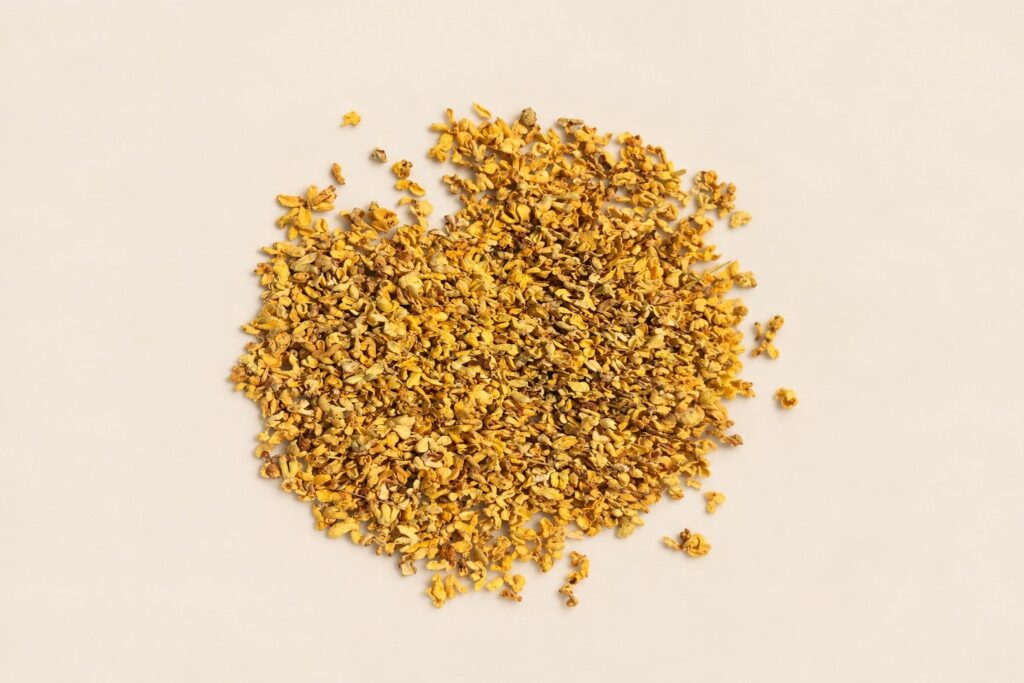
Dried Osmanthus
乾燥金木犀は、秋に咲くモクセイ科モクセイ属の小花「金木犀」を、花のかたちと香りを残したまま原料化した業務用素材です。オレンジ色の小さな花が房状に集まり、甘く濃厚な芳香を放つことが特徴です。原料原産地は中国、加工は日本で、−50℃の低温真空乾... -
Dried Lemongrass
Dried lemongrass is a commercial ingredient made by drying the herb "lemongrass" of the genus Cymbopogon in the grass family. Prized for a refreshing aroma reminiscent of lemon, it is finished by low-temperature drying to preserve that aroma as much as possible. Agriture also offers the same lemongrass finely powdered... -
Dried Tamogitake
Dried tamogitake is a commercial dried ingredient made from the edible mushroom "tamogitake," characterized by its vivid yellow color. Known as a mushroom that gives off rich umami and stock flavor, that flavor is locked in through low-temperature drying. Agriture offers it sliced, crushed, or as powder depending on the use... -
Dried Benihoshi Mizuna
Dried Benihoshi mizuna is a commercial ingredient made from "Benihoshi," a mizuna variety that colors red-purple. Unlike ordinary green mizuna, it is characterized by vivid red-purple running from the leaf stalks to the leaf tips; that coloring is locked in through low-temperature drying. Agriture also offers the same Benihoshi mizuna finely powdered... -
Dried Ooba
Dried ooba is a commercial ingredient made from the leaves of green shiso (ooba). Prized for its vivid green and the refreshing aroma typical of shiso in the mint family, that color and aroma are locked in through low-temperature drying. Agriture also runs, in parallel, ooba powder (made to order) that finely powders the same green shiso... -
Dried Green Onion
Dried green onion is a commercial ingredient made mainly from the green leaf portion of leaf onion (banno-negi type), cut into rings. Whereas white negi (nebuka-negi) is eaten for its white blanched part, green onion is a negi used with its green leaves as-is for garnish and color; its vivid green and negi-like aroma are captured by low-temperature... -
Dried Wariboshi Daikon
Dried wariboshi daikon is a dry ingredient thicker than kiriboshi daikon, made by splitting daikon lengthwise and drying it. Unlike kiriboshi daikon, which is julienned, it is split lengthwise before being exposed to the sun, so a firm bite and volume remain well when rehydrated; that texture is stabilized through low-temperature drying... -
Dried mulberry leaf
Dried mulberry leaf is a commercial material made from the leaves of the mulberry tree (family Moraceae). Long cultivated as food for silkworms, mulberry leaves have been a familiar ingredient for mulberry leaf tea and green vegetable drinks, and their vivid green color and rustic flavor are sealed in through low-temperature drying. At Agriture, from the same mulberry leaf... -
Dried leek flakes
Dried leek flakes are a commercial material made by turning the Western leek (leek/porri) into flake form. They have little of the strong pungency or bite of Japanese long onion; when heated, they develop a gentle sweetness and a mellow body, and that flavor is sealed in through low-temperature drying. Agr... -
Dried corn
Dried corn is a commercial material made from the kernels of sweet corn (family Poaceae). The corn's natural sweetness and the color of its yellow kernels are sealed in as they are through low-temperature drying. At Agriture, from the same sweet corn, corn powder finely milled (made to order... -
Dried Japanese pepper (sansho)
Dried sansho is a commercial material made from sansho (genus Zanthoxylum, family Rutaceae). It is characterized by a sharp pungency, a tingling that lingers on the tongue, and a fresh, citrus-like aroma; the pungency and tingling come from sanshool, a compound contained in the pericarp. At Agriture... -
Dried shima pumpkin
Dried shima pumpkin is a commercial material made from shima pumpkin, a native pumpkin variety long grown in Okinawa. In Okinawa it is also called nankwa or chinkwa in dialect, and it is classified among the Japanese pumpkin group. Its flesh is high in moisture and sticky in texture, with restrained sweetness yet... -
Dried island chili pepper
Dried island chili is a commercial material made by turning shima togarashi—the fiercely hot chili that represents Okinawa's island vegetables—into whole form. A small fruit of the bird's-eye chili type, it is characterized by an intense heat said to surpass that of takanotsume and Tabasco. At Agriture... -
Dried kintoki carrot
Dried kintoki carrot is a commercial material made by cutting the Eastern-type carrot "kintoki carrot (Kyoto carrot)" into thin strips. Compared with common Western carrots, it is characterized by a more vivid crimson color and a gentle sweetness, and that color and flavor are sealed in through low-temperature drying. At Agriture, from the same kintoki carrot finely milled... -
Dried goya
Dried goya is a commercial material made by turning goya (bitter melon), Okinawa's signature summer vegetable, into ring-cut form. The flesh, with seeds and pith removed, is finished by low-temperature drying while preserving its characteristic bitterness and the green color of the skin. At Agriture, from the same goya finely milled goya... -
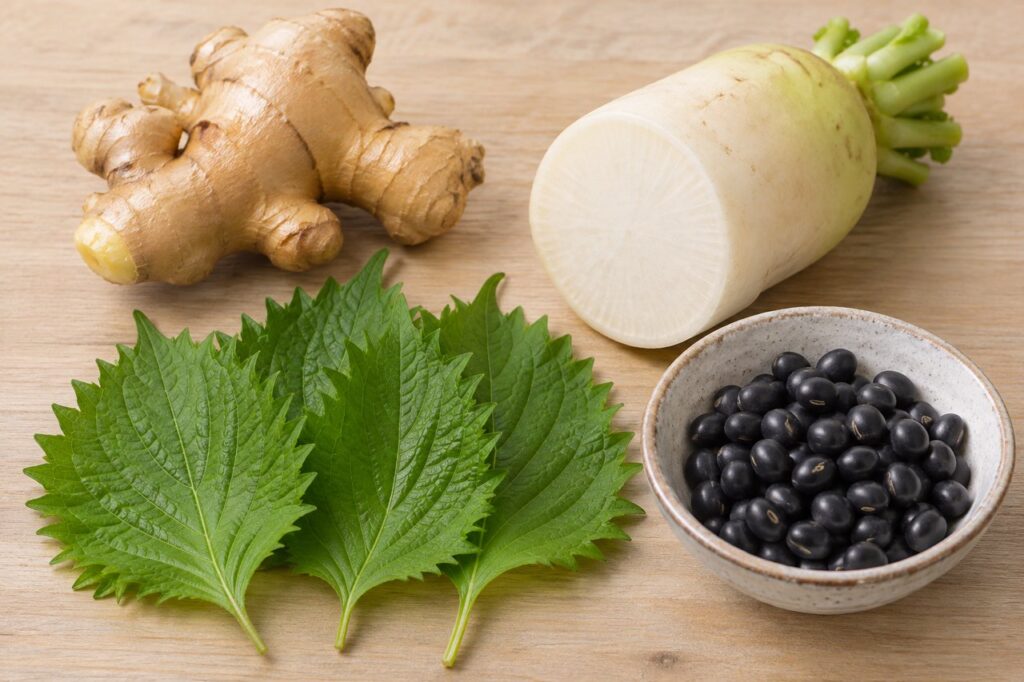
Assembling domestically grown yakuzen ingredients: the difference between familiar vegetables and imported crude drugs
When people hear "yakuzen ingredients," many may picture imported dried goods bought at a Chinese-ingredient store, such as jujube and goji berries. Yet many yakuzen ingredients can in fact be assembled from familiar domestically grown vegetables and dried goods. The image that "you cannot start without ordering something special" is... -
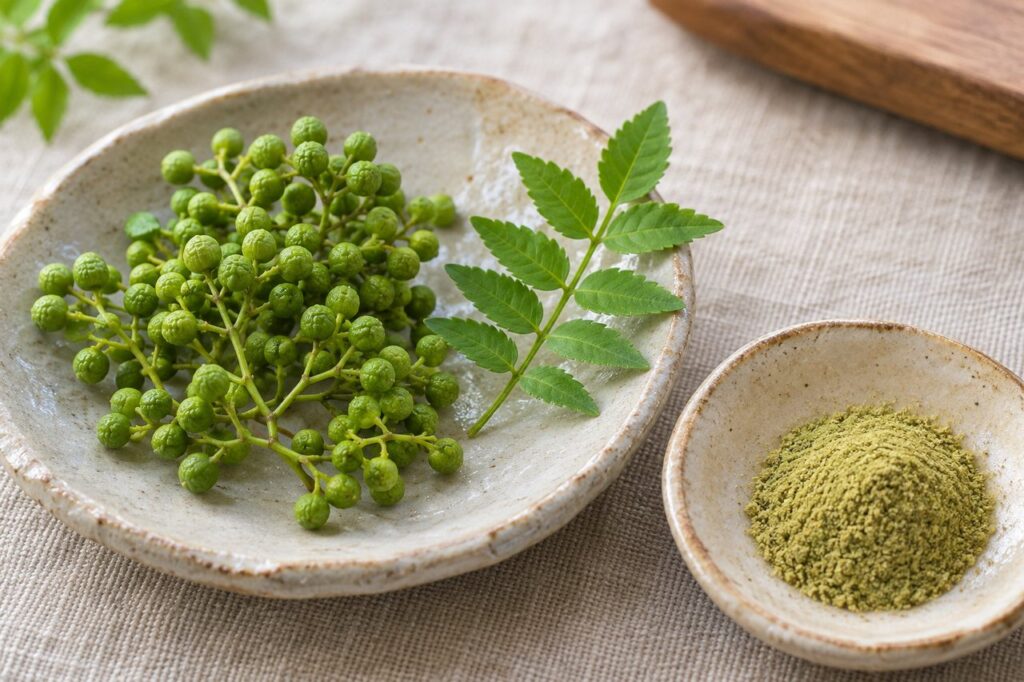
What is sansho used for besides eel? It circulates four times a year, changing form
A small jar of ground sansho sits in the kitchen, never opened except when eating eel. A common story. Here's the conclusion first. Sansho is a crop that appears four times a year in different forms: kinome in spring, hana-sansho in April, green berries in May, and fully ripened berries in autumn. Each suits different dishes. 'Sansho = ee... -
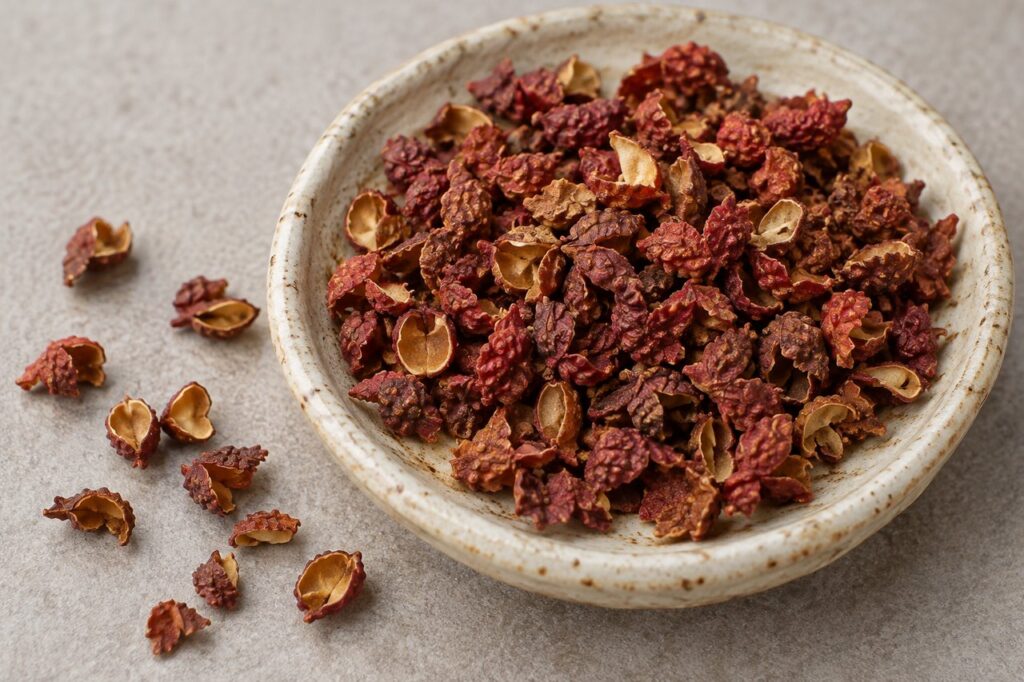
What is huajiao? We have sorted out the difference between huajiao, hojiao, and sansho
A mapo tofu recipe calls for 'huajiao,' but what you have at home is ground sansho, and you're unsure whether to substitute. Or the spellings 'hua jiao' and 'huajiao' vary, and you can't tell whether they point to the same thing. Here's the conclusion first. Sansho and huajiao are different plants of the same genus... -
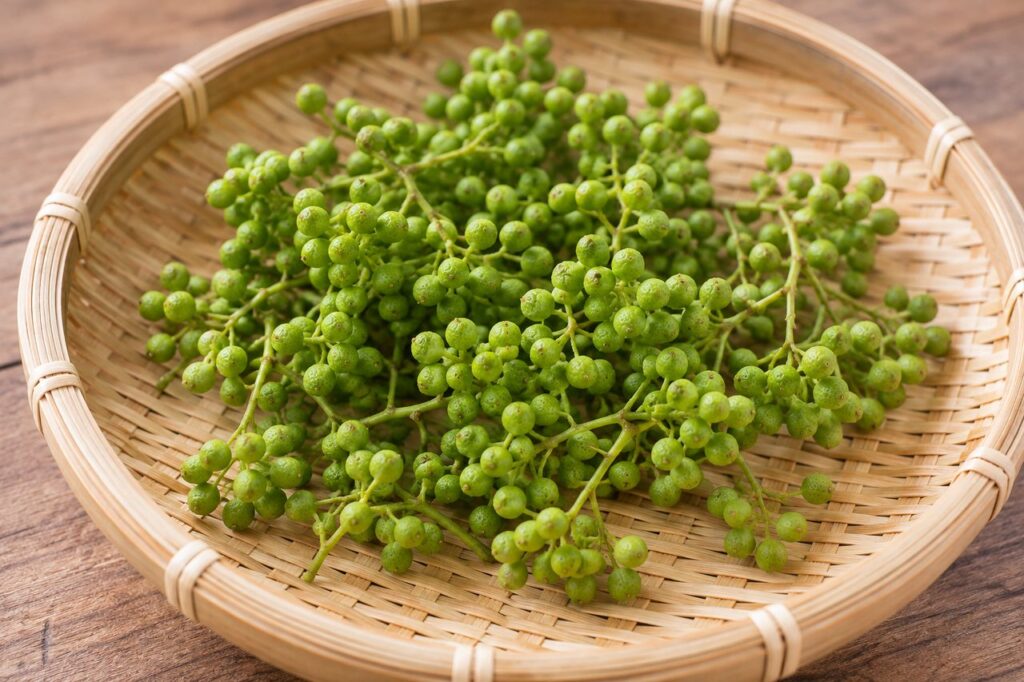
Prepping and Removing Bitterness from Green Sansho: Boiling Time, Freezing, and Salt-Curing Tips
Fresh green sansho, which appears in early summer, is prized for its tingly numbness and refreshing aroma. But once you buy it, prepping comes first, and many people are unsure—"what do I do with the stems?", "how long do I boil it to remove the bitterness?", "how do I store it so it keeps for a year?" On this page, we cover prepping green sansho... -
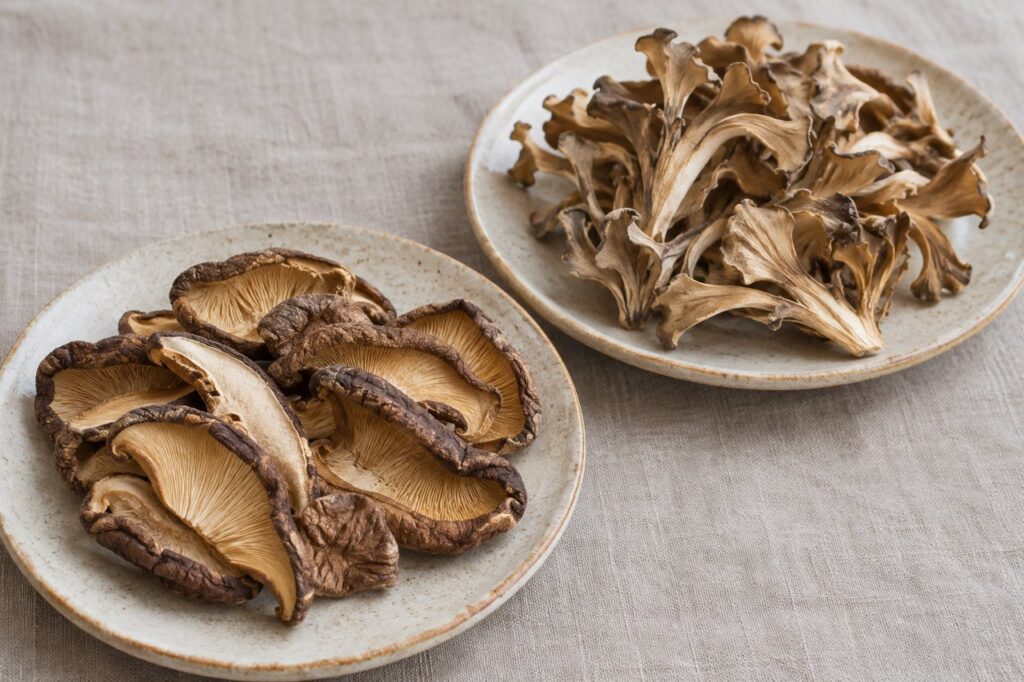
A Guide to Drying Mushrooms: Making Dried Mushrooms in the Sun or Oven and Preventing Mold
You bought a lot of mushrooms while they were cheap, or you can't use up mushrooms you were given—that's when "drying" comes in handy. Drying mushrooms makes them keep longer and deepens their umami and stock flavor. On the other hand, questions like "sun or oven, which is better?", "I'm worried about mold," and "how long until they're fully dried?"... -
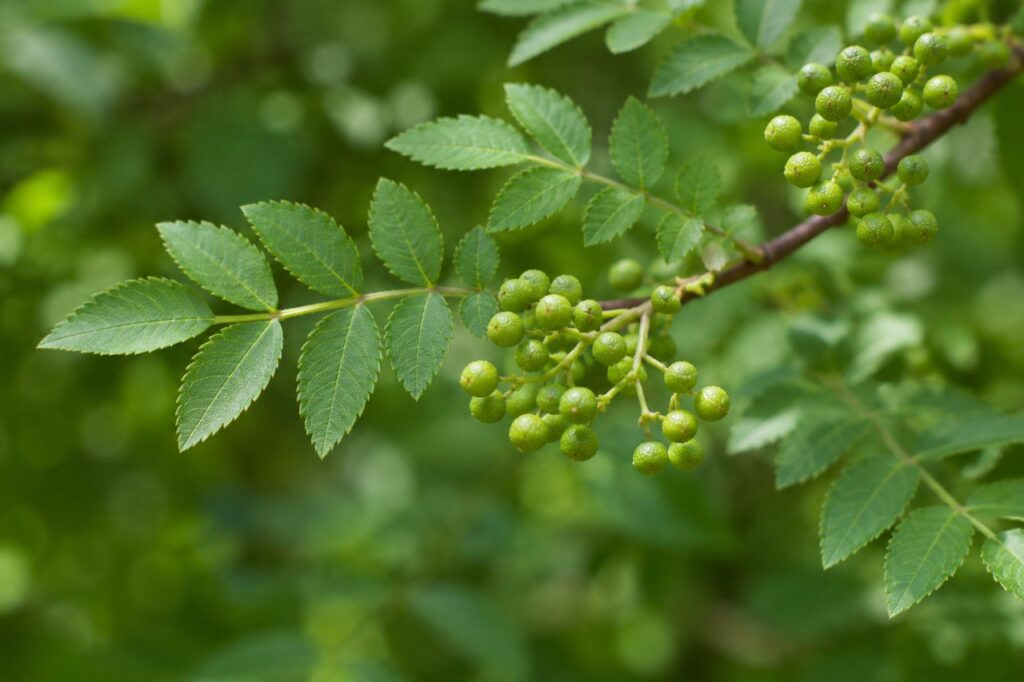
What are the types of sansho? A list of the differences between mi-zansho, kona-zansho, and ao-zansho
Sansho is essential to eel, mapo tofu, and chirimen sansho. But even under the single name "sansho," it comes in various forms—green sansho, powdered sansho, and kinome—and people often wonder "what's the difference between green sansho and powdered sansho?" or "is it different from huajiao?" It's a spice that represents Japan, defined by its aroma and numbing tingle... -
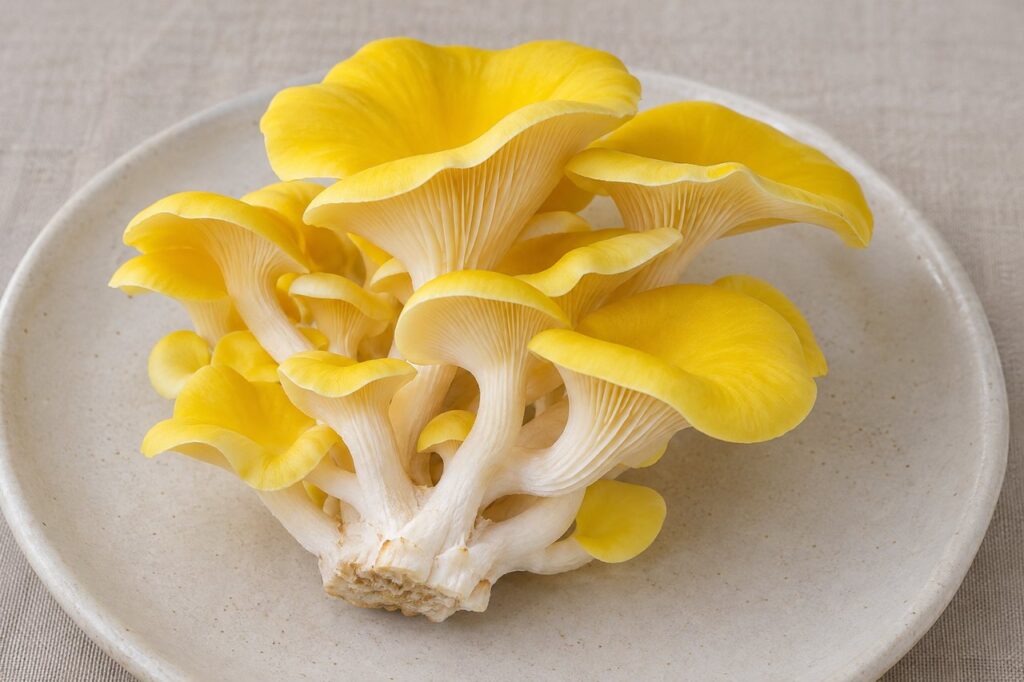
A Guide to Eating and Prepping Tamogitake: Popular Recipes for the Yellow "Phantom Mushroom"
Tamogitake, sometimes called a "phantom mushroom" for its vivid yellow color and pleasant aroma. It's a mushroom long enjoyed in places like Hokkaido, and used in miso soup or takikomi gohan, it offers deep umami and stock flavor. On the other hand, questions come up—"how do I prep it?", "what's a classic way to eat it?", "is dried tamogitake..." -
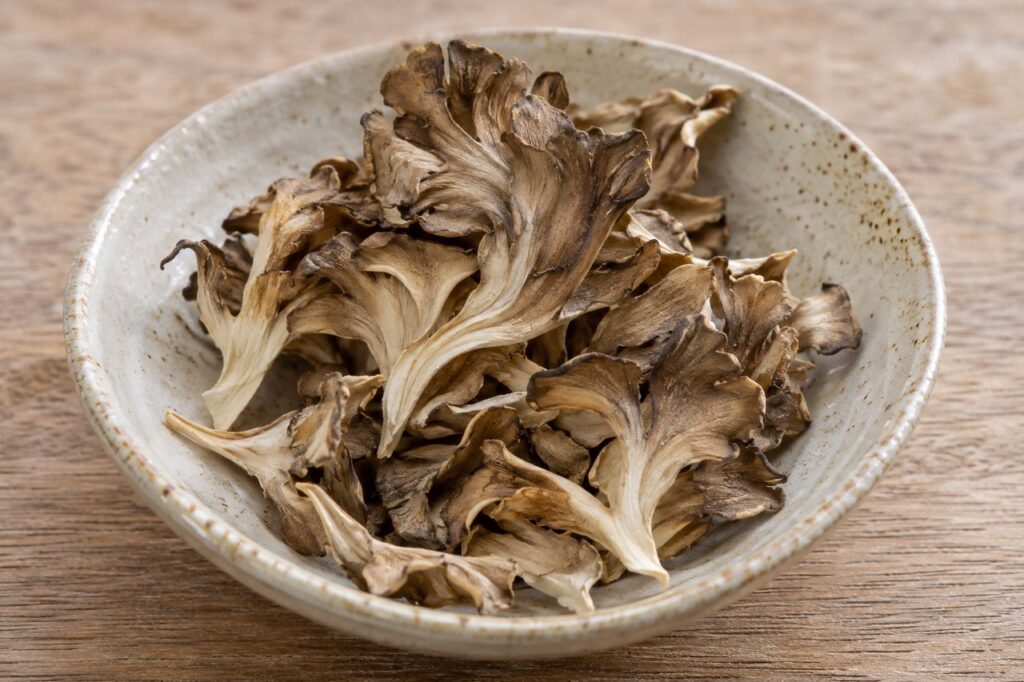
How to Rehydrate and Use Dried Maitake: Popular Recipes for Takikomi Gohan and Tempura
Dried maitake adds aroma and umami to takikomi gohan and miso soup. It keeps longer than fresh maitake, and even a small amount deepens a dish's flavor considerably. On the other hand, situations often leave people unsure—"should I rehydrate it?", "the soaking liquid turns dark—is that okay?", "can I make tempura with it?"—it's that kind of ingredient... -
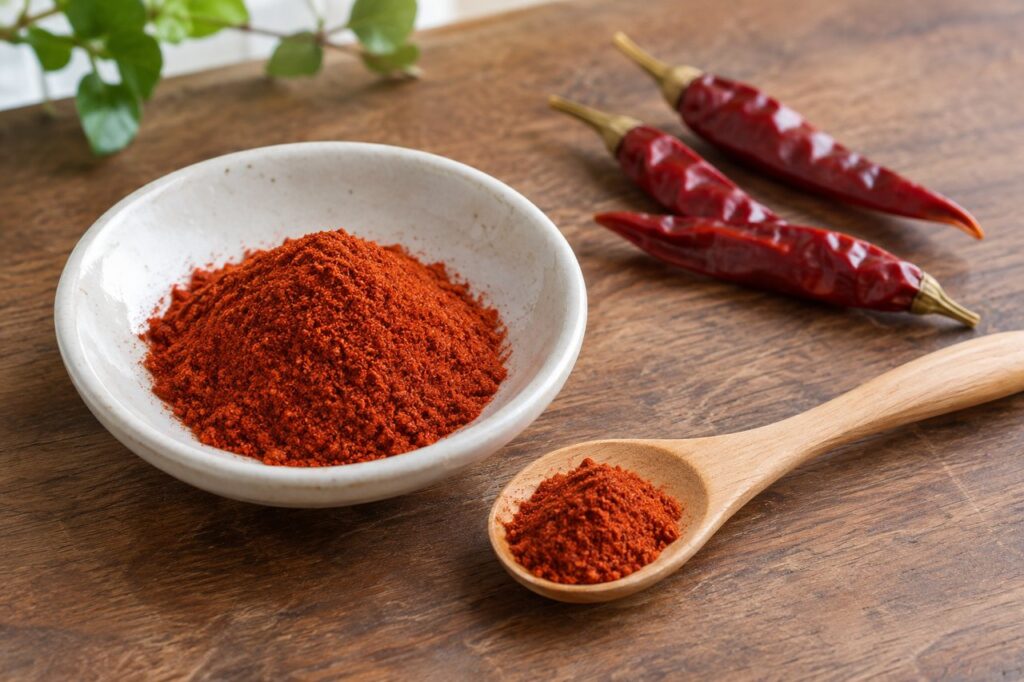
What Is Ichimi Togarashi? The Difference from Shichimi, Ingredients, Uses, and How to Choose
Ichimi togarashi, sprinkled over udon and soups. When it comes time to choose, people often wonder "what's the difference between ichimi and shichimi?" and "which should I use?" They look and are used similarly, but there's a clear difference in their ingredients and roles. On this page, we cover what ichimi togarashi is... -
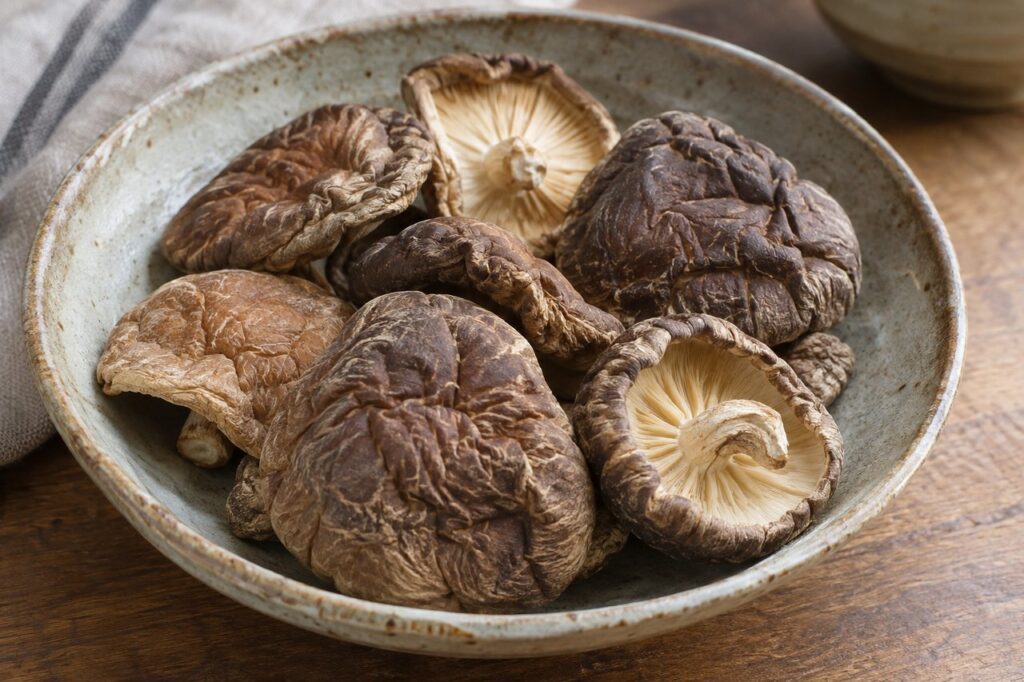
The way to rehydrate dried shiitake is in 5°C cold water: 5 hours for koshin, 10 hours for donko
You try to rehydrate dried shiitake, but the back of the bag only says "rehydrate in water before use." Not knowing how many hours it takes, you end up just soaking them in water and heading out. Let me give the answer first. A producers' association in the growing region offers a mnemonic called the "Rule of 5-5-10"... -
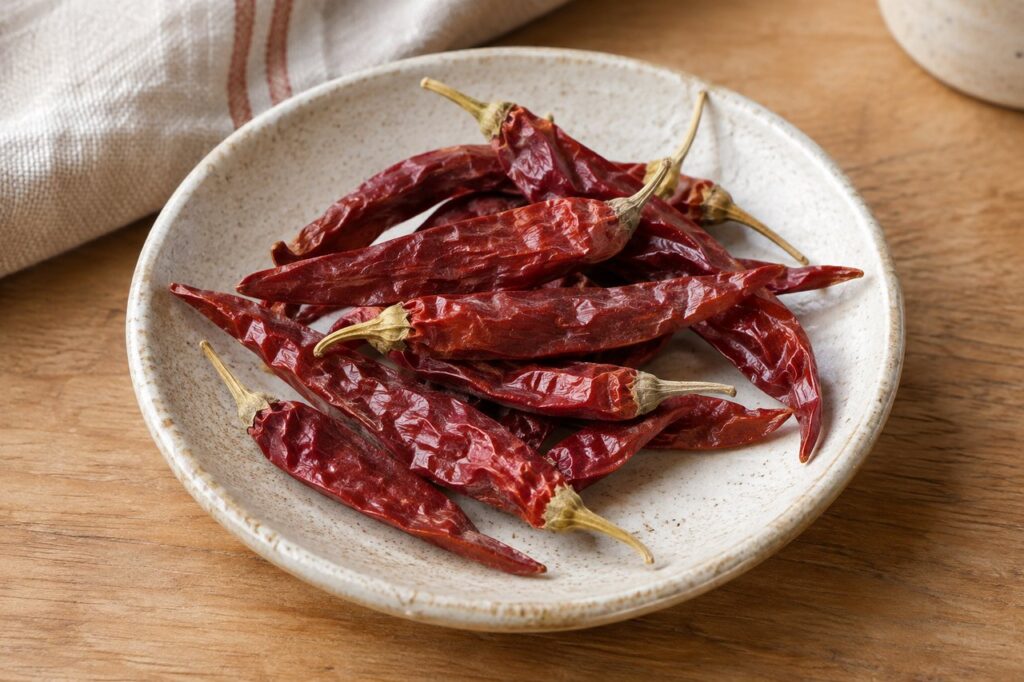
How do you dry chili peppers? Days to dry them and how to store them without mold
The chili peppers in your home garden turned deep red, so you spread them on a basket under the eaves. After about a week they were bone-dry, so you put them in a jar. A month later you opened the lid to find something like white fluff on them. This is not an unusual story. Here's the conclusion first. Simply sun-drying does not... -
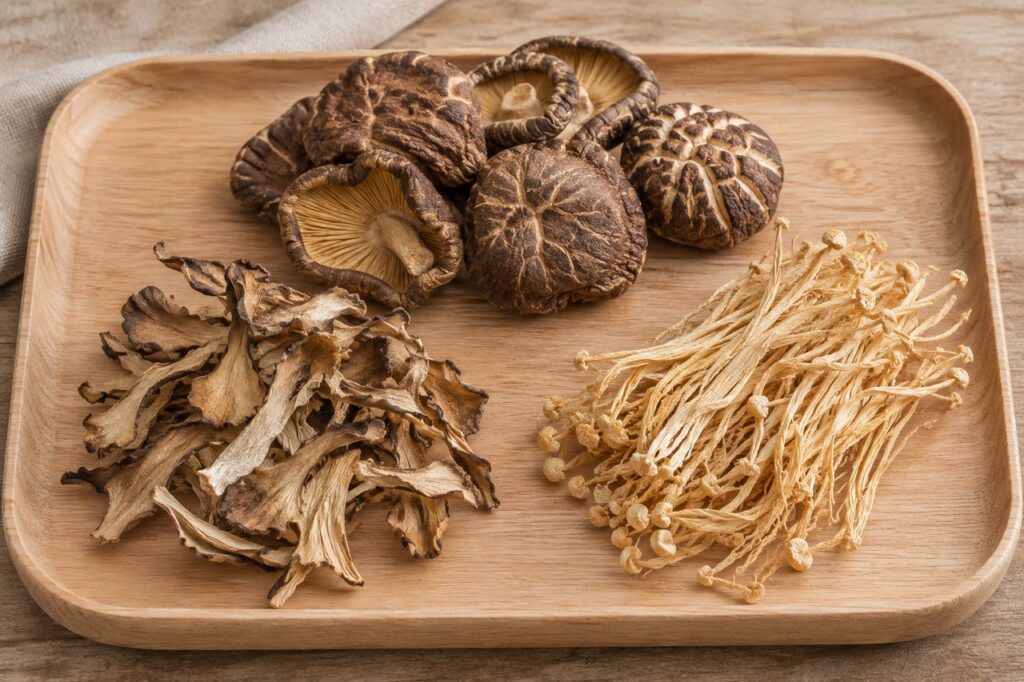
A Guide to Using and Rehydrating Dried Mushrooms: Characteristics by Type and Recipes Using Mixes
We explain how to use and rehydrate dried mushrooms, covering the characteristics of each type such as shiitake, maitake, and enoki, when to rehydrate in water versus simmer them directly, uses in miso soup and takikomi gohan, and storage methods. -
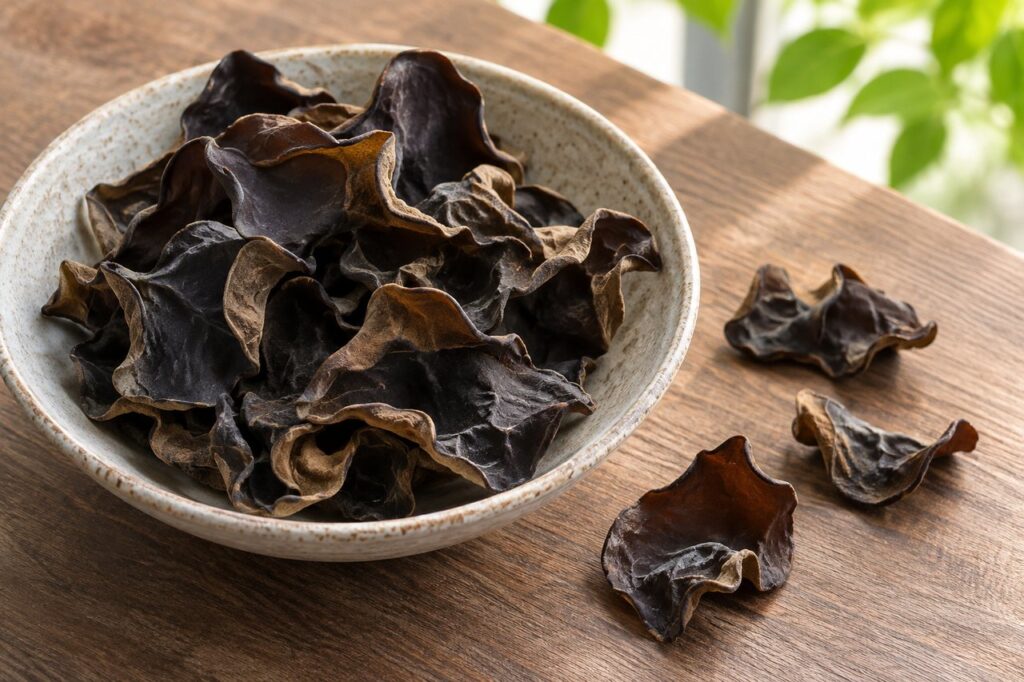
How many minutes to rehydrate kikurage? 5–6 hours in water or 15 minutes in warm water is enough
We explain how to rehydrate and eat dried kikurage (wood ear mushroom), covering rehydration in water or hot water, the tip of always heating it to prevent food poisoning, popular recipes like stir-fries, soups, and harusame, and storage methods. -
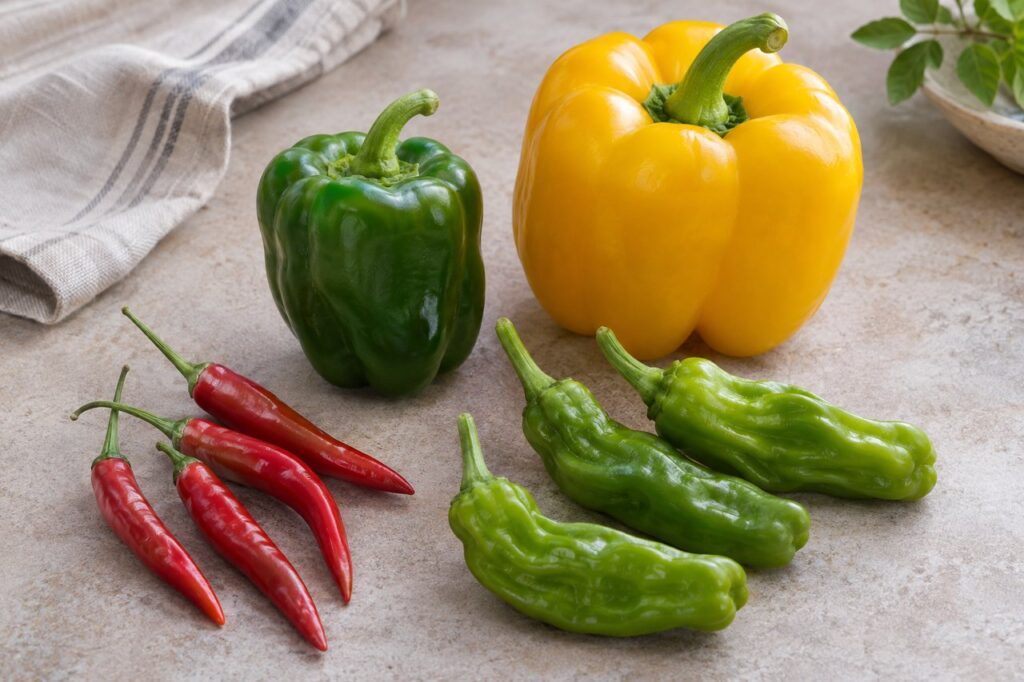
We checked the difference between chili pepper, takanotsume, and shishito against the national crop classification
One bag at the supermarket says "takanotsume," and another shelf says "togarashi." In the produce section, "shishito" and "ao-togarashi" sit side by side, and at a roadside station in Tohoku the same thing is called "nanban." There are four or five names, and which is a variety name and which a general term... -
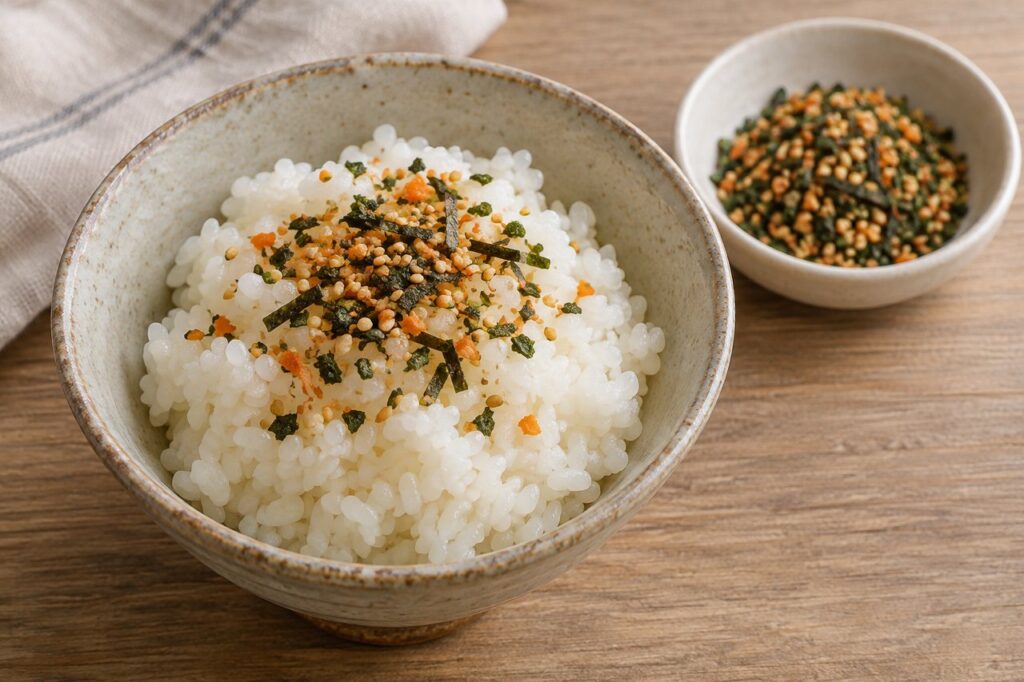
How to Make Vegetable Furikake: Easy with Dried Vegetables, a Kid-Pleasing Homemade Recipe, and How to Choose
We explain how to make and choose vegetable furikake, covering an easy homemade recipe using dried vegetables or leftover vegetables, salt-free and additive-free ideas that are easy for children to eat, and how to read the ingredients on store-bought products—tips for a furikake packed with vegetables that tastes good too. -
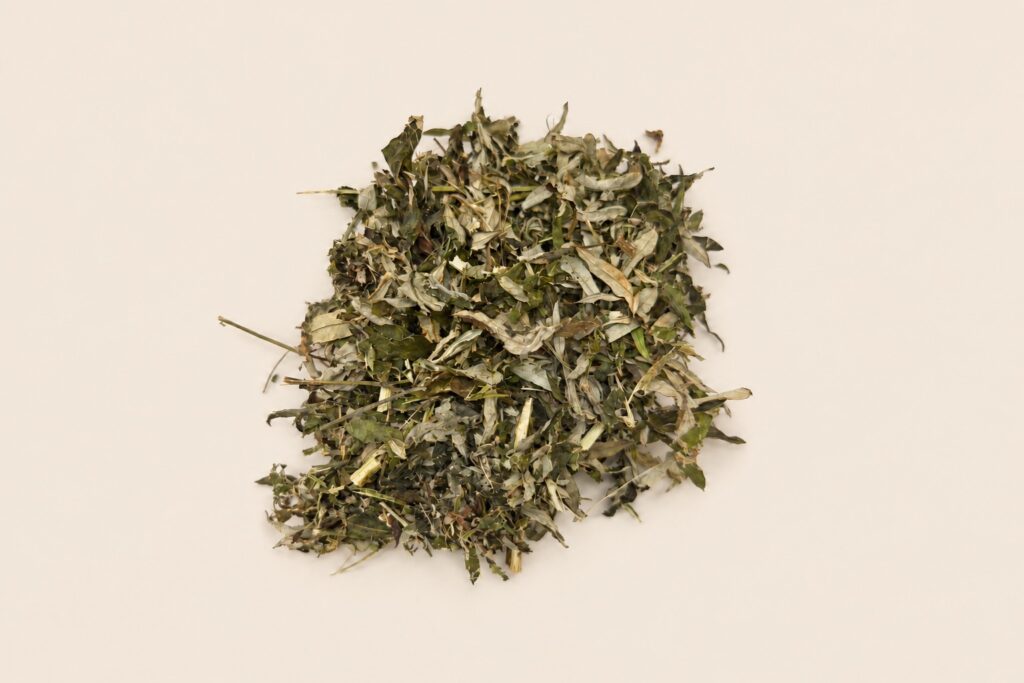
How to choose dried mugwort | How to identify domestic products and buy online without going wrong
よもぎ餅やよもぎ茶、よもぎ蒸しに使う乾燥よもぎを買いたいけれど、「どこで売っているの?」「どれを選べばいいの?」と迷う方は多いはずです。乾燥よもぎはスーパーの店頭では見つけにくく、通販や専門店で選ぶのが基本になります。 葉と茎が混ざったカ... -
How to make yomogi mochi with dried mugwort | Ingredients, amounts, and foolproof tips explained
春の和菓子の定番、よもぎ餅(草餅)。生のよもぎは旬が春に限られますが、乾燥よもぎを使えば一年中いつでも、手軽によもぎ餅を作れます。下処理やアク抜きが済んでいるので、戻して生地に混ぜるだけと簡単です。 よもぎ餅づくりに使う乾燥よもぎ この記... -
Complete guide to using dried mugwort | From rehydrating to popular recipes and storage tips
We explain how to use dried mugwort—from rehydrating and amounts, to popular recipes such as kusa mochi and yomogi dumplings, mugwort tea and mugwort baths, storage methods and best-before dates, and how to choose without going wrong. A Kyoto dried vegetable manufacturer summarizes tips for using up domestic, low-temperature-dried mugwort without waste, at home or commercially. -
Dried Maca
Dried maca is a commercial ingredient made from the functional plant maca (scientific name: Lepidium meyenii) in the mustard family, in two forms: julienned root/chips and coarsely crushed (cut) leaves. Known as native to the high Andes of Peru, maca cultivation has spread domestically as well, and it is rich in amino acids, iron, zinc, calci...