
Heirloom vegetables– tag –
-
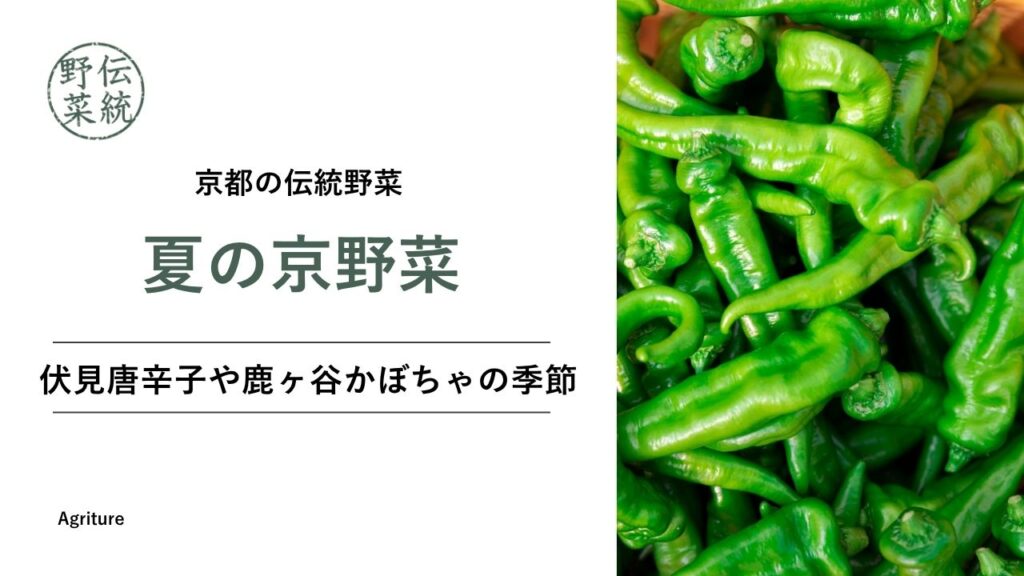
Summer Kyoto Vegetables: The Season of Fushimi Togarashi and Shishigatani Kabocha
Each vegetable has its "season," and tasting it in that period lets you enjoy its character best. Kyoto's heirloom vegetables, the "Kyoto vegetables," also include some that come into season in summer, coloring the summer table with juiciness and robust flavor. Here, Manganji togarashi, Kamo eggplant, Fushimi togarashi... -
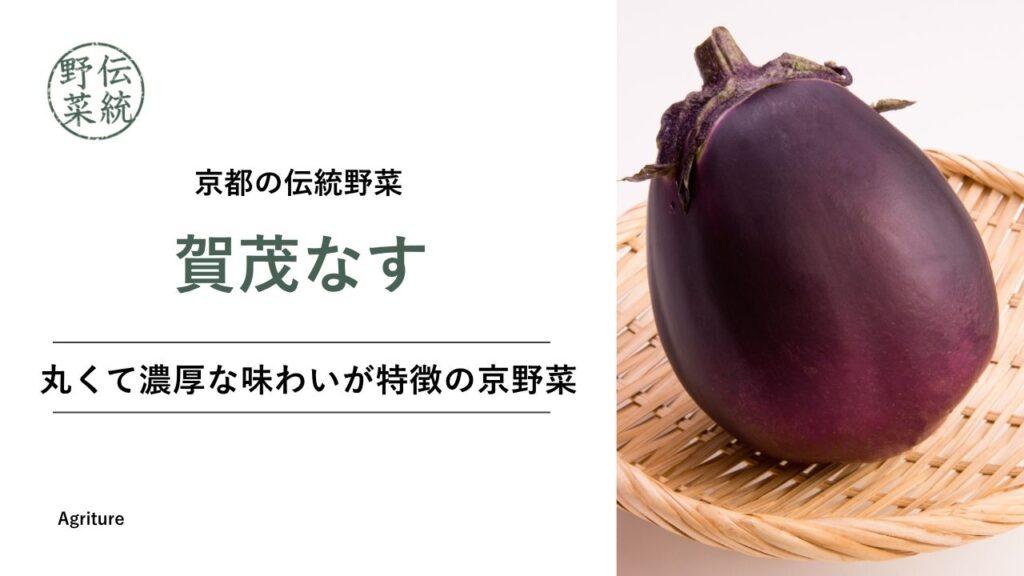
Kamo Eggplant: A Kyoto Vegetable Prized for Its Round Shape and Rich Flavor
Kamo eggplant (kamonasu), also called the "queen of eggplant," is a summer Kyoto vegetable that represents Kyoto. Prized for its round, hefty shape exceeding 10cm in diameter and its densely packed, thick flesh, it has been cultivated centered on the Kamigamo area of Kita Ward, Kyoto City. Dengaku, agedashi, eggplant steak, and... -
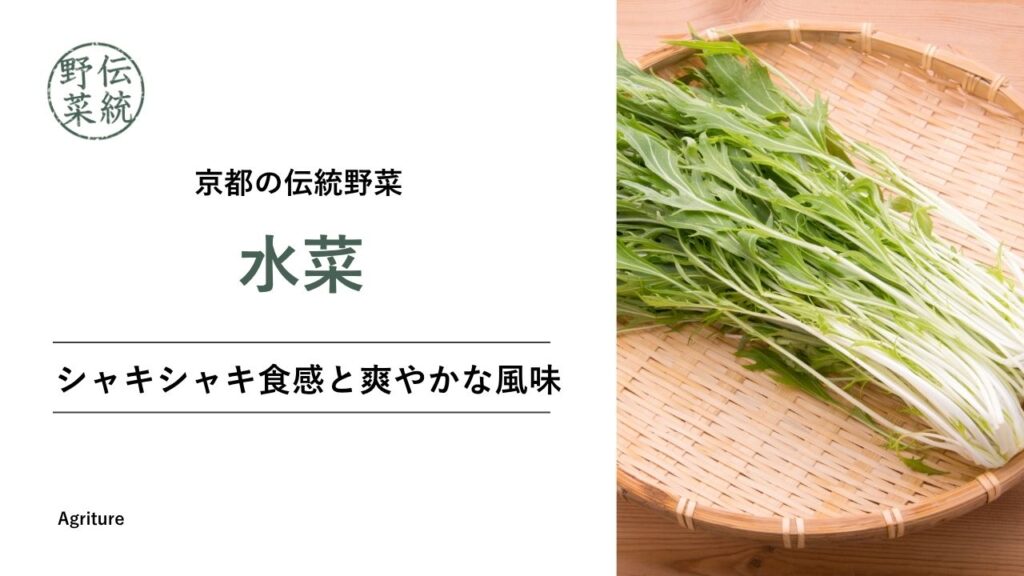
What Is Kyo-Mizuna | A Guide to Its Characteristics, Varieties, and How to Eat It
"Kyo-mizuna," a Kyoto vegetable essential to the winter table. Prized for a crisp flavor and a crunchy bite, it has the depth to elevate both hot pot and salad. It tends to be confused with the fellow Kyoto vegetable mibuna, but the leaf shape and growth are different things. This article covers, from Kyo-mizuna's characteristics and history to varieties... -
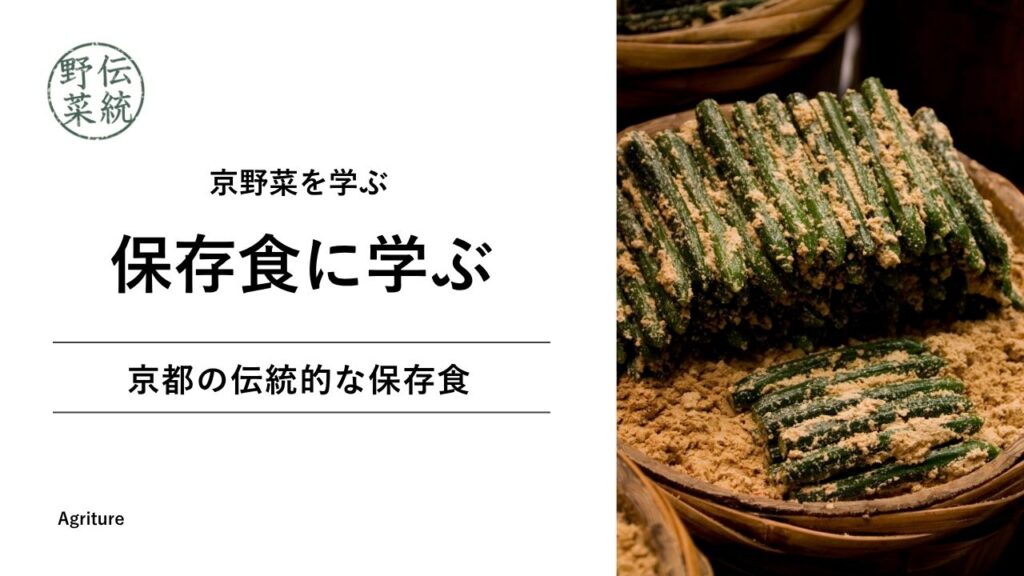
What Are Kyoto's Traditional Preserved Foods? Inherited Wisdom and How to Use It Today
Kyoto, boasting over a thousand years of history, has a diverse array of "traditional preserved foods" born from rich seasons and the wisdom of daily life. In an age without refrigeration, the sun-dried vegetables, pickles, and fermented foods devised to make the most of seasonal ingredients without waste still support the Kyoto table today. This article covers... -
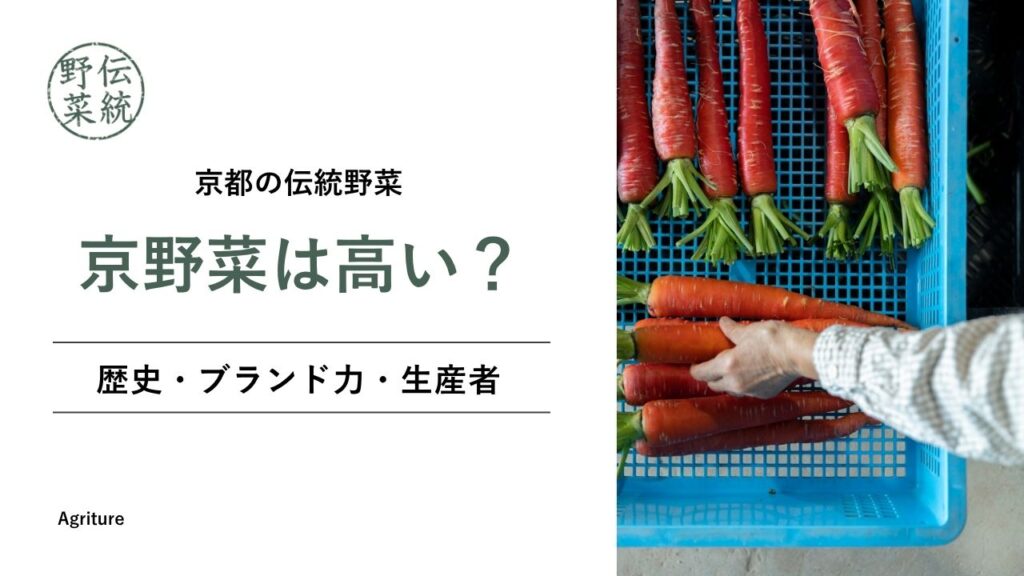
Why Are Kyoto Vegetables Expensive? History, Brand Power, and Producers' Commitment Explained
Kyoto vegetables, which color Kyoto's food culture. Do you dismiss the reason their prices are on the higher side as simply "because it's Kyoto"? In fact, behind Kyoto vegetables' high cost lie a long history and tradition, a unique growing environment, and producers' ceaseless efforts. This article covers why Kyoto vegetables are high... -
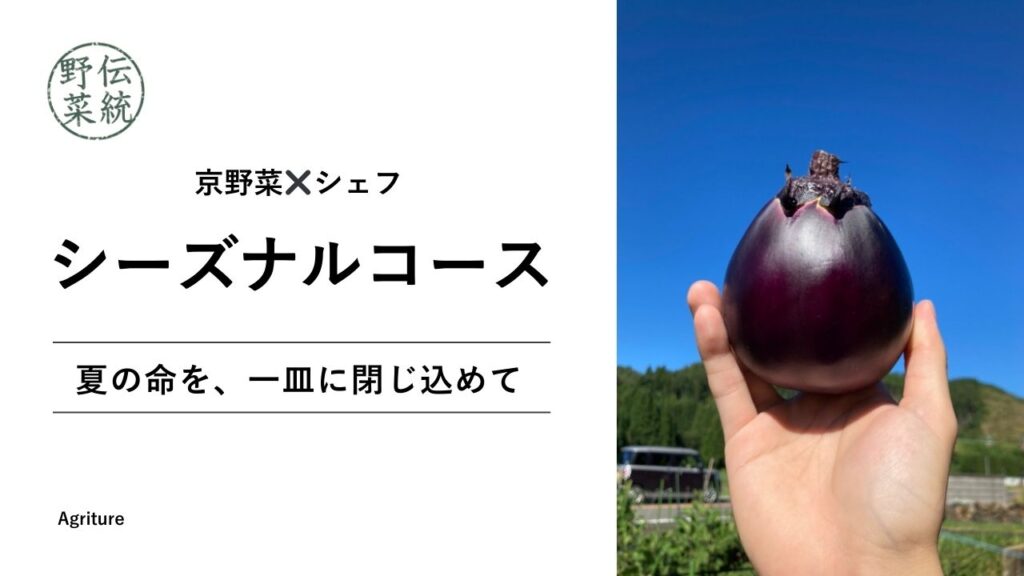
How to Build a Seasonal Course Woven with Kyoto Vegetables
―Capturing Summer's Life, Coolly, in a Single Dish― A column penned by chef Tamotsu Yoneyama, who runs "Potsura Potsura" and "Utsura Utsura" in Shinsen, Tokyo, earning Michelin Bib Gourmand at both restaurants. How to build summer Kyoto vegetables into a course—that thinking and commitment... -
京野菜は何品目あるのか、読み方の一覧と認定の枠組みから確かめる
京野菜を調べはじめると、最初に引っかかるのが名前の読みです。九条ねぎ、鹿ヶ谷かぼちゃ、聖護院大根、柊野ささげ。どれも京都の地名がそのまま品目名になっているため、地名を知らないと読めません。そしてもうひとつ引っかかるのが品目数です。37品目... -
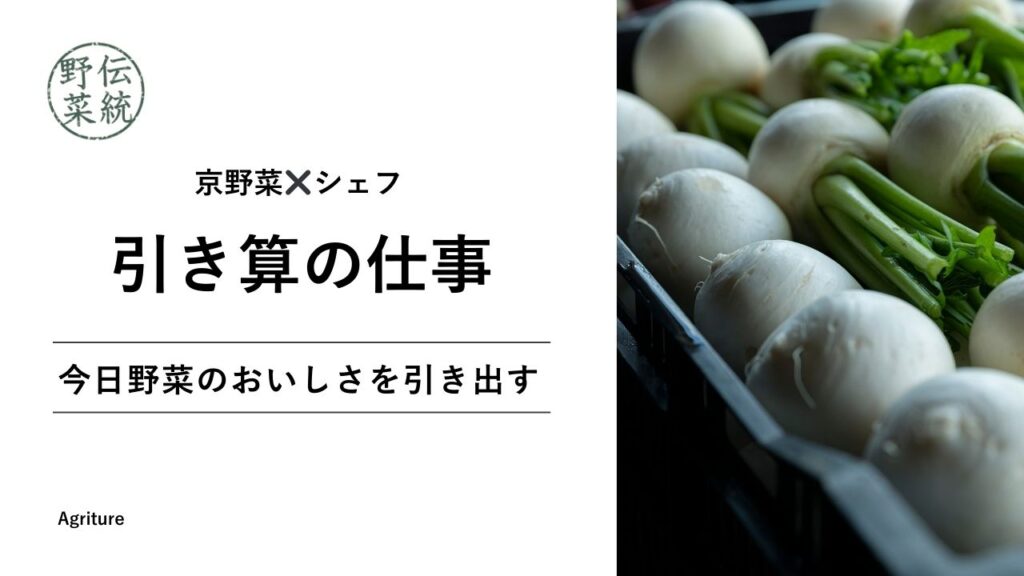
The Work of "Subtraction" That Makes the Most of Kyoto Vegetables
―No Salt or Oil Needed—What the Ingredient Teaches Us― A column penned by chef Tamotsu Yoneyama, who runs "Potsura Potsura" and "Utsura Utsura" in Shinsen, Tokyo, earning Michelin Bib Gourmand at both restaurants. When facing a Kyoto vegetable, the "subtraction" a chef should choose... -
Sakura Renkon Co., Ltd.
Our work with Sakura Renkon. Sakura Renkon (Sakura City, Chiba) is an agricultural corporation specializing in growing and selling lotus root. After working in Tokyo, representative Yuma Matsumoto took up farming, and after training, regenerated an abandoned black-soil paddy field. Using only organic fertilizer and no chemical fertilizer, the soil... -
Nara Prefecture Miwa Somen Industrial Cooperative
About the Nara Prefecture Miwa Somen Industrial Cooperative. The Nara Prefecture Miwa Somen Industrial Cooperative is an organization that keeps protecting the hand-stretched method handed down over generations in the Miwa area, said to be Japan’s oldest somen-producing region. About 80 producers are currently affiliated, making Miwa somen with a commitment to fineness, firmness, and smooth throat feel... -
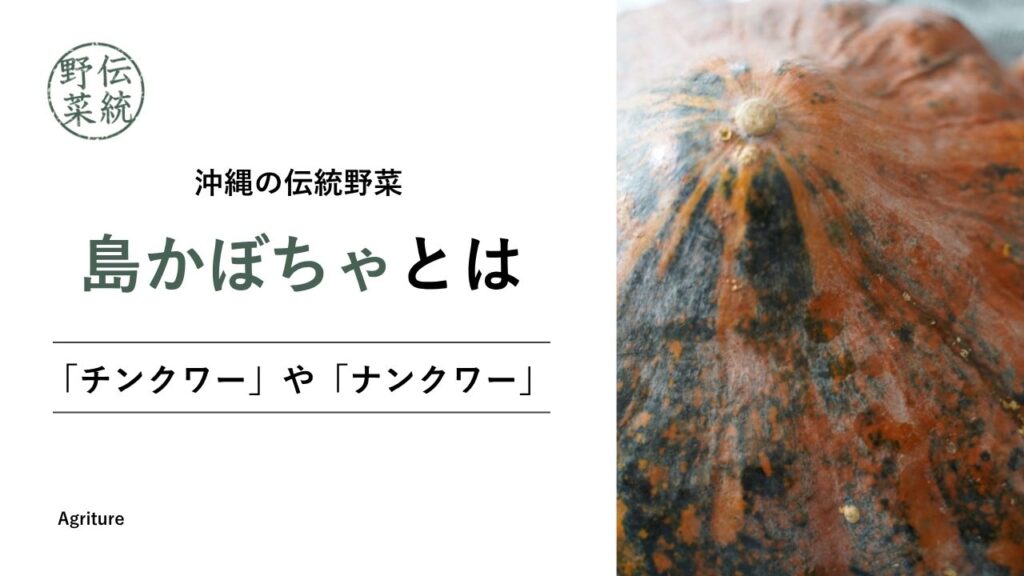
What is shima-kabocha? Also called "chinkuwa" or "nankuwa"
Shima kabocha is an heirloom vegetable of Okinawa. Also called nankwa or chinkwa in Okinawa, it has been handed down as an ingredient in Ryukyu cuisine. This article covers the features, history, flavor and ways to eat shima kabocha, as well as how to use it as a dried vegetable. What is shima kabocha? Shima kabo... -
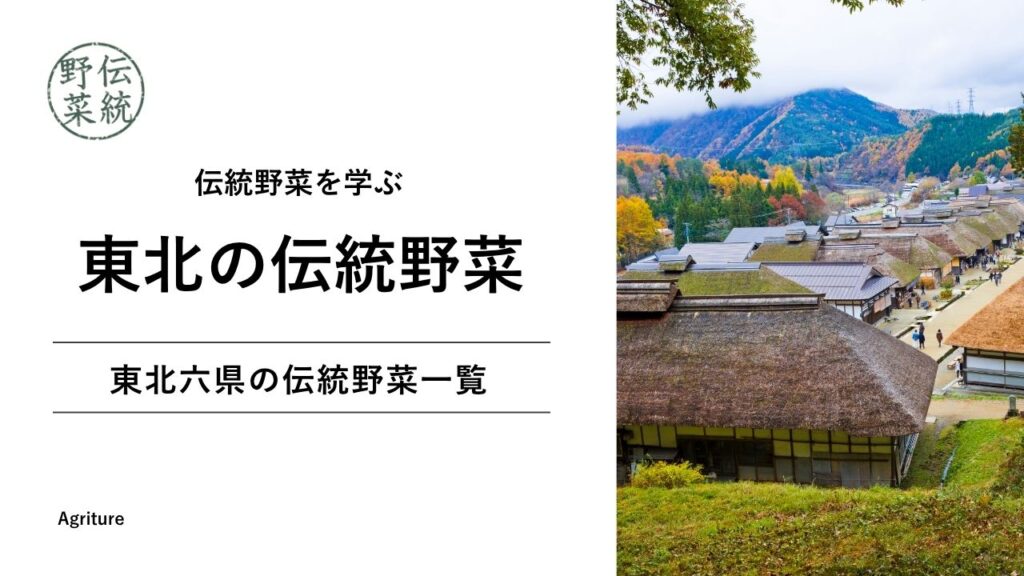
A list of heirloom vegetables from the six Tohoku prefectures | The regional food culture we want to protect
The Tohoku region, with its dramatic seasonal changes, retains many locally distinctive heirloom vegetables. Landrace varieties rooted in the climate and terroir are food materials and, at the same time, a resource that carries the region's cultivation techniques and food culture to the present. On the other hand, with diversifying diets and a shortage of successors, cultivation is declining... -
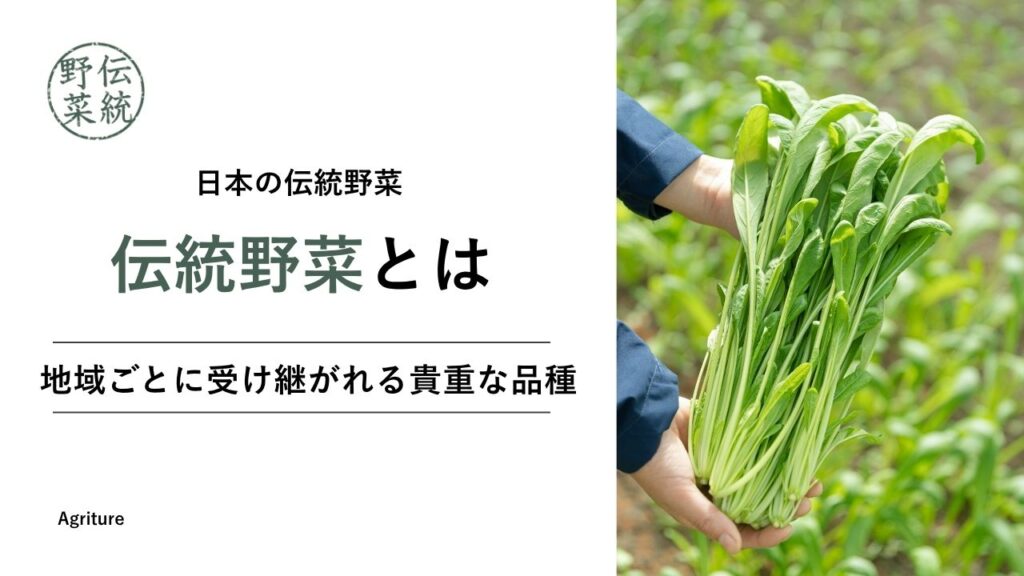
Japan's Heirloom Vegetables: Precious Varieties Handed Down in Each Region
"Heirloom vegetables" is a general term for native and open-pollinated vegetables that have long been grown in a particular region. While supermarkets across Japan stock similar varieties, vegetables with regional names and shapes of their own survive in many areas. This article covers the definition and history of heirloom vegetables, representative items from each region, their flavor... -
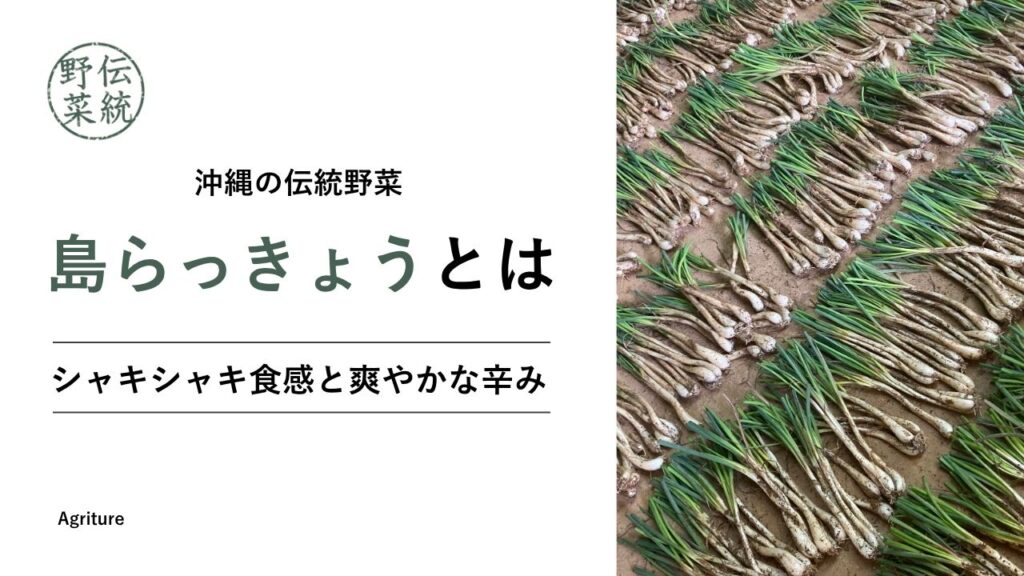
Shima rakkyo has many fans! How to eat it salt-pickled or as tempura, and its best season
So beloved that people say "shima rakkyo has a lot of fans," it is a popular vegetable rooted in Okinawa's food culture. Different from ordinary rakkyo in variety, size, and flavor, its sharp pungency and distinctive aroma bring dishes to life. In Okinawa, salt-pickling, tempura, and champuru are the standard ways to eat it... -
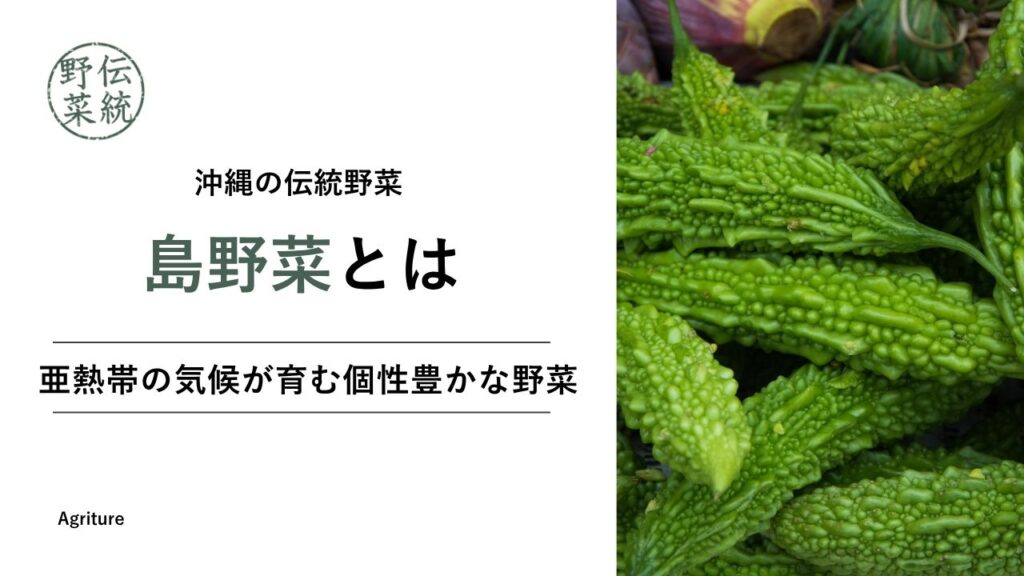
Okinawa island vegetables: individualistic vegetables nurtured by a subtropical climate
Okinawa Prefecture, at the southern tip of Japan, is known for its distinctive food culture. One of the pillars supporting that culture is the heirloom vegetables known as shima yasai (island vegetables). Grown in Okinawa's unique subtropical climate, these distinctive island vegetables are covered here: their definition, a list of 28 items, the features and flavors of representative varieties, and their use as dried vegetables... -
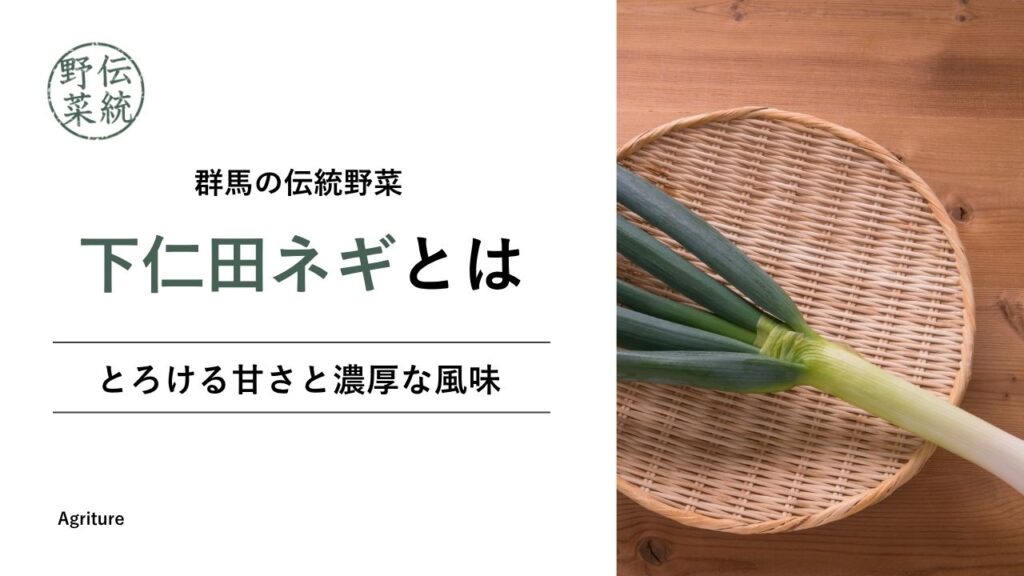
Shimonita green onion: appealing for its melting sweetness and rich flavor
"Shimonita negi," grown around Shimonita Town in Kanra District, Gunma Prefecture, is known as a Gunma specialty, characterized by its distinctive shape and sweetness. This heirloom vegetable, nicknamed "lord's negi," comes into season in winter and is also popular as a year-end gift. This article covers the features of Shimonita negi... -
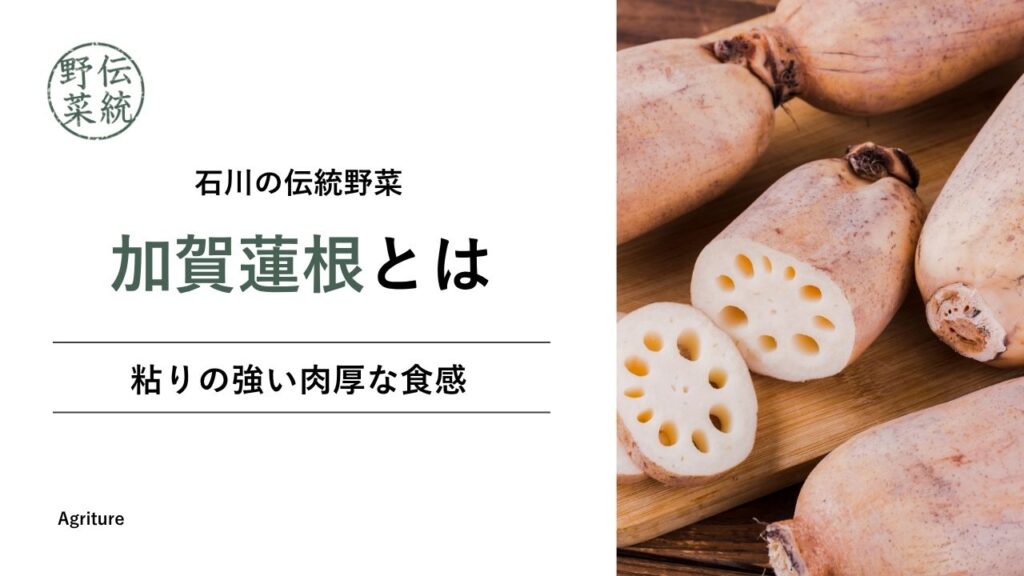
Kaga lotus root: featuring a sticky, thick-fleshed texture
"Kaga vegetables," the traditional vegetables handed down in Ishikawa Prefecture since the Edo period. Among them, "Kaga lotus root" has an especially long history and has been beloved by locals for many years. This article covers the characteristics, history, nutritional value, and recommended ways to eat Kaga lotus root, plus dried vegetables and... -
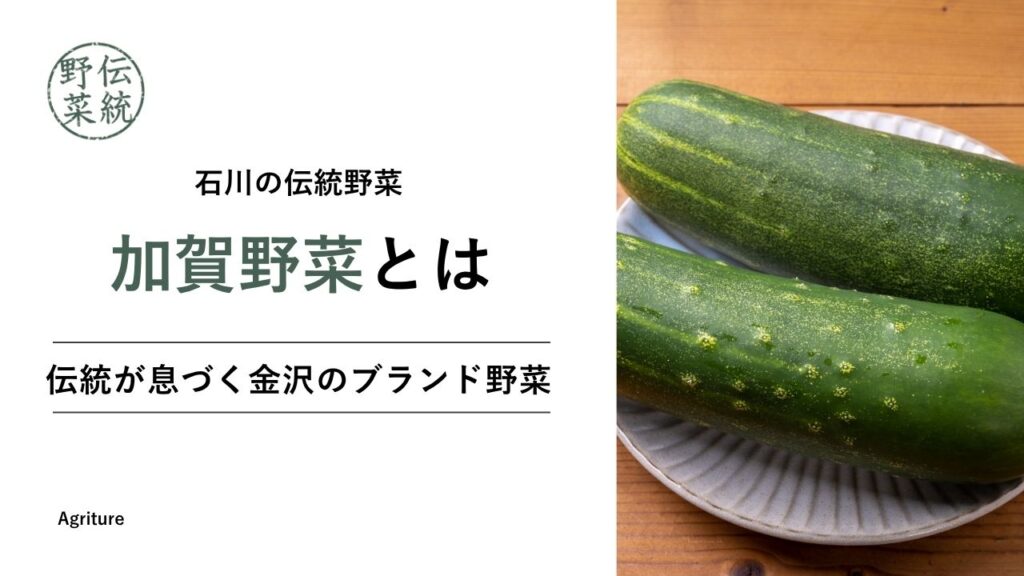
Kaga vegetables: Kanazawa brand vegetables where tradition lives on
Ishikawa Prefecture, known for the Kaga domain of a million koku. In this region, where traditional culture remains strong, there are traditional vegetables called "Kaga vegetables." Nurtured by the local climate and land, many with a history since the Edo period, Kaga vegetables are brand vegetables certified by the Kanazawa City Agricultural Products Brand Association. This article... -
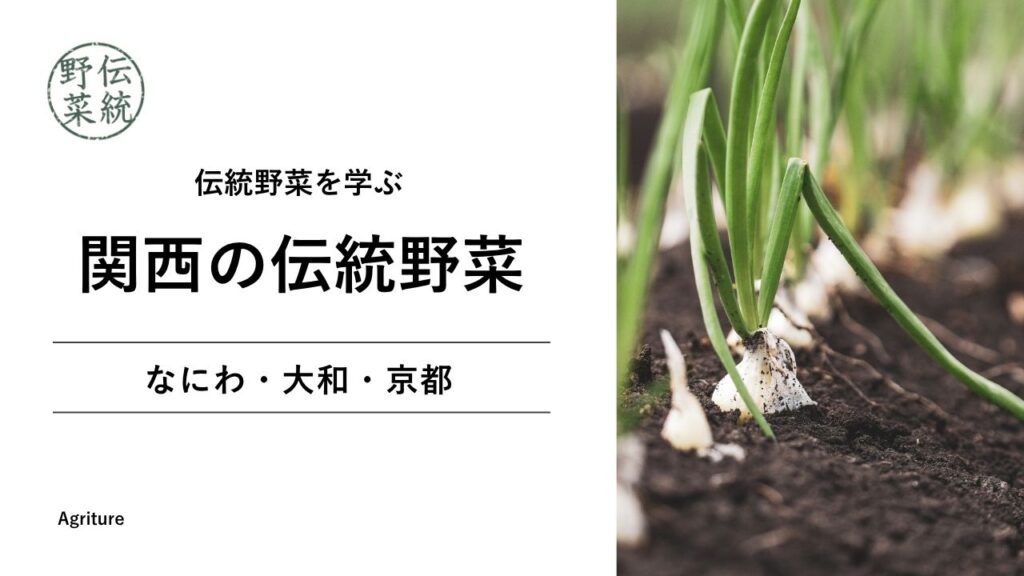
The appeal of Kansai heirloom vegetables | Specialties of Naniwa, Kyoto, and Yamato thoroughly explained
In Kansai, centered on Kyoto, Osaka, and Nara, there are many traditional vegetables handed down since long ago. Each has its own appeal rooted in that land's climate and culture, and they're still beloved on the table and at market. This article covers the characteristics and representative varieties of Kyoto vegetables, Naniwa vegetables, and Yamato vegetables... -
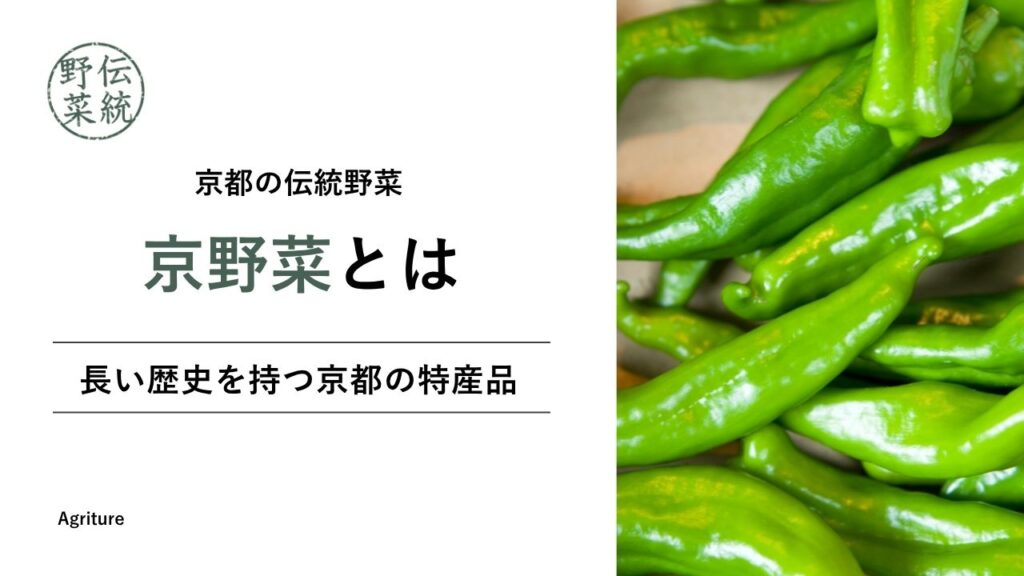
Kyoto heirloom vegetables: Kyoto specialties with a long history
You may have heard the phrase "Kyoto vegetables" at least once. Nurtured through a long history in the ancient capital of Kyoto and developed alongside Kyoto's rich land and culture, Kyoto vegetables are packed with an appeal not found in other vegetables. This article covers the difference between Kyoto heirloom vegetables and brand vegetables... -
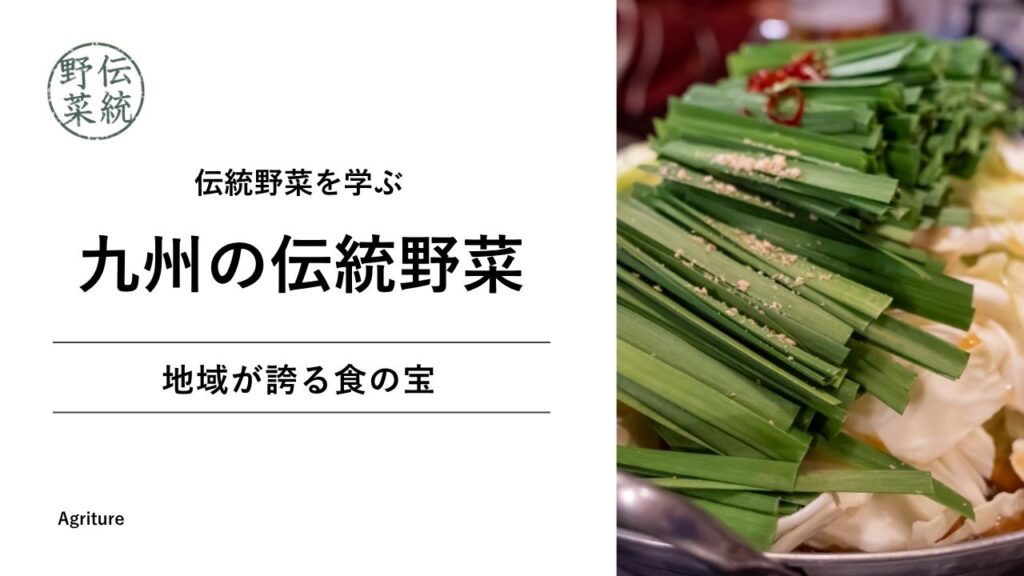
A list of heirloom vegetables of the 8 prefectures of Kyushu and Okinawa|A thorough introduction to characteristics, growing regions, and seasons
Kyushu and Okinawa are home to many distinctive heirloom vegetables rooted in the character of each place. From striking looks and deep flavor to the history handed down behind them, each vegetable is packed with regional pride. This article introduces the heirloom vegetables passed down across the eight prefectures of Kyushu and Okinawa... -
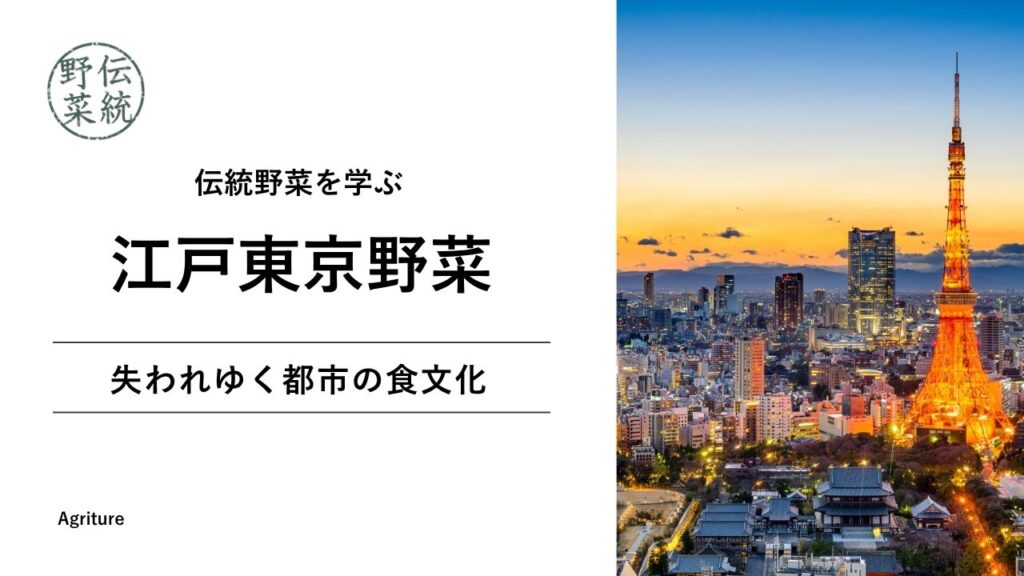
Know the heirloom vegetables of Edo Tokyo | The city’s vanishing food culture
In the streets of Tokyo where high-rises stand, rich farmland once spread, and vegetables of each season were grown locally. "Edo Tokyo vegetables"—such as komatsuna, Takinogawa gobo, and Naito togarashi, whose names still remain—are urban traditional vegetables handed down since the Edo period. But the city... -
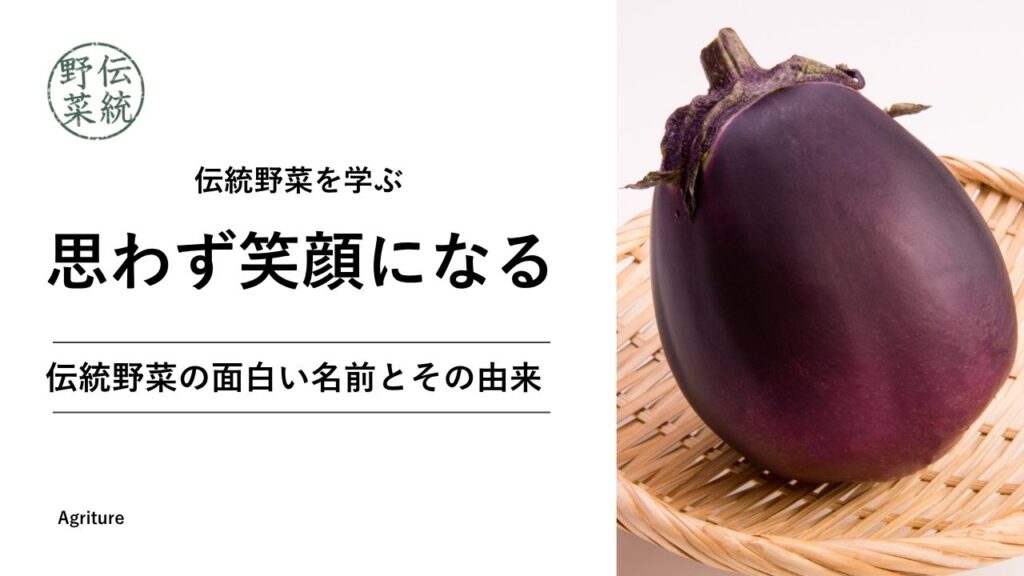
They'll make you smile! The fun names of heirloom vegetables and their origins
Across Japan there are many heirloom vegetables with distinctive names. Unique vegetables whose very names make you smile. This time, we introduce in detail the interesting names of such heirloom vegetables and their origins. Heirloom vegetables are those grown in that land since long ago... -
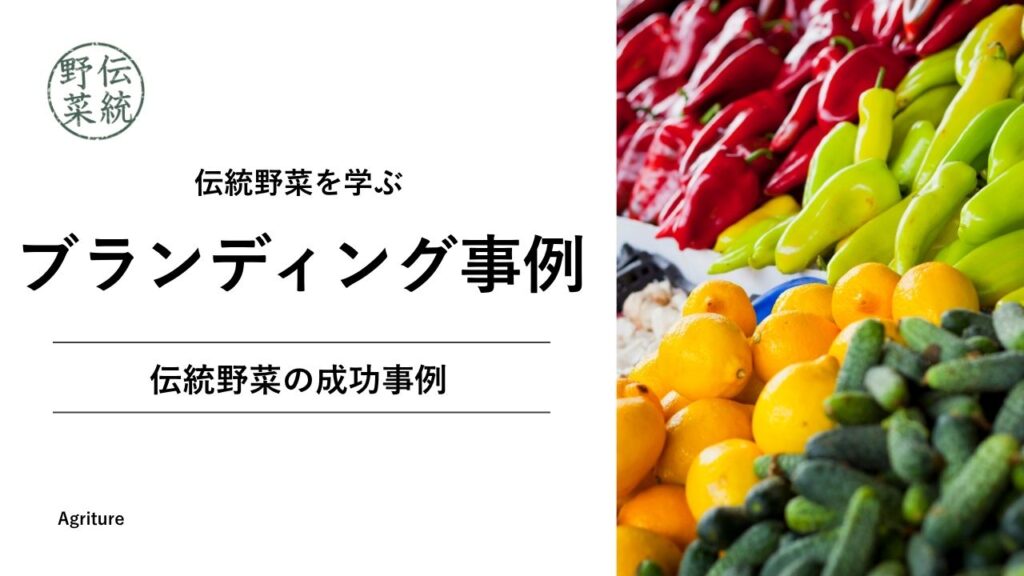
5 cases and strategies that succeeded in branding heirloom vegetables
In an era of advancing mass production and mass consumption, there is a growing movement to find value in "authentic taste" and "local character." Drawing attention within this trend is the branding of heirloom vegetables—varieties rooted in the land. Not mere naming, but everything from history and culture to cultivation methods and market development... -
What is the regional character of heirloom vegetables? The tastes and stories handed down across the land
Across Japan there are many "heirloom vegetables" nurtured within the climate, land, and culture unique to each place. Rooted in the region over long years, deeply tied to the lives and palates of local people, these vegetables are not mere ingredients but a presence that harbors the region's stories and memories... -
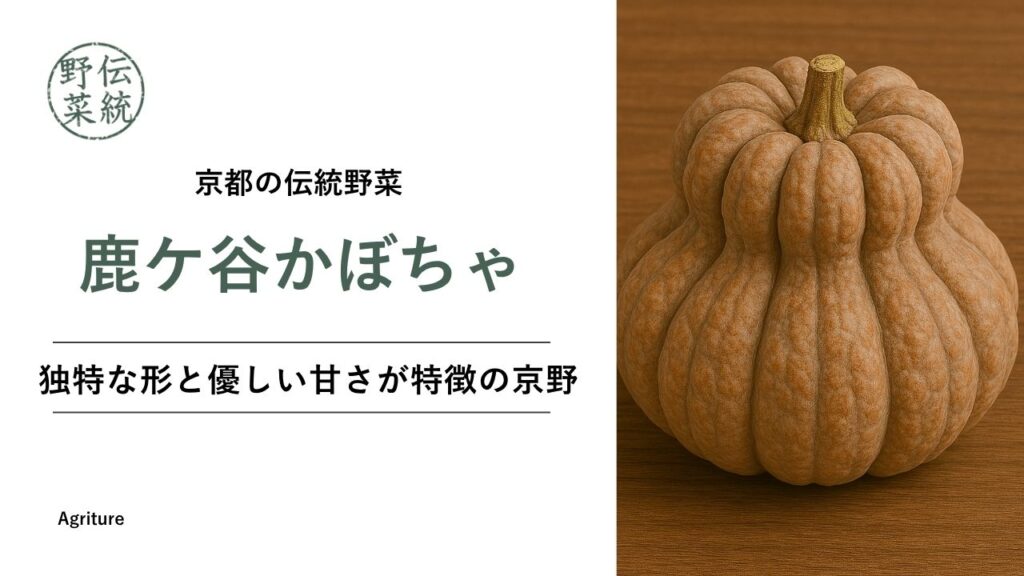
Shishigatani Kabocha: A Kyoto Vegetable Prized for Its Distinctive Shape and Gentle Sweetness
Shishigatani kabocha (shishigatani kabocha) is one of Kyoto's traditional vegetables, with a history of being brought to Kyoto from present-day Aomori Prefecture in the Edo period. A Japanese kabocha prized for its distinctive gourd-like shape and gentle sweetness, its delicate flavor distinct from ordinary Western kabocha... -
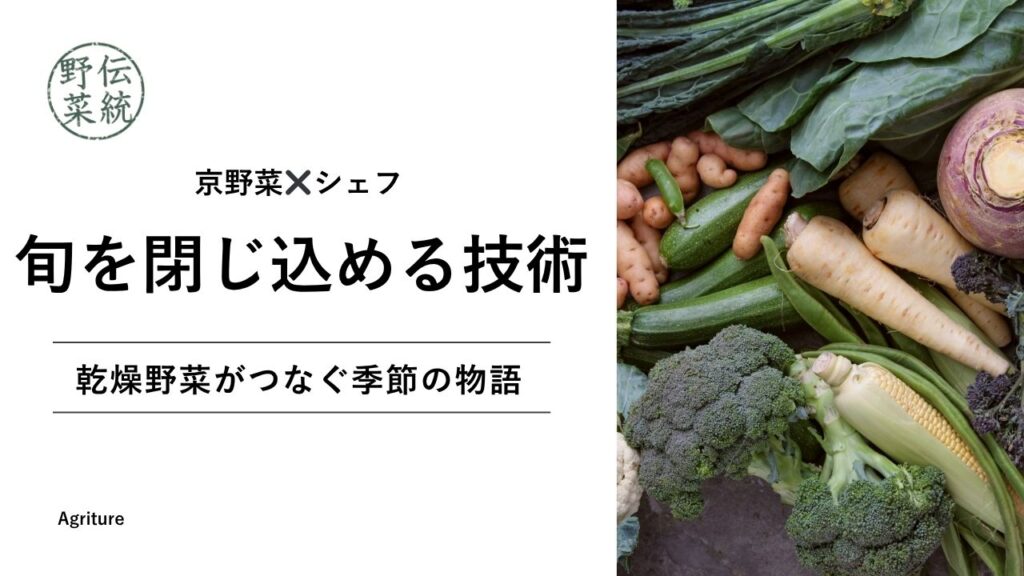
The Technology to Lock In the Season. The Seasonal Story Dried Vegetables Connect.
As a chef, you constantly face the question of "how to handle seasonal ingredients." Vegetables are living things. Their most beautiful moment arrives in only a brief span, and their face utterly changes with a single shift in temperature or rain. That's exactly why how to deliver the "flavor of only now" to the customer... -
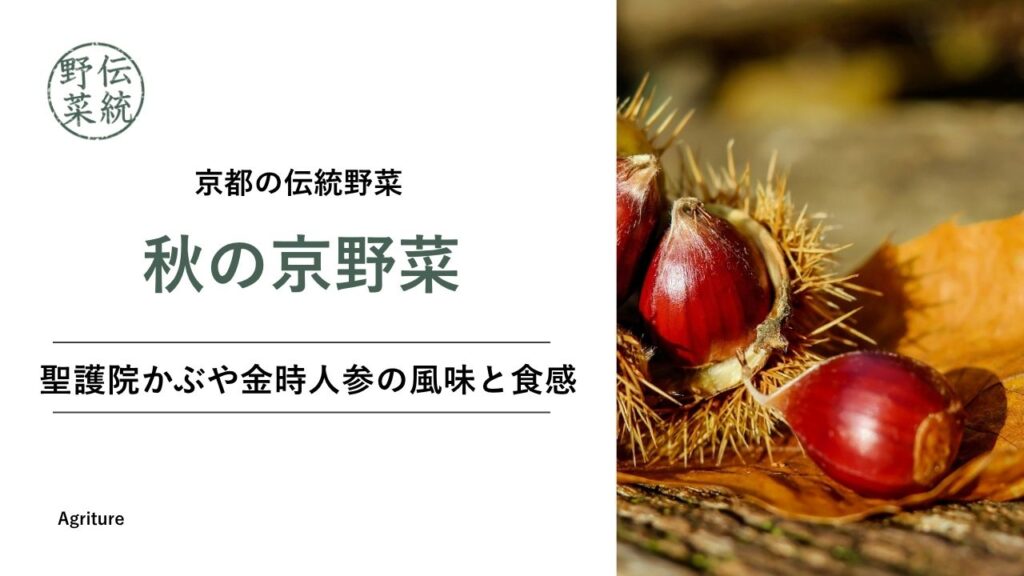
Autumn Kyoto Vegetables: The Flavor and Texture of Shogoin Kabu and Kintoki Carrot
Vegetables have a "season" for each period, and eating them in that period lets you enjoy more deliciousness and nutrition. Autumn Kyoto has an abundance of flavorful Kyoto vegetables. In this season, when it cools and the appetite grows, incorporate Kyoto vegetables—prized for a cozy sweetness and richness—into the daily table... -
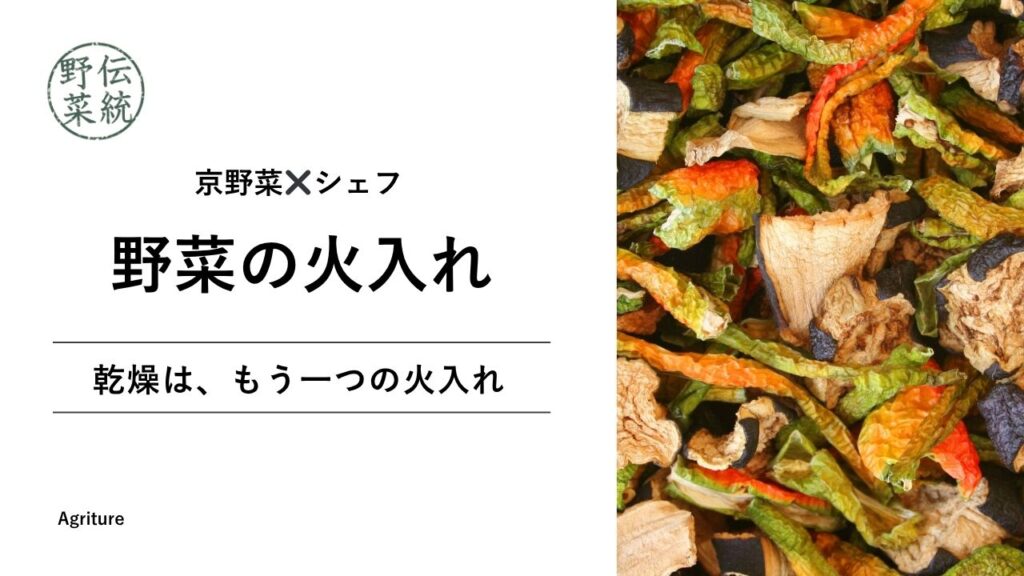
Drying Is Another Kind of Cooking
When I'm cooking, the phrase "hi-ire" (applying heat) carries a certain special resonance. Do you sear it all at once over high heat, or coax the heat in slowly over a low flame? Depending on your distance from the fire and how much time you give it, the very same ingredient reveals a completely different face. But one day I realized... -
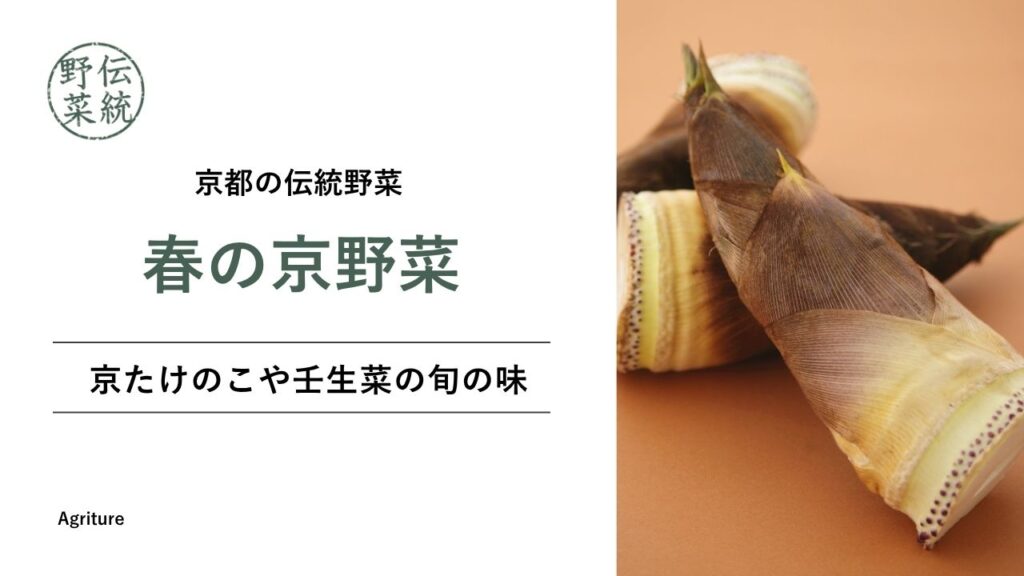
Spring Kyoto vegetables: the seasonal taste of Kyoto bamboo shoots, mibuna, and Kujo green onion
Every vegetable has its season, and by enjoying them season by season you can savor flavors unique to that time of year. Spring, along with the start of the new fiscal year, is when fresh vegetables line the shop shelves. Vividly colored, full of character, spring Kyoto vegetables include Kyoto bamboo shoots, hanana rape blossoms, and Kyoto udo—all shaped by Kyoto's climate and land... -
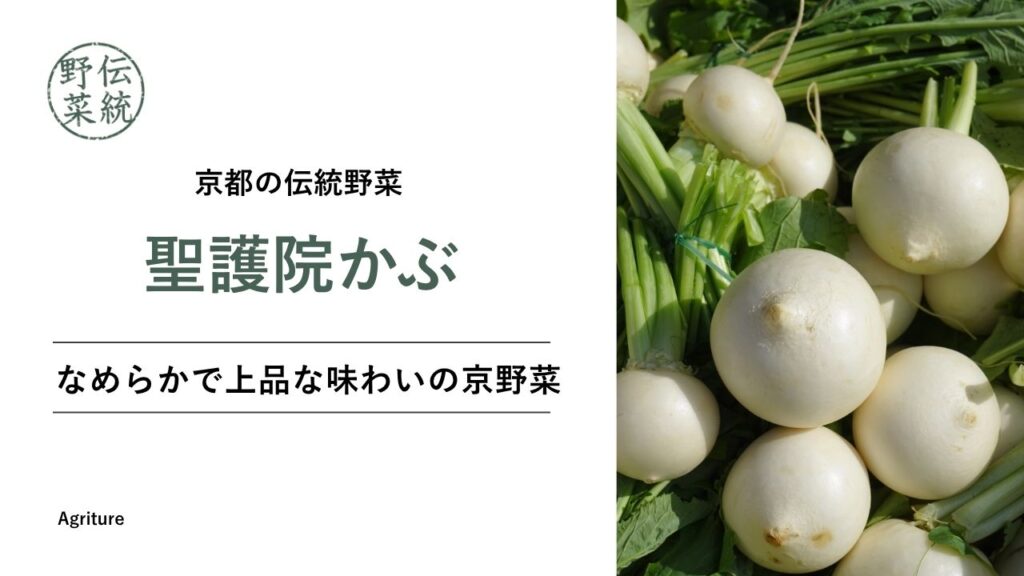
Shogoin Kabu: A Kyoto Vegetable with a Smooth, Refined Flavor
Shogoin kabura is one of Kyoto's heirloom vegetables, a turnip known for its large, round shape. Among turnips it boasts one of the largest sizes in Japan, and it is famous as the ingredient for Kyoto's specialty senmaizuke pickles—a true seasonal signature of Kyoto's winter. -
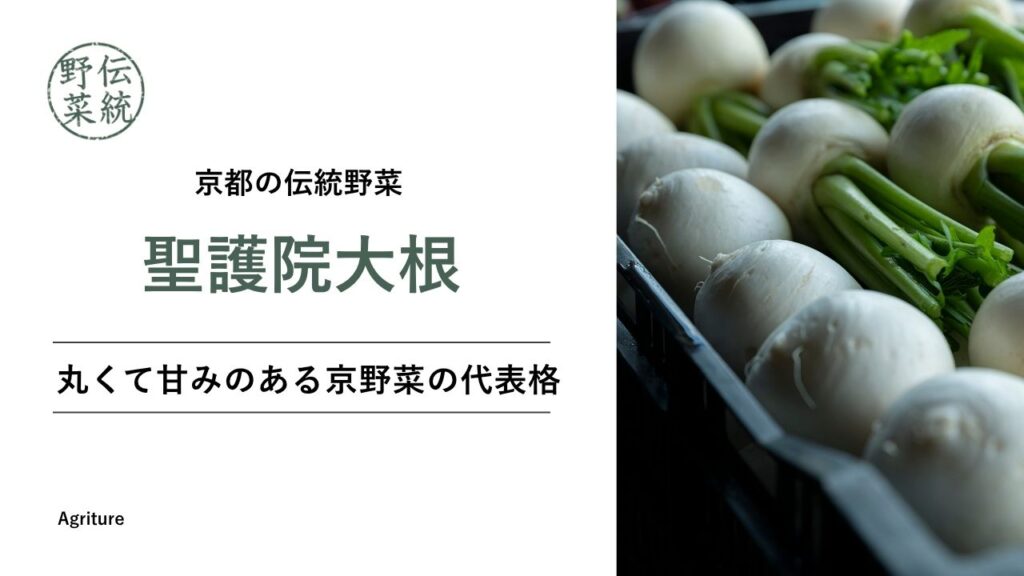
Shogoin Daikon: The Round, Sweet Standard-Bearer of Kyoto Vegetables
Shogoin daikon is one of Kyoto's heirloom vegetables, characterized by its large, round shape. It takes its name from Shogoin in Kyoto's Sakyo Ward, where it was first cultivated in the Edo period. In the early Showa era, it began to be grown in the Yodo district of Mimaki Village in southern Kyoto (around present-day Kumiyama)... -
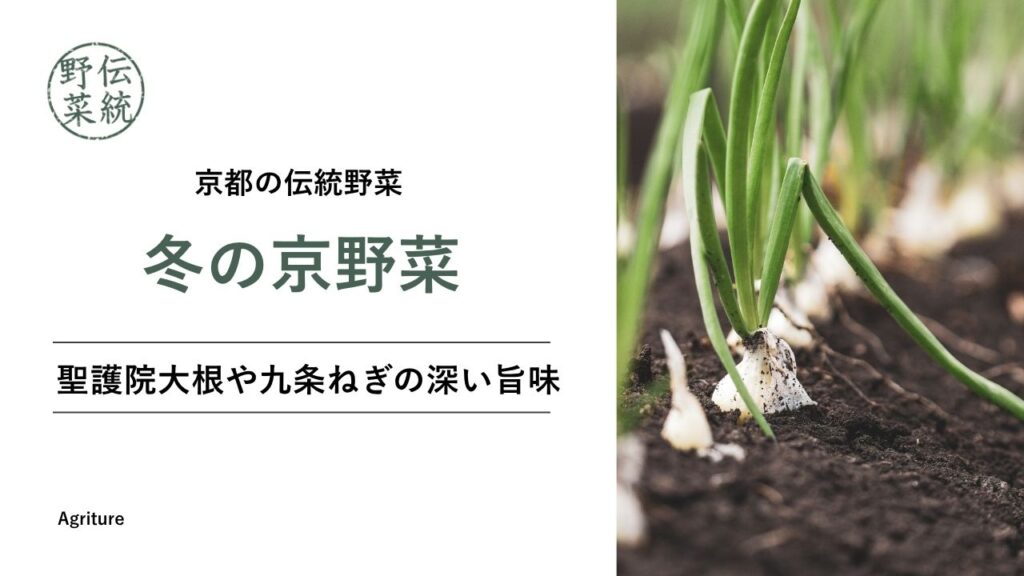
Winter Kyoto vegetables: the deep umami of Shogoin daikon and Kujo green onion
The "Kyoto vegetables" that color Kyoto's winter are packed with deep sweetness and umami, slowly nurtured through the cold. As temperatures drop, vegetables store up sugars, so Kyoto vegetables that come into season in winter grow sweeter and taste all the better in hot pots and simmered dishes. Here we introduce Kujo green onion, Shogoin daikon... -
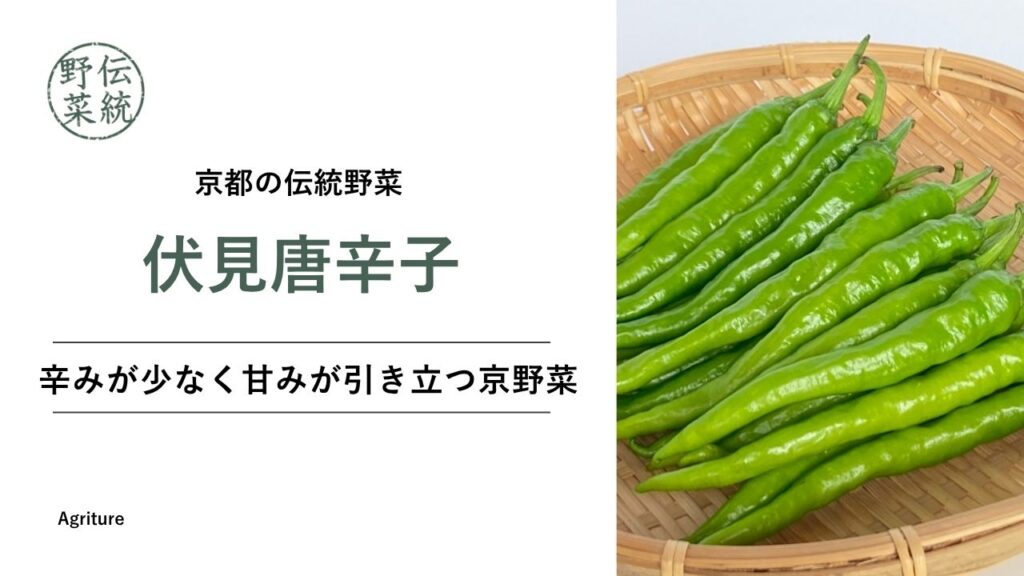
Fushimi Togarashi: A Kyoto Vegetable with Little Heat and Standout Sweetness
Fushimi togarashi is one of the Kyoto vegetables originating in Fushimi Ward, Kyoto Prefecture. Prized for being long, slender, wrinkled, and vividly green, it bears the name "togarashi" (chili) but is a kind of sweet chili with almost no heat. For that reason, children and those who dislike spicy food... -
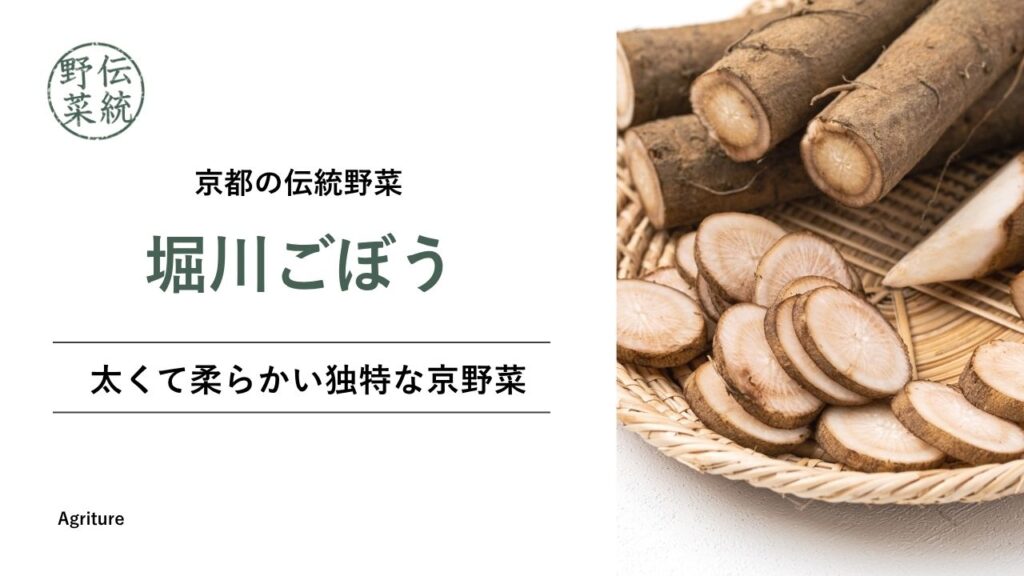
What Is Horikawa Gobo? A Thorough Explanation of Its Characteristics, Cultivation, How to Eat It, and Nutrition
What Is Horikawa Gobo? The Difference from Ordinary Gobo. Horikawa gobo is a Kyoto vegetable cultivated in Kyoto for about 400 years. Certified as both a "Kyoto Heirloom Vegetable" and a "Brand Kyoto Vegetable," it's known as a rare Kyoto vegetable used even at high-end restaurants. General... -
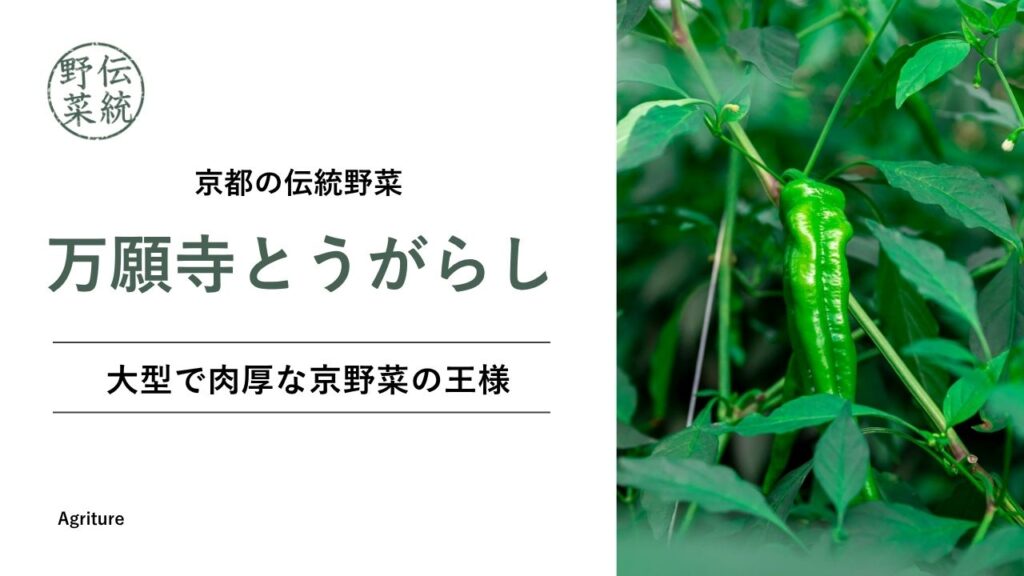
Manganji Togarashi: The Large, Thick-Fleshed King of Kyoto Vegetables
Manganji togarashi is one of the summer Kyoto vegetables that represent Kyoto. Though a member of the chili family, it has almost no heat, and because it's large, thick-fleshed, and sweet, it's also called the "king of chilies." With few seeds and easy to eat, it's used for suyaki and nibitashi... -
The Real Reason Chefs Use Kyoto Vegetables
A column penned by chef Tamotsu Yoneyama, who runs "Potsura Potsura" and "Utsura Utsura" in Shinsen, Tokyo, earning Michelin Bib Gourmand at both restaurants. We share what he feels about the power of ingredients and producers' aspirations as he faces Kyoto vegetables in the daily kitchen. The customer's expression a single dish creates... -
Kyoto Vegetables and Dashi —The Resonance Between the Ingredient's Voice and the Dashi—
When cooking, what always comes to mind is "how to listen to the ingredient's voice." Above all, I think the relationship between Kyoto vegetables and dashi is a presence that answers that question head-on. A Kyoto vegetable has flavor that stands out even simply boiled. But by adding dashi, that individuality... -
Kyoto Vegetables and Sake. The Happy Relationship of a Dish and a Cup.
As a chef, the time spent thinking "what drink shall I pair with this dish" is actually very enjoyable. As much as finishing the dish itself, what sways the customer's expression is "pairing." What cup to match with a dish centered on Kyoto vegetables. That moment... -
Vegetables and Heat Control. Between High and Low Flame
When talking about cooking, our eyes inevitably go to seasonings and plating, but in truth, I think most of a chef's work is a dialogue with "heat control." Whether to go high flame, or low and slow. That single judgment can utterly change a vegetable's face... -
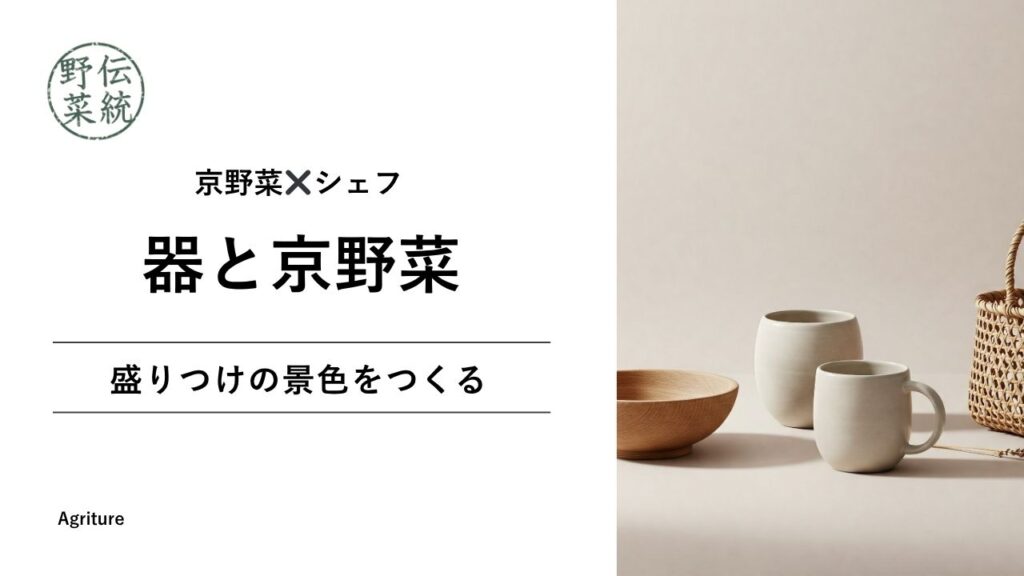
Vessels and Kyoto Vegetables. Creating the Scenery of Plating.
What always comes at the end of cooking is the step of "plating." After cutting, applying heat, and adjusting the flavor, the moment of setting the dish on the vessel. Here, the dish's impression changes greatly. It doesn't change the flavor itself. But the color, texture, and shape a vessel holds, when they meet a vegetable... -
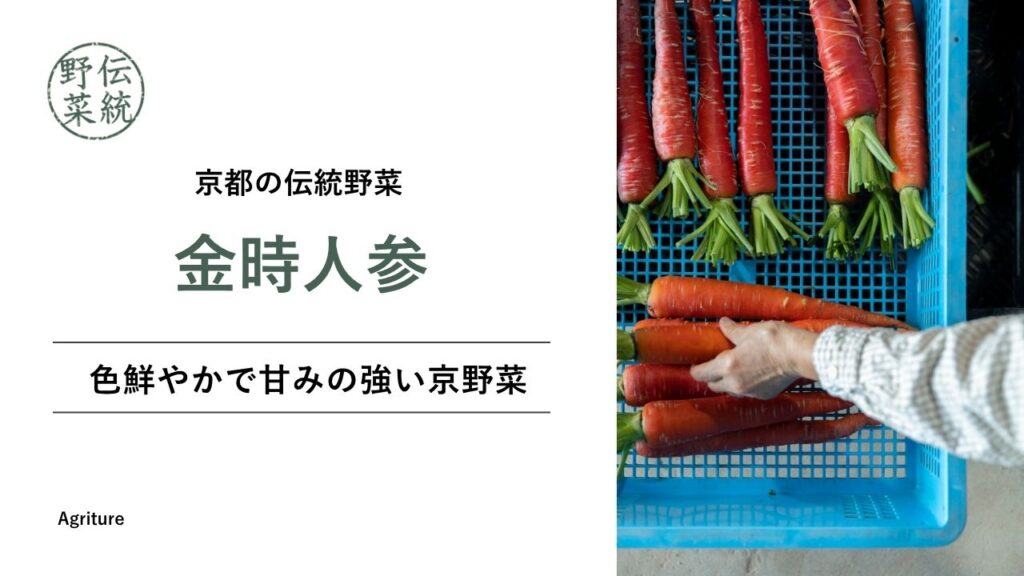
Kintoki Carrot: A Vividly Colored, Strongly Sweet Kyoto Vegetable
Kintoki carrot (kintoki ninjin) is one of Japan's traditional varieties, cultivated in the Kansai region including Kyoto. Its greatest feature is a vivid red color distinct from ordinary orange Western carrots, an ingredient often used at celebratory occasions such as osechi and New Year's simmered dishes... -
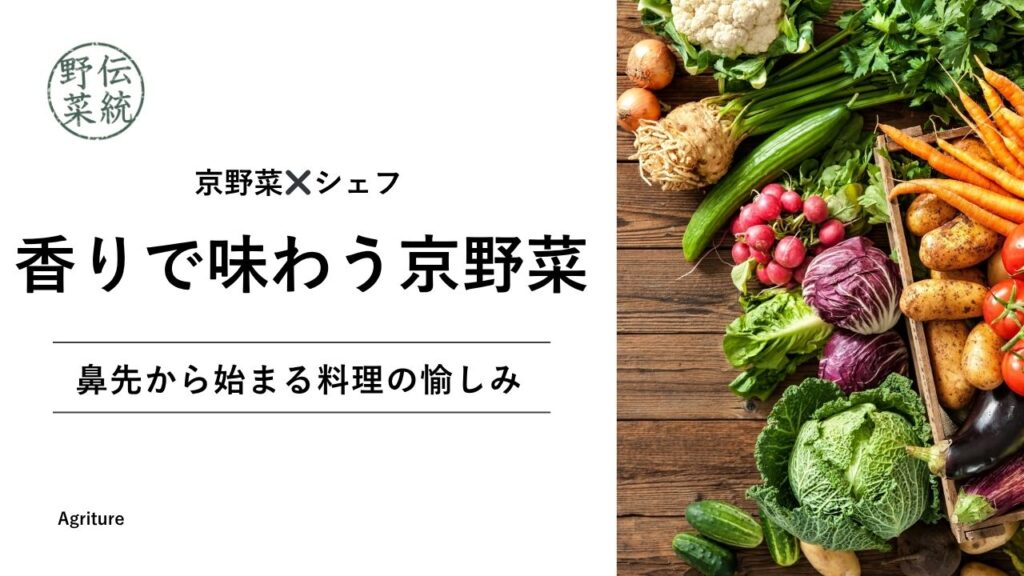
Tasting Kyoto Vegetables by Aroma. The Pleasure of Cooking That Begins at the Tip of the Nose
Cooking is something you taste by putting it in your mouth. So it tends to be thought, but in reality it begins much earlier. The green aroma that rises when you put in the knife, the sweet scent that drifts the moment it's put over the flame. That aroma reaching the nose is, for a chef, the first signal, and for the eater... -
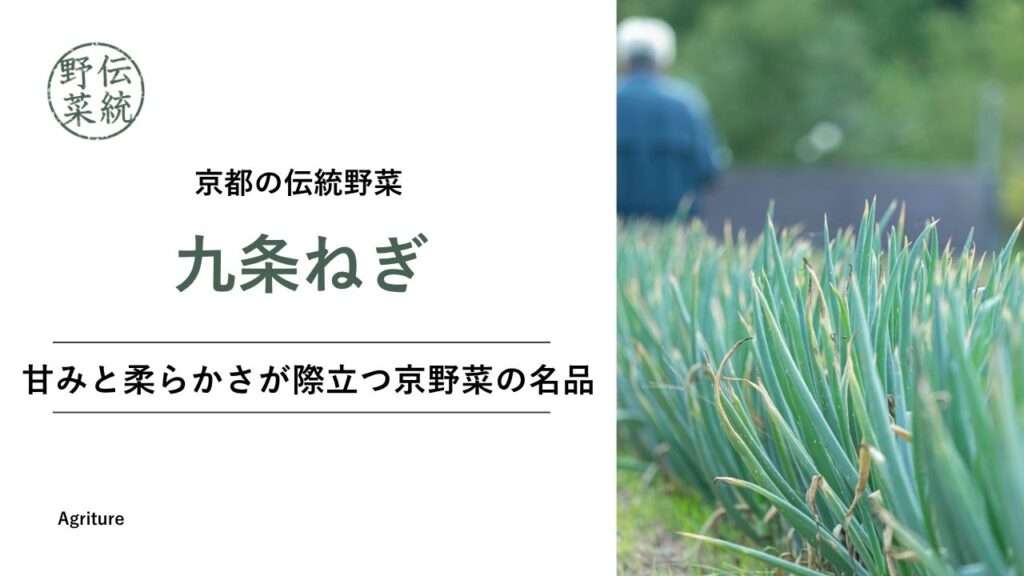
What is the Kyoto heirloom vegetable Kujo green onion? The difference from green onion, plus season, ways to eat, and storage explained
"Kujo negi" is a green negi that represents Kyoto, certified as a Kyoto heirloom vegetable with about 1,300 years of history. It's an ingredient essential to Kyoto cuisine—Kyo-udon, Kyoto hot pot, and as a garnish—prized for the sliminess of its leaf flesh, the sweetness that increases in winter, and its rich aroma. This article covers Kujo negi's position as a Kyoto vegetable... -
The Cut Face of a Vegetable. The Difference the Cut Makes.
The fun of cooking, I think, is actually hidden in very small places. For example, "the cut." Even the same vegetable becomes an entirely different dish with a single way of putting in the knife. How you listen to the vegetable's voice—a chef's work appears in that moment. Shogoin kabura...
12