Sakura Renkon Co., Ltd.

TOC
Our initiative with Sakura Renkon
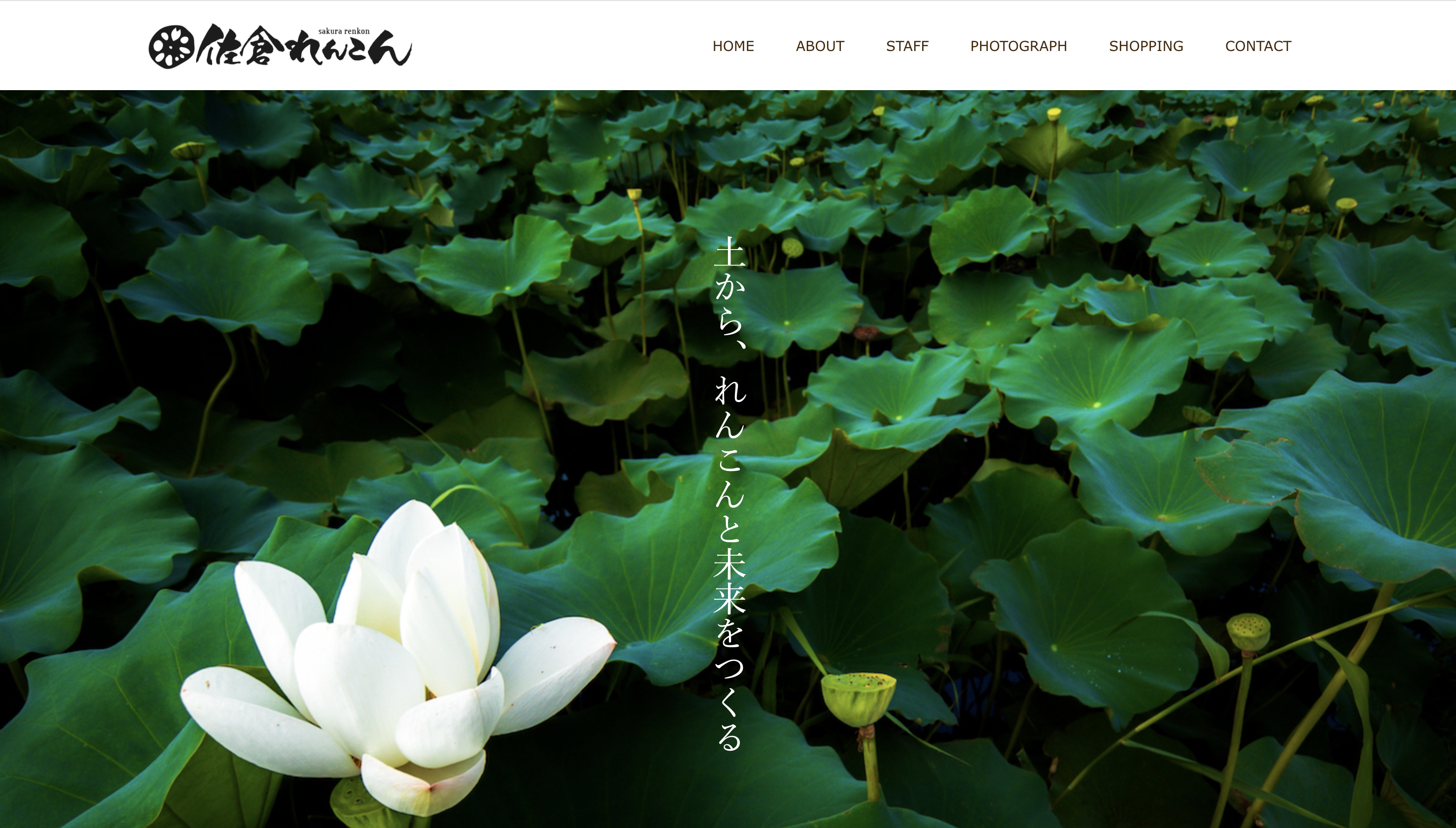
Sakura Renkon (Sakura City, Chiba Prefecture) is an agricultural corporation that specializes in growing and selling lotus root. Its representative, Yuma Matsumoto, worked in Tokyo before taking up farming, and after training, regenerated abandoned kuroboku-soil paddies. Using only organic fertilizer, he has continued a soil-building approach that uses no chemical fertilizers. Now he cultivates carefully managed lotus root across about 10 hectares of fields, selling it at farm stands and online. He's also working on making processed goods such as lotus root powder, practicing recycling-oriented agriculture that makes the most of local resources.
Official site:https://sakura-lotusroots.com/
This time, to make use of this carefully grown lotus root in a new form, we were commissioned for OEM processing to turn lotus root into powder. After checking the state of the harvested lotus root, we designed the drying temperature and time and adjusted the grinding particle size, finishing it as a powder ingredient easy to handle for the application. By making it into a form usable across a wide range — cooking, processed foods, product development — while protecting lotus root's inherent flavor and color, we support the "creation of new value for lotus root" that Sakura Renkon aims for.

Creating lotus root and the future from the soil
Sakura Renkon is grown in nature-rich Sakura City, located in the center of Chiba Prefecture. The brand name "Sakura Renkon" holds a wish to further enliven Sakura City, and a hope to become, like cherry blossoms, something loved by many people for a long time. Through a landscape of lotus flowers blooming across the fields and the fresh lotus root growing there, it aims to be an appealing brand rooted in the region.
The commitment in cultivation begins with regenerating abandoned kuroboku-soil paddies. Using organic fertilizers such as rice bran and bamboo-charcoal-derived biochar, he doesn't rely on chemical fertilizers. Weeding is done by hand too, and he carefully raises a variety with little harshness that can be eaten skin and all. A meticulous attitude of observing the fields repeatedly to gauge the best timing for each task is the important process that underpins the deliciousness. Because freshness governs the flavor of lotus root, he also puts ingenuity into the harvesting method so he can deliver it freshly dug.
The management philosophy "From the soil, we create lotus root and the future" holds a wish to protect food safety and stable supply, draw out the region's appeal, and build agriculture that continues to the next generation. This attitude of valuing everything consistently — from the cultivation site to community building — is exactly what characterizes Sakura Renkon.

About lotus root
Lotus root is the enlarged rhizome of the lotus, a vegetable long enjoyed as food. It's characterized by a crisp bite and a distinctive texture that turns tender and floury when cooked. The holes that appear at the cut surface are the lotus's air passages, and thanks to this structure it grows easily even underwater and holds its shape well when cooked.
Containing dietary fiber, vitamin C, potassium, and more, it's used across a wide range — from home cooking to a signature dish at a Japanese restaurant — in simmered dishes, kinpira, deep-fried dishes, grated, and more. Varieties and seasons differ by region, and it's an ingredient whose flavor also varies by season, from early-dug lotus root with a crisp texture to late-autumn lotus root with increased stickiness and sweetness.
About lotus root powder

Lotus root powder is a simple plant ingredient made by slicing raw lotus root, drying it, and finely grinding it. Because the dietary fiber and starch contained in lotus root remain as-is, it thickens moderately when dissolved in water, making it easy to use in both Japanese and Western dishes. It can be used widely in everyday cooking — dissolved in hot water for soup, for thickening miso soup, as a binder for hamburg steak and tsukune, mixed into bread and cookie dough, and more. Because it has little off-flavor and a faint sweetness, it's also used for baby food and stomach-friendly meals. As a highly storable ingredient that lets you take in lotus root easily, it's a powder drawing attention for both home and commercial use.
See Kaga lotus root powder here

Support for powdering by Agriture
Agriture handles a wide range of powder-processing OEM using domestic vegetables. Because we can carry out everything from raw material selection to drying, milling, and fine-powdering in-house, we can create the optimal powder for each application. Required particle size and flavor differ by business type across confectionery, baking, seasonings, beverages, and health foods, so we design and finish down to the details, including adjusting fineness and color and preserving flavor through low-temperature drying.
We also handle prototyping, and can discuss small-lot processing and powdering that makes the most of an ingredient's characteristics. The fact that it finishes into a natural powder that keeps the ingredient's color and aroma with no additives makes it well suited to developing domestic-oriented and natural products. Because you can entrust drying, milling, and raw-material processing together, it is an OEM service easy to use for launching new products and developing private-brand items.
About powder processing:https://agriture.jp/powder/